
Can Rwandan patients travel to India for medical treatment?
Yes. Rwandan citizens can travel to India for medical treatment using the applicable Indian visa route.
Medical treatment in India for Rwandan patients
For a patient travelling from Rwanda, choosing treatment abroad involves more than selecting a hospital. GAF Healthcare helps Rwandan patients connect records from Kigali, Huye, Musanze, Rubavu, Muhanga and other districts with an appropriate Indian specialist and hospital, then plan the visa, travel and follow-up around that medical requirement.
Quick answer
Yes. Rwandan citizens can travel to India for medical treatment using the applicable Indian visa route.
Yes. Rwanda is currently included in India's e-Visa eligible-country list, and medical treatment is an eligible purpose under India's e-Visa system.
Depending on the diagnosis, patients can seek cancer treatment, cardiac care, neurosurgery, orthopaedic surgery, urology, gastrointestinal treatment, fertility treatment, paediatric care, kidney treatment and transplantation, among other specialties.
There is no single price. Treatment cost depends on the diagnosis, hospital, specialist, procedure, medicines, investigations, implants, ICU requirements and duration of hospitalisation.
Yes. Medical records, scans and previous treatment reports can be shared for preliminary specialist review.
English is commonly used for medical documentation and specialist communication in India. Rwanda's official languages include Kinyarwanda, English and French, so patients who are more comfortable in Kinyarwanda or French should establish interpretation arrangements before travelling.
International treatment is a major decision for a patient and family. The first question should not simply be which Indian hospital to choose. A more useful starting point is the diagnosis and which specialist should treat it.
The appropriate hospital still depends on the individual patient's medical requirements. India should not automatically be considered appropriate for every patient.
India and Rwanda have developed cooperation across healthcare, pharmaceuticals, education, capacity building and development assistance.
India's Ministry of External Affairs records that medicines worth US$2 million were gifted to Rwanda in early 2019 to support the response to HIV/AIDS, Hepatitis B and Hepatitis C. India also provided 50,000 doses of COVISHIELD vaccine, which arrived at Kigali International Airport on 5 March 2021, and another batch of HIV/AIDS medicines on 5 October 2021 worth Rs.1.2 crore.
In May 2024, India approved a US$1 million grant from the India-UN Development Partnership Fund for a Rwanda maternal-health project focused on midwifery development. The official brief records that the project was launched on 20 May 2025 by UNFPA, the Government of Rwanda and the High Commission of India in Kigali.
These initiatives provide important context for the India–Rwanda healthcare relationship. They do not, however, determine which treatment is appropriate for an individual patient.
MEA India–Rwanda briefHigh Commission of India, KigaliHCI visa servicesHCI e-Visa notes
Rwanda has made substantial progress in healthcare access and public health. The country's Health Sector Strategic Plan V for 2024/25–2028/29 focuses on strengthening the health workforce, modernising healthcare infrastructure, improving quality of care, health security, research and innovation, digitalisation and health financing. At the same time, Rwanda's health-sector planning identifies a growing burden of noncommunicable diseases, including diabetes, hypertension, stroke and cancer.
Country-level health indicators do not determine an individual's medical needs. The relevant question is: what is the patient's diagnosis, what treatment is appropriate, and can the patient safely travel for that treatment?
Indian hospitals provide specialist care across a wide range of medical disciplines. The appropriate treatment depends on the patient's diagnosis, stage of disease, previous treatment and overall clinical condition.
Each card links only to a live GAF specialty or treatment page. Where GAF does not yet publish a dedicated page, the category is explained without an invented URL.
Medical, surgical and radiation oncology, including prostate, breast, cervical, colorectal and lymphoma pathways that already have GAF guides. Stomach-cancer and liver-cancer cases are coordinated after records review because dedicated pages are not yet published.
Prostate cancer treatment in IndiaAngiography, angioplasty, bypass surgery, valve repair or replacement, TAVR in selected patients, pacemaker or ICD implantation and selected paediatric cardiac operations.
CABG surgery in IndiaBrain-tumour surgery, craniotomy, endoscopic and pituitary procedures, hydrocephalus, aneurysm evaluation and complex spine surgery.
Brain tumour surgery in IndiaKnee and hip replacement, revision joint replacement, ACL reconstruction, arthroscopy and rehabilitation planning.
Knee replacement in IndiaProstate and kidney cancer surgery, stone and prostate procedures, and kidney-transplant evaluation.
Radical prostatectomy in IndiaComplex abdominal and HPB surgery, including Whipple and HIPEC where clinically appropriate.
Whipple surgery in IndiaPaediatric cardiology and cardiac surgery, oncology, neurosurgery and related children’s services. A specialist should assess whether international travel is medically appropriate before the family makes arrangements.
VSD surgery in IndiaKidney and bone-marrow programmes are highly regulated. Donor eligibility, relationship requirements, documentation and legal approvals must be confirmed before travel. A quotation alone does not establish transplant eligibility.
Bone marrow transplant in IndiaRwandan couples may explore IVF, ICSI, IUI and related fertility evaluation in India. GAF does not yet publish a dedicated IVF page. Eligibility, laboratory procedures and applicable Indian regulations should be confirmed with the treating fertility centre before travel.
Sleeve gastrectomy and gastric bypass for selected patients after nutritional and medical review.
Sleeve gastrectomy in India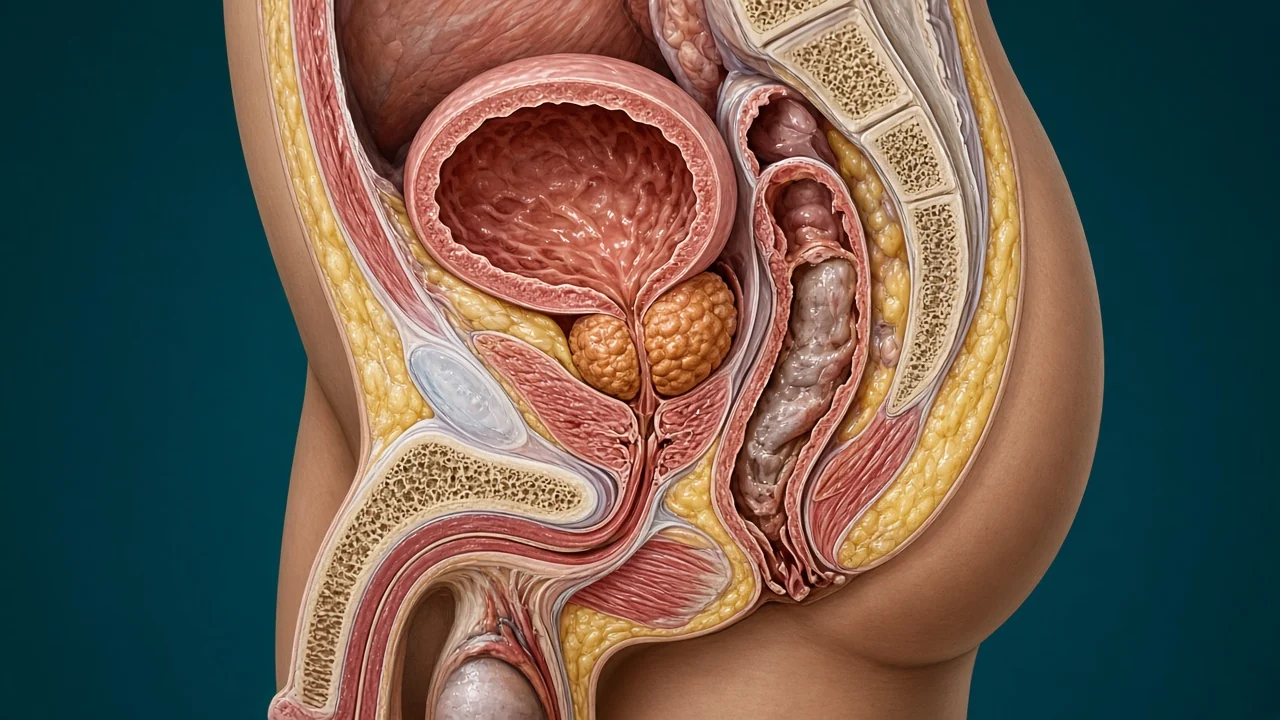
Prostate cancer treatment in India is planned from stage, Grade Group, PSA and imaging — active surveillance, radical prostatectomy, radiation, hormone therapy or systemic care — not from a single package price.

Breast cancer treatment in India is planned from pathology — surgery, chemotherapy, radiation, hormone therapy, targeted therapy or immunotherapy — not from a single package price.
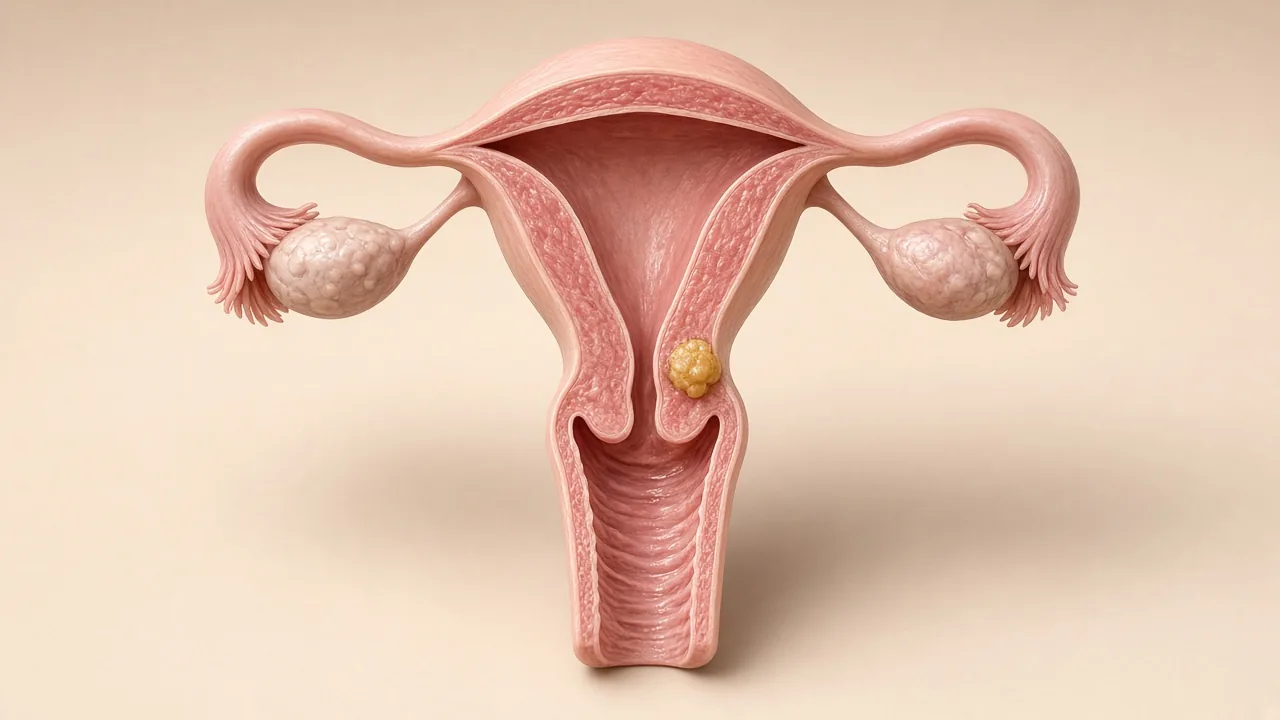
Cervical cancer treatment in India is planned from FIGO stage, fertility goals and whether surgery or chemoradiation with brachytherapy is the right path — not a single package price.
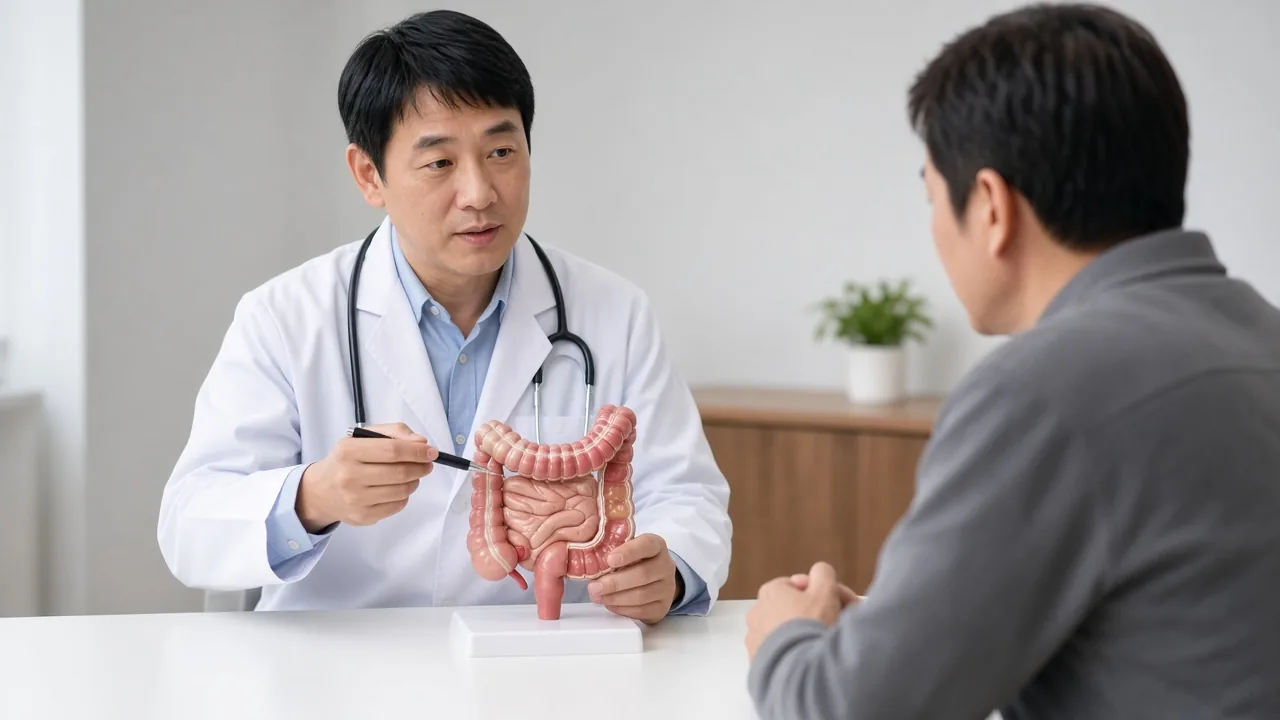
Colon cancer treatment in India is planned from stage, pathology and molecular profile — colectomy, chemotherapy, targeted therapy or immunotherapy — not from a single package price.

Lymphoma treatment in India is planned by Hodgkin or non-Hodgkin subtype — chemotherapy, radiation, transplant or CAR-T quoted from named GAF sheets.

Chemotherapy in India uses anti-cancer medicines in planned cycles. GAF planning is $1,500–$8,000+, typically outpatient over 3–6 months.

CABG surgery in India is planned from the named bypass product — first-time grafts, redo or mini approaches quoted from named GAF sheets.

Heart valve replacement in India is planned from the named product — surgical replacement, repair or TAVR quoted from named GAF sheets.
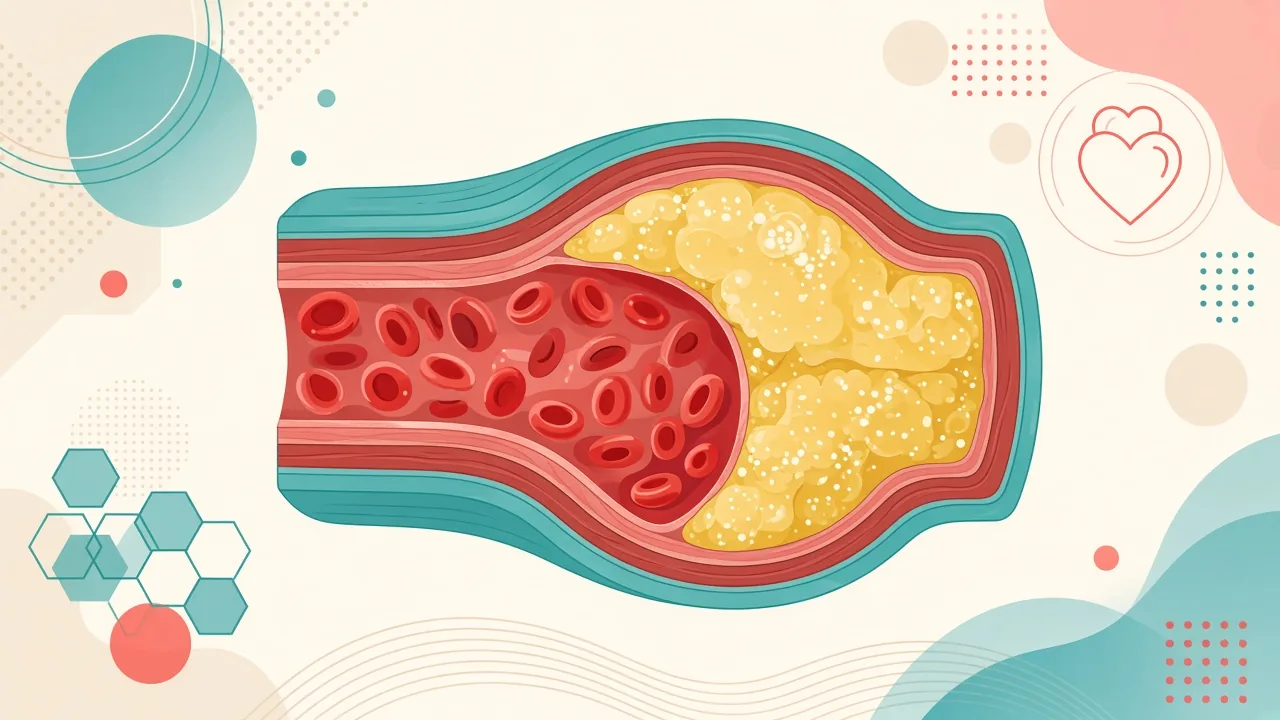
Coronary angioplasty in India is planned from the named PCI product — angiography, stenting or CTO work — not a generic heart-stent package.
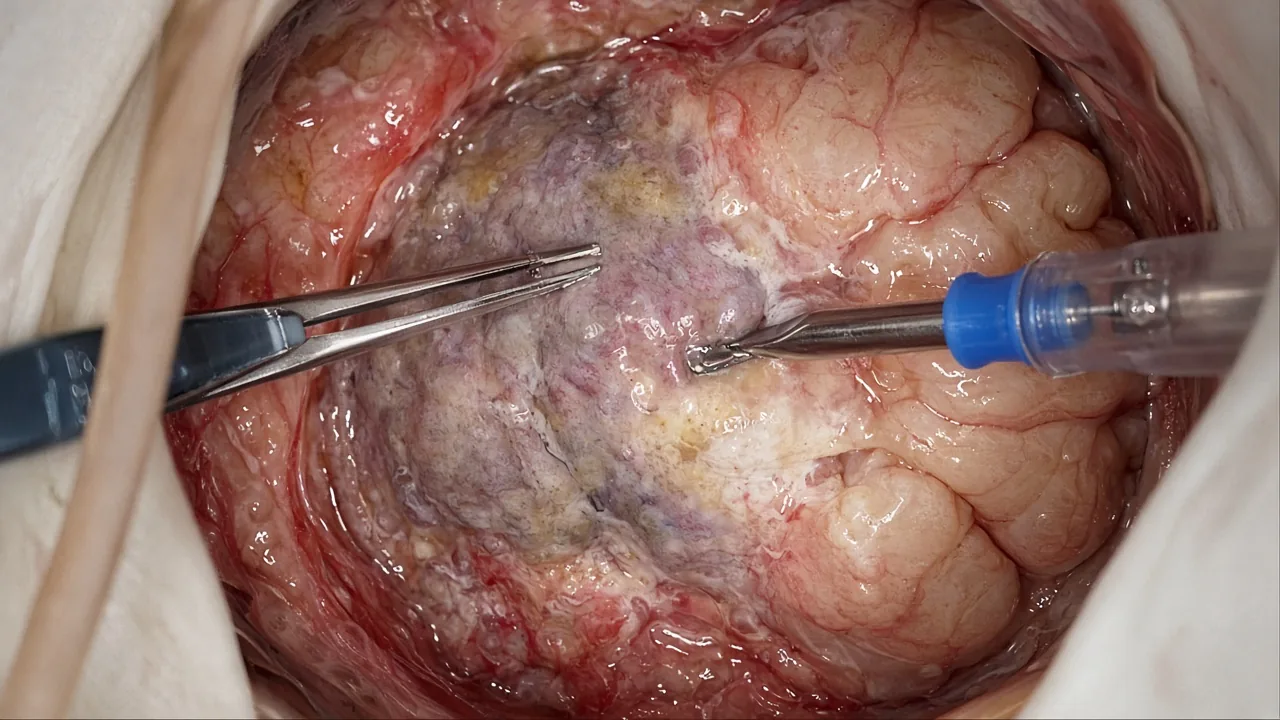
Brain tumor surgery in India is planned from the named tumour — glioma, meningioma, pituitary, metastasis or biopsy — as maximal safe resection, not a generic brain-surgery package.
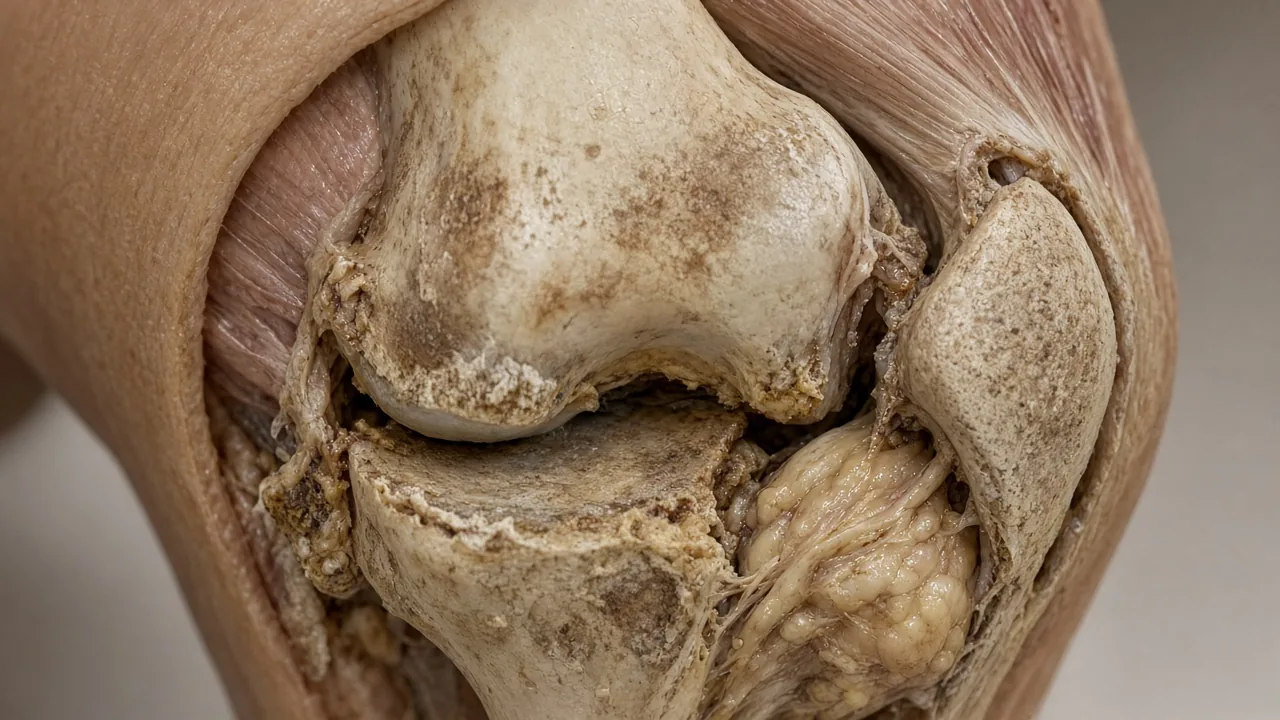
Knee replacement in India is planned from X-rays, ligaments and activity goals — total, partial, revision or robotic-assisted arthroplasty — not from a single package price.
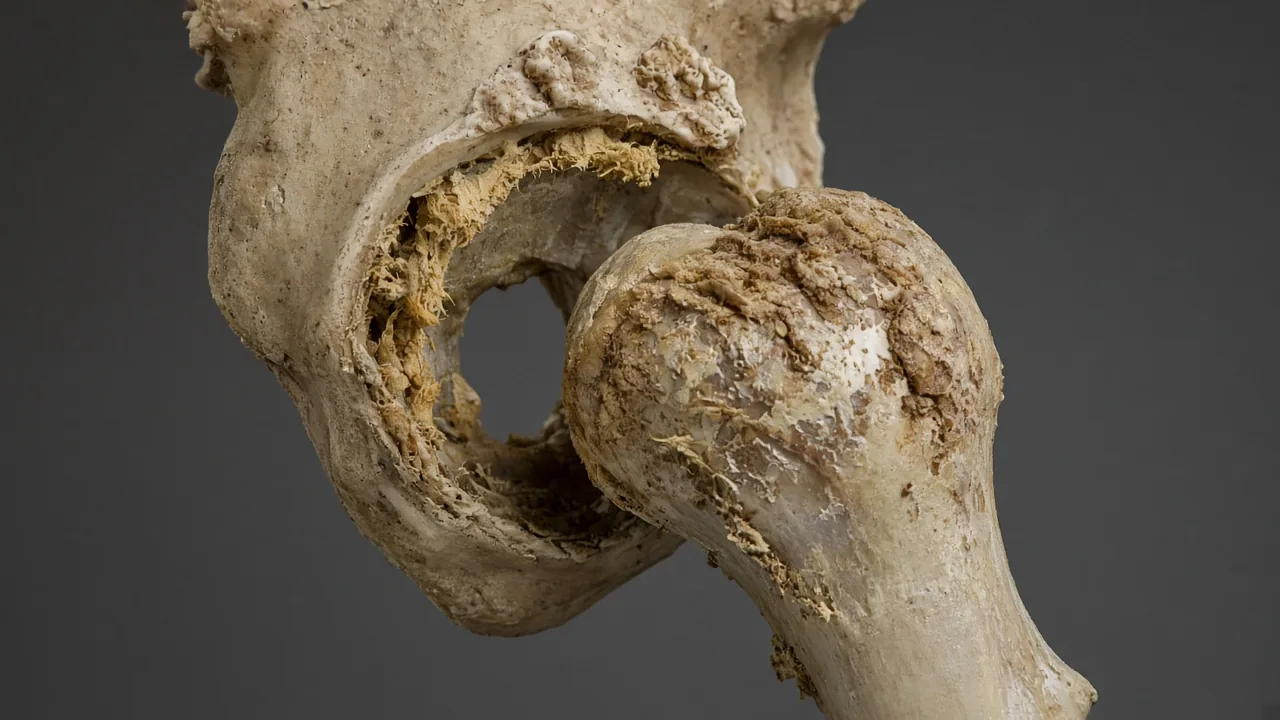
Hip replacement in India is planned from pelvis X-rays, bone stock and activity goals — total hip replacement, resurfacing or revision — not from a single package price.
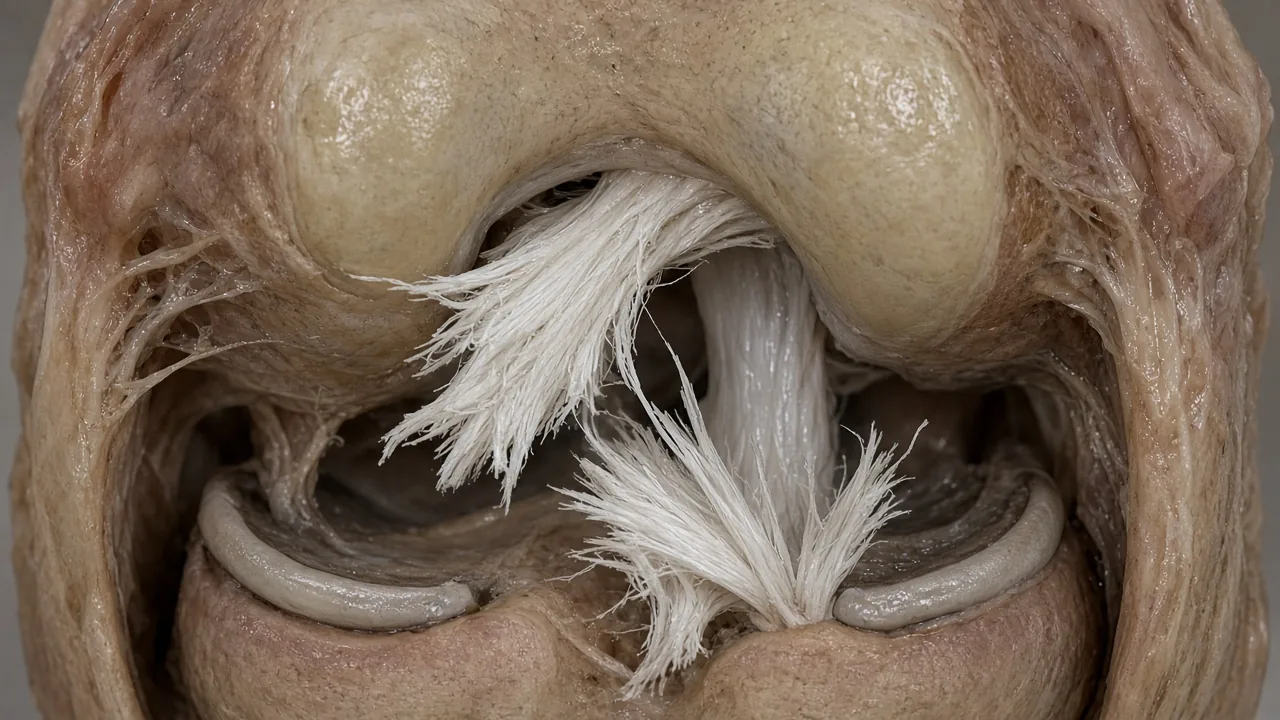
ACL reconstruction in India is planned from MRI, knee stability and sport goals — graft choice, meniscus work and criteria-based rehab — not from a single package price.
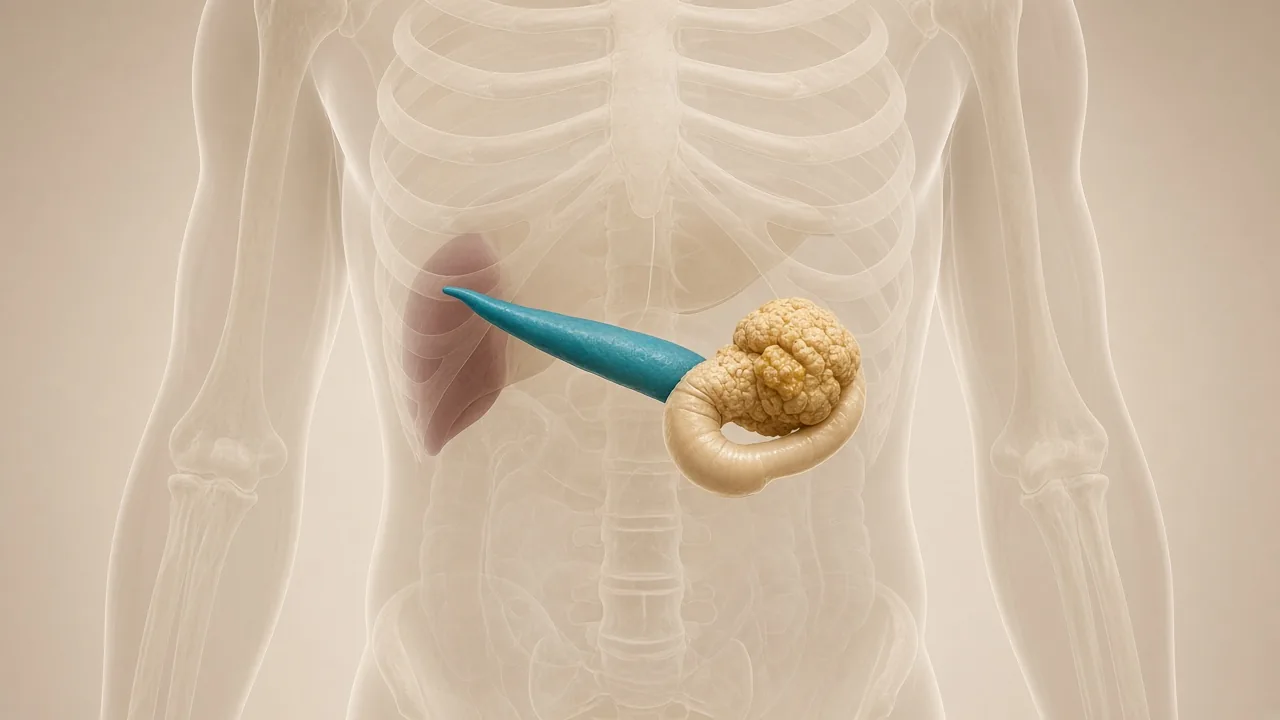
Whipple surgery in India is planned from resectability and imaging — pancreaticoduodenectomy, reconstruction, ICU stay and any chemotherapy — not from a single package price.

Bone marrow transplant in India (HSCT) replaces blood-forming stem cells — named partner planning of $25,000–$70,000.
Use this directory to move from this country page into GAF’s live treatment, specialty and cost guides. Items without a dedicated page are listed for planning only.
Cancer is an important treatment category for Rwandan patients seeking specialised healthcare. According to the IARC GLOBOCAN 2024 Rwanda fact sheet, the country had an estimated 12,440 new cancer cases, 7,991 cancer deaths and 23,979 five-year prevalent cases. These are GLOBOCAN 2024 estimates, not current 2026 case counts, and they should not be interpreted as an individual's diagnosis or prognosis.
The same official fact sheet ranks prostate first among estimated new cases in both sexes (1,856; 14.9%), followed by breast (1,684; 13.5%), cervix uteri (1,582; 12.7%), colorectum (925; 7.4%) and stomach (895; 7.2%). Among Rwandan men, prostate cancer was the leading site (1,856; 35.9%), followed by colorectum, liver, stomach and leukaemia. Among Rwandan women, breast cancer was the leading site (1,684; 23.2%), followed by cervix, colorectum, stomach and liver. GAF does not yet publish dedicated stomach-cancer or liver-cancer pages; those cases are coordinated through the relevant oncology team after records review.
There is no universal treatment price for Rwandan patients. Two patients undergoing the same named procedure can have very different clinical requirements. GAF Healthcare presents costs as USD planning estimates from the live catalogue, not hospital quotations.
The ranges below are GAF Healthcare planning figures from the live cost catalogue. They are not hospital quotations. Ask the hospital which items are included.
| Treatment | Estimated cost | View cost guide |
|---|---|---|
| Chemotherapy | $1,500–$8,000+Outpatient cycles · 3–6 months typical | Cost guide |
| Immunotherapy | $15,000–$45,000Outpatient q2–6 weeks | Cost guide |
| Targeted Therapy | $8,000–$30,000Oral or infusion · months of therapy | Cost guide |
| Hormone Therapy | $1,000–$4,500Outpatient · often years of tablets | Cost guide |
| CABG (Coronary Artery Bypass Grafting) | $5,500–$14,0007–14 nights, then nearby recovery | Cost guide |
| Heart Valve Replacement | $7,000–$18,0008–16 nights | Cost guide |
| Coronary Angioplasty & Stenting | $3,200–$8,5001–3 nights typical | Cost guide |
| Total Knee Replacement | $5,500–$12,0004–7 nights | Cost guide |
| Total Hip Replacement | $6,000–$13,0004–7 nights | Cost guide |
| Brain Tumor Surgery | $6,000–$15,0005–10 nights | Cost guide |
| Kidney Transplantation | $13,000–$25,00010–21 nights; outpatient follow-up in-city | Cost guide |
| Whipple Procedure (Pancreaticoduodenectomy) | $14,000–$32,00010–18 nights | Cost guide |
| Bone Marrow Transplantation | $25,000–$70,0004–8 weeks in or near the unit | Cost guide |
An estimate obtained before travel should be considered a planning figure unless it is explicitly issued as a final quotation by the hospital. The final amount may change after physical examination, additional investigations, changes in treatment plan, medicines, implants, ICU care, complications or longer hospitalization.
Get a treatment-cost review on WhatsAppTwo hospitals can provide different quotations for the same procedure. A lower headline quotation does not necessarily mean a lower total expenditure. Patients should compare the complete treatment plan, doctor, hospital, inclusions and exclusions.
Ask the hospital or coordinator which items are included in the treatment estimate. Comparing the scope of the quotation is more meaningful than comparing only the headline number.
The appropriate city depends on the medical condition and treatment. There is no single Indian city that is appropriate for every Rwandan patient.
India
Delhi, Gurugram and the wider National Capital Region offer extensive tertiary and super-specialty healthcare across oncology, cardiology, cardiac surgery, neurosurgery, orthopaedics, urology, gastroenterology and transplantation.
India
Major hospitals and specialist centres covering oncology, cardiac care, neurosciences, orthopaedics, gastroenterology and transplantation.
India
An established healthcare ecosystem covering cardiology, oncology, neurosurgery, orthopaedics, transplantation and gastroenterology.
India
Tertiary-care services in oncology, cardiology, neurosurgery, transplantation, orthopaedics and urology.
India
Multispecialty and super-specialty services including oncology, cardiology, neurosciences, orthopaedics, urology and fertility.
India
Pune has a significant multispecialty healthcare ecosystem and can be considered for selected treatments. GAF’s live city catalogue does not yet include Pune, so this page does not link to a Pune directory.
Start with the diagnosis. Ask whether the hospital treats the specific disease, whether the required specialty and surgeon or oncologist are available, whether ICU and advanced diagnostics are in place, whether international-patient services exist, whether the quotation is transparent, and what follow-up arrangements are available. The campuses below are drawn from GAF’s live India catalogue, one from each published city.
 JCI Accredited
 NABH Accredited
Apollo Athenaa Women’s Cancer Centre is a small, purpose-built floor in Delhi NCR — about fifty beds, opened in 2025, sitting inside the Apollo system’s JCI and NABH frame. It is not a general hospital. Radiation here is planned around breast and gynaecological work, with IMRT, SBRT, SRS and brachytherapy when those techniques spare what surgery would take. A travelling patient should only land here if the tumour actually belongs on a women’s-cancer list.
Read More →JCI AccreditedNABH AccreditedApollo Hospitals, Navi Mumbai opened in 2016: 500 beds, JCI and NABH, a radiation list that already includes IMRT, IGRT, SRS and SBRT. Navi Mumbai is the Mumbai tab for a reason — same city cluster, a campus used to international second opinions. Consultants here will not invent a stereotactic indication to shorten a hotel stay. Video first; a date if the plan is theirs.
Read More →JCI AccreditedNABH AccreditedApollo Hospital, Chennai is a Haematology campus in Chennai, India on GAF Healthcare's list. It opened in 1983. 745 beds. JCI · NABH accreditation is current. Named haematologists write transplant, CAR-T and marrow-diagnostic protocols here; medical, radiation and surgical oncology sit on the same map when the case needs them. Records on camera first; a date if Chennai is the right city.
Read More →JCI AccreditedNABH AccreditedApollo Hospital, Jubilee Hills has been a Hyderabad landmark since 1988: 550 beds, JCI and NABH, a radiation department directed by a consultant whose name is asked for across Telangana. IMRT, IGRT, SRS and SBRT are everyday. Brachytherapy fellowship sits on the same floor. Fly to Hyderabad for that named list, not for a city you have never seen. Peer review before the ticket.
Read More →JCI AccreditedNABH AccreditedApollo Hospitals, Bannerghatta Road is a 250-bed JCI campus in Bengaluru, open since 2007. Radiation oncology here is a consultant bench: IMRT, IGRT, SRS, SBRT, CyberKnife and brachytherapy depending on who you are matched to. South India Today prizes do not book a course; a peer-reviewed plan does. English-first coordinators, Kannada and Hindi on the ward, a date after records.
Read More →The doctor should be matched to the patient's diagnosis and procedure. A useful structure is specialty, subspecialty, procedure, city, hospital and then doctor. The specialists below are taken from GAF’s live doctor catalogue.

Senior Director & Unit Head - Medical Oncology
Dr. Ajay Sharma is Senior Director & Unit Head - Medical Oncology at BLK-Max Super Speciality Hospital in Delhi NCR, India. He has practised medical oncology in India for 18+ years experience. The systemic list covers C…
View ProfileKey Procedures
Senior Consultant, Surgical Oncology
Dr. Anil K D'Cruz is Senior Consultant in Surgical Oncology at Apollo Athenaa Women's Cancer Centre in the Delhi NCR, with more than 33 years of experience. He has also practised within Apollo Hospitals in Mumbai, Chenn…
View ProfileKey Procedures
Principal Director and Head of Department of Radiation Oncology
Dr. Anil Kumar Anand is Principal Director and Head of the Department of Radiation Oncology at Fortis Memorial Research Institute in Delhi NCR, with more than 33 years of experience. His practice spans both the external…
View ProfileKey Procedures
Director of Cardiology
Dr. Aparna Jaswal is Director of Cardiology at Fortis Escorts Heart Institute in Delhi NCR, India. She has practised interventional and clinical cardiology in India for 19+ years experience. The cardiology list covers C…
View ProfileKey Procedures
Chairman, Cardiac Sciences
Dr. Ajay Kaul is Chairman of Cardiac Sciences at Fortis Hospital, Noida, in Delhi NCR, with more than 38 years of experience. His profile records cardiac surgery together with paediatric cardiac surgery. His list covers…
View ProfileKey Procedures
Executive Director & Head of Department, Neurosurgery
Dr. Sandeep Vaishya is Executive Director & Head of Department, Neurosurgery at Fortis Memorial Research Institute in Delhi NCR, India. He has practised neurosurgery in India for 32+ years experience. GAF Healthcare lis…
View ProfileKey Procedures
Senior Joint Replacement, Sports & Spine Orthopedic Surgeon
Dr. Yash Gulati is Senior Joint Replacement, Sports & Spine Orthopedic Surgeon at Indraprastha Apollo Hospital in Delhi NCR, India. He has practised adult orthopaedics in India for 37+ years experience. GAF Healthcare l…
View ProfileKey Procedures
Chairman of Urology, Renal Care
Dr. Sanjay Gogoi is Chairman of Urology, Renal Care at Medanta - The Medicity in Delhi NCR, India. He has practised urology in India for 27+ years experience. Stone clearance, prostate resection or enucleation, and livi…
View ProfileKey Procedures
Chairman of Gastroenterology & Hepatology — Pan Max and Head of Department
Dr. Ajay Kumar is Chairman of Gastroenterology & Hepatology — Pan Max and Head of Department at BLK-Max Super Speciality Hospital in Delhi NCR, India. He has practised gastroenterology in India for 38+ years experience.…
View ProfileKey Procedures
Director of Paediatric and Adult Congenital Heart Disease
Dr. Ashutosh Marwah is Director of Paediatric and Adult Congenital Heart Disease at Fortis Escorts Heart Institute in Delhi NCR, with more than 28 years of experience. He is listed in pediatric cardiac surgery and cardi…
View ProfileKey Procedures
Rwanda is currently listed among the countries eligible for India's e-Visa system. Medical treatment is an eligible purpose. The official portal provides e-Medical and e-Medical Attendant categories. The High Commission of India in Kigali currently publishes an e-Visa page listing those categories and directing applicants to the official Government of India portal.
Visa rules, fees, documents and entry regulations can change. Verify the current official Indian e-Visa portal and the High Commission of India in Kigali immediately before applying or travelling, including whether the Kampala-until-further-notice CPV note still applies.
Official Indian e-Visa portalHCI e-Visa for Rwanda nationalsHCI visa servicesOfficial e-Visa fee listHCI consular fees
Patients should determine which visa route applies to their circumstances rather than submitting documents based on an outdated third-party checklist. Confirm whether the application is received in Kigali or Kampala on the live official pages.
Rwanda is not currently listed among yellow-fever endemic countries on India's IHR points-of-entry guidance. Do not treat Rwanda as an endemic country of departure.
Confirm the current requirement on the official Indian e-Visa portal, the Bureau of Immigration and the High Commission of India in Kigali before travel.
India IHR yellow-fever vaccinationHCI visa servicesBureau of Immigration
Most Rwandan patients beginning the medical journey will travel from Kigali. The principal international gateway is Kigali International Airport. Patients travelling from Huye, Musanze, Rubavu, Muhanga or other districts may first need to reach Kigali.
| Treatment destination | Likely arrival airport |
|---|---|
| Delhi NCR | Indira Gandhi International Airport |
| Mumbai | Chhatrapati Shivaji Maharaj International Airport |
| Chennai | Chennai International Airport |
| Hyderabad | Rajiv Gandhi International Airport |
| Bengaluru | Kempegowda International Airport |
| Pune | Pune International Airport |
Confirm the current itinerary with the airline or travel provider. Flight options from Kigali International Airport and connecting hubs change by season.
There is no standard treatment duration. A consultation may require a short stay. Major surgery, cancer treatment, transplantation and rehabilitation may require several weeks or longer. Ask the hospital for an estimated treatment timeline before booking the return flight.
| Treatment | Possible stay |
|---|---|
| Specialist consultation | 2–5 days |
| Diagnostic evaluation | 2–7 days |
| Major surgery | 1–4 weeks or longer |
| Joint replacement | Around 1–3 weeks |
| Cancer surgery | Often 2–4 weeks |
| Radiation or chemotherapy | Depends on protocol |
| IVF | Often several weeks |
| Complex transplant | Several weeks to months |
A complete medical file can make the initial specialist review more useful. Not every patient needs every document. The treating hospital can advise which records are essential.
If pathology slides or tissue blocks are available, the receiving cancer centre can advise whether they should be brought for review.
International patients may need accommodation close to the treating hospital. For patients receiving repeated chemotherapy or radiation therapy, staying close to the hospital can be particularly practical. For patients recovering from major surgery, accessibility and proximity to medical care may be more important than the accommodation's tourist location.
For patients undergoing repeated chemotherapy or radiation therapy, staying near the hospital may reduce daily travel.
Before travelling, discuss low-salt, diabetic, high-protein, post-operative, vegetarian, religious or allergy-related dietary needs with the treating hospital. Patients undergoing cancer treatment or recovering from surgery should follow the dietary plan provided by their treating team.
Rwanda uses Kinyarwanda, English and French in official contexts. Indian hospitals generally use English for medical documentation and specialist consultations. Patients who are more comfortable in Kinyarwanda or French should establish interpretation arrangements before travelling. Patients should never sign medical consent documentation they do not understand.
If you are considering treatment in India, begin with your medical records rather than your flight booking. A records-first sequence allows many questions to be addressed before leaving Kigali.
Send the relevant reports and a concise medical history.
The appropriate specialist reviews the available records. A remote opinion does not replace an in-person examination.
Discuss the proposed treatment, alternatives and expected timeline.
Choose according to the medical requirement.
The hospital confirms the consultation or treatment pathway.
Request a written estimate showing major inclusions and exclusions.
Use the current official e-Medical Visa process, or the regular Medical Visa through the live receiving Mission. HCI Kigali currently notes that visa services are rendered by the High Commission of India, Kampala till further notice.
Plan flights, accommodation and local transportation around the confirmed hospital schedule.
Proceed to the hospital for consultation and evaluation.
The treating team may repeat or update diagnostic tests before confirming the final plan.
The hospital provides medication and follow-up instructions.
Travel home when medically fit and maintain follow-up with the Indian treating team and local healthcare professionals.
GAF Healthcare can coordinate the medical journey between Rwanda and India. The exact services available should be confirmed before travel. Medical decisions remain with the patient and treating medical professionals.
GAF Healthcare's role is to help patients understand and coordinate their options rather than make the clinical decision for them. Visa approval remains subject to the Government of India's rules and decision.
Yes. Patients can often share their medical records with an Indian specialist before deciding to travel. A second opinion can be useful before major cancer, cardiac, brain or spine surgery, joint replacement, organ transplantation, long-term chemotherapy, radiation therapy or complex fertility treatment.
A second opinion should not unnecessarily delay urgent treatment. International treatment is not automatically appropriate when the patient is medically unstable, cannot safely fly, or when appropriate treatment is already available locally.
The hospital should be selected around the patient's condition. Complex cases may require a subspecialist. Patients should understand the proposed treatment and its purpose.
Yes. Rwandan citizens can travel to India for medical treatment using the applicable Indian Medical Visa or e-Medical Visa process.
Yes. Rwanda is currently included in India's e-Visa eligible-country list, and medical treatment is an eligible purpose.
The current Government of India guidance says eligible applicants can apply at least four days before arrival, with applications available up to 120 days before the proposed arrival date.
The current Indian e-Visa guidance states that the passport should have at least six months' validity when applying and at least two blank pages for immigration stamping.
An e-Medical Visa application requires a letter from the Indian hospital on its letterhead containing the tentative admission or treatment date. The current guidance also specifies the patient's name, nationality and passport number.
Yes. India's e-Medical Attendant Visa is available for eligible attendants. The current official guidance states that up to two e-Medical Attendant Visas may be granted against one e-Medical Visa.
Yes. Some circumstances still require the regular Medical Visa. The High Commission of India in Kigali currently lists Medical Visa documents and a 1000–1200 submission window, while its homepage currently states that visa services will be rendered by the High Commission of India, Kampala till further notice. Confirm the live receiving Mission before applying.
The HCI Kigali visa-fee page currently lists MED and MED X visas at RWF 104,100 for up to six months and RWF 156,200 for six months to one year, plus ICWF USD 3 / RWF 4,000 per service. Confirm the live schedule before payment. Do not apply the LDC Business & Employment gratis line to Medical visas.
The High Commission of India in Kigali is the published Mission for Rwanda. Its homepage currently states that visa services will be rendered by the High Commission of India, Kampala till further notice, while visa.php still lists Medical Visa documents for this High Commission. Confirm the live receiving Mission before submitting documents.
Rwanda is not currently listed among yellow-fever endemic countries on India's IHR points-of-entry guidance. The High Commission of India in Kigali currently still asks for a yellow-fever card photocopy with Medical Visa applications. Travellers who transit an endemic country should also check the live official notes.
There is no fixed price. Cost depends on diagnosis, treatment, hospital, specialist, medicines, investigations, implants, ICU requirements and duration of stay. GAF presents USD planning estimates, not guaranteed hospital quotations.
Depending on diagnosis and stage, treatment may include surgery, chemotherapy, radiation therapy, immunotherapy, targeted therapy, hormone therapy, precision oncology and supportive care.
GLOBOCAN 2024 estimates 12,440 new cancer cases and 7,991 cancer deaths in Rwanda. The leading sites by estimated new cases among both sexes were prostate, breast, cervix, colorectum and stomach. Among Rwandan women, breast cancer currently leads, followed by cervical cancer. These are population-level estimates, not an individual diagnosis.
Yes. Medical records can be submitted for preliminary specialist review and an indicative hospital estimate can be requested.
Yes. Medical records can be shared with an appropriate Indian specialist for preliminary second-opinion review before travel. A remote opinion does not replace an in-person examination when one is clinically necessary.
Delhi NCR, Mumbai, Chennai, Hyderabad and Bengaluru are live GAF catalogue cities. Pune can also be considered, but this page does not link to a Pune directory because that city is not yet in the live catalogue.
The duration depends on treatment. Major surgery, cancer treatment, transplantation and rehabilitation may require several weeks or longer.
Yes. Kigali International Airport is Rwanda's principal international gateway. Exact flight routes and schedules should be checked when travel is arranged.
Yes. Patients from Huye, Musanze, Rubavu, Muhanga and other districts can use the same medical-treatment pathway, subject to applicable travel and visa requirements.
Yes. Official MEA records include medicines worth US$2 million gifted in early 2019 for HIV/AIDS, Hepatitis B and Hepatitis C programmes, 50,000 COVISHIELD vaccine doses that arrived in Kigali on 5 March 2021, a further HIV/AIDS medicines batch in October 2021, and a US$1 million India-UN Development Partnership Fund grant for midwifery development approved in May 2024.
Yes. The High Commission of India in Kigali publishes visa, e-Visa and fee pages. Patients should also read the current homepage note that visa services will be rendered by the High Commission of India, Kampala till further notice.
Not necessarily, but it can be useful. Indian hospitals generally use English for medical documentation and consultations. Patients who are not comfortable with English should arrange appropriate Kinyarwanda or French interpretation before travelling.
Yes. Indian cardiac centres provide procedures including angioplasty, CABG, valve surgery, electrophysiology and other cardiac treatments, subject to specialist assessment.
Yes. Indian fertility centres provide IVF, ICSI, IUI, embryo-transfer procedures and other fertility services subject to medical and applicable legal requirements. GAF does not yet publish a dedicated IVF page.
No. International treatment is not automatically appropriate when the patient is medically unstable, cannot safely fly, needs immediate local treatment, or when the expected benefit does not justify the burden of travel.
Coverage depends on the patient's policy. Confirm whether planned treatment abroad, India, surgery, cancer treatment, medicines, emergency care and medical evacuation are covered, and obtain written confirmation where possible.
Not necessarily. A preliminary estimate is based on information available before treatment. The final plan and cost may change after examination and investigation in India.
If you or a family member in Rwanda is considering treatment in India, the most useful first step is to share the patient's medical information. Send the diagnosis, medical reports, scans and previous treatment records to GAF Healthcare.
Share your medical records → Get a specialist opinion → Review hospital and treatment options → Plan your journey to India
This page is intended for general education and medical-travel planning. It does not replace advice from a qualified healthcare professional. Cancer statistics are population-level estimates and cannot determine an individual's diagnosis or prognosis. Treatment costs are indicative and can change. Visa requirements, fees, documentation and immigration regulations can change. Rwandan patients should verify the latest requirements on the official Government of India e-Visa portal before travelling.
Last reviewed: October 2026