
Treatment Overview
Pancreatic cancer treatment in India involves a combination of surgery, chemotherapy, radiation therapy, targeted treatment, immunotherapy, supportive care and, in selected cases, clinical trials. The treatment plan depends on the type and stage of pancreatic cancer, the location of the tumor, whether it involves nearby blood vessels, whether it has spread to other organs, the patient's overall health and the molecular characteristics of the cancer.
One of the most important decisions is whether the tumor is resectable, borderline resectable, locally advanced or metastatic. This classification helps determine whether surgery can be performed immediately, whether chemotherapy should be given first, or whether systemic treatment should be the main approach.
India has major tertiary hospitals offering gastrointestinal and hepatopancreatobiliary surgery, medical oncology, radiation oncology, advanced imaging, interventional radiology, pathology and intensive care. For international patients, treatment can also be coordinated with remote medical review, specialist consultations, hospital appointments and treatment-cost estimates.
This page is the pancreatic-cancer pathway for GAF Healthcare. It sits beside colon cancer treatment in India, breast cancer treatment in India and prostate cancer treatment in India. Pancreatic neuroendocrine tumors (pNETs) are biologically different and may require a different pathway.
What Is Pancreatic Cancer?
The pancreas is an organ located deep inside the abdomen, behind the stomach.
It has two major functions:
- Producing digestive enzymes that help break down food
- Producing hormones such as insulin that regulate blood sugar
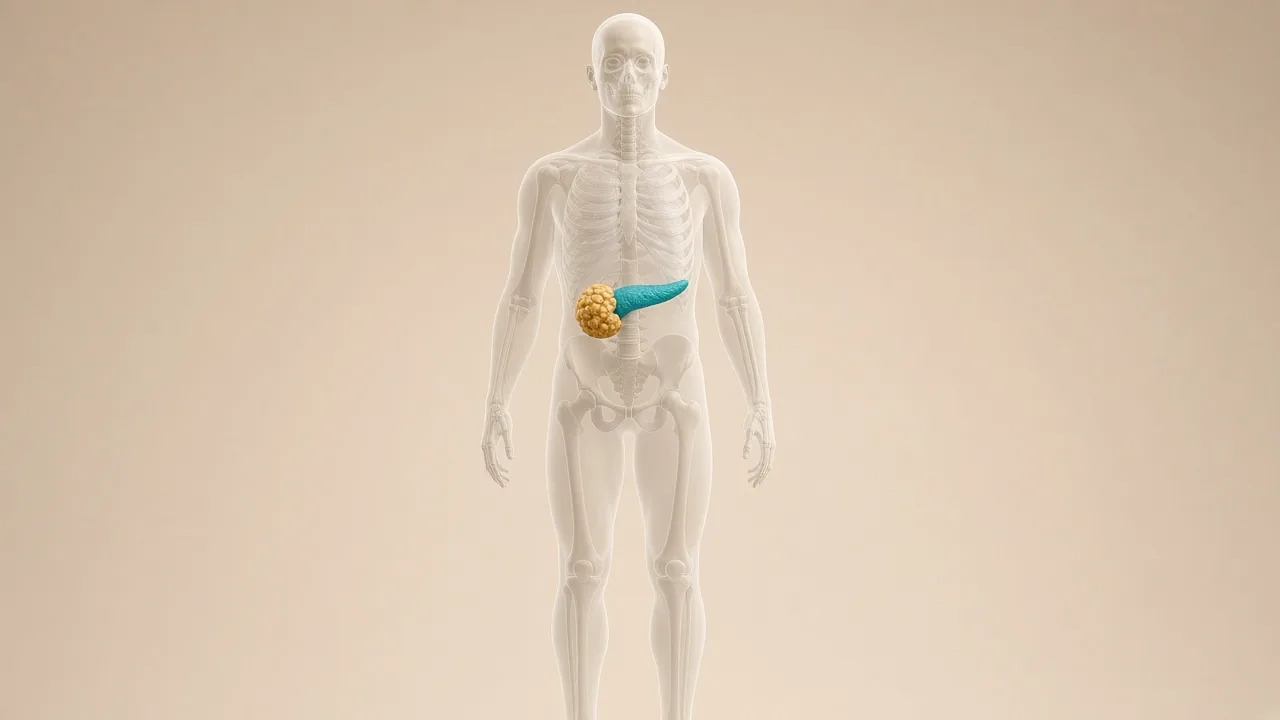
Pancreatic cancer develops when abnormal cells in the pancreas grow uncontrollably.
The most common form is pancreatic ductal adenocarcinoma (PDAC), which develops from the exocrine portion of the pancreas. Other pancreatic tumors, including pancreatic neuroendocrine tumors (pNETs), are biologically different and may require different treatment.
This distinction is important because the term "pancreatic cancer" does not describe one single disease.
Why Is Pancreatic Cancer Difficult to Treat?
Pancreatic cancer can be challenging for several reasons.
The pancreas is located close to important structures including:
- Major blood vessels
- Bile duct
- Duodenum
- Stomach
- Liver
- Small intestine
A pancreatic tumor can therefore grow into or around nearby blood vessels without necessarily spreading to distant organs.
Pancreatic cancer can also produce relatively nonspecific symptoms, meaning that some patients are diagnosed only after the disease has progressed.
Another important characteristic is its tendency to spread microscopically beyond the visible tumor. Consequently, even patients who undergo apparently complete surgery may subsequently require systemic treatment and long-term surveillance.
Pancreatic Cancer Symptoms
Early pancreatic cancer may cause few noticeable symptoms.
Possible symptoms include:
- Abdominal pain
- Back pain
- Unexplained weight loss
- Loss of appetite
- Jaundice
- Yellowing of the eyes
- Dark urine
- Pale stools
- Nausea
- Fatigue
- Digestive problems
- New-onset diabetes or changes in diabetes control
Jaundice can occur when a tumor blocks the bile duct, particularly when the tumor is located in the head of the pancreas.
These symptoms are not specific to pancreatic cancer and can occur with other conditions. Persistent or unexplained symptoms should be medically evaluated.
Sudden collapse, high fever with jaundice, uncontrolled vomiting, or inability to keep fluids down can indicate biliary obstruction, cholangitis or another emergency. Go to a local emergency department — do not wait for a coordinator on WhatsApp.
Send CT, EUS, biopsy and CA 19-9 reports
Pancreatic Cancer Risk Factors
Risk factors can include:
- Increasing age
- Cigarette smoking
- Chronic pancreatitis
- Certain inherited genetic syndromes
- Family history of pancreatic cancer
- Certain metabolic conditions
- Obesity
Not every person with pancreatic cancer has an identifiable risk factor.
Similarly, having a risk factor does not mean that someone will develop pancreatic cancer.
How Is Pancreatic Cancer Diagnosed?
There is no single test that establishes every pancreatic cancer diagnosis.
Doctors may combine:
- Medical history
- Physical examination
- Blood tests
- CT scan
- MRI
- MRCP
- Endoscopic ultrasound
- Biopsy
- Pathology
- Tumor markers
- Genetic and molecular testing
The investigation strategy depends on the suspected diagnosis and the information needed to plan treatment.
International patients commonly compare pancreatic and HPB teams in Delhi NCR, Mumbai, Bengaluru, Chennai and Hyderabad. Partner surgical-oncology hospitals in Delhi NCR and Mumbai are a typical first filter.
CT Scan for Pancreatic Cancer
A contrast-enhanced CT scan is an important investigation in pancreatic cancer.
It can help doctors determine:
- Tumor location
- Tumor size
- Lymph-node involvement
- Liver lesions
- Distant spread
- Relationship with major blood vessels
- Potential surgical resectability
High-quality imaging is especially important when determining whether a tumor can be surgically removed.
MRI and MRCP
MRI can provide additional information about pancreatic and liver lesions.
MRCP, or magnetic resonance cholangiopancreatography, can provide detailed images of the bile and pancreatic ducts.
MRI/MRCP may be particularly useful when CT findings are unclear or when additional information about the biliary and pancreatic duct systems is needed.
Endoscopic Ultrasound
Endoscopic ultrasound (EUS) combines endoscopy with ultrasound imaging.
It can provide detailed images of:
- Pancreatic tumors
- Nearby lymph nodes
- Bile ducts
- Surrounding structures
EUS can also be used to obtain tissue samples when a biopsy is required. GAF planning ranges for EUS in India are $400–$1,400 (day-care). City pages such as Delhi NCR EUS use the same national range unless a hospital issues a verified quotation.
Biopsy for Pancreatic Cancer
A biopsy involves obtaining tissue from a suspected tumor so that a pathologist can examine the cells.
It can help determine:
- Whether cancer is present
- The type of cancer
- Tumor characteristics
- Information required for systemic treatment
The need and timing of biopsy depend on the clinical situation. In some patients proceeding directly to surgery may be appropriate when imaging strongly supports a resectable pancreatic cancer; in other situations, particularly before systemic therapy, tissue confirmation is important.
What Is CA 19-9?
CA 19-9 is a blood-based tumor marker frequently used in pancreatic cancer.
Doctors may use it to:
- Establish a baseline
- Monitor response to treatment
- Follow disease over time
- Support assessment of suspected recurrence
However, CA 19-9 is not a standalone diagnostic test.
It can be elevated in conditions other than pancreatic cancer, including biliary obstruction, and some people do not produce CA 19-9 at detectable levels.
Therefore, CA 19-9 should be interpreted alongside imaging, pathology and the patient's clinical condition.
WhatsApp +91 90443 46292 with CT, EUS, biopsy and CA 19-9 reports
Genetic and Molecular Testing in Pancreatic Cancer
Genetic and molecular testing has become an increasingly important part of pancreatic cancer care. Precision oncology planning ranges on this site are $2,000–$7,000.
Testing may include:
Germline Genetic Testing
This looks for inherited genetic alterations.
Genes that may be relevant include:
- BRCA1
- BRCA2
- PALB2
- Other hereditary cancer-associated genes
Tumor or Somatic Testing
This examines genetic alterations within the cancer itself.
Depending on the case, testing may assess:
- BRCA alterations
- MSI
- MMR status
- NTRK fusions
- Other actionable alterations
Genetic and molecular testing can sometimes identify treatment options that would not otherwise be considered. The same MSI-H/dMMR principle is discussed for selected GI cancers in colon cancer immunotherapy in India.
Pancreatic Cancer Staging
Pancreatic cancer can be described using the TNM staging system, which considers:
- T: size and local extent of the primary tumor
- N: involvement of regional lymph nodes
- M: distant metastasis
However, pancreatic cancer treatment planning also places particular emphasis on resectability.
This produces four clinically important categories:
- Resectable
- Borderline resectable
- Locally advanced/unresectable
- Metastatic
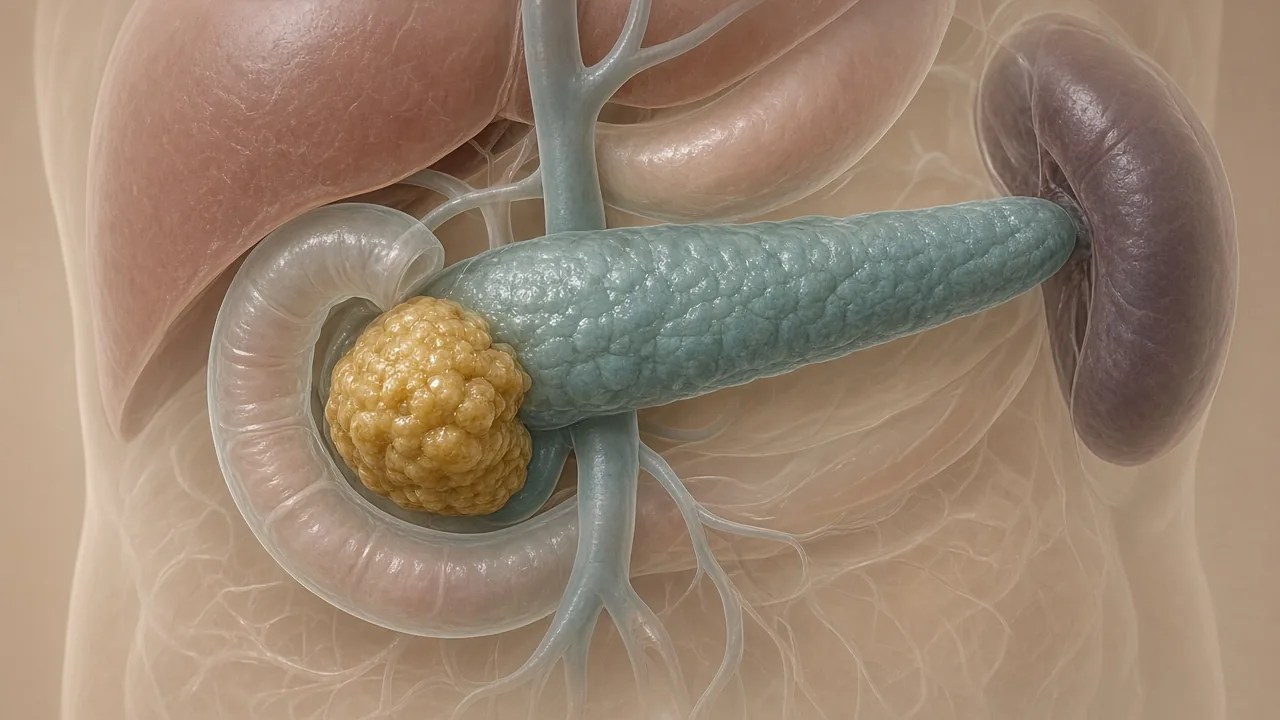
Resectable Pancreatic Cancer
A resectable tumor is one that can potentially be completely removed surgically.
Imaging generally shows no involvement of major blood vessels that would prevent complete resection.
Treatment may include:
Chemotherapy → Surgery → Additional chemotherapy
or, in selected patients:
Surgery → Postoperative chemotherapy
The exact sequence is individualized.
Borderline Resectable Pancreatic Cancer
Borderline resectable pancreatic cancer has a relationship with nearby blood vessels or structures that creates a higher risk of incomplete removal.
In these cases, immediate surgery may not be the preferred first step.
A commonly considered approach is:
Neoadjuvant therapy → Repeat imaging → Multidisciplinary reassessment → Surgery if appropriate
Neoadjuvant treatment can help control systemic disease and may improve the possibility of achieving a complete resection in selected patients.
Locally Advanced Pancreatic Cancer
Locally advanced pancreatic cancer has not necessarily spread to distant organs but cannot initially be completely removed because of extensive local involvement, often involving major blood vessels.
Treatment may include:
- Chemotherapy
- Chemotherapy followed by radiation in selected cases
- Clinical trials
- Reassessment for surgery
- Supportive care
A proportion of carefully selected patients may become surgical candidates after treatment, but this depends on the response and anatomy.
Metastatic Pancreatic Cancer
Metastatic pancreatic cancer means that the cancer has spread to distant organs.
Common sites can include:
- Liver
- Peritoneum
- Lungs
- Distant lymph nodes
Treatment generally focuses on systemic disease control.
Possible approaches include:
- Combination chemotherapy
- Biomarker-directed therapy
- Clinical trials
- Radiation for selected symptoms
- Biliary drainage
- Pain management
- Nutritional support
- Palliative care
Pancreatic Cancer Treatment Options in India
Treatment may involve one or more of the following:
- Surgery
- Chemotherapy
- Radiation therapy
- Targeted therapy
- Immunotherapy
- Clinical trials
- Endoscopic procedures
- Interventional radiology
- Nutritional therapy
- Pain management
- Palliative care
The sequence is more important than simply listing the available treatments.
A patient with resectable disease may have a completely different treatment pathway from someone with metastatic disease.
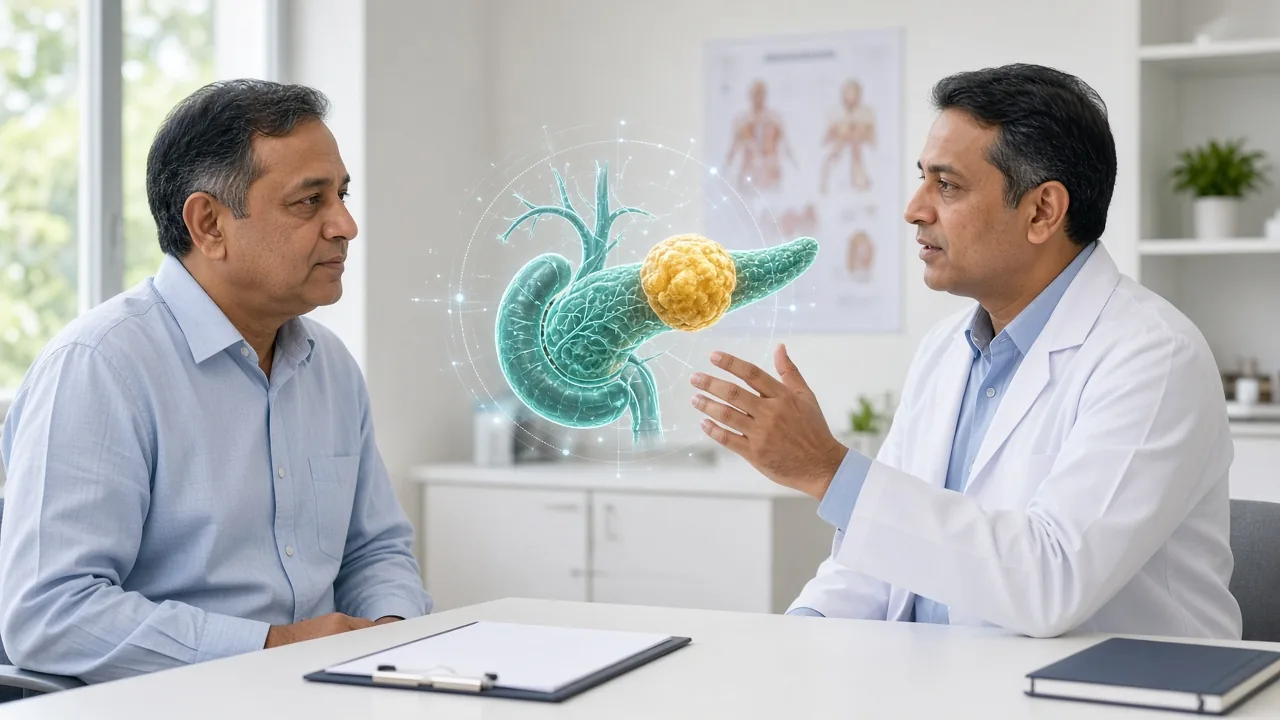
Pancreatic Cancer Surgery in India
Surgery offers the possibility of long-term disease control for selected patients with localized pancreatic cancer.
The operation depends largely on the location of the tumor.
The major pancreatic cancer operations include:
Pancreatic surgery is complex, and referral to a high-volume center may be considered.
Whipple Procedure for Pancreatic Cancer
The Whipple procedure, or pancreaticoduodenectomy, is commonly used for tumors located in the head of the pancreas. How the operation, recovery and quotation are planned is covered in Whipple Surgery in India.
Depending on the surgical approach and tumor characteristics, the operation can involve removal of:
- Head of the pancreas
- Duodenum
- Gallbladder
- Part of the bile duct
- Nearby lymph nodes
- Sometimes part of the stomach
The digestive system is then reconstructed.
The Whipple procedure is a major operation and requires careful preoperative assessment, experienced surgical expertise and appropriate postoperative support.
GAF Healthcare currently publishes a planning range of $14,000–$32,000 for Whipple procedure in India (typically 10–18 nights). The HPB sheet for Whipple procedure (pancreaticoduodenectomy) uses the same national range. This is a procedure-specific planning range, not the total cost of pancreatic cancer treatment.
Ask whether Whipple surgery is appropriate
Distal Pancreatectomy
A distal pancreatectomy is generally used for tumors involving the:
- Body of the pancreas
- Tail of the pancreas
The spleen may also need to be removed depending on the tumor's location and extent.
The operation is different from the Whipple procedure because the head of the pancreas and duodenum are not routinely removed. GAF planning ranges are $9,000–$22,000 (typically 6–12 nights).
Total Pancreatectomy
Total pancreatectomy involves removal of the entire pancreas.
It may be considered in selected circumstances where a smaller operation would not provide adequate cancer clearance or where the disease involves a large portion of the pancreas.
Because the pancreas produces insulin and digestive enzymes, total pancreatectomy has significant long-term consequences.
Patients may require:
- Lifelong insulin therapy
- Pancreatic enzyme replacement
- Nutritional monitoring
- Long-term diabetes management
It is therefore not a routine operation for every pancreatic cancer patient. Broader pancreatic surgery and pancreatectomy planning ranges are $12,000–$30,000.
Chemotherapy for Pancreatic Cancer
Chemotherapy plays an important role in pancreatic cancer treatment.
It may be used before surgery, after surgery or as the main cancer-directed treatment for advanced disease.
Before Surgery
This is called neoadjuvant chemotherapy.
It may be considered to:
- Treat microscopic disease early
- Control the tumor before surgery
- Assess whether the cancer remains controlled
- Improve the likelihood of an appropriate surgical resection in selected patients
After Surgery
This is called adjuvant chemotherapy.
It aims to treat microscopic cancer cells that may remain after surgery.
For Unresectable or Metastatic Disease
Chemotherapy may become the primary cancer-directed treatment.
GAF planning ranges for chemotherapy in India are $1,500–$8,000+. The final quotation depends on the regimen, number of cycles, supportive medicines and whether treatment is inpatient or outpatient.
FOLFIRINOX for Pancreatic Cancer
FOLFIRINOX is a combination chemotherapy regimen containing:
- Oxaliplatin
- Irinotecan
- Leucovorin
- 5-fluorouracil
A modified version, commonly called mFOLFIRINOX, is also used.
It may be considered in selected patients because it can be effective but can also produce substantial toxicity.
The oncologist evaluates:
- Performance status
- Age
- Nutrition
- Kidney function
- Liver function
- Other medical conditions
- Previous treatment
before deciding whether this regimen is appropriate.
Gemcitabine and Nab-Paclitaxel
Another established chemotherapy approach is:
Gemcitabine + nab-paclitaxel
This combination may be considered particularly when the patient is not an appropriate candidate for a more intensive regimen.
The choice of chemotherapy is individualized.
There is no single chemotherapy regimen that is appropriate for every pancreatic cancer patient.
Radiation Therapy for Pancreatic Cancer
Radiation therapy uses high-energy radiation to damage cancer cells.
It may have a role in selected patients with:
- Borderline resectable disease
- Locally advanced disease
- Certain postoperative situations
- Local disease progression
- Cancer-related symptoms
Modern techniques may include:
Radiation should be incorporated into the treatment plan only when the expected clinical benefit justifies its use. GAF planning ranges are $1,000–$6,000+ for EBRT, $6,500–$14,500 for IMRT and $8,000–$17,500 for SBRT. See radiation oncologists in India.
Targeted Therapy for Pancreatic Cancer
Targeted therapy is designed to act against particular molecular abnormalities.
It is not appropriate for every pancreatic cancer patient.
Potentially actionable findings can include:
- BRCA1/2 alterations
- NTRK fusions
- Other uncommon molecular abnormalities
Molecular testing can therefore be particularly important when treatment options are being considered for advanced disease. GAF planning ranges for targeted therapy are $8,000–$30,000.
Immunotherapy for Pancreatic Cancer
Immunotherapy has a role in a small subset of pancreatic cancers rather than being a routine treatment for everyone.
Tumors with specific biomarkers such as:
- MSI-H
- dMMR
may be candidates for immune checkpoint inhibitor treatment.
This is why molecular testing can be clinically important.
The presence or absence of a biomarker, rather than the diagnosis of pancreatic cancer alone, determines whether certain immunotherapies may be appropriate. GAF planning ranges for immunotherapy are $15,000–$45,000.
Pancreatic Cancer Treatment by Stage
Stage I Pancreatic Cancer
Stage I disease is generally localized.
If technically resectable, treatment may involve:
Surgery + Systemic chemotherapy
In selected patients, chemotherapy may be given before surgery.
The precise sequence depends on imaging, tumor characteristics, multidisciplinary assessment and the patient's overall health.
Stage II Pancreatic Cancer
Stage II includes a range of tumors with varying local extension and lymph-node involvement.
Treatment may involve:
- Neoadjuvant chemotherapy
- Surgery
- Adjuvant chemotherapy
- Selected radiation therapy
The resectability classification is particularly important in determining the treatment pathway.
Stage III Pancreatic Cancer
Stage III pancreatic cancer may be locally advanced or may have extensive local involvement.
Treatment can include:
- Systemic chemotherapy
- Selected chemoradiation
- Clinical trials
- Reassessment for surgery
- Supportive care
Some patients may become surgical candidates after a good response to systemic treatment, but this is not guaranteed.
Stage IV Pancreatic Cancer
Stage IV pancreatic cancer has spread to distant organs.
Treatment usually focuses on systemic control rather than attempting surgery on the primary tumor alone.
Possible treatment includes:
- FOLFIRINOX or modified FOLFIRINOX
- Gemcitabine-based therapy
- Biomarker-directed treatment
- Clinical trials
- Radiation for selected symptoms
- Biliary drainage
- Pain management
- Nutritional support
- Palliative care
WhatsApp +91 90443 46292 about stage 4 pancreatic cancer
Pancreatic Cancer With Liver Metastases
The liver is one of the most common sites to which pancreatic cancer can spread.
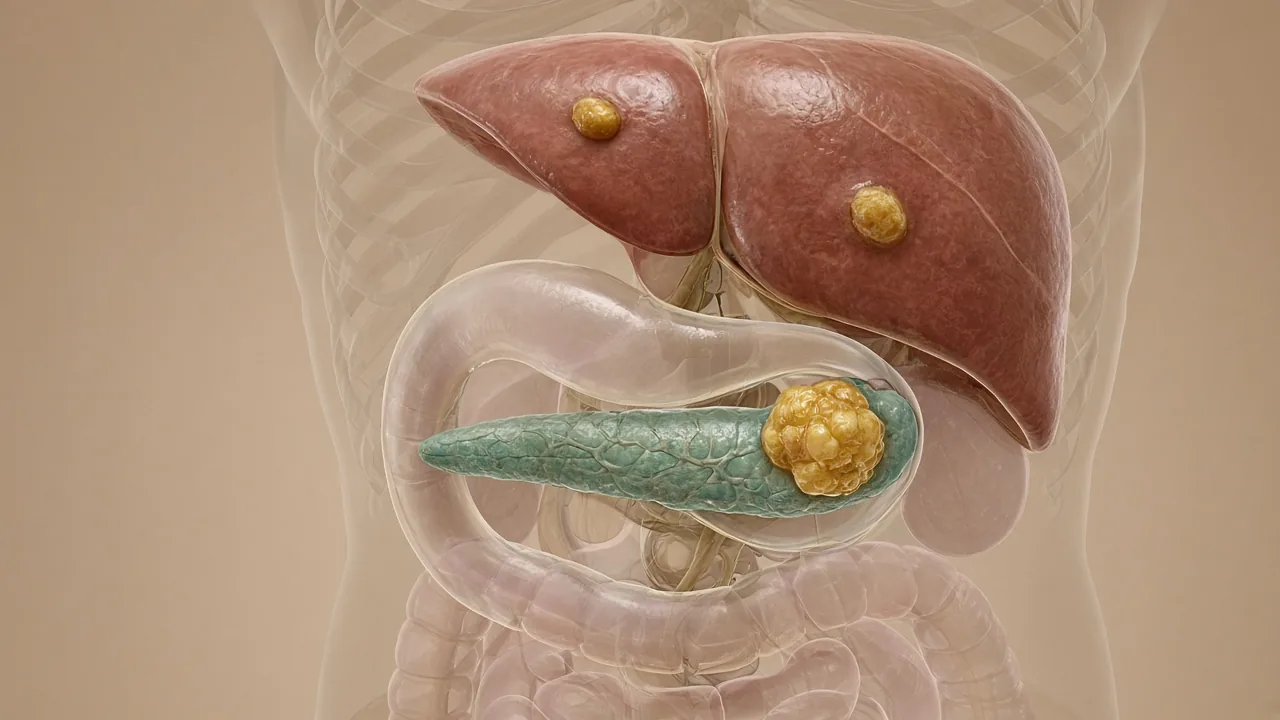
When pancreatic cancer has metastasized to the liver, systemic treatment is generally required.
Treatment decisions depend on:
- Number and size of liver lesions
- Disease elsewhere
- Patient's general health
- Tumor biology
- Response to systemic therapy
- Molecular findings
Surgery on the pancreas alone is generally not sufficient for metastatic disease.
In highly selected situations, additional local treatment of liver lesions may be discussed, but such decisions require specialist multidisciplinary assessment. GAF planning ranges for liver resection are $10,000–$26,000.
Supportive and Palliative Care
Supportive care should be integrated throughout pancreatic cancer treatment.
It can help manage:
- Pain
- Nausea
- Vomiting
- Weight loss
- Digestive problems
- Bile-duct obstruction
- Fatigue
- Anxiety
- Nutritional problems
Palliative care does not necessarily mean that active cancer treatment has stopped.
It can be provided alongside chemotherapy, radiation or other cancer-directed treatments to improve comfort and quality of life.
Managing Jaundice and Bile Duct Obstruction
A pancreatic tumor, particularly one in the head of the pancreas, can obstruct the common bile duct.
This may cause:
- Yellow skin
- Yellow eyes
- Dark urine
- Pale stools
- Itching
- Abnormal liver tests
Doctors may use:
- Endoscopic biliary stenting
- Percutaneous biliary drainage
- Surgical bypass in selected cases
The appropriate approach depends on whether the patient is proceeding toward surgery, receiving systemic therapy or receiving palliative treatment.
GAF planning ranges are $1,500–$4,200 for ERCP and $2,000–$5,500 for biliary stenting.
Pancreatic Enzyme Insufficiency
The pancreas produces enzymes required for digestion.
Cancer or pancreatic surgery can reduce pancreatic enzyme production.
This may result in:
- Weight loss
- Bloating
- Diarrhea
- Fatty stools
- Nutritional deficiencies
Doctors may prescribe pancreatic enzyme replacement therapy (PERT) when appropriate.
Nutritional assessment is particularly important after pancreatic surgery and during prolonged cancer treatment.
Diabetes and Pancreatic Cancer
The pancreas plays a central role in blood sugar regulation.
Pancreatic cancer and pancreatic surgery can affect insulin production.
Some patients may therefore develop:
- New-onset diabetes
- Worsening diabetes
- Difficulty controlling blood glucose
Patients undergoing extensive pancreatic surgery may require ongoing diabetes management.
Nutrition During Pancreatic Cancer Treatment
Maintaining nutrition is particularly important because pancreatic cancer can cause:
- Weight loss
- Reduced appetite
- Malabsorption
- Muscle loss
- Digestive problems
A cancer dietitian may recommend:
- Adequate protein
- Sufficient calories
- Small frequent meals
- Nutritional supplements when needed
- Pancreatic enzymes when prescribed
- Appropriate diabetes management
- Adequate hydration
There is no specific food or diet proven to cure pancreatic cancer.
Nutrition should support medical treatment rather than replace it.
Pancreatic Cancer Treatment Cost in India
There is no single fixed price for pancreatic cancer treatment in India.
The total cost depends on the treatment pathway.
| Treatment component | GAF planning range in India |
|---|---|
| EUS | $400–$1,400 |
| ERCP | $1,500–$4,200 |
| Biliary stenting | $2,000–$5,500 |
| Whipple procedure | $14,000–$32,000 |
| Distal pancreatectomy | $9,000–$22,000 |
| Pancreatic surgery / pancreatectomy | $12,000–$30,000 |
| Chemotherapy | $1,500–$8,000+ |
| Targeted therapy | $8,000–$30,000 |
| Immunotherapy | $15,000–$45,000 |
| EBRT when indicated | $1,000–$6,000+ |
| IMRT | $6,500–$14,500 |
| SBRT | $8,000–$17,500 |
| Precision oncology | $2,000–$7,000 |
| Liver resection | $10,000–$26,000 |
These are planning ranges, not prescriptions and not hospital quotations. Do not add every line together. A patient who undergoes a Whipple procedure followed by several cycles of chemotherapy will have a substantially different treatment budget from someone undergoing chemotherapy alone.
Factors That Affect Pancreatic Cancer Treatment Cost in India
The final cost can depend on:
- Cancer stage
- Tumor location
- Surgical complexity
- Type of surgery
- Need for vascular reconstruction
- Hospital category
- Room type
- ICU requirement
- Pathology
- Molecular testing
- Chemotherapy regimen
- Radiation therapy
- Complications
- Length of hospital stay
- Follow-up requirements
For international patients, additional expenses may include:
- Flights
- Accommodation
- Local transportation
- Visa-related expenses
- Attendant expenses
- Additional diagnostic tests
For this reason, a personalized hospital estimate is more useful than an online average.
Cost in major Indian cities
| City | Whipple planning range |
|---|---|
| Delhi NCR | $14,000–$32,000 |
| Mumbai | $14,000–$32,000 |
| Bengaluru | $14,000–$32,000 |
| Chennai | $14,000–$32,000 |
| Hyderabad | $14,000–$32,000 |
City pages use the same national range unless a hospital issues a verified quotation.
Request an itemized hospital estimate
Whipple Surgery Cost in India
The cost of a Whipple procedure varies between hospitals and according to surgical complexity.
GAF Healthcare currently publishes a range of approximately $14,000–$32,000 for pancreaticoduodenectomy in India.
The actual hospitalization bill may differ depending on:
- Hospital
- City
- Surgeon
- Room category
- Surgical complexity
- ICU stay
- Complications
- Additional procedures
- Pathology
The cost of the operation should therefore be distinguished from the total cost of pancreatic cancer treatment.
WhatsApp +91 90443 46292 for an itemised pancreatic cancer quotation
Best Cities for Pancreatic Cancer Treatment in India
Major Indian healthcare centres with advanced oncology and tertiary surgical facilities include Delhi NCR, Mumbai, Chennai, Bengaluru, Hyderabad, Ahmedabad and Kochi.
GAF Healthcare currently lists named pancreatic, HPB and GI oncology teams in Delhi NCR, Mumbai, Bengaluru, Chennai and Hyderabad, with surgical-gastroenterology lists where Whipple and distal pancreatectomy sit on those sheets.
However, the hospital should be selected according to the patient's clinical requirement rather than the city alone.
- Surgical oncology hospitals in Delhi NCR
- Surgical oncology hospitals in Mumbai
- Surgical oncology hospitals in Bengaluru
- Medical oncology hospitals in Hyderabad
- Radiation oncology hospitals in Chennai
How to Choose a Pancreatic Cancer Hospital in India
When evaluating hospitals, international patients should consider:
Pancreatic/HPB Surgical Expertise
Ask whether the hospital has a dedicated team experienced in complex pancreatic surgery.
Multidisciplinary Cancer Care
The hospital should ideally provide access to:
- GI/HPB surgeon
- Surgical oncologist
- Medical oncologist
- Radiation oncologist
- Gastroenterologist
- Radiologist
- Pathologist
- Interventional radiologist
- Nutrition specialist
- Palliative-care team
Advanced Pathology
Accurate pathology is essential for confirming diagnosis and guiding treatment.
Molecular Testing
This can be important for selected patients, particularly those with advanced disease.
Intensive Care
Major pancreatic surgery can require intensive postoperative monitoring.
Postoperative Oncology
The hospital should be able to coordinate chemotherapy and follow-up after surgery.
Pancreatic Cancer Treatment for International Patients in India
International patients can usually begin the process before travelling.
A typical pathway is:
Medical records → Specialist review → Diagnosis/staging assessment → Treatment recommendation → Cost estimate → Hospital appointment → Travel → Treatment → Follow-up
Medical-tourism coordination may assist with:
- Collecting medical records
- Arranging specialist review
- Scheduling hospital consultations
- Obtaining treatment estimates
- Visa invitation coordination where applicable
- Airport assistance
- Accommodation
- Transportation
- Hospital coordination
- Follow-up communication
The clinical treatment decision should remain with the treating medical team.
Documents Required for Pancreatic Cancer Treatment in India
International patients should ideally provide:
- Biopsy report
- Histopathology report
- Immunohistochemistry report
- CT scan report
- MRI/MRCP report
- PET-CT report, if available
- Actual imaging files
- CA 19-9 reports
- Complete blood count
- Liver function tests
- Kidney function tests
- Blood glucose/HbA1c where relevant
- Previous chemotherapy records
- Previous radiation records
- Operative reports
- Discharge summaries
- Current medication list
- Genetic testing reports
- Molecular profiling reports
For surgical assessment, actual CT or MRI images can be particularly valuable because the surgeon may need to evaluate the relationship between the tumor and major blood vessels.
Pancreatic Cancer Second Opinion in India
A second opinion may be particularly useful when:
- Surgery has been recommended
- A Whipple procedure is being considered
- Major blood vessels are involved
- The tumor is borderline resectable
- The patient has been told surgery is not possible
- Chemotherapy has been recommended
- The cancer has recurred
- The patient has metastatic disease
- Molecular testing has identified an unusual alteration
- The treatment sequence is unclear
For complex pancreatic cases, the second-opinion specialist may review both the written reports and the original imaging and pathology material.
Share records for a second opinion
Pancreatic Cancer Treatment Journey in India
A typical treatment journey may involve the following stages.
Step 1: Medical Record Review
Previous reports, scans and pathology are collected.
Step 2: Specialist Consultation
A pancreatic surgeon, medical oncologist or multidisciplinary team reviews the case.
Step 3: Diagnosis Confirmation
Additional testing may be recommended if the existing diagnosis is incomplete.
Step 4: Staging and Resectability Assessment
The cancer is categorized as:
Resectable / Borderline resectable / Locally advanced / Metastatic
Step 5: Treatment Planning
The team decides whether the patient requires:
- Surgery
- Chemotherapy
- Radiation
- Molecular testing
- A combination of treatments
- Supportive care
Step 6: Cost and Timeline
The hospital provides an individualized estimate.
Step 7: Travel to India
The patient arranges visa, flights and accommodation.
Step 8: Treatment
Treatment is delivered according to the individualized plan.
Step 9: Follow-Up
Follow-up can involve imaging, blood tests, oncology consultations, nutrition and additional treatment.
Recovery After Pancreatic Cancer Surgery
Recovery depends on:
- Type of surgery
- Patient's age
- Nutritional condition
- General health
- Surgical complexity
- Complications
Potential postoperative complications can include:
- Pancreatic fistula
- Bleeding
- Infection
- Delayed gastric emptying
- Bile leakage
- Digestive problems
- Blood sugar abnormalities
Longer-term issues can include:
- Weight changes
- Pancreatic enzyme deficiency
- Diabetes
- Changes in digestion
- Nutritional deficiencies
Patients should follow the surgical and oncology team's postoperative instructions carefully.
Can Pancreatic Cancer Come Back After Surgery?
Yes.
Even after complete removal of the visible tumor, pancreatic cancer can recur.
Recurrence can occur:
- Near the original surgical site
- In the liver
- In the lungs
- In the peritoneum
- In distant lymph nodes
- In other parts of the body
This is one reason systemic treatment and long-term surveillance are important.
Treatment for recurrent disease depends on the location and extent of recurrence, previous treatments, molecular characteristics and the patient's overall health.
Follow-Up After Pancreatic Cancer Treatment
Follow-up may involve:
- Physical examination
- CT or MRI
- CA 19-9 where clinically useful
- Blood tests
- Nutritional assessment
- Pancreatic enzyme management
- Diabetes management
- Monitoring for recurrence
The exact follow-up schedule is individualized.
Clinical Trials for Pancreatic Cancer
Clinical trials are an important part of pancreatic cancer research.
Studies may investigate:
- New chemotherapy combinations
- Targeted therapies
- Immunotherapy
- New radiation approaches
- Molecularly targeted treatments
- Novel combinations
- New approaches for metastatic disease
Patients should discuss clinical-trial eligibility with their oncologist rather than assuming that an experimental treatment is appropriate.
Frequently Asked Questions About Pancreatic Cancer Treatment in India
1. What is the best treatment for pancreatic cancer in India?
There is no single treatment that is best for every patient. Treatment depends on the type and stage of pancreatic cancer, whether the tumor is resectable, the patient's overall health and the molecular characteristics of the disease.
Resectable disease may be treated with surgery and systemic chemotherapy. Borderline resectable disease may be treated with chemotherapy before reassessment for surgery. Locally advanced and metastatic disease generally require systemic treatment, with radiation or other treatments used selectively.
2. How much does pancreatic cancer treatment cost in India?
The cost varies according to the treatment plan.
A Whipple procedure alone may cost approximately $14,000–$32,000 according to the current GAF planning range. However, the overall cost of pancreatic cancer treatment can be considerably different because patients may also require chemotherapy, radiation, molecular testing, hospitalization, imaging and follow-up.
A patient-specific estimate should be obtained after specialist review.
3. What is a Whipple procedure?
The Whipple procedure, or pancreaticoduodenectomy, is a major operation commonly performed for tumors located in the head of the pancreas.
It can involve removal of the pancreatic head, duodenum, gallbladder, part of the bile duct and nearby lymph nodes, followed by reconstruction of the digestive system.
It is a complex operation requiring experienced pancreatic or HPB surgical expertise.
4. Can pancreatic cancer be cured with surgery?
Surgery can potentially provide long-term disease control or cure for selected patients whose cancer can be completely removed.
However, pancreatic cancer can recur even after apparently complete surgery. Consequently, surgery is generally considered as part of a broader treatment strategy that may include chemotherapy and long-term surveillance.
5. Is chemotherapy necessary after pancreatic cancer surgery?
Chemotherapy is commonly recommended after pancreatic cancer surgery because of the risk of microscopic disease and recurrence.
The exact regimen depends on pathology, surgical margins, lymph-node involvement, the patient's recovery and overall health.
6. Can pancreatic cancer be treated without surgery?
Yes.
Patients who cannot undergo surgery may receive chemotherapy, radiation in selected cases, targeted treatment when an actionable biomarker is present, immunotherapy for certain biomarker-defined tumors, clinical trials and supportive care.
7. Can chemotherapy make an inoperable pancreatic tumor operable?
In selected patients with locally advanced or borderline resectable disease, chemotherapy can control or shrink the cancer sufficiently for the surgical team to reassess resectability.
However, this is not guaranteed. Repeat imaging and multidisciplinary review are required before surgery can be considered.
8. What chemotherapy is used for pancreatic cancer?
Common chemotherapy approaches include:
- FOLFIRINOX
- Modified FOLFIRINOX
- Gemcitabine plus nab-paclitaxel
- Other gemcitabine-based regimens
The appropriate regimen depends on the patient's condition, stage, previous treatment and treatment goals.
9. Does pancreatic cancer respond to radiation therapy?
Radiation can be useful in selected patients, particularly in some borderline resectable or locally advanced cases and for certain symptoms.
It is not routinely required for every pancreatic cancer patient.
10. Should every pancreatic cancer patient have genetic testing?
Genetic testing can be important because inherited alterations can influence treatment and may have implications for family members.
Testing decisions should be discussed with the treating oncology team or a genetic counselor.
11. Can targeted therapy be used for pancreatic cancer?
Yes, but only when the tumor has an appropriate actionable molecular alteration.
Examples include selected BRCA1/2 alterations and NTRK fusions.
Molecular testing can therefore help identify patients who may have treatment options beyond standard chemotherapy.
12. Can immunotherapy treat pancreatic cancer?
Immunotherapy is not routinely effective for all pancreatic cancers.
Selected tumors with biomarkers such as MSI-H or dMMR may be candidates for immune checkpoint inhibitors.
The decision requires appropriate molecular testing and specialist assessment.
13. What are the symptoms of pancreatic cancer?
Possible symptoms include:
- Jaundice
- Abdominal pain
- Back pain
- Weight loss
- Loss of appetite
- Nausea
- Fatigue
- Digestive changes
- New-onset or worsening diabetes
These symptoms can occur in many other conditions and do not independently establish a diagnosis.
14. How is pancreatic cancer diagnosed?
Diagnosis may involve CT, MRI/MRCP, EUS, biopsy, pathology and blood tests.
The exact diagnostic pathway depends on the patient's symptoms, imaging findings and whether surgery or systemic treatment is being considered.
15. Is CA 19-9 enough to diagnose pancreatic cancer?
No.
CA 19-9 is a tumor marker, not a definitive diagnostic test.
It can be elevated because of pancreatic cancer and other conditions, including biliary obstruction. Some individuals also have undetectable CA 19-9 levels.
It should therefore be interpreted together with imaging, pathology and clinical findings.
16. What is the difference between resectable and unresectable pancreatic cancer?
Resectable means the tumor can potentially be completely removed.
Borderline resectable means the tumor has a relationship with nearby vessels or structures that creates a significant risk of incomplete removal.
Locally advanced/unresectable means the tumor cannot currently be completely removed because of extensive local involvement.
Metastatic means the cancer has spread to distant organs.
17. What happens if pancreatic cancer spreads to the liver?
Liver metastasis generally indicates stage IV disease.
Treatment usually focuses on systemic disease control through chemotherapy, biomarker-directed treatment where appropriate, clinical trials and supportive care.
Treatment of the liver lesions or pancreatic primary tumor may be considered selectively depending on the overall disease pattern.
18. How long does pancreatic cancer treatment take in India?
There is no standard treatment duration.
Surgery requires hospitalization and recovery, while chemotherapy may continue for several months. Patients receiving multiple treatment modalities may need a longer stay or multiple visits to India.
The hospital should provide an individualized timeline after reviewing the patient's records.
19. How long does recovery take after Whipple surgery?
Recovery varies.
The Whipple procedure is major surgery and patients may require several weeks to regain strength.
Potential complications include infection, bleeding, pancreatic fistula and delayed gastric emptying.
Some patients may also require long-term pancreatic enzyme replacement or diabetes management.
20. Can international patients receive pancreatic cancer treatment in India?
Yes.
International patients can seek consultation and treatment at Indian tertiary cancer centres.
The process can include medical-record review, specialist consultation, treatment planning, hospital coordination, treatment estimates, visa support where applicable, accommodation and follow-up coordination.
21. What medical records should I send for a second opinion in India?
Ideally provide:
- Biopsy and pathology reports
- CT/MRI reports
- Actual imaging files
- CA 19-9
- Blood tests
- Previous chemotherapy details
- Radiation records
- Operative reports
- Discharge summaries
- Genetic testing
- Molecular testing
- Current medicines
Actual imaging and pathology information can be particularly important when assessing surgical resectability.
22. How should I choose a pancreatic cancer hospital in India?
Look for a centre with appropriate expertise in:
- Pancreatic/HPB surgery
- GI oncology
- Medical oncology
- Radiation oncology
- Interventional radiology
- Advanced pathology
- Molecular testing
- Intensive care
- Nutritional support
- Palliative care
The hospital's specific experience with the required treatment is more important than simply choosing a famous hospital.
23. Can pancreatic cancer patients continue treatment in India after starting chemotherapy elsewhere?
In many cases, yes.
The Indian oncology team can review the previous chemotherapy regimen, doses, treatment dates, imaging response, side effects and laboratory results before deciding whether treatment should be continued or modified.
Patients should bring complete treatment records.
24. What supportive care is available for pancreatic cancer?
Supportive care can address:
- Pain
- Nausea
- Weight loss
- Poor appetite
- Bile obstruction
- Digestive problems
- Pancreatic enzyme deficiency
- Diabetes
- Emotional and psychological needs
Supportive and palliative care can be provided alongside active cancer treatment.
25. Can diet cure pancreatic cancer?
No.
There is no diet scientifically established to cure pancreatic cancer.
However, appropriate nutrition can help patients maintain weight, muscle mass and treatment tolerance.
Patients with pancreatic enzyme deficiency may require enzyme replacement, while those with diabetes may need specialized dietary management.
26. Can pancreatic cancer come back after surgery?
Yes.
Pancreatic cancer can recur after apparently complete surgical removal.
Recurrence may occur locally or in distant organs.
Follow-up generally involves clinical assessment and appropriate imaging, with CA 19-9 used in selected circumstances.
27. Are clinical trials available for pancreatic cancer?
Clinical trials are an important part of pancreatic cancer research.
Trials may investigate new chemotherapy combinations, targeted therapies, immunotherapies and other approaches.
Eligibility depends on the patient's cancer type, stage, molecular characteristics, previous treatment and general health.
Key Takeaways About Pancreatic Cancer Treatment in India
Pancreatic cancer treatment requires a multidisciplinary and individualized approach.
The most important considerations are:
- The exact type of pancreatic cancer
- Stage of disease
- Tumor location
- Relationship with major blood vessels
- Resectability
- Presence of lymph-node involvement
- Presence of distant metastases
- Patient's general health
- Molecular and genetic characteristics
- Previous treatment
For selected patients, surgery offers the possibility of long-term disease control. The Whipple procedure is an important operation for tumors in the pancreatic head, while distal pancreatectomy is commonly used for tumors of the body or tail.
Chemotherapy is an important component of treatment and may be given before or after surgery or as the main treatment for advanced disease.
Radiation therapy, targeted therapy and immunotherapy have roles in selected clinical situations.
Genetic and molecular testing can identify additional treatment options for some patients, particularly in advanced disease.
For international patients, India offers access to multidisciplinary cancer care at major tertiary hospitals. The most appropriate hospital should be selected according to the specific pancreatic cancer treatment required, rather than solely by hospital name, city or advertised package price.
Get a Pancreatic Cancer Treatment Opinion in India
If you or a family member has been diagnosed with pancreatic cancer and is considering treatment in India, the first step is to have the medical records reviewed by the appropriate cancer specialists.
You can share diagnosis and biopsy report, CT/MRI/MRCP reports, EUS findings, pathology slides or blocks, CA 19-9 results, molecular test results, previous treatment details and current medical history.
A specialist can then assess the likely treatment pathway and determine which type of pancreatic or HPB centre is appropriate.
GAF Healthcare can assist international patients with medical record coordination, hospital and specialist matching, treatment estimates, visa-invitation coordination, travel planning and treatment logistics in India.
Medical Disclaimer
This page is intended for general educational purposes and does not replace consultation with a qualified HPB surgeon, surgical oncologist, medical oncologist or radiation oncologist. Pancreatic cancer treatment should be individualised based on the patient's pathology, imaging, stage, resectability, molecular profile, health and treatment goals. Drug availability and regulatory approvals can vary by country. Patients should not start, stop or change cancer treatment without discussing it with their treating doctor.
Sources used for this guide
- NCI — Pancreatic Cancer Treatment (PDQ®) – Health Professional — surgery, chemotherapy, radiation, targeted therapy, immunotherapy and treatment by stage.
- NCI — Pancreatic Cancer Stages — TNM staging and how stage is used in treatment planning.
- NCI — Pancreatic Cancer Treatment — patient-facing overview of treatment modalities.
- ESMO — Pancreatic Cancer Clinical Practice Guideline — resectability, systemic therapy and multidisciplinary care.
- ASCO — Metastatic Pancreatic Cancer Guideline Update — first-line and later-line systemic treatment.
- American Cancer Society — Pancreatic Cancer — symptoms, diagnosis, treatment and survivorship.
- IARC/WHO — Pancreatic Cancer — global epidemiology.
- Johns Hopkins Medicine — Pancreatic Cancer Treatment — surgery, systemic therapy and supportive care.
- Apollo Hospitals — Pancreaticoduodenectomy / Whipple Procedure — Indian clinical description of the operation.
- GAF Healthcare published cost sheets — used only to establish indicative USD planning ranges; costs vary by hospital, city, treatment technology and patient-specific requirements.
Last reviewed against the cited sources: September 2026.
Treatment Process
- 1
Share medical records
The patient provides CT or MRI/MRCP, EUS, biopsy, CA 19-9, molecular reports and previous treatment records.
- 2
Specialist review
A pancreatic or HPB surgeon, GI surgical oncologist or medical oncologist reviews the diagnosis and resectability.
- 3
Confirmation of diagnosis
Pathology may be reviewed in India. Additional EUS, biopsy or molecular testing may be requested before systemic therapy.
- 4
Staging and resectability
Imaging determines whether the cancer is resectable, borderline resectable, locally advanced or metastatic.
- 5
Multidisciplinary planning
Surgery, medical oncology, radiation oncology, gastroenterology and pathology decide whether the objective is resection, neoadjuvant therapy or systemic control.
- 6
Hospital and doctor selection
The patient can review pancreatic, HPB and medical oncology teams according to the planned pathway.
- 7
Treatment estimate
The hospital provides an itemized estimate based on surgery, medicines, biliary procedures and expected stay — not a brochure package.
- 8
Travel planning
The patient arranges visa, flights, accommodation and the expected length of stay for surgery or systemic cycles.
- 9
Treatment
The planned treatment is carried out — Whipple or distal pancreatectomy, chemotherapy, radiation, targeted therapy, immunotherapy or supportive procedures.
- 10
Recovery and follow-up
Patients receive a written summary covering pathology, resectability, treatment delivered and the recommended imaging, CA 19-9, nutrition and diabetes schedule.