Treatment Overview
Targeted therapy in India has changed the way many cancers are treated. Instead of relying only on the location and stage of a cancer, oncologists can increasingly look at the molecular characteristics of the tumour to identify treatments designed to interfere with specific proteins, genes or biological pathways that help cancer cells grow and survive.
This approach is commonly described as precision oncology or molecularly targeted therapy. Targeted therapy may be used alone or alongside chemotherapy, immunotherapy, hormone therapy, radiation therapy or surgery, depending on the cancer and its molecular profile.
There is a named GAF Healthcare partner planning sheet for targeted therapy: $8,000–$30,000, typically Oral or infusion · months of therapy. Neighbouring United States comparison figures on the same sheet are $80,000–$160,000. That India band is a pathway planning range for oncology review, a named medicine and associated monitoring. It is not the price of a single tablet and it is not a whole-cancer package.
Neighbouring molecular targeted therapy is $10,000–$32,000, typically Oral or infusion by mutation. Neighbouring precision oncology is $2,000–$7,000, typically NGS panel + clinic visit. Neighbouring chemotherapy is $1,500–$8,000+. Neighbouring immunotherapy is $15,000–$45,000. Neighbouring hormone therapy is $1,000–$4,500. Neighbouring antibody-drug conjugate therapy is $25,000–$70,000. Neighbouring immune checkpoint inhibitor therapy is $18,000–$50,000.
Disease pathways sit on breast cancer treatment in India, colon cancer treatment in India, ovarian cancer treatment in India, prostate cancer treatment in India, pancreatic cancer treatment in India, bile duct cancer surgery in India, leukemia treatment in India and lymphoma treatment in India. Neighbouring matched-medicine lists sit on molecular targeted therapy in India. Testing lists sit on precision oncology in India. Endocrine lists sit on hormone therapy in India. There is no live GAF lung-cancer-only, gastric-cancer-only, kidney-cancer-only, liver-cancer-only, thyroid-cancer-only or melanoma-only treatment page.
Important: Targeted therapy is not automatically appropriate simply because a cancer is advanced or because a molecular test is available. The treatment needs to match the patient's cancer, biomarker, previous treatments, overall health and the evidence supporting the particular drug. A quotation should be obtained only after records review.
What is targeted therapy?
Targeted therapy is a type of cancer treatment that acts on specific molecules that cancer cells depend on for growth, division, survival or spread.
Cancer cells can develop genetic and molecular changes that alter signalling pathways and proteins. Some of these changes become actionable targets because a drug has been developed to interfere with them.
If a tumour contains a particular alteration that drives its growth, an oncologist may consider a drug specifically designed to inhibit that pathway.
The National Cancer Institute describes targeted therapy as one of the foundations of precision medicine. Most targeted therapies fall broadly into two categories: small-molecule drugs and monoclonal antibodies.
Think of conventional treatment as addressing cancer according to its type and stage, while targeted therapy adds another layer of information: what is driving this particular tumour? The answer may come from pathology, immunohistochemistry, molecular testing, genomic profiling or other biomarker tests.

How does targeted therapy work?
Targeted drugs can interfere with cancer in several different ways.
1. Blocking growth signals. Some cancer cells depend on abnormal signalling pathways that tell them to grow and divide. A targeted drug can block a specific protein or pathway involved in this signalling.
2. Blocking blood-vessel formation. Some tumours stimulate the formation of new blood vessels to obtain oxygen and nutrients. Certain targeted drugs interfere with pathways involved in tumour angiogenesis.
3. Triggering cancer-cell death. Some therapies interfere with survival mechanisms and can cause cancer cells to undergo programmed cell death.
4. Delivering treatment directly to cancer cells. Certain antibody-based treatments can recognise a specific target on a cancer cell and deliver a therapeutic payload.
5. Blocking hormone-related pathways. Hormonal treatments are sometimes discussed alongside targeted treatment because they interfere with hormones or hormone receptors. Named endocrine lists sit on hormone therapy in India. They are a separate GAF catalog product.
The exact mechanism depends on the drug and the molecular target.
Targeted therapy and precision oncology
Precision oncology is broader than targeted therapy. It involves using information about the tumour’s biological and molecular characteristics to help guide treatment selection.
This may include pathology, immunohistochemistry, molecular testing, DNA sequencing, RNA analysis, next-generation sequencing (NGS), gene-amplification testing, gene-fusion testing, mutation analysis, microsatellite-instability testing, tumour mutational burden testing and liquid biopsy in selected situations.
Named testing lists sit on precision oncology in India. Named mutation-matched medicine lists sit on molecular targeted therapy in India. This page is the broader targeted-therapy product: antibodies, oral inhibitors, selected ADCs and other pathway medicines once a target is named.
Why biomarker testing matters
One of the most important steps before certain targeted therapies is biomarker testing.
A biomarker is a gene, protein or other biological characteristic that can provide information about a cancer and, in some circumstances, whether a particular treatment may be useful.
The NCI notes that biomarker testing may help doctors select cancer treatments, including targeted therapies and some immunotherapies.
A patient’s tumour may be tested for an alteration involving EGFR, ALK, ROS1, BRAF, KRAS, NRAS, HER2, BRCA1/BRCA2, RET, MET, NTRK, FGFR, IDH, PIK3CA, HRAS or other cancer-associated genes or proteins. The relevant biomarkers depend heavily on the cancer type.
A mutation is not automatically an indication for treatment. The alteration must be interpreted in the clinical context, including whether there is an approved or evidence-supported treatment that targets it.
What is molecular profiling?
Molecular profiling examines the biological characteristics of a tumour to identify alterations that may influence diagnosis, prognosis or treatment.
Depending on the cancer, molecular profiling can identify point mutations, insertions and deletions, gene amplifications, gene fusions, rearrangements, copy-number alterations, selected protein-expression patterns, microsatellite instability and other genomic or molecular characteristics.
NGS can examine multiple genes simultaneously rather than testing one alteration at a time. Some Indian cancer centres use NGS panels specifically to identify actionable alterations relevant to targeted treatment.
Tissue testing versus liquid biopsy
A tissue sample may come from the initial biopsy, a surgical specimen, previously stored tumour tissue or a repeat biopsy. The pathology team may use the tissue for immunohistochemistry, molecular testing and genomic profiling.
A liquid biopsy analyses blood for circulating tumour DNA or other cancer-related material. It can be useful when obtaining adequate tumour tissue is difficult or when clinicians are looking for certain resistance alterations. It does not automatically replace tissue testing in every cancer or clinical situation.
The choice depends on the cancer, available tissue, previous testing, clinical question and the oncologist’s recommendation.
Types of targeted therapy
1. Small-molecule targeted drugs are generally small enough to enter cells and interfere with intracellular proteins or signalling pathways. They are frequently available as oral medicines. Examples include several tyrosine-kinase inhibitors, BRAF inhibitors, PARP inhibitors, CDK inhibitors, PI3K-pathway inhibitors, ALK inhibitors, EGFR inhibitors, RET inhibitors and MET inhibitors.
2. Monoclonal antibodies are laboratory-produced proteins designed to bind to particular targets. They may block growth signals, bind to proteins on cancer cells, interfere with tumour-supporting pathways, help the immune system recognise cancer cells or deliver therapeutic substances to cancer cells.
3. Antibody-drug conjugates (ADCs) combine an antibody that recognises a particular target with a potent therapeutic payload. Neighbouring ADC planning on this site is $25,000–$70,000.
4. Targeted radiopharmaceuticals and theranostics use molecules that bind to specific receptors and carry a radioactive therapeutic component. Receptor-directed examples are used in selected prostate and neuroendocrine cancers. Prostate PSMA lists sit on Lutetium-177 PSMA therapy. These should not be confused with conventional oral or intravenous targeted therapy.

Targeted therapy for different cancers
Targeted treatment is not one universal therapy. The relevant drug depends on the cancer and its molecular characteristics.
Lung cancer. Non-small cell lung cancer is one of the clearest examples of biomarker-driven oncology. Doctors may evaluate EGFR, ALK, ROS1, BRAF, KRAS, MET, RET, NTRK, HER2 and other actionable alterations. There is no live GAF lung-cancer-only treatment page.
Breast cancer. Important biomarkers can include HER2, BRCA1/BRCA2, PIK3CA and other molecular characteristics. HER2-directed treatments are a major example. See breast cancer treatment in India and HER2-positive breast cancer.
Colorectal cancer. Testing may include KRAS, NRAS, BRAF, HER2, MSI/MMR status and other selected biomarkers. See colon cancer treatment in India and colon cancer targeted therapy.
Stomach cancer. In selected gastric and gastroesophageal cancers, biomarkers such as HER2 can influence treatment selection. There is no live GAF gastric-cancer-only treatment page.
Leukemia. Targeted therapy has played a particularly important role in certain blood cancers, including chronic myeloid leukemia. See leukemia treatment in India.
Lymphoma. Some lymphomas have molecular or protein targets that can be exploited with monoclonal antibodies, antibody-drug conjugates or kinase inhibitors. See lymphoma treatment in India.
Kidney cancer. Selected kidney cancers may be treated using therapies targeting angiogenesis and tumour-growth pathways. There is no live GAF kidney-cancer-only treatment page.
Liver cancer. Targeted drugs have a role in selected patients with advanced liver cancer. There is no live GAF liver-cancer-only treatment page.
Thyroid cancer. Some thyroid cancers contain actionable alterations. There is no live GAF thyroid-cancer-only treatment page.
Ovarian cancer. BRCA1/2 status and other homologous-recombination-related characteristics can influence the use of PARP inhibitors. See ovarian cancer treatment in India.
Prostate cancer. Modern management increasingly incorporates molecular and receptor-based treatment. See prostate cancer treatment in India.
Common targeted therapy drugs
The list of targeted medicines changes as new drugs are approved and indications evolve. This table is illustrative rather than a prescription or complete drug list.
| Target / pathway | Examples of targeted medicines | Cancers where they may be used |
|---|---|---|
| HER2 | Trastuzumab, pertuzumab, trastuzumab deruxtecan | Breast, gastric and selected other cancers |
| EGFR | Osimertinib and other EGFR inhibitors | Selected lung cancers |
| ALK | Alectinib, brigatinib, lorlatinib | Selected lung cancers |
| BRAF | Dabrafenib, vemurafenib | Selected BRAF-altered cancers |
| RET | Selpercatinib, pralsetinib | Selected RET-altered cancers |
| NTRK | Larotrectinib, entrectinib | Selected NTRK-fusion cancers |
| PARP | Olaparib, niraparib, rucaparib | Selected cancers with relevant molecular characteristics |
| VEGF/VEGFR pathways | Bevacizumab and other pathway inhibitors | Multiple cancers |
| CDK4/6 | Palbociclib, ribociclib, abemaciclib | Selected hormone-receptor-positive breast cancers |
| FGFR | FGFR-directed drugs in selected indications | Selected cancers with relevant FGFR alterations |
A drug’s indication, approval status and suitability can vary by cancer type, biomarker and treatment setting.
Targeted therapy versus chemotherapy
Patients often ask whether targeted therapy is better than chemotherapy. There is no universal answer. They are different treatment approaches, and many patients receive both.
| Feature | Targeted therapy | Chemotherapy |
|---|---|---|
| Main principle | Targets specific molecular features | Acts primarily against rapidly dividing cells |
| Biomarker testing | Often important | Usually less dependent on a specific molecular target |
| Selectivity | Directed toward particular targets | Generally broader cellular effect |
| Administration | Oral or intravenous depending on drug | Intravenous, oral or other routes depending on drug |
| Side effects | Drug/target specific | Drug/regimen specific |
| Resistance | Can develop | Can develop |
| Combination treatment | May be combined with other therapies | Frequently combined with surgery, radiation, targeted therapy or immunotherapy |
| Eligibility | Often depends on biomarker or disease characteristics | Depends on cancer type, stage and clinical factors |
Chemotherapy remains an important cancer treatment and is not made obsolete by targeted therapy. Neighbouring cytotoxic lists sit on adjuvant chemotherapy in India and neoadjuvant chemotherapy in India. Named chemotherapy lists sit on Chemotherapy in India.
Targeted therapy versus immunotherapy
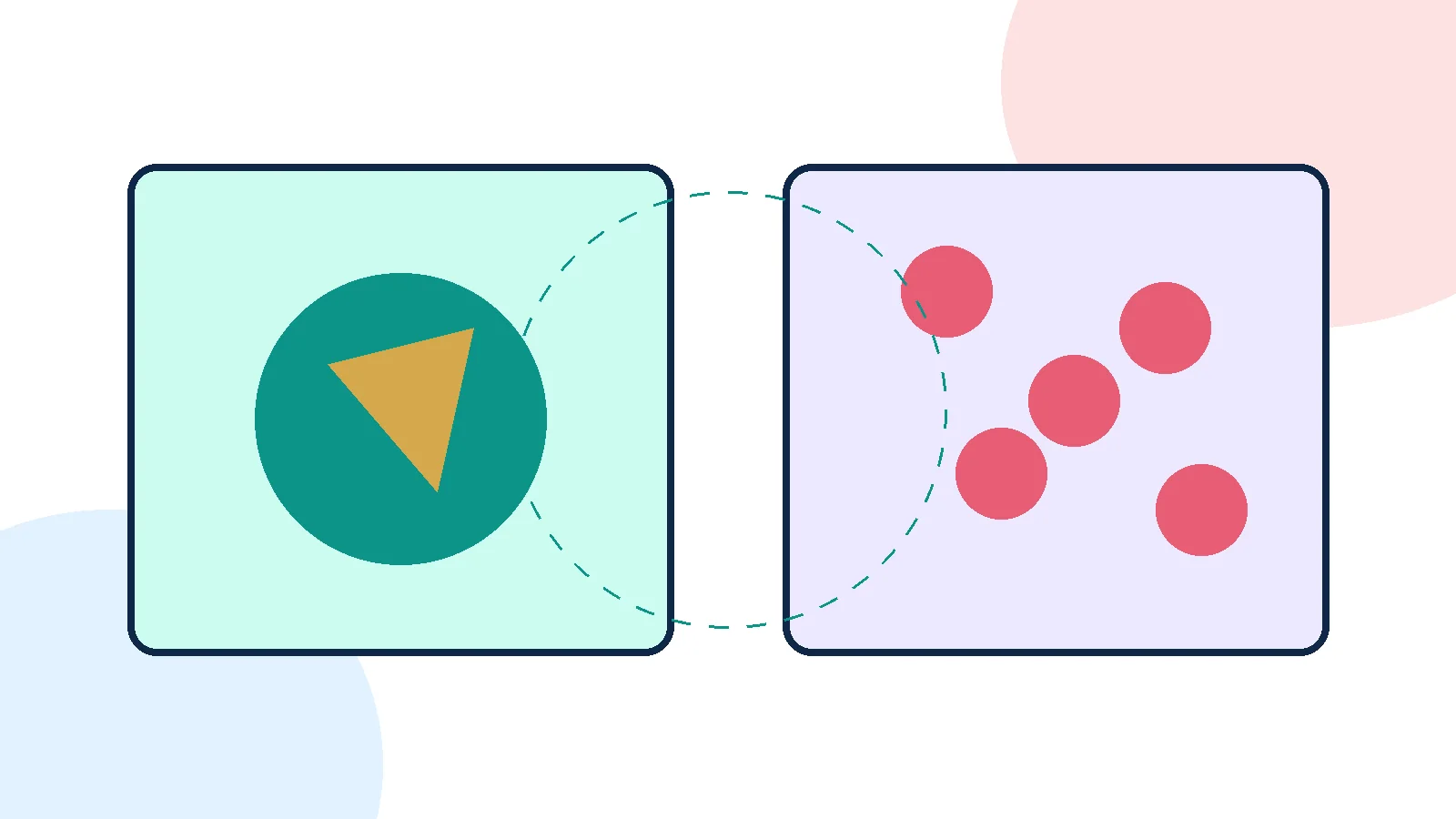
Targeted therapy acts on a specific molecular pathway, protein or alteration associated with cancer. Immunotherapy uses or modifies the immune system to help recognise and attack cancer. Named immunotherapy lists sit on Immunotherapy in India.
Biomarker testing can be relevant to both approaches, although the biomarkers used are not necessarily the same. Neighbouring immunotherapy planning on this site is $15,000–$45,000.
Who may be eligible for targeted therapy?
A patient may be considered for targeted therapy when the cancer has a relevant actionable biomarker, there is an appropriate drug for that biomarker, the treatment is supported for the particular cancer and clinical setting, the patient’s overall condition allows treatment, and the expected benefits and risks are considered acceptable by the treating team.
In some cancers, biomarker testing is routine. In others, broad genomic profiling may be particularly useful for advanced, recurrent or treatment-resistant disease.
The NCI notes that genomic biomarker testing is commonly considered for advanced cancers and is routinely used in treatment selection for certain cancers such as some lung, breast and colorectal cancers.
What happens before targeted therapy?
Step 1: Confirm the diagnosis. The cancer must first be established through appropriate clinical, imaging and pathological evaluation.
Step 2: Determine the stage. Staging helps determine whether the cancer is localised, locally advanced or metastatic.
Step 3: Review pathology. The pathology report establishes the cancer subtype and may include immunohistochemistry.
Step 4: Identify relevant biomarkers. The oncologist determines which biomarkers should be evaluated.
Step 5: Perform molecular testing. Testing may involve PCR, FISH, immunohistochemistry, single-gene testing, multigene panels, NGS or liquid biopsy in selected cases.
Step 6: Interpret the report. A molecular report should not simply be read as a list of mutations. The oncology team needs to determine which findings are actionable, which are uncertain and which have no established treatment relevance.
Step 7: Discuss treatment options. The oncologist considers targeted therapy alongside other options.
Step 8: Begin treatment and monitor. Response, side effects, laboratory values and, when appropriate, imaging are monitored during therapy.
How is targeted therapy given?
Oral targeted therapy. Some targeted drugs are taken as tablets or capsules. This can allow some patients to take treatment at home, although regular medical monitoring remains essential.
Intravenous targeted therapy. Some antibody-based treatments and other targeted medicines are administered through a vein in a hospital or outpatient infusion centre.
The NCI notes that small-molecule therapies are often oral, while monoclonal antibodies are commonly administered intravenously.
How long does targeted therapy continue?
There is no standard duration for every patient. Treatment duration depends on cancer type, stage, treatment objective, drug used, response, side effects, development of resistance, previous treatments and overall health.
Some patients receive treatment continuously until disease progression or unacceptable toxicity. Others receive treatment for a defined period or as part of a specific treatment regimen.
Side effects of targeted therapy
The idea that targeted therapy has no side effects is incorrect. Targeted therapies can cause significant adverse effects, although the pattern differs from conventional chemotherapy and varies substantially between drugs.
Common or clinically important side effects can include diarrhoea, skin rash, dry skin, nail changes, fatigue, high blood pressure, liver abnormalities, mouth sores, changes in hair colour, problems with blood clotting, wound-healing problems and infusion-related reactions with some medicines.
The same biological pathway targeted in cancer cells may also have functions in healthy tissues. This is why targeted therapy requires monitoring even when the treatment is taken as a tablet at home.
Patients should report new or worsening symptoms to their oncology team rather than stopping treatment independently. Fever, shaking chills, severe diarrhoea, chest pain, breathlessness, collapse, confusion or a rapidly worsening rash belongs in a local emergency department immediately. Do not wait for the next clinic appointment or use WhatsApp as emergency care.
What is targeted therapy resistance?
A tumour that initially responds to a targeted drug can sometimes develop new molecular changes that allow cancer cells to grow despite treatment.
Resistance can occur because the original target changes, the cancer activates another pathway, a new mutation develops, different cancer-cell populations become dominant, or the tumour becomes less dependent on the original pathway.
If scans or clinical evaluation suggest that a targeted treatment is no longer controlling the cancer, the oncologist may consider repeat molecular testing, liquid biopsy, repeat tissue biopsy, a different targeted drug, combination treatment, chemotherapy, immunotherapy, radiation therapy, surgery, clinical trials or supportive treatment.
This is one reason precision oncology is increasingly viewed as an ongoing process rather than a one-time genetic test.
Can targeted therapy be combined with other treatments?
Yes. Targeted therapy can form part of a multimodal treatment plan.
Depending on the cancer, combinations can include chemotherapy, immunotherapy, hormone therapy, radiation therapy or surgery. The combination should be determined by a multidisciplinary oncology team rather than by assuming that more treatments necessarily provide better results.
Radiation neighbours include external beam radiotherapy in India, IMRT in India and IGRT in India.
Targeted therapy for advanced or metastatic cancer
Targeted therapy has particular importance in advanced cancers where the tumour contains an actionable molecular alteration.
In metastatic cancer, the objective may include shrinking the tumour, controlling disease, delaying progression, relieving symptoms, maintaining quality of life or extending survival.
Advanced cancer does not automatically mean targeted therapy is appropriate. The tumour still needs to have a suitable target or another reason for the particular therapy.
Tumour-agnostic targeted therapy
Traditional cancer treatment is usually organised around where the cancer originated. Tumour-agnostic treatment instead uses a particular molecular biomarker as the basis for treatment across different tumour locations.
The NCI describes several FDA-approved tissue-agnostic therapies based on specific genomic biomarkers. The presence of a molecular alteration does not mean that every patient with that alteration will benefit from every drug targeting it.
Targeted therapy cost in India
There is no single fixed price for targeted therapy in India. The total cost can vary considerably because targeted therapy includes many different medicines and treatment strategies.
GAF Healthcare partner planning for targeted therapy is $8,000–$30,000, typically Oral or infusion · months of therapy. Neighbouring United States comparison figures are $80,000–$160,000.
Major factors include the type of cancer, target or biomarker, drug selected, brand and manufacturer, originator versus biosimilar where applicable, dose, frequency, duration, molecular testing, hospital charges, infusion charges, laboratory monitoring, imaging and management of side effects.
| Component | Possible cost component |
|---|---|
| Oncology consultation | Initial and follow-up consultations |
| Pathology review | Review of existing slides or tissue |
| Biomarker testing | IHC, FISH, PCR or other tests |
| Genomic testing | NGS or other molecular profiling |
| Targeted medicine | Usually the largest variable component |
| Infusion | Applicable to intravenous treatments |
| Blood tests | Monitoring during treatment |
| Imaging | CT, MRI, PET-CT or other scans |
| Supportive medicines | Depending on treatment |
| Hospitalisation | Only when clinically required |
| Follow-up | Continuing oncology monitoring |
A personalised quotation should be prepared only after reviewing the patient’s diagnosis, pathology, molecular profile and proposed treatment regimen.
It can be expensive, particularly when newer patented medicines are required. Patients should avoid choosing a treatment solely on the basis of price. The correct biomarker-drug match and evidence supporting the treatment are more important considerations.
Depending on the drug and cancer, patients can ask their hospital about biosimilar options where clinically appropriate, generic alternatives, patient-assistance programmes, insurance coverage or clinical-trial opportunities. Availability and eligibility vary.
Targeted therapy cost by Indian city
There is no reliable single national tariff. GAF Healthcare uses one national partner planning band of $8,000–$30,000 rather than inventing city-specific prices.
International patients comparing medical oncologists listing Targeted Therapy commonly start with Delhi NCR, Mumbai, Bengaluru, Chennai and Hyderabad. Partner medical oncology hospitals in Delhi NCR, Mumbai and Bengaluru, and in Chennai and Hyderabad, are a typical first filter. City sheets include Delhi NCR, Mumbai, Bengaluru, Chennai and Hyderabad. Pune, Kolkata, Ahmedabad, Kochi, Jaipur, Chandigarh, Lucknow and Varanasi are not live GAF catalog cities on this site.
| City | Catalogue doctors list | India planning band |
|---|---|---|
| Delhi NCR | Medical oncologists listing Targeted Therapy | $8,000–$30,000 |
| Mumbai | Medical oncologists listing Targeted Therapy | $8,000–$30,000 |
| Bengaluru | Medical oncologists listing Targeted Therapy | $8,000–$30,000 |
| Chennai | Medical oncologists listing Targeted Therapy | $8,000–$30,000 |
| Hyderabad | Medical oncologists listing Targeted Therapy | $8,000–$30,000 |
Why patients consider India
India has a large network of cancer centres offering medical oncology, radiation oncology, surgical oncology and pathology services.
For patients travelling internationally, one potential advantage is the ability to coordinate oncology consultation, pathology review, molecular testing, imaging, surgery, medical oncology, radiation oncology, targeted therapy, immunotherapy, supportive care and follow-up within the same treatment pathway.
GAF Healthcare coordinates named partner programmes in Delhi NCR, Mumbai, Bengaluru, Chennai and Hyderabad. The appropriate centre depends on the cancer type, molecular target and treatment complexity rather than city alone.
How to choose a cancer centre for targeted therapy
There is no single hospital that is universally right for every targeted-therapy patient. The appropriate centre depends on the type of cancer, biomarker, required treatment and clinical expertise.
Instead of asking only which hospital is most famous, ask more specific questions:
- Does the centre treat my particular cancer?
- Can the hospital review my pathology?
- Is molecular testing available in-house or through an accredited laboratory?
- Does the centre have molecular tumour-board expertise?
- Can the hospital provide the recommended targeted medicine?
- Can the hospital provide a complete treatment estimate covering consultation, testing, medicine, administration and monitoring?
- Can international patients receive coordinated care?
Hospital selection should therefore be cancer-specific and biomarker-specific rather than based solely on hospital reputation.
Targeted therapy for international patients coming to India
International patients should ideally send their medical records before travelling.
A useful medical file can include the pathology report, biopsy report, immunohistochemistry report, molecular or genetic test reports, NGS report if available, CT/MRI/PET-CT reports, imaging discs or digital files, previous chemotherapy, targeted-therapy and immunotherapy records, radiation treatment summary, surgery notes, current medication list, recent blood tests and discharge summaries.
Existing reports can often provide useful information. The treating oncologist may still recommend pathology review, additional immunohistochemistry, repeat molecular testing, a broader NGS panel or testing of a newer tumour sample. Cancer biology can change over time, particularly after treatment.
The medical-tourism question is usually not how to stay in India for every month of tablets. It is how to obtain a validated plan, begin safely and transfer prescribing and monitoring home.
Questions to ask your oncologist about targeted therapy
- What is the exact type and stage of my cancer?
- Does my cancer have an actionable biomarker?
- Which biomarker was identified?
- Was the biomarker detected by tissue or liquid biopsy?
- Do I need broader genomic testing?
- What targeted drug is being recommended?
- Is the drug approved for my cancer and treatment setting?
- Is the treatment oral or intravenous?
- How often will I receive it?
- How long is treatment expected to continue?
- What are the major side effects?
- What symptoms require urgent medical attention?
- How will you determine whether the treatment is working?
- What happens if the cancer becomes resistant?
- Are there alternative treatments?
- Is combination treatment necessary?
- What will the approximate total treatment cost be?
- Are biosimilar or other clinically appropriate alternatives available?
- Are there relevant clinical trials?
- What follow-up will I need after returning home?
Frequently asked questions
What is targeted therapy for cancer?
Targeted therapy uses medicines designed to interfere with specific molecules, proteins or pathways involved in cancer growth and survival. It is an important part of precision oncology.
Is targeted therapy available in India?
Yes. A wide range of targeted cancer treatments are available in India, although availability depends on the specific drug, cancer, biomarker, regulatory status and hospital.
Do I need genetic testing before targeted therapy?
For many biomarker-dependent targeted treatments, some form of molecular or biomarker testing is necessary to determine whether the cancer has the relevant target.
Is targeted therapy better than chemotherapy?
Neither treatment is universally better. They work differently and may be used separately or together depending on the cancer and clinical situation.
Is targeted therapy safer than chemotherapy?
Targeted therapy can have a different side-effect profile from chemotherapy, but it is not free of serious side effects. The risk depends on the specific drug.
Is targeted therapy painful?
The treatment itself is not necessarily painful. Oral drugs are taken by mouth, while intravenous medicines require an infusion. Some patients can experience treatment-related side effects.
How long does targeted therapy take?
An individual dose may range from a relatively short oral treatment to an intravenous infusion lasting longer depending on the medicine. The overall treatment period can extend for months or longer.
Can targeted therapy be taken at home?
Some targeted medicines are oral and can be taken at home. Others require administration in a hospital or oncology centre.
Can targeted therapy be combined with chemotherapy or immunotherapy?
Yes, in selected cancers when supported by clinical evidence. The sequence or combination is a team decision.
What happens if targeted therapy stops working?
Doctors may investigate disease progression and resistance using imaging, blood-based molecular testing or a repeat biopsy where appropriate. A different targeted therapy or another treatment approach may then be considered.
Does targeted therapy cause hair loss?
Hair loss is not inevitable. Side effects vary considerably according to the targeted medicine. Some targeted therapies can cause hair changes, while others may not.
Does targeted therapy affect normal cells?
Targeted therapy is designed to act on specific biological targets, but those targets or pathways can also have functions in healthy tissues. Consequently, targeted therapies can still cause side effects.
What if no actionable mutation is found?
A negative molecular test does not mean that there are no treatment options. Depending on the cancer, the oncologist may consider surgery, radiation, chemotherapy, immunotherapy, hormone therapy, another molecular test, clinical trials or supportive treatment.
How much does targeted therapy cost in India?
GAF Healthcare partner planning is $8,000–$30,000, typically Oral or infusion · months of therapy. Neighbouring United States comparison figures are $80,000–$160,000. The total depends on the medicine, biomarker testing, dosage, duration and hospital.
When should I go to an emergency department?
Fever, shaking chills, severe diarrhoea, chest pain, breathlessness, collapse, confusion or a rapidly worsening rash during treatment belongs in a local emergency department. Do not use WhatsApp as emergency care.
Can international patients receive targeted therapy in India?
Yes, after records review. Feasibility depends on the cancer, biomarker, medicine availability and a plan for continuing tablets or infusions at home.
Which city in India is right?
There is no single preferred city. Delhi NCR, Mumbai, Bengaluru, Chennai and Hyderabad are live GAF catalog cities. Confirm the campus that can prescribe the named medicine and interpret the biomarker.
Targeted therapy in India: key takeaways
- Identify the biology driving the cancer, determine whether it is actionable, and match the patient with an appropriate evidence-supported treatment.
- A mutation is not automatically a prescription.
- Precision oncology is broader than targeted therapy. Testing lists sit on precision oncology in India. Mutation-matched lists sit on molecular targeted therapy in India.
- Targeted therapy and chemotherapy work differently. Many patients receive both.
- Side effects are drug-specific and can be serious.
- Resistance can develop. Repeat testing may then be useful.
- GAF Healthcare partner planning is $8,000–$30,000, typically Oral or infusion · months of therapy.
- Live GAF catalog cities are Delhi NCR, Mumbai, Bengaluru, Chennai and Hyderabad.
- Patients travelling to India should send pathology, imaging and treatment records before travelling whenever possible.
- Severe symptoms belong in a local emergency department, not on WhatsApp.
Final word
Targeted therapy is one of the most important developments in modern cancer treatment. For the right patient, a matched medicine can control disease while avoiding some of the broader toxicities of conventional chemotherapy.
But precision medicine is more complicated than simply finding a mutation. A good treatment plan considers the pathology, cancer stage, biomarker, molecular profile, previous treatments, overall health, treatment goals and available evidence.
If you are considering targeted therapy in India, the most useful first step is a detailed review of existing medical records rather than immediately travelling for treatment. Treatment recommendations must be made by a qualified oncologist after reviewing the patient’s individual medical information.
WhatsApp GAF Healthcare on +91 90443 46292 for a records review. Use a local emergency department for urgent symptoms.
Sources
- National Cancer Institute (NCI) — Targeted Therapy for Cancer.
- National Cancer Institute — Biomarker Testing for Cancer Treatment.
- National Cancer Institute — Targeted Therapy Drug List by Cancer Type.
- National Cancer Institute — Tumour Marker Tests in Common Use.
- National Cancer Institute — Types of Cancer Treatment.
- National Cancer Institute — Tumour-Agnostic Cancer Therapies.
- American Society of Clinical Oncology (ASCO) — Precision oncology and targeted treatment research.
- European Society for Medical Oncology (ESMO) — Precision medicine and tumour-agnostic treatment framework.
- Indian Council of Medical Research (ICMR) — Cancer management guidance.
- Indian molecular-pathology and medical-oncology practice at multidisciplinary cancer centres.
Treatment Process
- 1
Share records
The patient provides pathology, immunohistochemistry and any molecular reports before anyone books travel.
- 2
Name the clinical question
A medical oncologist decides whether a focused assay, a broader panel or no India list is the honest next step.
- 3
Confirm the target
The team checks whether an actionable biomarker is documented and whether the sample is still adequate.
- 4
Itemised estimate
GAF targeted-therapy planning is $8,000–$30,000. Neighbouring molecular targeted therapy is $10,000–$32,000 when a mutation-matched product is named.
- 5
Select the medicine
An oral inhibitor, antibody, ADC or another pathway medicine is chosen from the cancer biology and evidence.
- 6
Start and monitor
Tablets or infusions begin with a written schedule for laboratory, blood-pressure, skin or cardiac checks as required.
- 7
Transfer home
Most patients continue oral medicine or scheduled infusions at home after a stable plan is documented.
- 8
Review resistance
If the cancer progresses, the team considers repeat testing, another targeted line or a different class of treatment.