
Treatment Overview
Prostate cancer treatment in India is planned according to the cancer’s stage, Grade Group/Gleason score, PSA level, imaging findings, overall health, life expectancy, and treatment goals. Depending on these factors, treatment may involve active surveillance, radical prostatectomy, radiation therapy, hormone therapy, chemotherapy, targeted therapy, radiopharmaceutical therapy, or a combination of treatments.
India has established uro-oncology and cancer centres offering advanced diagnostic imaging, MRI-guided or fusion biopsy, robotic-assisted prostatectomy (Robotic Prostatectomy in India), image-guided radiation therapy (Radiation Therapy for Prostate Cancer), brachytherapy, systemic cancer treatment and, for selected advanced cases, PSMA-targeted radiopharmaceutical therapy. For a side-by-side look at the options themselves, see Prostate Cancer Treatment Options. For men comparing radiation, surveillance and systemic options without prostatectomy, see Prostate Cancer Treatment Without Surgery.
Importantly, not every prostate cancer requires immediate surgery. Some low-risk cancers can be safely monitored through an active surveillance programme, while locally advanced and metastatic cancers may require combinations of radiation, hormone therapy and systemic treatment. Current European Association of Urology guidance recommends treatment selection according to disease risk, life expectancy and individual circumstances.
What Is Prostate Cancer?
The prostate is a small gland located below the urinary bladder and in front of the rectum. It forms part of the male reproductive system and contributes fluid to semen.
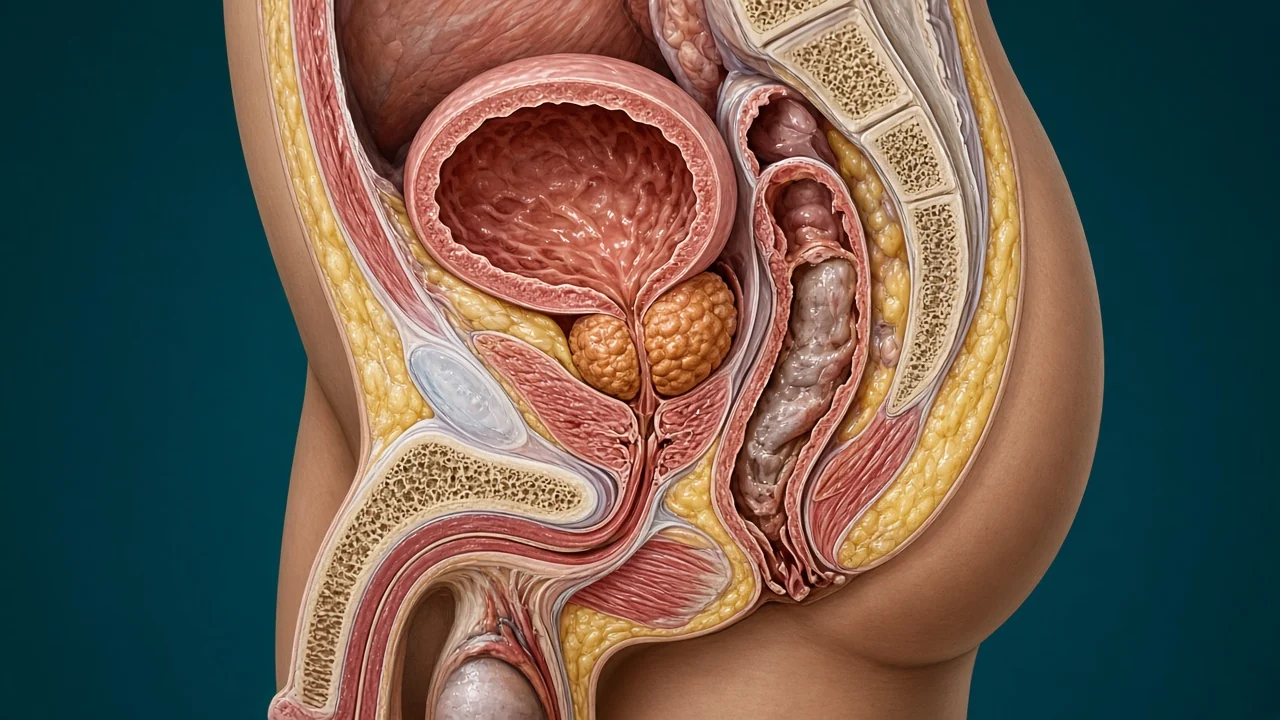
Prostate cancer develops when cells in the prostate begin to grow abnormally and uncontrollably. Some prostate cancers grow slowly and may never cause significant symptoms, while others can be more aggressive and spread outside the prostate.
The distinction between these cancers is important because the presence of prostate cancer does not automatically mean that immediate aggressive treatment is required.
Doctors use the PSA level, prostate biopsy, Grade Group/Gleason score, clinical examination and imaging to determine the nature and extent of the disease.
Prostate Cancer in India
Prostate cancer is an important cancer affecting men, particularly with increasing age.
According to the International Agency for Research on Cancer's GLOBOCAN 2022 data, India recorded more than 1.4 million new cancer cases across both sexes in 2022. Prostate cancer is among the important cancers affecting Indian men, and the country's ageing population is expected to increase the importance of prostate cancer diagnosis and treatment.
The individual risk of prostate cancer is influenced by factors including:
- Increasing age
- Family history of prostate cancer
- Certain inherited genetic changes
- Ethnicity and population background
- Lifestyle and metabolic factors
- Previous or existing health conditions
A man with a strong family history or known hereditary cancer risk may require a different approach to assessment than someone at average risk.
Patients commonly compare uro-oncology teams in Delhi NCR, Mumbai, Bengaluru, Chennai and Hyderabad.
Symptoms of Prostate Cancer
Early prostate cancer may cause no symptoms at all. Many cases are identified after an abnormal PSA result or examination.
When symptoms occur, they can include:
- Difficulty starting urination
- Weak or interrupted urine flow
- Frequent urination
- Increased urination at night
- A feeling that the bladder has not completely emptied
- Blood in urine or semen
- Painful urination
- Erectile or sexual problems
- Pain in the back, hips or pelvis in more advanced disease
These symptoms are not specific to prostate cancer. Benign prostate enlargement and other urinary conditions can produce similar symptoms.
Therefore, urinary symptoms alone do not establish a diagnosis of prostate cancer.
Send PSA, biopsy and MRI for a second opinion
How Is Prostate Cancer Diagnosed?
A prostate cancer diagnosis usually involves several steps rather than a single test.

1. PSA Blood Test
Prostate-specific antigen (PSA) is a protein produced by prostate cells.
An elevated PSA can occur because of prostate cancer, but also because of benign prostate enlargement, inflammation, infection and other conditions.
Therefore, a high PSA does not by itself mean that a man has prostate cancer.
The doctor considers PSA together with age, prostate examination, prostate volume, PSA density, family history and imaging findings.
2. Digital Rectal Examination
During a digital rectal examination (DRE), the doctor assesses the prostate through the rectum.
The examination can provide information about:
- Prostate size
- Areas of hardness
- Irregularities
- Asymmetry
- Possible locally advanced disease
DRE does not replace PSA testing or biopsy.
3. Multiparametric MRI of the Prostate
Multiparametric MRI (mpMRI) has become an important part of modern prostate cancer assessment.
It can help:
- Identify suspicious lesions
- Determine their location
- Assess possible extension outside the prostate
- Guide targeted biopsy
- Assist treatment planning
- Monitor selected men on active surveillance
The EAU's 2026 guideline update includes changes relating to MRI-based biopsy strategy and prostate cancer staging.
4. Prostate Biopsy
A biopsy is required to confirm prostate cancer.
During a prostate biopsy, small tissue samples are taken from the prostate and examined by a pathologist.
Depending on the patient's situation, biopsy may be systematic, targeted or a combination of both.
MRI findings can help identify areas that should be specifically sampled.
The pathology report provides critical information about:
- Cancer type
- Grade Group
- Gleason pattern
- Percentage or extent of involvement
- Number of positive cores
- Other pathological characteristics
The biopsy is therefore one of the most important documents for treatment planning.
Understanding Gleason Score and Grade Group
Patients often hear two terms after a prostate biopsy: Gleason score and Grade Group.
The Gleason system evaluates the microscopic appearance and growth pattern of prostate cancer cells.
The Grade Group system provides a simplified classification of tumour aggressiveness.
In general:
| Grade Group | Gleason score | General interpretation |
|---|---|---|
| Grade Group 1 | 6 | Lower-grade cancer |
| Grade Group 2 | 3+4=7 | Intermediate-grade cancer |
| Grade Group 3 | 4+3=7 | Intermediate-grade cancer with greater pattern 4 |
| Grade Group 4 | 8 | High-grade cancer |
| Grade Group 5 | 9–10 | Highest-grade category |
The Grade Group is only one component of treatment planning. Doctors also consider PSA, clinical stage, MRI findings, biopsy volume and other pathological characteristics.
Prostate Cancer Staging
Staging determines how far the cancer has spread.
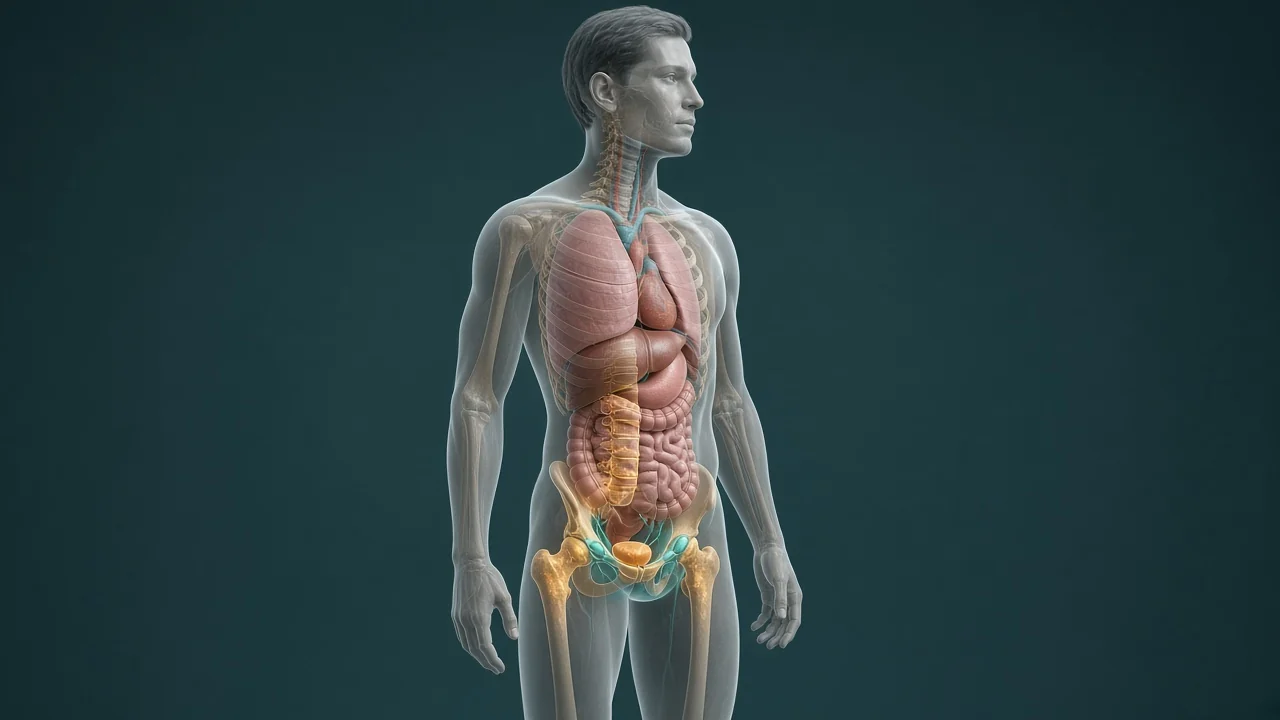
The commonly used TNM system considers:
- T: extent of the primary tumour
- N: involvement of nearby lymph nodes
- M: distant metastases
PSA and Grade Group are also important when determining the overall risk and stage grouping.
Localised prostate cancer
The cancer remains within the prostate.
Locally advanced prostate cancer
The cancer has extended beyond the prostate or involves nearby structures and/or regional lymph nodes depending on the specific staging classification.
Metastatic prostate cancer
The cancer has spread to distant parts of the body.
Common sites of metastatic prostate cancer include the bones and lymph nodes, although other organs can also be affected.
Prostate Cancer Risk Groups
For localised prostate cancer, doctors frequently classify the disease into risk categories.
These categories help estimate the likelihood of progression and guide treatment selection.
Factors considered include:
- PSA
- Grade Group/Gleason score
- Clinical T stage
- MRI findings
- Biopsy findings
- Tumour volume
- Other pathological characteristics
Two men with the same diagnosis of "prostate cancer" may therefore receive completely different treatment recommendations.
Prostate Cancer Treatment Options in India
There is no single treatment that is appropriate for every patient.
The principal treatment approaches include:
- Active surveillance
- Watchful waiting
- Radical prostatectomy
- Radiation therapy
- Brachytherapy
- Hormone therapy / androgen deprivation therapy
- Chemotherapy
- Targeted therapy
- Immunotherapy in selected situations
- Radiopharmaceutical therapy
- Selected focal treatments
- Palliative and supportive treatment
NCI lists surgery, radiation/radiopharmaceutical therapy, hormone therapy, chemotherapy, targeted therapy and immunotherapy among the treatment options used in prostate cancer.
Ask whether robotic prostatectomy is appropriate
1. Active Surveillance
Active surveillance is not the same as ignoring prostate cancer.
It is a structured programme for carefully selected patients, particularly men with low-risk disease and some men with selected favourable intermediate-risk disease.
The objective is to avoid unnecessary treatment while identifying signs that the cancer is becoming more significant.
Monitoring may include:
- Regular PSA testing
- Clinical examination
- Repeat MRI
- Repeat biopsy when indicated
- Review of symptoms
- Reassessment of disease risk
The EAU 2026 guidance recommends active surveillance as standard care for suitable men with low-risk disease and selected favourable intermediate-risk disease.
Active surveillance can be particularly relevant because surgery and radiation can produce long-term side effects.
There is no single package price. Follow-up is usually outpatient and billed per visit, PSA test, MRI or biopsy.
2. Watchful Waiting
Watchful waiting is different from active surveillance.
The objective is generally not to eradicate the cancer but to monitor the patient and provide treatment if symptoms or clinically important progression develops.
It may be appropriate for some men with limited life expectancy, significant comorbidities or disease where curative treatment would not provide meaningful benefit.
The EAU distinguishes watchful waiting from active surveillance and recommends conservative management according to life expectancy and disease characteristics.
3. Radical Prostatectomy
Radical prostatectomy involves removing the prostate gland and seminal vesicles. Pelvic lymph node dissection may also be performed when clinically indicated.
It is primarily used with curative intent for selected men with localised or locally advanced disease.
The GAF planning range for radical prostatectomy in India is $7,000–$18,000, typically with a 3–7 night stay. The same sheet covers open, laparoscopic and robotic-assisted approaches; the named surgeon confirms the approach after records review.
Types of radical prostatectomy
Open radical prostatectomy
The surgeon operates through a larger incision.
Laparoscopic radical prostatectomy
The operation is performed through several small incisions using specialised instruments and a camera.
Robotic-assisted radical prostatectomy
The surgeon controls robotic instruments through a console while operating through small incisions.
Robotic systems provide magnified three-dimensional visualisation and articulated instruments. However, the robot is an operating platform controlled by the surgeon rather than an autonomous machine.
Explore radical prostatectomy
- Radical prostatectomy doctors in India
- Hospitals for radical prostatectomy
- Radical prostatectomy cost in India
- Urologists who perform prostatectomy
Robotic Prostate Cancer Surgery in India
Robotic-assisted radical prostatectomy is available at a number of major Indian hospitals.
It may be considered for selected patients with localised prostate cancer and certain locally advanced cancers.
Potential advantages of a minimally invasive robotic approach include:
- Smaller incisions
- Less blood loss in many cases
- Reduced postoperative discomfort
- Shorter hospitalisation in suitable patients
- Earlier mobilisation
- Precise dissection in anatomically difficult areas
However, robotic technology by itself does not guarantee a better cancer outcome.
The experience of the individual surgeon, appropriate patient selection, tumour characteristics and the ability to perform cancer-safe surgery remain important.
Apollo and Medanta, for example, describe robotic prostatectomy and dedicated uro-oncology/robotic surgery programmes at their Indian centres.
Discuss surgery versus radiation
Nerve-Sparing Prostatectomy
The nerves involved in erectile function run close to the prostate.
Where cancer location and oncological safety allow, surgeons may attempt to preserve these nerve structures.
Nerve-sparing may be:
- Bilateral
- Unilateral
- Partial
- Not performed when cancer involvement makes preservation unsafe
The priority remains complete and appropriate cancer treatment. Nerve preservation should therefore be considered only when it is oncologically appropriate.
Pelvic Lymph Node Dissection
Pelvic lymph node dissection may be performed during prostatectomy when the estimated risk of lymph-node involvement warrants it.
The removed nodes are examined by a pathologist.
The results can influence:
- Final staging
- Prognosis
- Need for additional treatment
- Follow-up strategy
4. Radiation Therapy
Radiation therapy uses high-energy radiation to destroy cancer cells or prevent them from continuing to grow.
It can be used as a definitive treatment for localised prostate cancer and as part of treatment for higher-risk or locally advanced disease.
It may also be used to control symptoms caused by metastatic disease.
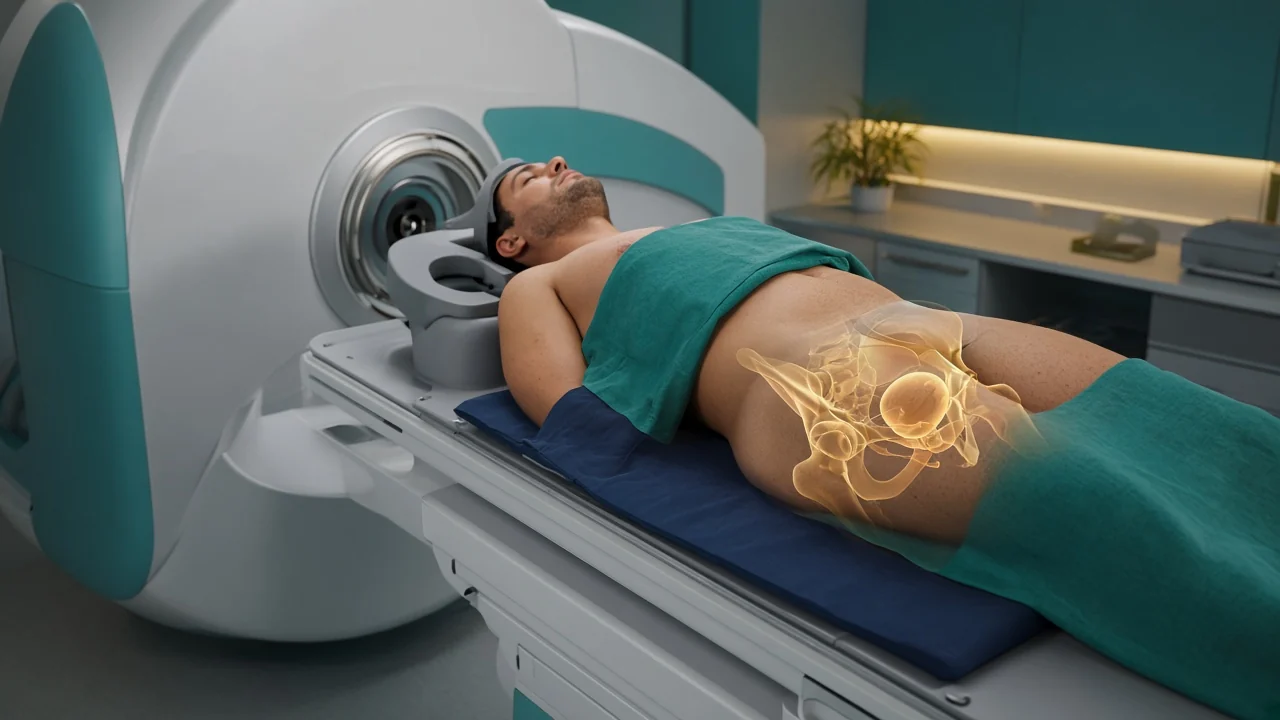
Modern radiation techniques include:
- IMRT
- VMAT
- IGRT
- SBRT
- Brachytherapy
- Selected stereotactic techniques
Current EAU guidance includes image-guided IMRT/VMAT and moderate hypofractionation among established radiation approaches for appropriate patients.
GAF planning ranges in India include EBRT $1,000–$6,000+ (often 15–35 sessions), IMRT $6,500–$14,500, IGRT $7,200–$16,000 and SBRT $8,000–$17,500.
Get a radiation estimate on WhatsApp
5. Brachytherapy
Brachytherapy delivers radiation from a source placed inside or very close to the prostate.
Two broad approaches are:
Low-dose-rate brachytherapy
Radioactive seeds are placed in the prostate and deliver radiation over time.
High-dose-rate brachytherapy
A radioactive source is temporarily introduced through specialised applicators and then removed.
Brachytherapy can be used alone in selected lower-risk patients or combined with external-beam radiation in selected higher-risk cases.
The GAF planning range for brachytherapy in India is $5,500–$13,000, typically with a 1–7 night stay depending on the technique.
6. Hormone Therapy / Androgen Deprivation Therapy
Prostate cancer cells can be driven by male hormones called androgens.
Hormone therapy reduces androgen production or blocks androgen activity.
Androgen deprivation therapy (ADT) can be delivered using medicines or surgical removal of the testicles.
Modern systemic treatment may also involve androgen-receptor pathway inhibitors such as:
- Abiraterone
- Enzalutamide
- Apalutamide
- Darolutamide
The specific drug and combination depend on disease stage and whether the cancer is hormone-sensitive or castration-resistant.
NCI notes that hormone therapy may be used alone in some situations or in combination with radiation, chemotherapy or other systemic treatments.
The GAF planning range for hormone therapy in India is $1,000–$4,500. Duration is often months to years, so the medicine and monitoring schedule matter more than a one-line package.
Explore hormone therapy
Get a hormone-therapy estimate
7. Chemotherapy
Chemotherapy uses medicines that circulate throughout the body to destroy or slow cancer cells.
Docetaxel is an important chemotherapy drug used in selected advanced prostate cancer settings.
Chemotherapy is more commonly relevant when prostate cancer has spread or has become resistant to hormone-based treatment, although modern treatment strategies can combine chemotherapy with androgen-directed therapy in selected metastatic hormone-sensitive cases.
The GAF planning range is $1,500–$8,000+, usually as outpatient cycles.
Explore chemotherapy
8. Targeted Therapy
Targeted treatments are designed to act against specific biological characteristics of cancer cells.
For prostate cancer, genomic testing may be considered in appropriate patients, particularly those with advanced or metastatic disease.
Certain inherited or tumour-specific DNA-repair alterations can influence treatment options.
PARP inhibitors are an example of targeted treatment used in selected patients with relevant genetic alterations.
The GAF planning range is $8,000–$30,000, depending on the medicine and duration.
Explore targeted therapy
9. Immunotherapy
Immunotherapy is used only in selected prostate cancer situations.
It is not a universal treatment for every prostate cancer patient.
Eligibility depends on tumour characteristics, previous treatment and the specific therapy under consideration.
Patients should not assume that an immunotherapy advertised for another cancer is automatically suitable for prostate cancer.
Where used, the GAF planning range for immunotherapy is $15,000–$45,000.
10. PSMA PET and PSMA-Targeted Therapy
PSMA stands for prostate-specific membrane antigen.
PSMA-based imaging has become an important tool in the staging and assessment of selected prostate cancer patients.
PSMA PET/CT can help identify prostate cancer deposits that may not be clearly visible on conventional imaging.
The EAU guideline describes PSMA PET/CT as an important advanced imaging modality, particularly in staging and selected recurrence settings.
PSMA can also be used therapeutically.
In PSMA-targeted radioligand therapy, a radioactive substance is attached to a molecule that targets PSMA. One established example is lutetium-177 PSMA-617, which can deliver radiation directly to PSMA-expressing cancer cells.
This treatment is primarily relevant to selected patients with advanced disease after appropriate specialist evaluation.
Request a metastatic-treatment estimate
Prostate Cancer Treatment by Stage
Stage I Prostate Cancer
Treatment may include:
- Active surveillance
- Watchful waiting in selected patients
- Radical prostatectomy
- External-beam radiation
- Brachytherapy
The appropriate option depends on risk group, life expectancy, urinary function and patient preferences.
Stage II Prostate Cancer
Possible treatment approaches include:
- Active surveillance in selected lower-risk disease
- Radical prostatectomy
- Radiation therapy
- Brachytherapy
- Radiation combined with hormone therapy in selected higher-risk disease
The distinction between favourable and unfavourable intermediate-risk disease can materially change treatment planning.
Stage III Prostate Cancer
Treatment frequently becomes multimodal.
Possible approaches include:
- Radical prostatectomy in selected patients
- Radiation therapy
- Long-term hormone therapy
- Radiation plus hormone therapy
- Additional systemic treatment in selected high-risk cases
The EAU 2026 recommendations include combinations of radiation, long-term ADT and additional systemic treatment for selected locally advanced disease.
Stage IV Prostate Cancer
Stage IV disease requires assessment of where the cancer has spread.
Treatment may include combinations of:
- Androgen deprivation therapy
- Androgen-receptor pathway inhibitors
- Chemotherapy
- Radiation therapy
- Radiopharmaceutical therapy
- Bone-directed treatment
- Targeted treatment
- Symptom-control treatment
For metastatic hormone-sensitive prostate cancer, contemporary treatment increasingly involves combination systemic therapy rather than relying on ADT alone in appropriate patients.
Prostate Cancer Treatment Pathway in India
A typical international patient's treatment journey may look like this:
Step 1: Medical record review
The medical team reviews:
- PSA reports
- Biopsy report
- Gleason score
- Grade Group
- MRI
- PSMA PET/CT, where available and appropriate
- Previous treatment
- Current medications
- Medical history
Step 2: Specialist consultation
The patient may be evaluated by:
Step 3: Staging
Additional imaging or pathology review may be recommended to determine the extent of disease.
Step 4: Multidisciplinary treatment planning
For complex cases, specialists may jointly review the patient's reports.
Step 5: Treatment
The treatment may involve one modality or a combination of modalities.
Step 6: Recovery and monitoring
Follow-up generally includes PSA monitoring and additional assessment depending on the treatment received.
How Doctors Choose Between Surgery and Radiation
This is one of the most common questions patients ask.
There is no universal answer.
The decision may consider:
- Cancer risk group
- Tumour location
- PSA
- Grade Group
- MRI findings
- Age
- Life expectancy
- Urinary function
- Baseline sexual function
- Other medical conditions
- Previous prostate procedures
- Patient priorities
- Availability of appropriate expertise
Surgery and radiation can both be appropriate curative treatments for selected localised prostate cancers. The important question is not simply which technology is newer, but which treatment is appropriate for the individual's disease and circumstances.
Surgery vs Radiation Therapy for Prostate Cancer
| Factor | Radical Prostatectomy | Radiation Therapy |
|---|---|---|
| Main approach | Removes prostate | Treats cancer with radiation |
| Typical use | Selected localised/locally advanced disease | Localised and selected higher-risk disease |
| Hospital stay | Usually required | Often outpatient/day-care based |
| Urinary effects | Possible incontinence | Urinary irritation can occur |
| Sexual effects | Erectile dysfunction can occur | Erectile dysfunction can develop over time |
| Bowel effects | Generally less prominent | Bowel/rectal effects can occur |
| PSA after treatment | Expected to become very low/undetectable | PSA declines more gradually |
| Additional treatment | Radiation or systemic therapy may be required in selected cases | Hormone therapy may be combined in selected risk groups |
This table is a general comparison, not a recommendation for one treatment over another.
Side Effects of Prostate Cancer Treatment
The potential side effects depend on the treatment.
Surgery
Possible effects include:
- Urinary leakage or incontinence
- Erectile dysfunction
- Bleeding
- Infection
- Anaesthesia-related complications
- Changes in ejaculation and fertility
Recovery of urinary and sexual function varies considerably between individuals.
Radiation Therapy
Possible effects include:
- Urinary frequency
- Urinary irritation
- Bowel changes
- Rectal irritation
- Erectile dysfunction
- Fatigue
- Late urinary or bowel complications
Hormone Therapy
ADT can cause:
- Hot flashes
- Reduced libido
- Erectile dysfunction
- Fatigue
- Loss of muscle mass
- Weight or metabolic changes
- Bone weakening
- Mood and quality-of-life changes
NCI specifically notes sexual, metabolic and bone-related effects associated with hormone therapy.
Recovery After Prostate Cancer Surgery
Recovery depends on the surgical approach and the patient's health.
After radical prostatectomy, patients may initially have:
- A urinary catheter
- Temporary urinary leakage
- Reduced physical activity
- Pelvic discomfort
- Changes in sexual function
Pelvic-floor rehabilitation can be an important component of recovery.
Patients should also discuss sexual rehabilitation with their treating team when appropriate.
PSA Monitoring After Treatment
PSA remains one of the most important markers used during follow-up.
After radical prostatectomy, doctors generally expect PSA to fall to a very low or undetectable level.
After radiation therapy, PSA behaves differently and may decline gradually.
A confirmed rising PSA after treatment can indicate biochemical recurrence and may lead to additional evaluation.
EAU guidance identifies PSA as a key component of follow-up after local treatment.
What Happens if Prostate Cancer Comes Back?
Recurrence does not necessarily mean that treatment options have ended.
Management depends on:
- Original treatment
- PSA level
- PSA doubling time
- Location of recurrence
- Imaging findings
- Previous hormone therapy
- Presence or absence of metastases
PSMA PET/CT can play an important role in selected men with biochemical recurrence when the results could change treatment planning.
Potential treatments include:
- Salvage radiation
- Hormone therapy
- Surgery in selected circumstances
- Systemic treatment
- PSMA-targeted radiopharmaceutical therapy
- Targeted therapy for selected genomic alterations
Prostate Cancer Treatment Cost in India
The cost of prostate cancer treatment in India depends heavily on the treatment pathway.
There is no single price for "prostate cancer treatment."
A patient requiring active surveillance will have a very different cost from a patient requiring robotic prostatectomy, radiation plus hormone therapy or treatment for metastatic disease.
Indicative GAF planning ranges
| Treatment | Indicative range in India | Typical pattern |
|---|---|---|
| Active surveillance | Outpatient follow-up; billed per visit, PSA, MRI or biopsy | No single package price |
| Radical prostatectomy (open, laparoscopic or robotic) | $7,000–$18,000 | About 3–7 nights |
| External-beam radiation (EBRT) | $1,000–$6,000+ | About 15–35 sessions |
| IMRT | $6,500–$14,500 | About 4–7 weeks of fractions |
| IGRT | $7,200–$16,000 | About 4–7 weeks of fractions |
| SBRT | $8,000–$17,500 | About 1–5 sessions |
| Brachytherapy | $5,500–$13,000 | About 1–7 nights |
| Hormone therapy | $1,000–$4,500 | Drug-dependent; may be recurring |
| Chemotherapy | $1,500–$8,000+ | Outpatient cycles |
| Targeted therapy | $8,000–$30,000 | Depends on medicine and duration |
| Immunotherapy (selected cases) | $15,000–$45,000 | Highly variable |
These figures are GAF Healthcare planning ranges rather than quotations from any individual hospital. They should not be added together automatically.
What affects the final cost?
The final treatment estimate may depend on:
- Cancer stage
- Grade Group
- Surgical approach
- Robotic platform
- Surgeon fees
- Hospital category
- Room category
- Length of stay
- Imaging
- Pathology
- Anaesthesia
- ICU requirement, if needed
- Lymph-node dissection
- Radiation technology
- Number of radiation sessions
- Hormone therapy
- Chemotherapy
- Follow-up
- Management of complications
For international patients, accommodation, airport transfers, visas, local transportation and additional stay should also be considered separately.
Request an itemized hospital estimate
Prostate Cancer Treatment Cost in Major Indian Cities
City pages use the same national planning ranges unless a hospital issues a verified city quotation.
| City | Radical prostatectomy | EBRT | Hormone therapy |
|---|---|---|---|
| Delhi NCR | $7,000–$18,000 | $1,000–$6,000+ | $1,000–$4,500 |
| Mumbai | $7,000–$18,000 | $1,000–$6,000+ | $1,000–$4,500 |
| Bengaluru | $7,000–$18,000 | $1,000–$6,000+ | $1,000–$4,500 |
| Chennai | $7,000–$18,000 | $1,000–$6,000+ | $1,000–$4,500 |
| Hyderabad | $7,000–$18,000 | $1,000–$6,000+ | $1,000–$4,500 |
- Surgical oncology hospitals in Delhi NCR
- Surgical oncology hospitals in Mumbai
- Surgical oncology hospitals in Bengaluru
- Surgical oncology hospitals in Chennai
- Surgical oncology hospitals in Hyderabad
Prostate Cancer Treatment Cost for International Patients
For an international patient travelling to India, the treatment budget generally has several components.
Medical expenses
- Specialist consultation
- Diagnostic tests
- Imaging
- Biopsy/pathology review
- Surgery or radiation
- Medicines
- Hospitalisation
- Follow-up
Non-medical expenses
- Medical visa
- Flights
- Accommodation
- Local transportation
- Attendant expenses
- Food
- Additional stay
- Translation/interpreter services where required
For this reason, an international patient should request a patient-specific treatment estimate rather than relying only on an online cost range.
How Long Does Prostate Cancer Treatment Take in India?
The treatment timeline depends on the treatment selected.
Diagnostic evaluation
A patient with complete medical records may be able to complete specialist assessment and additional investigations within several days, although complex cases can require longer.
Robotic prostatectomy
The hospital stay is generally short in uncomplicated cases, but recovery continues after discharge.
Radiation therapy
Treatment duration depends on the radiation technique.
Conventional radiation may require multiple weeks, whereas moderate hypofractionation or stereotactic approaches can reduce the number of treatment visits for appropriately selected patients.
Hormone therapy
Hormonal treatment may be administered for months or longer depending on the disease setting.
Metastatic disease
Advanced prostate cancer is usually managed as a longer-term treatment pathway involving ongoing monitoring and sequential or combination therapies.
Best Cities in India for Prostate Cancer Treatment
Patients seeking prostate cancer treatment commonly consider major Indian healthcare centres in cities such as:
- Delhi NCR
- Gurugram / Delhi NCR hospitals
- Mumbai
- Chennai
- Bengaluru
- Hyderabad
- Pune
- Kolkata
- Ahmedabad
- Kochi
The appropriate city depends on the required treatment rather than geography alone.
For example, a patient seeking robotic prostatectomy may prioritise access to an experienced uro-oncology surgical team, whereas a patient requiring complex radiation or PSMA-targeted therapy may need a centre with specific radiation oncology or nuclear medicine capabilities.
What Should You Look for in a Prostate Cancer Hospital?
Instead of selecting a hospital only by its name or online ranking, patients should evaluate the actual programme.
Important questions include:
Uro-oncology expertise
Does the hospital have dedicated uro-oncology specialists?
Multidisciplinary cancer care
Can urology, radiation oncology and medical oncology teams jointly review complex cases?
Diagnostic capability
Does the centre offer appropriate MRI, pathology and advanced staging facilities?
Robotic surgery
If surgery is recommended, ask:
- Which robotic platform is used?
- How many prostatectomies does the surgeon perform?
- Is nerve-sparing appropriate?
- Is pelvic lymph-node dissection available?
- What postoperative rehabilitation is provided?
Radiation oncology
Ask about:
- IMRT
- VMAT
- IGRT
- SBRT
- Brachytherapy
- Treatment planning and image guidance
Advanced metastatic treatment
For advanced disease, ask whether the centre has access to:
- Medical oncology
- Genomic testing
- PSMA PET/CT
- Radiopharmaceutical therapy
- Bone-directed treatment
- Clinical trials
Prostate Cancer Specialists in India
A prostate cancer treatment team can include several specialists.
Uro-Oncologist
Usually leads surgical assessment and manages prostate cancer surgery.
Radiation Oncologist
Plans and delivers radiation treatment.
Medical Oncologist
Manages hormone therapy, chemotherapy, targeted therapy and other systemic treatments.
Nuclear Medicine Specialist
May be involved in PSMA PET imaging and radiopharmaceutical treatments.
Radiologist
Interprets MRI, CT, PET and other imaging studies.
Pathologist
Reviews biopsy and surgical specimens and determines tumour grade and other pathological characteristics.
The involvement of multiple specialists is particularly important when the disease is high-risk, recurrent or metastatic.
Why International Patients Consider India for Prostate Cancer Treatment
India has a large tertiary-care healthcare network with specialist cancer centres offering surgical, radiation and medical oncology services.
For international patients, potential practical advantages include:
- Access to specialist uro-oncology teams
- Robotic-assisted surgery at selected centres
- Modern radiation therapy
- Advanced cancer imaging
- Multidisciplinary cancer care
- Availability of several treatment modalities within major tertiary hospitals
- Treatment costs that can be lower than those in many high-cost healthcare markets
However, the suitability of India for a particular patient depends on the diagnosis, treatment requirement, urgency, budget and availability of the appropriate specialist.
Plan a treatment stay in India
Prostate Cancer Treatment for Patients Travelling to India
International patients should ideally complete as much diagnostic work as possible before travelling.
Recommended documents
Carry:
- PSA history
- Prostate MRI
- MRI report and images
- Biopsy report
- Biopsy slides/blocks where available
- Gleason score
- Grade Group
- Previous CT/PET scans
- PSMA PET/CT where performed
- Previous treatment records
- Medication list
- Medical history
- Previous discharge summaries
Digital copies should also be kept securely.
Before travelling
A hospital or medical coordinator can arrange:
- Medical record review
- Specialist opinion
- Preliminary treatment plan
- Estimated treatment cost
- Expected hospital stay
- Expected treatment duration
- Accommodation planning
- Airport and local transportation
- Follow-up planning
A final treatment decision should be made after appropriate specialist evaluation.
Questions to Ask a Prostate Cancer Specialist
Before choosing treatment, patients may want to ask:
- What is my PSA level and what does it mean in my case?
- What is my Gleason score and Grade Group?
- What is my clinical stage?
- Has the cancer spread outside the prostate?
- Do I need a PSMA PET/CT?
- Is active surveillance appropriate?
- Am I a candidate for radical prostatectomy?
- Would robotic surgery be appropriate?
- Can nerve-sparing surgery be performed safely?
- Do I need pelvic lymph-node dissection?
- Could radiation therapy provide an alternative to surgery?
- Would hormone therapy be required?
- What are the expected urinary side effects?
- What are the possible effects on sexual function?
- How long will recovery take?
- What will my PSA follow-up schedule be?
- If the cancer returns, what treatment options would remain?
- What is the estimated total cost?
- How long do I need to stay in India?
- Which documents should I bring?
Frequently Asked Questions About Prostate Cancer Treatment in India
Is prostate cancer treatable in India?
Yes. Indian tertiary cancer centres provide surgery, radiation therapy, hormone therapy, chemotherapy, targeted treatment and selected radiopharmaceutical therapies for prostate cancer.
The appropriate treatment depends on the patient's disease characteristics.
Is prostate cancer curable?
Localised prostate cancer may be treated with curative intent. The likelihood of long-term control depends on stage, Grade Group, PSA and other tumour characteristics.
Is robotic surgery better than open surgery?
Robotic surgery is a minimally invasive technique with advantages such as smaller incisions and enhanced visualisation. However, the choice of surgical approach depends on the patient, tumour characteristics and surgeon expertise. The robotic platform itself does not determine the cancer outcome.
How much does robotic prostatectomy cost in India?
GAF Healthcare planning ranges for radical prostatectomy, including robotic-assisted surgery, are approximately $7,000–$18,000 depending on the hospital, city, robotic platform and complexity of surgery. A personalised quotation is required for an accurate estimate.
Is prostate cancer surgery painful?
Pain varies between patients. Minimally invasive surgery generally involves smaller incisions than open surgery, but patients can still experience postoperative discomfort that requires appropriate pain management.
Can prostate cancer be treated without surgery?
Yes.
Depending on the cancer, treatment may include:
- Active surveillance
- Radiation therapy
- Brachytherapy
- Hormone therapy
- Systemic treatment
- Selected focal treatments
Surgery is only one part of prostate cancer management.
Is radiation therapy effective for prostate cancer?
Radiation therapy is an established treatment for appropriately selected localised and locally advanced prostate cancer and may be combined with hormone therapy depending on disease risk.
What is PSMA PET/CT?
PSMA PET/CT is an advanced imaging examination that uses a tracer targeting prostate-specific membrane antigen to identify prostate cancer deposits.
It can be particularly useful for selected staging and recurrence scenarios.
What is Lutetium-177 PSMA therapy?
It is a targeted radiopharmaceutical treatment in which lutetium-177 is linked to a PSMA-targeting molecule. The compound can deliver radiation to PSMA-expressing prostate cancer cells.
It is mainly used in selected advanced prostate cancer patients after specialist assessment.
Can prostate cancer return after surgery?
Yes.
Some patients experience biochemical recurrence after treatment. Rising PSA may lead to additional imaging and assessment for salvage treatment.
How often should PSA be checked after treatment?
The follow-up schedule depends on the original treatment and individual risk. PSA is a central component of follow-up after prostatectomy and radiation treatment.
Can prostate cancer affect sexual function?
Yes. Prostate cancer itself and its treatments can affect sexual function.
Surgery, radiation and hormone therapy can all contribute to erectile or sexual problems.
Does prostate cancer always cause urinary symptoms?
No.
Early prostate cancer frequently causes no symptoms, which is one reason abnormal PSA results and appropriate clinical assessment can be important.
When Should You Seek a Second Opinion?
A second opinion can be particularly useful when:
- The biopsy shows high-grade cancer
- Imaging suggests locally advanced disease
- The cancer has spread
- Surgery and radiation are both being considered
- A major treatment decision is unclear
- Recurrence has occurred
- Multiple treatments have already been attempted
- A complex combination treatment is being proposed
A second opinion should ideally include review of the actual pathology slides, imaging and medical records, rather than relying only on a summary diagnosis.
Prostate Cancer Treatment in India: A Patient-Centred Approach
Prostate cancer is not one disease with one standard treatment.
A low-risk cancer in an otherwise healthy man may be managed very differently from high-risk or metastatic disease.
The most important information for treatment planning is usually:
PSA + biopsy + Grade Group/Gleason score + MRI/staging + overall health + life expectancy + patient priorities.
Once these factors are understood, the medical team can determine whether the treatment objective should be:
- Active monitoring
- Curative local treatment
- Combined local and systemic treatment
- Long-term disease control
- Symptom relief and quality-of-life preservation
This approach helps prevent both undertreatment and unnecessary treatment.
Get a Prostate Cancer Treatment Plan in India
If you are considering prostate cancer treatment in India, GAF Healthcare can assist international patients with the medical coordination process.
Patients can share their available:
- PSA reports
- Biopsy reports
- MRI/PSMA PET reports
- Previous treatment records
- Medical history
The records can then be reviewed for identifying appropriate specialist consultation and treatment options in India.
The final diagnosis, treatment recommendation and cost estimate should always come from the treating medical team after reviewing the patient's clinical information.
Medical Disclaimer: This page is intended for general educational purposes and does not replace consultation with a qualified urologist, uro-oncologist, radiation oncologist or medical oncologist. Prostate cancer treatment should be individualised based on the patient's pathology, imaging, stage, risk group, health and treatment goals.
Sources used for this guide
- European Association of Urology (EAU) – Prostate Cancer Guidelines 2026 — diagnosis, staging, active surveillance, surgery, radiation, systemic therapy and recurrence.
- National Cancer Institute (NCI) – Prostate Cancer Treatment (PDQ) — surgery, radiation, hormone therapy, chemotherapy, targeted therapy, immunotherapy and radiopharmaceutical treatment.
- American Cancer Society – Prostate Cancer Diagnosis and Staging — PSA, biopsy, staging and Grade Group.
- American Cancer Society – Treatment by Stage and Risk Group — treatment by stage and risk category.
- International Agency for Research on Cancer / WHO – GLOBOCAN 2022 India — national cancer statistics for India.
- NCI – Hormone Therapy for Prostate Cancer — ADT and androgen-receptor pathway treatment.
- Apollo Hospitals – Prostate Cancer Treatment — Indian clinical information including robotic prostatectomy.
- Rajiv Gandhi Cancer Institute & Research Centre – Prostate Cancer Surgery — radical prostatectomy, robotic surgery and multidisciplinary care.
- Medanta – Urology & Robotic Prostate Surgery — robotic radical prostatectomy and MRI-fusion biopsy.
- GAF Healthcare published cost sheets — used only to establish indicative USD planning ranges; costs vary by hospital, city, treatment technology and patient-specific requirements.
Treatment Process
- 1
Share medical records
The patient provides PSA history, biopsy, Grade Group, MRI or PSMA PET reports and previous treatment records.
- 2
Specialist review
A uro-oncologist, radiation oncologist or medical oncologist reviews the diagnosis and risk group.
- 3
Staging
Additional imaging or pathology review may be recommended to confirm whether the cancer is localised, locally advanced or metastatic.
- 4
Multidisciplinary planning
The team decides whether the objective is active surveillance, curative local treatment or combination systemic therapy.
- 5
Hospital and doctor selection
The patient can review uro-oncology, radiation and medical oncology teams according to the planned pathway.
- 6
Treatment estimate
The hospital provides an itemized estimate based on surgery, radiation, medicines and expected stay — not a brochure package.
- 7
Travel planning
The patient arranges visa, flights, accommodation and the expected length of stay for surgery or radiation fractions.
- 8
Pre-treatment assessment
Additional investigations, anaesthesia review or simulation CT may be performed after arrival.
- 9
Treatment
The planned treatment is carried out — surveillance, prostatectomy, radiation, hormone therapy or systemic therapy.
- 10
Recovery and PSA follow-up
Patients receive a written summary and a PSA surveillance plan before returning to their home team.