
Robotic prostatectomy is a form of radical prostatectomy performed using a robotic-assisted surgical system. This guide sits beside the Prostate Cancer Treatment in India pathway, the treatment-options explainer and the treatment-without-surgery guide.
The word “robotic” can sometimes be misleading.
The robot does not independently decide where to cut or perform the operation.
The surgeon controls the instruments throughout the procedure.
The robotic system translates the surgeon's hand movements into precise movements of small instruments inside the patient's body.
This allows the operation to be performed through several small incisions rather than one large abdominal incision.
The EAU describes robot-assisted laparoscopic surgery as a form of keyhole surgery in which trained surgeons control instruments from a console.
International patients comparing uro-oncology teams commonly start with Delhi NCR, Mumbai, Bengaluru, Chennai and Hyderabad.

What Does Radical Prostatectomy Remove?
During a radical prostatectomy, the surgeon removes the entire prostate gland.
The seminal vesicles are generally removed as part of the operation.
Depending on the patient's cancer risk, pelvic lymph nodes may also be removed and sent for pathological examination.
After the prostate is removed, the surgeon reconnects the bladder to the urethra.
This connection is called a vesicourethral anastomosis.
A urinary catheter is left temporarily to allow the connection to heal.
Why Is Robotic Prostatectomy Performed?
The main reason is prostate cancer that is considered suitable for surgical treatment.
Radical prostatectomy can be considered when the cancer:
- Is confined to the prostate
- Has a reasonable chance of being completely removed
- Has not spread extensively to distant organs
- Is appropriate for surgery based on the patient's health and life expectancy
Selected men with locally advanced or higher-risk disease may also undergo surgery as part of a broader treatment strategy.
The EAU notes that radical prostatectomy is commonly offered to men with localized higher-intermediate-risk and high-risk prostate cancer, as well as selected locally advanced cases.
Who Is a Candidate for Robotic Prostatectomy?
There is no single PSA level or age that automatically makes someone eligible.
Doctors consider the complete clinical picture.
Important factors include:
1. Cancer stage
The cancer should be assessed to determine whether it is:
- Confined to the prostate
- Extending outside the prostate
- Involving lymph nodes
- Metastatic
2. Grade Group
The biopsy provides a Gleason score and Grade Group.
These help determine how aggressive the cancer appears.
3. PSA level
PSA is an important part of risk assessment and follow-up.
However, PSA alone does not determine whether surgery is appropriate.
4. MRI findings
Multiparametric MRI can provide information about:
- Tumour location
- Extraprostatic extension
- Seminal-vesicle involvement
- Prostate anatomy
5. Overall health
The patient must be medically fit enough to undergo major surgery and general anaesthesia.
6. Life expectancy
Radical prostatectomy is generally considered when the expected benefit of treating the cancer is meaningful over the patient's expected lifespan.
7. Patient preferences
Some patients prefer surgery.
Others prefer radiation or another treatment after discussing the potential advantages and side effects.
Is Robotic Prostatectomy Used Only for Early Prostate Cancer?
No.
Robotic prostatectomy is most commonly associated with localized prostate cancer, but surgery can also be considered in selected higher-risk or locally advanced cases.
In those situations, the operation may be more extensive and can include pelvic lymph-node dissection.
The decision depends on whether surgery forms a reasonable part of an overall cancer-control strategy.
The EAU specifically notes that radical prostatectomy can be used in selected locally advanced disease.
When Robotic Prostatectomy May Not Be the Right Treatment
Robotic surgery is not automatically appropriate for every prostate cancer patient.
It may not be the preferred approach when:
- Cancer has extensive distant spread
- The patient is medically unfit for major surgery
- Life expectancy is limited
- Radiation or systemic treatment is more appropriate
- The risks of surgery outweigh the expected benefit
For metastatic prostate cancer, treatment is usually centred on systemic therapy rather than removing the prostate alone.
This is why staging before surgery is critical. See Prostate Cancer Treatment Without Surgery when surgery is not the main pathway.
Tests Before Robotic Prostatectomy
Before surgery, the medical team needs to understand both the cancer and the patient's fitness for an operation.
Depending on the case, pre-operative assessment may include:
- PSA
- Prostate biopsy
- Gleason score
- Grade Group
- MRI prostate
- PSMA PET/CT in selected patients
- CT or other imaging where indicated
- Blood tests
- Kidney and liver function
- ECG
- Chest assessment where appropriate
- Anaesthesia evaluation
Not every patient requires every test.
The staging work-up is selected according to the patient's risk and the information required to plan treatment.
The 2026 EAU prostate cancer guideline updates include changes relating to MRI, staging and active-surveillance recommendations, reflecting continuing updates in prostate cancer management.
What Happens During Robotic Prostatectomy?
The exact surgical technique varies between surgeons and patients, but the procedure generally follows several major steps.
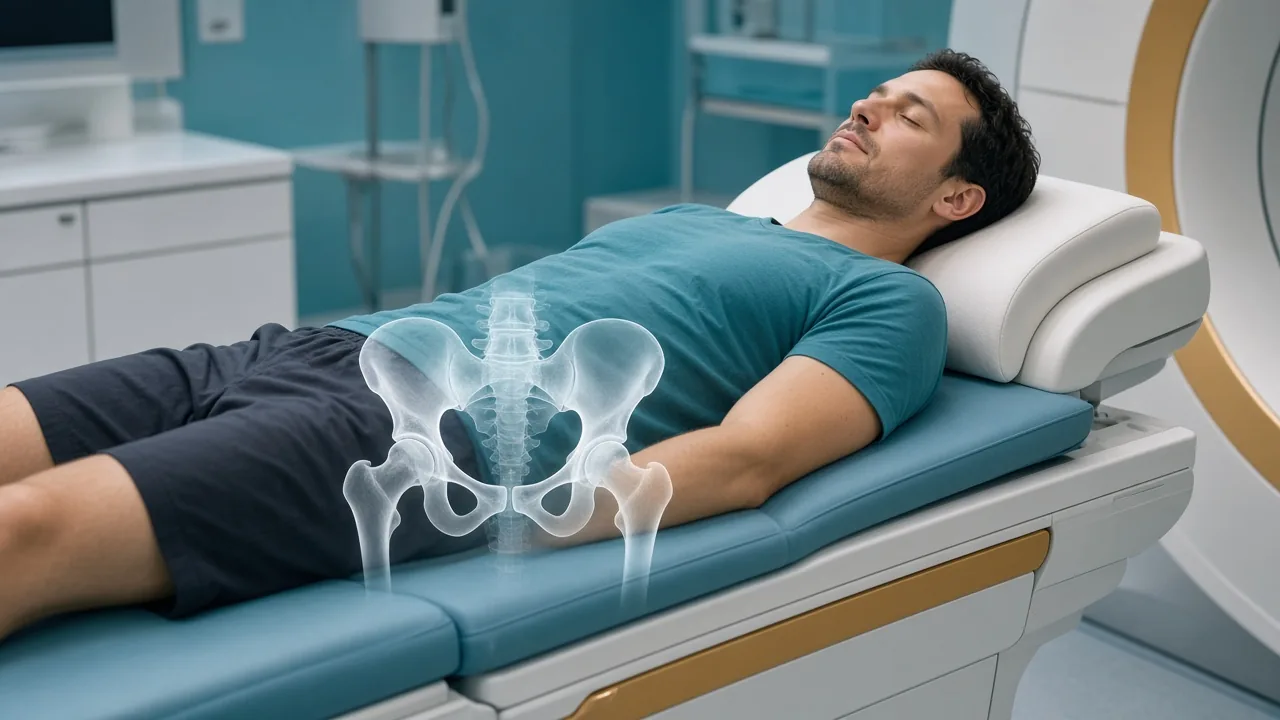
Step 1: General anaesthesia
The patient is placed under general anaesthesia.
He remains asleep throughout the operation.
Step 2: Small abdominal incisions
Several small incisions are made in the abdomen.
Ports are inserted through these openings.
The robotic instruments and camera are introduced through the ports.
Step 3: Robotic system is positioned
The surgical team connects the instruments to the robotic system.
The surgeon sits at a console and controls the instruments.
The high-definition camera provides an enlarged view of the operating field.
Step 4: The prostate is exposed
The surgeon carefully separates the prostate from surrounding structures.
The anatomy is particularly important because nerves, blood vessels, the bladder and rectum are located close to the prostate.
Step 5: Nerve-sparing assessment
If cancer location allows it, the surgeon may attempt to preserve the neurovascular bundles responsible for erectile function.
This is known as nerve-sparing prostatectomy.
However, nerve preservation is not performed at the expense of cancer control.
If the tumour is close to or involves the nerves, the surgeon may need to remove part or all of the affected nerve tissue.
The EAU specifically states that nerve-sparing can reduce the risk of erectile dysfunction and urinary problems when oncologically safe, but the nerves may need to be removed if the cancer is close to them.
What Is Nerve-Sparing Robotic Prostatectomy?
Nerve-sparing surgery aims to preserve the delicate nerve structures alongside the prostate.
These nerves are important for erections.
Preserving them may improve the possibility of recovering erectile function after surgery.
But nerve-sparing does not guarantee normal erections after surgery.
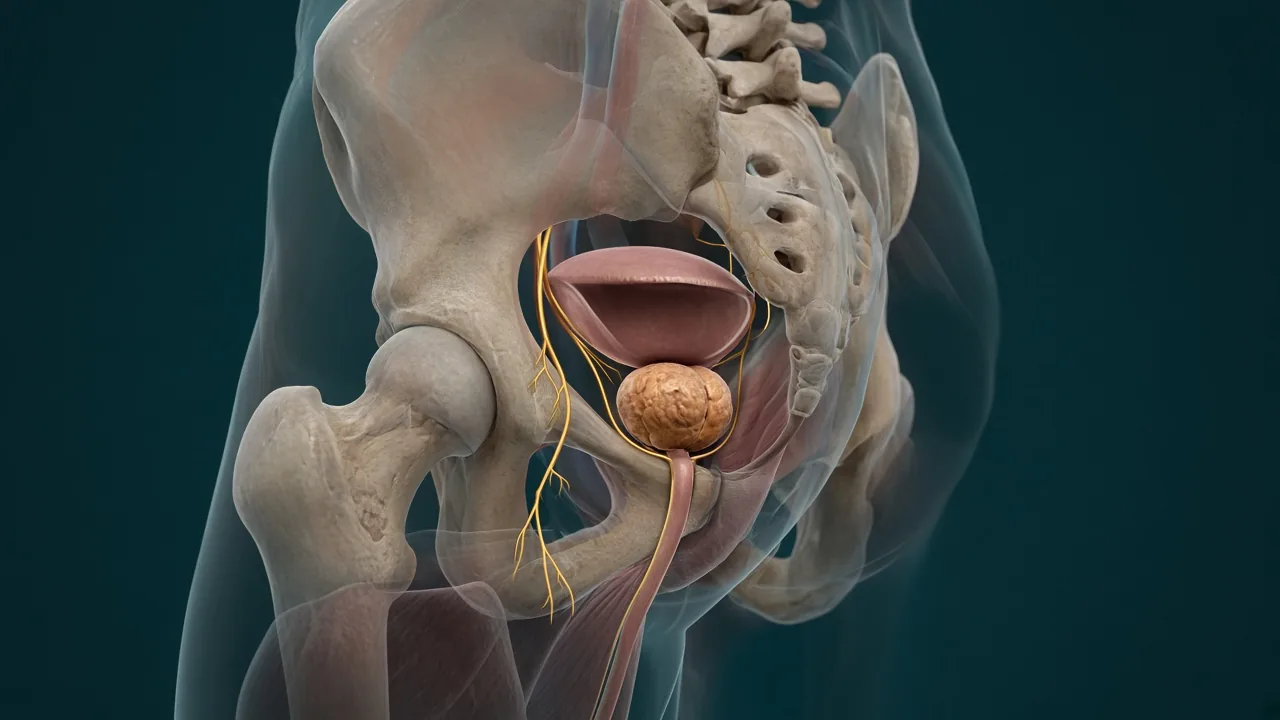
Recovery depends on several factors:
- Age
- Erectile function before surgery
- Cancer location
- Whether one or both sides can be spared
- Surgical technique
- Surgeon experience
- Nerve healing
- Other health conditions
- Rehabilitation
The American Cancer Society notes that nerve-sparing surgery can improve the likelihood of recovering erections compared with surgery where nerve preservation is not possible.
Unilateral vs Bilateral Nerve Sparing
Nerve-sparing does not always mean that both sides can be preserved.
Bilateral nerve sparing
The surgeon preserves the neurovascular bundles on both sides when it is considered oncologically safe.
Unilateral nerve sparing
The surgeon preserves the nerves on one side but removes or reduces nerve tissue on the other side because of the tumour's location.
Non-nerve-sparing surgery
If the cancer is close to or involving the nerves, preservation may compromise cancer removal.
In that situation, cancer control takes priority.
Pelvic Lymph-Node Dissection During Robotic Prostatectomy
Some patients undergoing radical prostatectomy also require pelvic lymph-node dissection (PLND).
The purpose is to determine whether cancer has spread to nearby lymph nodes.
It is not automatically performed in every prostate cancer patient.
The decision depends on the estimated risk of lymph-node involvement and the treatment plan.
If lymph nodes are removed, the procedure can take longer and may increase the risk of complications such as lymphocele.
The EAU notes that lymph-node dissection may be performed in higher-risk situations for staging and can add operative complexity.
How Long Does Robotic Prostatectomy Take?
The exact operating time varies.
Factors include:
- Patient anatomy
- Previous abdominal surgery
- Prostate size
- Cancer stage
- Nerve-sparing complexity
- Lymph-node dissection
- Surgeon and hospital protocols
It is therefore better to ask the treating team for the expected operating time rather than relying on a fixed number.
What Happens Immediately After Surgery?
After the operation, the patient is moved to a recovery area.
The medical team monitors:
- Blood pressure
- Heart rate
- Oxygen levels
- Urine output
- Pain
- Bleeding
- Surgical sites
A urinary catheter remains in place while the bladder-to-urethra connection heals.
Patients are generally encouraged to start moving and walking as soon as medically appropriate.
Early movement helps reduce the risk of blood clots and supports recovery.
How Long Is the Hospital Stay?
Many patients stay in hospital for approximately one to two days after robotic prostatectomy, although the exact duration depends on the patient's condition and the hospital's protocol. Apollo Hospitals currently describes a typical stay of one to two days. The GAF planning sheet for radical prostatectomy uses a typical 3–7 night range because some patients need longer observation after lymph-node dissection or other medical issues.
A longer stay may be necessary if there are:
- Medical problems
- Significant bleeding
- Infection
- Urinary issues
- Bowel problems
- Other complications
How Long Is the Catheter Kept After Robotic Prostatectomy?
A urinary catheter is commonly kept for around one to two weeks.
The exact timing depends on:
- Healing of the urinary connection
- Urine leakage testing
- Surgeon preference
- Patient recovery
The American Cancer Society states that a catheter usually remains for about one to two weeks after radical prostatectomy.
Having a catheter at home can be uncomfortable, but it is a temporary part of recovery.
Robotic Prostatectomy Recovery Timeline
Recovery differs between patients, but the following provides a general framework.
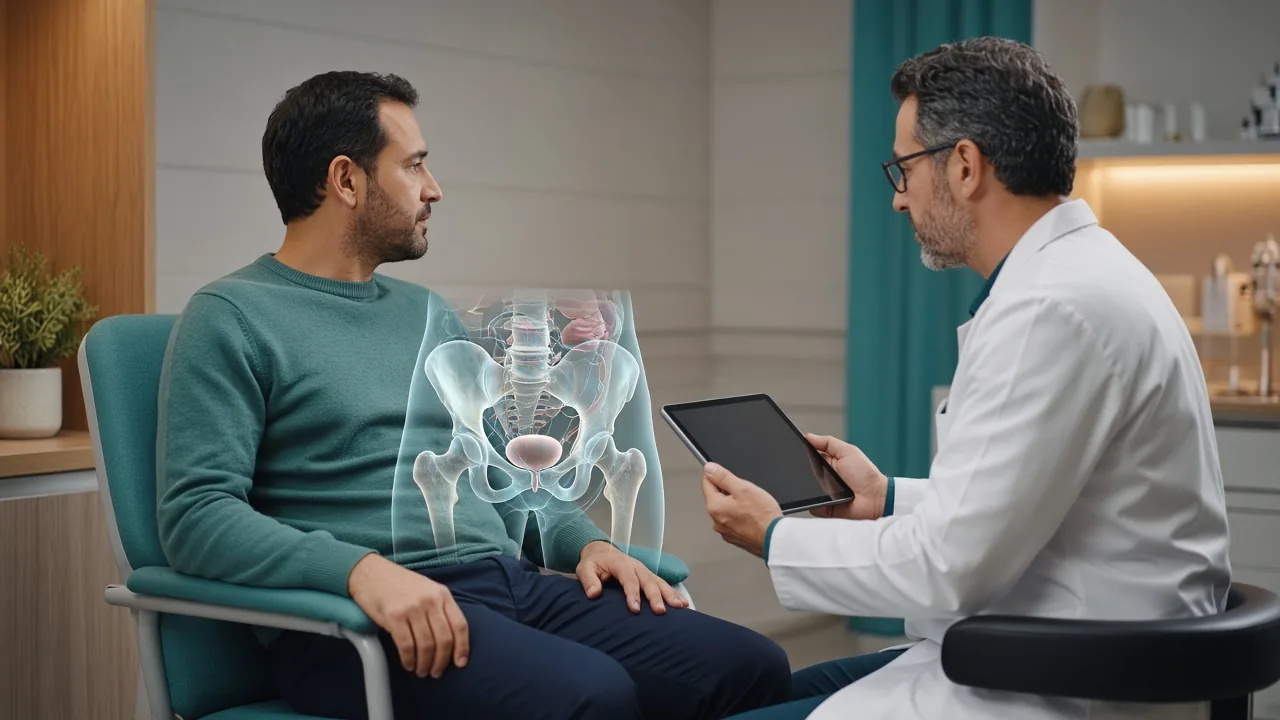
First few days
Patients may experience:
- Abdominal discomfort
- Fatigue
- Gas-related discomfort
- Urinary catheter discomfort
- Mild blood in the urine
- Limited mobility
Short walks are usually encouraged.
Week 1
The focus is on:
- Rest
- Walking
- Hydration
- Catheter care
- Wound care
- Pain management
Heavy lifting should be avoided.
Week 2
Depending on healing, the catheter may be removed.
Urinary leakage can occur after catheter removal.
Pelvic-floor exercises may be recommended.
Many patients begin to feel considerably more mobile during this period.
Weeks 3–4
Energy levels generally begin to improve.
Light daily activities may become easier.
Patients should still avoid strenuous exercise and heavy lifting until cleared by the surgical team.
Weeks 4–6
Many patients can gradually return to normal activities.
The exact timing depends on:
- Type of work
- Recovery
- Complications
- Doctor's advice
The American Cancer Society notes that activities are generally limited for approximately four to six weeks following radical prostatectomy.
Beyond 6 weeks
Physical recovery continues.
Urinary control may continue to improve.
Sexual recovery usually takes considerably longer than wound healing.
This is an important distinction.
Feeling physically recovered does not necessarily mean erectile function has recovered.
When Can You Return to Work After Robotic Prostatectomy?
It depends on the job.
Desk-based work
Some patients may return relatively early if they feel comfortable.
Physically demanding work
A longer recovery period is usually required.
Heavy lifting and strenuous activity should not be resumed until the surgeon confirms that it is safe.
Apollo Hospitals states that many patients can return to work within several weeks, depending on the nature of their work and recovery.
When Can You Drive After Robotic Prostatectomy?
Driving should generally wait until:
- You are no longer taking medicines that impair alertness
- You can sit comfortably
- You can move your legs and body normally
- You can perform an emergency stop safely
- Your surgeon has cleared you to drive
The exact timing varies between patients.
When Can You Travel After Robotic Prostatectomy?
This is particularly important for international patients travelling to India.
Long-distance air travel soon after major surgery can be uncomfortable and may increase concerns related to mobility and blood clots.
Patients should discuss their flight schedule with their surgeon before booking a return flight.
For international patients, the treatment plan should therefore include:
Surgery + hospital stay + recovery period + post-operative review + safe travel date.
Do not plan the return flight solely around the expected hospital discharge date.
Urinary Incontinence After Robotic Prostatectomy
Urinary leakage is one of the most discussed concerns after prostate surgery.
Some men experience leakage immediately after the catheter is removed.
This may happen when:
- Coughing
- Sneezing
- Standing
- Exercising
- Lifting
- Changing position
For many patients, urinary control improves gradually as the pelvic muscles and urinary sphincter recover.
However, recovery varies.
The EAU and American Cancer Society both identify urinary incontinence as an important potential side effect of radical prostatectomy.
Pelvic-Floor Exercises After Prostatectomy
Pelvic-floor exercises, often called Kegel exercises, may help patients improve urinary control.
The timing and technique should be explained by the medical team.
Doing the exercises incorrectly or excessively is not necessarily helpful.
Some patients may benefit from guidance from a pelvic-floor physiotherapist.
Erectile Dysfunction After Robotic Prostatectomy
Erectile dysfunction is another major concern.
The nerves responsible for erections lie very close to the prostate.
During cancer surgery, these nerves can be stretched, bruised or removed if the tumour is close to them.
Even when the nerves are preserved, they may take time to recover.
The American Cancer Society notes that nerve damage during prostate surgery is a common reason for erectile problems after treatment, and that nerve-sparing can improve the chance of erectile recovery when it is oncologically possible.
How Long Does Erectile Function Take to Recover?
Sexual recovery is usually much slower than physical recovery.
Some men begin to see improvement within months.
Others take considerably longer.
Recovery can continue for a year or more in some patients.
The outcome depends on:
- Age
- Pre-operative erections
- Nerve-sparing status
- Cancer location
- Other medical conditions
- Blood-vessel health
- Rehabilitation
- Use of erectile-dysfunction treatments
No surgeon can accurately guarantee an individual patient's erectile outcome before surgery.
Is Nerve-Sparing Always Possible?
No.
The surgeon must balance two goals:
Goal 1: Remove the cancer completely
Goal 2: Preserve important nerves when safe
If imaging, biopsy or intra-operative findings suggest that the cancer is close to a nerve bundle, preserving that nerve may increase the risk of leaving cancer behind.
In that situation, nerve removal may be necessary.
Cancer control comes first.
What Happens to Ejaculation After Radical Prostatectomy?
After radical prostatectomy, the prostate and seminal vesicles have been removed.
As a result, semen is no longer produced in the same way.
Men generally experience a dry orgasm, meaning orgasm can still occur but there is little or no semen released.
This is different from erectile function.
A man may have:
- An erection but no semen
- Difficulty achieving an erection but preserved sensation
- Orgasm without ejaculation
The effects should be discussed with the surgeon before treatment.
Can You Have Children After Robotic Prostatectomy?
Natural conception is generally no longer possible after radical prostatectomy because semen is not ejaculated normally.
For men who may want biological children in the future, sperm banking before treatment can be discussed.
This is especially relevant for younger patients.
Robotic Prostatectomy Risks and Complications
Robotic surgery is still major surgery.
The robotic approach does not eliminate surgical risk.
Potential complications include:
Common or clinically important risks
- Urinary incontinence
- Erectile dysfunction
- Bleeding
- Infection
- Urinary leakage
- Blood clots
- Anaesthesia-related complications
- Catheter-related problems
Less common complications
- Bladder injury
- Bowel or rectal injury
- Lymphocele
- Anastomotic stricture
- Hernia
- Persistent pelvic discomfort
- Need for additional treatment
The EAU guideline provides complication data across radical prostatectomy approaches and emphasizes that complications can occur even with robot-assisted surgery.
Is Robotic Prostatectomy Safer Than Open Surgery?
Robotic prostatectomy has several perioperative advantages in many settings, including smaller incisions and generally less blood loss.
However, it should not be presented as completely risk-free or automatically superior for every patient.
The EAU guideline includes comparative complication data for robotic-assisted, laparoscopic and open radical prostatectomy.
The skill and experience of the surgical team remain important.
Robotic vs Open Prostatectomy
| Feature | Robotic prostatectomy | Open prostatectomy |
|---|---|---|
| Incisions | Several small incisions | One larger incision |
| Surgical control | Surgeon-controlled robotic instruments | Direct surgical instruments |
| Visualization | Magnified 3D view | Direct/open surgical view |
| Blood loss | Generally lower in many series | Generally higher |
| Hospital stay | Often shorter | Often longer |
| Post-operative pain | Often less | Often more |
| Recovery | Generally faster | Generally slower |
| Nerve sparing | Possible when oncologically safe | Also possible |
| Cancer removal | Depends on disease and surgical technique | Depends on disease and surgical technique |
| Cost in India | Generally higher | Usually lower |
The robotic system is a surgical platform.
It does not independently perform the cancer operation.
Robotic vs Laparoscopic Prostatectomy
Both approaches are minimally invasive.
The main difference is how the surgeon controls the instruments.
Laparoscopic surgery
The surgeon directly manipulates long instruments while viewing the operative field through a camera.
Robotic surgery
The surgeon controls articulated instruments from a console, with magnified three-dimensional visualization.
The choice depends on:
- Surgeon experience
- Hospital technology
- Cancer characteristics
- Patient anatomy
- Availability
- Cost
Is Robotic Prostatectomy Better Than Open Surgery?
The more useful question is not simply which method is “better.”
The relevant issues include:
- Cancer control
- Surgical margins
- Urinary recovery
- Sexual recovery
- Complications
- Blood loss
- Hospital stay
- Recovery time
- Surgeon experience
The EAU guideline continues to evaluate evidence across surgical approaches rather than treating the robotic approach as automatically appropriate for every patient.
For an individual patient, the experience of the surgeon and the appropriateness of surgery for the cancer may be more important than simply choosing the newest technology.
The treatment-options guide compares surgery and radiation in more detail.
What Is a Positive Surgical Margin?
After the prostate is removed, a pathologist examines the specimen.
One important finding is the surgical margin.
A positive surgical margin means cancer cells are found at the edge of the removed tissue.
This can suggest that cancer may have been left behind microscopically.
A positive margin does not automatically mean that the cancer will recur.
However, it can influence follow-up and further treatment decisions.
What Happens to the Prostate After Surgery?
The removed prostate is sent to a pathology laboratory.
The final pathology report can provide important information, including:
- Final Grade Group
- Tumour size
- Tumour location
- Extraprostatic extension
- Seminal-vesicle involvement
- Surgical margins
- Lymph-node status
- Pathological stage
This report may change the understanding of the patient's risk after surgery.
Why the Final Pathology Report Matters
The biopsy provides an initial understanding of the cancer.
The prostatectomy specimen provides much more tissue for examination.
The final pathology can therefore show whether:
- Cancer was confined to the prostate
- Cancer extended outside the prostate
- Seminal vesicles were involved
- Lymph nodes contained cancer
- Margins were clear
The final report is an important part of deciding what happens next.
PSA After Robotic Prostatectomy
PSA is one of the most important follow-up tests after radical prostatectomy.
Because the prostate has been removed, PSA should fall to a very low or undetectable level in patients whose treatment has successfully removed all PSA-producing prostate tissue.
The timing and interpretation of PSA testing should follow the treating team's protocol.
A detectable or subsequently rising PSA does not automatically mean metastatic cancer.
It may indicate biochemical recurrence, which requires further evaluation.
What If PSA Rises After Robotic Prostatectomy?
A rising PSA may lead doctors to investigate:
- PSA trend
- Time since surgery
- PSA level
- PSA doubling time
- Pathology findings
- Imaging
Depending on the situation, treatment may include:
- [Salvage radiation](/costs/India/Radiation-Oncology/EBRT)
- [Hormone therapy](/costs/India/Medical-Oncology/Hormone-Therapy)
- Additional systemic treatment
- Further imaging
The earlier a potential recurrence is identified, the more options may be available.
Does Robotic Prostatectomy Guarantee a Cure?
No cancer treatment can guarantee an individual outcome.
For appropriately selected localized prostate cancer, radical prostatectomy is performed with curative intent.
However, some cancers may recur after surgery.
The risk depends on:
- Stage
- Grade Group
- PSA
- Tumour characteristics
- Surgical margins
- Lymph-node involvement
- Other pathology findings
Long-term follow-up remains important.
Robotic Prostatectomy for High-Risk Prostate Cancer
High-risk disease requires careful planning.
Robotic prostatectomy may be considered in selected patients, sometimes together with pelvic lymph-node dissection.
However, patients should understand that surgery may not be the only treatment they eventually need.
Depending on pathology and PSA after surgery, additional treatment may be considered.
The EAU describes radical prostatectomy as one option in selected high-risk and locally advanced disease, rather than as a universal treatment for every high-risk patient.
Robotic Prostatectomy for Locally Advanced Prostate Cancer
Locally advanced cancer extends beyond the prostate but has not necessarily spread to distant organs.
Selected patients may still undergo surgery as part of multimodal treatment.
This requires careful staging.
The surgical plan may be more extensive than for a small localized tumour.
Pelvic lymph-node dissection may also be considered.
The possibility of additional radiation or systemic treatment after surgery should be discussed before the operation.
Robotic Prostatectomy for Metastatic Prostate Cancer
Robotic prostatectomy is generally not the main treatment for widespread metastatic prostate cancer.
When cancer has spread to distant sites, systemic treatment usually plays the central role.
In selected circumstances, local treatment may still have a role as part of a broader treatment strategy.
The treatment should therefore be planned by a multidisciplinary prostate cancer team involving urology, radiation oncology and medical oncology.
Robotic Prostatectomy Cost in India
The cost of robotic prostatectomy varies significantly between hospitals.
Apollo Hospitals currently publishes an indicative range of approximately ₹2 lakh–₹4 lakh for robotic prostatectomy.
A Vaidam listing for international patients at Medanta gives an estimated range of approximately ₹1.70 lakh–₹4.75 lakh for robotic prostatectomy.
These figures should be treated as indicative ranges rather than fixed prices.
GAF Healthcare's published planning range for radical prostatectomy in India, covering open, laparoscopic and robotic-assisted approaches, is $7,000–$18,000, typically with a 3–7 night stay. A patient's final quotation may be higher or lower.
City pages use the same national planning ranges unless a hospital issues a verified city quotation: Delhi NCR, Mumbai, Bengaluru, Chennai and Hyderabad.
What Is Included in Robotic Prostatectomy Cost?
A hospital quotation may include some of the following:
- Surgeon fee
- Anaesthetist fee
- Robotic system charges
- Operating-room charges
- Hospital room
- Nursing
- Medicines
- Surgical consumables
- Pathology
- Catheter
- Routine investigations
- Follow-up consultation
But not every hospital package includes all of these.
Therefore, patients should ask for an itemised quotation.
Factors That Change Robotic Prostatectomy Cost in India
Hospital
Hospital infrastructure and pricing policies affect the total cost. Compare hospitals for radical prostatectomy in Delhi NCR, Mumbai, Bengaluru, Chennai and Hyderabad.
City
Costs can differ between Delhi NCR, Mumbai, Chennai, Bengaluru, Hyderabad and other major medical centres.
Robotic platform
Different hospitals may use different robotic systems.
Cancer complexity
A more extensive operation can require additional time and resources.
Lymph-node dissection
If lymph nodes need to be removed, the procedure may take longer.
Length of stay
An uncomplicated one- or two-day stay costs less than prolonged hospitalisation.
Diagnostic tests
Additional MRI, PSMA PET/CT, pathology review or other investigations add to the total.
Post-operative complications
Unexpected treatment can increase the final cost.
A Better Way to Compare Robotic Prostatectomy Prices
Do not compare hospitals using only the headline number.
Ask:
| Cost component | Included? |
|---|---|
| Surgeon fee | Confirm |
| Anaesthesia | Confirm |
| Robotic system | Confirm |
| Operating room | Confirm |
| Hospital room | Confirm |
| Medicines | Confirm |
| Consumables | Confirm |
| Pathology | Confirm |
| Lymph-node dissection | Confirm |
| ICU if required | Confirm |
| Follow-up | Confirm |
| Additional hospital stay | Confirm |
This makes hospital quotations much easier to compare.
Does Robotic Prostatectomy Cost More Than Open Surgery?
Generally, yes.
Robotic surgery requires specialised equipment, operating-room infrastructure and trained staff.
The additional cost should be considered alongside the potential benefits of minimally invasive surgery and the experience of the treating team.
But a higher price does not automatically mean a better cancer outcome.
The important question is whether robotic prostatectomy is appropriate for the specific patient.
Robotic Prostatectomy in India for International Patients
India is a major destination for patients seeking complex cancer treatment.
For international patients, planning should begin before travel.
A patient should ideally send the hospital:
- Biopsy report
- Gleason score
- Grade Group
- PSA history
- MRI report
- PSMA PET/CT report, if available
- Previous medical records
- Medication list
- Other relevant investigations
The treating team can then determine whether the patient appears suitable for surgery and whether additional investigations are required.
How Long Should an International Patient Stay in India?
The total stay should include more than the hospital admission.
A practical plan may involve:
Before surgery
- Specialist consultation
- Medical evaluation
- Additional tests
During surgery
- Hospital admission
- Robotic prostatectomy
- Post-operative monitoring
After surgery
- Recovery
- Catheter management
- Follow-up
- Catheter removal or assessment
- Clearance for travel
The treating surgeon should provide the final travel recommendation.
International patients should avoid booking a rigid return flight immediately after surgery.
Can International Patients Get a Cost Estimate Before Travelling?
Yes.
A preliminary estimate can often be prepared after the hospital reviews the patient's medical records.
However, a remote estimate may change if:
- Additional imaging is required
- Pathology is reviewed differently
- The cancer appears more extensive
- Additional surgery is necessary
- Lymph-node dissection is recommended
- The patient has another medical condition
A final quotation should therefore be considered an estimate until the treating team completes the clinical evaluation.
How to Prepare for Robotic Prostatectomy
Before surgery, the medical team may provide specific instructions regarding:
- Food and drink
- Medications
- Blood thinners
- Diabetes medicines
- Bowel preparation
- Smoking
- Alcohol
- Exercise
- Pre-operative testing
Do not stop prescription medicines without instructions from the treating medical team.
Blood-thinning medicines are particularly important to discuss before surgery.
What Should You Take to the Hospital?
Patients can make the admission process easier by carrying:
- Identification documents
- Medical records
- Biopsy slides or blocks if available
- MRI/PSMA PET imaging
- Medication list
- Previous discharge summaries
- Insurance documents
- Contact information for family members
International patients should also maintain digital copies of all records.
What Should You Expect After Discharge?
At home, the focus is on gradual recovery.
Patients are generally advised to:
- Walk regularly
- Stay hydrated
- Follow catheter instructions
- Keep incisions clean
- Take prescribed medicines
- Avoid heavy lifting
- Follow pelvic-floor rehabilitation instructions
- Attend scheduled follow-up
Any fever, severe pain, heavy bleeding, inability to pass urine, shortness of breath or other serious symptom should be reported to the treating team promptly.
Robotic Prostatectomy Recovery: What Is Normal?
Some symptoms can occur during normal recovery.
These may include:
- Tiredness
- Mild abdominal discomfort
- Temporary urinary leakage
- Catheter discomfort
- Changes in bowel habits
- Reduced physical stamina
Recovery should generally progress gradually.
Symptoms that become severe, worsen suddenly or are associated with fever or significant bleeding require medical assessment.
Lifestyle After Robotic Prostatectomy
After recovery, maintaining general health remains important.
Patients can discuss with their doctor:
- Regular physical activity
- Healthy body weight
- Balanced nutrition
- Smoking cessation
- Limiting alcohol
- Cardiovascular health
- Diabetes and blood-pressure control
These measures do not replace cancer follow-up.
PSA monitoring remains essential.
Robotic Prostatectomy: Advantages and Limitations
Potential advantages
- Small incisions
- Less invasive approach
- Magnified three-dimensional visualization
- Fine instrument control
- Potentially less blood loss
- Short hospital stay
- Faster physical recovery compared with open surgery in many patients
- Nerve-sparing possible when oncologically appropriate
Important limitations
- Still major surgery
- Requires general anaesthesia
- Urinary incontinence can occur
- Erectile dysfunction can occur
- Sexual recovery can take months or longer
- Not suitable for every prostate cancer patient
- More expensive than conventional surgery in many centres
- Surgeon experience is important
- Robotic technology does not eliminate the possibility of cancer recurrence
Myths About Robotic Prostatectomy
Myth 1: The robot performs the surgery automatically
Fact: The surgeon controls the robotic instruments throughout the operation.
Myth 2: Robotic surgery means there is no pain
Fact: It is minimally invasive, but patients can still experience pain or discomfort after surgery.
Myth 3: Robotic surgery guarantees no incontinence
Fact: Urinary leakage can occur after radical prostatectomy and may take time to improve.
Myth 4: Nerve-sparing guarantees normal erections
Fact: Nerve-sparing aims to preserve erectile nerves when it is safe, but recovery is not guaranteed.
Myth 5: Robotic prostatectomy is always better than radiation
Fact: Surgery and radiation are different treatment approaches. The appropriate choice depends on the cancer and the patient's circumstances.
Myth 6: Robotic surgery guarantees that prostate cancer will never return
Fact: Recurrence remains possible after radical prostatectomy.
Myth 7: A higher robotic surgery price means better cancer treatment
Fact: Cost and cancer outcomes are not the same thing. Surgeon experience, appropriate patient selection, cancer characteristics and quality of care all matter.
Questions to Ask a Robotic Prostate Surgeon
Before choosing a surgeon, consider asking:
About cancer
- What is my Grade Group?
- What is my clinical stage?
- Is the cancer confined to the prostate?
- What does my MRI show?
- Do I need PSMA PET/CT?
About surgery
- Am I a suitable candidate for robotic prostatectomy?
- Will you perform nerve-sparing surgery?
- Will nerve sparing be possible on both sides?
- Do I need pelvic lymph-node dissection?
- What are the main risks in my case?
About recovery
- How long will I stay in hospital?
- How long will I have a catheter?
- When can I return to work?
- When can I drive?
- When can I travel internationally?
- What urinary recovery should I expect?
- What sexual recovery should I expect?
About cancer control
- What will happen to the prostate specimen after surgery?
- When will the final pathology report be available?
- When will my first PSA test be performed?
- What happens if the PSA does not become undetectable?
- What happens if the cancer returns?
About cost
- What is included in the package?
- Is robotic equipment included?
- Is pathology included?
- Are medicines included?
- Are lymph-node dissection charges included?
- What happens if I need a longer hospital stay?
Frequently Asked Questions
What is robotic prostatectomy?
Robotic prostatectomy is a minimally invasive radical prostatectomy in which the surgeon uses robotic-assisted instruments controlled from a console to remove the prostate, usually for prostate cancer.
Is robotic prostatectomy the same as robotic radical prostatectomy?
In the prostate-cancer setting, the terms are commonly used to refer to robot-assisted radical prostatectomy (RARP), where the entire prostate is removed.
Is robotic prostatectomy a major surgery?
Yes. Although the operation uses small incisions, radical prostatectomy is still major surgery and requires general anaesthesia.
How long does robotic prostatectomy take?
Operating time varies according to the patient's anatomy, cancer stage, surgical technique and whether lymph nodes are removed. The treating surgeon can provide a more accurate estimate.
How many days do I need to stay in hospital?
Many patients stay for approximately one to two days after robotic prostatectomy, although this can vary.
How long is the catheter kept?
A catheter commonly remains for approximately one to two weeks after radical prostatectomy.
Is robotic prostatectomy painful?
Some pain or discomfort is expected after surgery. The minimally invasive approach may reduce post-operative discomfort compared with open surgery, but individual experiences vary.
How quickly can I walk after robotic prostatectomy?
Patients are generally encouraged to begin walking soon after surgery when medically safe.
When can I return to work?
Some patients with desk-based jobs can return earlier, while physically demanding work may require several weeks of recovery.
When can I exercise?
Walking is usually encouraged early in recovery. Heavy lifting and strenuous exercise should wait until the surgeon gives clearance.
Will I become incontinent after robotic prostatectomy?
Urinary leakage is a common early side effect for some patients. Control often improves during recovery, but persistent incontinence can occur.
Will robotic prostatectomy cause erectile dysfunction?
It can. The risk depends on factors such as age, pre-operative erectile function, cancer location and whether the nerves can safely be preserved.
Does nerve-sparing prevent erectile dysfunction?
No. It improves the possibility of preserving erectile function when oncologically appropriate, but it does not guarantee recovery.
Can I have sex after robotic prostatectomy?
Sexual activity should resume only after the surgical team confirms that healing is adequate. Erectile recovery often takes considerably longer than physical recovery.
Will I still ejaculate after prostate removal?
Normal ejaculation does not occur after radical prostatectomy because the prostate and seminal vesicles are removed.
Can I have children after prostatectomy?
Natural conception is generally not possible after radical prostatectomy. Men who may want biological children should discuss sperm banking before treatment.
Does robotic prostatectomy remove the lymph nodes?
Not automatically. Pelvic lymph-node dissection is performed when indicated by the patient's cancer risk and treatment plan.
What happens to the removed prostate?
It is sent to a pathology laboratory for detailed examination.
When will I get the final pathology report?
Timing varies between hospitals and laboratories. The treating team will explain when the report is expected.
What happens to PSA after prostatectomy?
PSA should fall to a very low or undetectable level after successful removal of the prostate, and regular PSA testing is used to monitor for recurrence.
Can prostate cancer come back after robotic prostatectomy?
Yes. Recurrence is possible, which is why long-term PSA follow-up is important.
What happens if cancer is found in the lymph nodes?
The treatment team may recommend additional monitoring or treatment depending on the number of involved nodes and other pathology findings.
Can I have radiation after robotic prostatectomy?
Yes. Radiation may be considered in selected patients if PSA rises or pathology indicates a significant risk of recurrence.
Is robotic prostatectomy suitable for Stage 4 prostate cancer?
Usually, widespread metastatic prostate cancer is primarily treated with systemic therapies. Surgery may have a role only in selected circumstances.
Is robotic prostatectomy available in India?
Yes. Robotic-assisted prostatectomy is available at a number of tertiary hospitals in India.
How much does robotic prostatectomy cost in India?
Published hospital estimates vary. Apollo Hospitals currently lists approximately ₹2 lakh–₹4 lakh, while a Medanta estimate published through Vaidam lists approximately ₹1.70 lakh–₹4.75 lakh for international patients. GAF Healthcare planning ranges for radical prostatectomy, including robotic-assisted surgery, are $7,000–$18,000. The final quotation depends on the individual case and hospital.
Is robotic prostatectomy covered by insurance in India?
Coverage depends on the patient's insurance policy, hospital network and policy terms. Patients should confirm coverage and pre-authorisation requirements before surgery.
Is robotic prostatectomy cheaper in India than in other countries?
India can offer lower treatment costs than many high-cost healthcare systems, but meaningful comparison requires looking at the complete treatment package, not just the operation price.
Can international patients arrange robotic prostatectomy in India before travelling?
A preliminary assessment can often be performed after the hospital reviews medical records. The final treatment plan should be confirmed after specialist evaluation.
Key Takeaways
Robotic prostatectomy is an advanced form of minimally invasive radical prostatectomy used mainly to treat prostate cancer that is suitable for surgical removal.
The operation removes the prostate and usually the seminal vesicles. Lymph nodes may also be removed when clinically indicated.
The major points patients should understand are:
- The surgeon controls the robotic system.
- It is still major surgery.
- Small incisions can support a faster physical recovery than open surgery in many patients.
- Nerve-sparing is possible when it is safe from a cancer-control perspective.
- Urinary leakage can occur after surgery.
- Erectile dysfunction can occur even after nerve-sparing surgery.
- Sexual recovery is usually slower than physical recovery.
- A urinary catheter commonly remains for around one to two weeks.
- Final pathology provides important information about the cancer after surgery.
- PSA monitoring remains essential after prostate removal.
- Robotic prostatectomy does not guarantee that cancer will never return.
- Published robotic prostatectomy costs in India vary substantially, so patients should request an itemised quotation.
For international patients, treatment planning should cover not only the surgery but also diagnostic review, hospital stay, catheter management, post-operative assessment and safe return travel.
Related Prostate Cancer Resources
For patients researching prostate cancer treatment in India, these related guides can provide additional information:
- [Prostate Cancer Treatment in India](/treatments/prostate-cancer-treatment-in-india) – overview of treatment options, hospitals and the international patient journey.
- [Prostate Cancer Treatment Without Surgery](/blogs/prostate-cancer-treatment-without-surgery) – radiation, active surveillance, hormone therapy and other non-surgical approaches.
- [Prostate Cancer Treatment Cost in India](/costs/India/Surgical-Oncology/Radical-Prostatectomy) – surgery, radiation, hormone therapy and advanced treatment costs.
- [What Is the Best Treatment for Prostate Cancer?](/blogs/prostate-cancer-treatment-options-india) – how doctors select treatment based on stage and risk.
- [Prostate Cancer Treatment by Stage](/blogs/prostate-cancer-treatment-options-india) – treatment approaches for Stage 1 through Stage 4.
- [Radiation Therapy for Prostate Cancer](/blogs/radiation-therapy-for-prostate-cancer) – IMRT, IGRT, VMAT, SBRT and [brachytherapy](/costs/India/Radiation-Oncology/Brachytherapy).
- [Radical prostatectomy doctors in India](/doctors/India/Surgical-Oncology/Radical-Prostatectomy) – named uro-oncology teams who perform prostatectomy.
- [Hospitals for radical prostatectomy](/hospitals/India/Surgical-Oncology/Radical-Prostatectomy) – campuses offering the procedure.
The primary internal link remains the main Prostate Cancer Treatment in India page.
How GAF Healthcare Can Help
GAF Healthcare coordinates international patients who want robotic prostatectomy in India. Share PSA reports, biopsy and Grade Group, MRI or PSMA PET, and previous treatment records. A coordinator can arrange specialist review with a uro-oncologist, an itemized estimate and travel planning. The treating surgical team makes the final recommendation.
Medical Disclaimer
This article is intended for general educational purposes and is not a substitute for medical advice.
The suitability of robotic prostatectomy depends on the patient's cancer stage, Grade Group, PSA, imaging, overall health, life expectancy and other clinical factors.
Surgical outcomes, recovery time, complications and costs vary between patients and hospitals. Patients should discuss their individual case with a qualified urologist or uro-oncology team before making a treatment decision.
Published costs are indicative and can change. A current written quotation should be obtained from the treating hospital before making financial or travel arrangements.
Top 5 Sources
- European Association of Urology — Prostate Cancer Guidelines — radical prostatectomy, nerve-sparing, lymph-node dissection, complications and the 2026 clinical update.
- EAU Patient Information: Radical Prostatectomy — open, laparoscopic and robot-assisted prostatectomy, nerve-sparing and side effects.
- American Cancer Society — Surgery for Prostate Cancer — radical prostatectomy, catheter use, recovery, incontinence and erectile dysfunction.
- Apollo Hospitals — Robotic Prostatectomy — India-specific procedure, recovery, risks and an indicative published cost range.
- Vaidam Health — Robotic Cancer Surgery at Medanta — indicative estimate for robotic prostatectomy for international patients.
Last reviewed against the cited sources: September 2026.