
Radiation therapy, also called radiotherapy, uses high-energy radiation to damage the DNA of cancer cells. This guide sits beside the Prostate Cancer Treatment in India pathway, the treatment-without-surgery guide, the treatment-options explainer and Robotic Prostatectomy in India.
When the damage is severe enough, cancer cells can no longer continue growing and dividing.
Radiation can be directed at the prostate from outside the body or delivered directly into the prostate.
That creates two major treatment categories:
External beam radiation
Radiation comes from a machine outside the body. See EBRT cost in India.
Brachytherapy
A radioactive source is placed inside or immediately next to the prostate. See brachytherapy cost.
Both approaches can be used to treat prostate cancer, but they are used differently depending on the patient's cancer and anatomy.
International patients comparing radiation oncologists commonly start with Delhi NCR, Mumbai, Bengaluru, Chennai and Hyderabad.
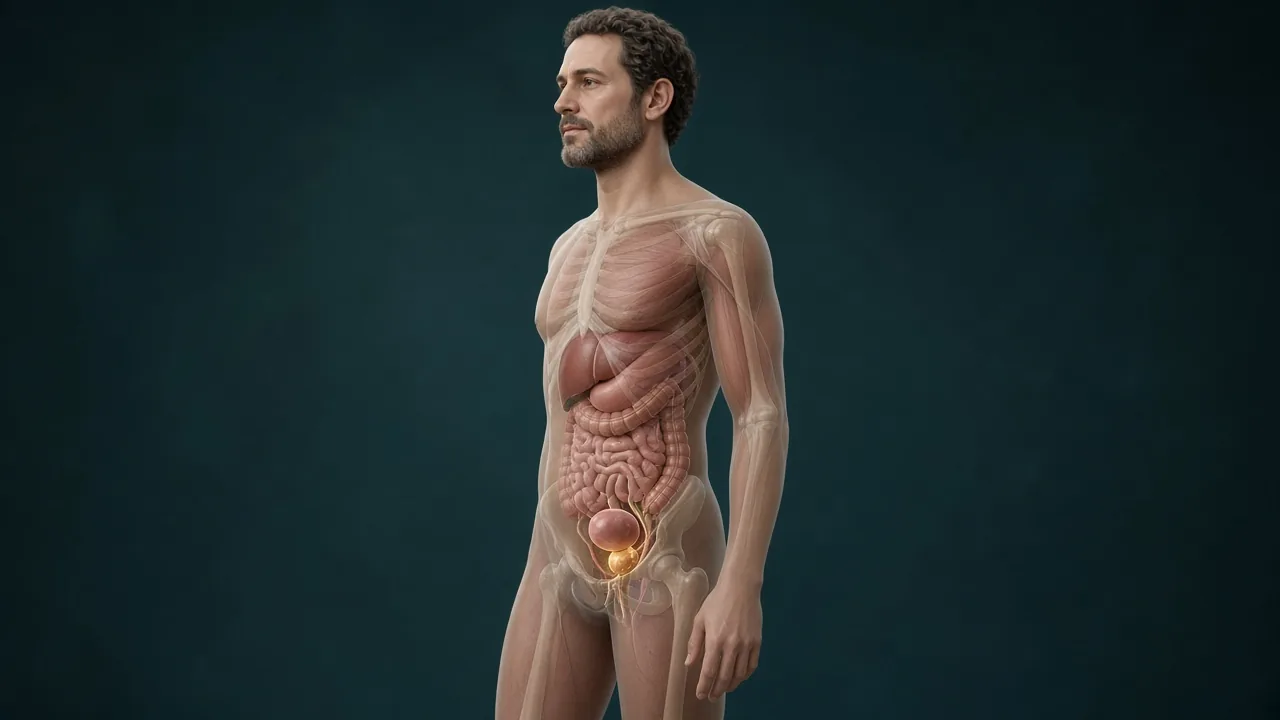
Can Radiation Therapy Cure Prostate Cancer?
Yes.
For appropriately selected men with localized prostate cancer, radiation can be used as a definitive treatment with curative intent.
This is an important point for patients who assume radiation is only used when surgery cannot be performed.
Radiation can be a primary treatment option alongside radical prostatectomy for selected localized cancers.
The American Cancer Society states that external beam radiation can be used as the initial treatment for prostate cancer confined to the prostate, while brachytherapy is also an established treatment for selected patients.
When Is Radiation Therapy Used for Prostate Cancer?
Radiation can be used at several points in the prostate cancer journey.
1. As the primary treatment
For selected localized prostate cancer, radiation may be used instead of surgery.
2. With hormone therapy
Men with higher-risk or locally advanced disease may receive radiation together with androgen deprivation therapy (ADT).
The combination can provide better cancer control than radiation alone in appropriate higher-risk settings.
3. After surgery
Some patients may receive radiation after prostatectomy.
This can happen when:
- PSA becomes detectable or rises
- Cancer is found at the surgical margin
- Pathology indicates a higher risk of recurrence
- Cancer is suspected to remain locally
4. For recurrent disease
Radiation may be used when prostate cancer returns after previous treatment, depending on where the recurrence occurs and what treatment the patient received initially.
5. For metastatic disease
Radiation can be used to relieve symptoms from metastatic cancer.
For example, radiation may be given to a painful bone metastasis.
In selected patients, radiation can also be used to treat specific sites of disease even when systemic treatment remains the main treatment.
The Main Types of Radiation Therapy for Prostate Cancer
Radiation therapy is not one single treatment.
Modern prostate cancer radiation includes several techniques.
The most important are:
- [External beam radiation therapy](/costs/India/Radiation-Oncology/EBRT)
- [IMRT](/costs/India/Radiation-Oncology/IMRT)
- [IGRT](/costs/India/Radiation-Oncology/IGRT)
- VMAT
- [SBRT](/costs/India/Radiation-Oncology/SBRT)
- [Brachytherapy](/costs/India/Radiation-Oncology/Brachytherapy)
- Low-dose-rate brachytherapy
- High-dose-rate brachytherapy
- Salvage radiation after prostatectomy
- Palliative radiation
1. External Beam Radiation Therapy
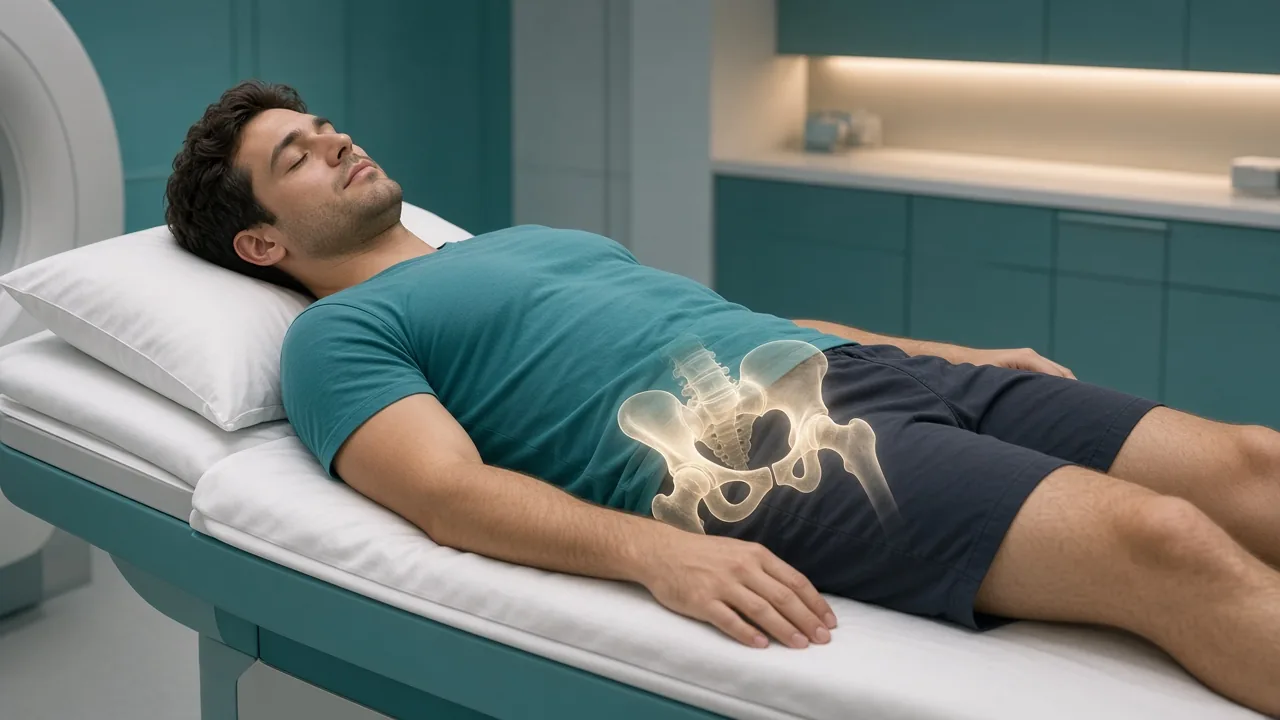
External beam radiation therapy (EBRT) delivers radiation from a machine outside the patient's body.
The machine is usually a linear accelerator, commonly called a LINAC.
The patient lies on a treatment table while the machine directs radiation toward the prostate.
Modern treatment planning is highly precise.
The goal is to deliver an effective dose to the cancer while reducing unnecessary radiation exposure to nearby organs.
The organs of particular concern include:
- Bladder
- Rectum
- Small bowel
- Urethra
- Penile structures
How Does External Beam Radiation Work?
Before treatment begins, the radiation oncology team creates a treatment plan.
Imaging is used to identify:
- Prostate
- Seminal vesicles
- Nearby lymph nodes when relevant
- Bladder
- Rectum
- Other organs that need protection
The radiation oncologist then develops a treatment plan that determines:
- Radiation dose
- Treatment area
- Number of sessions
- Beam angles
- Dose distribution
The treatment is then delivered according to that plan.
2. IMRT for Prostate Cancer
Intensity-modulated radiation therapy (IMRT) is one of the most widely used modern forms of external beam radiation.
With IMRT, radiation intensity can be varied across different portions of the treatment field.
This allows the radiation team to shape the dose around the prostate.
The objective is to:
Deliver sufficient radiation to the target while reducing radiation to nearby healthy tissues.
IMRT is particularly useful because the prostate sits close to the bladder and rectum.
The American Cancer Society describes IMRT as a form of external radiation in which the radiation intensity can be adjusted to better shape the treatment dose.
GAF planning range for IMRT in India is $6,500–$14,500, typically over about 4–7 weeks of fractions.
3. IGRT for Prostate Cancer
Image-guided radiation therapy (IGRT) uses imaging during the treatment process to improve positioning.
This is important because the prostate is not completely fixed in place.
Its position can change slightly depending on:
- Bladder filling
- Rectal filling
- Patient positioning
IGRT helps the treatment team verify the patient's position before or during treatment.
This can improve targeting accuracy.
GAF planning range for IGRT is $7,200–$16,000.
4. VMAT for Prostate Cancer
Volumetric modulated arc therapy (VMAT) is an advanced form of external beam radiation.
Instead of delivering radiation from a limited number of fixed angles, the machine can rotate around the patient while continuously adjusting:
- Radiation intensity
- Beam shape
- Delivery speed
This allows treatment to be highly conformal.
One practical advantage is that individual treatment sessions can be relatively short.
5. SBRT for Prostate Cancer
Stereotactic body radiation therapy (SBRT) delivers a highly focused radiation dose in a small number of treatment sessions.
Because each session delivers a higher dose, the overall treatment course can be much shorter than conventional radiation.
For appropriately selected prostate cancer patients, SBRT may be completed in approximately five treatment sessions.
The American Cancer Society describes SBRT as a form of external radiation that can deliver the complete treatment over a much shorter schedule than conventional radiation.
GAF planning range for SBRT is $8,000–$17,500, typically about 1–5 sessions.
Who may be suitable for SBRT?
SBRT is not automatically suitable for every patient.
The radiation oncologist considers:
- Cancer risk group
- Tumour characteristics
- Prostate size
- Urinary symptoms
- Rectal anatomy
- Previous treatment
- Ability to maintain the required treatment position
SBRT is increasingly used for appropriately selected localized prostate cancer.
It can be particularly attractive for patients who live far from the treatment centre because the number of hospital visits is much lower than with conventional schedules.
6. Brachytherapy for Prostate Cancer
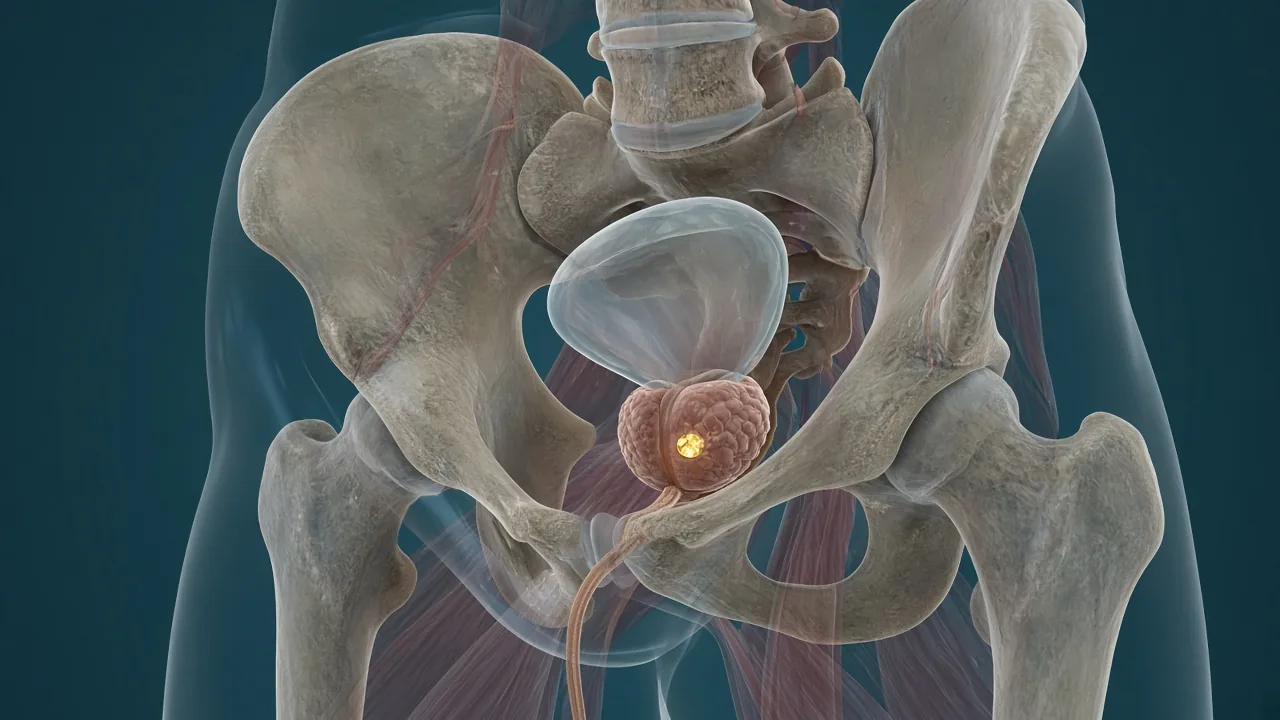
Brachytherapy is a form of internal radiation therapy.
Instead of delivering radiation from outside the body, a radioactive source is placed directly inside or close to the prostate.
This allows a high radiation dose to be delivered to the prostate while limiting exposure to surrounding tissues.
There are two major forms.
7. Low-Dose-Rate Brachytherapy
LDR brachytherapy uses small radioactive seeds.
The seeds are inserted into the prostate using needles under imaging guidance.
They remain inside the prostate and release radiation gradually over time.
LDR brachytherapy can be used as:
- A standalone treatment for selected lower-risk disease
- Part of combination treatment for selected higher-risk disease
The American Cancer Society notes that seed implantation is an established form of prostate brachytherapy and is generally used for selected localized cancers.
8. High-Dose-Rate Brachytherapy
HDR brachytherapy uses a radioactive source that is temporarily placed inside the prostate.
The radioactive source is removed after the prescribed dose is delivered.
Unlike LDR brachytherapy, radioactive material is not permanently left inside the body.
HDR brachytherapy may be used:
- As part of combination treatment
- Alongside external beam radiation
- In selected higher-risk disease
The treatment schedule depends on the radiation centre and clinical protocol.
GAF planning range for brachytherapy in India is $5,500–$13,000, typically with a 1–7 night stay depending on the technique.
LDR vs HDR Brachytherapy
| Feature | LDR brachytherapy | HDR brachytherapy |
|---|---|---|
| Radiation source | Small radioactive seeds | Temporary radioactive source |
| Source remains in body | Yes | No |
| Treatment style | Low-dose radiation over time | High-dose treatment over a shorter period |
| Common use | Selected localized prostate cancer | Often used as part of combination treatment |
| Anaesthesia | Usually required for implantation | Usually required |
| Hospital stay | Depends on protocol | Depends on protocol |
Neither approach is automatically appropriate for every patient.
Radiation Therapy by Prostate Cancer Risk Group
Treatment selection changes considerably according to risk.
Very Low-Risk Prostate Cancer
Many patients with very-low-risk disease can be managed with active surveillance.
Radiation is still an option for selected patients who want definitive treatment.
Low-Risk Prostate Cancer
Radiation options may include:
- [External beam radiation](/costs/India/Radiation-Oncology/EBRT)
- [SBRT](/costs/India/Radiation-Oncology/SBRT)
- LDR brachytherapy
- HDR brachytherapy in selected settings
Active surveillance may also remain an option. See treatment without surgery.
Intermediate-Risk Prostate Cancer
Radiation becomes an important definitive treatment.
Depending on the risk subtype, options may include:
- External beam radiation
- SBRT
- Brachytherapy
- External radiation + brachytherapy
- Radiation + [hormone therapy](/costs/India/Medical-Oncology/Hormone-Therapy) in selected patients
Favorable and unfavorable intermediate-risk disease should not be treated as identical categories.
High-Risk Prostate Cancer
High-risk prostate cancer often requires combination treatment.
A common non-surgical pathway is:
External beam radiation + hormone therapy
Some patients may also be considered for a brachytherapy boost.
The duration and intensity of hormone treatment depend on the risk group and clinical plan.
Locally Advanced Prostate Cancer
For cancer extending outside the prostate but without distant metastases, radiation may be combined with systemic treatment.
The treatment field may include:
- Prostate
- Seminal vesicles
- Selected pelvic lymph nodes
The exact treatment depends on staging.
Metastatic Prostate Cancer
When cancer has spread to distant sites, systemic therapy usually forms the foundation of treatment.
Radiation may still be important.
It can be used to:
- Relieve bone pain
- Reduce the risk of fracture
- Treat spinal lesions
- Control bleeding
- Treat selected symptomatic metastases
Radiation Therapy After Prostatectomy
Radiation can also be used after prostate surgery.
There are two broad situations.
Adjuvant radiation
Radiation may be considered based on adverse pathological findings after surgery.
Salvage radiation
Radiation may be given when PSA becomes detectable or begins to rise after surgery, suggesting possible recurrence.
The timing of salvage radiation is an important clinical decision.
The American Cancer Society notes that radiation may be used after prostatectomy when there is concern that cancer remains or has returned.
What Is Salvage Radiation?
Salvage radiation is radiation given after an initial treatment when cancer appears to have returned.
After prostatectomy, PSA is closely monitored.
If PSA begins to rise, doctors may consider salvage radiation before the disease becomes more extensive.
Whether it is appropriate depends on:
- PSA level
- PSA trend
- Time since surgery
- Pathology
- Imaging
- Lymph-node status
- Previous treatment
The decision should be made by a specialist team.
Can Radiation Be Used Before Surgery?
In prostate cancer, radiation is more commonly used as a definitive treatment instead of surgery or as part of treatment for higher-risk disease.
Routine radiation before radical prostatectomy is not the standard approach for most localized prostate cancers.
The treatment plan should therefore be based on the specific cancer stage and risk group.
How Is Prostate Radiation Planned?
Radiation treatment starts with a planning process called simulation.
The patient is positioned in the same way that will be used during treatment.
Imaging is performed to identify the prostate and surrounding organs.
The radiation oncologist then defines:
Target volumes
Where the cancer is located or where cancer cells are likely to exist.
Organs at risk
Healthy tissues that should receive as little radiation as reasonably possible.
These may include:
- Rectum
- Bladder
- Small bowel
- Femoral heads
- Penile structures
A computer-based treatment plan is then created.
Why Bladder and Rectum Preparation Matters
The prostate sits between the bladder and rectum.
Their position can change depending on how full they are.
Radiation centres may therefore provide instructions about:
- Drinking water before treatment
- Emptying the bowel
- Avoiding excess gas
- Maintaining a consistent bladder volume
Following these instructions helps the treatment team reproduce a similar anatomy during each session.
Fiducial Markers for Prostate Radiation
Some radiation centres use small markers called fiducial markers.
These markers are placed in or around the prostate and can be seen on imaging.
They help the radiation team identify the prostate's position more accurately during treatment.
They can be particularly useful when highly precise radiation such as SBRT is being delivered.
SpaceOAR and Rectal Protection
Some centres use a temporary hydrogel spacer between the prostate and rectum.
The objective is to increase the physical distance between the prostate and rectal wall.
This can help reduce radiation exposure to the rectum in selected patients.
A spacer is not required for every patient.
The radiation oncologist decides whether it is appropriate.
How Many Radiation Sessions Are Needed?
The number of sessions depends on the treatment technique.
Conventional or moderately fractionated radiation
May involve multiple weeks of treatment. EBRT planning ranges often assume about 15–35 sessions.
SBRT
Can be delivered in a small number of sessions, often around five.
LDR brachytherapy
Can involve one implantation procedure.
HDR brachytherapy
May involve one or more treatment sessions depending on the protocol.
The exact schedule should be confirmed with the treating radiation oncology team.
How Long Does Each Radiation Session Take?
The actual radiation delivery can be relatively quick.
However, the entire appointment can take longer because of:
- Positioning
- Imaging
- Verification
- Equipment preparation
- Treatment planning checks
Patients should therefore distinguish between radiation delivery time and total time at the radiation centre.
Is Radiation Therapy Painful?
External beam radiation itself is generally not painful.
The patient lies on the treatment table while the machine delivers radiation.
There is no cutting or incision.
However, side effects can develop during or after the course of treatment.
Brachytherapy is different because it involves an invasive procedure to place the radioactive source.
Anaesthesia or sedation may be used depending on the technique.
What Are the Side Effects of Radiation Therapy?
Radiation side effects vary between patients.
They depend on:
- Radiation technique
- Dose
- Treatment area
- Number of sessions
- Baseline urinary function
- Baseline bowel function
- Prostate size
- Other treatments
Side effects are usually divided into short-term effects and long-term effects.

Short-Term Urinary Side Effects
During or shortly after radiation, some patients may experience:
- Frequent urination
- Urgency
- Burning while urinating
- Difficulty starting urination
- Weaker urine stream
- Increased nighttime urination
These symptoms can occur because the bladder and urethra receive some radiation exposure.
The American Cancer Society lists urinary frequency, urgency and other urinary symptoms among possible effects of prostate radiation.
Short-Term Bowel Side Effects
Radiation can also affect the rectum.
Possible symptoms include:
- Loose stools
- Increased bowel frequency
- Urgency
- Rectal discomfort
- Rectal bleeding in some patients
- Increased gas
Modern radiation techniques are designed to reduce exposure to the rectum.
However, the risk cannot be completely eliminated.
Fatigue During Radiation Therapy
Fatigue is another common concern.
It may develop gradually during treatment.
Some patients continue normal daily activities.
Others feel increasingly tired as treatment progresses.
Fatigue may improve after treatment ends, although recovery time varies.
Sexual Side Effects of Radiation Therapy
Radiation can affect sexual function.
Erectile dysfunction may develop gradually rather than immediately.
The risk can increase over time.
Factors include:
- Age
- Erectile function before treatment
- Radiation dose
- Hormone therapy
- Other medical conditions
- Cardiovascular health
Radiation can also affect ejaculation.
Patients should discuss sexual health before treatment rather than waiting until after treatment.
Hormone Therapy Side Effects
When radiation is combined with ADT, some symptoms commonly attributed to “radiation” may actually come from hormone therapy.
These can include:
- Hot flashes
- Reduced libido
- Erectile dysfunction
- Fatigue
- Weight gain
- Loss of muscle mass
- Changes in bone density
- Metabolic changes
This distinction matters when comparing radiation alone with radiation plus hormone therapy.
Long-Term Urinary Side Effects
Some urinary symptoms can persist after treatment.
Possible long-term problems include:
- Persistent frequency
- Urgency
- Urinary bleeding
- Narrowing of the urethra
- Difficulty urinating
Severe long-term urinary complications are less common with modern treatment but remain possible.
Long-Term Bowel Side Effects
Possible long-term bowel effects include:
- Rectal bleeding
- Increased bowel frequency
- Urgency
- Rectal irritation
- Rarely, more significant radiation injury
Modern image-guided and intensity-modulated techniques aim to reduce these risks.
Can Radiation Cause Erectile Dysfunction?
Yes.
Radiation can affect the blood vessels and nerves involved in erections.
Unlike surgery, the effect may not be immediate.
Some men notice a gradual decline in erectile function over months or years.
Hormone therapy can further reduce sexual function while it is being administered.
Radiation vs Surgery: Side Effects
Both surgery and radiation can affect urinary and sexual function, but the pattern is different.
| Issue | Surgery | Radiation |
|---|---|---|
| Urinary leakage | More common early after treatment | Usually less prominent |
| Urinary irritation | Possible | Common during treatment |
| Erectile dysfunction | Can occur early | May develop gradually |
| Bowel effects | Usually less prominent | More relevant |
| Catheter | Required temporarily | Usually not required for EBRT |
| Hospitalisation | Required | Usually outpatient |
| Recovery pattern | Surgical recovery | Side effects can build during treatment |
| Hormone therapy | Sometimes | More commonly used with higher-risk radiation |
The right comparison is therefore not simply “which has fewer side effects.”
It is:
Which side-effect profile is more acceptable for the individual patient?
Does Radiation Cause Secondary Cancer?
Radiation can very rarely contribute to the development of a second cancer years after treatment.
The absolute risk is considered low.
The potential long-term benefit of treating prostate cancer must be weighed against the known risks and side effects of treatment.
This should be discussed with the radiation oncologist.
Radiation Therapy and Urinary Problems Before Treatment
Patients with significant urinary obstruction may require additional assessment before radiation.
Symptoms such as:
- Very weak urine flow
- Difficulty emptying the bladder
- Severe urinary frequency
- Repeated urinary retention
should be discussed before treatment begins.
Radiation can temporarily worsen urinary symptoms.
Radiation Therapy and an Enlarged Prostate
An enlarged prostate does not automatically prevent radiation treatment.
However, prostate size and urinary symptoms can influence:
- Treatment planning
- Brachytherapy suitability
- Risk of urinary side effects
The radiation oncologist evaluates prostate anatomy before deciding on the technique.
Radiation Therapy for Prostate Cancer in India
India has major cancer centres offering modern radiation technologies.
Depending on the hospital, available techniques may include:
- [IMRT](/costs/India/Radiation-Oncology/IMRT)
- [IGRT](/costs/India/Radiation-Oncology/IGRT)
- VMAT
- [SBRT](/costs/India/Radiation-Oncology/SBRT)
- LDR brachytherapy
- HDR brachytherapy
Availability differs by hospital.
International patients should confirm the exact technology and treatment schedule before travelling. Compare radiation hospitals in Delhi NCR, Mumbai, Bengaluru, Chennai and Hyderabad.
Prostate Cancer Radiation Cost in India
There is no single fixed price for radiation therapy.
Published estimates vary according to:
- Radiation technique
- Number of sessions
- Treatment planning
- Hospital
- City
- Technology
- Whether hormone therapy is required
- Whether brachytherapy is included
Vaidam currently publishes an indicative estimate of approximately ₹2.56 lakh–₹3.33 lakh for prostate cancer radiation therapy in India.
This should be treated as a reference range rather than a guaranteed hospital price.
GAF Healthcare planning ranges, which international patients usually compare in USD, include EBRT $1,000–$6,000+, IMRT $6,500–$14,500, IGRT $7,200–$16,000, SBRT $8,000–$17,500, brachytherapy $5,500–$13,000 and hormone therapy $1,000–$4,500. These are planning ranges, not quotations.
City pages use the same national ranges unless a hospital issues a verified quotation: Delhi NCR EBRT, Mumbai IMRT, Bengaluru SBRT, Chennai brachytherapy and Hyderabad IGRT.
Radiation Therapy Cost by Technique
| Treatment | Relative cost pattern | Main cost drivers |
|---|---|---|
| Conventional EBRT | Moderate | Number of sessions |
| IMRT | Moderate to high | Planning and technology |
| IGRT | Moderate to high | Imaging and verification |
| VMAT | Moderate to high | Planning and technology |
| SBRT | Higher per session | Advanced planning and precision |
| LDR brachytherapy | Procedure-based | Seeds, procedure and planning |
| HDR brachytherapy | Procedure-based | Applicators, planning and treatment |
| Radiation + hormone therapy | Higher total cost | Radiation + duration of ADT |
These are cost patterns rather than fixed prices.
A hospital may structure its package differently.
What Is Usually Included in a Radiation Package?
Before accepting a quotation, ask whether it includes:
- Radiation oncologist consultation
- CT simulation
- Treatment planning
- Immobilisation
- Image guidance
- Radiation delivery
- Treatment verification
- Follow-up consultation
- Medicines
- Anaesthesia for brachytherapy if applicable
- Radioactive seeds for LDR brachytherapy
- Hormone therapy
Some of these may be billed separately.
What Makes Radiation Therapy More Expensive?
Several factors can increase the total cost.
Advanced technology
SBRT and sophisticated image-guided techniques may have higher planning and equipment costs.
More treatment sessions
A longer treatment course creates more treatment visits.
Brachytherapy
Brachytherapy involves a procedure, specialised planning and radioactive sources.
Hormone therapy
Hormone treatment can substantially increase the overall cost when it continues for months.
Additional imaging
MRI, PSMA PET/CT and other tests may be required.
Higher-risk disease
High-risk cancers may require combination treatment.
Does Insurance Cover Prostate Cancer Radiation Therapy in India?
Coverage depends on the patient's insurance policy.
Patients should check:
- Whether cancer treatment is covered
- Whether radiation therapy is covered
- Whether the selected hospital is in-network
- Whether advanced techniques are covered
- Whether hormone therapy is covered
- Whether prior approval is required
International patients should verify their insurance coverage before travelling.
Radiation Therapy for International Patients
International patients should ideally complete as much of the diagnostic review as possible before arriving in India.
Send:
- PSA history
- Biopsy report
- Gleason score
- Grade Group
- MRI report
- PSMA PET/CT if available
- Previous treatment records
- Current medicines
The radiation oncology team can then determine:
- Whether radiation is appropriate
- Which technique may be suitable
- Whether hormone therapy is needed
- Approximate number of sessions
- Expected treatment duration
- Approximate cost
How Long Does an International Patient Need to Stay in India for Radiation?
This depends heavily on the technique.
Conventional radiation
May require several weeks of treatment.
SBRT
May require only a small number of treatment visits.
LDR brachytherapy
May involve a procedure followed by recovery.
HDR brachytherapy
May involve one or more treatment sessions.
Patients should therefore choose accommodation based on the entire radiation schedule, not simply the first hospital appointment.
Radiation Therapy vs Robotic Prostatectomy
Both can be definitive treatments for appropriately selected localized prostate cancer.
| Factor | Radiation | Robotic prostatectomy |
|---|---|---|
| Prostate removed | No | Yes |
| Hospitalisation | Usually not for EBRT | Yes |
| Catheter | Usually not for EBRT | Temporary |
| Treatment duration | Days to several weeks depending on technique | One operation + recovery |
| Urinary leakage | Less typical | Common early side effect |
| Bowel effects | More relevant | Usually less prominent |
| Erectile dysfunction | Can develop gradually | Can occur after surgery |
| Hormone therapy | Often used for higher-risk disease | Sometimes used depending on risk |
| PSA follow-up | Required | Required |
| Salvage options | Depend on initial treatment | Radiation may be possible in selected cases |
Neither option is universally appropriate. See Robotic Prostatectomy in India for the surgical pathway.
Radiation Therapy vs Active Surveillance
These are fundamentally different approaches.
Active surveillance
The cancer is monitored without immediate definitive treatment.
Radiation therapy
The cancer is actively treated.
Active surveillance may be appropriate for selected low-risk cancers.
Radiation may be appropriate when the patient wants definitive treatment or when the cancer's risk profile requires active treatment.
Can Radiation Be Combined With Hormone Therapy?
Yes.
This is common in higher-risk prostate cancer.
Hormone therapy reduces androgen stimulation of prostate cancer cells.
Radiation then treats the prostate and relevant treatment area.
The combination can improve cancer control in appropriate high-risk and locally advanced disease.
The duration of hormone therapy varies according to the clinical setting. Medical oncologists plan ADT when it is added.
Why Is Hormone Therapy Used With Radiation?
Hormone therapy can:
- Reduce prostate cancer activity
- Shrink the prostate in some patients
- Improve radiation treatment effectiveness in certain higher-risk settings
- Treat microscopic disease outside the radiation field
It can also produce significant side effects.
The decision to add ADT should therefore be based on the patient's risk group rather than simply because radiation is being used.
What Happens After Radiation Therapy?
Radiation does not remove the prostate.
The prostate remains in place.
PSA therefore does not necessarily become immediately undetectable.
Instead, PSA usually falls gradually.
It can take time to reach its lowest level.
A temporary rise in PSA can also occur in some patients after radiation, sometimes called a PSA bounce.
The treating doctor interprets PSA based on the timing and overall trend.
What Is PSA Bounce?
A PSA bounce is a temporary increase in PSA followed by another decline.
It can occur after radiation, particularly in younger patients and after certain brachytherapy approaches.
A PSA increase does not automatically mean that cancer has returned.
The doctor considers:
- PSA level
- Timing
- Previous PSA
- Symptoms
- Treatment type
- PSA trend
How Is Recurrence Detected After Radiation?
PSA monitoring is the primary follow-up tool.
Doctors may order additional imaging when:
- PSA rises significantly
- PSA continues to increase
- Symptoms develop
- Recurrence is suspected
PSMA PET/CT can be useful in selected patients with biochemical recurrence. Related: PSMA PET/CT for Prostate Cancer.
What Happens If Prostate Cancer Returns After Radiation?
Treatment depends on where the recurrence is located.
Options may include:
- [Hormone therapy](/costs/India/Medical-Oncology/Hormone-Therapy)
- Salvage prostatectomy in highly selected patients
- Cryotherapy
- HIFU
- Other focal treatment
- Radiopharmaceutical treatment
- Systemic treatment
Salvage surgery after radiation is more complex and has a different risk profile from primary prostatectomy.
How to Prepare for Prostate Radiation Therapy
Preparation depends on the treatment technique.
For external beam radiation, the centre may instruct the patient to:
- Maintain a specific bladder filling protocol
- Empty the rectum
- Follow dietary instructions
- Avoid excessive bowel gas
- Maintain consistent preparation before each session
For brachytherapy, additional pre-operative instructions may be required.
Always follow the specific protocol given by the radiation oncology team.
What Should Patients Ask a Radiation Oncologist?
Before starting treatment, ask:
About cancer
- What is my Grade Group?
- What is my stage?
- What is my risk category?
- Is the cancer confined to the prostate?
- Do I need additional imaging?
About radiation
- Which radiation technique do you recommend?
- Why is this technique appropriate for my cancer?
- How many sessions will I need?
- Will I need hormone therapy?
- How long will hormone therapy continue?
- Will lymph nodes be treated?
- Will fiducial markers be required?
- Is a rectal spacer appropriate?
About side effects
- What urinary side effects should I expect?
- What bowel side effects should I expect?
- What is the risk of erectile dysfunction?
- Could symptoms continue after treatment?
- How will side effects be managed?
About follow-up
- When will I have my first PSA test?
- How frequently will PSA be checked?
- What PSA level would require further investigation?
- What happens if the cancer returns?
About cost
- Does the quotation include treatment planning?
- Does it include all radiation sessions?
- Is image guidance included?
- Are medicines included?
- Is hormone therapy included?
- Are follow-up consultations included?
Common Myths About Prostate Cancer Radiation
Myth 1: Radiation is only for patients who cannot undergo surgery.
Fact: Radiation is an established definitive treatment for selected localized prostate cancers.
Myth 2: Radiation always requires several weeks of treatment.
Fact: Treatment schedules vary. SBRT can deliver treatment in a small number of sessions for appropriately selected patients.
Myth 3: Radiation is painful.
Fact: External beam radiation itself is generally painless. Side effects can develop during or after treatment.
Myth 4: Radiation always causes severe bowel problems.
Fact: Modern planning and image-guided techniques aim to reduce radiation exposure to the rectum, although bowel side effects remain possible.
Myth 5: Radiation immediately destroys the prostate.
Fact: Radiation damages cancer cells over time. The prostate remains in place.
Myth 6: PSA should immediately become zero after radiation.
Fact: Unlike prostatectomy, radiation does not remove the prostate. PSA can decline gradually and may temporarily fluctuate.
Myth 7: SBRT is suitable for every prostate cancer patient.
Fact: SBRT is an option for appropriately selected patients. Cancer characteristics, prostate anatomy and urinary function all matter.
Frequently Asked Questions
What is the most common type of radiation therapy for prostate cancer?
External beam radiation therapy is a major radiation approach. Modern forms include IMRT, IGRT and VMAT.
What is IMRT?
IMRT is an external radiation technique that changes the intensity of radiation across the treatment field to shape the dose more precisely around the prostate.
What is IGRT?
IGRT uses imaging to verify the patient's position and improve targeting during radiation treatment.
What is VMAT?
VMAT delivers radiation while the treatment machine rotates around the patient and continuously changes the beam characteristics.
What is SBRT?
SBRT delivers a high dose of radiation in a small number of treatment sessions. It can be used for appropriately selected prostate cancer patients.
What is brachytherapy?
Brachytherapy places radioactive material inside or near the prostate to deliver radiation directly to the treatment area.
Which is better: IMRT or SBRT?
Neither is universally better. The appropriate technique depends on the cancer, prostate anatomy, urinary function and the patient's circumstances.
Can radiation cure localized prostate cancer?
Yes. Radiation can be used as a definitive treatment with curative intent for appropriately selected localized prostate cancer.
Can radiation treat Stage 3 prostate cancer?
Yes. Radiation combined with hormone therapy is an important treatment approach for selected high-risk and locally advanced disease.
Can radiation treat Stage 4 prostate cancer?
Radiation can treat selected sites of metastatic disease, particularly for symptom control. Systemic treatment generally plays the central role in metastatic prostate cancer.
Does radiation cause urinary problems?
It can. Frequency, urgency, burning and changes in urinary flow may occur during or after treatment.
Does radiation cause bowel problems?
It can. Loose stools, urgency, rectal irritation and bleeding are possible side effects.
Does radiation cause erectile dysfunction?
Yes. Erectile function can decline after radiation, sometimes gradually over time.
Does radiation cause infertility?
Radiation to the prostate can affect fertility and ejaculation. Men who may want biological children should discuss fertility preservation before treatment.
Can I work during radiation therapy?
Many patients can continue some normal activities during treatment, but fatigue and urinary or bowel symptoms can affect daily life.
Can I travel during radiation therapy?
It depends on the treatment schedule. Long-distance travel during a multi-week treatment course can be difficult, so patients should plan accommodation near the treatment centre.
How much does radiation therapy for prostate cancer cost in India?
Published estimates vary. One current estimate places prostate cancer radiation therapy at approximately ₹2.56 lakh–₹3.33 lakh. GAF Healthcare planning ranges include EBRT $1,000–$6,000+, IMRT $6,500–$14,500, IGRT $7,200–$16,000, SBRT $8,000–$17,500 and brachytherapy $5,500–$13,000. Actual hospital prices depend on the treatment technique, number of sessions, technology and whether additional treatment is required.
Is SBRT more expensive than conventional radiation?
The cost per session can be higher because of advanced planning and technology, but the overall cost depends on the number of sessions and hospital package.
Is hormone therapy included in radiation treatment cost?
Not necessarily. Some hospitals quote radiation separately from hormone therapy. Patients should specifically ask whether ADT is included.
How long does radiation treatment take?
It depends on the technique. Conventional schedules can take several weeks, while SBRT may be completed in approximately five sessions.
Does the prostate get removed during radiation?
No. The prostate remains in place.
Does PSA become zero after radiation?
Not necessarily. PSA usually falls gradually because the prostate remains in the body.
Can prostate cancer return after radiation?
Yes. Recurrence can occur after definitive radiation, which is why long-term PSA monitoring is required.
Can I have surgery after radiation?
Salvage prostatectomy is possible for selected patients but is more complex and carries higher complication risks than primary surgery.
Key Takeaways
Radiation therapy is one of the most important non-surgical treatments for prostate cancer.
Modern radiation is not a single technique.
It includes:
- External beam radiation
- IMRT
- IGRT
- VMAT
- SBRT
- LDR brachytherapy
- HDR brachytherapy
- Salvage radiation
- Palliative radiation
For localized prostate cancer, radiation can be used as a definitive treatment with curative intent.
For higher-risk disease, it is often combined with hormone therapy.
For metastatic disease, radiation may be used to control specific symptoms or sites of cancer while systemic treatment remains central.
The choice of radiation technique depends on cancer stage, Grade Group, PSA, risk group, prostate size, urinary function, imaging, previous treatment and overall health.
Modern radiation techniques are designed to improve precision and reduce unnecessary exposure to nearby organs, but side effects remain possible.
For international patients travelling to India, the treatment budget should include not only radiation delivery but also consultation, treatment planning, imaging, hormone therapy when required, accommodation and the duration of the treatment schedule.
Related Prostate Cancer Resources
For patients researching prostate cancer treatment in India, these articles sit together as a cluster:
- [Prostate Cancer Treatment in India](/treatments/prostate-cancer-treatment-in-india) — comprehensive overview of treatment options and the international patient journey.
- [Prostate Cancer Treatment Without Surgery](/blogs/prostate-cancer-treatment-without-surgery) — active surveillance, radiation, hormone therapy and other non-surgical options.
- [Robotic Prostatectomy in India](/blogs/robotic-prostatectomy-in-india) — procedure, recovery, risks and cost.
- [Prostate Cancer Treatment Cost in India](/treatments/prostate-cancer-treatment-in-india) — surgery, radiation, hormone therapy and advanced treatment costs.
- [What Is the Best Treatment for Prostate Cancer?](/blogs/prostate-cancer-treatment-options-india) — how doctors choose treatment according to stage and risk.
- [Prostate Cancer Treatment by Stage](/blogs/prostate-cancer-treatment-options-india) — treatment options for Stage 1 through Stage 4.
- [Brachytherapy for Prostate Cancer](/blogs/brachytherapy-for-prostate-cancer) — LDR and HDR cost and hospital pathways.
- [PSMA PET/CT for Prostate Cancer](/treatments/prostate-cancer-treatment-in-india) — when advanced imaging may be useful.
- [Lutetium-177 PSMA Therapy in India](/treatments/prostate-cancer-treatment-in-india) — treatment for selected advanced prostate cancers.
The main internal link should point back to the flagship Prostate Cancer Treatment in India page, while this article remains focused on radiation-specific search intent.
How GAF Healthcare Can Help
GAF Healthcare coordinates international patients who want radiation therapy for prostate cancer in India. Share PSA reports, biopsy and Grade Group, MRI or PSMA PET, and previous treatment records. A coordinator can arrange review with a radiation oncologist, an itemized estimate and travel planning around the session schedule. The treating radiation oncology team makes the final recommendation.
Medical Disclaimer
This article is for general educational purposes and does not replace consultation with a qualified radiation oncologist, urologist or medical oncologist.
The appropriate radiation technique, dose, treatment schedule and combination with hormone therapy depend on the individual's cancer stage, Grade Group, PSA, imaging, urinary function and overall health.
Radiation side effects and treatment outcomes vary between patients. Published treatment costs are indicative and can change. Patients should obtain a current treatment plan and written quotation from the treating hospital before making medical or travel arrangements.
Top 5 Sources
- American Cancer Society — Radiation Therapy for Prostate Cancer — external beam radiation, IMRT, SBRT, brachytherapy, side effects and radiation after surgery.
- National Cancer Institute — Prostate Cancer Treatment — radiation, hormone therapy and treatment by stage.
- European Association of Urology — Prostate Cancer Guidelines — radiation, risk classification and current treatment strategies.
- American Cancer Society — Treatment by Stage — when radiation is used for low-, intermediate-, high-risk and advanced disease.
- Vaidam Health — Prostate Cancer Treatment Cost in India — indicative India-specific cost reference for radiation therapy.
Last reviewed against the cited sources: September 2026.