
A diagnosis of prostate cancer does not automatically mean that the prostate must be surgically removed.
For some men, surgery is an appropriate treatment. For others, radiation therapy, active surveillance, hormone-based treatment or another non-surgical approach may be more suitable. This guide sits beside the Prostate Cancer Treatment in India pathway and the treatment-options explainer.
The choice depends on the biology and extent of the cancer.
Doctors commonly look at:
- PSA level
- Gleason score
- Grade Group
- Clinical stage
- MRI findings
- PSMA PET/CT or other imaging when indicated
- Number and location of biopsy-positive cores
- Tumour characteristics
- Lymph-node involvement
- Distant metastases
- Age and overall health
- Life expectancy
- Urinary and sexual function
- Patient preferences
The American Cancer Society notes that treatment decisions also depend on the cancer's risk group, age, overall health, life expectancy and personal preferences.
This is why two men with prostate cancer can receive completely different treatment plans. International patients comparing centres often start with Delhi NCR, Mumbai, Bengaluru, Chennai and Hyderabad.
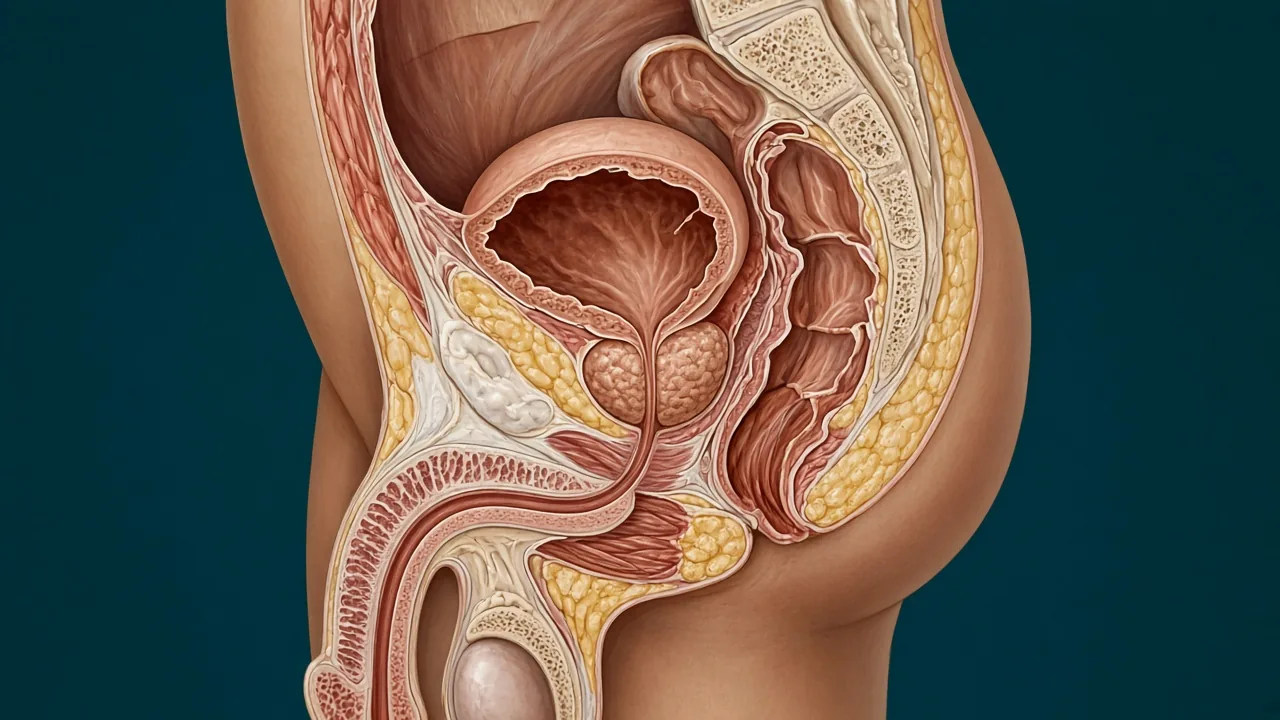
What Does “Prostate Cancer Treatment Without Surgery” Actually Mean?
The phrase can describe several very different approaches.
Some treatments are intended to control or eliminate the cancer.
Others are designed to monitor the cancer and delay treatment until it shows signs of progression.
It helps to separate them into three broad categories.
1. Monitoring without immediate treatment
- Active surveillance
- Watchful waiting
2. Local treatment without removing the prostate
- [External beam radiation therapy](/costs/India/Radiation-Oncology/EBRT)
- [Brachytherapy](/costs/India/Radiation-Oncology/Brachytherapy)
- Selected focal therapies such as HIFU or cryotherapy
3. Systemic treatment
- [Hormone therapy](/costs/India/Medical-Oncology/Hormone-Therapy)
- Androgen-receptor pathway inhibitors
- [Chemotherapy](/costs/India/Medical-Oncology/Chemotherapy)
- [Targeted therapy](/costs/India/Medical-Oncology/Targeted-Therapy)
- Radiopharmaceutical therapy
- Other treatments for selected advanced cancers
These treatments are not interchangeable.
The appropriate option depends on whether the cancer is low-risk, intermediate-risk, high-risk, locally advanced or metastatic.
1. Active Surveillance
Active surveillance is one of the most important non-surgical approaches for prostate cancer.
It is mainly used for men whose cancer appears unlikely to cause problems in the near term.
Instead of treating the cancer immediately, doctors monitor it closely.
If the cancer shows evidence of becoming more aggressive, definitive treatment can then be considered.

What does active surveillance involve?
The monitoring programme may include:
- Regular PSA tests
- Digital rectal examinations
- Repeat prostate imaging
- Multiparametric MRI
- Repeat biopsy when indicated
- Review of symptoms
- Periodic specialist consultations
The exact schedule differs between patients and treatment protocols.
The American Cancer Society describes active surveillance as close monitoring, often involving PSA testing approximately every 3–6 months, periodic examination and, in selected patients, repeat imaging or biopsy.
Who may be suitable for active surveillance?
Active surveillance is commonly considered for:
- Very-low-risk prostate cancer
- Low-risk prostate cancer
- Selected favorable intermediate-risk disease
It is generally more appropriate when the cancer is:
- Small
- Confined to the prostate
- Slow-growing
- Low grade
- Not causing significant symptoms
The American Cancer Society notes that active surveillance is typically recommended for very-low-risk disease and is commonly offered to men with low-risk disease. It can also be considered in selected favorable intermediate-risk cases.
Is active surveillance the same as doing nothing?
No.
This is one of the most common misunderstandings.
Active surveillance is a structured medical programme.
The patient continues to be monitored for signs that the cancer is becoming more aggressive.
If those signs appear, treatment can be started.
The objective is to avoid unnecessary treatment while maintaining the opportunity for curative treatment if the cancer progresses.
2. Watchful Waiting
Watchful waiting is different from active surveillance.
The terms are sometimes used interchangeably in everyday conversation, but they represent different strategies.
Active surveillance
The intention is to identify cancer progression early enough to provide curative treatment if necessary.
Watchful waiting
The approach is generally less intensive.
The focus is on monitoring the patient's health and treating symptoms if they develop.
Watchful waiting is more commonly considered for older men or men with significant other health conditions where immediate curative treatment may offer limited benefit.
The NCI distinguishes active surveillance from watchful waiting in this way: active surveillance aims to detect progression and begin treatment with curative intent, while watchful waiting generally focuses on symptoms and quality of life.
3. Radiation Therapy
Radiation therapy is one of the most established alternatives to prostatectomy.
Unlike surgery, the prostate is not removed.
Instead, high-energy radiation is used to damage and destroy cancer cells.
Radiation can be used:
- As the primary treatment for localized prostate cancer
- With [hormone therapy](/costs/India/Medical-Oncology/Hormone-Therapy) for higher-risk disease
- For locally advanced cancer
- After surgery when cancer recurs
- To relieve symptoms from metastatic disease
The American Cancer Society identifies external beam radiation and brachytherapy as established radiation treatments for prostate cancer.
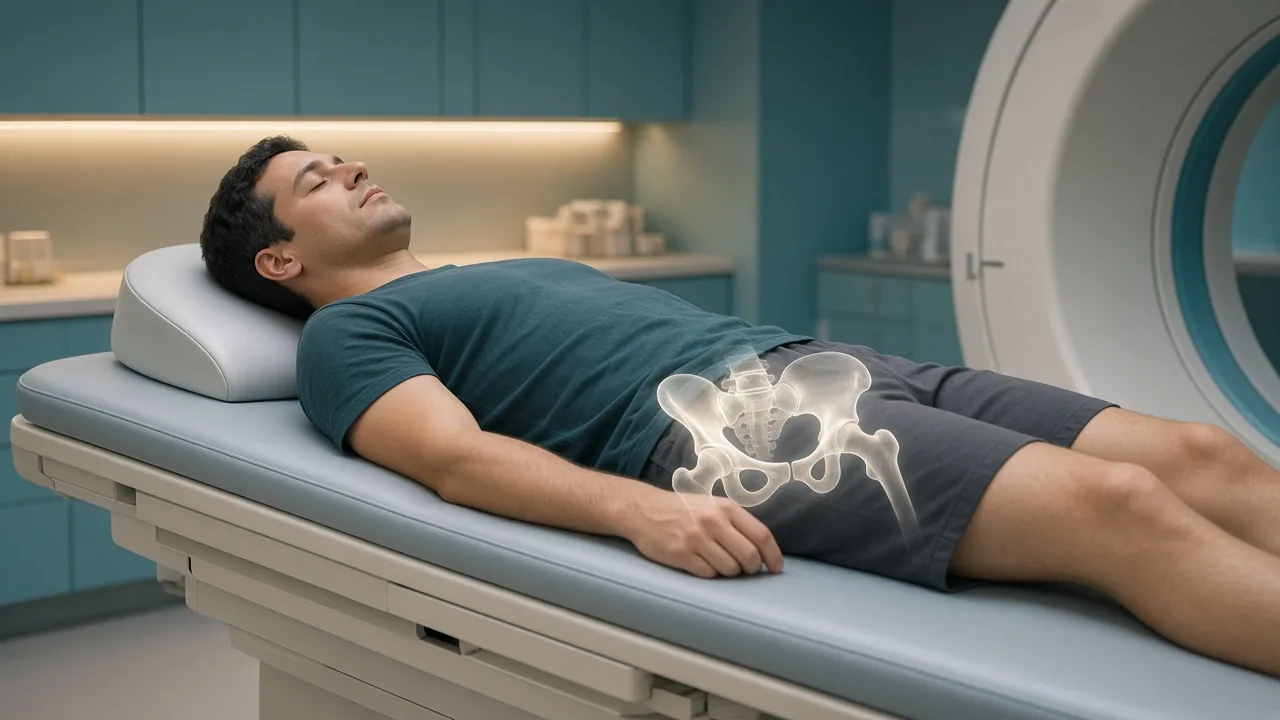
External Beam Radiation Therapy
External beam radiation therapy, or EBRT, delivers radiation from a machine outside the body.
The radiation is carefully planned to target the prostate while limiting exposure to surrounding tissues.
Modern techniques include:
- [IMRT](/costs/India/Radiation-Oncology/IMRT)
- [IGRT](/costs/India/Radiation-Oncology/IGRT)
- VMAT
- [SBRT](/costs/India/Radiation-Oncology/SBRT)
The exact technique depends on the patient's disease and the radiation centre. Radiation oncologists in India plan the dose after reviewing PSA, Grade Group and imaging.
IMRT for prostate cancer
Intensity-modulated radiation therapy (IMRT) allows radiation intensity to be adjusted across different parts of the treatment field.
This helps the radiation oncology team shape the dose around the prostate.
Treatment is generally delivered over multiple sessions.
IGRT for prostate cancer
Image-guided radiation therapy (IGRT) uses imaging during treatment to improve positioning and targeting.
This is particularly useful because the prostate can move slightly relative to nearby organs.
VMAT
Volumetric modulated arc therapy (VMAT) delivers radiation while the treatment machine rotates around the patient.
It can allow individual treatment sessions to be completed relatively quickly.
SBRT
Stereotactic body radiation therapy (SBRT) delivers a higher dose of radiation during each session.
As a result, the complete treatment course can be completed in substantially fewer sessions than conventional radiation.
The American Cancer Society notes that SBRT can deliver the complete course over several days for selected patients.
Not every patient is automatically suitable for SBRT.
Patient selection depends on factors such as cancer characteristics, prostate anatomy, urinary function and the treating radiation oncologist's assessment.
4. Brachytherapy
Brachytherapy is another non-surgical treatment option.
Instead of directing radiation from outside the body, radioactive material is placed directly inside or close to the prostate.
There are two major approaches:
Low-dose-rate brachytherapy
Small radioactive seeds are placed inside the prostate.
The seeds release radiation over time.
High-dose-rate brachytherapy
A radioactive source is temporarily inserted into the prostate through specially positioned applicators.
The radiation is delivered over a shorter period and the source is then removed.
Who may be suitable for prostate brachytherapy?
Brachytherapy can be used in selected men with localized prostate cancer.
It may be used alone for certain lower-risk cancers.
For some higher-risk cancers, it may be combined with external beam radiation and hormone therapy.
The American Cancer Society notes that brachytherapy alone is generally used for selected early-stage, lower-risk disease, while combination approaches may be considered for higher-risk cancers.
See brachytherapy cost in India for the current GAF planning range.
5. Hormone Therapy
Hormone therapy is also known as androgen deprivation therapy (ADT).
Prostate cancer cells often depend on male hormones called androgens, particularly testosterone, for growth.
Hormone therapy reduces androgen production or blocks androgen activity.
It does not physically remove the prostate.

When is hormone therapy used?
Hormone therapy may be used:
- With [radiation therapy](/costs/India/Radiation-Oncology/EBRT)
- For locally advanced prostate cancer
- For metastatic prostate cancer
- When cancer returns after initial treatment
- When surgery or radiation is not appropriate
- Alongside other systemic treatments
For higher-risk localized or locally advanced disease, hormone therapy may be combined with radiation.
For metastatic disease, it is often part of systemic treatment.
The NCI notes that hormone therapy can delay progression of metastatic disease and may extend survival, but it also has important potential side effects.
Hormone-therapy doctors and the India cost sheet help international patients compare programmes.
Is Hormone Therapy Alone Enough?
It depends on the situation.
Hormone therapy alone is not generally the preferred definitive treatment for localized prostate cancer in otherwise suitable patients.
The American Cancer Society notes that hormone therapy is generally not recommended as the sole treatment for early-stage prostate cancer because studies have not shown a survival advantage over observation or active surveillance in that setting.
However, hormone therapy has an important role in:
- Advanced prostate cancer
- Metastatic disease
- Selected patients who cannot undergo surgery or radiation
- Combination treatment with radiation
This distinction is important when searching online for “prostate cancer treatment without surgery.”
6. Newer Hormone-Based Treatments
Modern prostate cancer treatment is not limited to traditional hormone injections.
Several medicines target the androgen-signalling pathway more directly.
Examples include:
- Abiraterone
- Enzalutamide
- Apalutamide
- Darolutamide
These medicines may be used in selected patients with advanced or high-risk prostate cancer.
They are generally used according to the stage, disease biology and treatment history.
The treatment may also be combined with androgen deprivation therapy.
For this reason, “hormone therapy” can mean different things depending on the patient's disease.
7. Chemotherapy
Chemotherapy is another non-surgical treatment.
It uses medicines that circulate through the body and attack rapidly dividing cancer cells.
For prostate cancer, chemotherapy is generally more relevant to advanced or metastatic disease than to low-risk localized cancer.
A commonly used chemotherapy drug is docetaxel.
Other chemotherapy medicines may be considered depending on the treatment setting.
Chemotherapy may be combined with hormone therapy in selected patients with metastatic disease.
It is not normally the first treatment for a small, low-risk prostate cancer confined to the prostate.
8. Targeted Therapy
Targeted therapy is designed to exploit specific characteristics of cancer cells.
One important example in advanced prostate cancer is treatment with PARP inhibitors.
These drugs may be appropriate for selected patients whose cancer has particular genetic or molecular alterations involving DNA-repair pathways.
Examples include alterations involving genes such as:
- BRCA1
- BRCA2
- Other homologous-recombination repair genes
This is why molecular testing can become relevant in advanced prostate cancer.
Not every patient will benefit from targeted therapy.
Targeted-therapy cost in India varies with the medicine and duration.
9. Radiopharmaceutical Therapy
Radiopharmaceutical treatment is an important area of modern prostate cancer care.
These medicines contain a radioactive component that is linked to a molecule capable of targeting cancer cells.
One well-known example is Lutetium-177 PSMA therapy.
It is used for selected patients with advanced prostate cancer whose cancer expresses PSMA and who meet the relevant treatment criteria.
The radioactive medicine travels through the bloodstream and delivers radiation to PSMA-expressing cancer cells.
This is fundamentally different from external beam radiation.
External radiation
Radiation is delivered from outside the body.
Radiopharmaceutical therapy
A radioactive medicine is administered into the body and travels to target sites.
Radiopharmaceutical therapy is generally considered for selected advanced cancers rather than as a routine first-line treatment for newly diagnosed low-risk prostate cancer. The NCI lists radiopharmaceutical therapy among treatments used for recurrent or advanced prostate cancer.
Related: Lutetium-177 PSMA Therapy in India.
10. Cryotherapy
Cryotherapy uses extreme cold to destroy prostate tissue containing cancer cells.
It is sometimes described as a minimally invasive or ablative treatment.
Cryotherapy can be used in selected circumstances, including certain recurrent cancers after radiation.
Some centres also offer it as a primary treatment for selected localized cancers.
However, its position is different from established surgery and radiation.
The American Cancer Society notes that most expert groups do not currently recommend ablative therapies such as cryotherapy as the first treatment when surgery and radiation are suitable, largely because long-term evidence is less mature.
11. HIFU for Prostate Cancer
High-intensity focused ultrasound (HIFU) uses concentrated ultrasound energy to heat and destroy targeted prostate tissue.
It may be delivered as:
- Focal therapy
- Whole-gland ablation in selected settings
The potential attraction is that it can target cancer while attempting to preserve more surrounding tissue.
However, HIFU is not equivalent to established radiation or surgery in terms of the maturity of long-term evidence.
The American Cancer Society notes that HIFU and other focal ablative approaches may be considered in selected situations but are generally not recommended as the first treatment when surgery or radiation are appropriate because long-term evidence remains more limited.
12. Focal Therapy
Focal therapy aims to treat the known cancer focus rather than treating the entire prostate.
Possible technologies include:
- HIFU
- Cryotherapy
- Focal laser ablation
- Other investigational ablative approaches
The concept is attractive because it attempts to preserve more normal prostate tissue.
However, patient selection is critical.
Focal therapy may not be suitable when:
- Cancer is multifocal
- Cancer extends beyond the prostate
- The clinically significant tumour cannot be reliably targeted
- The cancer is high risk
- There is metastatic disease
Focal therapy should therefore not be presented as a universal replacement for surgery or radiation.
Which Prostate Cancer Treatments Can Be Used Without Surgery?
| Treatment | Main role | Commonly considered for |
|---|---|---|
| Active surveillance | Delay treatment while monitoring | Very low, low and selected favorable intermediate risk |
| Watchful waiting | Symptom-focused monitoring | Older or medically frail patients |
| External beam radiation | Local cancer treatment | Localized and locally advanced disease |
| Brachytherapy | Internal radiation | Selected localized disease |
| Hormone therapy | Systemic treatment | Advanced/high-risk disease and with radiation |
| Newer hormonal drugs | Intensified systemic treatment | Selected advanced/high-risk disease |
| Chemotherapy | Systemic treatment | Selected advanced/metastatic disease |
| Targeted therapy | Treats specific molecular alterations | Selected advanced cancers |
| Radiopharmaceutical therapy | Targeted radioactive treatment | Selected advanced/metastatic disease |
| Cryotherapy | Ablative treatment | Selected cases |
| HIFU | Focal/ablative treatment | Selected cases |
The appropriate treatment depends on the patient's specific disease characteristics rather than simply whether they want to avoid surgery.
Prostate Cancer Treatment Without Surgery by Risk Group
One of the most useful ways to understand non-surgical treatment is by risk group.
Very Low-Risk Prostate Cancer
For very low-risk disease, immediate treatment may not be necessary.
Active surveillance is commonly recommended.
The objective is to avoid exposing a slow-growing cancer to treatment side effects when the cancer may never become clinically significant.
Radiation remains an option for some men who prefer definitive treatment.
Low-Risk Prostate Cancer
Active surveillance remains an important option.
Radiation therapy may also be used.
Possible radiation approaches include:
- [External beam radiation](/costs/India/Radiation-Oncology/EBRT)
- [Brachytherapy](/costs/India/Radiation-Oncology/Brachytherapy)
The choice depends on prostate anatomy, urinary symptoms, patient preferences and radiation-centre expertise.
Favorable Intermediate-Risk Prostate Cancer
This group requires more careful assessment.
Some men may still qualify for active surveillance.
Others may choose:
- [External beam radiation](/costs/India/Radiation-Oncology/EBRT)
- [Brachytherapy](/costs/India/Radiation-Oncology/Brachytherapy)
- [Surgery](/doctors/India/Surgical-Oncology/Radical-Prostatectomy)
The decision depends on the specific Grade Group, PSA, tumour volume and other clinical factors.
The American Cancer Society includes active surveillance, radiation and surgery among potential options for selected favorable intermediate-risk disease.
Unfavorable Intermediate-Risk Prostate Cancer
Active surveillance becomes less commonly appropriate.
Non-surgical treatment may involve:
External beam radiation + hormone therapy
or, in selected cases:
External beam radiation + brachytherapy ± hormone therapy
The exact combination depends on the risk characteristics and treatment plan.
High-Risk Prostate Cancer
High-risk prostate cancer generally requires a more aggressive treatment strategy.
Non-surgical treatment commonly involves radiation combined with hormone therapy.
Radiation may include:
- [External beam radiation](/costs/India/Radiation-Oncology/EBRT)
- A [brachytherapy](/costs/India/Radiation-Oncology/Brachytherapy) boost in selected patients
Longer-duration hormone therapy may be recommended for appropriate high-risk disease.
The American Cancer Society describes radiation combined with hormone therapy as an important treatment option for high- and very-high-risk disease.
Locally Advanced Prostate Cancer
Locally advanced prostate cancer has extended beyond the prostate but has not necessarily spread to distant organs.
Treatment can involve multiple modalities.
For selected patients, radiation plus hormone therapy can provide a non-surgical treatment pathway.
Systemic therapy may be intensified depending on the disease characteristics.
The treatment plan should therefore be developed by a multidisciplinary team involving urology, radiation oncology and medical oncology where appropriate.
Metastatic Prostate Cancer
When prostate cancer has spread to distant organs or bones, treatment is generally systemic.
Surgery is not usually the main treatment for controlling the entire disease.
Treatment may include:
- Androgen deprivation therapy
- Newer hormonal medicines
- [Chemotherapy](/costs/India/Medical-Oncology/Chemotherapy)
- [Targeted therapy](/costs/India/Medical-Oncology/Targeted-Therapy)
- Radiopharmaceutical therapy
- Radiation for painful or threatening metastatic sites
- Bone-directed treatment
The NCI lists hormone therapy, chemotherapy, immunotherapy, radiopharmaceutical therapy, targeted treatments and other approaches depending on the disease setting.
Can Radiation Cure Prostate Cancer Without Surgery?
Yes, radiation can be used with curative intent for appropriately selected localized prostate cancer.
This is an important distinction.
Radiation is not simply a treatment for patients who are “too old” or “too sick” for surgery.
For many men with localized prostate cancer, radiation is an established definitive treatment option.
The American Cancer Society notes that external radiation can be used as the initial treatment for prostate cancer confined to the prostate, with outcomes for selected early-stage disease comparable to those achieved with radical prostatectomy.
Radiation vs Surgery for Localized Prostate Cancer
Both can be definitive treatments.
The choice involves more than cancer control.
Doctors and patients may also consider:
- Urinary function
- Sexual function
- Bowel effects
- Recovery time
- Treatment duration
- Existing urinary symptoms
- Age and general health
- Patient preference
Long-term comparisons have shown that surgery and external radiation can provide similar survival outcomes in appropriately selected men with early-stage prostate cancer, while their side-effect profiles differ.
This is why the question should not simply be:
“Which treatment is better?”
A more useful question is:
“Which treatment is appropriate for my cancer and fits my priorities?”
The treatment-options guide compares surgery and radiation in more detail, including hospital stay and typical side-effect patterns.
Side Effects of Prostate Cancer Treatment Without Surgery
Avoiding surgery does not mean avoiding side effects.
Every treatment has its own risk profile.
Active surveillance
Possible concerns include:
- Anxiety about living with untreated cancer
- Repeated PSA testing
- MRI examinations
- Repeat biopsies
- Biopsy-related discomfort
- Risk of detecting progression later
Radiation therapy
Possible side effects include:
- Increased urinary frequency
- Urgency
- Burning during urination
- Bowel irritation
- Loose stools
- Rectal discomfort
- Erectile dysfunction
- Fatigue
Some side effects improve after treatment, while others can persist.
Hormone therapy
Possible effects include:
- Hot flashes
- Reduced libido
- Erectile dysfunction
- Fatigue
- Weight gain
- Loss of muscle mass
- Changes in bone health
- Metabolic changes
- Mood changes
The duration of hormone therapy influences the burden of some side effects.
Chemotherapy
Possible effects depend on the drug and treatment regimen and may include:
- Fatigue
- Hair loss
- Reduced blood counts
- Infection risk
- Nausea
- Appetite changes
- Neuropathy
HIFU and cryotherapy
Possible complications include:
- Urinary symptoms
- Erectile dysfunction
- Urinary obstruction
- Incontinence
- Fistula in rare cases
The risk depends on the technique and whether the entire prostate or only part of it is treated.
Can Prostate Cancer Be Treated Without Removing the Prostate?
Yes.
Several established approaches leave the prostate in place.
The most important include:
- [External beam radiation](/costs/India/Radiation-Oncology/EBRT)
- [Brachytherapy](/costs/India/Radiation-Oncology/Brachytherapy)
- Active surveillance
- [Hormone therapy](/costs/India/Medical-Oncology/Hormone-Therapy)
- Selected focal therapies
However, leaving the prostate in place does not automatically mean that treatment is less aggressive.
Radiation, for example, can be definitive cancer treatment.
Can Prostate Cancer Be Treated Without Surgery in Older Men?
Yes.
Age alone should not determine treatment.
Doctors also consider:
- Overall health
- Other medical conditions
- Functional status
- Life expectancy
- Cancer risk
- Patient preferences
An otherwise healthy older man with aggressive prostate cancer may benefit from active treatment.
Conversely, a younger man with a very low-risk tumour may appropriately choose active surveillance.
The American Cancer Society specifically notes that chronological age alone should not be the only factor when considering treatment choices.
Can Prostate Cancer Be Treated Without Surgery if the Patient Has Other Health Problems?
Sometimes.
Patients with significant cardiovascular, respiratory or other medical conditions may face higher risks from major surgery.
Depending on the cancer, radiation, active surveillance, observation or systemic treatment may provide alternatives.
The decision should be based on both:
Cancer risk + overall medical risk.
This is particularly important for older patients.
Can Prostate Cancer Be Treated Without Surgery After Recurrence?
Sometimes.
The treatment depends heavily on what was used initially.
If the first treatment was surgery
Radiation therapy may be considered if PSA begins to rise or cancer recurrence is suspected.
If the first treatment was radiation
Options can include selected salvage treatments such as:
- Surgery
- Cryotherapy
- HIFU
- Other focal approaches
However, salvage treatment after radiation can carry higher complication risks.
The American Cancer Society notes that treatment options after recurrence depend on the initial treatment and location of recurrent disease.
What Tests Are Needed Before Choosing Non-Surgical Treatment?
A doctor usually needs enough information to determine the cancer's risk and extent.
This may include:
PSA
PSA helps assess disease burden and monitor treatment response.
Prostate biopsy
The biopsy establishes the diagnosis and provides:
- Gleason score
- Grade Group
- Tumour involvement
MRI
Multiparametric MRI can help assess:
- Tumour location
- Local extension
- Prostate anatomy
PSMA PET/CT
For selected patients, PSMA PET/CT can provide additional information about lymph-node or distant disease. Related: PSMA PET/CT for Prostate Cancer.
Other imaging
CT, bone imaging or other investigations may be used depending on the clinical situation.
Not every patient requires every test.
Why the Gleason Score Matters
The Gleason score describes the microscopic appearance of prostate cancer.
It is converted into a Grade Group from 1 to 5.
In broad terms:
- Grade Group 1 = lower-grade cancer
- Grade Groups 2–3 = intermediate-grade disease
- Grade Groups 4–5 = higher-grade disease
The Grade Group helps doctors determine how aggressively the cancer may behave.
That information influences whether active surveillance, radiation, surgery or systemic treatment should be considered.
Why PSA Alone Should Not Decide Treatment
A common mistake is to look at the PSA number alone.
PSA is important, but it does not tell the entire story.
Two men with similar PSA levels may have very different cancers.
Doctors also consider:
- Gleason score
- Grade Group
- MRI
- Biopsy findings
- Stage
- Tumour volume
- PSA density
- Imaging for metastatic disease
- Age and overall health
The treatment decision should therefore be based on the complete clinical picture.
Can Diet or Natural Treatment Replace Prostate Cancer Treatment?
There is currently no established diet, supplement or natural remedy that can replace evidence-based prostate cancer treatment.
A healthy diet, physical activity and maintaining a healthy weight can be useful for general health.
But they should not be presented as a substitute for:
- Radiation
- Surgery
- Active surveillance
- Hormone therapy
- Chemotherapy
- Targeted treatment
Patients considering supplements should also discuss them with their medical team because some supplements can interact with medicines.
Can Prostate Cancer Be Treated Without Surgery and Without Radiation?
Sometimes.
The answer depends heavily on the risk group.
Possible approaches include:
Very low-risk or low-risk disease
Active surveillance may allow a patient to avoid both surgery and radiation.
Older or medically frail patients
Observation may be appropriate.
Advanced disease
Hormone therapy and other systemic treatments can be used without prostate surgery or definitive prostate radiation in selected situations.
However, avoiding both surgery and radiation is not necessarily the goal.
The goal is to select treatment appropriate to the cancer and the patient's overall circumstances.
Can Prostate Cancer Be Treated Without Surgery in India?
Yes.
Major Indian cancer centres offer several non-surgical treatment options, including:
- [Radiation oncology](/doctors/India/Radiation-Oncology)
- [IMRT](/costs/India/Radiation-Oncology/IMRT)
- [IGRT](/costs/India/Radiation-Oncology/IGRT)
- VMAT
- [SBRT](/costs/India/Radiation-Oncology/SBRT)
- [Brachytherapy](/costs/India/Radiation-Oncology/Brachytherapy)
- [Hormone therapy](/costs/India/Medical-Oncology/Hormone-Therapy)
- [Chemotherapy](/costs/India/Medical-Oncology/Chemotherapy)
- [Targeted therapies](/costs/India/Medical-Oncology/Targeted-Therapy)
- Radiopharmaceutical treatments
Availability varies between hospitals.
International patients should confirm that the specific treatment required is available before travelling. Compare hospitals in Delhi NCR, Mumbai, Bengaluru, Chennai and Hyderabad.
Prostate Cancer Treatment Without Surgery in India: What International Patients Should Prepare
Patients travelling to India can make the evaluation process easier by sending their medical records before arrival.
Useful documents include:
- PSA history
- Biopsy report
- Gleason score
- Grade Group
- MRI prostate report
- PSMA PET/CT report, if available
- CT or bone scan reports
- Previous treatment records
- Medication list
- Medical history
Hospitals may request additional tests after reviewing the records.
For international patients, a pre-arrival review can help clarify:
- Whether surgery is necessary
- Whether radiation is an option
- Whether hormone therapy may be required
- Whether further staging is needed
- Expected treatment duration
- Approximate cost
- Expected length of stay in India
How Doctors Decide Which Non-Surgical Treatment to Use
The decision usually follows a sequence.
Step 1: Confirm the diagnosis
The pathology report establishes that prostate cancer is present.
Step 2: Establish the Grade Group
The biopsy indicates how aggressive the cancer appears.
Step 3: Determine the stage
Imaging determines whether the cancer is:
- Confined to the prostate
- Locally advanced
- In nearby lymph nodes
- Metastatic
Step 4: Determine the risk group
The doctor combines PSA, Grade Group and clinical stage.
Step 5: Consider the patient's health
Age, other medical conditions and life expectancy matter.
Step 6: Discuss treatment goals
The patient may prioritize:
- Cancer control
- Avoiding surgery
- Preserving urinary function
- Preserving sexual function
- Shorter treatment
- Avoiding long-term hormone therapy
- Quality of life
Step 7: Select the treatment
The final treatment plan may involve one modality or a combination.
Non-Surgical Treatment Does Not Always Mean Less Treatment
This is an important point for patients searching online.
A patient may think:
“If I don't have surgery, I won't need much treatment.”
That is not necessarily true.
A man with high-risk prostate cancer may avoid surgery but still require:
Radiation + long-term hormone therapy + additional systemic treatment
That can represent a substantial treatment programme.
Likewise, a patient with low-risk cancer may avoid surgery because active surveillance is appropriate, meaning no immediate cancer-directed treatment is needed.
The difference comes from the biology and stage of the cancer.
When Is Surgery Still Recommended?
Avoiding surgery is not always medically appropriate.
Surgery may remain a reasonable option when:
- Cancer is localized
- The patient is fit for surgery
- Long-term cancer control is a priority
- The tumour characteristics make prostatectomy appropriate
- The patient prefers surgery after discussing alternatives
For selected localized cancers, surgery and radiation are both established definitive treatments.
The decision should be individualized rather than based solely on the desire to avoid an operation.
Related: Robotic Prostatectomy in India and radical prostatectomy cost.
Questions to Ask Your Doctor if You Want to Avoid Surgery
If avoiding prostatectomy is important to you, ask:
- What is my Grade Group?
- What is my clinical stage?
- Is my cancer low, intermediate or high risk?
- Am I a candidate for active surveillance?
- Could radiation cure my cancer?
- Would I need hormone therapy with radiation?
- How long would hormone therapy continue?
- Would brachytherapy be suitable?
- Is SBRT an option for me?
- Is HIFU or cryotherapy appropriate in my case?
- What are the long-term side effects?
- What happens if the cancer returns?
- Would I still have the option of surgery later?
- Should I obtain a second opinion?
These questions can make a consultation much more useful.
Prostate Cancer Treatment Without Surgery: A Simple Decision Framework
| Clinical situation | Non-surgical approaches that may be considered |
|---|---|
| Very low risk | Active surveillance |
| Low risk | Active surveillance, radiation, brachytherapy |
| Favorable intermediate risk | Selected surveillance, radiation, brachytherapy |
| Unfavorable intermediate risk | Radiation + hormone therapy, radiation + brachytherapy in selected cases |
| High risk | Radiation + hormone therapy ± treatment intensification |
| Locally advanced | Radiation + systemic treatment in selected patients |
| Metastatic | Hormone therapy + additional systemic treatment |
| Recurrence after surgery | Salvage radiation in appropriate patients |
| Recurrence after radiation | Selected salvage/ablative approaches |
| Older/frail patient | Observation or less intensive treatment depending on disease |
This is a framework, not a treatment recommendation for an individual patient.
Frequently Asked Questions
Is prostate cancer treatable without surgery?
Yes. Depending on the stage and risk group, treatment may include active surveillance, radiation therapy, hormone therapy, chemotherapy, targeted therapy, radiopharmaceutical therapy or selected ablative treatments.
What is the best non-surgical treatment for prostate cancer?
There is no single non-surgical treatment that is appropriate for everyone. For localized disease, radiation may be a definitive treatment, while active surveillance may be appropriate for selected low-risk cancers. Advanced disease may require systemic treatment.
Can radiation completely treat prostate cancer?
For appropriately selected localized prostate cancer, radiation can be used as definitive treatment with curative intent.
Can Stage 1 prostate cancer be treated without surgery?
Yes. Active surveillance is commonly used for very-low- and low-risk disease, while radiation and brachytherapy are also options for selected patients.
Can Stage 2 prostate cancer be treated without surgery?
Yes. Depending on the risk group, external beam radiation or brachytherapy may be used. Active surveillance may also be considered for selected lower-risk disease.
Can Stage 3 prostate cancer be treated without surgery?
Yes. Radiation combined with hormone therapy is an important non-surgical treatment pathway for selected locally advanced or high-risk disease.
Can Stage 4 prostate cancer be treated without surgery?
Yes. Stage IV prostate cancer is usually managed primarily with systemic treatment rather than prostate removal. Treatment may include hormone therapy, newer hormonal drugs, chemotherapy, targeted therapy, radiopharmaceutical therapy and radiation for selected symptoms or sites of disease.
Is hormone therapy a cure for prostate cancer?
Hormone therapy can control prostate cancer and may be an important part of treatment, particularly in advanced disease. It is not generally used alone as the definitive treatment for localized early-stage disease.
Can HIFU replace prostate surgery?
Not universally. HIFU is an option for selected patients, but long-term evidence is less mature than for established treatments such as surgery and radiation.
Is cryotherapy a good alternative to surgery?
Cryotherapy may be appropriate in selected cases, including some recurrent cancers. It is not considered a universal replacement for surgery or radiation.
Can prostate cancer be monitored without treatment?
Yes. Active surveillance is specifically designed for selected cancers where immediate treatment may not be necessary.
Is active surveillance safe?
For appropriately selected low-risk prostate cancer, active surveillance is an established management strategy. It requires regular monitoring so that treatment can begin if the cancer shows evidence of progression.
Does active surveillance mean the cancer will never need treatment?
No. Some men eventually require treatment because their cancer changes or is found to be more aggressive than initially thought. Others remain on surveillance for many years.
Can prostate cancer return after radiation?
Yes. Recurrence is possible after any definitive treatment. PSA monitoring is therefore an important part of follow-up.
Can I have surgery later if I start with radiation?
Salvage surgery can sometimes be considered after radiation, but it is more technically difficult and carries higher risks of complications. The decision requires specialist assessment.
Does avoiding surgery mean fewer side effects?
Not necessarily. Radiation, hormone therapy and other treatments have their own side effects. The relevant comparison is the type, likelihood and duration of side effects.
Can diet cure prostate cancer without treatment?
No established diet or natural remedy has been shown to replace evidence-based prostate cancer treatment.
Should I get a second opinion before choosing treatment?
A second opinion can be useful, particularly when several reasonable treatment options exist or when the recommended treatment would have significant long-term effects.
Key Takeaways
Prostate cancer does not always require surgery.
Depending on the cancer's risk and stage, non-surgical management may include:
- Active surveillance
- Watchful waiting
- External beam radiation
- Brachytherapy
- Hormone therapy
- Newer hormonal medicines
- Chemotherapy
- Targeted therapy
- Radiopharmaceutical therapy
- HIFU
- Cryotherapy
The most important distinction is between monitoring the cancer and actively treating it without surgery.
For low-risk disease, active surveillance may allow some men to avoid treatment for years.
For localized disease that requires definitive treatment, radiation can treat the prostate without removing it.
For high-risk or metastatic disease, non-surgical treatment often involves combinations of radiation and systemic therapy.
The right approach depends on the patient's PSA, Grade Group, Gleason score, stage, imaging, overall health and treatment priorities.
Related Prostate Cancer Resources
If you are researching treatment in India, these related guides can help:
- [Prostate Cancer Treatment in India](/treatments/prostate-cancer-treatment-in-india) – complete overview of treatment options and the international patient journey.
- [Prostate Cancer Treatment Options](/blogs/prostate-cancer-treatment-options-india) – explains how doctors compare surgery, radiation, hormone therapy and more.
- [Prostate Cancer Treatment Cost in India](/treatments/prostate-cancer-treatment-in-india) – detailed cost guide covering surgery, radiation, hormone therapy and advanced treatments.
- [Robotic Prostatectomy in India](/blogs/robotic-prostatectomy-in-india) – procedure, eligibility, recovery, risks and cost.
- [Prostate Cancer Treatment by Stage](/blogs/prostate-cancer-treatment-options-india) – treatment options for Stage 1, 2, 3 and 4 disease.
- [Radiation Therapy for Prostate Cancer](/blogs/radiation-therapy-for-prostate-cancer) – IMRT, IGRT, VMAT, SBRT and [brachytherapy](/costs/India/Radiation-Oncology/Brachytherapy).
- [PSMA PET/CT for Prostate Cancer](/treatments/prostate-cancer-treatment-in-india) – when advanced imaging may be useful.
- [Lutetium-177 PSMA Therapy in India](/treatments/prostate-cancer-treatment-in-india) – eligibility, treatment process, side effects and cost.
The primary internal link remains the main Prostate Cancer Treatment in India page. Supporting articles should link back to that page while maintaining their own specific search intent.
How GAF Healthcare Can Help
GAF Healthcare coordinates international patients who want prostate cancer treatment in India without assuming surgery is required. Share PSA reports, biopsy and Grade Group, MRI or PSMA PET, and previous treatment records. A coordinator can arrange specialist review, an itemized estimate and travel planning. The treating uro-oncology, radiation or medical oncology team makes the final recommendation.
Medical Disclaimer
This article is intended for general educational purposes and should not replace advice from a qualified urologist, radiation oncologist or medical oncologist.
Treatment decisions depend on the individual's pathology, PSA, Grade Group, stage, imaging, overall health and personal circumstances. Treatment availability and clinical recommendations can also vary between patients and hospitals.
Top 5 Sources
- National Cancer Institute — Prostate Cancer Treatment (PDQ) — surgery, radiation, hormone therapy, chemotherapy, targeted therapy and other treatments.
- American Cancer Society — Initial Treatment Options for Prostate Cancer by Stage and Risk Group — how options vary by stage and risk group.
- American Cancer Society — Radiation Therapy for Prostate Cancer — external beam radiation and brachytherapy.
- American Cancer Society — Active Surveillance and Watchful Waiting — observation versus structured surveillance.
- American Cancer Society — Cryotherapy, HIFU and Other Ablative Treatments — when ablative treatments may be considered.
Last reviewed against the cited sources: September 2026.