
Treatment Overview

CyberKnife robotic radiosurgery in India is a named, image-guided stereotactic radiation platform. A computer-controlled robotic arm, image guidance and highly focused beams are used to treat selected tumours with high geometric precision. Despite the word “surgery,” CyberKnife treatment does not involve an incision, anaesthesia or removal of the tumour. Depending on the tumour and treatment plan, radiation may be delivered in one session or over several sessions.
This page is the named CyberKnife product. The parent external-beam list sits on External Beam Radiotherapy in India. Dose modulation sits on IMRT in India. Image guidance sits on IGRT in India. Intracranial stereotactic lists sit on Stereotactic Radiosurgery in India. Extra-cranial stereotactic lists sit on SBRT in India. It is not open surgery, conventional multi-week EBRT, brachytherapy or protons. There is no live GAF VMAT, lung-cancer, liver-cancer or head-and-neck-cancer treatment page. Named proton lists sit on Proton Beam Therapy in India. Named brachytherapy lists sit on Brachytherapy in India. Named Gamma Knife lists sit on Gamma Knife Surgery in India. Those techniques sit on neighbouring cost sheets until named separately. Disease-specific pathways sit on Brain Tumor Surgery in India, Craniotomy Surgery in India, Pituitary Tumor Surgery in India, Spine Tumor Surgery in India, Prostate Cancer Treatment in India, Radical Prostatectomy in India, Pancreatic Cancer Treatment in India, Radical Nephrectomy in India, Colon Cancer Treatment in India and Breast Cancer Treatment in India. Those sheets must not be used as a CyberKnife quotation for a different site.
CyberKnife is a platform. SRS and SBRT are the clinical products it can deliver. Not every SRS or SBRT list is CyberKnife.
GAF Healthcare planning for CyberKnife is $11,000–$24,000 (typically 1–5 sessions). US comparison is $30,000–$70,000. Neighbouring SRS is $8,500–$18,000. Neighbouring SBRT is $8,000–$17,500. Neighbouring Gamma Knife is $10,500–$22,000. Neighbouring IGRT is $7,200–$16,000. Neighbouring IMRT is $6,500–$14,500. Neighbouring EBRT is $1,000–$6,000+. Neighbouring proton beam therapy is $28,000–$55,000. These are planning ranges from partner hospital cost sheets, not hospital quotations.
International patients comparing CyberKnife radiation oncologists commonly start with Delhi NCR, Mumbai, Bengaluru, Chennai and Hyderabad. Partner radiation oncology hospitals in Delhi NCR, Mumbai and Bengaluru, and in Chennai and Hyderabad, are a typical first filter because this work needs a named robotic bunker, image guidance, motion management and physics QA. City sheets include Delhi NCR, Mumbai, Bengaluru, Chennai and Hyderabad. Pune, Kolkata, Ahmedabad and Kochi may have robotic platforms. They are not live GAF catalog cities on this site.
Medical note: A CyberKnife sticker on the bunker door is not a named CyberKnife list. Tumour size, location, motion and previous dose decide the product. Confirm in writing that the named campus can accept the case on this platform. Sudden severe headache, new weakness, seizure, spinal-cord compression symptoms, severe shortness of breath, high fever or uncontrolled bleeding belongs in a local emergency department first. WhatsApp at +91 90443 46292 is for planned record review, not an acute emergency.
What Is CyberKnife Robotic Radiosurgery?
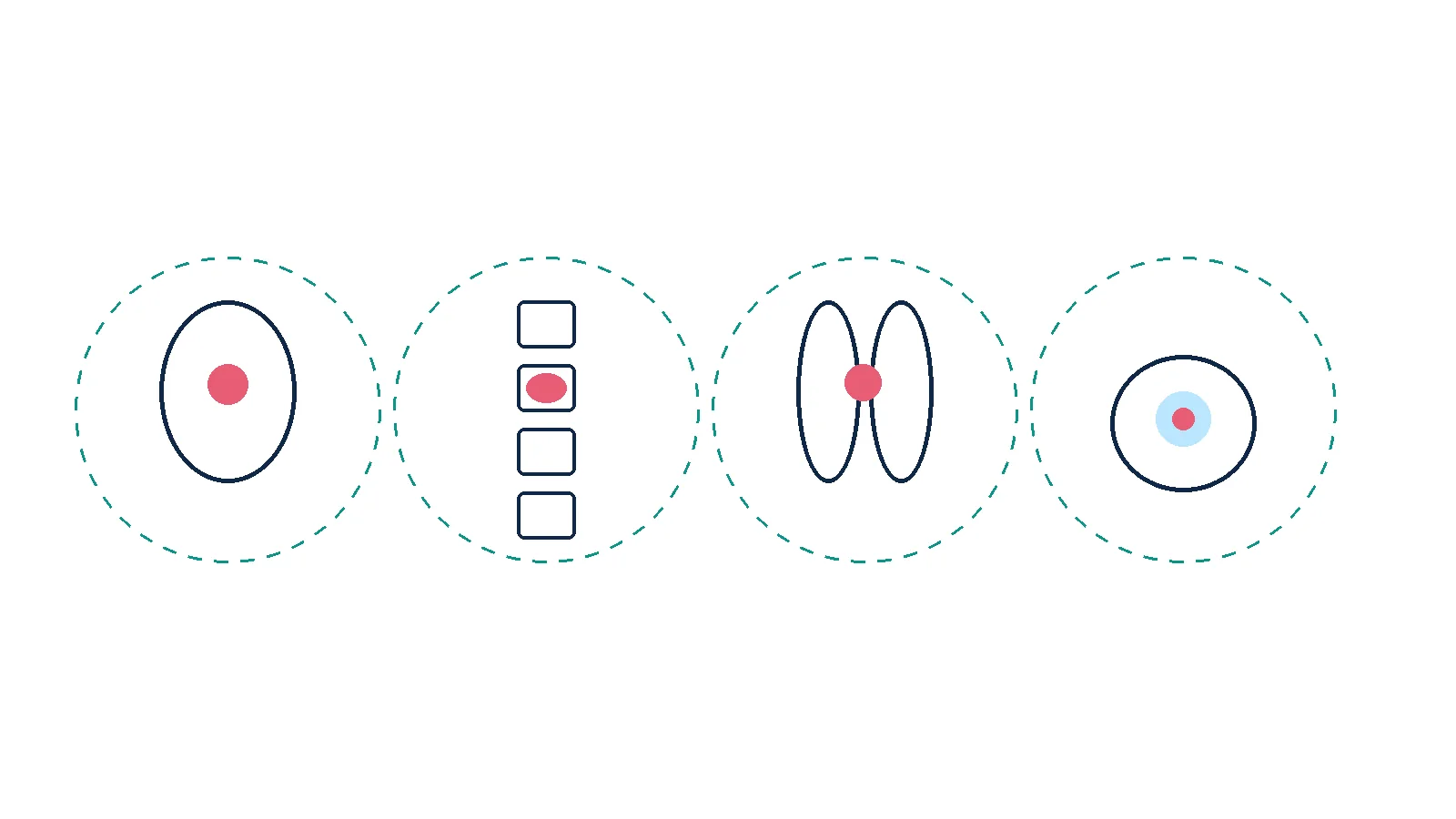
CyberKnife is a non-invasive stereotactic radiation treatment delivered using a robotic radiation system. The system directs multiple beams toward a precisely defined target from different angles.
Unlike conventional radiation therapy, which may require many sessions over several weeks, stereotactic treatments generally deliver a higher dose per session and finish in a smaller number of visits.
The treatment does not physically remove the tumour. High-dose radiation damages the DNA of tumour cells so they cannot keep dividing. The biological response can continue for weeks or months after the last session.
The platform typically combines:
- A robotic arm-mounted linear accelerator
- Image guidance
- Computer-controlled delivery
- Multiple beam directions
- Motion-management technology for selected treatments
- Frameless patient positioning
- Highly conformal treatment planning
The National Cancer Institute describes stereotactic radiosurgery as a highly focused form of external radiation, and stereotactic body radiation therapy as the extra-cranial counterpart. CyberKnife is one technological platform capable of delivering those treatments.
Why Is It Called “Robotic Radiosurgery”?
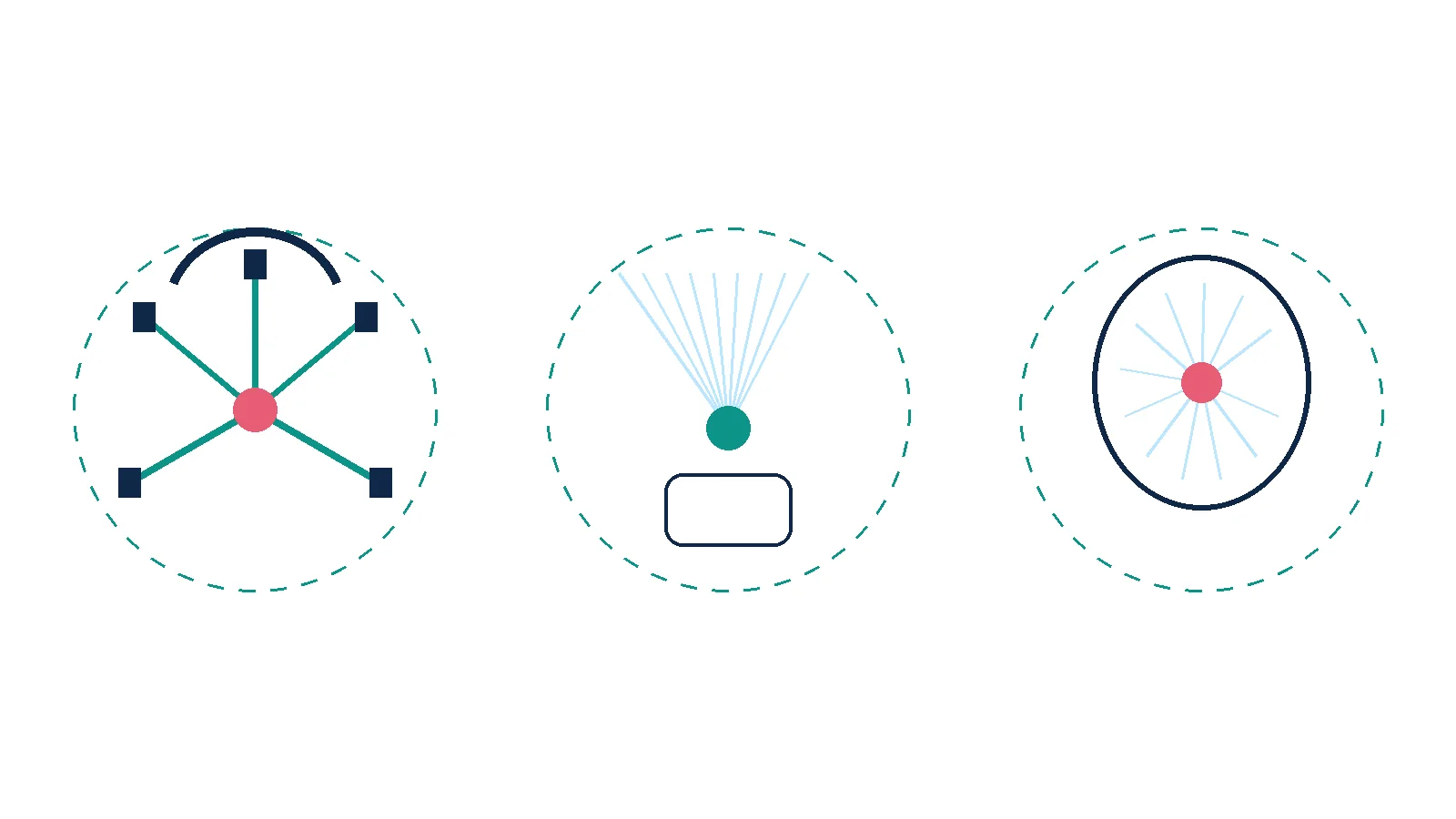
Robotic refers to how the radiation source is positioned and moved around the patient. The arm can approach the tumour from many directions rather than a small number of fixed beam angles.
Radiosurgery can be confusing. CyberKnife does not involve cutting the skin, removing the tumour, opening the skull, surgical stitches or, in most cases, conventional surgical anaesthesia. It uses precisely directed radiation.
The National Cancer Institute similarly notes that stereotactic radiosurgery does not involve conventional surgery.
How Does CyberKnife Work?
- Diagnostic evaluation. A radiation oncologist reviews diagnosis, pathology, previous treatment and imaging. MRI, CT, PET-CT, biopsy, blood tests and previous radiation records may be required. The purpose is to decide whether stereotactic radiation is appropriate.
- Treatment planning. A planning CT and/or MRI identifies the tumour and nearby organs. The team defines the target, tumour volume, organs at risk, dose, fractions, beam arrangement and dose constraints. A radiation oncologist, medical physicist, dosimetrist and radiation therapists usually share this work. ASTRO emphasises that safe SRS and SBRT need trained teams, specialised technology and comprehensive quality assurance.
- Patient positioning. The patient lies on the treatment couch. Unlike some conventional stereotactic techniques, CyberKnife is frameless. A customised immobilisation system may be used. The aim is a stable position with image-guided monitoring.
- Image guidance. Images verify the position of the tumour and the patient. For selected treatments the system can account for changes in target position, including breathing-related motion.
- Robotic delivery. The arm moves around the patient and delivers radiation from multiple directions. Each beam contributes to the overall dose. The plan concentrates dose around the target while limiting nearby normal tissue as much as reasonably possible.
- Completion. Once the prescribed dose has been delivered, the patient can usually leave the bunker. There is no surgical recovery period. Some patients still need observation because of the underlying disease.
Conditions That May Be Treated
CyberKnife has intracranial and extra-cranial applications. Suitability depends on size, location, shape, number of lesions, previous treatment and proximity to sensitive structures.
Brain. Selected brain metastases, meningiomas, vestibular schwannomas, pituitary tumours, selected gliomas, arteriovenous malformations, and recurrent or residual brain tumours. For brain metastases, SRS is an established option in appropriately selected patients. Size, number, location, symptoms, oedema and overall disease status all matter. Named surgical lists sit on Brain Tumor Surgery in India, Craniotomy Surgery in India and Pituitary Tumor Surgery in India.
Spine. Selected spinal metastases, vertebral tumours, recurrent tumours and some previously irradiated lesions. The spinal cord is highly sensitive. Location, cord dose, previous radiation, vertebral stability, neurology, epidural disease and fracture risk must be reviewed. Cord compression or spinal instability may need urgent surgery rather than CyberKnife alone. Surgical lists sit on Spine Tumor Surgery in India.
Lung. Selected early-stage, medically inoperable, recurrent or metastatic lung lesions. SBRT is particularly useful for small, localised tumours. Respiratory motion is an important planning issue. There is no live GAF lung-cancer treatment page.
Prostate. Selected patients may receive stereotactic radiation with fewer visits and image-guided tracking. Risk group, PSA, Grade Group, MRI, stage, prostate size, urinary symptoms, previous treatment and overall health decide. Disease lists sit on Prostate Cancer Treatment in India, radiation therapy for prostate cancer and prostate cancer treatment without surgery. Surgery sits on Radical Prostatectomy in India.
Liver. Selected hepatocellular carcinomas, liver metastases and recurrent tumours. Liver function, size, location and nearby organs decide safety. There is no live GAF liver-cancer treatment page. Selected metastases from colon or breast cancer may be discussed as extra-cranial stereotactic work.
Pancreas. Selected locally advanced, medically inoperable or recurrent cases after multidisciplinary review. The pancreas sits near duodenum, stomach, small bowel and major vessels, so dose constraints are particularly important. CyberKnife is not a replacement for surgery when surgery is appropriate. Disease lists sit on Pancreatic Cancer Treatment in India.
Head and neck. Selected recurrent, previously irradiated, skull-base or unresectable lesions. The evidence base is less homogeneous than for some established stereotactic indications. There is no live GAF head-and-neck-cancer treatment page.
Kidney. Selected localised renal tumours, particularly when surgery is unsuitable. Surgery remains important for many operable tumours. Surgical lists sit on Radical Nephrectomy in India.
Other selected sites. Bone metastases, adrenal metastases, oligometastatic disease, recurrent tumours, skull-base tumours and selected vascular or functional disorders. CyberKnife is a treatment platform, not a diagnosis-specific treatment.
Who Is a Candidate — and Who May Not Be
A patient may be considered when the target is relatively well defined, volume is limited, location can be treated safely, overall health is suitable, the treatment objective is clear, required imaging is possible, and previous dose still allows another high-dose course.
CyberKnife may not be suitable when the tumour is too large, poorly defined, extensively metastatic, too close to a critical organ for a safe plan, already treated to an unsafe cumulative dose, biologically better served by another treatment, or when the patient is unstable and needs urgent surgery. There is no universal size cutoff. Site, shape, prescription and surrounding anatomy decide.
CyberKnife vs Conventional Radiation, Gamma Knife, IMRT and SBRT
| Feature | CyberKnife / SRS-SBRT | Conventional radiation |
|---|---|---|
| Treatment precision | Very high | High |
| Dose per session | Generally higher | Generally lower |
| Number of sessions | Often fewer | Often many |
| Overall duration | Usually shorter | Often several weeks |
| Typical target | Small, defined targets | Small or large fields |
| Motion management | Advanced image guidance available | Depends on system |
| Surgery required | No | No |
| Best suited for | Selected localised targets | Broad range of cancers |
Conventional EBRT remains extremely important. CyberKnife is a specialised stereotactic platform, not a universal replacement.
CyberKnife vs Gamma Knife. Both deliver stereotactic radiation. Traditional Gamma Knife uses multiple cobalt sources in a fixed intracranial geometry. CyberKnife uses a robotic linear accelerator and can treat selected body sites as well as brain. Modern Gamma Knife systems may use frameless fixation. Neither is automatically superior. For a brain tumour the honest questions are whether stereotactic radiation is appropriate, what dose is required, lesion size and location, previous radiation, and which platform can write a safe plan. Neighbouring sheet: Gamma Knife. There is no live GAF Gamma Knife-only treatment page.
CyberKnife vs IMRT. IMRT can deliver highly conformal radiation to larger or more complex volumes with conventional fractionation. CyberKnife is primarily associated with stereotactic treatment of focused targets in fewer fractions. A large volume needing conventional fractionation may belong on IMRT. A small, well-defined lesion may belong on a stereotactic list.
CyberKnife vs SBRT. SBRT is a technique. CyberKnife is a platform that can deliver SBRT. CyberKnife can deliver SBRT; not every SBRT treatment is CyberKnife. Named extra-cranial lists sit on SBRT in India. Named intracranial lists sit on SRS in India.
Treatment Procedure, Step by Step
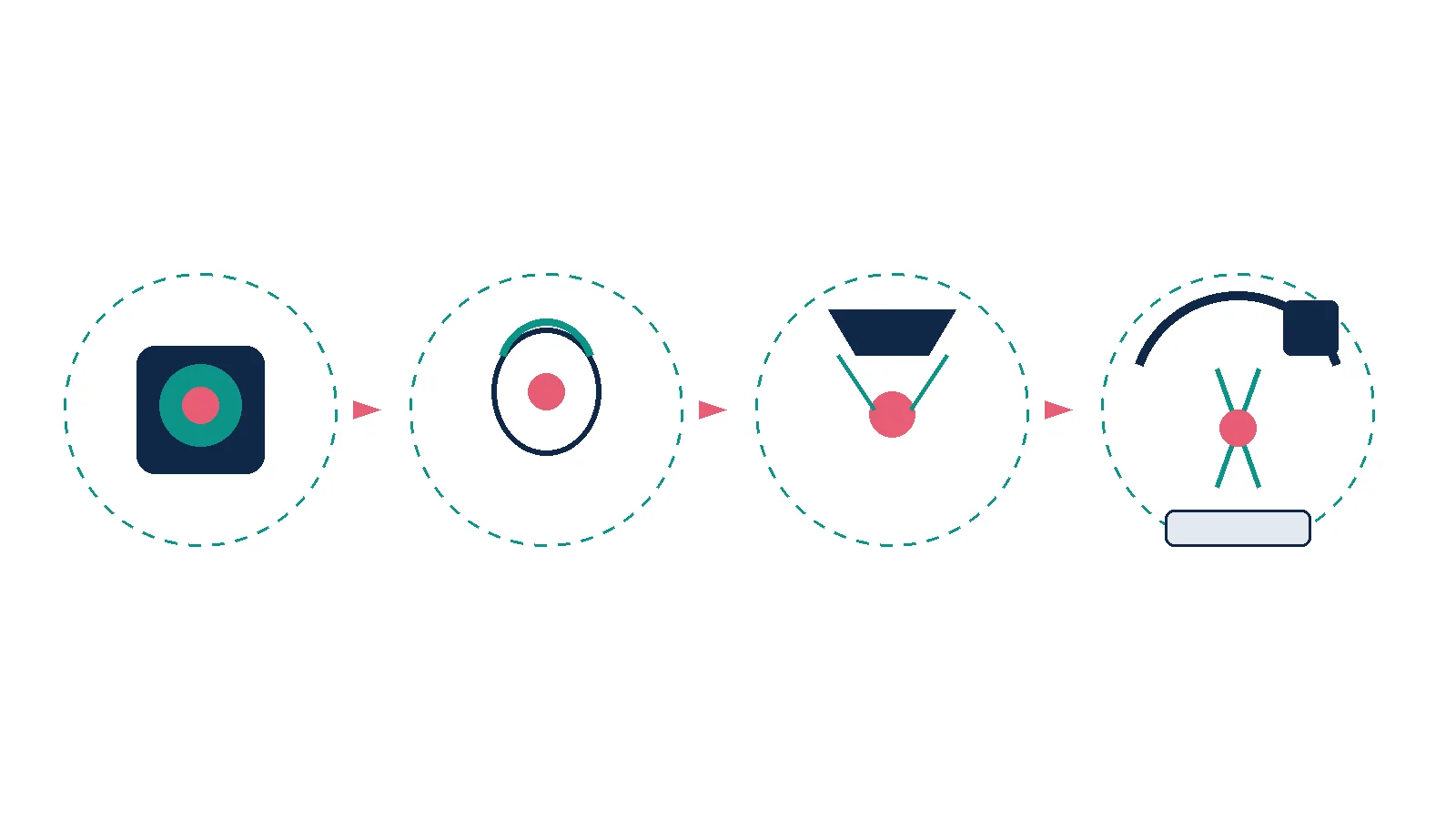
- Consultation. A radiation oncologist reviews diagnosis, pathology, imaging, previous treatment, medicines, symptoms and general health.
- Multidisciplinary assessment. Medical oncology, surgical oncology, neurosurgery, radiology, nuclear medicine and medical physics may be needed.
- Simulation. A planning CT and/or MRI is performed in the treatment position.
- Contouring. Gross tumour volume, clinical target volume, planning target volume and organs at risk are drawn.
- Treatment planning. Software calculates beam arrangements for coverage while respecting normal-tissue limits.
- Quality assurance. The plan undergoes technical and clinical checks. High-dose stereotactic work needs this step. AERB regulates Indian radiotherapy facilities, equipment, shielding and qualified staff.
- Delivery. The patient lies on the couch. The robotic arm delivers radiation according to the approved plan. Imaging verifies positioning. Beam-on is generally not felt. Couch time is often longer than a conventional fraction.
- Follow-up. MRI, CT, PET-CT, PSA, blood tests, neurological examination or symptom monitoring may be used. Timing depends on the disease.
There is no single standard number of sessions. Treatment may be 1, 3 or 5 fractions, or occasionally another schedule. Brain SRS may sometimes be one session. Extra-cranial SBRT commonly uses several. GAF planning is typically 1–5 sessions. That is a planning frame, not a prescription.
Side Effects, Recovery and Follow-Up
Radiation itself is not felt. There is no incision. Discomfort may come from lying still, immobilisation, existing tumour symptoms, temporary inflammation or fatigue. Side effects depend on site and dose. Absence of surgery does not mean absence of risk.
General. Fatigue, temporary discomfort, mild skin change, swelling or a temporary worsening of symptoms.
Brain. Headache, nausea, fatigue, temporary swelling, seizures in some patients, radiation necrosis, and location-specific neurological symptoms. Imaging changes after radiation do not always mean necrosis; recurrence and treatment effect can look similar.
Spine. Temporary pain flare, fatigue, nausea, vertebral compression fracture, or rare neurological complications. Cord dose constraints are essential.
Lung. Fatigue, cough, shortness of breath, chest discomfort, radiation pneumonitis or rare late lung injury. Pre-existing lung disease needs careful assessment.
Prostate. Urinary frequency, urgency, burning, weak stream, rectal irritation, loose stools, rectal bleeding or erectile dysfunction. Baseline function and technique matter.
Liver. Fatigue, nausea, abdominal discomfort, enzyme changes or radiation-induced liver injury.
Pancreas. Nausea, abdominal discomfort, fatigue, gastrointestinal irritation, or uncommon injury to nearby bowel or stomach.
Many patients return to usual activity relatively quickly because there is no surgical wound. The biological response continues after treatment. Tumour response is often assessed over weeks or months. Sudden severe shortness of breath, new weakness, loss of bladder or bowel control, high fever or uncontrolled bleeding belongs in a local emergency department.
CyberKnife Treatment Cost in India
GAF Healthcare planning is $11,000–$24,000, typically 1–5 sessions. US comparison is $30,000–$70,000. This is a preliminary planning range, not a fixed package price. Published Indian rupee listings vary widely by source and are not used as GAF quotations on this page.
Brain, prostate, lung, liver, spine, pancreas, head-and-neck and recurrent-tumour lists all sit inside that planning range. Actual quotations move with tumour site, size, number of lesions, fractions, previous radiation, tracking or fiducials, imaging, hospital and city. A brain list and a five-fraction prostate list are not the same product.
A quotation should state whether consultation, simulation, MRI fusion, planning software, medical physics, quality assurance, the CyberKnife sessions, therapist charges and an on-treatment review are inside the package. Patients should specifically ask about initial specialist consultation, MRI, PET-CT, biopsy, pathology review, blood tests, admission, medicines, sedation if required, complication management, follow-up imaging, accommodation, international-patient services and travel.
International Patient Pathway
Before travel, share diagnosis, pathology, latest MRI or CT, PET-CT where applicable, previous radiation plans and dates, chemotherapy details, surgical history, current medicines, blood reports and discharge summaries. The radiation oncologist can then decide whether CyberKnife is clinically appropriate.
A useful planning framework is 1–5 sessions, plus extra days for consultation, simulation and QA. Do not book a same-week return flight from an average session count.
- Send records.
- A radiation oncologist reviews whether CyberKnife, another radiation product, surgery, systemic therapy or a combination is the named list.
- Expected sessions, tracking technique and organ constraints are written down.
- An itemized estimate is issued. GAF CyberKnife planning is $11,000–$24,000.
- Stable planned cases travel after that review. Acute neurological change, cord compression, severe breathlessness or high fever is a local emergency.
- Simulation and imaging are repeated after arrival.
- The named CyberKnife course is delivered.
- The patient leaves with a follow-up plan and who will review scans at home.
Carry passport, previous records, pathology, biopsy slides or blocks if available, imaging and reports, previous radiation plans, chemotherapy and surgical records, a medicine list, recent blood tests and a referral letter. Keep digital copies.
GAF Healthcare can coordinate records, hospital sharing, appointments, visa documentation, airport transfer, accommodation near the bunker, interpreter support and follow-up messages. The treating radiation oncologist remains responsible for prescription and medical care.
Choosing a Centre, Questions and Combined Care
Do not choose a hospital solely because it owns a CyberKnife system. Ask about experience with this tumour type, multidisciplinary care, imaging and target delineation, medical physics and quality assurance, follow-up, and — if previously irradiated — cumulative dose planning.
Useful questions: Why CyberKnife for this condition? Is the intent curative, disease-controlling or palliative? What other options exist? How many sessions and what dose? Which organs sit nearby? What short-term and long-term effects are expected? Has this area been irradiated before? When is the next scan? Will chemotherapy, immunotherapy or surgery still be needed? What is included in the quotation? How long should the patient remain in India?
Repeat treatment is sometimes possible. Previous dose changes how much nearby tissue can still receive. The previous plan is essential.
CyberKnife itself is not a universal cure. For some localised tumours, stereotactic radiation can be used with curative intent. For metastatic disease it may control individual deposits, delay local progression, relieve symptoms, treat selected oligometastatic disease or complement systemic therapy. It does not physically remove a tumour. It can be considered after incomplete surgery, residual disease, recurrence or selected postoperative cavities. Re-irradiation is complex and should proceed only after expected benefit and risk are written down.
A machine brand is a weaker reason to choose a centre than the team’s experience with this site, physics QA, image guidance and motion management.
Frequently Asked Questions
Is CyberKnife better than Gamma Knife? Neither technology is universally better. Both are stereotactic radiation technologies. Location, size, number of lesions, previous treatment and the plan that can be safely achieved decide.
Is CyberKnife better than conventional radiotherapy? It provides highly focused stereotactic radiation for selected small or well-defined targets. Conventional radiotherapy remains appropriate for many tumours, especially when larger fields or conventional fractionation are required.
How many CyberKnife sessions are needed? Many treatments use between one and five sessions. The exact number depends on the tumour and treatment plan.
Is CyberKnife painful? The radiation itself is not painful. Patients may experience discomfort from positioning or develop side effects related to the treated body area.
Can CyberKnife treat brain, lung, prostate, liver or pancreatic cancer? Selected lesions at those sites can be considered. Suitability is individual. There is no live GAF lung-cancer, liver-cancer or head-and-neck-cancer treatment page.
Does CyberKnife require surgery or anaesthesia? No incision. Usually no general anaesthesia. Most patients remain awake.
Can CyberKnife treat recurrent cancer? Selected recurrent tumours, including some previously treated tumours, may be considered. Previous radiation must be reviewed.
How soon can I return home? Many patients can travel relatively soon after treatment. Timing depends on the disease, treatment site, symptoms and the doctor’s advice.
How much does CyberKnife cost in India? GAF Healthcare planning is $11,000–$24,000, typically 1–5 sessions. US comparison is $30,000–$70,000.
Which city in India is right? There is no single preferred city. Delhi NCR, Mumbai, Bengaluru, Chennai and Hyderabad are live GAF catalog cities.
When should I go to an emergency department? Sudden severe headache, new weakness, seizure, loss of bladder or bowel control, severe shortness of breath, high fever or uncontrolled bleeding belongs in a local emergency department.
Key Takeaways
- CyberKnife is a non-invasive, robotic, image-guided stereotactic platform. It does not make the patient radioactive and does not remove the tumour.
- It may be used for selected brain, spine, lung, liver, prostate, pancreas, head-and-neck and other sites. It is not automatic for every patient.
- SRS and SBRT are the clinical products. CyberKnife, Gamma Knife and linac systems are platforms. Protons are a neighbouring product, not an automatic upgrade.
- Many lists are outpatient. GAF planning is $11,000–$24,000, typically 1–5 sessions.
- A CyberKnife sticker is not a substitute for a named list, platform confirmation, planning and physics QA.
Why Choose GAF Healthcare for CyberKnife in India?
GAF Healthcare coordinates record review, a named CyberKnife list, an itemized estimate, accommodation near the bunker and follow-up messages. The first step is to establish whether CyberKnife is honest for this site, or whether SRS, SBRT, surgery, conventional EBRT, IMRT, protons or no India list should be named instead.
Share imaging, pathology and any previous radiation plan for a case-specific assessment.
Planned questions can also go to WhatsApp at +91 90443 46292. Emergency symptoms still belong in a local emergency department.
Medical Disclaimer
This page provides general educational information about CyberKnife robotic radiosurgery in India. It does not diagnose a cancer or determine whether CyberKnife is appropriate for an individual patient.
Treatment decisions should be made with a qualified radiation oncologist and, when appropriate, a multidisciplinary cancer team after reviewing imaging, previous dose and overall health.
Published treatment costs are indicative and can change between hospitals, cities, techniques and individual cases. A hospital's written quotation should be obtained before treatment or travel arrangements are finalized.
Treatment Process
- 1
Share records
The patient provides imaging, pathology and any previous radiation plan before anyone books travel.
- 2
Multidisciplinary review
A radiation oncologist reviews whether CyberKnife, SRS, SBRT, surgery, conventional EBRT or no India list is the honest product.
- 3
Confirm the platform
The team writes CyberKnife only after site, size, motion, previous dose and campus availability are reviewed.
- 4
Itemized estimate
GAF CyberKnife planning is $11,000–$24,000. Neighbouring SRS is $8,500–$18,000 and SBRT is $8,000–$17,500 when those products are named instead.
- 5
Travel if fit
Stable planned cases travel after records review. Cord compression or acute neurological change is a local emergency.
- 6
Simulation and tracking check
Planning CT, frameless immobilisation and image-guidance checks are repeated after arrival.
- 7
Deliver the named CyberKnife course
Robotic, image-guided fractions proceed only after physics QA.
- 8
Observation
Site-specific effects and medicines are watched before discharge.
- 9
Follow-up plan
The patient leaves with imaging timing and who will follow them after returning home.