
Treatment Overview
Pituitary tumor surgery in India is most commonly performed using an endoscopic transsphenoidal approach, in which the surgeon reaches the pituitary gland through the nose and sphenoid sinus rather than opening the skull. Surgery may be recommended when a pituitary tumour affects vision, causes neurological symptoms, produces excessive hormones, continues to grow, or does not respond adequately to other treatments.
Not every pituitary tumour requires surgery. The appropriate treatment depends on the tumour type, size, hormone activity, location, growth pattern, symptoms, and its relationship to the optic nerves and surrounding structures.
The named endoscopic corridor sits on Endoscopic Brain Surgery in India. Named tumour resection that still needs a craniotomy list sits on Brain Tumor Surgery in India. The skull opening itself, when required, sits on Craniotomy Surgery in India.
GAF Healthcare planning for pituitary tumor surgery is $5,000–$12,000 (typically 3–7 nights). US comparison is $40,000–$100,000. Named endoscopic brain surgery is $5,000–$12,000 (typically 3–7 nights) when that corridor is the product. Endoscopic skull base surgery is $6,000–$15,000 (typically 4–8 nights). Open skull base surgery is $8,000–$22,000 (typically 5–12 nights). Residual disease may sit on Gamma Knife at $10,500–$22,000 (typically 1 session) or SRS at $8,500–$18,000 (typically 1–5 sessions). These are planning ranges from partner hospital cost sheets, not hospital quotations. Combined open-and-endoscopic corridors, paediatric cases and pituitary apoplexy emergencies are quoted after case review.
International patients comparing neurosurgeons commonly start with Delhi NCR, Mumbai, Bengaluru, Chennai and Hyderabad. Endoscopic lists sit on Delhi NCR, Mumbai, Bengaluru, Chennai and Hyderabad. Partner neurosurgery hospitals in Delhi NCR, Mumbai and Bengaluru, and in Chennai and Hyderabad, are a typical first filter. City cost sheets include Delhi NCR, Mumbai, Bengaluru, Chennai and Hyderabad. Kolkata, Pune, Ahmedabad, Chandigarh and Kochi may have pituitary services, but they are not live GAF catalog cities on this site. Gurugram sits inside the Delhi NCR catalog city, not as a separate GEO path.
Evaluation usually involves a neurosurgeon, endocrinologist, neuroradiologist and, when endoscopic surgery is planned, an ENT/skull-base surgeon. The aim is not simply to remove as much tumour as possible, but to control the tumour while preserving normal pituitary function, vision, and nearby nerves and blood vessels.
Important: Pituitary tumour surgery is not a single standardised operation. A small ACTH-producing microadenoma and a large invasive nonfunctioning macroadenoma are different products with different risks, recovery and cost. This page is educational and does not replace individual specialist advice.
Pituitary Tumor Surgery in India at a Glance
| Factor | What patients should know |
|---|---|
| Procedure | Usually endoscopic transsphenoidal tumour removal or decompression |
| Access | Nose and sphenoid sinus; craniotomy only when anatomy requires it |
| Anaesthesia | General anaesthesia |
| GAF hospital stay | Typically 3–7 nights |
| Cost in India | GAF $5,000–$12,000; named sheets differ |
| Main specialists | Neurosurgeon + endocrinologist; ENT/skull-base surgeon may participate |
| Follow-up | MRI, hormone testing and visual-field assessment when indicated |
| Emergency | Sudden severe headache, sudden vision loss or reduced consciousness belongs in a local emergency department |
What Is a Pituitary Tumor?
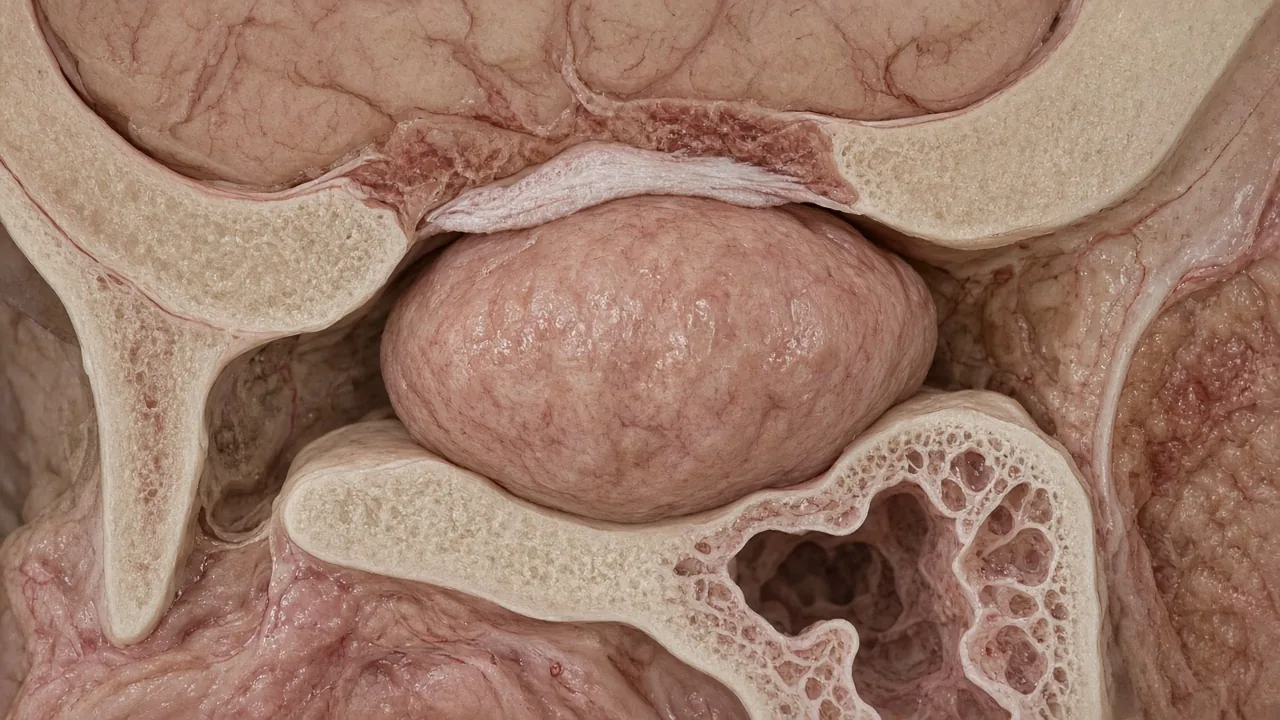
A pituitary tumour is an abnormal growth involving the pituitary gland, a small hormone-producing gland located at the base of the brain, just behind the nose.
Most pituitary tumours are benign adenomas rather than cancer. Even when they are benign, they can cause significant problems because of their location and their ability to alter hormone production.
A tumour can produce excessive hormones — prolactinoma, acromegaly or Cushing disease depending on the hormone involved — or it can press against nearby structures. A larger tumour may compress the optic chiasm and cause loss of peripheral vision. Small, nonfunctioning tumours are sometimes discovered incidentally during an MRI performed for another reason.
They are anatomically related to the brain but are distinct from many tumours that originate within the brain itself. Named intracranial tumour resection sits on Brain Tumor Surgery in India.
Ask whether pituitary surgery is appropriate
When Is Pituitary Tumor Surgery Needed?
There is no single tumour size at which surgery automatically becomes necessary. Doctors consider tumour size, hormone production, visual symptoms, MRI findings, growth on serial scans, compression of the optic chiasm, invasion into surrounding structures, loss of normal pituitary function, response to medication, pressure-related symptoms, sudden bleeding into the tumour, and overall surgical risk.
Surgery may be recommended when the tumour is compressing the optic nerves or chiasm, vision is deteriorating, a functioning tumour requires surgery as part of hormonal control, the tumour continues to grow, neurological symptoms are significant, hormones are not adequately controlled with medication, there is symptomatic pituitary apoplexy, or tissue diagnosis or tumour reduction is required.
The exact recommendation should be made after reviewing the MRI, hormone profile, visual assessment and clinical symptoms rather than relying on tumour size alone.
Which Pituitary Tumors Usually Require Surgery?
1. Prolactinoma
Medication is usually the first-line treatment. Dopamine agonists such as cabergoline can often reduce prolactin levels and shrink the tumour. Surgery may be considered when medication is ineffective, poorly tolerated, contraindicated, or when there is another specific reason for surgical treatment.
Being diagnosed with a pituitary tumour does not automatically mean an operation is necessary.
2. Growth hormone-producing tumour
A growth hormone-producing pituitary tumour can cause acromegaly in adults or excessive growth in children. For many patients with acromegaly, surgery is an important treatment because removing the tumour can reduce excessive hormone production and relieve pressure. Medication may be required before or after surgery.
3. ACTH-producing tumour
An ACTH-producing pituitary adenoma can cause Cushing disease. These tumours can sometimes be very small and difficult to identify clearly on routine imaging. Transsphenoidal surgery is commonly used. Hormone levels must be carefully monitored after surgery because cortisol production may change significantly.
4. TSH-producing tumour
A thyroid-stimulating hormone-producing pituitary adenoma is uncommon. Treatment may include surgery and, depending on the case, medical therapy or radiation.
5. Nonfunctioning pituitary tumour
A nonfunctioning tumour does not produce a clinically significant excess of a pituitary hormone. Surgery is commonly considered when the tumour compresses the optic apparatus, causes visual problems, produces significant pressure symptoms, or demonstrates concerning growth. For very large tumours, the objective may be safe decompression and tumour reduction rather than complete removal, particularly when the tumour has grown into the cavernous sinus.
Pituitary Tumor Size: Microadenoma vs Macroadenoma
A microadenoma is smaller than 10 mm. Some are discovered incidentally. Others produce hormones and cause significant endocrine symptoms despite their small size.
A macroadenoma is 10 mm or larger. Large tumours are more likely to affect nearby structures, particularly the optic chiasm.
Size alone does not determine whether surgery is necessary. A small functioning tumour can require treatment, while a larger tumour without symptoms may sometimes be monitored.
Symptoms of a Pituitary Tumor
Pressure symptoms can include headache, blurred vision, loss of peripheral vision, double vision, difficulty seeing objects to the side, facial pain or numbness, and drooping eyelid in certain situations.
Hormone excess can include menstrual irregularities, infertility, unexpected breast milk production, reduced libido, erectile dysfunction, enlargement of hands and feet, changes in facial appearance, excessive sweating, weight gain, easy bruising, muscle weakness, and changes in blood pressure or blood sugar.
Reduced pituitary function can include fatigue, reduced libido, menstrual changes, infertility, low thyroid hormone, low cortisol, reduced testosterone or estrogen, and changes in growth or development.
Pituitary Apoplexy: When It Is an Emergency
Pituitary apoplexy occurs when there is sudden bleeding or loss of blood supply within a pituitary tumour. It can present with sudden severe headache, sudden visual deterioration, double vision, nausea and vomiting, reduced alertness and new hormonal disturbances.
This is a medical emergency. Patients with these symptoms should go to a local emergency department rather than waiting for a routine consultation or sending a WhatsApp message.
How Is a Pituitary Tumor Diagnosed?
Dedicated pituitary MRI can show tumour size, exact location, suprasellar extension, relationship with the optic chiasm, cavernous sinus involvement, nearby blood vessels and changes compared with previous scans. A dedicated pituitary MRI can provide more detailed information than a routine brain MRI. Actual imaging files matter more than a written report alone.
Hormone testing may include prolactin, cortisol, ACTH, TSH, free T4, IGF-1, growth hormone assessment, LH, FSH, testosterone, estradiol, sodium and other relevant biochemical tests. Additional dynamic hormone tests may be required.
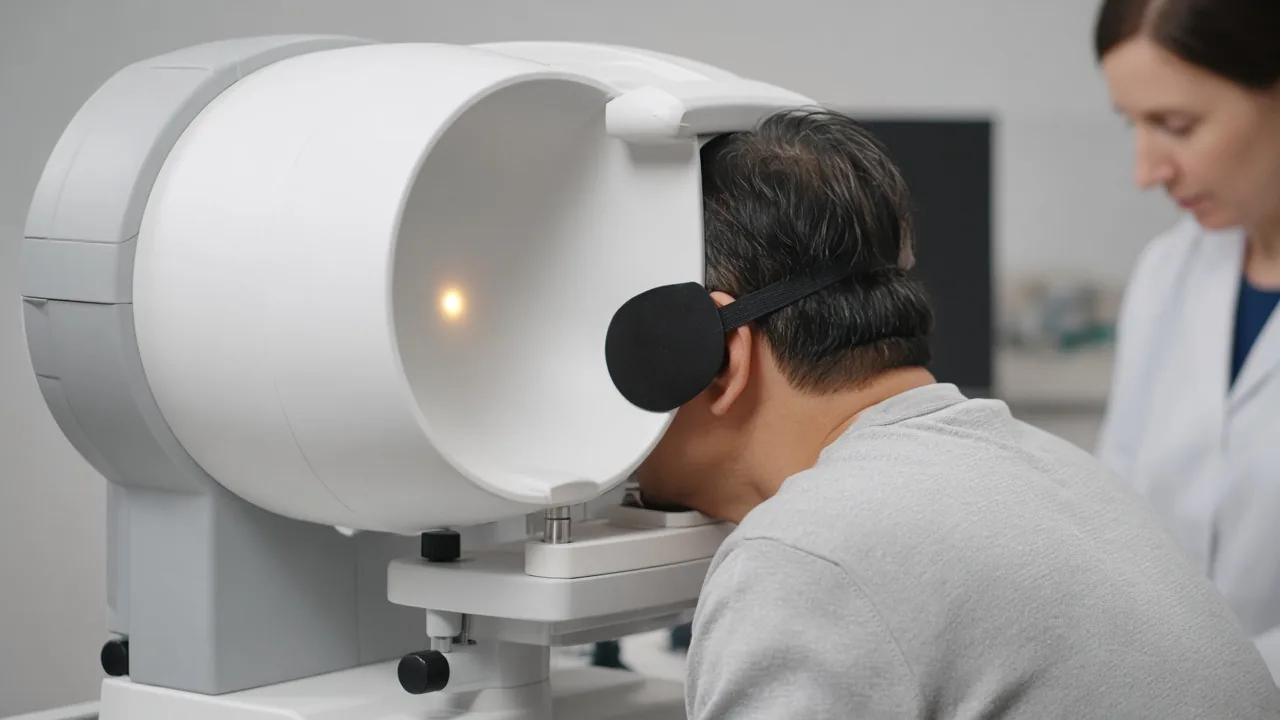
Visual-field testing documents whether peripheral vision has been affected when the tumour is close to the optic chiasm. Some patients also need a detailed eye examination for visual acuity, optic nerve function and eye movements.
What Is Endoscopic Transsphenoidal Pituitary Surgery?
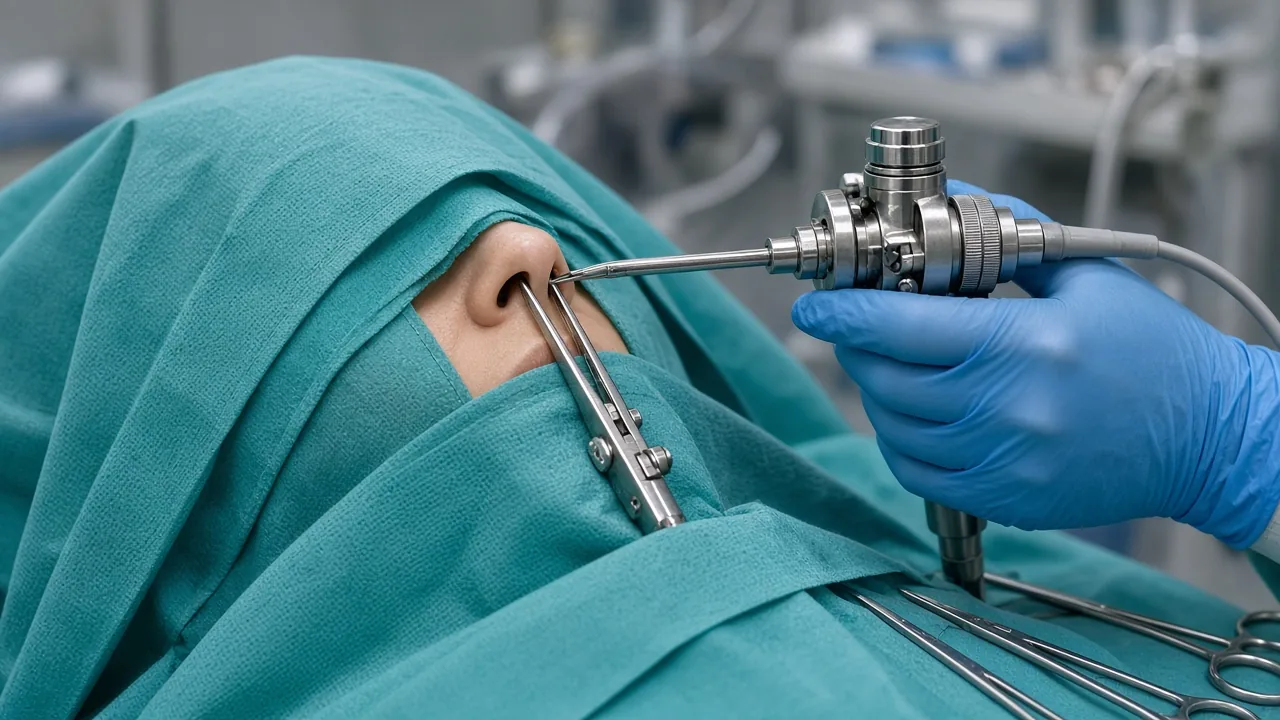
Endoscopic transsphenoidal surgery is the most commonly used surgical approach for many pituitary tumours. Instead of opening the skull, the surgeon usually reaches the tumour through the nasal cavity and sphenoid sinus.
A small endoscope provides visualization of the surgical field, while specialized instruments are used to remove the tumour. The named corridor product sits on Endoscopic Brain Surgery in India. This page is the named pituitary tumour product.
How Is Pituitary Tumor Surgery Performed?
Step 1: Anaesthesia. General anaesthesia.
Step 2: Nasal access. The surgical team accesses the sphenoid sinus through the nasal cavity. An ENT surgeon may work together with the neurosurgeon, particularly in complex skull-base procedures.
Step 3: Access to the sella. The surgeon creates an appropriate corridor to the sellar region.
Step 4: Tumor identification. The endoscope provides magnified visualization of the tumour and surrounding anatomy.
Step 5: Tumor removal. Specialized instruments remove the tumour, often in small pieces, while protecting normal pituitary tissue, optic nerves, major blood vessels, cranial nerves and other critical skull-base structures.
Step 6: Skull-base reconstruction. If necessary, the surgical opening is reconstructed to reduce the risk of cerebrospinal fluid leakage.
Step 7: Recovery. The patient is monitored for neurological status, vision, fluid balance and hormone function.
Request a named-procedure cost estimate
When Is Craniotomy Used?
Endoscopic transsphenoidal surgery is preferred for many pituitary tumours, but it is not appropriate for every anatomical situation. A craniotomy may be considered when the tumour has an unusual configuration or extension that cannot be safely reached through the transsphenoidal route. For some complex tumours, surgeons may use a combination of approaches or staged treatment.
What Is the Goal of Pituitary Tumor Surgery?
The goal is not always simply "complete tumour removal." Depending on the tumour, objectives may include removing the tumour completely when safely possible, decompressing the optic nerves, improving or protecting vision, reducing excessive hormone production, preserving normal pituitary function, reducing the risk of further growth, obtaining tissue for diagnosis, or creating safer conditions for subsequent medical or radiation treatment.
For tumours invading the cavernous sinus, attempting complete removal may carry greater risk. A surgeon may deliberately leave a small amount of tumour behind and monitor or treat the residual disease later.
Recovery After Pituitary Tumor Surgery
The first few days after surgery are particularly important because the pituitary gland controls several hormone systems and participates in the body's fluid balance. Doctors may monitor sodium, urine output, fluid intake, cortisol, other pituitary hormones, vision, neurological status, and nasal or cerebrospinal fluid leakage.
Patients may experience nasal congestion, headache, sore throat, fatigue, temporary changes in smell, and increased thirst or urination. Most postoperative symptoms improve progressively.
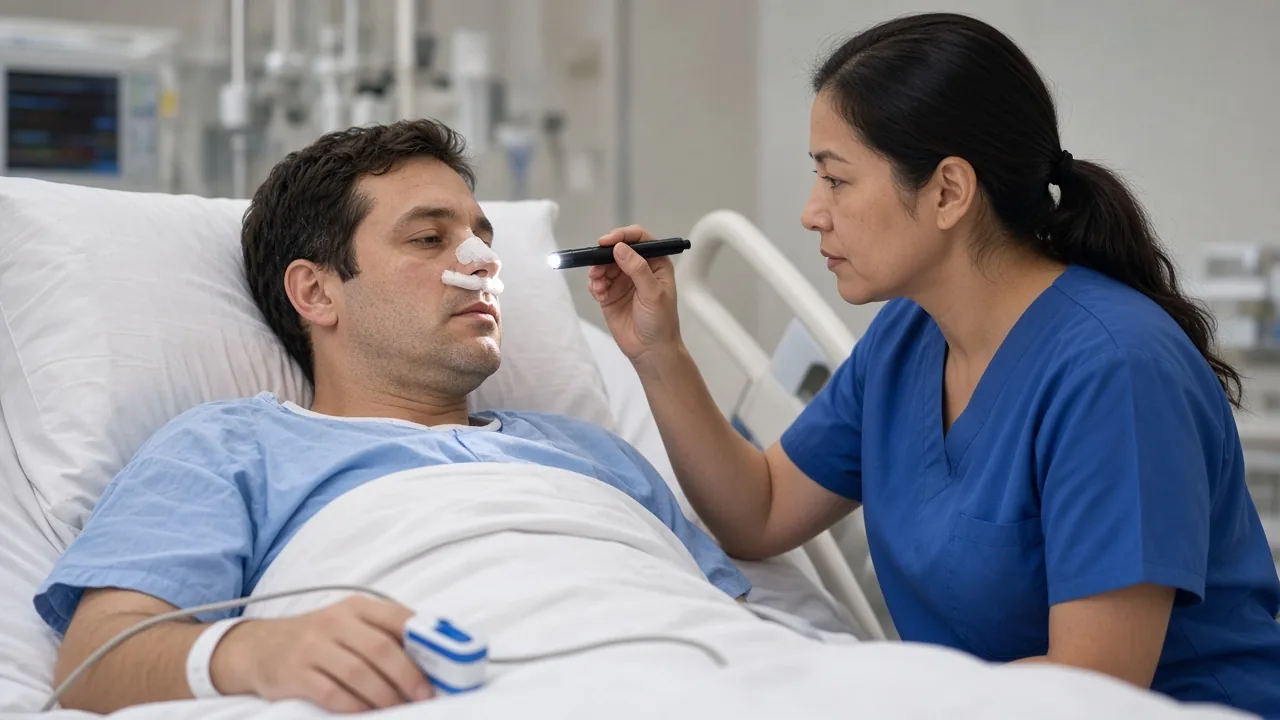
GAF planning for pituitary tumor surgery is typically 3–7 nights. Complex tumours, significant hormone disturbances, CSF leakage or other complications may require a longer admission. At home, patients are generally advised to avoid strenuous activity, heavy lifting and forceful nose blowing until their surgeon provides clearance.
Patients should avoid planning international travel immediately after surgery without clearance from their treating team.
Potential Risks and Complications
Possible complications include CSF leak, hormonal deficiency requiring replacement, diabetes insipidus or water-balance disturbance, delayed low sodium, bleeding, infection including meningitis, visual problems, vascular injury, and the need for additional treatment for residual tumour, recurrence or persistent hormone excess.
The operation is intended to protect or improve vision, but the optic nerves and surrounding structures are delicate. Major blood vessels sit close to the pituitary region. Vascular injury is rare but potentially serious.
Pituitary Tumor Surgery Success Rate
There is no single success rate that applies to every pituitary tumor. Outcomes depend on tumour type, size, hormone production, location, cavernous sinus invasion, relationship with the optic chiasm, previous surgery, surgical expertise and the definition of "success."
Surgical outcomes for a small ACTH-producing tumour cannot be directly compared with outcomes for a large invasive nonfunctioning macroadenoma. In Cushing disease, experienced centres commonly report remission rates in the range of approximately 70–90%, but individual results vary. Visual improvement is also common when a pituitary tumour has compressed the optic pathways, although recovery depends partly on how severe and prolonged the compression was.
Ask the surgeon for outcomes relevant to this specific tumour type, rather than relying on a general pituitary-surgery percentage.
Can a Pituitary Tumor Come Back After Surgery?
Yes. Recurrence or regrowth is possible, particularly when complete removal is not safely possible. Periodic MRI and endocrine evaluation may be required for years.
Residual tumour does not automatically mean that surgery has failed. Depending on the situation, doctors may recommend observation with serial MRI, medication, repeat surgery, Gamma Knife, SRS, conventional EBRT ($1,000–$6,000+) or a combination.
Alternatives to Pituitary Tumor Surgery
Medication is particularly important in prolactinomas and can also be used for certain hormone-producing tumours.
Radiation may be used for residual, recurrent or otherwise difficult-to-treat tumours.
Observation may be appropriate for some small, asymptomatic tumours monitored with MRI, hormone testing and clinical follow-up.
Request a named-procedure hospital estimate
WhatsApp +91 90443 46292 for an itemised pituitary estimate
Pituitary Tumor Surgery Cost in India
There is no medically responsible single price because treatment may range from a focused endoscopic microadenoma resection to complex skull-base reconstruction, hormone replacement and radiosurgery.
| Type / complexity | GAF planning | Typical stay |
|---|---|---|
| Pituitary tumor surgery | $5,000–$12,000 | 3–7 nights |
| Endoscopic brain surgery | $5,000–$12,000 | 3–7 nights |
| Endoscopic skull base surgery | $6,000–$15,000 | 4–8 nights |
| Skull base surgery | $8,000–$22,000 | 5–12 nights |
| Gamma Knife | $10,500–$22,000 | 1 session typical |
| SRS | $8,500–$18,000 | 1–5 sessions |
| Combined open-and-endoscopic corridors, paediatric cases, apoplexy | Quoted after case review | Depends on the case |
US comparison for pituitary tumor surgery is $40,000–$100,000.
Major cost factors include hospital and city, neurosurgeon fees, endoscopic versus more complex approach, tumour size and anatomy, preoperative MRI and hormone testing, ICU, length of stay, ENT/skull-base involvement, pathology, postoperative hormone replacement, complication management and additional surgery or radiation.
A written estimate should clarify specialist consultation, diagnostic work-up, surgeon and operating-room charges, hospital stay, ICU, pathology, postoperative hormone monitoring, medicines and follow-up. Do not compare two quotations only by the headline price.
City starting points:
- Delhi NCR pituitary tumor surgery cost
- Mumbai pituitary tumor surgery cost
- Bengaluru pituitary tumor surgery cost
- Chennai pituitary tumor surgery cost
- Hyderabad pituitary tumor surgery cost
Plan an international pituitary stay
Why Consider India for Pituitary Tumor Surgery?
India has established neurosurgical and endocrine centres that manage complex brain, skull-base and pituitary disorders. A pituitary treatment centre should ideally have experienced pituitary/skull-base neurosurgeons, endocrinology, advanced MRI, neuro-ophthalmology or formal visual-field testing, endoscopic skull-base surgery, neurocritical care, histopathology, radiation oncology, stereotactic radiosurgery where appropriate, postoperative hormone replacement and multidisciplinary decision-making.
Patients should evaluate hospitals based on the complexity of the tumour, not simply by hospital brand or price.
Catalog hospitals currently affiliated with tagged pituitary lists include Artemis Hospital and Medanta in Delhi NCR, Gleneagles Hospital in Mumbai, Apollo Hospitals on Bannerghatta Road in Bengaluru, MGM Healthcare and Apollo Proton Cancer Centre in Chennai, and KIMS Hospitals in Hyderabad. A catalog tag is not a volume, outcome or ranking claim.
Named clinicians currently tagged to pituitary lists include Dr. Aditya Gupta and Dr. Sudhir Dubey in Delhi NCR; Dr. Suresh Sankhla and Dr. Nitin Dange in Mumbai; Dr. K Kartik Revanappa and Dr. Girish Krishna Joshi in Bengaluru; Dr. V. R. Roopesh Kumar and Dr. Ari G Chacko in Chennai; and Dr. Sujit Kumar Vidiyala and Dr. Manas Kumar Panigrahi in Hyderabad.
Find a pituitary surgeon in India
WhatsApp +91 90443 46292 to match a pituitary surgeon
How to Choose a Pituitary Surgery Team
Pituitary surgery sits at the intersection of neurosurgery and endocrinology. A strong pathway may involve a neurosurgeon, endocrinologist, ENT/skull-base surgeon, neuroradiologist, ophthalmologist or neuro-ophthalmologist, and a radiation oncologist when residual disease requires radiosurgery.
- Neurosurgery hospitals in Delhi NCR
- Neurosurgery hospitals in Mumbai
- Neurosurgery hospitals in Bengaluru
- Neurosurgery hospitals in Chennai
- Neurosurgery hospitals in Hyderabad
What Medical Records Should International Patients Send?
Ideally provide MRI report and images, hormone reports, visual-field report, previous biopsy or pathology, previous treatment details and current medications.
MRI images are generally more useful than sending only the MRI report, because the neurosurgical team needs to assess the actual anatomy.
Can a Patient Travel to India for Pituitary Tumor Surgery?
Yes, for stable patients after records review. Sudden severe headache, sudden vision loss, double vision, vomiting, confusion or reduced consciousness belongs in a local emergency department — these symptoms can occur with pituitary apoplexy.
GAF planning distinguishes hospital stay from total stay in India. Pituitary tumor surgery is typically 3–7 nights in hospital. Combined evaluation, endocrine review, pathology and fitness to fly usually take longer. Keep the return flight flexible until the treating team confirms fitness for travel.
Request a pituitary treatment plan
Questions to Ask Your Pituitary Surgeon
Ask what type of pituitary tumour is present, whether it is functioning or nonfunctioning, which hormones are affected, how large it is, whether it is touching or compressing the optic chiasm, whether it extends into the cavernous sinus, whether surgery is definitely needed, whether medication could be appropriate instead, whether endoscopic transsphenoidal surgery is appropriate for this anatomy, whether complete removal is realistic, what happens if some tumour has to be left behind, how hormones and vision will be monitored, whether hormone replacement may be needed, what the risks of CSF leak are, how long hospital stay might be, when air travel is possible, when the next MRI is due, and what the plan is if the tumour recurs.
Frequently Asked Questions About Pituitary Tumor Surgery in India
Is pituitary tumor surgery dangerous?
Pituitary surgery is performed near important nerves, blood vessels and hormone-regulating structures, so complications are possible. Modern endoscopic transsphenoidal surgery is designed to reach the tumour while minimizing disruption to surrounding brain tissue, but the individual risk depends heavily on tumour anatomy and patient factors.
Is pituitary surgery performed through the nose?
Yes. Most pituitary tumours requiring surgery can be approached through the nose using an endoscopic transsphenoidal technique.
Does pituitary surgery involve opening the skull?
Usually not. A craniotomy is reserved for selected tumours whose anatomy or extension makes a transsphenoidal approach unsuitable.
How much does pituitary tumor surgery cost in India?
GAF pituitary tumor surgery planning is $5,000–$12,000. Named endoscopic, skull-base and radiosurgery sheets differ. A written estimate after records review is required.
How many days do I need to stay in the hospital?
GAF planning is typically 3–7 nights. Some hospital pages quote a shorter stay after uncomplicated endoscopic surgery. International patients should allow additional time for endocrine review and clearance to travel.
Can vision improve after pituitary tumor surgery?
Yes. When visual impairment is caused by pressure on the optic pathways, vision can improve after decompression. The degree of recovery varies, and prolonged or severe optic nerve compression may reduce the likelihood of complete recovery.
Will I need hormone replacement after surgery?
Some patients do and some do not. Pituitary hormone function is carefully evaluated after surgery. Replacement may be temporary or permanent.
Can a pituitary tumor be treated without surgery?
Yes. Prolactinomas are commonly treated with medication. Some small asymptomatic tumours can also be monitored rather than treated immediately.
Is a pituitary tumor cancer?
Most pituitary tumours are not cancerous. Pituitary carcinomas are extremely rare.
Can international patients have pituitary tumor surgery in India?
Yes, subject to medical suitability, travel requirements and the treating hospital's assessment. Medical records, MRI images and hormone reports should generally be reviewed before travel.
When Should You Seek Urgent Medical Attention?
Go to a local emergency department if you develop sudden severe headache, sudden vision loss, double vision, vomiting, confusion or reduced consciousness. These symptoms can occur with pituitary apoplexy or a postoperative CSF leak. This is not a WhatsApp question.
Key Takeaways
- A pituitary tumour does not automatically mean surgery.
- Many pituitary tumours are benign adenomas. Prolactinomas are often treated first with medication.
- Endoscopic transsphenoidal surgery is the most common surgical approach and is usually performed through the nose.
- GAF planning for pituitary tumor surgery is $5,000–$12,000 (typically 3–7 nights). Named sheets differ.
- Hormone testing is as important as MRI in planning treatment.
- Large or invasive tumours may not be completely removable without unacceptable risk.
- Residual tumour can often be monitored or treated with medication or radiation.
- Sudden severe headache, sudden vision loss or reduced consciousness belongs in a local emergency department.
- International patients should obtain a case-specific written estimate rather than relying on a generic online price.
Share MRI, hormone reports and visual-field results before making travel arrangements. A case-specific specialist opinion is more useful than a brochure pituitary package.
Share imaging for a pituitary review
Message a coordinator on WhatsApp
Request a cost review on WhatsApp
Top 10 Medical Sources
- NCI — Pituitary Tumors Treatment (PDQ) — surgical approaches including endoscopic transsphenoidal surgery.
- Mayo Clinic — Pituitary tumors: diagnosis and treatment — diagnosis and treatment options.
- Mayo Clinic — Pituitary tumors: symptoms and causes — clinical presentation.
- Johns Hopkins Medicine — Endoscopic pituitary surgery — endonasal corridor.
- Pituitary Society — Non-functioning pituitary tumours — consensus on nonfunctioning adenomas.
- Pituitary Society — Prolactinoma — medical first-line treatment.
- Endotext — Surgical treatment of pituitary adenomas — surgical decision-making.
- NCI PDQ — Adult CNS tumors — neighbouring intracranial pathway.
- GAF Healthcare pituitary tumor surgery — partner USD planning range for the theatre list.
- GAF Healthcare endoscopic brain surgery and Gamma Knife — neighbouring corridor and radiosurgery sheets.
Last reviewed against the cited sources: September 2026.
Medical Disclaimer
This page is intended for general educational purposes and should not replace an examination or treatment recommendation from a qualified neurosurgeon or endocrinologist. Pituitary tumours vary substantially in their biology, hormone activity and anatomical extension. The decision to undergo surgery should be based on individual clinical assessment, hormone testing, MRI findings, visual function and the recommendations of the treating multidisciplinary team.
If you develop sudden severe headache, sudden vision loss, double vision, vomiting, confusion or reduced consciousness, seek urgent medical attention in a local emergency department because these symptoms can occur with pituitary apoplexy.
Treatment Process
- 1
Share medical records
The patient provides pituitary MRI files, hormone reports, visual-field results when available and a short description of current symptoms.
- 2
Neurosurgical and endocrine review
A neurosurgeon and endocrinologist review whether the target is a prolactinoma, acromegaly, Cushing disease, a nonfunctioning macroadenoma or another sellar mass.
- 3
Procedure selection
The team names endoscopic transsphenoidal resection, decompression, observation, medication or a craniotomy list rather than a generic pituitary package.
- 4
Medical optimisation
Hormone replacement, visual status, anaesthesia fitness and any ENT participation are addressed before planned surgery.
- 5
Itemized estimate
The hospital quotes the named sheet plus ICU, pathology, reconstruction and endocrine monitoring, not a brochure overnight package.
- 6
Travel to India
Stable patients travel after records review. Sudden severe headache or vision loss is a local emergency, not a reason to delay care for international travel.
- 7
Surgery
The tumour is removed or decompressed through the named transsphenoidal corridor, with reconstruction when the skull base is opened.
- 8
Hormone and fluid monitoring
Sodium, urine output, cortisol and other pituitary hormones are watched closely in the first days after surgery.
- 9
Adjuvant planning
Medication, Gamma Knife, SRS, surveillance or further surgery is added when residual disease or hormone excess remains.
- 10
Return home
The patient leaves with a written summary covering diagnosis, hormone replacement, nose-blowing limits, warning signs and the MRI schedule.