
Treatment Overview
Endoscopic brain surgery in India is a minimally invasive neurosurgical technique that uses a small camera called an endoscope to reach selected areas of the brain, skull base, ventricles, pituitary region, or nearby structures through a natural opening such as the nose or through a small cranial opening.
Unlike conventional open brain surgery, some endoscopic procedures can avoid a large scalp incision and extensive removal of skull bone. Endoscopic surgery is not suitable for every brain condition. The safest approach depends on the location, size, type and extent of the lesion, its relationship with blood vessels and nerves, and the surgeon's assessment.
The skull opening itself, when needed, sits on Craniotomy Surgery in India. Named tumour resection sits on Brain Tumor Surgery in India. Spinal column disease sits on Spine Tumor Surgery in India.
GAF Healthcare planning for endoscopic brain surgery is $5,000–$12,000 (typically 3–7 nights). US comparison is $30,000–$80,000. Named endoscopic skull base surgery is $6,000–$15,000 (typically 4–8 nights). Pituitary tumor surgery is $5,000–$12,000 (typically 3–7 nights). ETV is $3,000–$8,000 (typically 2–5 nights). Neighbouring hydrocephalus surgery (shunt lists) is $3,000–$8,000 (typically 3–7 nights). Open skull base surgery is $8,000–$22,000 (typically 5–12 nights). Brain tumor surgery remains $6,000–$15,000 (typically 5–10 nights) when a craniotomy list is the honest product. These are planning ranges from partner hospital cost sheets, not hospital quotations. Combined open-and-endoscopic corridors and paediatric cases are quoted after case review.
International patients comparing neurosurgeons commonly start with Delhi NCR, Mumbai, Bengaluru, Chennai and Hyderabad. Pituitary lists sit on Delhi NCR, Mumbai, Bengaluru, Chennai and Hyderabad. Partner neurosurgery hospitals in Delhi NCR, Mumbai and Bengaluru, and in Chennai and Hyderabad, are a typical first filter. City cost sheets include Delhi NCR, Mumbai, Bengaluru, Chennai and Hyderabad. Kolkata, Pune, Ahmedabad, Chandigarh and Kochi may have neuroendoscopic services, but they are not live GAF catalog cities on this site. Gurugram sits inside the Delhi NCR catalog city, not as a separate GEO path.
Important: Endoscopic brain surgery is not a single standardised operation. A pituitary adenoma, an ETV for hydrocephalus and an extensive endonasal skull-base tumour are different products with different risks, recovery and cost. This page is educational and does not replace individual specialist advice.
Endoscopic Brain Surgery in India at a Glance
| Factor | What patients should know |
|---|---|
| Procedure type | Minimally invasive neurosurgery |
| Anaesthesia | Usually general anaesthesia |
| Access route | Nose, small skull opening or ventricular corridor, depending on the condition |
| Common applications | Pituitary tumours, selected skull-base tumours, hydrocephalus, intraventricular lesions and cysts |
| GAF hospital stay | Endoscopic brain surgery: typically 3–7 nights |
| Cost in India | GAF $5,000–$12,000; named sheets differ |
| Main specialist | Neurosurgeon; ENT/skull-base surgeon may participate in endonasal procedures |
| Suitability | Determined individually after MRI/CT and clinical assessment |
| Emergency | Sudden severe headache, new weakness, seizure, vision change or clear fluid from the nose belongs in a local emergency department |
What Does Endoscopic Brain Surgery Mean?
The word endoscopic refers to the use of an endoscope — a camera and light source that allow the surgical team to see structures through a narrow operative corridor. Modern systems may also use high-definition visualization, image guidance, neuronavigation and specialized instruments.
In endoscopic endonasal surgery, the surgeon can approach selected lesions through the nasal passages and sinus spaces to reach the skull base. This route can provide a direct path to certain midline lesions without passing through normal brain tissue or requiring brain retraction.
The phrase "endoscopic brain surgery" is therefore broader than one operation. It describes a group of techniques rather than a single standardized procedure.
Ask whether an endoscopic corridor is appropriate
Types of Endoscopic Brain Surgery
The exact operation depends on the disease being treated.
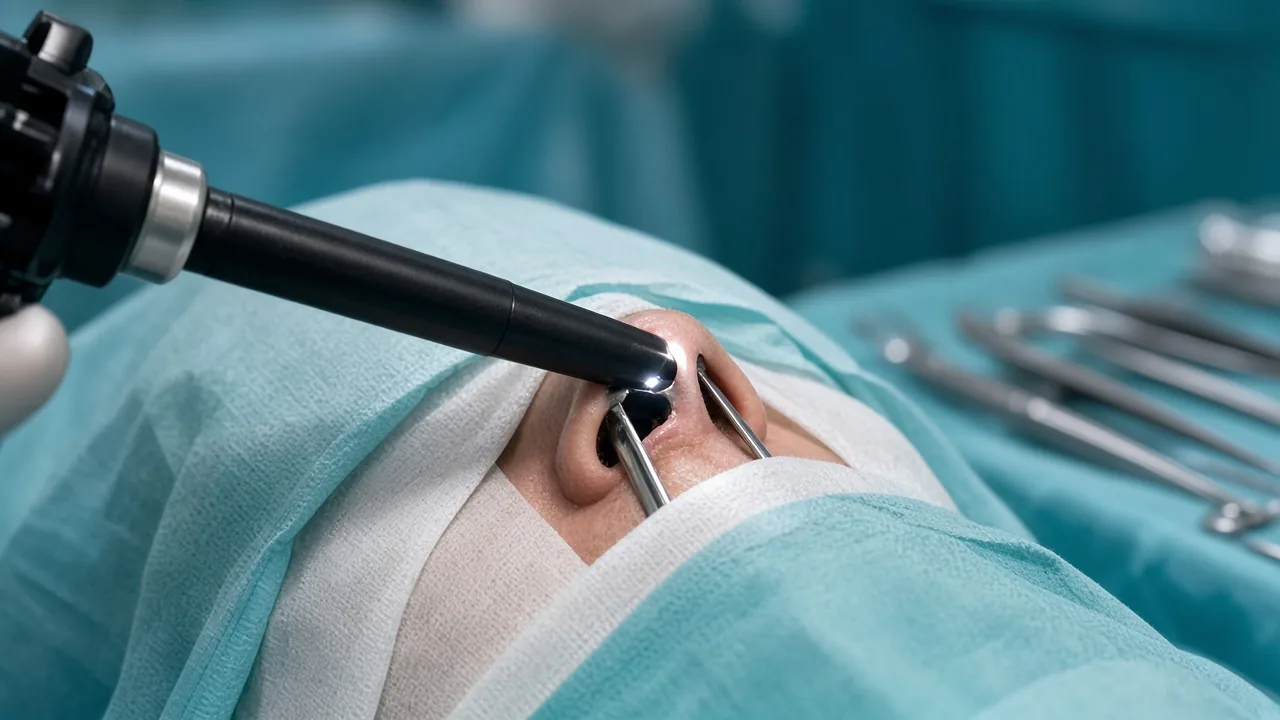
1. Endoscopic endonasal surgery
This technique uses the nasal passages as the surgical corridor. The endoscope passes through the nostril and nasal cavity toward the appropriate sinus and skull-base region. Selected tumours around the pituitary and skull base can be approached this way.
This is also called endoscopic endonasal surgery, an endoscopic endonasal approach (EEA), endoscopic transsphenoidal surgery, or endoscopic skull-base surgery when that named sheet is the honest product.
2. Endoscopic transsphenoidal surgery
This is particularly important in the treatment of pituitary tumours. The surgeon reaches the pituitary region through the nose and sphenoid sinus. The National Cancer Institute recognizes endoscopic transsphenoidal surgery as an established surgical approach for selected pituitary tumours.
It can be used for selected pituitary adenomas, functioning and non-functioning pituitary tumours, tumours causing visual problems, and tumours producing excess hormones. Treatment selection depends on the tumour's size, type, hormonal activity and extension into surrounding structures.
Named pituitary tumor surgery is $5,000–$12,000 (typically 3–7 nights) when that is the product rather than a generic endoscope count. The named tumour product sits on Pituitary Tumor Surgery in India.
3. Endoscopic skull base surgery
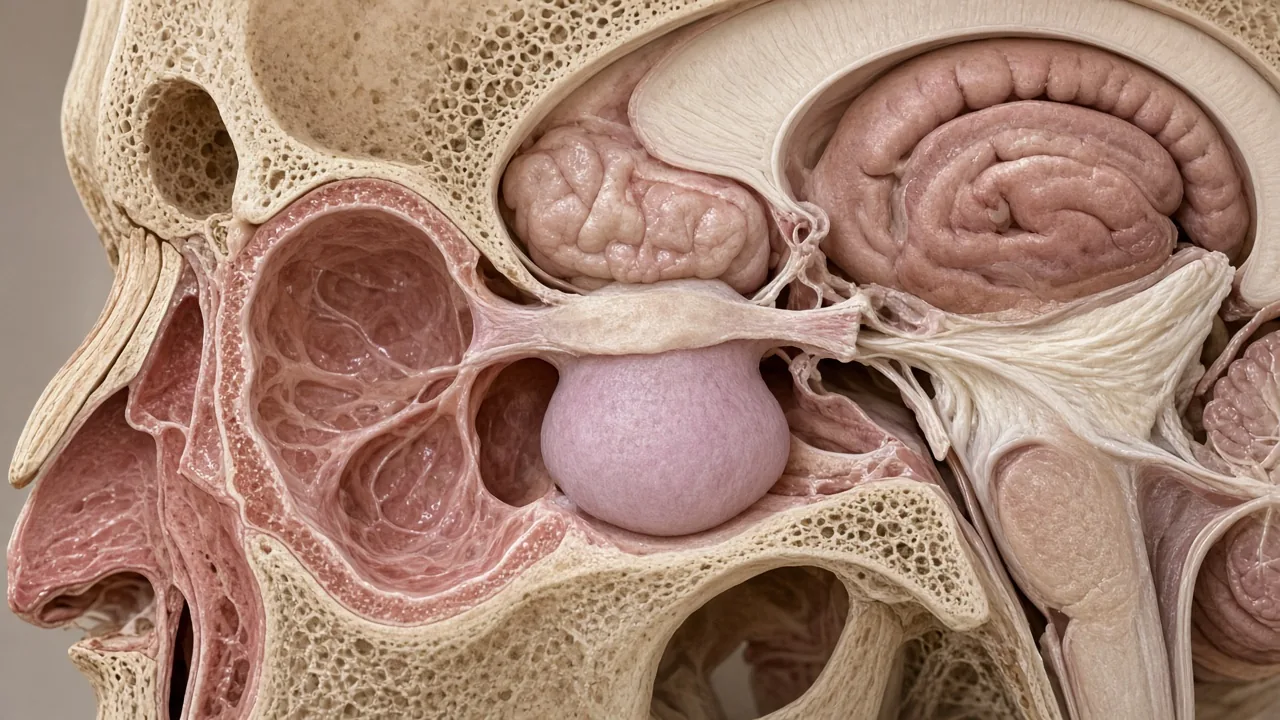
Endoscopic techniques have expanded beyond the pituitary gland. Selected lesions involving the sellar and suprasellar region, tuberculum sellae, clivus, anterior skull base, selected parasellar areas and selected petroclival regions may be considered for an endoscopic approach.
The anatomy is complex, and the suitability of an endoscopic route varies considerably between individual patients. Named endoscopic skull base surgery is $6,000–$15,000 (typically 4–8 nights). Open skull base surgery remains $8,000–$22,000 (typically 5–12 nights) when a wider corridor is the honest list.
4. Endoscopic surgery for hydrocephalus
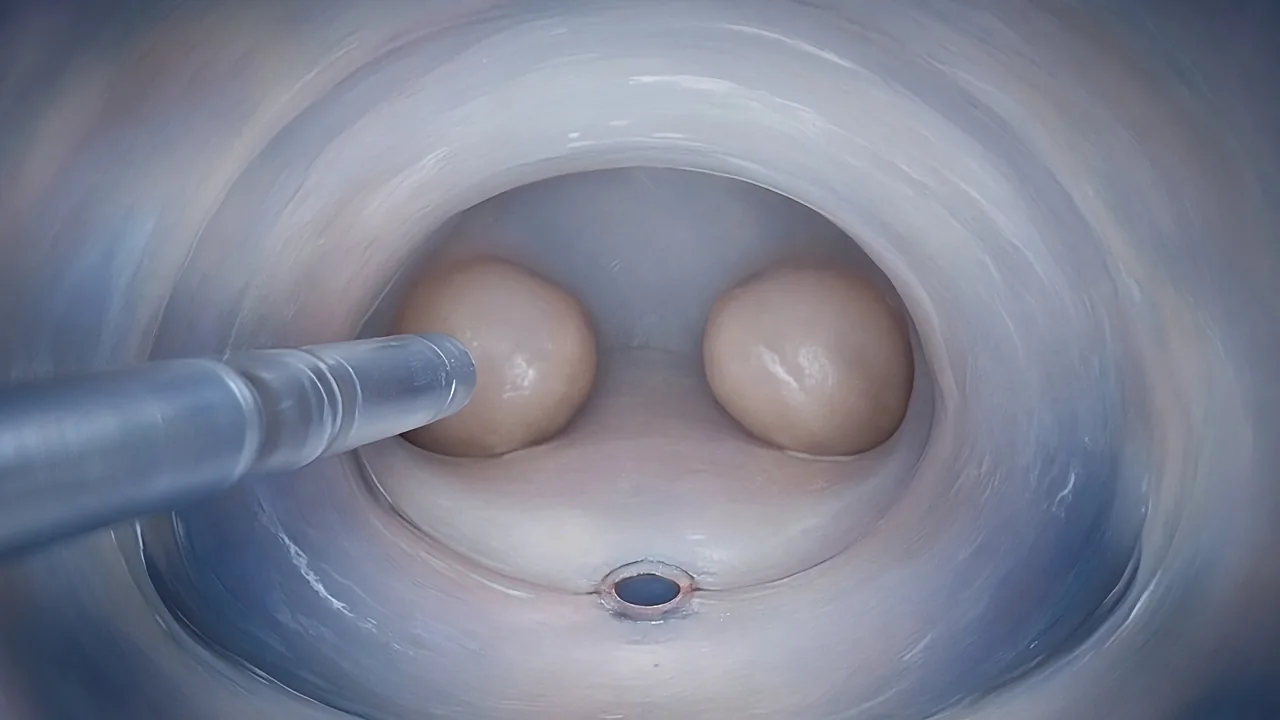
Endoscopic third ventriculostomy (ETV) is another important neuroendoscopic procedure. Instead of inserting a permanent shunt, the surgeon creates an opening in the floor of the third ventricle to allow cerebrospinal fluid (CSF) to bypass an obstruction.
ETV is particularly considered for selected patients with obstructive hydrocephalus, although it is not appropriate for everyone. Named ETV is $3,000–$8,000 (typically 2–5 nights). Neighbouring hydrocephalus surgery is $3,000–$8,000 (typically 3–7 nights) when a shunt list is the product. The named shunt and ETV products sit on Hydrocephalus Surgery in India.
5. Endoscopic surgery for intraventricular lesions
Some lesions located inside the brain's ventricular system can be approached using neuroendoscopy. Depending on the anatomy and diagnosis, endoscopy may be used for selected intraventricular tumours, colloid cysts, arachnoid cysts, hydrocephalus and selected ventricular lesions.
Which Conditions Can Be Treated With Endoscopic Brain Surgery?
Endoscopic techniques may be considered for selected patients with pituitary adenomas, selected craniopharyngiomas, selected meningiomas, chordomas, chondrosarcomas, selected skull-base tumours, selected intraventricular tumours, obstructive hydrocephalus, colloid cysts, selected arachnoid cysts, certain CSF leaks, selected brain cysts and selected skull-base defects.
The diagnosis alone does not determine whether endoscopic surgery is appropriate. Two patients with the same type of brain tumour may require different surgical approaches because their tumours occupy different locations or have different relationships with blood vessels, nerves and normal brain tissue.
Share MRI for an endoscopic neurosurgical opinion
When Is Endoscopic Brain Surgery Recommended?
A neurosurgeon may consider an endoscopic approach when the lesion can be safely reached through an endoscopic corridor.
Location. The lesion must be accessible through a safe surgical pathway.
Size. Very large or extensive lesions may require another approach or a combined surgical strategy.
Relationship with important structures. The surgeon evaluates major blood vessels, cranial nerves, optic nerves, pituitary gland, hypothalamus, brain tissue and skull-base structures.
Tumour extension. A lesion extending into areas that cannot be safely accessed endoscopically may require another surgical approach.
Previous surgery. Previous operations can change anatomy and influence whether an endoscopic procedure remains appropriate.
Patient health. Medical conditions, anaesthesia risk and neurological status are also considered.
Endoscopic Brain Surgery vs Open Brain Surgery
Endoscopic surgery should not simply be considered "better" than open surgery. The two approaches are different tools for different anatomical situations.
| Feature | Endoscopic approach | Open/craniotomy approach |
|---|---|---|
| Surgical access | Narrow endoscopic corridor | Larger operative exposure |
| Scalp incision | May be avoided in endonasal surgery | Usually required |
| Skull opening | Small or none for some approaches | Larger bone opening |
| Brain retraction | May be reduced or avoided in selected endonasal procedures | May be required depending on approach |
| Visualization | Endoscopic camera | Operating microscope/exoscope and direct exposure |
| Suitable lesions | Selected locations | Broad range of lesions |
| Recovery | May be shorter for selected procedures | Depends on surgery and condition |
| Suitability | Highly anatomy-dependent | Also anatomy-dependent |
Research on endoscopic endonasal surgery highlights its direct access to selected ventral skull-base lesions and potential to avoid brain retraction, while also emphasizing limitations and complications such as CSF leakage.
The corridor, risks and recovery of an open skull opening sit on Craniotomy Surgery in India.
Is Endoscopic Brain Surgery Really Minimally Invasive?
Yes, in the appropriate context. But "minimally invasive" does not mean "minor."
Endoscopic skull-base surgery can involve extremely delicate structures, including major arteries, cranial nerves, optic pathways, pituitary gland, hypothalamus, brain coverings and skull-base bone. The incision or access corridor may be small, but the underlying operation can be highly complex.
This is why complex endoscopic skull-base surgery is generally performed by specialized teams with experience in skull-base anatomy and reconstruction.
How Is Endoscopic Brain Surgery Performed?
Step 1: Diagnostic evaluation. MRI brain, contrast-enhanced MRI, CT of the skull base or sinuses, MR or CT angiography when vascular anatomy needs evaluation, hormonal testing for pituitary disease, and visual-field assessment when indicated. Actual imaging files matter more than a written report alone.
Step 2: Multidisciplinary planning. Complex endoscopic skull-base surgery may involve both a neurosurgeon and an ENT/skull-base surgeon. Stanford describes a two-surgeon model involving neurosurgery and otolaryngology for endoscopic endonasal procedures.
Step 3: General anaesthesia. Endoscopic brain and skull-base procedures are generally performed under general anaesthesia.
Step 4: Endoscopic access. For an endonasal operation, the endoscope is introduced through the nostril. For other neuroendoscopic procedures, a small opening in the skull may be created.
Step 5: Lesion treatment. Depending on the condition, the surgeon may remove a tumour, decompress a structure, drain a cyst, create an opening for CSF drainage, obtain tissue for pathology, or repair a skull-base defect.
Step 6: Skull-base reconstruction when required. Some endonasal operations create a defect in the skull base. That defect may need reconstruction to prevent CSF leakage. Vascularized nasal flaps have substantially improved the management of postoperative CSF leakage.
Step 7: Recovery and monitoring. The team monitors neurological changes, hormonal abnormalities, CSF leakage, infection, vision changes, bleeding, nasal complications, and fluid and electrolyte abnormalities.
Request a named-procedure cost estimate
What Are the Benefits of Endoscopic Brain Surgery?
For appropriately selected patients, endoscopic approaches may provide smaller or hidden access, reduced brain manipulation, high-definition visualization within narrow anatomical spaces, access to selected skull-base locations that are difficult to reach with traditional approaches, potentially faster recovery, and no conventional external scalp incision in endonasal surgery.
These are potential advantages, not promises. Anatomy, not the desire for a smaller incision, decides the route.
What Are the Risks of Endoscopic Brain Surgery?
Every brain or skull-base operation carries potential risks. Endoscopic surgery does not eliminate those risks.
Potential complications include CSF leakage, meningitis or other infection, bleeding, blood-vessel injury, cranial nerve injury, visual deterioration, pituitary hormone problems, diabetes insipidus, electrolyte abnormalities, nasal or sinus problems, loss or alteration of smell, incomplete tumour removal, tumour recurrence, need for additional surgery, and anaesthesia-related complications.
Reviews of endoscopic endonasal skull-base surgery specifically identify CSF leak, cranial nerve dysfunction, pituitary dysfunction, internal carotid artery injury and infection among recognized complications. The actual risk for an individual patient can be very different depending on the disease and surgical anatomy.
What Is a CSF Leak?
Cerebrospinal fluid (CSF) is the clear fluid surrounding the brain and spinal cord. During some skull-base operations, the normal barrier between the nasal cavity and the intracranial space has to be opened. If the reconstruction does not adequately seal the defect, CSF can leak into the nose.
Persistent CSF leakage can increase the risk of intracranial infection, including meningitis. For this reason, skull-base reconstruction is a major component of modern endoscopic surgery.
Recovery After Endoscopic Brain Surgery
Recovery is highly individual. A patient undergoing endoscopic pituitary surgery may have a very different recovery from someone undergoing an extensive endoscopic skull-base tumour operation.
Immediately after surgery the team monitors neurological function, vision, fluid balance and hormonal status. During the first few days the patient may experience nasal congestion, headache, fatigue, mild nausea, nasal discomfort or reduced sense of smell.
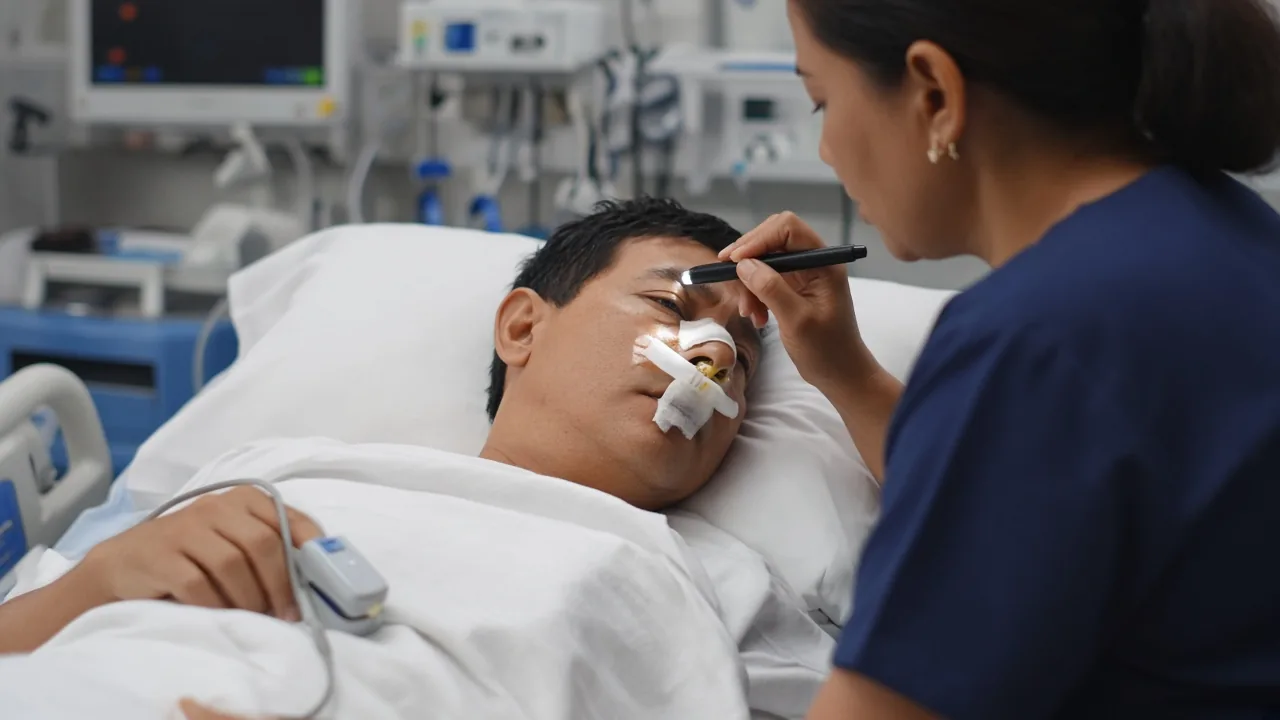
GAF planning for endoscopic brain surgery is typically 3–7 nights. Named endoscopic skull-base lists are typically 4–8 nights. ETV may be shorter. Complex reconstruction can require longer observation. Surgical recovery and neurological or hormonal recovery are not the same thing.
After endonasal skull-base surgery, surgeons may advise patients to temporarily avoid forceful nose blowing, heavy lifting, straining, certain bending movements, vigorous exercise and air travel for a specified period. The treating surgeon should provide the final instructions.
Does Endoscopic Brain Surgery Cure a Brain Tumor?
Sometimes, but not always. Complete removal depends on the tumour's location, type, size and relationship with critical structures. Postoperative treatment may include radiation, medication or additional surgery depending on pathology and residual disease.
Named tumour resection still sits on Brain Tumor Surgery in India when a craniotomy list is the honest product.
Endoscopic Brain Surgery for Pituitary Tumors
Pituitary tumours are among the best-established applications of endoscopic transsphenoidal surgery. The pituitary gland sits at the base of the brain, close to the optic nerves and several important blood vessels. An endonasal route can provide direct access to the sellar region.
The treatment goal may include removing the tumour, relieving pressure on the optic nerves, controlling hormone overproduction, and preserving normal pituitary function where possible. NCI notes that the treatment choice depends on the tumour type, hormone production and extension into surrounding structures.
Endoscopic Brain Surgery for Hydrocephalus
Hydrocephalus occurs when cerebrospinal fluid accumulates abnormally within the brain. In selected patients with obstructive hydrocephalus, ETV may be used as an alternative to shunt surgery. It is not appropriate for every type of hydrocephalus.
Can All Brain Tumors Be Removed Endoscopically?
No. This is one of the most important points for patients searching for endoscopic brain surgery.
Endoscopy is particularly useful for selected lesions in anatomically accessible locations. Many tumours located deep within the brain, lateral brain regions or areas without a safe endoscopic corridor may require craniotomy, stereotactic surgery, microsurgery, awake surgery, radiation treatment, chemotherapy or a combination.
Even among skull-base tumours, surgical approaches can have different outcomes depending on tumour location and anatomy.
Is Endoscopic Brain Surgery Safer Than Open Surgery?
There is no universal answer. For an appropriately selected lesion, an endoscopic route may reduce the amount of normal tissue that needs to be traversed and may avoid brain retraction. Endoscopic skull-base surgery also introduces its own risks, including CSF leakage and injury to structures encountered along the corridor.
The appropriate question is not "Is endoscopic surgery safer?" A better question is: which surgical approach provides the safest and most effective access to this particular lesion?
Request a named-procedure hospital estimate
WhatsApp +91 90443 46292 for an itemised endoscopic brain estimate
Cost of Endoscopic Brain Surgery in India
There is no medically responsible single price because treatment may range from a focused pituitary adenoma resection to complex endonasal skull-base reconstruction or ETV.
| Type / complexity | GAF planning | Typical stay |
|---|---|---|
| Endoscopic brain surgery | $5,000–$12,000 | 3–7 nights |
| Endoscopic skull base surgery | $6,000–$15,000 | 4–8 nights |
| Pituitary tumor surgery | $5,000–$12,000 | 3–7 nights |
| ETV | $3,000–$8,000 | 2–5 nights |
| Hydrocephalus surgery | $3,000–$8,000 | 3–7 nights |
| Skull base surgery | $8,000–$22,000 | 5–12 nights |
| Brain tumor surgery | $6,000–$15,000 | 5–10 nights |
| Combined open-and-endoscopic corridors, paediatric cases | Quoted after case review | Depends on the case |
US comparison for endoscopic brain surgery is $30,000–$80,000.
Major cost factors include the named procedure, diagnosis, tumour size, surgical complexity, hospital, city, neurosurgeon, ENT/skull-base team involvement, ICU, imaging, pathology, navigation, length of stay and additional treatment.
A written estimate should clarify surgeon fees, anaesthesia, operating-room charges, hospital stay, ICU, medicines, imaging, histopathology, consumables, ENT/skull-base surgeon fees, follow-up and treatment of complications. Do not compare two quotations only by the headline price.
City starting points:
- Delhi NCR endoscopic brain surgery cost
- Mumbai endoscopic brain surgery cost
- Bengaluru endoscopic brain surgery cost
- Chennai endoscopic brain surgery cost
- Hyderabad endoscopic brain surgery cost
Plan an international endoscopic brain stay
Why Consider India for Endoscopic Brain Surgery?
India has established neurosurgical centres offering neuroendoscopy, skull-base surgery and minimally invasive neurosurgical procedures, including endoscopic endonasal skull-base surgery, neuroendoscopic tumour surgery, endoscopic hydrocephalus treatment, pituitary surgery, CSF-leak repair, neuronavigation and multidisciplinary neuro-oncology care.
Patients should evaluate hospitals based on the specific lesion, surgical expertise, reconstruction capability, ICU support and continuity of care, rather than choosing a hospital solely on brand name or price.
Catalog hospitals currently affiliated with tagged endoscopic-brain lists include Fortis Memorial Research Institute and Medanta in Delhi NCR, Gleneagles Hospital in Mumbai, Apollo Hospitals on Bannerghatta Road and Medicover Hospital in Bengaluru, Gleneagles HealthCity and Rela Hospital in Chennai, and KIMS Hospitals and Apollo Jubilee Hills in Hyderabad. A catalog tag is not a volume, outcome or ranking claim.
Named clinicians currently tagged to endoscopic brain lists include Dr. Sandeep Vaishya and Dr. Sudhir Dubey in Delhi NCR; Dr. Suresh Sankhla and Dr. Nitin Dange in Mumbai; Dr. Kishor Rao and Dr. Ganesh Krishna Murthy in Bengaluru; Dr. Nigel Symss and Dr. M. Anbuselvam in Chennai; and Dr. Manas Kumar Panigrahi and Dr. Soma Madhan Reddy in Hyderabad.
Find an endoscopic neurosurgeon in India
WhatsApp +91 90443 46292 to match an endoscopic neurosurgeon
How to Choose a Hospital for Endoscopic Brain Surgery in India
Consider the neurosurgeon's experience with the specific operation, skull-base expertise, a multidisciplinary team (neurosurgery and ENT/skull-base surgery for endonasal work), neuro-navigation, neurocritical care, reconstruction capability for CSF-leak prevention, pathology and oncology support, and postoperative follow-up after returning home.
- Neurosurgery hospitals in Delhi NCR
- Neurosurgery hospitals in Mumbai
- Neurosurgery hospitals in Bengaluru
- Neurosurgery hospitals in Chennai
- Neurosurgery hospitals in Hyderabad
What Medical Records Should International Patients Send?
Ideally provide recent MRI brain images and report, CT scan if available, previous biopsy/pathology, hormonal reports for pituitary disease, visual-field report if applicable, previous treatment records, previous operative notes, current medication list and discharge summaries.
MRI images are generally more useful than sending only the MRI report, because the neurosurgical team needs to assess the actual anatomy.
Can a Patient Travel to India for Endoscopic Brain Surgery?
Yes, for stable patients after records review. Sudden severe headache, new weakness, seizure, significant vision change or reduced consciousness belongs in a local emergency department rather than in a travel plan.
GAF planning distinguishes hospital stay from total stay in India. Endoscopic brain surgery is typically 3–7 nights in hospital. Combined evaluation, pathology, hormonal testing and fitness to fly usually take longer. Keep the return flight flexible until the treating team confirms fitness for travel.
Request an endoscopic-brain treatment plan
Questions to Ask Your Neurosurgeon
Ask what the diagnosis is, why surgery is being recommended, why an endoscopic approach is suitable, whether open surgery could be safer or more effective, what the surgical route is, whether the surgery will go through the nose, whether an ENT/skull-base surgeon will participate, whether the goal is complete removal, decompression or biopsy, what structures are close to the lesion, what the major risks are, whether additional surgery, radiation or medication may follow, how long hospital stay might be, when travel home is possible, and what follow-up scans will be needed.
Frequently Asked Questions About Endoscopic Brain Surgery in India
Is endoscopic brain surgery performed through the nose?
Some types are. Endoscopic endonasal surgery uses the nasal passages to reach selected skull-base and pituitary lesions. Other neuroendoscopic procedures use a small opening in the skull.
Is there a scar after endoscopic brain surgery?
For an endoscopic endonasal procedure, there is generally no conventional external scalp scar because the surgical pathway is through the nose.
How much does endoscopic brain surgery cost in India?
GAF endoscopic brain surgery planning is $5,000–$12,000. Named endoscopic skull-base, pituitary, ETV and open skull-base sheets differ. A written estimate after records review is required.
How many days will I stay in the hospital?
GAF planning is typically 3–7 nights after endoscopic brain surgery, 4–8 nights after named endoscopic skull base surgery and 2–5 nights after ETV.
Can endoscopic surgery completely remove a brain tumor?
Sometimes, but not always. The possibility of complete removal depends on the tumour's location, type, size and relationship with critical structures.
Can pituitary tumors be removed through the nose?
Yes. Endoscopic transsphenoidal surgery is an established approach for many pituitary tumours.
Can endoscopic surgery treat hydrocephalus?
Yes. ETV can treat selected cases of obstructive hydrocephalus. It is not appropriate for every type of hydrocephalus.
Does endoscopic surgery eliminate the need for a craniotomy?
No. Some conditions are better treated with conventional or minimally invasive cranial approaches. See Craniotomy Surgery in India.
Can international patients have endoscopic brain surgery in India?
Yes, subject to medical suitability, travel requirements and the treating hospital's assessment. Medical records and imaging should generally be reviewed before travel.
When Should You Seek Urgent Medical Attention After Surgery?
Patients should go to a local emergency department if they develop sudden severe headache, new weakness or numbness, seizure, significant vision change, confusion, persistent vomiting, fever with neurological symptoms, clear fluid continuously draining from the nose, reduced consciousness or severe neck stiffness.
A possible CSF leak or neurological deterioration requires prompt medical evaluation. This is not a WhatsApp question.
Key Takeaways
- Endoscopic brain surgery is not one single operation. It is a group of minimally invasive neurosurgical techniques used for carefully selected conditions.
- The technique is particularly important in pituitary surgery, skull-base surgery, selected brain tumours, intraventricular lesions, hydrocephalus, CSF-leak repair and selected cystic lesions.
- "Minimally invasive" does not mean minor. CSF leakage, vascular injury, neurological complications and hormonal problems remain important.
- GAF planning for endoscopic brain surgery is $5,000–$12,000 (typically 3–7 nights). Named sheets differ.
- Not every brain tumour can be removed endoscopically. Named tumour resection sits on Brain Tumor Surgery in India.
- Sudden severe headache, new weakness, seizure, vision change or clear fluid from the nose belongs in a local emergency department.
- International patients should obtain a case-specific written estimate rather than relying on a generic online price.
Share MRI and pathology before making travel arrangements. A case-specific specialist opinion is more useful than a brochure endoscopic package.
Share imaging for an endoscopic review
Message a coordinator on WhatsApp
Request a cost review on WhatsApp
Top 10 Medical Sources
- NCI — Pituitary Tumors Treatment (PDQ) — surgical approaches including endoscopic transsphenoidal surgery.
- NCI PDQ — Adult CNS tumors — evidence-based treatment information for selected brain tumours.
- Johns Hopkins Medicine — Endoscopic endonasal surgery — patient overview of the endonasal corridor.
- Stanford Health Care — Endoscopic endonasal surgery — multidisciplinary skull-base care.
- PMC — Anatomy and surgery of the endoscopic endonasal approach to the skull base — anatomical corridor.
- PMC — Complications of endoscopic endonasal skull-base surgery — CSF leak, cranial-nerve and pituitary risk.
- PMC — Skull-base reconstruction after endoscopic endonasal tumour resection — reconstruction and CSF-leak prevention.
- NHS — Endoscopic third ventriculostomy — selected hydrocephalus patients.
- GAF Healthcare endoscopic brain surgery — partner USD planning range for the theatre list.
- GAF Healthcare endoscopic skull base surgery and pituitary tumor surgery — neighbouring corridor sheets.
Last reviewed against the cited sources: September 2026.
Medical Disclaimer
This guide is educational and does not replace an examination, diagnosis or individualized treatment plan by a qualified neurosurgeon, ENT/skull-base surgeon or oncology team. Treatment decisions should be based on the patient's imaging, pathology, neurological status and overall medical condition.
Treatment Process
- 1
Share medical records
The patient provides MRI or CT files, reports, hormonal tests when pituitary disease is suspected, and a short description of current symptoms.
- 2
Neurosurgical review
A neurosurgeon reviews whether the target is a pituitary adenoma, skull-base lesion, ventricular cyst, hydrocephalus or another accessible mass.
- 3
Procedure selection
The team names endonasal pituitary, endoscopic skull-base, ETV or ventricular endoscopy rather than a generic keyhole brochure.
- 4
Medical optimisation
Fitness for anaesthesia, reconstruction needs, ENT participation and any adjuvant radiation or endocrine care are addressed before planned surgery.
- 5
Itemized estimate
The hospital quotes the named sheet plus ICU, pathology, reconstruction and ENT fees, not a brochure endoscope package.
- 6
Travel to India
The patient allows time for in-person examination, additional imaging, surgery, CSF-leak watch and pathology.
- 7
Surgery
The lesion is biopsied, removed, decompressed or bypassed through the named endoscopic corridor, with reconstruction when the skull base is opened.
- 8
Pathology and endocrine review
Histopathology and, when indicated, hormone testing classify the lesion and shape adjuvant treatment.
- 9
Adjuvant planning
Radiation, medication, surveillance or further surgery is added when the pathology requires it.
- 10
Return home
The patient leaves with a written summary covering diagnosis, reconstruction, medicines, nose-blowing limits, warning signs and MRI follow-up.