
Treatment Overview
Spine tumor surgery in India is performed to remove a tumour when possible, relieve pressure on the spinal cord or nerves, stabilize a weakened spine, obtain tissue for diagnosis, reduce pain, or create space for subsequent radiation therapy. Surgery may involve tumour removal, decompression, laminectomy, vertebrectomy, spinal reconstruction, instrumentation or a combination of procedures.
A spinal tumour can develop in the vertebrae, around the spinal cord, or within the spinal cord itself. Some tumours are benign and slow-growing, while others are malignant or represent cancer that has spread to the spine from another organ. Because the spine contains the spinal cord, nerve roots and structures responsible for stability and movement, treatment requires careful planning.
Surgery is not appropriate for every spinal tumour. Some tumours can be monitored, while others respond better to radiation therapy, chemotherapy, targeted therapy, immunotherapy or a combination of treatments.
The treatment plan should therefore be based on the tumour type, exact location, neurological status, spinal stability, extent of disease, expected response to non-surgical treatment and the patient's overall health.
GAF Healthcare planning for spinal tumor surgery is $10,000–$24,000 (typically 5–12 nights). US comparison is $50,000–$150,000. Named laminectomy is $4,000–$9,500 (typically 2–5 nights) when that decompression is the product. Spinal decompression is $4,000–$9,000 (typically 2–5 nights). Spinal fusion is $8,000–$18,000 (typically 4–8 nights) when stabilization is a named sheet rather than part of the tumour quotation. Vertebroplasty is $2,500–$6,500 (typically 0–2 nights). Kyphoplasty is $3,000–$7,500 (typically 0–2 nights). SBRT is $8,000–$17,500 (typically 1–5 sessions). These are planning ranges from partner hospital cost sheets, not hospital quotations. En-bloc resection, staged reconstruction and paediatric spinal tumours are quoted after case review.
International patients comparing spine surgeons commonly start with Delhi NCR, Mumbai, Bengaluru, Chennai and Hyderabad. Neurosurgeons tagged to the same product sit on Delhi NCR, Mumbai, Bengaluru, Chennai and Hyderabad. Partner spine hospitals in Delhi NCR, Mumbai and Bengaluru, and in Chennai and Hyderabad, are a typical first filter. City cost sheets include Delhi NCR, Mumbai, Bengaluru, Chennai and Hyderabad. Kolkata, Pune, Ahmedabad, Chandigarh and Kochi may have spinal-tumour services, but they are not live GAF catalog cities on this site.
Intracranial tumours sit on Brain Tumor Surgery in India. Named CSF diversion sits on Hydrocephalus Surgery in India. Selected spinal metastases from breast, colorectal or prostate cancer still belong on those oncology pathways: Breast Cancer Treatment in India, Colon Cancer Treatment in India and Prostate Cancer Treatment in India.
Important: Spine tumour surgery is not a single standardised operation. The complexity, risks, recovery period and cost depend on tumour type, location, spinal stability and the patient's neurological condition. This page is educational and does not replace individual specialist advice.
Spine Tumor Surgery in India at a Glance
| Factor | What patients should know |
|---|---|
| Procedure | Biopsy, decompression, resection and/or stabilization of a spinal tumour |
| Locations | Vertebra, intradural-extramedullary space or inside the spinal cord |
| Hospital stay | GAF spinal tumor surgery: typically 5–12 nights |
| Cost in India | GAF $10,000–$24,000; named sheets differ |
| After surgery | Pathology, radiation, systemic therapy and rehabilitation when indicated |
| Emergency | New weakness, walking difficulty or bladder/bowel change in a person with cancer needs a local emergency department |
| International patients | Records and imaging review, named-procedure estimate, admission and follow-up |
What Is a Spinal Tumor?
A spinal tumour is an abnormal growth involving the spinal column, spinal canal, spinal cord or surrounding nerves.
The term covers several different diseases. A tumour may start in the bone of the spine, arise from the coverings or nerves around the spinal cord, develop within the spinal cord, or reach the spine after spreading from cancer elsewhere in the body.
Spinal tumours can be benign or non-cancerous, malignant or cancerous, primary tumours that begin in the spine or spinal cord, or metastatic tumours that have spread to the spine from another cancer.
The distinction is important because the treatment of a benign schwannoma is very different from the treatment of metastatic breast cancer involving the vertebrae.
Ask whether spinal tumour surgery is appropriate
Where Can a Spinal Tumor Develop?
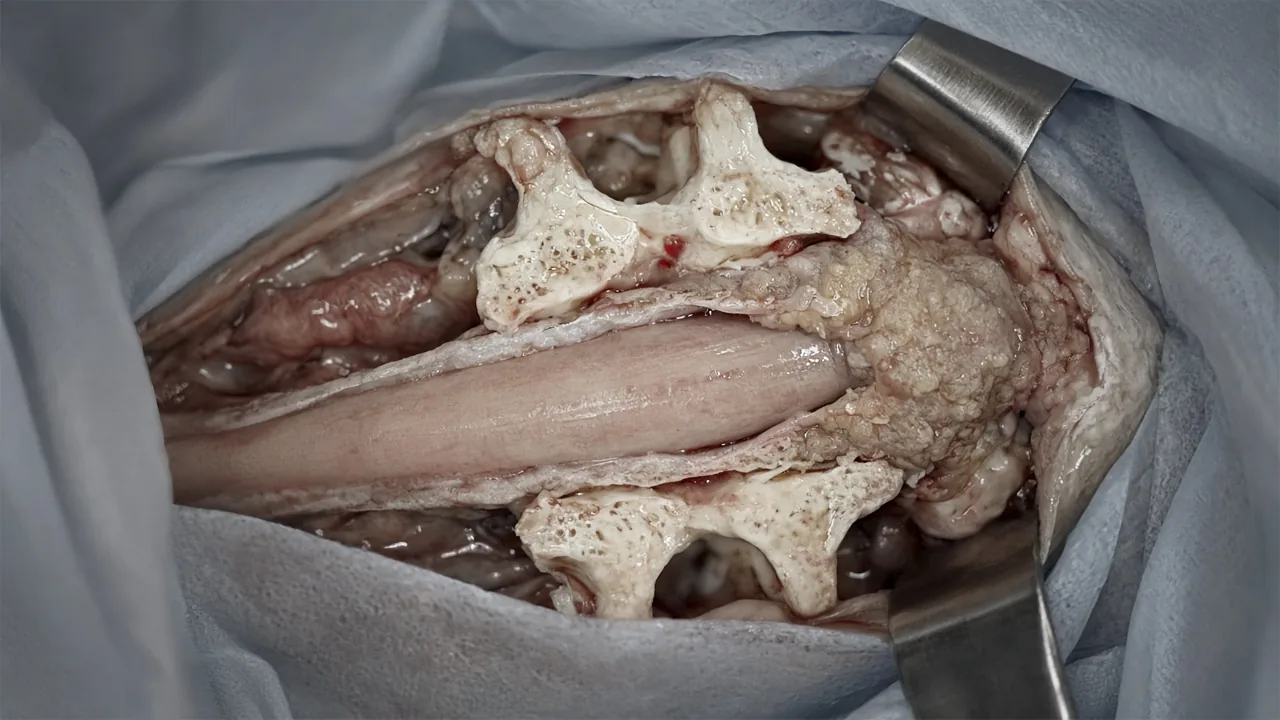
1. Vertebral tumours
These arise in the bones of the spinal column. They can weaken the vertebra and cause back or neck pain, vertebral collapse, pathological fracture, spinal deformity, spinal instability, or compression of the spinal cord or nerve roots.
Some vertebral tumours begin in the spine, while many vertebral malignant lesions are metastases from cancers elsewhere in the body.
2. Intradural extramedullary tumours
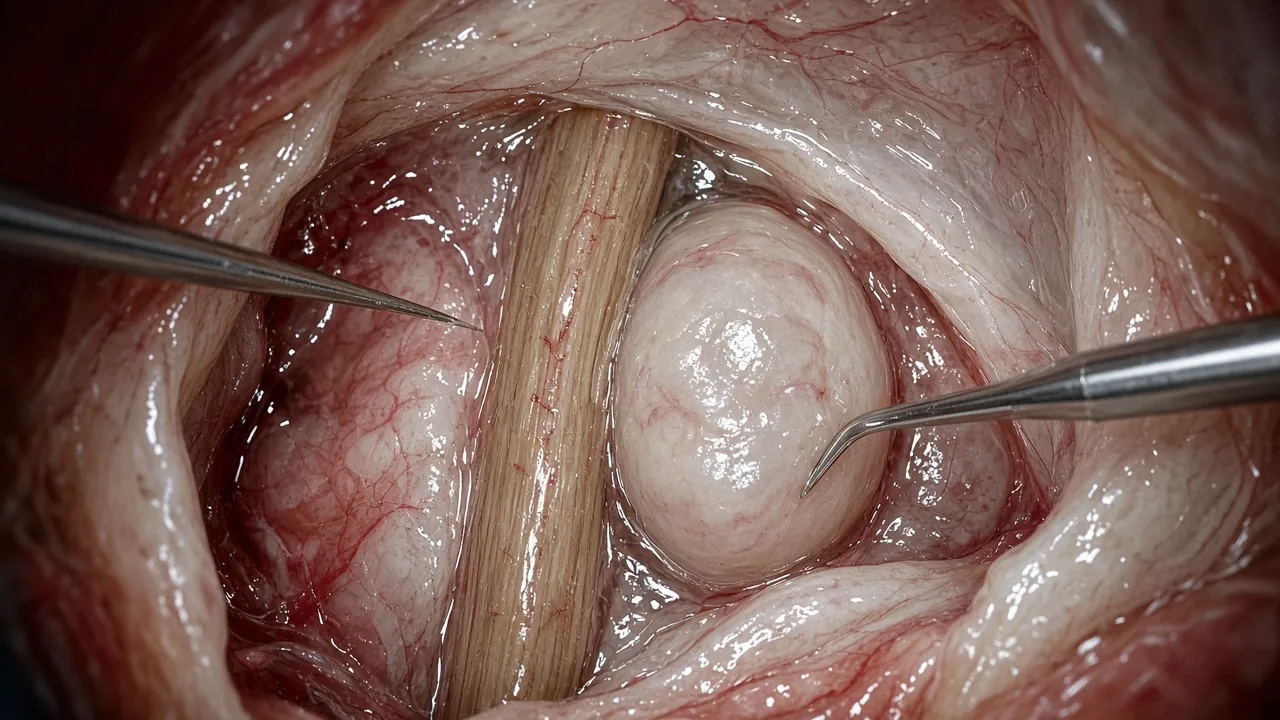
These tumours develop inside the protective covering of the spinal cord but outside the spinal cord tissue itself. Examples include schwannoma, neurofibroma, meningioma and selected nerve-sheath tumours.
Because these tumours can compress the spinal cord or nerve roots, surgery may be considered when symptoms, growth or anatomical characteristics justify intervention.
3. Intramedullary spinal cord tumours
These tumours arise within the spinal cord itself. Examples include ependymoma, astrocytoma and other less common spinal cord tumours.
Intramedullary tumours are particularly delicate because the surgeon is working close to functioning neural tissue. Complete removal may be possible for some tumours but may be unsafe for others if the tumour is infiltrating important spinal cord structures.
The objective is therefore not simply to remove the largest possible amount of tumour. The surgical team must balance tumour removal against preservation of neurological function.
Primary vs Metastatic Spinal Tumors
Primary spinal tumours begin in the spine, spinal cord or surrounding structures. Examples include chordoma, chondrosarcoma, osteosarcoma, schwannoma, meningioma, ependymoma, astrocytoma and other rare bone or neural tumours. Treatment depends heavily on the exact pathology.
Metastatic spinal tumours occur when cancer from another part of the body spreads to the spine. Common primary cancers include breast, lung, prostate, kidney, thyroid, multiple myeloma and other solid tumours and blood cancers.
Metastatic spinal disease is generally managed differently from a localized primary spinal tumour.
What Are the Symptoms of a Spinal Tumor?
Symptoms depend on the location and size of the tumour and whether it affects the vertebra, spinal cord or nerve roots.
Common symptoms include persistent back pain, neck pain, pain that may be worse at night, pain radiating into an arm or leg, numbness or tingling, muscle weakness, difficulty walking, balance problems, loss of coordination, changes in sensation, loss of bladder or bowel control, spinal deformity, and symptoms caused by vertebral fracture or instability.
A spinal tumour can sometimes be discovered incidentally during imaging performed for another reason. Persistent or progressive symptoms should be evaluated rather than assumed to be ordinary mechanical back pain.
When Is Spinal Tumor Surgery an Emergency?
Spinal cord compression can become an oncological emergency, particularly in a person with known or suspected cancer.
Urgent medical assessment is warranted when spinal symptoms are accompanied by new or worsening limb weakness, difficulty walking, new bladder dysfunction, new bowel dysfunction, significant sensory loss or numbness, radicular pain with neurological changes, or rapidly worsening neurological symptoms.
NICE guidance treats suspected metastatic spinal cord compression with neurological symptoms as an oncological emergency requiring urgent assessment and MRI.
If a person with cancer develops new weakness, difficulty walking, or bladder or bowel dysfunction, they should go to a local emergency department rather than waiting for a routine appointment or sending a WhatsApp message.
How Is a Spinal Tumor Diagnosed?
Diagnosis usually combines clinical assessment, imaging and, when appropriate, tissue diagnosis.
Neurological examination. The doctor may assess muscle strength, reflexes, sensation, balance, coordination, walking, nerve function and bladder and bowel symptoms.
MRI of the spine. MRI is one of the most important investigations. It can show tumour location and size, spinal cord involvement, nerve-root compression, epidural extension, soft-tissue involvement and the relationship between tumour and spinal cord. Actual imaging files matter more than a written report alone.
CT scan. CT provides detailed information about bone: vertebral destruction, bone expansion, pathological fracture, calcification, spinal alignment and bone architecture.
PET-CT or other staging imaging. For suspected metastatic disease, doctors may use additional imaging to identify the primary cancer, other metastatic sites and the overall disease burden.
Biopsy. A biopsy may determine tumour type, whether the tumour is benign or malignant, grade, molecular characteristics and whether a spinal lesion represents metastatic cancer. For vertebral tumours, biopsy planning is particularly important because the biopsy route can affect subsequent surgery.
Two tumours in exactly the same vertebra can require completely different treatments. An MRI report alone is not enough to decide whether surgery is required.
Share MRI for a spinal tumour opinion
Who Treats Spinal Tumors?
Complex spinal tumours are often managed by a multidisciplinary team that may include a neurosurgeon, orthopaedic spine surgeon, neuro-oncologist, medical oncologist, radiation oncologist, neuroradiologist, neuropathologist, interventional radiologist, neurologist, rehabilitation specialist, physiotherapist and pain or palliative-care specialist.
The team structure is particularly important for metastatic disease because surgery, radiation and systemic cancer treatment often need to be coordinated.
When Is Spine Tumor Surgery Recommended?
Surgery may be considered for spinal cord compression, nerve-root compression, spinal instability, pathological fracture, progressive neurological symptoms, severe mechanical pain, selected primary tumours, tissue diagnosis, or creation of space before radiation in selected metastatic tumours producing significant epidural compression.
Surgery is therefore not simply a "tumour removal" procedure. It can have several different objectives.
Surgery may not be the first treatment when the tumour is small and asymptomatic, slow-growing, the spine remains stable, there is no significant neurological compression, the tumour is highly responsive to radiation, systemic therapy is more appropriate, the patient's overall health makes major surgery unsuitable, or the expected benefit of surgery is limited.
How Doctors Decide Whether Surgery Is Needed
For metastatic spinal tumours, treatment planning can involve four broad considerations (the NOMS framework used in metastatic spinal oncology literature):
N — Neurologic. Is the spinal cord or a nerve root compressed? Are there neurological deficits?
O — Oncologic. What type of cancer is present? Is it sensitive to radiation or systemic treatment?
M — Mechanical. Is the spine stable? Is there vertebral collapse or pathological fracture?
S — Systemic. Can the patient safely undergo the proposed treatment? What is the extent of cancer elsewhere in the body?
This type of multidisciplinary framework helps doctors decide whether treatment should involve surgery, radiation, systemic therapy, stabilization, or a combination.
Types of Spine Tumor Surgery
There is no single operation called "spine tumor surgery." The procedure is selected according to the anatomy and tumour biology.
Biopsy. Tissue for diagnosis, through a minimally invasive image-guided approach or during an operation.
Laminectomy. Removes part of the posterior bony elements to access a tumour, decompress neural structures or create surgical exposure. Named laminectomy is $4,000–$9,500. A laminectomy alone is not automatically sufficient for every spinal tumour.
Tumour decompression. Removes tumour or other tissue pressing on the spinal cord or nerve roots. Named spinal decompression is $4,000–$9,000 when that is the product.
Intradural tumour resection. Some tumours lie inside the dura but outside the spinal cord. The surgeon opens the dura and carefully separates the tumour from the spinal cord and nerve structures when feasible.
Intramedullary tumour resection. These tumours originate within the spinal cord. The surgeon may attempt gross total resection, subtotal resection, biopsy or decompression. The safest extent of resection is individualised.
Vertebrectomy. Removal of part or all of a vertebral body for selected vertebral tumours. Reconstruction and fixation are usually required. This sits on the spinal tumor surgery band or is quoted after case review rather than from a generic laminectomy sheet.
En-bloc resection. Selected primary spinal tumours may require removal as one specimen with an oncologically appropriate margin. This is highly specialised and is quoted after case review.
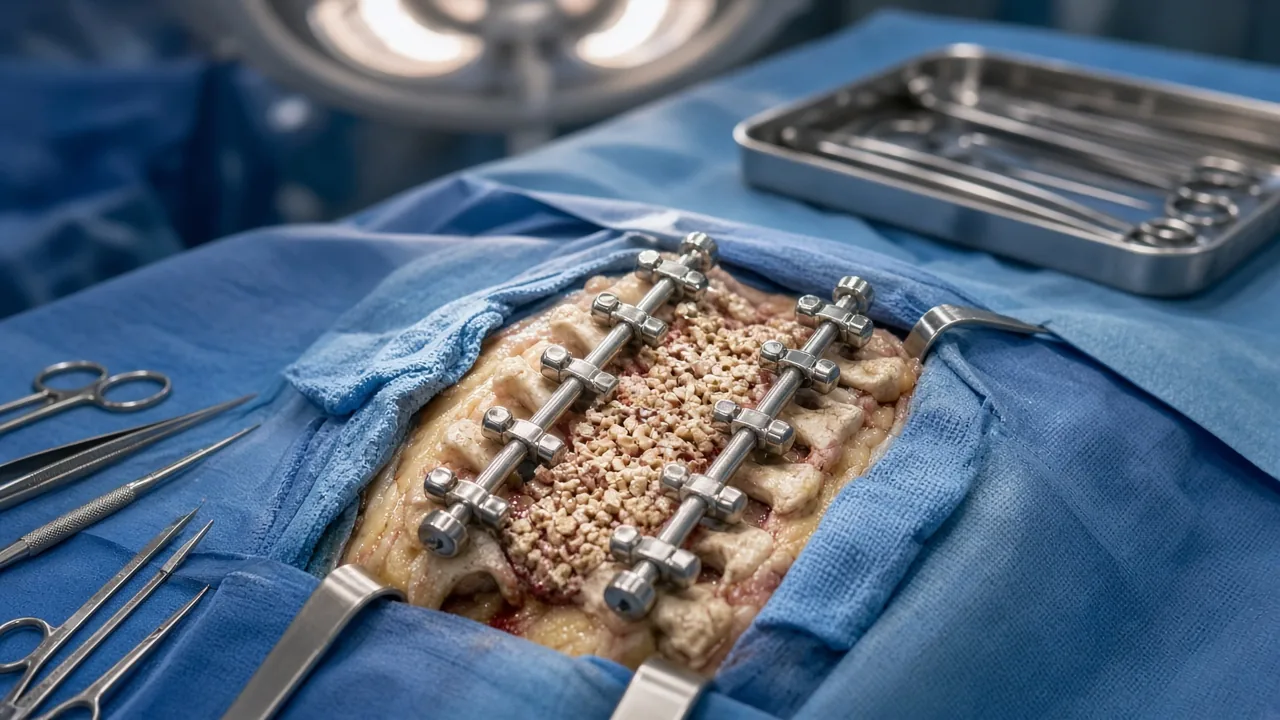
Spinal stabilization and fusion. Screws, rods, cages, bone graft or other reconstructive implants restore stability. Named spinal fusion is $8,000–$18,000 when fusion is a separate product. Many tumour quotations already include implants — ask what the written estimate covers.
Minimally invasive stabilization. Selected patients may undergo percutaneous screws, cement augmentation or other targeted techniques. Vertebroplasty is $2,500–$6,500. Kyphoplasty is $3,000–$7,500.
Separation surgery. In selected metastatic tumours with epidural spinal cord compression, the surgeon may remove enough tumour to separate the spinal cord from the tumour so that focused radiation can treat residual disease.
What Happens During Spine Tumor Surgery?
Step 1: Preoperative planning. The team reviews MRI, CT, PET-CT when required, biopsy/pathology, neurological examination, blood tests, medical history and previous cancer treatment.
Step 2: Surgical planning. Approach, levels, need for decompression, stabilization, expected extent of removal, reconstruction and intraoperative monitoring.
Step 3: Anaesthesia. General anaesthesia for most major spinal tumour operations.
Step 4: Tumour access. The surgeon approaches the tumour through the safest route appropriate for its location.
Step 5: Tumour removal or decompression. Complete removal, maximum safe removal, decompression, stabilization or biopsy according to the written goal.
Step 6: Reconstruction. Instrumentation, cage placement, bone graft or other stabilization if the spine is unstable.
Step 7: Neurological assessment and recovery. Monitoring for neurological changes, pain, wound condition and other complications.
In complex spinal tumour surgery, intraoperative neurophysiological monitoring may be used — somatosensory evoked potentials, motor evoked potentials, electromyography and D-wave monitoring in selected intramedullary procedures. Monitoring does not eliminate the possibility of neurological injury.
Request a named-procedure cost estimate
What Are the Risks of Spine Tumor Surgery?
Spine tumour surgery is complex, and the risks vary considerably according to tumour location and surgical extent.
Potential risks include infection, bleeding, blood clots, cerebrospinal fluid leak, wound problems, nerve injury, spinal cord injury, new weakness, numbness, paralysis, persistent pain, spinal instability, hardware failure, need for revision surgery, tumour recurrence, anaesthesia-related complications and medical complications.
The risk profile of an intramedullary spinal cord tumour operation is different from that of vertebral metastasis stabilization.
There is a risk of neurological injury because the spinal cord and nerve roots can sit immediately adjacent to or within the tumour. The risk cannot be expressed as one universal percentage. Ask the surgeon for the individualised neurological risk.
Spine Tumor Surgery Recovery
Recovery varies considerably. A patient undergoing a small intradural tumour removal may have a very different recovery from someone undergoing multi-level tumour resection and spinal reconstruction.
Immediately after surgery the team monitors neurological function, limb strength, sensation, bladder and bowel function, pain, wound and vital signs. Some patients initially require intensive or high-dependency monitoring.
Depending on the operation, patients may begin sitting, standing, walking, physiotherapy and breathing exercises. If spinal stability is a concern, the team may prescribe a brace or specific movement restrictions.
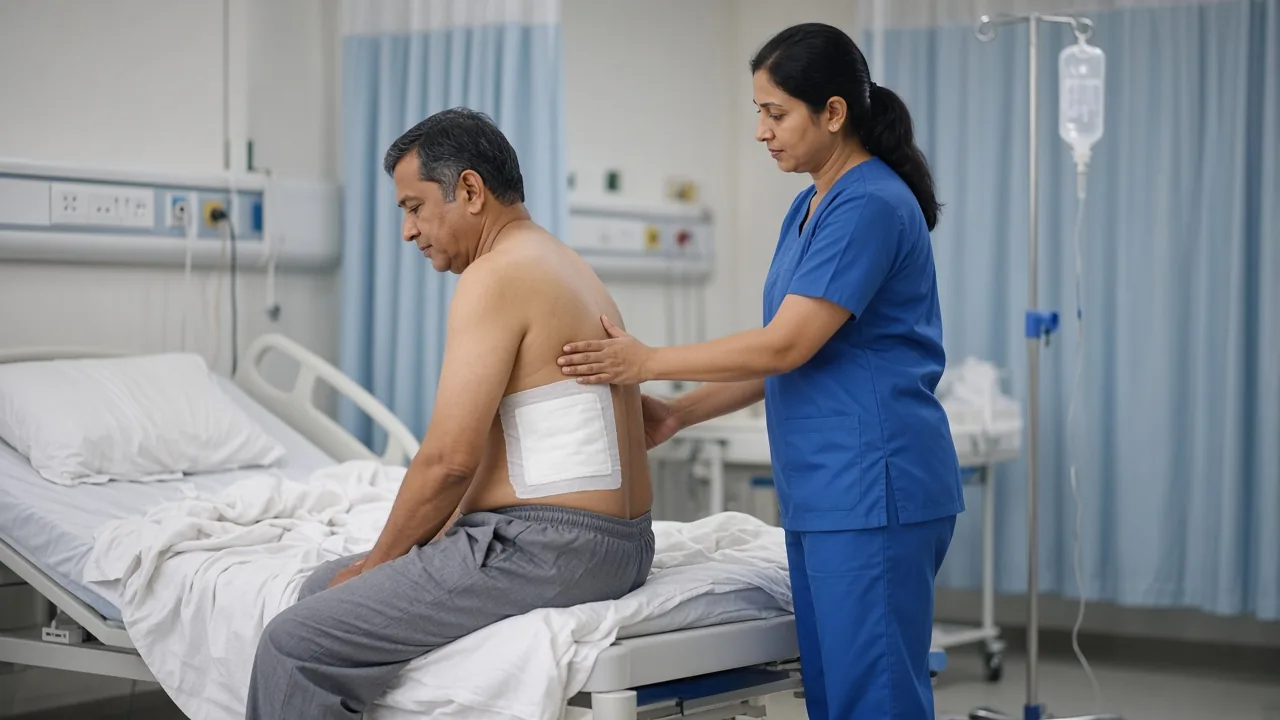
GAF planning for spinal tumor surgery is typically 5–12 nights. Minor decompression may be shorter. Major reconstruction can require a longer period of physical rehabilitation. Neurological recovery may continue for months and is not the same thing as wound healing.
Does Spine Tumor Surgery Cure Cancer?
Sometimes, but not always.
For selected localized primary spinal tumours, complete oncological resection may potentially provide long-term disease control or cure.
For metastatic spinal disease, surgery usually forms one part of a broader cancer treatment plan that may include EBRT ($1,000–$6,000+), SBRT ($8,000–$17,500), chemotherapy ($1,500–$8,000+), targeted therapy ($8,000–$30,000), immunotherapy ($15,000–$45,000), hormone therapy ($1,000–$4,500) when the primary cancer is hormone-driven, bone-directed treatment and rehabilitation.
The objective may be tumour control, neurological preservation, pain relief, spinal stability and quality of life rather than complete eradication of all cancer.
Spine Tumor Surgery for Metastatic Cancer
The objectives can include preserving walking ability, relieving spinal cord compression, reducing severe mechanical pain, treating pathological fracture, stabilizing the spine, creating a safe corridor for radiation and improving quality of life.
Not every spinal metastasis requires surgery. Radiation or systemic therapy may be sufficient in selected patients.
The decision depends on neurological compression, tumour radiosensitivity, mechanical stability, systemic disease and the patient's ability to tolerate treatment.
Spine Tumor Surgery for Primary Tumors
The surgical objective may be complete removal, wide resection, en-bloc resection, maximum safe resection, decompression, stabilization or reconstruction.
Some tumours can be removed completely. For others, attempting complete removal could cause unacceptable neurological damage. The surgical objective must therefore be defined before the operation.
Spine Tumor Surgery in Children
Spinal tumours in children require a specialised paediatric team. Children have different anatomy, tumour biology, growth considerations, rehabilitation requirements, anaesthesia considerations and long-term treatment implications.
GAF does not publish a standalone paediatric spinal-tumour sheet. Children's cases are quoted after paediatric records review rather than from the adult $10,000–$24,000 band by default.
Spine Tumor Surgery Cost in India
There is no medically responsible single price because treatment may range from a focused intradural resection to complex metastatic reconstruction.
| Type / complexity | GAF planning | Typical stay |
|---|---|---|
| Spinal tumor surgery | $10,000–$24,000 | 5–12 nights |
| Laminectomy | $4,000–$9,500 | 2–5 nights |
| Spinal decompression | $4,000–$9,000 | 2–5 nights |
| Spinal fusion | $8,000–$18,000 | 4–8 nights |
| Vertebroplasty | $2,500–$6,500 | 0–2 nights |
| Kyphoplasty | $3,000–$7,500 | 0–2 nights |
| SBRT | $8,000–$17,500 | 1–5 sessions |
| EBRT | $1,000–$6,000+ | 15–35 sessions |
| Chemotherapy | $1,500–$8,000+ | Outpatient cycles |
| En-bloc resection, staged reconstruction, paediatric cases | Quoted after case review | Depends on the case |
US comparison for spinal tumor surgery is $50,000–$150,000.
Major cost factors include tumour type, location (cervical, thoracic, lumbar or sacral), surgical complexity, number of spinal levels, implants, reconstruction, neuromonitoring, ICU, radiation, systemic cancer treatment and rehabilitation.
A written estimate should clarify surgeon fees, anaesthetist fees, operating-room charges, hospital room, ICU or HDU, implants, surgical consumables, neuromonitoring, pathology, imaging, blood products, medicines, physiotherapy and follow-up consultations. Do not compare two quotations only by the headline price.
Request a named-procedure hospital estimate
WhatsApp +91 90443 46292 for an itemised spine tumor estimate
City starting points:
- Delhi NCR spinal tumor surgery cost
- Mumbai spinal tumor surgery cost
- Bengaluru spinal tumor surgery cost
- Chennai spinal tumor surgery cost
- Hyderabad spinal tumor surgery cost
Plan an international spine tumor stay
Why Consider India for Spine Tumor Treatment?
India has large tertiary hospitals offering neurosurgery, spine surgery, radiation oncology, medical oncology, diagnostic imaging and rehabilitation under one healthcare ecosystem.
Patients should evaluate hospitals based on the specific tumour, surgical expertise, oncology support, technology, rehabilitation and continuity of care, rather than choosing a hospital solely on brand name or price.
Catalog hospitals currently affiliated with tagged spinal-tumour lists include Artemis Hospital and Medanta in Delhi NCR, Gleneagles Hospital in Mumbai, Apollo Hospitals on Bannerghatta Road and Gleneagles Hospitals in Bengaluru, Gleneagles HealthCity and Apollo Hospital in Chennai, and Apollo Jubilee Hills and KIMS Hospitals in Hyderabad. A catalog tag is not a volume, outcome or ranking claim.
Named clinicians currently tagged to spinal tumour lists include Dr. Hitesh Garg and Dr. Vineesh Mathur in Delhi NCR; Dr. Abhay Nene and Dr. Devesh Dholakia in Mumbai; Dr. Dilip Gopalakrishnan and Dr. Naveen M A in Bengaluru; Dr. M D S Sasidharan and Dr. M Balamurugan in Chennai; and Dr. Raghava Dutt Mulukutla and Dr. R. Chandrasekhar Naidu in Hyderabad.
Find a spine tumor surgeon in India
WhatsApp +91 90443 46292 to match a spine tumor surgeon
How to Choose a Spine Tumor Surgery Hospital in India
Consider relevant surgical expertise for the specific tumour, a multidisciplinary tumour board, neurosurgery and spine surgery support, radiation oncology, pathology and molecular diagnostics, advanced imaging, neuro-monitoring, ICU and emergency support, rehabilitation, and international-patient coordination.
- Spine surgery hospitals in Delhi NCR
- Spine surgery hospitals in Mumbai
- Spine surgery hospitals in Bengaluru
- Spine surgery hospitals in Chennai
- Spine surgery hospitals in Hyderabad
Questions to Ask the Spine Tumor Surgeon
Ask what type of spinal tumour is present, whether it is primary or metastatic, where exactly it is located, whether the spinal cord is compressed, whether the spine is unstable, whether a biopsy is needed, whether complete removal is realistic, what the safest surgical goal is, whether fixation or a cage is required, whether intraoperative neuromonitoring will be used, whether radiation or systemic therapy will follow, what the major neurological risks are, how long hospital stay might be, what rehabilitation will be needed, when travel is possible, and what follow-up is required after returning home.
What Medical Records Should International Patients Send?
Ideally provide MRI spine images and report, CT images and report, PET-CT report if performed, biopsy and histopathology, immunohistochemistry, molecular testing if available, previous cancer treatment records, radiation and chemotherapy records, current medication list, blood reports, previous surgical notes, neurological examination findings and discharge summaries.
MRI and CT images are more useful than reports alone when a surgeon needs to evaluate operative feasibility.
Can a Patient Travel to India for Spine Tumor Surgery?
Yes, for stable patients after records review. For patients with neurological deterioration or suspected spinal cord compression, treatment should not be delayed simply to arrange international travel. The priority is urgent medical assessment in a local emergency department.
GAF planning distinguishes hospital stay from total stay in India. Spinal tumor surgery is typically 5–12 nights in hospital. Combined evaluation, pathology, radiation planning and fitness to fly usually take longer. Keep the return flight flexible until the treating team confirms fitness for travel.
Request a spine-tumor treatment plan
Follow-Up After Spine Tumor Surgery
Follow-up may include neurological examination, MRI, CT, X-rays for spinal instrumentation, tumour markers where appropriate, oncology review, radiation oncology review and rehabilitation assessment. Primary tumours and metastatic tumours generally require different surveillance strategies.
A spinal tumour can come back. Recurrence depends on tumour type, grade, extent of removal, surgical margins, molecular characteristics, radiation, systemic therapy and metastatic disease burden.
There is no single survival rate for "spine tumor." Prognosis depends on pathology, grade, primary versus metastatic disease, location, neurological function, spinal stability, extent of disease, response to treatment and general health.
Spine Tumor Surgery vs Radiation Therapy
| Feature | Surgery | Radiation therapy |
|---|---|---|
| Tumour removal | Possible in selected tumours | Does not physically remove tumour |
| Spinal cord decompression | Yes | Can reduce tumour in responsive tumours |
| Spinal stabilization | Yes | Does not restore mechanical stability |
| Tissue diagnosis | Possible | Usually requires separate biopsy |
| Metastatic disease | Selected patients | Frequently used |
| Main limitation | Surgical and neurological risk | Tumour-specific response and spinal cord dose constraints |
Many patients require a combination rather than an either/or approach.
Spine tumour surgery describes surgery directed at a tumour. Spinal fusion describes stabilization of spinal segments. A patient undergoing tumour surgery may or may not need fusion.
A laminectomy removes part of the posterior vertebral arch. It may be one component of spinal tumour surgery, but a laminectomy alone does not necessarily remove the tumour.
Frequently Asked Questions About Spine Tumor Surgery in India
Is spine tumor surgery safe?
Spine tumour surgery can be performed safely in appropriately selected patients, but it carries meaningful neurological, surgical and medical risks. The risk depends on tumour location, size, pathology, surgical approach and the patient's overall health.
Is every spinal tumor cancerous?
No. Spinal tumours can be benign or malignant. Some tumours are primary, while others are metastatic cancers that have spread to the spine.
What is the most common symptom of a spinal tumor?
Back or neck pain is common, but symptoms vary. Weakness, numbness, difficulty walking and bladder or bowel changes can occur when the spinal cord or nerves are affected.
Can a spinal tumor be removed completely?
Sometimes. Complete removal depends on the tumour's location, pathology and relationship with the spinal cord and nerves. In some cases, attempting complete removal would create unacceptable neurological risk.
Can a benign spinal tumor require surgery?
Yes. A benign tumour can still cause significant problems if it compresses the spinal cord or nerves, grows progressively or causes instability.
Can spinal metastases be cured?
Usually, metastatic spinal disease requires long-term cancer management rather than treatment of the spine alone. Selected patients with limited metastatic disease may achieve durable local control with combined treatment.
Is MRI necessary before spine tumor surgery?
MRI is a key investigation for understanding the relationship between a spinal tumour, spinal cord and nerve roots. Additional imaging may also be necessary.
How much does spine tumor surgery cost in India?
GAF spinal tumor surgery planning is $10,000–$24,000. Named laminectomy, fusion, vertebroplasty, SBRT and systemic-therapy sheets differ. A written estimate after records review is required.
How many days will I stay in the hospital?
GAF planning is typically 5–12 nights. The stay depends on the surgery, neurological status, complications, rehabilitation and overall health.
Can I walk after spine tumor surgery?
Many patients are able to walk after surgery, but the outcome depends on preoperative neurological function, tumour location, surgical complexity and whether permanent neurological damage has occurred.
Will I need radiation after surgery?
Some patients do and some do not. The decision depends on tumour pathology, surgical findings, residual disease and the overall oncology plan.
Can international patients get spinal tumor surgery in India?
Yes, subject to medical suitability, travel requirements and the treating hospital's assessment. Medical records and imaging should generally be reviewed before travel.
Red Flags: Seek Urgent Medical Attention
If a person with known or suspected cancer develops new limb weakness, difficulty walking, loss of balance, new numbness or sensory loss, loss of bladder control, difficulty passing urine, loss of bowel control, severe progressive spinal pain or new neurological symptoms, go to a local emergency department. Spinal cord compression can cause permanent neurological damage. This is not a WhatsApp question.
What to Send for a Spine Tumor Case Review
Send diagnosis, age, country, primary cancer if known, MRI report and images, CT report/images, biopsy/pathology, previous surgery, previous radiation, chemotherapy or systemic treatment, current symptoms, current neurological problems and current medications.
The more complete the medical record, the more meaningful the specialist review can be.
Key Takeaways
- A spinal tumour is not one single disease.
- Tumours may arise in the vertebrae, around the spinal cord or inside the spinal cord.
- Some tumours are benign; others are malignant. Many spinal tumours are metastatic rather than primary cancers.
- MRI is central to evaluating spinal tumours. CT is particularly useful for bone destruction and stability.
- Surgery is not necessary for every spinal tumour.
- Surgical goals may include tumour removal, decompression, stabilization, diagnosis or preparation for radiation.
- Intramedullary spinal cord tumours require particularly careful surgical planning.
- Metastatic spinal tumours often require coordinated surgery, radiation and systemic therapy.
- GAF planning for spinal tumor surgery is $10,000–$24,000 (typically 5–12 nights). Named sheets differ.
- New weakness, walking difficulty or bladder/bowel dysfunction in a person with cancer can indicate spinal cord compression and requires a local emergency department.
- International patients should obtain a case-specific written estimate rather than relying on a generic online price.
Share MRI and pathology before making travel arrangements. A case-specific specialist opinion is more useful than a brochure spinal-tumour package.
Share imaging for a spinal tumour review
Message a coordinator on WhatsApp
Request a cost review on WhatsApp
Top 10 Medical Sources
- NCI — Adult Central Nervous System Tumors Treatment (PDQ) — surgery, radiation and systemic therapy for selected spine tumours.
- AANS — Spinal tumors — patient overview of spinal tumour types and treatment.
- Mayo Clinic — Spinal tumor — diagnosis and treatment options.
- Mayo Clinic — Vertebral tumor — bone tumours of the spinal column.
- Mayo Clinic — Spinal cord tumor — intramedullary and related tumours.
- NICE NG234 — Spinal metastases and metastatic spinal cord compression — urgent assessment when cord compression is suspected.
- NCI — Treatment of rare brain and spine tumors — pathology-specific rare-tumour pathways.
- NOMS framework — neurologic, oncologic, mechanical and systemic decision-making for metastatic spinal tumours.
- GAF Healthcare spinal tumor surgery — partner USD planning range for the theatre list.
- GAF Healthcare SBRT and spinal fusion — neighbouring radiation and stabilization sheets.
Last reviewed against the cited sources: September 2026.
Medical Disclaimer
This guide is educational and does not replace an examination, diagnosis or individualized treatment plan by a qualified neurosurgeon, spine surgeon or oncology team. Treatment decisions should be based on the patient's imaging, pathology, neurological status and overall medical condition.
Treatment Process
- 1
Share medical records
The patient provides MRI and CT files, reports, pathology if available, previous cancer treatment and a short description of current neurological symptoms.
- 2
Spine and oncology review
A spine surgeon and, when needed, an oncologist review whether the target is a primary spinal tumour, an intradural mass or metastatic disease.
- 3
Procedure selection
The team names biopsy, laminectomy, decompression, resection, fusion, vertebroplasty or separation surgery rather than a generic spine-tumour package.
- 4
Medical optimisation
Fitness for anaesthesia, spinal stability, neuromonitoring needs and any adjuvant radiation or systemic therapy are addressed before planned surgery.
- 5
Itemized estimate
The hospital quotes the named sheet plus implants, ICU, pathology, neuromonitoring and rehabilitation, not a brochure spinal-tumour package.
- 6
Travel to India
Stable patients travel after records review. Suspected cord compression is a local emergency, not a reason to delay care for international travel.
- 7
Surgery
The tumour is biopsied, decompressed or removed and the spine is stabilized according to the written surgical goal.
- 8
Pathology
Histopathology and, when indicated, molecular testing classify the tumour and shape adjuvant treatment.
- 9
Adjuvant planning
Radiation, SBRT, chemotherapy, targeted therapy, immunotherapy or surveillance is added when the pathology requires it.
- 10
Return home
The patient leaves with a written summary covering diagnosis, implants, medicines, movement limits, rehabilitation and the MRI schedule.