
Treatment Overview
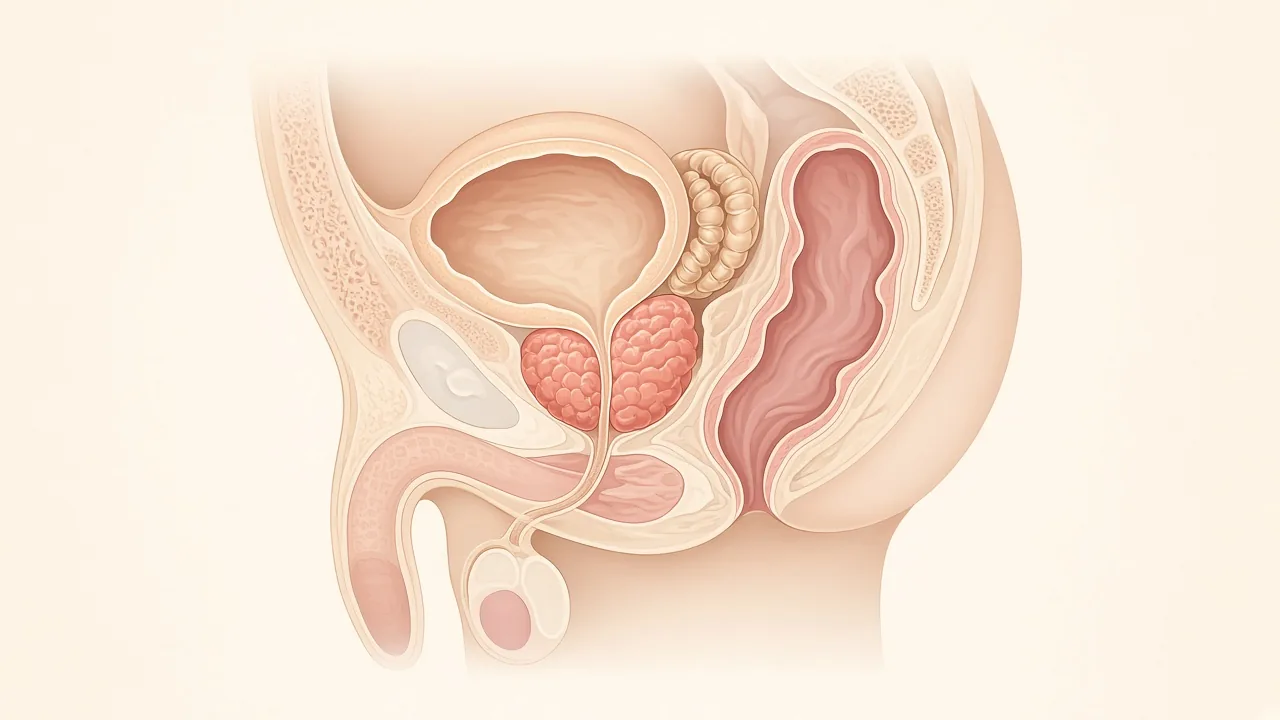
Radical prostatectomy in India is major surgery used to treat selected men with prostate cancer, particularly when the cancer is localized or has characteristics that make surgery a suitable part of treatment. During the operation, the surgeon removes the entire prostate gland and usually the seminal vesicles. Pelvic lymph nodes may also be removed when indicated for staging and treatment planning.
India has substantial experience with open, laparoscopic and robot-assisted radical prostatectomy. Robotic lists sit at major tertiary and cancer centres. The choice of technique should depend on the cancer, the surgeon's experience, the patient's health and the resources at the treating hospital — not simply on whether a robot is in the building.
For international patients, planning commonly includes a review of the biopsy, PSA results, prostate MRI and other staging investigations before travel. That review decides whether surgery is appropriate and whether additional treatment may be required.
This page is the named radical-prostatectomy product. The wider pathway sits on Prostate Cancer Treatment in India. Robotic technique detail sits on Robotic Prostatectomy in India. There is no live GAF robotic-prostatectomy-only treatment page. Named TURP lists sit on TURP Surgery in India. Named HoLEP lists sit on HoLEP Surgery in India. Named GreenLight lists sit on GreenLight Laser Surgery in India. Named implant lists sit on Penile Implantation in India. Named radical-nephrectomy lists sit on Radical Nephrectomy in India. BPH operations that remove part of the prostate to improve urine flow are not this product.
GAF Healthcare planning for radical prostatectomy is $7,000–$18,000 (typically 3–7 nights). US comparison is $30,000–$70,000. The same sheet covers open, laparoscopic and robotic-assisted approaches. Neighbouring external-beam radiotherapy is $1,000–$6,000+. Neighbouring IMRT is $6,500–$14,500. Neighbouring IGRT is $7,200–$16,000. Neighbouring SBRT is $8,000–$17,500. Neighbouring brachytherapy is $5,500–$13,000. Neighbouring hormone therapy is $1,000–$4,500. Neighbouring chemotherapy is $1,500–$8,000+. These are planning ranges from partner hospital cost sheets, not hospital quotations.
International patients comparing radical prostatectomy surgeons commonly start with Delhi NCR, Mumbai, Bengaluru, Chennai and Hyderabad. Urologists who perform prostatectomy are a neighbouring filter. Partner surgical-oncology hospitals in Delhi NCR, Mumbai and Bengaluru, and in Chennai and Hyderabad, are a typical first filter because this work needs a named uro-oncology list, pathology and PSA follow-up. City sheets include Delhi NCR, Mumbai, Bengaluru, Chennai and Hyderabad. Pune, Kolkata, Ahmedabad and Jaipur may have robotic theatres. They are not live GAF catalog cities on this site.
Medical note: Radical prostatectomy is not appropriate for every man with prostate cancer. Some patients are better served by active surveillance, radiation, hormone therapy or a combination. Severe bleeding, inability to pass urine, chest pain, shortness of breath, one-sided leg swelling, fever with shaking chills or fainting belongs in a local emergency department first. WhatsApp at +91 90443 46292 is for planned record review, not an acute catheter or bleed emergency.
What Is Radical Prostatectomy?
Radical prostatectomy means surgical removal of the prostate gland with the objective of treating prostate cancer.
The prostate sits below the bladder and surrounds part of the urethra. It is closely connected to structures involved in urinary control and sexual function. Because of this anatomy, the operation requires careful dissection around the bladder, urethra, blood vessels and nerves.
During a radical prostatectomy, the surgeon generally removes:
- The entire prostate gland
- The seminal vesicles
- A small amount of surrounding tissue when required
- Pelvic lymph nodes in selected patients
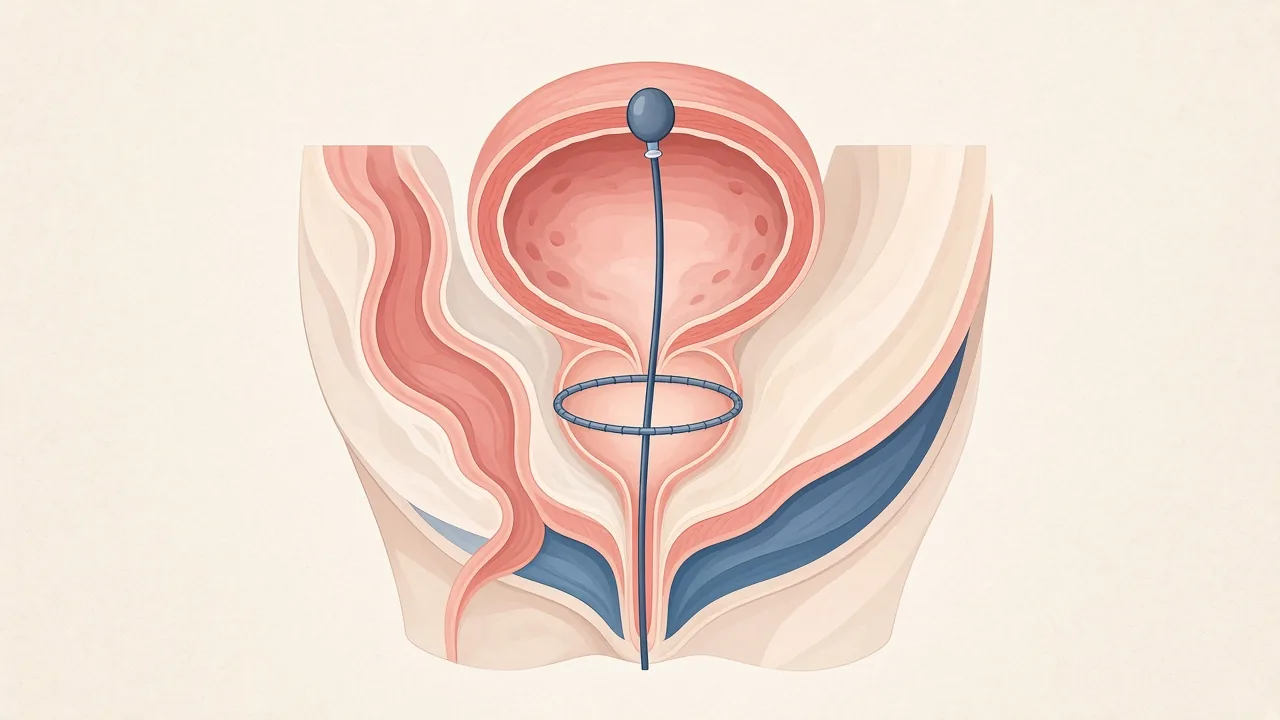
After the prostate is removed, the surgeon reconnects the bladder to the urethra. This is called a vesicourethral anastomosis.
The removed prostate and any lymph nodes are sent for histopathological examination. The pathology report provides the final tumour stage, grade, surgical margins and lymph-node status. Those findings help determine whether surgery has adequately treated the cancer or whether additional treatment or closer monitoring is needed.
How the cancer is graded sits on Gleason Score and Grade Group. How it is staged sits on Prostate Cancer Stages. How it is diagnosed sits on Prostate Cancer Diagnosis.
Message GAF Healthcare on WhatsApp
When Is Radical Prostatectomy Recommended?
Radical prostatectomy is most commonly considered when prostate cancer is localized — there is no evidence that the cancer has spread to distant organs.
A patient may be considered for surgery when:
- Cancer is confined to the prostate, or selected locally advanced disease is being treated as part of a planned sequence
- The patient has a sufficiently long life expectancy to benefit from definitive treatment
- The tumour characteristics make surgery appropriate
- The patient is medically fit for major surgery
- The potential benefits of surgery outweigh its risks
- The patient understands possible effects on urinary and sexual function
In selected higher-risk or locally advanced cancers, radical prostatectomy can be part of a multimodal strategy. Surgery may be followed by radiation and/or systemic treatment depending on the pathology and PSA response.
The wider option set sits on Prostate Cancer Treatment Options.
When May Radical Prostatectomy Not Be the Appropriate Option?
Surgery is not automatically the right treatment simply because prostate cancer has been diagnosed.
Active surveillance. For some men with low-risk prostate cancer, immediate surgery may not be necessary. Active surveillance is structured monitoring using PSA tests, examinations, MRI and repeat biopsy when indicated. That pathway sits on Active Surveillance for Prostate Cancer.
Radiotherapy. External-beam radiotherapy, stereotactic radiotherapy or brachytherapy may be appropriate alternatives. Those lists sit on Radiation Therapy for Prostate Cancer and Brachytherapy for Prostate Cancer.
Hormone therapy. Androgen-deprivation therapy may be used in selected intermediate-risk, high-risk, locally advanced or metastatic disease, often in combination with other treatments. That pathway sits on Hormone Therapy for Prostate Cancer.
Advanced or metastatic disease. When prostate cancer has spread to distant sites, radical prostatectomy is generally not used as the sole treatment. Management usually requires systemic treatment, with local treatment considered only in specific circumstances. Men comparing radiation, surveillance and systemic options without prostatectomy can start on Prostate Cancer Treatment Without Surgery.
Request a records review before anyone books travel
Tests Before Radical Prostatectomy
A thorough evaluation is essential before deciding on surgery. The exact work-up differs between patients, but commonly includes:
PSA test. Prostate-specific antigen is used in diagnosis, risk assessment and follow-up. PSA should not be interpreted in isolation. Its significance depends on prostate size, age, biopsy findings, MRI results and cancer grade.
Digital rectal examination. This may provide information about the prostate's consistency and possible local abnormalities.
Prostate MRI. Multiparametric MRI can help identify suspicious lesions, estimate tumour location and assist with local staging.
Prostate biopsy. A biopsy confirms whether cancer is present and establishes tumour grade. The pathology report commonly includes Gleason score, ISUP Grade Group, number of positive cores, percentage of cancer involvement, and pattern and location of tumour.
Staging investigations. Patients with higher-risk disease may need PSMA PET/CT, CT, bone scan, MRI or other targeted investigations.
Pre-anaesthetic evaluation. Heart and lung health, blood pressure, diabetes, kidney function, blood counts, medicines, previous surgeries and anaesthesia-related risks are reviewed before a date is named.
Symptoms that led to testing sit on Prostate Cancer Symptoms.
Understanding Prostate Cancer Risk Before Surgery
The decision should be based on more than PSA alone.
Doctors generally consider PSA, Grade Group/Gleason score, clinical stage, MRI findings, biopsy characteristics, imaging and overall health. Two men with the same PSA can have very different treatment plans if their biopsy grade or MRI findings differ.
Modern imaging and biopsy techniques influence staging and risk classification. Treatment planning increasingly integrates MRI, targeted biopsy and, where appropriate, PSMA PET/CT.
Types of Radical Prostatectomy
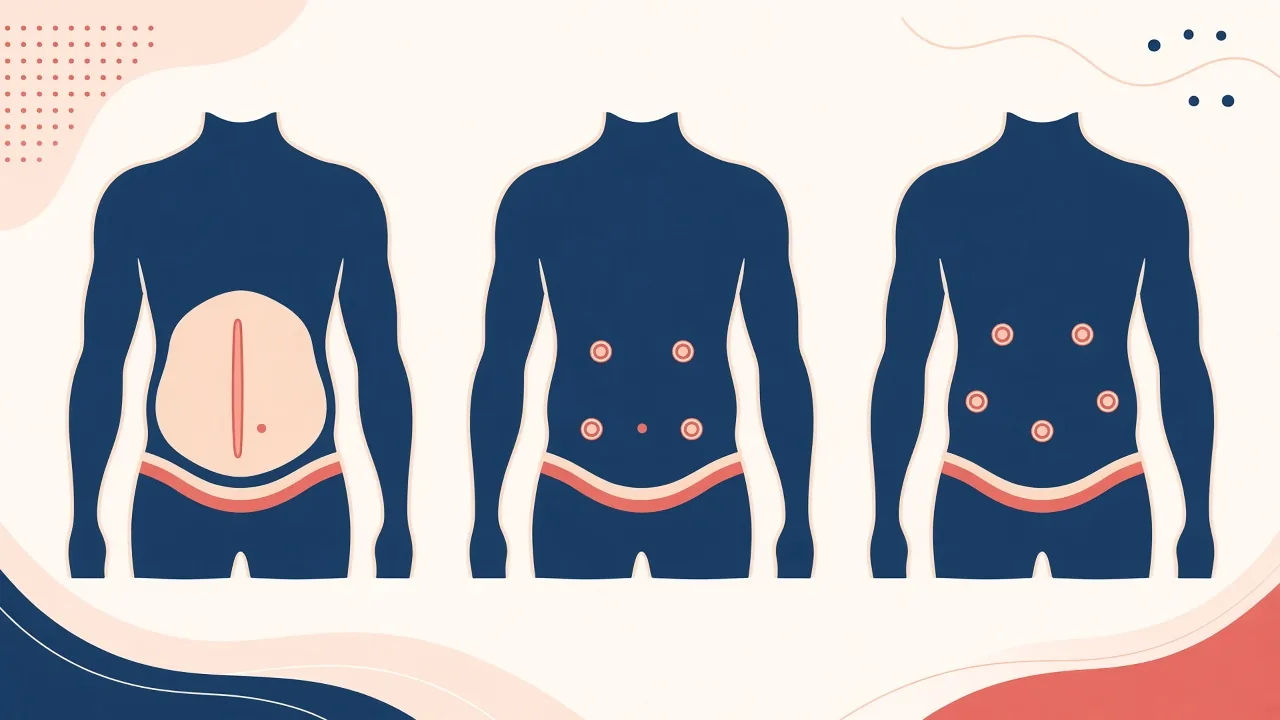
There are three broad surgical approaches. GAF planning of $7,000–$18,000 covers the named product, not a robot surcharge assumed into every quote.
Open radical prostatectomy. The surgeon makes a larger incision in the lower abdomen to access and remove the prostate. Open surgery remains an established approach and may be appropriate in selected circumstances.
Laparoscopic radical prostatectomy. The surgeon operates through several small incisions using specialised laparoscopic instruments.
Robotic-assisted radical prostatectomy (RARP). This is a minimally invasive laparoscopic procedure in which the surgeon controls specialised instruments from a console. The robot does not independently perform the operation. The surgeon controls every movement. A magnified three-dimensional view and articulated instruments can help with delicate dissection in the confined pelvic space.
Robotic prostate cancer surgery is an important part of advanced uro-oncology in India. Potential advantages of a robotic approach include smaller incisions, less disruption of abdominal tissues, reduced blood loss in many cases, detailed visualization, precise instrument movement and, in some patients, a shorter recovery than open surgery.
Robotic surgery does not automatically mean better cancer control for every patient. The important factors remain appropriate patient selection, cancer control, surgical technique, experience of the uro-oncology team, honest nerve-sparing decisions and postoperative follow-up. It remains a major operation despite the smaller incisions.
Technique narrative sits on Robotic Prostatectomy in India.
Ask whether open, laparoscopic or robotic is the named product
Nerve-Sparing Radical Prostatectomy
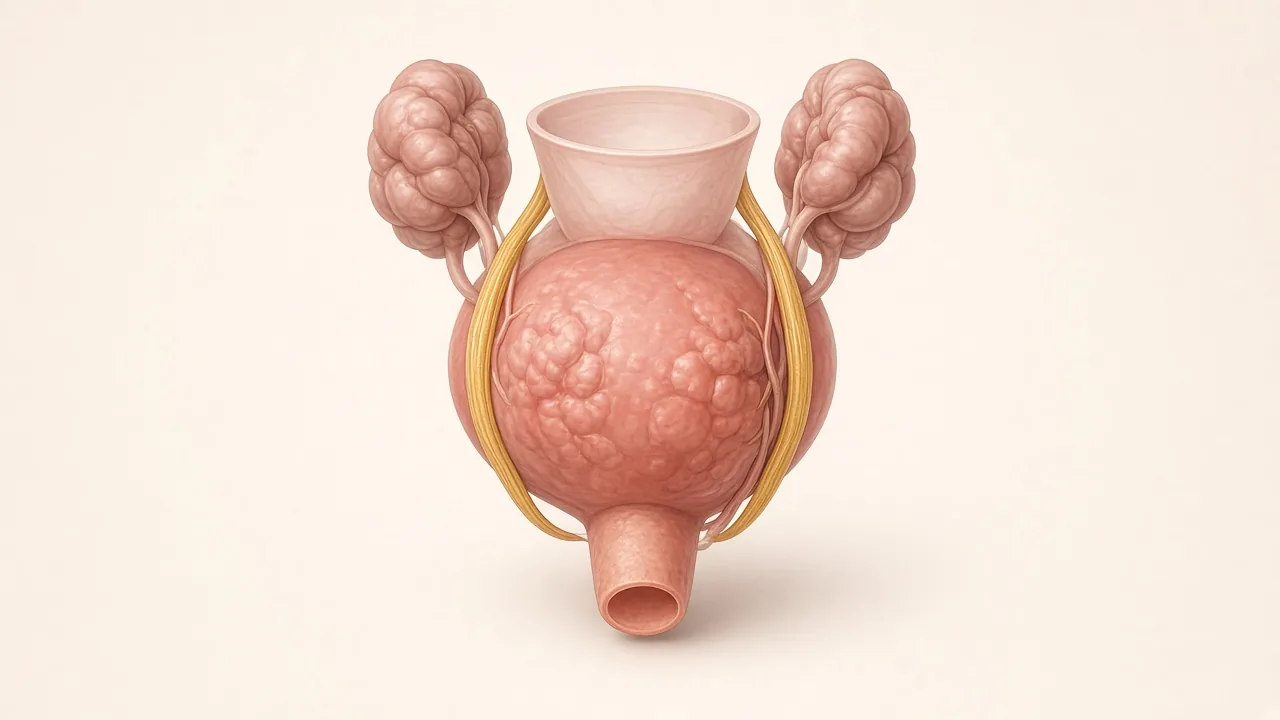
One of the most important considerations is preservation of the nerves responsible for erections. Those nerves run very close to the prostate.
When the cancer is sufficiently distant from the neurovascular bundles, the surgeon may attempt nerve-sparing surgery. Nerve-sparing is not appropriate on every side of the prostate. If imaging, biopsy or intraoperative findings suggest that cancer is close to or involving the nerves, the surgeon may need to remove more tissue to achieve adequate cancer control.
The goal should not be to preserve nerves at any cost. The team must balance cancer control, nerve preservation and urinary function. A good preoperative discussion should address whether nerve-sparing is likely on the right side, the left side, both sides or neither side.
Pelvic Lymph Node Dissection
Some patients also require pelvic lymph node dissection (PLND). Nodes are removed when the estimated probability of involvement is high enough to justify the additional surgery and staging information.
The pathology may show no lymph-node involvement, one or more positive nodes, or the extent of nodal involvement. That information can influence postoperative monitoring and additional treatment.
How Is Radical Prostatectomy Performed?
The exact technique differs between surgeons. The operation generally follows these stages.
- Anaesthesia. The patient receives general anaesthesia and remains asleep throughout.
- Surgical access. The surgeon creates either a larger open incision or several small laparoscopic or robotic ports.
- Access to the prostate. The surgeon exposes the prostate and surrounding structures.
- Nerve assessment. If appropriate, the surgeon evaluates whether nerve-sparing can safely be performed.
- Prostate removal. The prostate and seminal vesicles are separated from surrounding structures and removed.
- Lymph-node removal. Pelvic lymph-node dissection may be performed when indicated.
- Bladder-urethra reconnection. The bladder is connected to the urethra.
- Catheter placement. A urinary catheter drains urine while the surgical connection heals.
- Specimen examination. The prostate and lymph-node specimens go for histopathological analysis.
Operating time commonly runs about 2–4 hours. Duration depends on approach, prostate size, cancer stage, lymph-node dissection, previous abdominal surgery, anatomy and hospital protocol. Complicated cases take longer. Operating time should not be used alone to judge the quality of a cancer operation.
Share records so the team can name the approach
Hospital Stay and Recovery
GAF planning for hospital stay is 3–7 nights. Before discharge, the team generally checks pain control, urine drainage, mobility, ability to eat and drink, bowel function, wound condition and the absence of significant complications. The urinary catheter usually remains in place temporarily. Timing of catheter removal depends on the surgeon's protocol and healing.
Recovery happens in stages.
First few days. Patients gradually begin walking, eating normally and increasing activity. Mild abdominal discomfort, fatigue and catheter-related discomfort are common.
First few weeks. Most patients gradually resume household activities. Heavy lifting and strenuous exercise are usually restricted.
Around 4–6 weeks. Many patients can progressively return to more normal activities, depending on recovery and medical advice.
Several months. Urinary control and erectile function may continue to improve for months. The day of catheter removal is not the final measure of recovery.
International patients should plan a stay longer than the inpatient nights so a postoperative review and travel clearance can happen before the flight home. Do not book a return ticket from an average recovery time.
Urinary Incontinence After Radical Prostatectomy
Urinary leakage is one of the most discussed concerns. Some men leak when coughing, sneezing, standing, exercising, lifting or changing position. Severity varies. Many patients improve as the sphincter and pelvic-floor muscles recover.
Ask the surgeon about pelvic-floor exercises, physiotherapy, continence rehabilitation, the expected timeline and when further evaluation is necessary. Persistent or severe incontinence should be discussed with a urologist because additional treatments exist for selected patients.
Erectile Dysfunction After Radical Prostatectomy
Erectile dysfunction is another important possible consequence. Likelihood depends on age, erectile function before surgery, diabetes and vascular health, cancer location, whether nerve-sparing was possible, unilateral or bilateral nerve preservation, surgical technique and recovery.
Nerve-sparing can help preserve erectile function when oncologically appropriate. It does not guarantee normal erections. Recovery can take months and sometimes longer.
Sexual rehabilitation may involve PDE5 inhibitor medication, vacuum erection devices, other medical treatments, specialist sexual-health counselling or a penile rehabilitation programme. The treating urologist names the approach. There is no live GAF penile-implantation treatment page.
Fertility After Radical Prostatectomy
Radical prostatectomy permanently affects natural fertility. The prostate and seminal vesicles contribute fluid to semen, and after the operation there is no normal ejaculation of semen. Men who may want biological children should discuss fertility preservation, including sperm banking, before surgery.
Message GAF Healthcare on WhatsApp
Risks and Complications
Radical prostatectomy is major surgery. Possible complications include bleeding, infection, blood clots, anaesthesia-related complications, urinary leakage, erectile dysfunction, lymphocele after lymph-node dissection, injury to surrounding structures, bladder-neck or urethral narrowing, persistent urinary symptoms, need for additional treatment, and rare bowel, ureteric or vascular injury.
Robotic surgery may reduce some surgical morbidity compared with open surgery in appropriate patients. It does not eliminate surgical risk.
Fever with shaking chills, heavy bleeding, inability to pass urine after catheter removal, chest pain, shortness of breath or fainting belongs in a local emergency department.
Pathology Report and PSA After Surgery
The pathology report is one of the most important documents after the operation. It may describe Gleason score / Grade Group, pathological T stage, surgical margins, seminal-vesicle involvement and lymph-node status.
A positive surgical margin means cancer cells are present at the edge of the removed specimen. It does not automatically mean the cancer will recur, but it can increase recurrence risk and influence follow-up.
Because the prostate has been removed, PSA should fall to a very low or undetectable level after successful surgery. The first postoperative PSA is commonly checked several weeks after surgery. Subsequent testing continues at regular intervals.
A detectable or later rising PSA does not automatically mean treatment has failed, but it requires assessment. The PSA trend matters because additional treatment may be more effective when recurrence is identified early.
If PSA rises, the team may consider repeat PSA testing, PSMA PET/CT, salvage radiotherapy, hormone therapy, combination treatment or continued monitoring. Needing additional treatment does not necessarily mean the initial operation was inappropriate. Recurrence after apparently successful surgery is covered on Prostate Cancer Recurrence After Surgery.
Radical Prostatectomy vs Radiation Therapy
For suitable patients with localized prostate cancer, surgery and radiotherapy are both established options.
| Factor | Radical prostatectomy | Radiation therapy |
|---|---|---|
| Main treatment | Removes the prostate | Treats the cancer with radiation |
| Tissue removed | Yes | No |
| PSA follow-up | Essential | Essential |
| Urinary effects | Possible | Possible |
| Sexual effects | Possible | Possible |
| Bowel effects | Usually limited compared with radiation | Can occur |
| Pathology after treatment | Full prostate specimen available | No prostate specimen removed |
| Additional treatment | May be required | May be required |
There is no single treatment that is right for every patient. The decision should be based on cancer risk, life expectancy, urinary and sexual function, other health conditions, expected side effects and preferences.
Radical Prostatectomy vs Active Surveillance
Active surveillance is not “doing nothing.” It is a structured strategy involving PSA monitoring, clinical review, MRI where appropriate, repeat biopsy when indicated, and treatment if clinically meaningful progression develops. It may be appropriate for some men with low-risk disease. Radical prostatectomy is an active treatment intended to remove the prostate immediately.
Radical Prostatectomy vs TURP
This distinction matters because people searching “prostate surgery” often mix two different operations.
| Feature | Radical prostatectomy | TURP |
|---|---|---|
| Main purpose | Prostate cancer treatment | Relief of urinary obstruction from BPH |
| Entire prostate removed? | Yes | No |
| Cancer treatment | Yes, in selected patients | No — not a curative prostate-cancer operation |
| Seminal vesicles removed? | Usually | No |
| Cancer pathology | Full prostate specimen | Resected tissue only |
Named TURP lists sit on TURP Surgery in India. Named HoLEP lists sit on HoLEP Surgery in India. Named GreenLight lists sit on GreenLight Laser Surgery in India. Those operations are not this product.
Request an itemized prostatectomy estimate
Radical Prostatectomy Cost in India
GAF Healthcare planning for radical prostatectomy in India is $7,000–$18,000, typically 3–7 nights. US comparison is $30,000–$70,000. This is a preliminary planning range, not a fixed quotation. It depends on surgical technique, hospital, surgeon, cancer complexity, lymph-node surgery, room category and additional care.
| Cost factor | Why it matters |
|---|---|
| Surgical technique | Robotic lists generally involve additional technology and consumable costs |
| Surgeon | Fees vary with experience and hospital |
| Hospital | Private tertiary hospitals have different tariffs |
| City | Costs can differ between metropolitan centres |
| Lymph-node dissection | Adds surgical and pathology costs |
| Room category | Room type affects the package |
| ICU | Additional monitoring increases the bill |
| Pathology | Detailed cancer pathology is essential |
| Complications | Can increase stay and treatment costs |
| Additional treatment | Radiation or systemic therapy is generally separate |
A hospital package may include surgeon fees, anaesthesia, operating-room charges, robotic or laparoscopic equipment charges, hospital room, nursing, standard medicines, routine consumables, catheter, standard pathology, routine investigations and a postoperative consultation. Patients should request an itemized written quotation rather than a headline price.
Robotic surgery usually costs more because of specialised equipment, instruments and consumables. The cheapest surgery is not necessarily the appropriate surgery. Ask who will perform the operation, how frequently they perform radical prostatectomy, whether they are a uro-oncologist, whether nerve-sparing is appropriate, whether pelvic lymph-node dissection is included if required, what pathology is included, how long the stay is, what happens if complications occur, who will manage continence and sexual rehabilitation, and how PSA follow-up will be handled after returning home.
International patients should budget beyond the operation: consultation, diagnostic tests, MRI, biopsy review, PSMA PET/CT when required, hospital surgery, pathology, medicines, hotel, airport transfers, visa-related expenses, companion accommodation, domestic travel, follow-up and possible additional cancer treatment.
City planning sheets sit on Delhi NCR, Mumbai, Bengaluru, Chennai and Hyderabad.
Cities in India for Radical Prostatectomy
Live GAF catalog cities for this product are Delhi NCR, Mumbai, Bengaluru, Chennai and Hyderabad.
Delhi NCR. Tertiary hospitals with urology, uro-oncology, oncology and robotic-surgery programmes. Start with Delhi NCR radical prostatectomy doctors and Delhi NCR surgical-oncology hospitals.
Mumbai. Cancer and multispecialty hospitals providing prostate cancer surgery and uro-oncology care. Start with Mumbai radical prostatectomy doctors and Mumbai surgical-oncology hospitals.
Bengaluru. Established robotic surgery and uro-oncology programmes. Start with Bengaluru radical prostatectomy doctors and Bengaluru surgical-oncology hospitals.
Chennai. A major destination for cancer treatment and complex urological surgery. Start with Chennai radical prostatectomy doctors and Chennai surgical-oncology hospitals.
Hyderabad. Tertiary hospitals offering robotic prostatectomy and comprehensive prostate cancer treatment. Start with Hyderabad radical prostatectomy doctors and Hyderabad surgical-oncology hospitals.
Pune and Kolkata may have tertiary urology centres. They are not live GAF catalog cities on this site. The hospital should be selected from the specific cancer, surgeon experience, required technology and complete pathway — not from a city name alone.
Message GAF Healthcare on WhatsApp
What to Look for in a Radical Prostatectomy Surgeon
Ask about uro-oncology training, how frequently the surgeon performs radical prostatectomy, robotic experience if a robot is planned, whether nerve-sparing is likely from the MRI and biopsy, how cancer clearance will be balanced with urinary and sexual function, whether medical oncology, radiation oncology, radiology, pathology and nuclear medicine sit in the same system, and how PSA and complications will be managed after discharge.
India has a large network of tertiary hospitals and cancer centres with specialist urology and uro-oncology teams. Major centres have adopted robotic and minimally invasive techniques, while open surgery remains available where clinically appropriate. Multidisciplinary support can matter because prostate cancer sometimes requires more than surgery alone. Diet after treatment sits on Prostate Cancer Diet. Selected advanced PSMA-targeted therapy sits on Lutetium-177 PSMA Therapy in India.
Radical Prostatectomy for International Patients
- Send records. PSA history, biopsy report, Gleason score, MRI report and images if available, PSMA PET/CT if performed, CT or bone-scan reports, previous treatment, current medicines and medical history.
- Specialist review. A urologist or uro-oncologist reviews whether radical prostatectomy appears clinically appropriate.
- Treatment planning. The team discusses surgery type, nerve-sparing, lymph-node dissection, expected hospitalisation, recovery, complications and possible additional treatment.
- Cost estimate. Request an itemized quotation. GAF planning is $7,000–$18,000.
- Travel if the product is named. Arrange travel, accommodation and medical documentation only after the plan is confirmed.
- Preoperative evaluation. Additional investigations required by the receiving team.
- Surgery. The named open, laparoscopic or robotic operation is performed.
- Pathology. The removed prostate and any lymph nodes are examined.
- Discharge. Catheter care, medicines, wound care, activity and follow-up are written down.
- Follow-up. PSA testing continues. Establish a plan with both the Indian treating team and a local physician.
A useful planning framework is 3–7 nights in hospital and a longer total India stay for review and travel clearance. The treating surgeon should confirm fitness to fly.
Bring PSA reports from the last 1–2 years, the biopsy report, slides or blocks if available, MRI images and report, PSMA PET/CT if performed, previous records, current medicines, allergies, previous surgery, cardiovascular and diabetes records, and written questions about urinary and sexual function.
Share records for a case-specific prostatectomy plan
Recovery Timeline
| Period | What may happen |
|---|---|
| Days 1–3 | Walking begins; pain and catheter management |
| First week | Discharge and home recovery in many patients |
| 1–2 weeks | Gradual increase in light daily activity |
| 2–4 weeks | Continued improvement in energy and mobility |
| 4–6 weeks | Many patients gradually resume more normal activities |
| Several months | Urinary and sexual function may continue to improve |
| Long term | Regular PSA surveillance remains important |
Recovery varies. Once the surgeon permits normal activity, walking, gradual exercise, healthy body weight, hydration, balanced nutrition, not smoking, limited alcohol, diabetes and blood-pressure control, and pelvic-floor rehabilitation support overall recovery. No food or supplement replaces evidence-based prostate cancer treatment.
Can Prostate Cancer Come Back After Radical Prostatectomy?
Yes. The operation is performed with curative intent in appropriately selected patients, but recurrence can occur. Risk depends on stage, Grade Group, PSA, tumour characteristics, surgical margins, seminal-vesicle involvement, lymph-node involvement and other pathological findings. Regular PSA monitoring is essential.
If PSA becomes detectable or begins to rise, the treating team investigates whether there is recurrent disease and whether additional treatment is appropriate.
Is Robotic Prostatectomy Better Than Open Surgery?
Robotic surgery and open surgery are different ways of performing the same named product. Robotic surgery offers a minimally invasive approach, magnified visualization and articulated instruments. It can result in smaller incisions and may facilitate recovery in appropriate patients.
The robot does not remove the cancer independently. The surgeon controls the system. Quality depends on patient selection, surgical planning, technical skill, pathological assessment and postoperative management. Compare surgeons and complete programmes, not merely robotic equipment.
Frequently Asked Questions
What is radical prostatectomy? Radical prostatectomy is surgery to remove the entire prostate gland, generally along with the seminal vesicles, to treat selected prostate cancers. Nearby lymph nodes may also be removed when clinically indicated.
Is radical prostatectomy a major surgery? Yes. Even when performed robotically through small incisions, it is still major surgery.
Is robotic radical prostatectomy available in India? Yes. Major Indian tertiary hospitals offer robot-assisted radical prostatectomy as part of urology and uro-oncology services.
How much does radical prostatectomy cost in India? GAF Healthcare planning is $7,000–$18,000, typically 3–7 nights. US comparison is $30,000–$70,000. Individual hospital quotations vary with technique, complexity and stay.
How much does robotic prostatectomy cost in India? Robotic prostatectomy is generally more expensive than open surgery because of robotic technology and consumables. It still sits on the same GAF radical-prostatectomy planning sheet of $7,000–$18,000 unless the hospital writes a separate itemized quote.
Is radical prostatectomy curative? It can be a curative-intent treatment for appropriately selected localized prostate cancer. Some cancers recur and some patients require additional treatment.
Can prostate cancer return after surgery? Yes. Some patients develop biochemical recurrence, which is why regular PSA monitoring is necessary.
How long does radical prostatectomy take? The operation commonly takes around 2–4 hours, although complex cases can take longer.
How long will I stay in hospital? GAF planning is typically 3–7 nights.
How long will I need a catheter? The catheter usually remains temporarily while the bladder-to-urethra connection heals. The surgeon decides the exact timing.
Can radical prostatectomy cause erectile dysfunction? Yes. The risk depends on preoperative erectile function, age, cancer location, nerve-sparing and other factors.
Can I have nerve-sparing surgery? Possibly. Nerve-sparing is considered when cancer appears sufficiently distant from the relevant nerves. It may not be appropriate if preserving the nerves could compromise cancer control.
Does robotic surgery guarantee better erections? No. Robotic surgery may facilitate precise nerve-sparing in appropriate cases, but it cannot guarantee preservation or recovery of erectile function.
Does robotic prostatectomy guarantee that the cancer will not return? No. Recurrence risk depends on the biology and stage of the cancer and the completeness of removal.
When can I return to normal activities? Many patients progressively resume normal activities over several weeks. Urinary and sexual function can take considerably longer.
Can radical prostatectomy cause urinary incontinence? Yes. Leakage is common during early recovery, although continence often improves over time.
Will I still produce semen after radical prostatectomy? Normal ejaculation is not expected after the prostate and seminal vesicles have been removed.
Can I have children after radical prostatectomy? Natural fertility is severely affected. Men who may want biological children should discuss sperm preservation before surgery.
Will I need radiation after radical prostatectomy? Not necessarily. Some patients require additional treatment based on pathology and PSA results. Others require PSA surveillance alone.
What is a positive surgical margin? It means cancer cells are found at the edge of the removed specimen. It can increase recurrence risk but does not automatically mean the cancer will return.
Is radical prostatectomy better than radiation? Both are established options for appropriately selected patients. The choice depends on the cancer and the patient's circumstances.
Is radical prostatectomy the same as TURP? No. Radical prostatectomy removes the entire prostate to treat selected prostate cancers. TURP removes part of the prostate to improve urinary symptoms from benign enlargement. Named TURP lists sit on TURP Surgery in India.
Which city in India is right for radical prostatectomy? There is no single preferred city. Delhi NCR, Mumbai, Bengaluru, Chennai and Hyderabad are live GAF catalog cities.
When should I go to an emergency department? Heavy bleeding, inability to pass urine, chest pain, shortness of breath, one-sided leg swelling, fever with shaking chills or fainting belongs in a local emergency department.
Key Takeaways
- Radical prostatectomy removes the entire prostate and is used to treat selected prostate cancers.
- Surgery can be open, laparoscopic or robotic-assisted.
- Robotic radical prostatectomy is available at major Indian tertiary hospitals.
- The robot does not operate independently; the surgeon controls the system.
- Nerve-sparing may help preserve erectile function when it is oncologically safe.
- Urinary incontinence and erectile dysfunction are important potential side effects.
- PSA monitoring remains essential after surgery.
- Some patients may require additional radiation or systemic treatment.
- GAF planning in India is $7,000–$18,000, typically 3–7 nights.
- International patients should obtain an individualized medical opinion and itemized quotation before travelling.
Why GAF Healthcare for Radical Prostatectomy in India
GAF Healthcare coordinates the medical journey around the clinical requirement rather than simply booking a hospital appointment. For radical prostatectomy that can include medical-record review, coordination with urology and uro-oncology specialists, hospital selection from the named product, treatment-cost coordination, appointment scheduling, international-patient assistance, airport and local coordination, admission support, postoperative coordination and follow-up planning.
The first step is to establish whether radical prostatectomy is appropriate for this particular prostate cancer.
Share PSA, biopsy and MRI for a case-specific assessment
Planned questions can also go to WhatsApp at +91 90443 46292. Emergency symptoms still belong in a local emergency department.
Medical Disclaimer
This page provides general educational information about radical prostatectomy and prostate cancer treatment in India. It does not diagnose prostate cancer or determine whether surgery is appropriate for an individual patient.
Treatment decisions should be made with a qualified urologist, uro-oncologist or multidisciplinary cancer team after reviewing medical history, PSA, biopsy, imaging, cancer stage, Grade Group and overall health.
Published treatment costs are indicative planning ranges and can change between hospitals, cities, surgical approaches and individual cases. A hospital's written quotation should be obtained before treatment or travel arrangements are finalized.
Treatment Process
- 1
Share records
The patient provides PSA history, biopsy, Grade Group, MRI and PSMA PET reports before anyone books travel.
- 2
Uro-oncology review
A urologist or uro-oncologist reviews whether radical prostatectomy, radiation, surveillance or a combination is the honest product.
- 3
Name the product
The team writes open, laparoscopic or robotic radical prostatectomy only after stage, grade and fitness are reviewed.
- 4
Itemized estimate
GAF radical-prostatectomy planning is $7,000–$18,000. Neighbouring EBRT is $1,000–$6,000+ when radiation is named instead.
- 5
Travel if fit
Stable planned cases travel after records review. Inability to pass urine, heavy bleeding or chest pain is a local emergency.
- 6
Repeat essential tests
The receiving unit confirms labs, fitness and staging after arrival.
- 7
Deliver the named prostatectomy
Open, laparoscopic or robotic radical prostatectomy proceeds only after the product is named.
- 8
Ward and catheter care
Pain, urine drainage and the anastomosis are watched before discharge.
- 9
PSA follow-up
The patient leaves with a pathology summary, catheter plan and who will follow PSA after returning home.