Treatment Overview
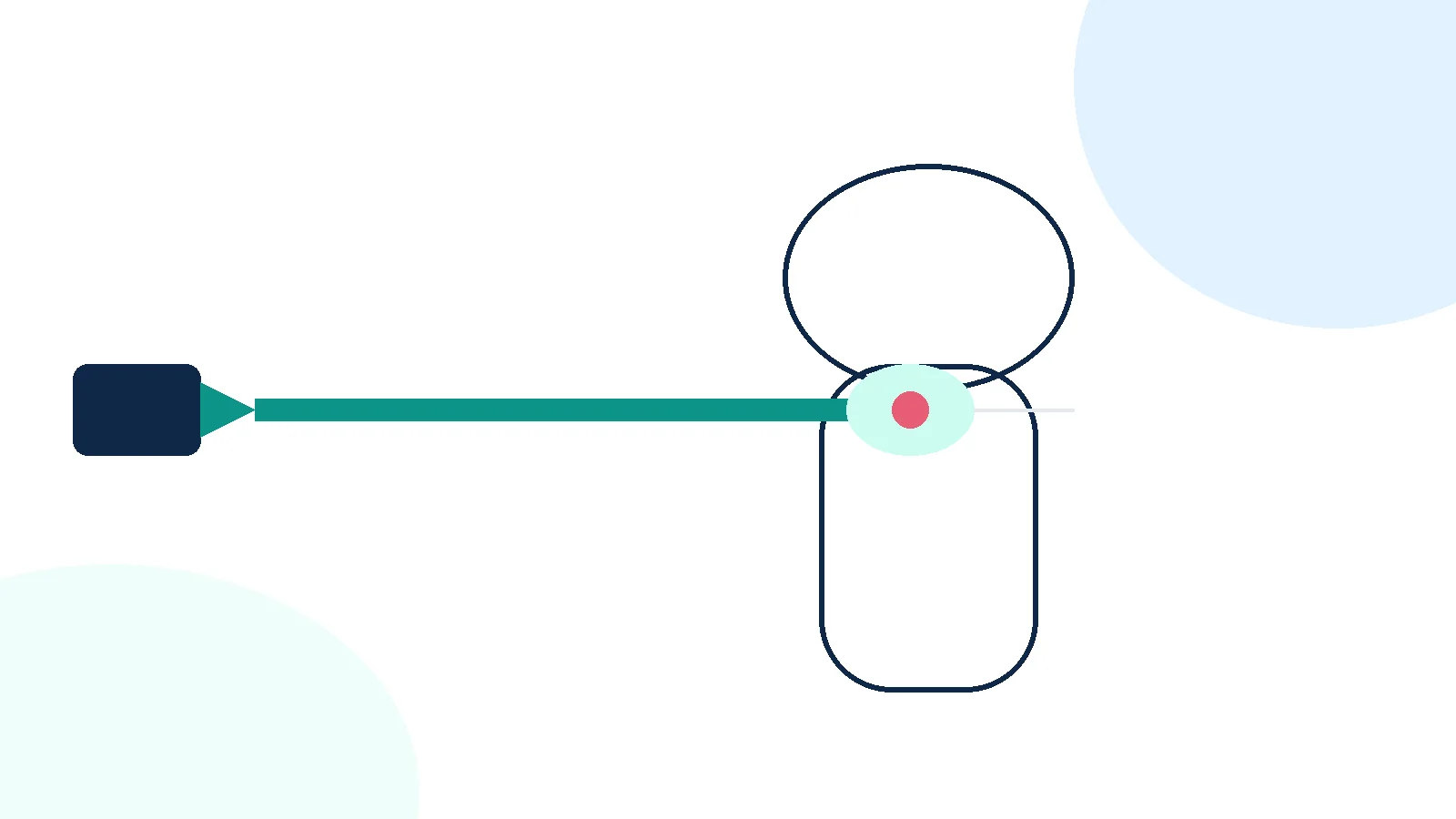
Proton beam therapy in India is a named form of external-beam radiation that uses high-energy protons to treat a tumour while reducing radiation beyond the target. The distinctive physical property is the Bragg peak: protons can be planned to deposit most of their dose at a defined depth and then stop, rather than continuing through the body like conventional X-ray or photon radiation.
For selected patients this can matter when a tumour sits close to brain, spinal cord, eye, heart, lung or other critical structures, and for some children, where limiting dose to developing tissue is clinically important. Proton therapy is not automatically the better choice for every cancer. The honest question is whether a proton plan provides a meaningful advantage over a modern photon plan for this tumour, anatomy and previous dose.
This page is the named proton product. The parent external-beam list sits on External Beam Radiotherapy in India. Dose modulation sits on IMRT in India. Image guidance sits on IGRT in India. Intracranial stereotactic lists sit on Stereotactic Radiosurgery in India. Extra-cranial stereotactic lists sit on SBRT in India. Robotic platform lists sit on CyberKnife Robotic Radiosurgery in India. Intracranial cobalt-platform lists sit on Gamma Knife Surgery in India. It is not open surgery, brachytherapy, SBRT or a universal upgrade from IMRT. Named brachytherapy lists sit on Brachytherapy in India. There is no live GAF VMAT, lung-cancer, liver-cancer or head-and-neck-cancer treatment page. Those techniques sit on neighbouring cost sheets until named separately. Disease-specific pathways sit on Brain Tumor Surgery in India, Prostate Cancer Treatment in India, Breast Cancer Treatment in India, Pancreatic Cancer Treatment in India, Cervical Cancer Treatment in India, Lymphoma Treatment in India and Spine Tumor Surgery in India. Those sheets must not be used as a proton quotation for a different site.
GAF Healthcare planning for proton beam therapy is $28,000–$55,000 (typically 4–8 weeks of fractions). US comparison is $90,000–$180,000. Neighbouring IMRT is $6,500–$14,500. Neighbouring IGRT is $7,200–$16,000. Neighbouring EBRT is $1,000–$6,000+. Neighbouring SRS is $8,500–$18,000. Neighbouring SBRT is $8,000–$17,500. Neighbouring CyberKnife is $11,000–$24,000. Neighbouring Gamma Knife is $10,500–$22,000. These are planning ranges from partner hospital cost sheets, not hospital quotations.
Dedicated proton bunkers are not present at every radiation hospital. International patients comparing proton radiation oncologists commonly start with Delhi NCR, Mumbai, Bengaluru, Chennai and Hyderabad. Partner radiation oncology hospitals in Delhi NCR, Mumbai and Bengaluru, and in Chennai and Hyderabad, are a typical first filter. City sheets include Delhi NCR, Mumbai, Bengaluru, Chennai and Hyderabad. A named partner campus for dedicated proton delivery is Apollo Proton Cancer Centre in Chennai. Confirm in writing which campus can accept the case. Pune, Kolkata, Ahmedabad and Kochi are not live GAF catalog cities on this site.
Medical note: A proton sticker is not a named proton list. The comparison that matters is this patient’s proton plan versus a modern photon plan. Sudden severe shortness of breath, new weakness, seizure, high fever or uncontrolled bleeding belongs in a local emergency department first. WhatsApp at +91 90443 46292 is for planned record review, not an acute emergency.
What Is Proton Beam Therapy?
Proton beam therapy, also called proton therapy or PBRT/PBT, is still EBRT. The machine sits outside the body. Instead of photons, it uses positively charged protons.
With conventional photon radiation, the beam enters, deposits dose along its path and continues beyond the tumour (exit dose). Proton beams can be planned so that they deposit much of their energy at a defined depth and then rapidly fall off. That is the Bragg peak.
This does not mean protons avoid all normal tissue. The beam still passes through tissue before the target. Planning must manage uncertainties in position, anatomy, range and biological effect. The goal is prescribed coverage with less unnecessary dose beyond the target whenever the proton plan actually provides that advantage.
How Does Proton Therapy Work?
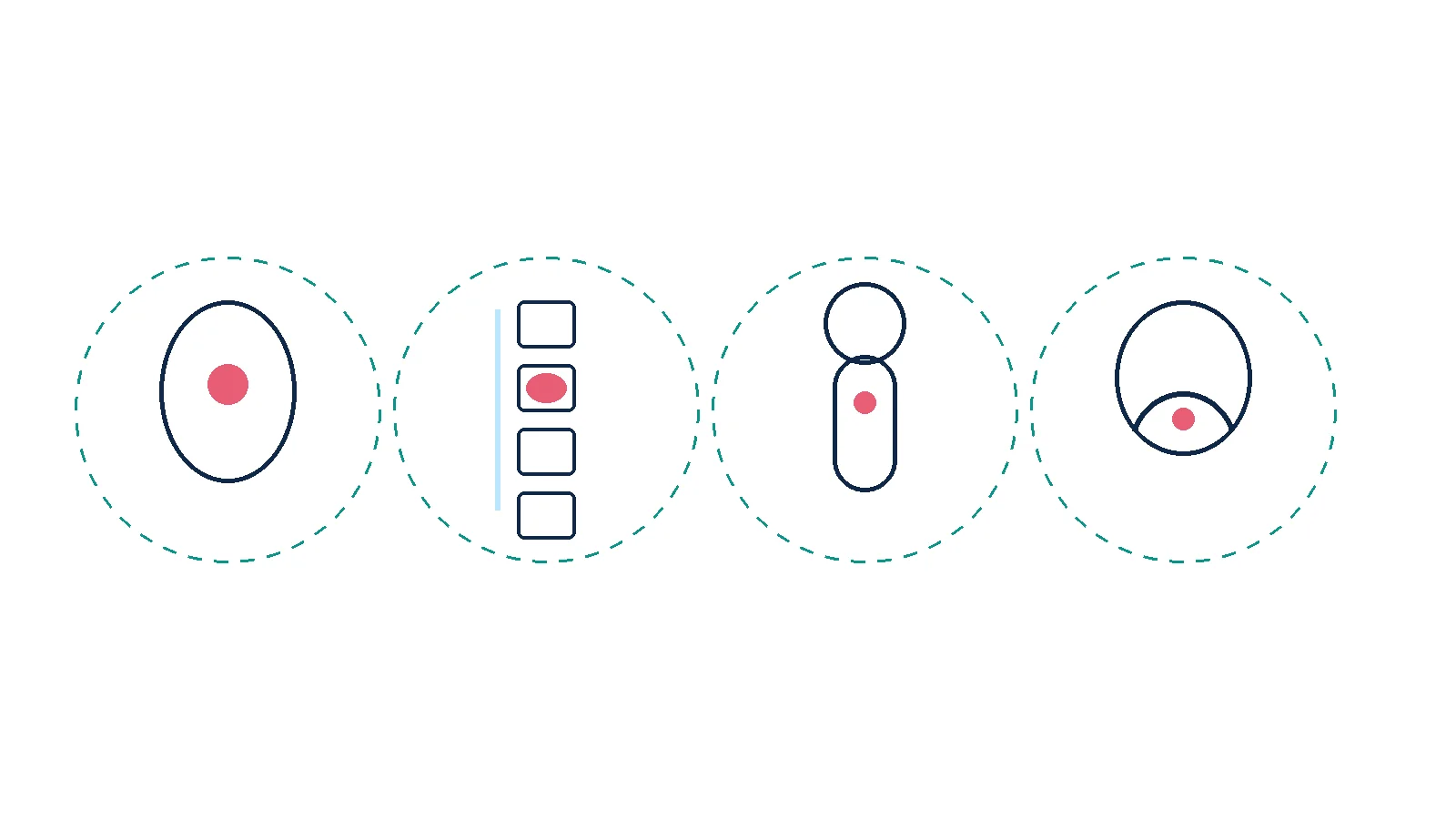
A radiation oncologist reviews pathology, size, location, stage, previous surgery, systemic therapy, previous radiation, current imaging, nearby organs and the treatment objective. If protons are worth considering, simulation follows.
- Imaging and simulation. Planning CT is usual. MRI or PET-CT may be fused. Tumour, organs at risk, previous treatment areas and positioning needs are defined.
- Immobilisation. A mask or other device keeps the position reproducible. Protons are sensitive to depth and anatomy change.
- Planning. Beam direction, energy, dose, fractions, organ limits and robustness against uncertainty are written. Modern delivery may use pencil-beam scanning and intensity-modulated proton therapy (IMPT).
- Verification. Imaging confirms position before beam-on. Cone-beam CT or other image guidance may be used.
- Delivery. The patient lies on the couch. The beam is not felt. Room time is longer than beam-on time because positioning and imaging are part of the product.
What Is the Bragg Peak?
As a proton travels through tissue it deposits energy along its path. Under appropriate planning, a large proportion of dose is deposited near the end of the planned range, then the proton stops. An X-ray beam continues and deposits exit dose on the far side.
Whether that physical difference is large enough to matter must be shown on this patient’s plans. A tumour near spinal cord is a typical example: a photon arrangement might still expose cord beyond the target; a proton beam might cover the tumour with less dose beyond. That is a plan comparison, not a slogan.
Proton Therapy vs Photon Radiation, IMRT, SRS and CyberKnife
| Feature | Proton beam therapy | Conventional photon radiation |
|---|---|---|
| Radiation used | Protons | X-rays / photons |
| Dose beyond target | Can stop at a planned depth | Continues |
| Exit dose | Minimal beyond proton range | Present |
| Planning | Highly specialised | Highly developed and widely available |
| Equipment | Particle accelerator and dedicated system | Linear accelerator |
| Availability | Limited | Widely available |
| Cost | Generally higher | Usually lower |
| Best use | Selected cases where dose reduction may matter | Broad range of cancers |
Proton therapy is not a newer version of conventional radiotherapy. Modern IMRT, IGRT and — where appropriate — SRS, SBRT or CyberKnife already deliver highly conformal photon treatment. Comparative evidence using GRADE methods has found that certainty differs by indication; protons do not consistently outperform photons across all cancers.
The useful question is not “are protons more advanced?” It is: which plan covers this tumour with an acceptable dose to nearby organs and a clinically meaningful benefit?
VMAT remains a neighbouring photon arc technique. There is no live GAF VMAT treatment page.
Who May Benefit — and Who May Not
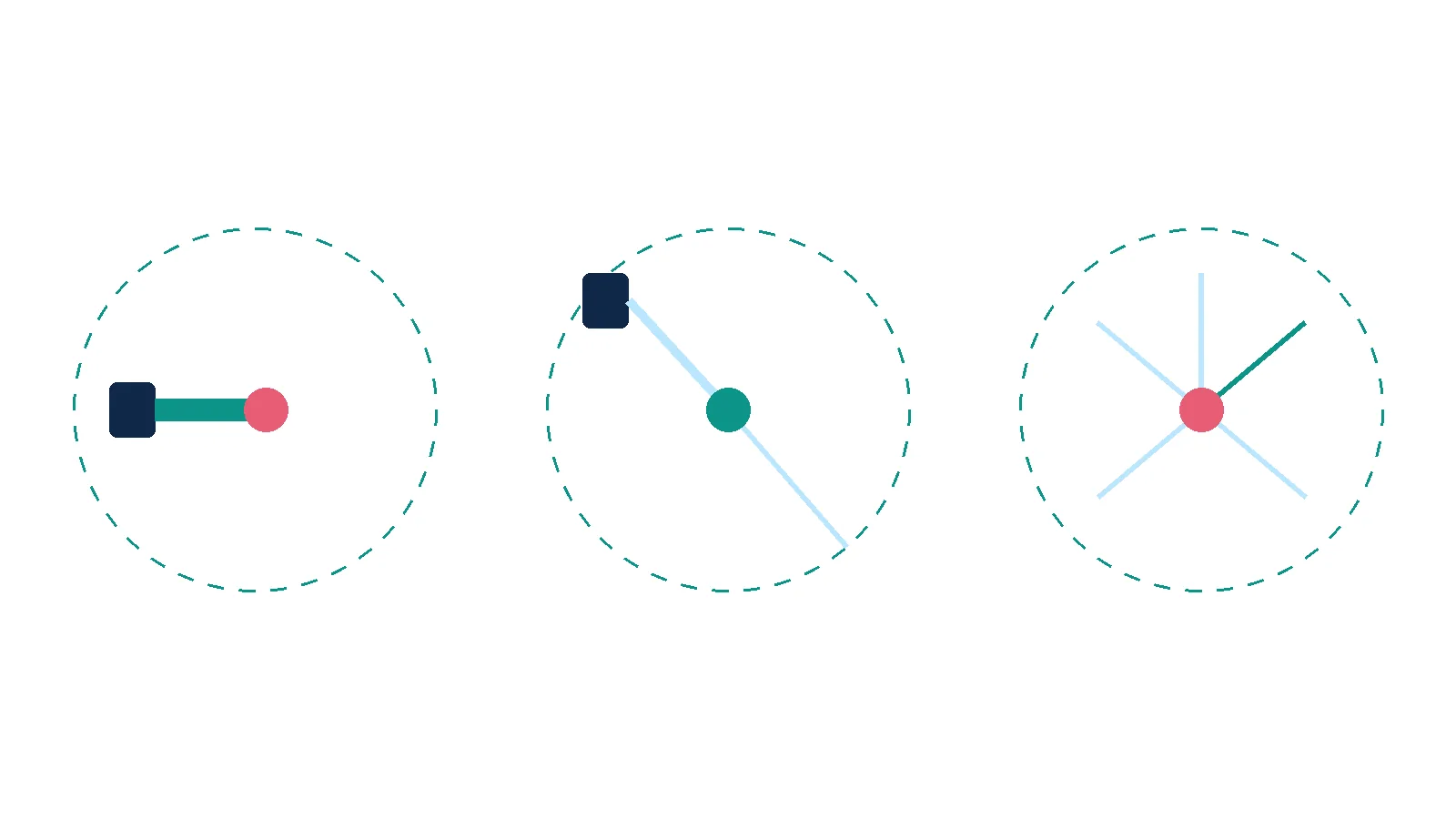
Protons are considered when reducing dose to healthy tissue could be clinically meaningful: tumours close to critical organs; selected childhood cancers; CNS and skull-base tumours including selected chordoma and chondrosarcoma; selected head-and-neck cancers; and selected re-irradiation after previous dose.
A diagnosis on a brochure list does not make protons the preferred treatment. NCI lists protons among external approaches used for selected head, neck, brain, eye, lung, spine and prostate cancers. Presence on that list is not a prescription.
Protons may not add value when a modern photon plan already covers the target well, nearby organs already receive little dose, the proton plan does not materially improve the distribution, expected benefit does not justify cost or weeks away from home, or another modality is more honest.
Small size, a paediatric label, or the word “advanced” does not automatically write a proton list.
Cancers Commonly Discussed for Protons
This page does not invent disease-specific proton treatment URLs.
Brain and skull base. Selected gliomas, meningiomas, pituitary tumours, craniopharyngiomas, vestibular schwannomas and other CNS targets may be discussed when sparing normal brain matters. Surgical lists sit on Brain Tumor Surgery in India. Stereotactic photon lists sit on SRS and Gamma Knife.
Spine. Selected spinal tumours near cord. Surgical lists sit on Spine Tumor Surgery in India. Cord compression is a local emergency.
Head and neck. Swallowing, salivary, optic and hearing structures sit nearby. Modern IMRT is also highly conformal. Compare actual plans. There is no live GAF head-and-neck-cancer treatment page.
Paediatric cancers. Late effects matter because children may live decades after treatment. Selected brain, spinal, head-and-neck, sarcoma, lymphoma and other solid tumours may be considered. Protons do not eliminate radiation risk. NCI notes that the size of any second-cancer reduction remains uncertain because high-quality randomised comparisons in children are lacking. Selected lymphomas sit on Lymphoma Treatment in India.
Prostate. Theoretical sparing of rectum and bladder is not automatic superiority. ASTRO notes that comparative evidence versus other localised-prostate options is still developing. Disease lists sit on Prostate Cancer Treatment in India.
Lung. Motion, remaining lung, heart, cord and oesophagus decide. There is no live GAF lung-cancer treatment page.
Breast. Left-sided anatomy or heart/lung proximity can justify a comparison. Breath-hold photon techniques also reduce heart dose. Disease lists sit on Breast Cancer Treatment in India.
Liver and GI. Motion and changing anatomy make planning demanding. There is no live GAF liver-cancer treatment page. Selected pancreatic pathways sit on Pancreatic Cancer Treatment in India.
Re-irradiation. Previous plan, dose, dates, current anatomy and expected benefit must be reviewed. Protons may reduce exit dose into previously treated tissue in selected cases. This is a different, more complex letter.
Treatment Procedure and How Long It Takes
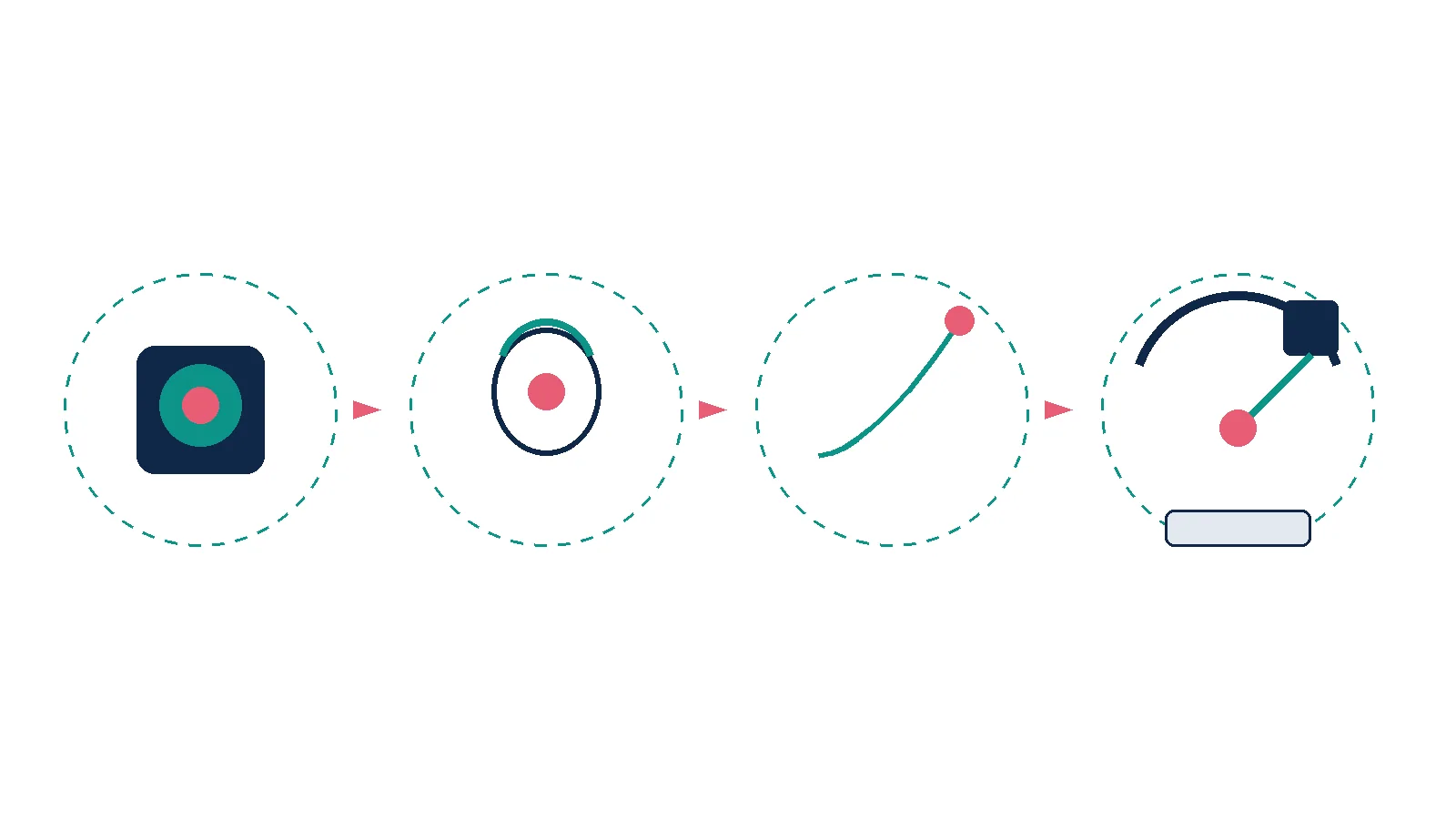
- Records review. Pathology, PET/CT/MRI, operation notes, any previous radiation plan, systemic therapy, medicines and blood tests.
- Consultation. A radiation oncologist decides whether radiation is indicated and whether protons deserve a plan comparison.
- Proton versus photon planning. Recommend protons because the comparison shows a meaningful potential advantage — not because the machine is newer.
- Simulation and QA. Immobilisation, imaging, physics checks. AERB regulates Indian radiotherapy facilities, equipment, shielding and qualified staff.
- Daily fractions. Weekday attendance over weeks is common. The patient does not become radioactive.
- Follow-up. Examination, blood tests and imaging according to the cancer.
There is no universal schedule. GAF planning is typically 4–8 weeks of fractions. Some lists are shorter (hypofractionated); others are longer. International patients should plan hotel time around consultation, simulation, QA and the full fraction calendar — not around beam-on minutes. Paediatric daily anaesthesia, if required, is a major separate driver.
Side Effects, Recovery and Follow-Up
Proton therapy is still radiation. Site-specific effects still occur.
Short-term effects can include fatigue, skin irritation, hair loss in the field, nausea, reduced appetite, mouth or throat irritation, swallowing difficulty, headache, bowel change or urinary symptoms. Late effects can appear months or years later and depend on dose, site, age, nearby organs, previous radiation and combined therapy.
A Bragg peak is a physical fact, not a guarantee of fewer side effects or better survival.
Sudden severe shortness of breath, new weakness, seizure, high fever or uncontrolled bleeding belongs in a local emergency department.
Proton Therapy Cost in India
GAF Healthcare planning is $28,000–$55,000, typically 4–8 weeks of fractions. US comparison is $90,000–$180,000. This is a preliminary planning range, not a fixed package. Published Indian rupee listings vary by source and are not used as GAF quotations on this page.
Infrastructure — accelerator, beam line, gantry, physics, safety and engineering — is why protons generally cost more than linac photon courses.
A quotation should state whether consultation, simulation, CT/MRI/PET, planning, physics QA, the proton fractions, reviews, nursing, medicines, paediatric anaesthesia if needed, admission and follow-up visits are inside the package. Hotel weeks, flights, visa, extra imaging and home follow-up are usually separate.
Insurance should not be assumed. Ask whether protons are covered for this diagnosis, whether pre-authorisation is required, whether the named campus is in-network, and what the maximum eligible amount is.
International Patient Pathway
Do not choose a hospital solely because it owns a proton system. Ask about multidisciplinary support, pencil-beam scanning or IMPT, image guidance, motion management, robust planning, QA, experience with this tumour, and whether a proton-versus-photon comparison will be written.
Chennai is an important destination because the named partner Apollo Proton Cancer Centre is a dedicated proton campus. Consultation may start in other live GAF catalog cities. Confirm which campus will deliver fractions before travel.
- Send records, including previous radiation plans.
- A radiation oncologist reviews whether protons, IMRT, SRS, SBRT, surgery, systemic therapy or no India list is the named product.
- Expected fractions, campus and organ constraints are written down.
- An itemized estimate is issued. GAF proton planning is $28,000–$55,000.
- Stable planned cases travel after that review. Acute symptoms are a local emergency.
- Simulation is repeated after arrival.
- The named proton course is delivered.
- The patient leaves with a follow-up plan and who will review scans at home.
GAF Healthcare can coordinate records, hospital sharing, appointments, visa documentation, airport transfer, accommodation near the bunker, interpreter support and follow-up messages. The treating radiation oncologist remains responsible for prescription and medical care.
Questions and Combined Care
Ask why protons rather than IMRT, whether proton and photon plans will be compared, which organs should receive less dose, whether the aim is control, toxicity reduction or both, how many fractions, whether chemotherapy continues, what late effects are expected, what the package includes, whether insurance applies, whether the patient must remain in Chennai throughout, and who follows them after returning home.
Systemic therapy may continue around radiation. Some medicines increase injury if given too close. Share a complete medicine list.
Frequently Asked Questions
Is proton beam therapy available in India? Yes, at selected dedicated campuses. A named partner facility is Apollo Proton Cancer Centre in Chennai. Confirm campus and dates in writing.
How much does it cost in India? GAF Healthcare planning is $28,000–$55,000, typically 4–8 weeks of fractions. US comparison is $90,000–$180,000.
Is it better than normal radiation? Not automatically. Physical dose-reduction beyond the target may or may not produce a meaningful clinical benefit.
Is it safer than chemotherapy? They are not interchangeable. Chemotherapy is systemic. Proton therapy is local radiation. Some patients receive both.
Can it treat brain or prostate cancer? Selected cases may be considered. Individual planning decides. Prostate comparative evidence remains under development.
Can it be used after previous radiation? Sometimes. Re-irradiation needs the previous plan and organ doses.
Do I need to stay in India for the whole course? If fractions run over several weeks, international patients generally remain near the campus for that calendar.
Can proton therapy cure cancer? It can be part of curative treatment for selected patients. No radiation technology guarantees a cure.
When should I go to an emergency department? Sudden severe shortness of breath, new weakness, seizure, high fever or uncontrolled bleeding belongs in a local emergency department.
Key Takeaways
- Proton therapy is specialised EBRT that can stop at a planned depth. It does not make the patient radioactive.
- The honest product is a plan comparison, not a machine name. IMRT, IGRT, SRS, SBRT, CyberKnife and Gamma Knife remain neighbouring photon or stereotactic options.
- It may help selected tumours near critical organs, some children, skull-base/CNS targets and selected re-irradiation. It is not automatic for every cancer.
- Dedicated bunkers are limited. Confirm the treating campus. GAF planning is $28,000–$55,000, typically 4–8 weeks of fractions.
- A proton sticker is not a substitute for a named list, physics QA and weeks of lodging.
Why Choose GAF Healthcare for Proton Therapy in India?
GAF Healthcare coordinates record review, a named proton list, an itemized estimate, accommodation near the treating campus and follow-up messages. The first step is to establish whether protons are honest for this tumour, or whether IMRT, SRS, SBRT, surgery or no India list should be named instead.
Share imaging, pathology and any previous radiation plan for a case-specific assessment.
Planned questions can also go to WhatsApp at +91 90443 46292. Emergency symptoms still belong in a local emergency department.
Medical Disclaimer
This page provides general educational information about proton beam therapy in India. It does not diagnose a cancer or determine whether protons are appropriate for an individual patient.
Treatment decisions should be made with a qualified radiation oncologist after reviewing imaging, previous dose and overall health.
Published treatment costs are indicative and can change between hospitals, cities, techniques and individual cases. A hospital's written quotation should be obtained before treatment or travel arrangements are finalized.
Treatment Process
- 1
Share records
The patient provides pathology, imaging and any previous radiation plan before anyone books weeks of travel.
- 2
Multidisciplinary review
A radiation oncologist reviews whether protons, IMRT, SRS, SBRT, surgery, systemic therapy or no India list is the honest product.
- 3
Compare proton and photon plans
The team writes protons only after a meaningful potential advantage is shown against a modern photon plan.
- 4
Itemized estimate
GAF proton planning is $28,000–$55,000. Neighbouring IMRT is $6,500–$14,500 when a linac course is the named product instead.
- 5
Confirm the campus
Dedicated proton bunkers are limited. Confirm in writing which campus can accept the case before travel.
- 6
Travel if fit
Stable planned cases travel after records review. Acute symptoms belong in a local emergency department.
- 7
Simulation and physics QA
Immobilisation, planning imaging and patient-specific quality assurance are repeated after arrival.
- 8
Deliver the named proton course
Weekday fractions proceed only after the approved plan and image-guided positioning.
- 9
Follow-up plan
The patient leaves with imaging timing and who will follow them after returning home.