
Treatment Overview
Cervical cancer treatment in India is based primarily on the stage of the cancer, tumor size and location, lymph-node involvement, histological type, the patient's overall health, fertility preferences and whether the disease has spread beyond the pelvis.
Treatment may include surgery, radiation therapy, chemotherapy, brachytherapy, targeted therapy, immunotherapy, or a combination of these treatments. For locally advanced cervical cancer, external-beam radiation therapy combined with platinum-based chemotherapy and brachytherapy is a central curative approach.
India has a large network of tertiary cancer centers offering gynecologic oncology, radiation oncology, medical oncology, pathology, advanced imaging and multidisciplinary cancer care.
This page is the cervical-cancer pathway for GAF Healthcare. It sits beside breast cancer treatment in India and ovarian cancer treatment in India. Ovarian peritoneal disease is a different pathway — see HIPEC surgery in India when CRS-HIPEC is being considered.
What Is Cervical Cancer?
Cervical cancer develops in the cells of the cervix, the lower part of the uterus that connects to the vagina.
The two major histological types are:
- Squamous cell carcinoma
- Adenocarcinoma
Squamous cell carcinoma accounts for the majority of cervical cancers, while adenocarcinoma represents a smaller but important proportion. Other rare histological types also occur.
Persistent infection with certain high-risk types of human papillomavirus (HPV) is the principal cause of cervical cancer.
Because cervical cancer can often be detected through screening and treated effectively when found early, timely diagnosis and appropriate staging are extremely important.
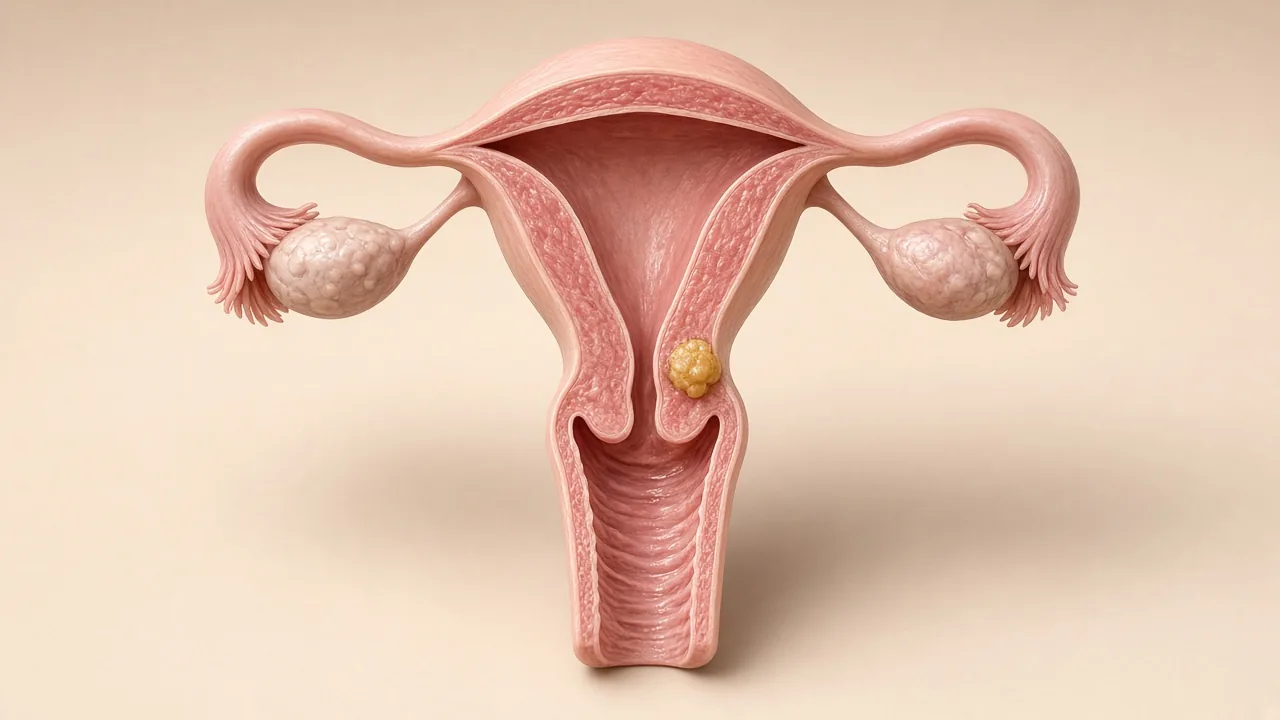
Cervical Cancer in India
Cervical cancer remains an important health issue in India.
According to the International Agency for Research on Cancer's GLOBOCAN estimates, India recorded approximately 127,526 new cervical cancer cases in 2022, making cervical cancer the second most common cancer among Indian women by number of new cases after breast cancer.
IARC's cervical cancer elimination data estimate that India had approximately 127,526 new cases and 79,906 deaths in 2023, although these are modeled estimates rather than a national patient registry count.
The burden is particularly important because patients may present at different stages, and treatment requirements can vary substantially between early-stage and locally advanced disease.
Cervical Cancer Treatment in India: At a Glance
| Cervical Cancer Stage | Common Treatment Approach |
|---|---|
| Stage IA1 | Conization or hysterectomy in selected patients |
| Stage IA2 | Modified radical hysterectomy, fertility-sparing surgery or radiation in selected patients |
| Stage IB1–IB2 | Surgery or definitive chemoradiation depending on tumor characteristics |
| Stage IB3 | Chemoradiation is commonly considered; surgery may be appropriate in selected cases |
| Stage IIA | Surgery or definitive chemoradiation depending on tumor size and extent |
| Stage IIB | Definitive chemoradiation + brachytherapy |
| Stage III | Definitive chemoradiation + brachytherapy; immunotherapy may be appropriate for selected high-risk disease |
| Stage IVA | Chemoradiation + brachytherapy in appropriate patients; systemic treatment may also be considered |
| Stage IVB | Systemic therapy, immunotherapy/targeted therapy, radiation for selected symptoms or disease sites, and clinical trials |
| Recurrent cancer | Treatment depends on site of recurrence, previous treatment and whether the recurrence is local or distant |
Treatment cannot be selected from stage alone. Tumor size, lymph nodes, metastatic disease, previous treatment, kidney function, performance status, fertility wishes and other medical factors can change the treatment plan.
Ask about radical hysterectomy
How Is Cervical Cancer Diagnosed?
A diagnosis usually begins with an abnormal screening result, symptoms, a visible cervical lesion or an abnormal pelvic examination.
Common diagnostic tests
1. Pelvic examination. A gynecologist or gynecologic oncologist examines the cervix and surrounding structures.
2. Pap test. A Pap test can identify abnormal cervical cells. It is primarily a screening test rather than a definitive test for invasive cervical cancer.
3. HPV testing. High-risk HPV testing may be used as part of cervical cancer screening.
4. Colposcopy. Colposcopy allows the doctor to examine the cervix under magnification and identify areas that may require biopsy.
5. Cervical biopsy. A biopsy is generally required to establish a pathological diagnosis of invasive cervical cancer.
6. Endocervical sampling. This may be performed when disease higher in the cervical canal needs to be evaluated.
7. MRI. Pelvic MRI is particularly useful for evaluating the local extent of cervical cancer.
8. CT scan. CT may be used to assess the chest, abdomen and pelvis and to evaluate possible metastatic disease.
9. PET-CT. PET-CT can help identify metabolically active lymph nodes and distant disease in appropriate patients.
The staging work-up is individualized. NCI lists CT, PET, MRI, ultrasound, cystoscopy and other investigations among the tests that may be used to determine disease extent.
Send biopsy, MRI and PET-CT records
Cervical Cancer Staging
Cervical cancer is commonly staged using the FIGO staging system.
Staging answers an important question:
How far has the cancer spread from the cervix?
It helps the oncology team decide whether the patient is better suited for surgery, definitive chemoradiation, systemic treatment, or a combination of approaches.
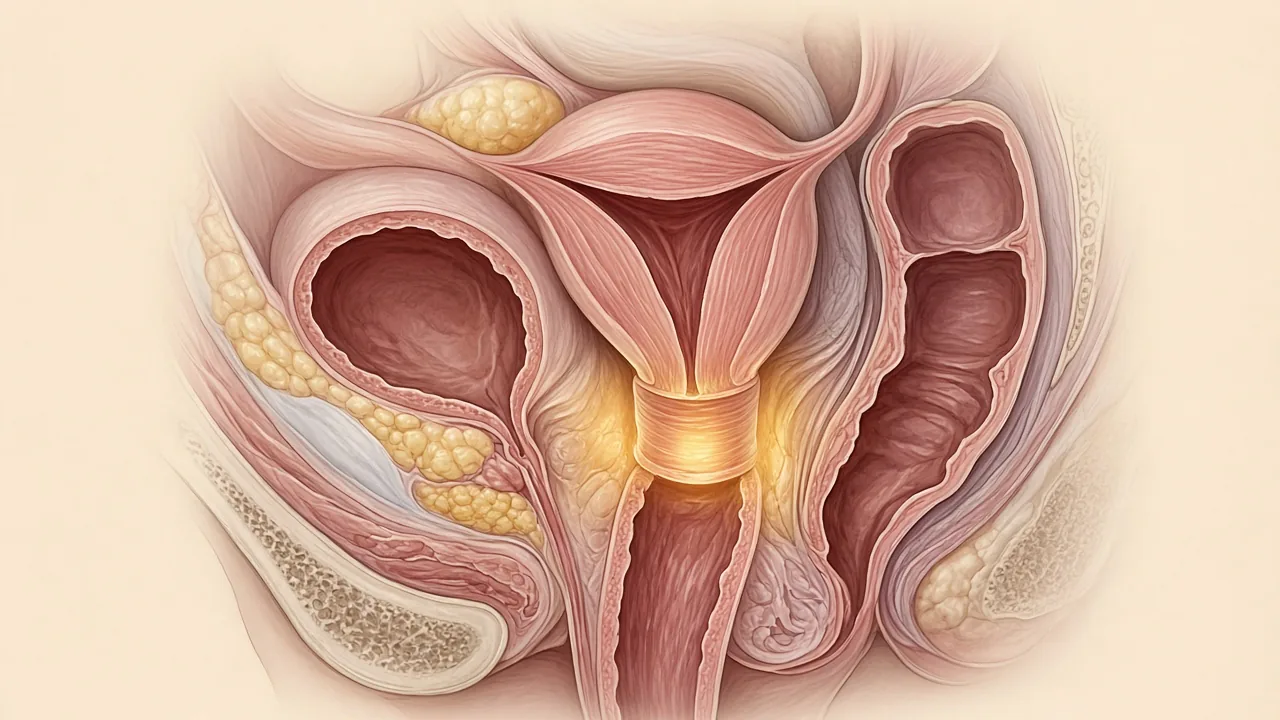
Stage I Cervical Cancer
Cancer is confined to the cervix.
Stage I is further divided into IA and IB based on the depth and size of the tumor.
Very small tumors may be treated with conservative surgery, conization or hysterectomy depending on pathology and fertility considerations.
Larger stage I tumors may require radical surgery or definitive chemoradiation.
Stage II Cervical Cancer
The cancer extends beyond the uterus but has not reached the pelvic wall or lower third of the vagina.
Stage IIA involves the upper vagina without parametrial involvement.
Stage IIB involves the parametria.
Treatment selection depends heavily on tumor size and local extension.
Stage III Cervical Cancer
Stage III disease represents more extensive regional disease.
It can involve the pelvic wall, lower third of the vagina, hydronephrosis or regional lymph nodes depending on the specific FIGO substage.
Definitive chemoradiation with brachytherapy is an important treatment approach.
Stage IVA Cervical Cancer
The cancer has invaded adjacent pelvic organs such as the bladder or rectum.
Selected patients may still receive treatment with curative intent, particularly when disease can be treated effectively with definitive radiation-based therapy.
Stage IVB Cervical Cancer
Cancer has spread to distant organs or distant lymph nodes.
Treatment is generally systemic and may include chemotherapy, immunotherapy and targeted therapy. Radiation can also be used for symptom control or selected metastatic sites.
Cervical Cancer Treatment by Stage
Treatment of Stage IA1 Cervical Cancer
For carefully selected patients with very early disease, treatment may include:
- Conization
- Cold-knife conization
- LEEP in selected circumstances
- Total hysterectomy
Fertility preservation may be possible in selected women when the cancer is extremely small and the pathological criteria are favorable.
The final decision depends on factors such as depth of invasion, lymphovascular space invasion, margin status, histology and fertility plans.
NCI identifies conization and total hysterectomy among treatment options for stage IA1 disease.
Treatment of Stage IA2 Cervical Cancer
Treatment options may include:
- Modified radical hysterectomy
- Pelvic lymph-node assessment
- Radical trachelectomy in selected fertility-preserving candidates
- Radiation therapy for patients who are not suitable for surgery
The goal is to remove or eradicate the cancer while minimizing unnecessary treatment.
Treatment of Stage IB Cervical Cancer
Stage IB disease encompasses tumors of different sizes and characteristics, so treatment cannot be determined simply from the label “stage IB.”
Depending on tumor size, lymph-node status and other characteristics, treatment may include:
Surgery
- Radical hysterectomy
- Pelvic lymph-node assessment
- Selected minimally invasive or open surgical approaches according to oncologic suitability
- Fertility-preserving surgery for carefully selected patients
Radiation-based treatment
NCI lists surgery, chemoradiation and selected fertility-preserving procedures among treatment approaches for stages IB and IIA.
Treatment of Stage IIA Cervical Cancer
Treatment depends particularly on tumor size and the extent of vaginal involvement.
Possible approaches include radical hysterectomy, pelvic lymph-node assessment, definitive chemoradiation, brachytherapy and fertility-sparing treatment in highly selected patients.
A multidisciplinary review is particularly useful when the choice between surgery and radiation is not straightforward.
Treatment of Stage IIB Cervical Cancer
Stage IIB disease is generally considered locally advanced cervical cancer.
The standard curative approach for many patients is:
External-beam radiation therapy + concurrent platinum-based chemotherapy + brachytherapy
The ESGO/ESTRO/ESP guidelines describe definitive management as external-beam radiation therapy with concomitant platinum-based chemotherapy followed by brachytherapy. They also emphasize avoiding unnecessary treatment interruptions and keeping the overall treatment time within approximately seven weeks where feasible.
Treatment of Stage III Cervical Cancer
Treatment generally involves:
- External-beam radiation therapy — EBRT treats the primary tumor and relevant pelvic or para-aortic lymph-node regions when indicated.
- Concurrent chemotherapy — weekly cisplatin is commonly used as a radiosensitizing drug when the patient can safely receive it.
- Brachytherapy — a concentrated radiation dose delivered directly around the cervical tumor.
- Immunotherapy — for selected patients with high-risk locally advanced disease, pembrolizumab may be incorporated into chemoradiation according to applicable regulatory approvals, treatment guidelines and individual eligibility.
The FDA approved pembrolizumab with chemoradiotherapy for FIGO 2014 stage III–IVA cervical cancer in January 2024.
Treatment of Stage IVA Cervical Cancer
Treatment depends on bladder or rectal involvement, lymph-node status, distant disease, tumor anatomy, previous treatment and overall health.
For appropriately selected patients, definitive chemoradiation with brachytherapy may still be used.
Systemic therapy and immunotherapy may also be incorporated depending on disease characteristics and eligibility.
Treatment of Stage IVB Cervical Cancer
Stage IVB disease means the cancer has spread to distant locations.
Treatment usually focuses on controlling cancer throughout the body.
Depending on the patient's disease characteristics, treatment may include platinum-based chemotherapy, paclitaxel, bevacizumab, pembrolizumab, other immunotherapy, other targeted or systemic treatments, radiation therapy for symptom control, treatment of selected metastatic lesions and clinical trials.
The choice of systemic therapy depends on factors including prior treatment, PD-L1 status where relevant, disease burden, organ function and patient fitness.
Surgery for Cervical Cancer
Surgery is most commonly used for selected early-stage cervical cancers.
Types of cervical cancer surgery
Conization. A cone-shaped portion of the cervix containing the abnormal area is removed. It may be appropriate for selected very early cancers and can preserve fertility.
Simple hysterectomy. The uterus and cervix are removed without the wider tissue removal required for radical surgery. Neighbouring GAF sheets include laparoscopic hysterectomy, robotic hysterectomy and abdominal hysterectomy.
Radical hysterectomy. The uterus, cervix and surrounding tissues are removed. Pelvic lymph nodes are usually assessed as part of staging and treatment. GAF planning ranges for radical hysterectomy are $6,000–$14,000, typically 4–8 nights.
Radical trachelectomy. Radical trachelectomy removes the cervix and surrounding tissue while preserving the uterine body in selected patients who wish to retain fertility. Appropriate candidates require careful selection based on tumor size, stage, imaging, histology and other factors.
NCI identifies radical trachelectomy as a fertility-sparing option for selected patients with early-stage disease.
Gynecologic cancer surgery is the broader GAF sheet when the named gyn-onc list covers cervical, ovarian or endometrial operations. That planning range is $5,000–$12,000, typically 3–7 nights.
Open vs minimally invasive surgery
The surgical approach should be selected based on oncologic evidence, tumor characteristics and the surgeon's expertise.
Options can include open abdominal surgery, laparoscopic surgery and robotic-assisted surgery in selected settings.
The approach should not be selected solely because one technique appears less invasive.
For cervical cancer, oncologic safety is the primary consideration.
Radiation Therapy for Cervical Cancer
Radiation therapy plays a major role in cervical cancer treatment.
It can be used as definitive treatment, with chemotherapy, after surgery, for recurrent disease and for symptom control in advanced disease.
Radiation treatment commonly consists of two components.
External-beam radiation therapy
Radiation is delivered from a machine outside the body.
Modern techniques can include:
IMRT can help reduce radiation exposure to nearby organs in appropriate cases. ASTRO recommends IMRT particularly in postoperative radiation settings to reduce treatment-related toxicity and conditionally recommends it in definitive treatment.
GAF planning ranges include EBRT $1,000–$6,000+, IMRT $6,500–$14,500 and IGRT $7,200–$16,000.
Brachytherapy for Cervical Cancer
Brachytherapy is one of the most important components of definitive radiation treatment for cervical cancer.
Unlike external radiation, where radiation comes from outside the body, brachytherapy places the radiation source close to or inside the tumor region.
It allows a high radiation dose to be delivered to the tumor while limiting exposure to surrounding organs.
Modern image-guided brachytherapy can use MRI, CT, ultrasound in selected settings, intracavitary applicators and interstitial or hybrid techniques.
ASTRO strongly recommends brachytherapy for women receiving definitive radiation for intact cervical cancer.
The Indian Brachytherapy Society also describes brachytherapy as an integral part of curative radiation treatment for cervical cancer.
GAF planning ranges are $5,500–$13,000 for brachytherapy, $6,000–$14,000 for intracavitary brachytherapy and $6,800–$15,500 for interstitial brachytherapy.
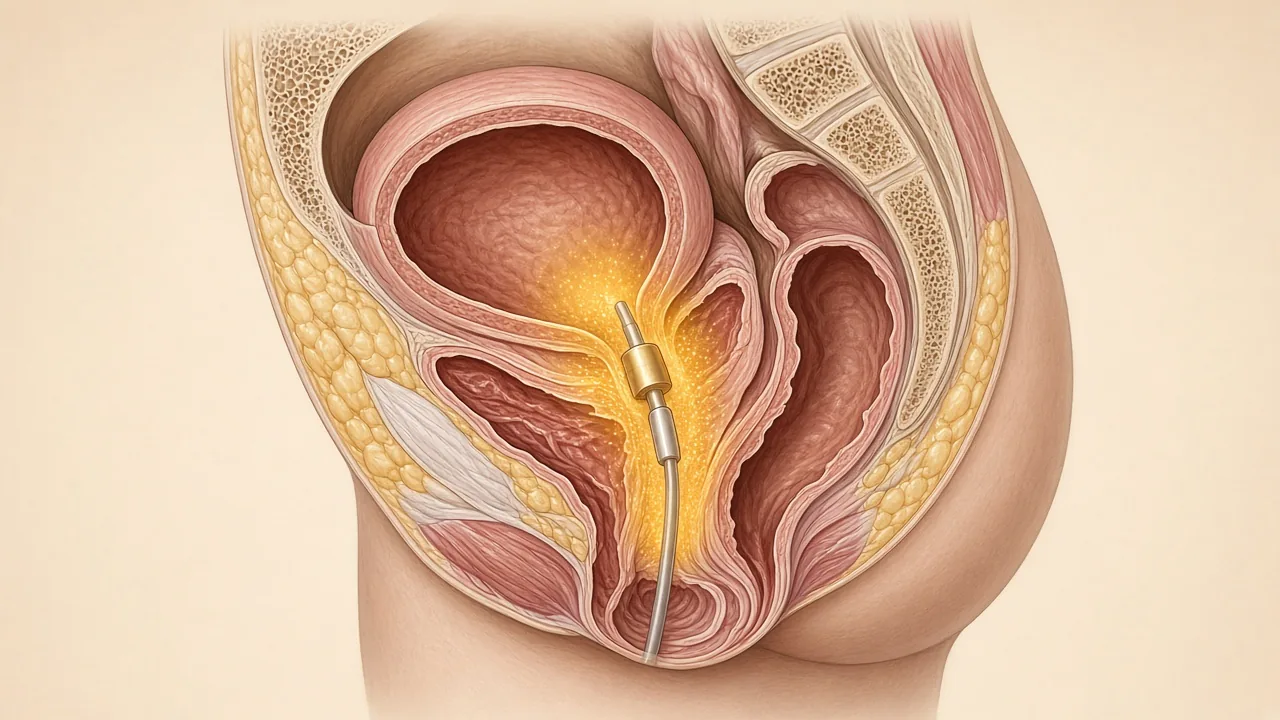
Why Brachytherapy Should Not Be Skipped Without a Clinical Reason
A common misconception is that external-beam radiation alone is sufficient for cervical cancer.
For patients receiving definitive radiation, brachytherapy is a critical component of treatment.
The Indian Brachytherapy Society specifically emphasizes its importance in locally advanced cervical cancer.
If brachytherapy is technically difficult, the radiation oncology team should determine whether intracavitary, interstitial or hybrid brachytherapy can be performed rather than simply replacing it with a less suitable approach.
Chemotherapy for Cervical Cancer
Chemotherapy may be used:
Concurrently with radiation. Cisplatin is commonly used weekly as a radiosensitizer.
Before or after other treatment. Chemotherapy may be considered in selected situations.
For metastatic or recurrent cancer. Chemotherapy may be used as systemic treatment, often in combination with other drugs.
Commonly used agents can include cisplatin, carboplatin, paclitaxel, topotecan, gemcitabine and other agents depending on disease and previous treatment.
The choice depends on the patient's treatment history, kidney function, blood counts, neuropathy, performance status and other clinical factors.
GAF planning ranges for chemotherapy are $1,500–$8,000+.
Immunotherapy for Cervical Cancer
Immunotherapy has become an important part of the treatment landscape for advanced cervical cancer and selected locally advanced disease.
Pembrolizumab is an immune checkpoint inhibitor targeting PD-1.
Depending on the clinical setting, it may be used:
- With chemoradiation for selected high-risk locally advanced disease
- With chemotherapy for certain recurrent or metastatic cancers
- As monotherapy in selected biomarker-defined situations
The eligibility requirements depend on the disease setting and applicable regulatory and guideline criteria.
The KEYNOTE-A18 trial showed improved progression-free survival when pembrolizumab was added to chemoradiation in certain newly diagnosed high-risk cervical cancers.
GAF planning ranges for immunotherapy are $15,000–$45,000.
Targeted Therapy for Cervical Cancer
Targeted therapy may be used in advanced or recurrent cervical cancer.
Bevacizumab targets vascular endothelial growth factor (VEGF), a pathway involved in tumor blood-vessel formation.
It may be combined with chemotherapy in selected patients with advanced disease.
Treatment selection must consider bleeding risk, blood pressure, kidney function, previous treatment, fistula risk and other medical conditions.
GAF planning ranges for targeted therapy are $8,000–$30,000.
Treatment for Recurrent Cervical Cancer
Cervical cancer can recur after initial treatment.
Recurrence may be:
- Local — the cancer returns in or near the pelvis
- Regional — the cancer returns in regional lymph nodes
- Distant — the cancer spreads to organs such as the lungs, liver or bones
Treatment depends heavily on the original treatment.
For example, a patient previously treated with surgery may be considered for radiation-based treatment if appropriate, while someone previously treated with radiation may require a different strategy.
Selected patients with isolated pelvic recurrence may be considered for major salvage surgery such as pelvic exenteration at specialized centers.
Systemic therapy may be used for metastatic or unresectable recurrence.
Cervical Cancer Treatment and Fertility Preservation
Fertility can be an important concern for younger women.
Not every cervical cancer patient needs to lose fertility.
Depending on stage and tumor characteristics, options may include conization, radical trachelectomy, ovarian preservation, ovarian transposition before pelvic radiation, fertility counseling and egg or embryo preservation before treatment.
However, fertility preservation should never compromise cancer control.
A fertility-preservation discussion should happen before definitive treatment begins whenever future pregnancy is important to the patient.
Cervical Cancer Treatment During Pregnancy
Cervical cancer diagnosed during pregnancy requires highly individualized management.
Treatment depends on gestational age, cancer stage, histology, tumor size, lymph-node status, the patient's wishes and the timing of delivery.
Management should involve a multidisciplinary team including gynecologic oncology, maternal-fetal medicine, medical oncology and radiation oncology when appropriate.
How Is Cervical Cancer Treatment Planned in India?
A well-organized treatment pathway generally follows these steps:
- Initial consultation — the patient meets a gynecologic oncologist or multidisciplinary cancer team.
- Pathology review — the biopsy and pathology reports are reviewed. For international patients, bringing the original pathology blocks or slides where available can be extremely useful.
- Staging — imaging may include MRI pelvis, CT, PET-CT, chest imaging and other investigations where indicated.
- Multidisciplinary review — gynecologic oncology, radiation oncology, medical oncology, radiology, pathology, nuclear medicine and a fertility specialist where appropriate.
- Treatment plan — surgery versus radiation, chemotherapy requirement, brachytherapy requirement, immunotherapy eligibility, fertility-preservation options and treatment duration.
- Treatment — delivered according to the individualized plan.
- Response assessment — the patient is assessed after treatment.
- Long-term follow-up — detecting recurrence and managing treatment-related effects.
How Long Does Cervical Cancer Treatment Take in India?
The duration depends on the treatment plan.
Surgery. Hospitalization and recovery may take several days to several weeks depending on the procedure and complications. GAF stay ranges include 4–8 nights after radical hysterectomy and 3–7 nights after gynecologic cancer surgery.
Chemoradiation. Definitive radiation treatment generally involves several weeks of external-beam radiation, combined with brachytherapy and concurrent chemotherapy when appropriate.
Treatment should be completed without unnecessary interruptions because prolonged overall treatment time can compromise outcomes.
The ESGO/ESTRO/ESP guideline recommends that definitive external-beam chemoradiation and brachytherapy ideally be completed within approximately seven weeks.
Advanced disease. Treatment may be delivered in cycles or ongoing maintenance depending on the systemic therapy used.
Cervical Cancer Treatment Cost in India
The cost of cervical cancer treatment in India varies considerably.
A meaningful estimate cannot be based only on the words “cervical cancer.”
The figures below are GAF Healthcare published planning ranges, not hospital quotations and not rupee package prices found on generic medical-tourism pages.
| Treatment | GAF planning range | Typical stay or course |
|---|---|---|
| Gynecologic cancer surgery | $5,000–$12,000 | 3–7 nights |
| Radical hysterectomy | $6,000–$14,000 | 4–8 nights |
| Laparoscopic hysterectomy | $3,000–$7,000 | 1–3 nights |
| Robotic hysterectomy | $5,000–$10,000 | 1–3 nights |
| Abdominal hysterectomy | $3,000–$7,500 | 2–5 nights |
| EBRT | $1,000–$6,000+ | About 15–35 sessions |
| IMRT | $6,500–$14,500 | About 4–7 weeks of fractions |
| IGRT | $7,200–$16,000 | About 4–7 weeks of fractions |
| Brachytherapy | $5,500–$13,000 | About 1–7 nights |
| Intracavitary brachytherapy | $6,000–$14,000 | About 1–7 nights |
| Interstitial brachytherapy | $6,800–$15,500 | About 2–8 nights |
| Chemotherapy | $1,500–$8,000+ | Outpatient cycles |
| Immunotherapy | $15,000–$45,000 | Outpatient infusions |
| Targeted therapy | $8,000–$30,000 | Oral or infusion |
City pages such as Delhi NCR gynecologic cancer surgery use the same national ranges unless a hospital issues a verified quotation.
The final hospital quotation can still depend on cancer stage, surgery requirement, radiation technique, number of brachytherapy applications, chemotherapy and immunotherapy drugs, hospital category, length of hospitalization, investigations, complications and follow-up.
Request an itemized cervical cancer estimate
What should a patient ask for?
Before travelling to India, ask the hospital for a written estimate covering:
- What is included?
- What is excluded?
- How many radiation sessions are planned?
- How many brachytherapy applications are expected?
- Are chemotherapy drugs included?
- Is pathology review included?
- Is hospitalization included?
- Are complications covered?
- Are follow-up consultations included?
- What happens if the treatment plan changes after arrival?
What Is Usually Included in a Cervical Cancer Treatment Package?
Depending on the hospital and quotation, a package may include some combination of oncologist consultation, pre-treatment investigations, blood tests, imaging, surgery, surgeon fees, anesthesia, hospital room, nursing, pathology, radiation planning, external-beam radiation, brachytherapy, chemotherapy administration and selected medicines.
Some items may be billed separately.
Best Hospitals for Cervical Cancer Treatment in India
The right hospital depends on the patient's stage and treatment requirements.
For cervical cancer, patients should look beyond the hospital's general reputation and check whether the center has access to:
- Gynecologic oncology — a specialist team for complex cervical cancer surgery and treatment planning
- Radiation oncology — modern external-beam radiation facilities
- Brachytherapy — essential for patients requiring definitive radiation
- Medical oncology — chemotherapy, immunotherapy or targeted therapy when needed
- Pathology — confirming diagnosis and treatment planning
- Advanced imaging — MRI and PET-CT
- Multidisciplinary tumor board
Compare named teams in Delhi NCR, Mumbai, Bengaluru, Chennai and Hyderabad. For radical hysterectomy lists see Delhi NCR surgical oncology. For brachytherapy lists see Delhi NCR radiation oncology. Hospital directories include Bengaluru gynecology and Delhi NCR radiation oncology.
The most suitable center depends on the treatment required rather than simply the city or hospital brand.
How to Choose a Cervical Cancer Specialist in India
A patient looking for a cervical cancer specialist should consider:
- Gynecologic oncology training
- Experience with cervical cancer surgery
- Experience with radical hysterectomy
- Experience with fertility-preserving procedures where relevant
- Access to a radiation oncology team
- Access to brachytherapy
- Multidisciplinary cancer care
- Pathology and imaging support
- Experience with recurrent disease
- Availability of clinical trials where appropriate
For advanced cervical cancer, it is particularly useful to choose a center where the surgeon, radiation oncologist and medical oncologist work as an integrated team.

Side Effects of Cervical Cancer Treatment
Side effects vary according to treatment.
Surgery may include pain, fatigue, infection, bleeding, urinary problems, bowel problems, lymphoedema, sexual health changes and fertility loss depending on the operation.
Radiation therapy may include fatigue, diarrhea, urinary irritation, skin changes, vaginal dryness, vaginal stenosis, sexual health changes, bowel or bladder effects and long-term pelvic complications.
Chemotherapy may include nausea, fatigue, low blood counts, infection risk, hair loss depending on the drugs, kidney toxicity with some drugs and neuropathy with certain medicines.
Immunotherapy can cause immune-related effects involving organs such as the skin, thyroid, liver, lungs, intestines and adrenal glands.
Patients should report new or unusual symptoms promptly to their oncology team.
Heavy vaginal bleeding that will not stop, inability to pass urine, sudden severe abdominal or chest pain, high fever with low blood counts, or collapse should be assessed in a local emergency department, not delayed for a WhatsApp message.
Recovery After Cervical Cancer Treatment
Recovery is different for every patient.
After surgery, recovery focuses on wound healing, pain control, urinary and bowel function, mobility, nutrition and gradual return to normal activity.
After chemoradiation, fatigue can continue for weeks after treatment ends.
Some radiation-related effects can develop months or even years later.
Sexual health should also be part of survivorship care.
Patients should feel comfortable discussing vaginal dryness, pain during intercourse, vaginal narrowing, menopause, fertility, body image and emotional health.
These are legitimate medical concerns and should not be ignored.
Follow-Up After Cervical Cancer Treatment
Follow-up is important because recurrence is most likely during the early years after treatment.
NCI notes that follow-up commonly occurs every 3–4 months during the first two years, followed by approximately every six months, although schedules can vary according to the treating team and individual circumstances.
Follow-up may include medical history, pelvic examination, symptom assessment, imaging when clinically indicated and management of late treatment effects.
Symptoms that should be reported include vaginal bleeding, abnormal vaginal discharge, pelvic or abdominal pain, back pain, leg swelling, urinary changes, bowel changes, persistent cough and unexplained fatigue.
Cervical Cancer Survival and Prognosis
Cervical cancer outcomes depend on many factors.
Important prognostic factors include FIGO stage, tumor size, lymph-node involvement, distant metastasis, histological type, response to treatment, overall health and ability to complete planned treatment.
It is therefore inappropriate to give an individual patient a survival estimate based only on the word “cervical cancer.”
The most useful information comes from the complete pathology and staging assessment.
Why Treatment Should Be Planned by a Multidisciplinary Team
Cervical cancer can involve several treatment specialties.
A multidisciplinary team may include a gynecologic oncologist, medical oncologist, radiation oncologist, radiologist, pathologist, nuclear medicine specialist and fertility specialist.
This approach allows the team to determine whether surgery, radiation, chemotherapy, immunotherapy or a combination is most appropriate.
WHO emphasizes that effective cancer treatment programs should use evidence-based standards and multidisciplinary care involving specialists such as surgeons, oncologists and radiation oncologists.
Why Patients Choose India for Cervical Cancer Treatment
International patients may consider India because of the combination of large tertiary cancer hospitals, gynecologic oncology specialists, radiation oncology expertise, brachytherapy availability, advanced imaging, multidisciplinary cancer teams, multiple hospital options, English-speaking medical professionals, international patient departments and potentially lower treatment costs than several high-cost healthcare markets.
However, treatment quality should be evaluated on the basis of the specific cancer program, specialist team, technology and treatment pathway, rather than cost alone.
Cervical Cancer Treatment in India for International Patients
International patients can generally begin the process before traveling.
Step 1: Send medical records
Useful documents include biopsy and histopathology reports, immunohistochemistry if performed, MRI and PET-CT reports and images, CT reports, blood tests, previous treatment, chemotherapy and radiation records, and operative notes.
Step 2: Oncology review
The medical team reviews the records and determines the likely treatment pathway.
Step 3: Treatment estimate
The hospital can provide an estimated treatment plan and quotation using the same GAF cost sheets linked above, then convert them into an itemized hospital figure.
Step 4: Visa documentation
Once treatment is planned, the hospital's international patient department may assist with relevant medical-visa documentation.
Step 5: Arrival in India
The patient undergoes confirmation of diagnosis, staging review and treatment planning.
Step 6: Treatment
Treatment begins after the treating team confirms the final plan.
Step 7: Follow-up
The hospital provides a follow-up plan before the patient returns home.
Share records for a second opinion
What International Patients Should Bring to India
Bring both physical and digital copies of:
- Passport
- Biopsy slides
- Pathology blocks
- Pathology reports
- MRI, PET-CT and CT scans
- Previous prescriptions
- Chemotherapy and radiation records
- Operative reports and discharge summaries
- Blood reports
- Medication list
Do not rely only on printed reports.
The actual imaging CD/USB or digital imaging files can be extremely useful for specialist review.
Cervical Cancer Treatment: Questions to Ask Your Doctor
Before starting treatment, ask:
- What type of cervical cancer do I have?
- What is the FIGO stage?
- Is lymph-node involvement present?
- Has the cancer spread elsewhere?
- Do I need surgery or chemoradiation?
- Is brachytherapy required?
- Can fertility be preserved?
- Do I need chemotherapy?
- Am I eligible for immunotherapy?
- Is surgery likely to be followed by radiation?
- Will I receive IMRT or VMAT?
- Is image-guided brachytherapy available?
- How many brachytherapy sessions are expected?
- How long will the entire radiation course take?
- What is included in the estimate?
- What is excluded?
- Are chemotherapy drugs included?
- Are brachytherapy charges included?
- What happens if additional treatment is required?
- How long will I need to stay in India?
- When can I travel after treatment?
- What follow-up will I need after returning home?
Frequently Asked Questions
What is the best treatment for cervical cancer in India?
There is no single treatment that is best for every cervical cancer patient. Treatment depends on the FIGO stage, tumor size, lymph-node status, histology, overall health and fertility preferences. Early disease may be treated surgically, while locally advanced disease commonly requires chemoradiation with brachytherapy.
Is cervical cancer curable?
Cervical cancer can be treated with curative intent, particularly when it is diagnosed before distant spread. The likelihood of successful treatment depends on stage, tumor characteristics and response to therapy.
Can stage 3 cervical cancer be treated in India?
Yes. Stage III cervical cancer can be treated in India. Definitive chemoradiation combined with brachytherapy is an important curative treatment approach for many patients with locally advanced disease. Selected high-risk patients may also be considered for immunotherapy according to eligibility and applicable treatment guidelines.
Is chemotherapy always required for cervical cancer?
No. Chemotherapy is not required for every patient. Very early cancers may be treated with surgery alone, while chemotherapy is commonly combined with radiation for locally advanced disease.
Is radiation therapy necessary for cervical cancer?
Radiation is an important treatment for many patients, especially those with locally advanced disease. It may also be recommended after surgery when pathological features indicate a significant risk of recurrence.
What is brachytherapy in cervical cancer?
Brachytherapy is internal radiation therapy in which a radiation source is placed close to the cervical tumor. It is an essential component of definitive radiation treatment for many patients with cervical cancer.
How many sessions of brachytherapy are needed?
The number of brachytherapy applications depends on the radiation plan, technique, tumor anatomy and dose prescription. The treating radiation oncologist determines the schedule.
Can cervical cancer treatment preserve fertility?
In carefully selected women with early-stage disease, fertility-preserving treatment such as conization or radical trachelectomy may be possible. Fertility preservation becomes much more difficult when pelvic radiation or extensive surgery is required.
How much does cervical cancer treatment cost in India?
There is no single total price. Current GAF planning ranges include approximately $5,000–$12,000 for gynecologic cancer surgery, $6,000–$14,000 for radical hysterectomy, $1,000–$6,000+ for EBRT, $5,500–$13,000 for brachytherapy, $1,500–$8,000+ for chemotherapy and $15,000–$45,000 for immunotherapy. A patient-specific quotation should be obtained after medical evaluation.
How long does cervical cancer treatment take?
Surgery may require several days of hospitalization followed by recovery. Definitive chemoradiation generally takes several weeks and includes external radiation, chemotherapy and brachytherapy. The total treatment time should be kept as short as clinically appropriate.
Can cervical cancer come back after treatment?
Yes. Cervical cancer can recur locally, regionally or at distant sites. Regular follow-up is important, particularly during the first two years after treatment.
Can recurrent cervical cancer be treated?
Yes. Treatment is possible for recurrent cervical cancer, but the approach depends on where the cancer has returned and what treatment was previously given. Options may include surgery, radiation, chemotherapy, immunotherapy, targeted therapy or clinical trials.
Can international patients receive cervical cancer treatment in India?
Yes. International patients can seek treatment at Indian hospitals with international patient departments. Medical records can generally be reviewed before travel so that the patient can understand the proposed treatment plan and estimated costs.
Key Takeaways
Cervical cancer treatment in India is highly individualized.
- Confirm the diagnosis with appropriate pathology.
- Determine the FIGO stage accurately.
- Assess lymph-node and distant disease.
- Discuss treatment through a multidisciplinary cancer team.
- Consider fertility preservation before treatment when relevant.
- For locally advanced disease, chemoradiation and brachytherapy are central components of curative treatment.
- Consider immunotherapy when the patient meets the relevant eligibility criteria.
- Do not overlook brachytherapy when definitive radiation is being planned.
- Obtain a detailed treatment and cost estimate from GAF cost sheets and the treating hospital before starting care.
- Continue structured follow-up after treatment.
How GAF Healthcare Can Help International Patients
If you or a family member has been diagnosed with cervical cancer, the first step is to understand the exact stage and pathology.
GAF Healthcare can help coordinate medical-record review, specialist consultation, hospital selection, treatment-cost estimates, appointment coordination, international patient support, visa-related hospital documentation, travel and accommodation assistance and treatment coordination in India.
Send the biopsy report, pathology report and available MRI/PET-CT reports for an initial treatment assessment.
Ask about immunotherapy eligibility
GAF Healthcare can assist international patients with medical record coordination, hospital and specialist matching, treatment estimates, visa-invitation coordination, travel planning and treatment logistics in India.
Message a coordinator on WhatsApp
Ask about brachytherapy on WhatsApp
Request a cost review on WhatsApp
Medical Disclaimer
This page is intended for educational and medical-tourism information purposes only.
Cervical cancer treatment is individualized. Eligibility, surgical extent, radiation plan, expected outcomes and risks vary from patient to patient.
The information on this page should not replace consultation with a qualified gynecologic oncologist, radiation oncologist or multidisciplinary cancer team.
Patients should undergo individualized assessment before deciding on treatment.
Sources used for this guide
- NCI — Cervical Cancer Treatment (PDQ) — staging and treatment options.
- NCI — Cervical Cancer Treatment by Stage — stage-specific approaches.
- ESGO/ESTRO/ESP Cervical Cancer Guidelines — 2023 update — multidisciplinary radiotherapy and brachytherapy guidance.
- ASTRO Clinical Practice Guideline — Radiation Therapy for Cervical Cancer — EBRT, IMRT and brachytherapy.
- Indian Brachytherapy Society guidelines — HDR brachytherapy in the Indian setting.
- National Cancer Grid of India consensus guidelines — Indian management recommendations.
- FDA — pembrolizumab with chemoradiotherapy — FIGO 2014 stage III–IVA approval.
- WHO — cancer treatment — multidisciplinary, evidence-based care.
- IARC GLOBOCAN India — India incidence and mortality estimates.
- GAF Healthcare published cost sheets — used only to establish indicative USD planning ranges.
Last reviewed against the cited sources: September 2026.
Treatment Process
- 1
Share medical records
The patient provides biopsy, histopathology, MRI, PET-CT or CT and previous treatment records.
- 2
Pathology review
A gynecologic oncologist confirms histology, HPV-related features and any available immunohistochemistry.
- 3
FIGO staging
Imaging and examination estimate whether disease is confined to the cervix, locally advanced or distant.
- 4
Multidisciplinary planning
Surgery, radiation oncology and medical oncology decide between fertility-sparing surgery, radical hysterectomy, chemoradiation or systemic therapy.
- 5
Itemized estimate
The hospital quotes surgery, EBRT, brachytherapy, drugs and expected stay from GAF cost sheets — not a brochure package.
- 6
Travel to India
The patient allows enough time for repeat staging, treatment and the first follow-up.
- 7
Treatment
Surgery, external-beam radiation, weekly cisplatin, brachytherapy or systemic therapy is delivered as planned.
- 8
Response assessment
The team reviews examination, imaging and side effects after the planned course.
- 9
Survivorship plan
Follow-up, sexual-health support, fertility counselling and late-effect monitoring are written down.
- 10
Return home
The patient leaves with a written summary covering stage, treatment delivered and the imaging schedule.