
Treatment Overview
HIPEC surgery in India is a specialized cancer treatment in which surgeons first remove visible tumors from the abdominal cavity through cytoreductive surgery (CRS) and then circulate heated chemotherapy directly inside the abdomen.
HIPEC stands for Hyperthermic Intraperitoneal Chemotherapy.
It is mainly used for selected cancers that have spread to the peritoneum, the thin lining that covers the abdominal organs and the inside of the abdominal wall.
HIPEC is not simply a chemotherapy procedure. It is part of a complex treatment strategy that may involve extensive cancer surgery, heated intraperitoneal chemotherapy, systemic chemotherapy, advanced imaging, pathology and prolonged postoperative recovery.
India has developed specialized expertise in peritoneal surface oncology, and Indian professional groups have published consensus recommendations specifically addressing CRS, HIPEC and enhanced recovery after surgery in the Indian setting.
However, HIPEC is not suitable for every patient with cancer spread to the abdomen.
The decision depends on the type of cancer, extent of peritoneal disease, Peritoneal Cancer Index (PCI), possibility of complete cytoreduction, overall health, previous treatment and whether cancer has spread outside the peritoneal cavity.
This page is the HIPEC pathway for GAF Healthcare. It sits beside colon cancer treatment in India and pancreatic cancer treatment in India. For colon cancer that has reached the peritoneum, also see Stage 4 colon cancer treatment in India.
What Does HIPEC Stand For?
HIPEC stands for:
H — Hyperthermic I — Intraperitoneal C — Chemotherapy
In simple terms, it means heated chemotherapy delivered directly into the abdominal cavity.
The treatment is performed during surgery after visible cancer deposits have been removed as completely as possible.
The idea is to expose the inside of the abdomen to a high concentration of chemotherapy while limiting systemic exposure compared with conventional intravenous chemotherapy.
According to the National Cancer Institute, HIPEC involves infusing a heated chemotherapy solution directly into the peritoneal cavity after as much tumor tissue as possible has been surgically removed.
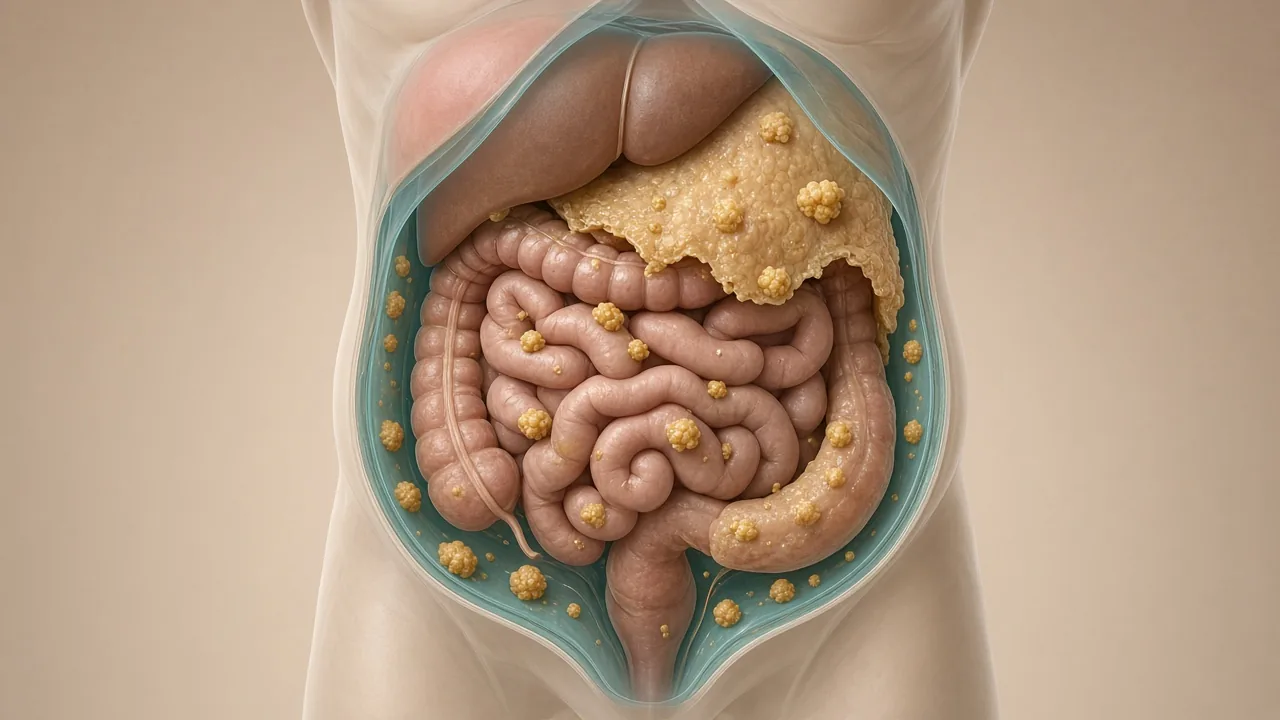
What Is Cytoreductive Surgery?
Cytoreductive surgery is the surgical component of CRS-HIPEC.
The objective is to remove visible tumor deposits from the peritoneal surfaces and affected abdominal organs.
Depending on the cancer and its distribution, surgery may involve removal of:
- Peritoneal tumor deposits
- Portions of the peritoneum
- Omentum
- Appendix
- Colon or rectum
- Small bowel segments
- Gallbladder
- Spleen
- Portions of the stomach
- Reproductive organs in selected female patients
- Other involved structures
The exact operation is highly individualized.
A major factor is whether the surgeon believes that complete or near-complete cytoreduction can be achieved without unacceptable morbidity.
This is one reason why a HIPEC consultation should take place at a center experienced in peritoneal malignancy surgery. GAF planning ranges for cytoreductive surgery are $10,000–$24,000.
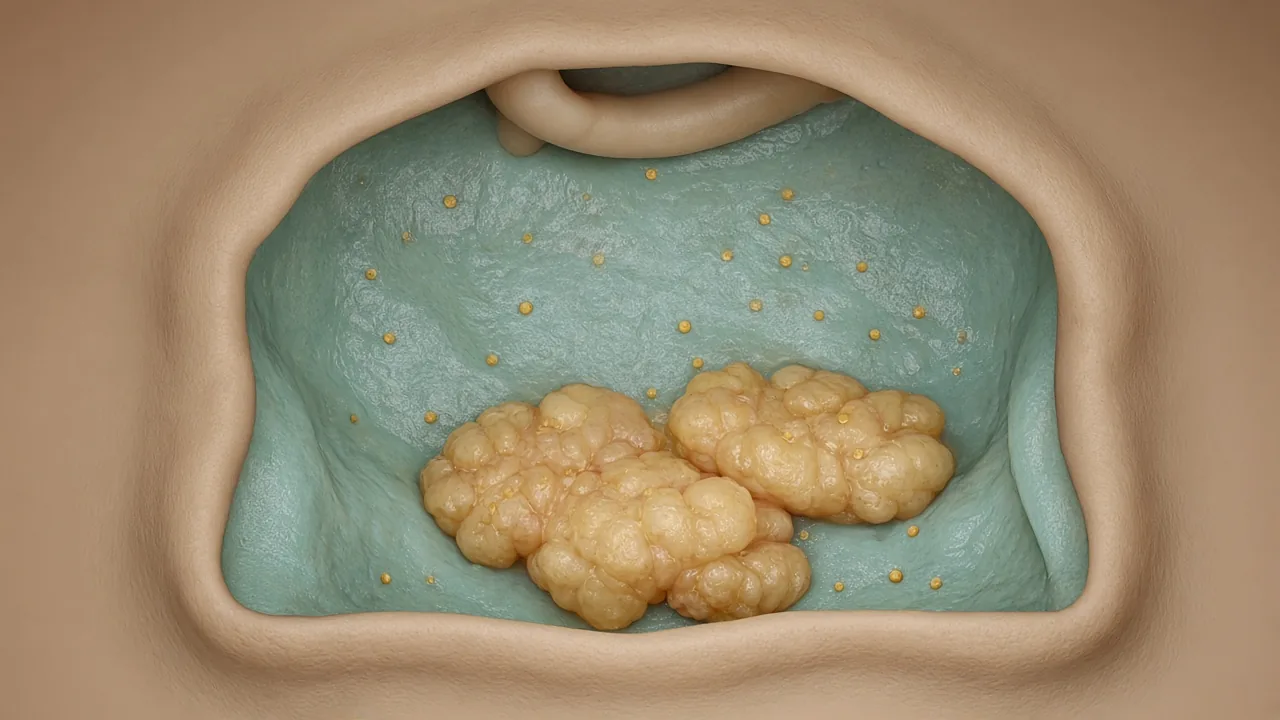
HIPEC vs CRS + HIPEC: What Is the Difference?
These terms are sometimes used interchangeably online, but they are not exactly the same.
CRS
Cytoreductive surgery removes visible cancer.
HIPEC
Hyperthermic intraperitoneal chemotherapy treats the abdominal cavity with heated chemotherapy after cytoreduction.
CRS + HIPEC
This combines the two approaches.
For many patients searching for “HIPEC surgery,” the actual treatment being considered is therefore:
Cytoreductive Surgery + HIPEC
The quality and completeness of the cytoreductive surgery are extremely important.
HIPEC should not be viewed as a substitute for effective tumor removal.
GAF planning ranges for CRS with HIPEC are $18,000–$40,000.
Why Is Chemotherapy Heated?
Heating the chemotherapy solution is intended to enhance the effect of the drug within the abdominal cavity.
Heat may increase drug penetration and can make cancer cells more susceptible to chemotherapy.
The treatment also allows chemotherapy to be delivered directly to the area where microscopic disease may remain after cytoreduction.
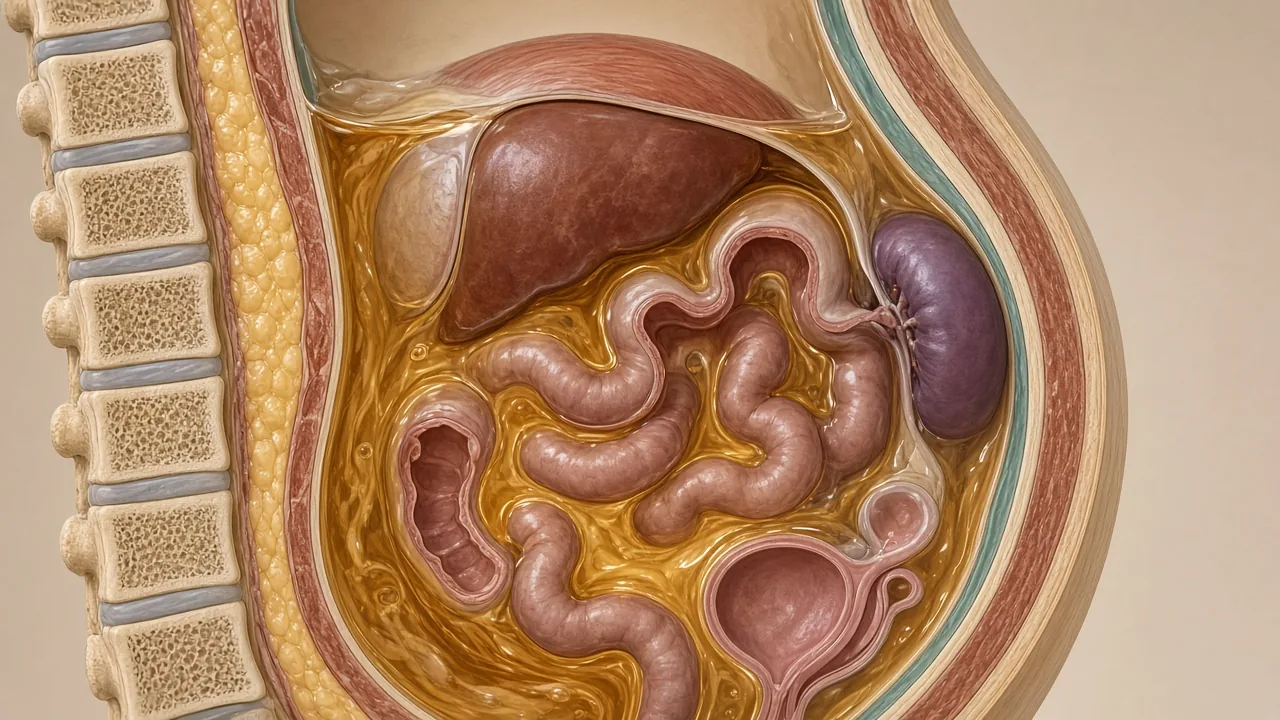
The exact temperature, chemotherapy drug, dose and duration vary according to the cancer type, institutional protocol and clinical situation.
Therefore, there is no single “HIPEC protocol” that applies to every patient.
Which Cancers Can Be Treated With HIPEC?
HIPEC is used selectively across several peritoneal malignancies.
The evidence and indications are different for each cancer.
1. Pseudomyxoma Peritonei
Pseudomyxoma peritonei, or PMP, is a rare condition most commonly associated with mucin-producing tumors of the appendix.
The disease can spread throughout the abdominal cavity and produce large amounts of mucin.
For appropriately selected operable and resectable patients, CRS + HIPEC is an established standard treatment approach.
Recent international consensus recommendations strongly support CRS and HIPEC over simple debulking surgery for resectable pseudomyxoma peritonei.
2. Peritoneal Mesothelioma
Peritoneal mesothelioma is a rare cancer arising from the peritoneum.
For carefully selected patients with resectable disease, CRS-HIPEC has an important role.
The 2025 Indian consensus on peritoneal mesothelioma reached strong agreement that CRS-HIPEC should be the standard approach for newly diagnosed patients when the disease is completely resectable and there is no contraindication to surgery.
Because peritoneal mesothelioma is rare, treatment should ideally be planned by a multidisciplinary team experienced in this disease.
3. Colorectal Cancer With Peritoneal Metastases
Colorectal cancer can spread to the peritoneum.
In selected patients, cytoreductive surgery may provide a treatment option when complete macroscopic removal of peritoneal disease is achievable.
However, the role of HIPEC itself is more controversial.
The PRODIGE 7 randomized trial did not demonstrate an overall survival or relapse-free survival advantage from adding short-duration oxaliplatin-based HIPEC to CRS in appropriately selected colorectal peritoneal metastasis patients.
The ASCO metastatic colorectal cancer guideline therefore supports CRS in selected patients but does not recommend oxaliplatin-based HIPEC as an addition to CRS for colorectal peritoneal metastases.
This is an important distinction.
A patient with colorectal peritoneal metastases should not assume that HIPEC is automatically indicated simply because the cancer has reached the peritoneum. See colon cancer treatment in India and Stage 4 colon cancer treatment in India.
4. Ovarian Cancer
HIPEC has also been studied in advanced ovarian cancer. Cervical cancer uses a different pathway — see Cervical Cancer Treatment in India.
The OVHIPEC-1 randomized trial evaluated HIPEC during interval cytoreductive surgery in selected patients receiving neoadjuvant chemotherapy.
Long-term follow-up showed a survival benefit in the studied population.
However, the decision to use HIPEC depends on the ovarian cancer subtype, treatment response, surgical resectability and the treatment protocol being followed. The full ovarian pathway is covered in Ovarian Cancer Treatment in India. GAF planning ranges for ovarian cancer cytoreductive surgery sit on a neighbouring sheet.
5. Gastric Cancer
Gastric cancer can spread to the peritoneum.
CRS and intraperitoneal chemotherapy, including HIPEC, have been investigated in selected patients.
However, HIPEC is not automatically standard treatment for all patients with gastric cancer and peritoneal metastases.
Patient selection and clinical-trial or specialized-center assessment are particularly important.
Send CT, pathology and previous chemotherapy records
Who May Be a Candidate for HIPEC Surgery in India?
HIPEC is generally considered when several conditions are favorable.
Potentially important factors include:
- Cancer primarily confined to the peritoneal cavity
- Limited or potentially manageable peritoneal disease
- Possibility of complete or near-complete cytoreduction
- Suitable performance status
- Adequate heart, lung, kidney and liver function
- Ability to tolerate major abdominal surgery
- Favorable tumor biology
- Appropriate histology
- Acceptable disease distribution
- No contraindication to major surgery
These factors do not constitute a universal eligibility checklist.
A patient may appear suitable based on a CT scan but be found unsuitable after detailed review or diagnostic laparoscopy.
Conversely, a patient who initially appears difficult to treat may become a candidate after systemic therapy reduces disease burden.
International patients commonly compare peritoneal and surgical-oncology teams in Delhi NCR, Mumbai, Bengaluru, Chennai and Hyderabad. Partner surgical-oncology hospitals in Delhi NCR and Mumbai are a typical first filter.
Sudden collapse, uncontrolled abdominal pain, vomiting of blood, or inability to pass stool or gas can indicate an emergency. Go to a local emergency department — do not wait for a coordinator on WhatsApp.
Who May Not Be Suitable for HIPEC?
HIPEC may not be appropriate when:
- The cancer cannot be removed adequately
- Disease is extremely extensive
- Critical structures are extensively involved
- Complete cytoreduction is unlikely
- The patient cannot tolerate major surgery
- Severe heart, lung, liver or kidney disease creates unacceptable operative risk
- There is extensive cancer outside the abdominal cavity
- Disease biology suggests little likelihood of benefit
- The expected surgical morbidity outweighs potential benefit
There is no single CT finding that automatically determines eligibility.
A specialized multidisciplinary assessment is often required.
What Is the Peritoneal Cancer Index (PCI)?
The Peritoneal Cancer Index, commonly called PCI, is a method used to estimate the extent of tumor spread within the peritoneal cavity.
The abdomen and pelvis are divided into regions.
Tumor deposits are assessed according to their size and distribution.
The resulting score provides the surgical team with an estimate of the peritoneal disease burden.
Why is PCI important?
A lower disease burden may make complete cytoreduction more achievable.
A very high PCI may make complete cytoreduction technically difficult or impossible in some cancers.
However, PCI alone does not determine whether HIPEC is appropriate.
The importance of a particular PCI varies by cancer type.
For example, a PCI that may be manageable in one peritoneal malignancy may be considered unfavorable in another.
What Is Completeness of Cytoreduction?
After CRS, surgeons assess how much visible tumor remains.
This is commonly described using a Completeness of Cytoreduction (CC) score.
The goal is to leave no visible disease or only minimal residual disease when this is considered achievable and appropriate.
This matters because HIPEC works within the abdominal cavity and is not designed to replace removal of large visible tumor masses.
In simple terms:
CRS removes visible disease.
HIPEC targets residual microscopic disease.
That is why the quality of cytoreduction is central to the overall treatment strategy.
WhatsApp +91 90443 46292 with CT and pathology for a PCI review
How Is HIPEC Surgery Performed?
The exact technique varies between centers and cancers, but the treatment generally follows several stages.
Step 1: Preoperative assessment
Before surgery, the medical team reviews:
- Biopsy and pathology
- CT or MRI scans
- Previous operations
- Previous chemotherapy
- Tumor markers where relevant
- Blood tests
- Kidney and liver function
- Heart and lung fitness
- Nutritional status
- Overall performance status
Additional imaging or diagnostic laparoscopy may be recommended.
Step 2: Anesthesia
The patient receives general anesthesia.
HIPEC procedures can be lengthy because cytoreductive surgery may involve multiple organs and extensive peritoneal dissection.
Step 3: Abdominal exploration
The surgeon examines the abdominal cavity.
The distribution of peritoneal disease is assessed.
In some cases, the actual extent of disease is significantly different from what was expected on imaging.
Step 4: Cytoreductive surgery
The surgeon removes visible tumor deposits.
Depending on disease distribution, this can involve peritonectomy procedures and removal of selected involved organs or organ segments.
The exact operation depends entirely on tumor location and cancer type.
Step 5: HIPEC delivery
After cytoreduction, heated chemotherapy is introduced into the abdominal cavity.
The solution is circulated for a predetermined period.
The abdomen may be gently manipulated during perfusion so that the chemotherapy reaches the relevant peritoneal surfaces.
Step 6: Drainage
The chemotherapy solution is removed from the abdominal cavity.
The surgical team then completes the operation, including reconstruction of the bowel when required.
Step 7: Postoperative monitoring
The patient is transferred to a high-dependency or intensive-care setting when clinically necessary.
Monitoring may include:
- Blood pressure
- Heart rate
- Oxygenation
- Urine output
- Kidney function
- Electrolytes
- Hemoglobin
- Infection markers
- Bowel function
- Drain output
- Nutritional status
How Long Does HIPEC Surgery Take?
There is no universal duration.
The length of the operation depends primarily on the extent of cytoreductive surgery.
A relatively limited CRS procedure may be shorter, while extensive multivisceral surgery can take many hours.
The HIPEC component itself is only one part of the overall operation.
Patients should therefore ask the treating center about the expected surgical duration based on their individual disease rather than relying on a standard number found online.
Which Chemotherapy Drugs Are Used During HIPEC?
The chemotherapy drug depends on:
- Cancer type
- Histology
- Institutional protocol
- Previous treatment
- Kidney function
- Patient factors
- Evidence supporting a particular regimen
Commonly discussed HIPEC agents include:
- Mitomycin C
- Oxaliplatin
- Cisplatin
- Other agents in disease-specific protocols
There is no single chemotherapy drug that is appropriate for every HIPEC patient.
For example, international consensus work for pseudomyxoma peritonei has evaluated different HIPEC regimens, while peritoneal mesothelioma recommendations use disease-specific approaches.
HIPEC Surgery vs Conventional Chemotherapy
These treatments work differently.
| HIPEC | Conventional systemic chemotherapy |
|---|---|
| Delivered directly into the abdominal cavity | Usually delivered through the bloodstream |
| Performed during surgery | Usually given in cycles |
| Targets peritoneal disease | Treats cancer throughout the body |
| Requires major surgery | Usually does not require major surgery |
| Used selectively | Used across many cancer settings |
| Requires specialized expertise | More widely available |
| CRS + HIPEC planning range $18,000–$40,000 | Chemotherapy $1,500–$8,000+ |
HIPEC does not necessarily replace systemic chemotherapy.
Depending on the cancer, patients may receive chemotherapy before or after surgery. How FOLFOX, CAPOX and later-line medicines are planned for colon cancer is covered in colon cancer chemotherapy in India.
HIPEC vs CRS: Which Is More Important?
This is an oversimplification because CRS and HIPEC are components of a combined strategy.
However, a critical principle is:
HIPEC cannot compensate for incomplete removal of bulky visible cancer.
The objective of CRS is to remove visible disease.
HIPEC is then used to address microscopic residual disease within the peritoneal cavity.
For some cancers, evidence suggests that the benefit comes largely from successful cytoreduction, while the additional contribution of HIPEC remains uncertain.
This is particularly relevant to colorectal peritoneal metastases, where the PRODIGE 7 trial did not show an overall survival advantage from adding short-course oxaliplatin HIPEC to CRS.
Tests Before HIPEC Surgery
A comprehensive preoperative evaluation may include:
Imaging
- Contrast-enhanced CT scan
- MRI in selected situations
- PET-CT in selected cancers
- Disease-specific imaging
Pathology
- Review of biopsy
- Histological classification
- Tumor grade
- Molecular testing where relevant
Blood tests
- Complete blood count
- Kidney function
- Liver function
- Electrolytes
- Coagulation profile
- Tumor markers when appropriate
Cardiac assessment
Depending on age and medical history:
- ECG
- Echocardiography
- Other cardiac testing
Anesthesia assessment
The anesthesiology team evaluates whether the patient can safely undergo prolonged major surgery.
What Is Diagnostic Laparoscopy Before HIPEC?
In selected patients, surgeons may perform diagnostic laparoscopy before committing to major CRS-HIPEC.
This allows direct visualization of the peritoneal cavity.
It can help determine:
- Extent of disease
- PCI
- Distribution of tumor deposits
- Small-bowel involvement
- Feasibility of complete cytoreduction
This can prevent patients from undergoing a very extensive operation when the disease is found to be unresectable.
Ask whether diagnostic laparoscopy is needed
Recovery After HIPEC Surgery
Recovery is considerably different from recovery after a routine abdominal operation.
CRS-HIPEC can involve extensive surgery, and postoperative recovery may take several weeks.
The early recovery period focuses on:
- Pain control
- Breathing exercises
- Early mobilization
- Nutrition
- Fluid management
- Kidney function
- Bowel recovery
- Infection prevention
- Blood clot prevention
An enhanced recovery after surgery, or ERAS, pathway may be used.
Indian INDEPSO-ISPSM consensus work specifically addresses ERAS protocols for CRS with or without HIPEC and emphasizes adapting perioperative care to the Indian context.
How Long Do Patients Stay in the Hospital After HIPEC?
Hospital stay varies considerably.
GAF planning information for CRS with HIPEC typically quotes 10–21 nights.
It depends on:
- Extent of surgery
- Number of organs removed
- Bowel reconstruction
- Complications
- Nutritional recovery
- Return of bowel function
- Overall health
A patient undergoing limited surgery may recover differently from someone undergoing extensive multivisceral cytoreduction.
Therefore, an individual discharge estimate should come from the treating surgical team.
Common Side Effects and Complications of HIPEC
CRS-HIPEC is a major treatment and carries meaningful risks.
Possible complications include:
Surgical complications
- Bleeding
- Infection
- Wound complications
- Anastomotic leak
- Bowel obstruction
- Fistula
- Intra-abdominal abscess
- Blood clots
Organ-related complications
- Kidney injury
- Liver dysfunction
- Respiratory complications
- Cardiac complications
Treatment-related effects
- Nausea
- Fatigue
- Electrolyte abnormalities
- Bone marrow suppression
- Chemotherapy-related toxicity
Nutritional problems
Some patients may experience:
- Weight loss
- Poor appetite
- Protein deficiency
- Difficulty eating normally
- Prolonged nutritional support
The risk depends on the extent of surgery, patient's health and cancer type.
CRS-HIPEC should therefore be performed in centers with appropriate surgical, anesthesia, critical-care and oncology support.
Is HIPEC Surgery Dangerous?
HIPEC is a major operation and should not be presented as a low-risk procedure.
The risk is influenced by:
- Patient age
- General health
- Nutritional status
- Cancer type
- PCI
- Number of organs involved
- Duration of surgery
- Completeness of cytoreduction
- Previous chemotherapy
- Previous abdominal surgery
- Experience of the treatment center
The appropriate question is not simply:
“Is HIPEC safe?”
A more useful question is:
“What are the expected benefits and risks of CRS-HIPEC for my specific cancer and disease burden?”
HIPEC Surgery Cost in India
The cost of HIPEC surgery in India varies substantially from patient to patient.
A meaningful estimate cannot be based only on the word “HIPEC.”
| Treatment component | GAF planning range in India |
|---|---|
| Cytoreductive surgery | $10,000–$24,000 |
| CRS with HIPEC | $18,000–$40,000 |
| Ovarian cancer cytoreductive surgery | $8,000–$20,000 |
| PIPAC | $7,000–$16,000 |
| Chemotherapy | $1,500–$8,000+ |
| Targeted therapy | $8,000–$30,000 |
| Immunotherapy | $15,000–$45,000 |
| Colectomy when bowel is removed | $7,000–$18,000 |
These are planning ranges, not prescriptions and not hospital quotations. Do not add every line together.
The total treatment cost can depend on cancer type, disease extent, PCI, organs removed, HIPEC drug, hospital category, ICU stay, pathology, imaging, blood products and complications.
Cost in major Indian cities
| City | CRS + HIPEC planning range |
|---|---|
| Delhi NCR | $18,000–$40,000 |
| Mumbai | $18,000–$40,000 |
| Bengaluru | $18,000–$40,000 |
| Chennai | $18,000–$40,000 |
| Hyderabad | $18,000–$40,000 |
City pages use the same national range unless a hospital issues a verified quotation.
Request an itemized HIPEC estimate
What should a patient ask for?
Before travelling to India, ask the hospital for a written estimate covering:
- Preoperative evaluation
- Surgeon fees
- Anesthesia
- CRS
- HIPEC
- Chemotherapy drug
- ICU
- Hospital room
- Pathology
- Imaging
- Blood products
- Medicines
- Possible additional procedures
- Follow-up
This produces a much more useful financial estimate than quoting a single generic HIPEC package.
WhatsApp +91 90443 46292 for an itemised CRS-HIPEC quotation
Is HIPEC Available in India?
Yes.
India has developed dedicated expertise in peritoneal surface malignancy and CRS-HIPEC.
Published Indian literature has documented the development of peritoneal surface oncology programs and increasing adoption of CRS-HIPEC in the country.
More recently, Indian professional organizations including INDEPSO and ISPSM have developed consensus recommendations covering CRS-HIPEC, patient selection, perioperative management and enhanced recovery.
However, the availability of a HIPEC machine alone should not determine where a patient receives treatment.
How to Choose a HIPEC Hospital in India
Patients should look beyond the hospital's advertising page.
Important questions include:
1. Does the center have a dedicated peritoneal malignancy program?
HIPEC is highly specialized.
2. How experienced is the surgical team with CRS-HIPEC?
Experience with complex peritoneal surgery matters.
3. Does the hospital have a multidisciplinary team?
Ideally, care should involve surgical oncology, medical oncology, radiology, pathology, anesthesiology, critical care, nutrition, gastrointestinal surgery and gynecologic oncology when appropriate.
4. Can the hospital manage major postoperative complications?
This is essential.
5. Is advanced pathology available?
Correct histological diagnosis is particularly important in rare peritoneal malignancies.
6. Is the patient evaluated for complete cytoreduction?
The goal should not simply be to perform HIPEC.
7. Is there an ERAS pathway?
Indian consensus recommendations specifically address enhanced recovery after CRS-HIPEC.
GAF Healthcare currently lists named surgical-oncology teams in Delhi NCR, Mumbai, Bengaluru, Chennai and Hyderabad.
- Surgical oncology hospitals in Delhi NCR
- Surgical oncology hospitals in Mumbai
- Surgical oncology hospitals in Bengaluru
- Medical oncology hospitals in Hyderabad
- Radiation oncology hospitals in Chennai

HIPEC for International Patients Coming to India
India is an important destination for patients seeking complex cancer treatment.
For international patients considering HIPEC, preparation should begin before travelling.
Step 1: Collect medical records
Send biopsy report, histopathology slides or blocks where available, CT/MRI reports, actual imaging files, previous chemotherapy records, previous operative reports, blood test reports and discharge summaries.
Step 2: Obtain specialist review
A HIPEC surgeon should review the records before travel whenever possible.
Step 3: Determine whether additional testing is required
The hospital may request new imaging, pathology review, molecular testing, tumor markers or cardiac assessment.
Step 4: Receive a preliminary treatment plan
The team may explain whether CRS-HIPEC appears feasible, whether diagnostic laparoscopy is required, expected hospital stay, approximate cost, possible additional surgery and recovery expectations.
Step 5: Plan travel and accommodation
International patients should allow additional time in India for preoperative assessment, surgery, hospital recovery and initial follow-up.
What Happens If HIPEC Cannot Be Performed?
A patient may undergo assessment and ultimately be found unsuitable for CRS-HIPEC.
That does not mean there are no treatment options.
Depending on the cancer, alternatives may include systemic chemotherapy, targeted therapy, immunotherapy, surgery without HIPEC, PIPAC, palliative surgery, radiation in selected situations, clinical trials and supportive care.
HIPEC for Colon Cancer in India
For colon cancer that has spread to the peritoneum, treatment decisions are particularly individualized.
Important factors include number and distribution of peritoneal deposits, PCI, ability to achieve complete cytoreduction, RAS, BRAF, MSI/MMR, HER2 where relevant, previous chemotherapy, extra-peritoneal disease and overall health.
Selected patients may be considered for cytoreductive surgery.
However, HIPEC should not be presented as automatically beneficial for every colorectal cancer patient with peritoneal metastases.
The ASCO guideline specifically recommends CRS in selected patients but recommends against adding oxaliplatin-based HIPEC to CRS based on the available evidence from PRODIGE 7.
WhatsApp +91 90443 46292 about colon cancer and HIPEC
HIPEC for Appendix Cancer and Pseudomyxoma Peritonei in India
Appendiceal mucinous tumors and pseudomyxoma peritonei represent one of the most important disease groups for CRS-HIPEC.
The disease often spreads within the abdominal cavity rather than through distant blood-borne metastasis.
For patients with resectable disease who can tolerate major surgery, CRS-HIPEC is widely recognized as the principal treatment strategy.
Recent international consensus strongly recommends CRS-HIPEC over simple debulking surgery for resectable pseudomyxoma peritonei.
HIPEC for Peritoneal Mesothelioma in India
Peritoneal mesothelioma is rare and requires specialist management.
For selected patients with resectable disease, CRS-HIPEC can provide an important treatment option.
The recent Indian consensus supports CRS-HIPEC as standard care for newly diagnosed patients when complete resection is feasible and there are no contraindications.
HIPEC for Ovarian Cancer in India
HIPEC may be considered in selected ovarian cancer patients, particularly in treatment pathways involving interval cytoreductive surgery.
The evidence is not identical to that for pseudomyxoma peritonei.
Treatment should be planned by a gynecologic oncology and medical oncology team with experience in advanced ovarian cancer and, where appropriate, HIPEC.
The OVHIPEC-1 trial provides randomized evidence supporting HIPEC in a selected advanced ovarian cancer setting.
Does HIPEC Cure Cancer?
It is not appropriate to promise a cure from HIPEC.
For some patients with specific peritoneal malignancies, particularly selected pseudomyxoma peritonei and peritoneal mesothelioma patients, CRS-HIPEC can be part of a potentially curative treatment strategy.
For other cancers, the objective may be long-term disease control, reduction of disease burden, prevention of progression or symptom management.
HIPEC and Recurrence
Cancer can recur after CRS-HIPEC.
Recurrence may occur within the peritoneum, at the original tumor site, or in distant organs.
Follow-up may involve clinical examination, CT or MRI, tumor markers, colonoscopy where relevant and additional tests based on cancer type.
Can HIPEC Be Repeated?
In selected patients, repeat CRS with or without HIPEC may be considered.
However, this is not suitable for everyone.
The decision depends on location of recurrence, time since previous treatment, disease burden, ability to achieve complete cytoreduction again, previous operative findings, patient fitness and cancer biology.
HIPEC Surgery: Questions to Ask Your Doctor
Before agreeing to CRS-HIPEC, patients should ask:
- What type of cancer do I have?
- Has the cancer spread only to the peritoneum?
- What is my estimated PCI?
- Can all visible disease potentially be removed?
- What organs might need to be removed?
- Will I require bowel resection?
- Will I need a temporary or permanent stoma?
- Which HIPEC drug will be used?
- Why is this particular HIPEC regimen being recommended?
- Is HIPEC standard for my specific cancer?
- What evidence supports it in my situation?
- Could systemic chemotherapy be used before surgery?
- What are the major surgical risks?
- What is the expected hospital stay?
- What happens if complete cytoreduction is not possible?
- What is the expected recovery period?
- What is included in the treatment estimate?
- What additional costs could arise?
- How will recurrence be monitored?
- What alternatives do I have?
Frequently Asked Questions About HIPEC Surgery in India
What is HIPEC surgery?
HIPEC is heated chemotherapy delivered directly into the abdominal cavity during surgery, usually after cytoreductive surgery has removed visible peritoneal tumors.
Is HIPEC a surgery or chemotherapy?
It is part of a combined treatment. The overall procedure is commonly called cytoreductive surgery with HIPEC (CRS-HIPEC).
Is HIPEC available in India?
Yes. India has established peritoneal surface oncology programs and specialist teams performing CRS-HIPEC.
Which cancers are treated with HIPEC?
HIPEC may be used for selected patients with pseudomyxoma peritonei, peritoneal mesothelioma and certain cases of colorectal, ovarian and other peritoneal malignancies. The evidence and indications differ by cancer.
Is HIPEC suitable for Stage 4 cancer?
Sometimes.
Stage 4 disease does not automatically exclude HIPEC, but eligibility depends on the cancer type, peritoneal disease burden, resectability and whether cancer exists outside the peritoneal cavity.
Is HIPEC suitable for colon cancer?
It may be considered in selected patients with colorectal peritoneal metastases, particularly when complete cytoreduction is possible. However, the additional benefit of HIPEC is controversial, and oxaliplatin-based HIPEC is not recommended by ASCO as an addition to CRS based on PRODIGE 7.
Is HIPEC the standard treatment for pseudomyxoma peritonei?
For operable and resectable pseudomyxoma peritonei, CRS-HIPEC is strongly supported by current international consensus recommendations.
How long does HIPEC surgery take?
The total operation can take many hours because cytoreductive surgery may be extensive. The duration depends on the patient's disease and the number of structures requiring treatment.
How long does recovery take?
Recovery varies considerably. CRS-HIPEC is major surgery, and some patients require several weeks before returning to their usual activities.
What chemotherapy is used during HIPEC?
Depending on the cancer, protocols may use agents such as mitomycin C, oxaliplatin or cisplatin. The appropriate drug and dose are disease- and protocol-specific.
Is HIPEC painful?
The HIPEC procedure itself is performed under general anesthesia. Pain and discomfort during recovery are expected after major abdominal surgery and are managed using multimodal pain-control strategies.
What is the HIPEC surgery cost in India?
There is no single cost that applies to every patient. Current GAF planning ranges include approximately $10,000–$24,000 for cytoreductive surgery and $18,000–$40,000 for CRS with HIPEC. The final expense depends on cancer type, extent of surgery, HIPEC drug, hospital stay, ICU requirements, pathology, imaging and complications.
Can international patients get HIPEC treatment in India?
Yes. International patients can seek evaluation at Indian cancer centers with peritoneal surface oncology expertise. Medical records and imaging should ideally be reviewed before travel.
Does HIPEC guarantee a cure?
No. HIPEC can be part of a potentially curative strategy for selected cancers, but no treatment can guarantee cure.
Key Takeaways
- HIPEC means Hyperthermic Intraperitoneal Chemotherapy.
- It is usually performed as part of cytoreductive surgery + HIPEC.
- CRS removes visible peritoneal cancer.
- HIPEC delivers heated chemotherapy inside the abdominal cavity.
- Patient selection is critical.
- The Peritoneal Cancer Index (PCI) helps assess disease burden.
- The possibility of complete cytoreduction is a major consideration.
- Pseudomyxoma peritonei has one of the strongest established indications for CRS-HIPEC.
- Selected peritoneal mesothelioma patients may also benefit from CRS-HIPEC.
- The role of HIPEC in colorectal cancer is more controversial and disease-specific.
- HIPEC is not automatically appropriate for every Stage 4 cancer.
- Major surgery requires specialized surgical, anesthesia, ICU and oncology support.
- India has established expertise in peritoneal surface oncology and has developed India-specific CRS-HIPEC consensus recommendations.
- GAF planning ranges for CRS with HIPEC are approximately $18,000–$40,000.
- International patients should obtain a specialist review before travelling to India.
Why Choose India for HIPEC Treatment?
India has developed dedicated expertise in peritoneal surface malignancy management, including CRS-HIPEC.
The country's growing experience has been accompanied by national professional collaboration and India-specific consensus work addressing patient selection, surgical management, HIPEC and enhanced recovery.
For an international patient, the most important consideration should not simply be the availability of a HIPEC machine.
A suitable treatment center should have:
- Experienced peritoneal surface surgeons
- Medical oncology support
- Specialized anesthesia
- Critical-care facilities
- Advanced imaging
- Experienced pathology
- Nutritional support
- Complication-management capability
- Multidisciplinary tumor-board discussion
- Structured postoperative follow-up
The objective should be the right treatment for the right cancer and the right patient, rather than HIPEC simply because it is available.
Compare named teams in Delhi NCR, Mumbai, Bengaluru, Chennai and Hyderabad.
How GAF Healthcare Can Help International Patients
For patients travelling to India for HIPEC evaluation, the treatment journey can involve medical-record collection, specialist opinion, hospital coordination, cost estimation, treatment scheduling, visa invitation coordination where applicable, airport and local assistance, accommodation support and follow-up coordination.
A specialist should first determine whether CRS-HIPEC is appropriate before the patient commits to travel.
Share records for a second opinion
GAF Healthcare can assist international patients with medical record coordination, hospital and specialist matching, treatment estimates, visa-invitation coordination, travel planning and treatment logistics in India.
Medical Disclaimer
This page is intended for educational and medical-tourism information purposes only.
HIPEC and cytoreductive surgery are complex cancer treatments. Eligibility, treatment regimen, surgical extent, expected outcomes and risks vary from patient to patient.
The information on this page should not replace consultation with a qualified surgical oncologist or multidisciplinary cancer team.
In particular, HIPEC is not a universally recommended treatment for every cancer with peritoneal metastases. Evidence differs substantially by cancer type.
Patients should undergo individualized assessment before deciding on treatment.
Sources used for this guide
- NCI — Hyperthermic Intraperitoneal Chemotherapy — definition of HIPEC after cytoreduction.
- ASCO — Treatment of Metastatic Colorectal Cancer Guideline — CRS in selected patients; oxaliplatin HIPEC not recommended after PRODIGE 7.
- PRODIGE 7 — CRS with or without oxaliplatin HIPEC for colorectal peritoneal metastases.
- INDEPSO-ISPSM consensus on peritoneal malignancies — CRS-HIPEC practice in India.
- INDEPSO-ISPSM — ERAS for CRS ± HIPEC — enhanced recovery in the Indian setting.
- 2025 multisocietal consensus on CRS-HIPEC for pseudomyxoma peritonei — CRS-HIPEC over simple debulking.
- PSOGI consensus on HIPEC regimens for PMP — disease-specific intraperitoneal regimens.
- INDEPSO-ISPSM consensus on peritoneal mesothelioma — CRS-HIPEC for selected newly diagnosed patients.
- OVHIPEC-1 — interval CRS with or without HIPEC in advanced ovarian cancer.
- GAF Healthcare published cost sheets — used only to establish indicative USD planning ranges.
Last reviewed against the cited sources: September 2026.
Treatment Process
- 1
Share medical records
The patient provides CT or MRI, pathology, previous chemotherapy details and operative reports.
- 2
Specialist review
A peritoneal-surface or surgical oncologist reviews whether complete cytoreduction appears feasible.
- 3
PCI and resectability
Imaging, and sometimes diagnostic laparoscopy, estimates peritoneal disease burden.
- 4
Multidisciplinary planning
Surgery, medical oncology, radiology and pathology decide whether CRS, HIPEC, systemic therapy or another path is appropriate.
- 5
Itemized estimate
The hospital quotes theatre, HIPEC drug, ICU and expected stay — not a brochure package.
- 6
Travel to India
The patient allows enough time for repeat staging, surgery and a prolonged recovery.
- 7
CRS and HIPEC
Visible peritoneal disease is removed, then heated chemotherapy is circulated and drained.
- 8
ICU and recovery
The team monitors fluids, kidney function, bowel recovery, leaks and nutrition.
- 9
Pathology and next treatment
The final report and molecular findings guide systemic therapy and surveillance.
- 10
Return home
The patient leaves with a written summary covering surgery delivered, stoma care if any, and the imaging schedule.