Colon cancer chemotherapy in India is used to destroy cancer cells, reduce the risk of recurrence after surgery, shrink advanced tumors, control metastatic disease and, in selected patients, make previously difficult-to-remove tumors suitable for surgery. Chemotherapy is not one single treatment. The appropriate drugs, combination, number of cycles and duration depend on the stage of colon cancer, molecular characteristics of the tumor, treatment objective, previous treatment, overall health and ability to tolerate side effects.
This article is the chemotherapy hub for the colon cluster. The broader pathway is in Colon Cancer Treatment in India. Stage 1 usually needs surgery only. Stage 2 discusses when adjuvant chemotherapy is considered. Stage 3 covers FOLFOX versus CAPOX and 3 versus 6 months. Stage 4 covers metastatic resectability, conversion therapy and biomarker-directed treatment. How the operation itself is planned is in Colon Cancer Surgery in India. It is not a rectal-cancer page: radiation has a much larger role when the tumour is rectal. See rectal cancer surgery.
GAF Healthcare planning ranges for chemotherapy are $1,500–$8,000+. Targeted therapy is $8,000–$30,000. Immunotherapy is $15,000–$45,000. Precision oncology / molecular testing is $2,000–$7,000. These are planning ranges, not hospital quotations.
International patients comparing medical oncologists commonly start with Delhi NCR chemotherapy, Mumbai, Bengaluru, Chennai and Hyderabad. Partner medical-oncology hospitals in Delhi NCR and Mumbai are a typical first filter. Surgical oncologists remain part of the same tumour board when conversion surgery is possible.
What Is Chemotherapy for Colon Cancer?
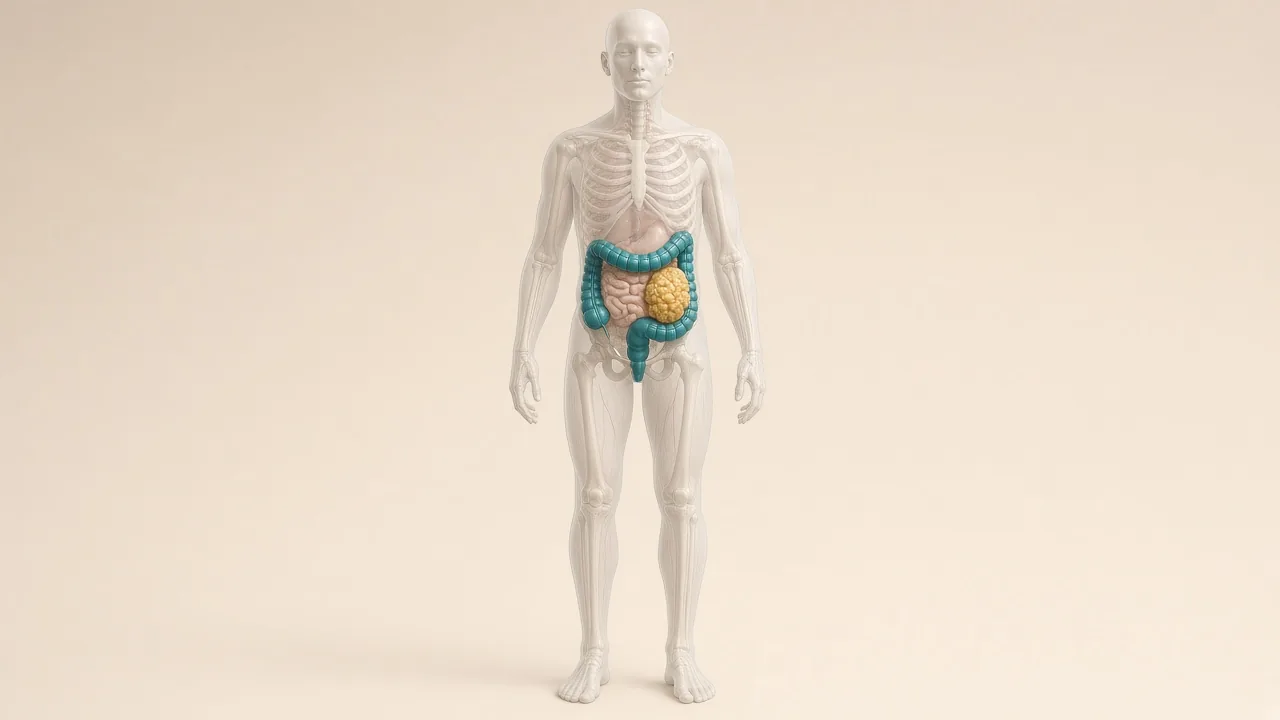
Chemotherapy uses medicines that interfere with the growth and survival of cancer cells. Unlike surgery, which treats a specific physical tumour, systemic chemotherapy travels through the bloodstream. This makes it useful when microscopic cancer cells may remain after surgery or when cancer has spread beyond the colon. It may be given before surgery, after surgery, instead of immediate surgery in selected advanced situations, together with targeted therapy, as conversion therapy, or as later-line treatment after progression.
Why Is Chemotherapy Used?
Adjuvant chemotherapy reduces recurrence after surgery — particularly important in Stage 3 colon cancer. The purpose is to eliminate microscopic cells that may remain after the visible tumour has been removed.
Neoadjuvant therapy may shrink a selected locally advanced tumour before surgery, make complete removal more likely and treat microscopic disease earlier.
Conversion therapy may shrink initially unresectable metastases so that surgery or another local treatment becomes possible. See Stage 4 colon cancer treatment. When metastatic disease cannot be completely removed, systemic treatment can slow growth, control symptoms, delay progression and maintain quality of life.
Is Chemotherapy Necessary for Every Colon Cancer Patient?
No. Chemotherapy depends heavily on the stage and risk profile.
| Colon cancer stage | Typical role of chemotherapy |
|---|---|
| Stage 0 | Usually not required |
| Stage 1 | Usually not required |
| Stage 2 | Selected high-risk patients |
| Stage 3 | Generally recommended after surgery |
| Stage 4 | Major systemic treatment option |
| Recurrent disease | Depends on previous treatment and tumor biology |
The final decision should be based on pathology, imaging, molecular testing and overall health — not on the word "colon cancer" alone.
Colon Cancer Chemotherapy by Stage
Stage 1
Most Stage 1 colon cancers are treated with surgery alone. Chemotherapy is generally not needed because the risk of systemic recurrence is relatively low after adequate removal.
Stage 2
Stage 2 is more complicated. Some patients require only surgery and surveillance. Others may be considered for adjuvant chemotherapy because of T4 disease, inadequate lymph-node evaluation, poor differentiation in appropriate contexts, lymphovascular or perineural invasion, obstruction, perforation, concerning margins or other unfavorable features. MMR/MSI status can also influence the discussion. A Stage 2 patient should not be told that chemotherapy is automatically necessary or automatically unnecessary.
Stage 3
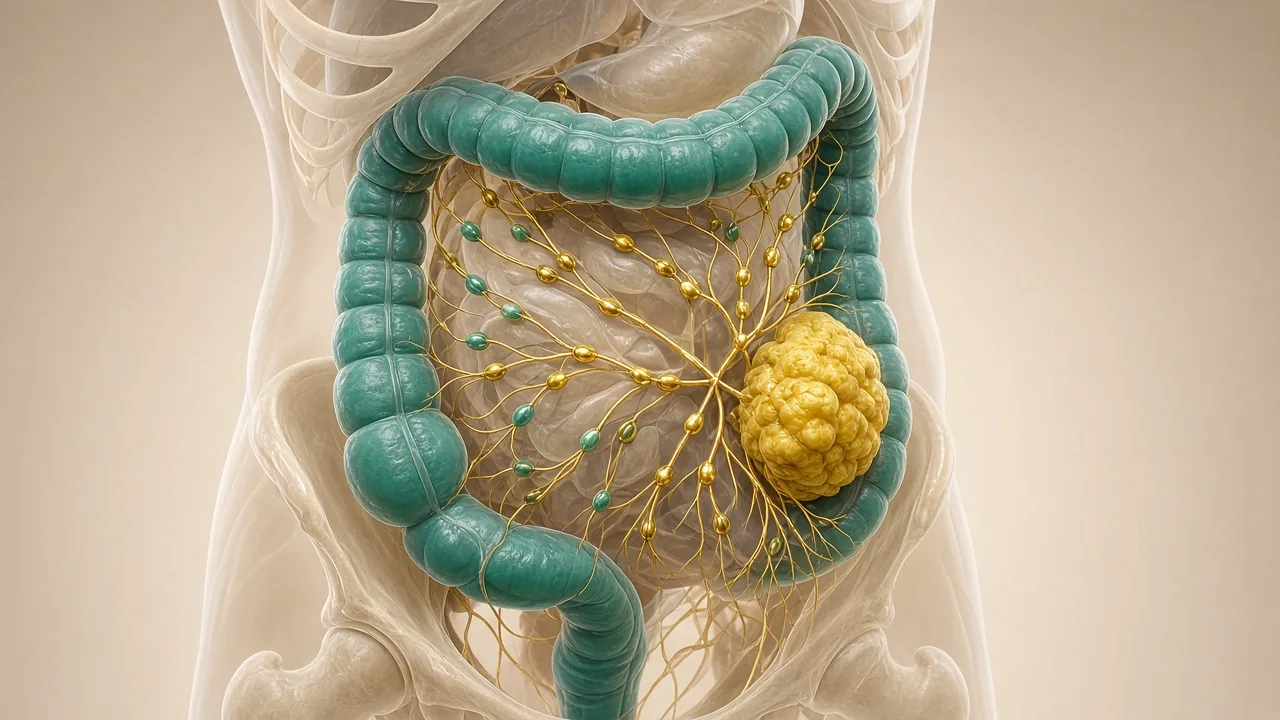
Stage 3 means regional lymph nodes contain cancer. For most patients after complete surgical removal, adjuvant chemotherapy is a standard component. Common regimens are FOLFOX and CAPOX. Choice depends on T and N stage, age, kidney function, neuropathy risk, performance status, previous chemotherapy, preference and duration considerations.
How long is Stage 3 chemotherapy?
Treatment can be approximately 3 months or 6 months. The major evidence for shorter treatment comes from the IDEA collaboration comparing three versus six months of oxaliplatin-based chemotherapy. Three months of CAPOX is an established option for many lower-risk Stage 3 patients (often T1–3 N1), while the decision is different for higher-risk disease (T4 and/or N2) and for FOLFOX.
A 2026 final analysis of the SCOT trial reported five-year overall survival of 82.4% with both three and six months of treatment in its study population, with noninferiority for CAPOX but not for FOLFOX. This does not mean that every Stage 3 patient should receive three months. The decision should be individualized.
What Is FOLFOX?
FOLFOX combines folinic acid/leucovorin (FOL), fluorouracil/5-FU (F) and oxaliplatin (OX). It is used in Stage 3 disease, selected high-risk Stage 2 disease, Stage 4 disease and selected conversion settings. It is usually given intravenously. A common schedule repeats every two weeks: blood tests, pre-medications, oxaliplatin, leucovorin, 5-FU (sometimes with a portable infusion pump), then a recovery period. Doses can be modified for blood counts, kidney and liver function, neuropathy, diarrhea and overall tolerance.
What Is CAPOX?
CAPOX, also called XELOX, combines capecitabine and oxaliplatin. The major difference from FOLFOX is that capecitabine is taken orally instead of continuous intravenous 5-FU. A typical cycle may involve oxaliplatin on day 1, capecitabine tablets for a defined number of days, a treatment-free period, then a three-week cycle. Kidney function is particularly important when determining suitability and dosing of capecitabine. NCI recognizes CAPOX as an established colorectal cancer chemotherapy combination.
| Feature | FOLFOX | CAPOX |
|---|---|---|
| Main fluoropyrimidine | 5-FU | Capecitabine |
| Fluoropyrimidine route | IV | Oral |
| Oxaliplatin | Yes | Yes |
| Typical cycle pattern | Often 2 weeks | Often 3 weeks |
| Infusion requirement | More extensive | Less continuous infusion |
| Home medication | Usually limited | Capecitabine tablets |
| Important toxicity | Neuropathy, cytopenias, diarrhea | Neuropathy, diarrhea, hand-foot syndrome |
| Common use | Stage 3 and metastatic disease | Stage 3 and metastatic disease |
Neither regimen is universally "better." The choice depends on the patient and treatment objective.

What Is FOLFIRI? What Is FOLFOXIRI?
FOLFIRI combines leucovorin, 5-FU and irinotecan. It is particularly important in metastatic colon cancer — as first-line therapy, after progression on oxaliplatin-based treatment, as part of conversion therapy, or with targeted therapy in selected patients. The choice between FOLFOX and FOLFIRI often depends on what the patient has already received. After progression, FOLFOX → FOLFIRI or FOLFIRI → FOLFOX may be used.
| Feature | FOLFOX | FOLFIRI |
|---|---|---|
| Key drug | Oxaliplatin | Irinotecan |
| Fluoropyrimidine | 5-FU | 5-FU |
| Main cumulative concern | Peripheral neuropathy | Diarrhea and other irinotecan-related toxicity |
| Common use | Adjuvant and metastatic | Mainly metastatic / later-line |
| Can be sequenced? | Yes | Yes |
FOLFOXIRI (5-FU, leucovorin, oxaliplatin and irinotecan) is a more intensive regimen for selected fit patients with metastatic disease — high tumour burden, rapidly progressive disease, need for substantial shrinkage, or conversion to potentially resectable disease. The trade-off is increased toxicity. The 2025 Indian metastatic colorectal cancer consensus supports FOLFOXIRI/mFOLFIRINOX in selected fit patients when a substantial response or conversion to resection is an important objective.
Not every patient is fit enough for combination chemotherapy. For selected older or frail patients, doctors may use capecitabine, 5-FU or other less-intensive regimens. The 2025 Indian consensus emphasizes age, frailty, comorbidities, organ function and preferences when selecting intensity.
Metastatic Disease, Targeted Therapy and Immunotherapy
In Stage 4 colon cancer, chemotherapy is generally used as systemic treatment. Choice depends on MSI/MMR, RAS, BRAF, HER2, sidedness, tumour burden, symptoms, resectability, need for rapid shrinkage, previous chemotherapy and fitness. GAF planning ranges for chemotherapy are $1,500–$8,000+.
Chemotherapy can be combined with targeted therapy ($8,000–$30,000) such as bevacizumab, cetuximab or panitumumab. RAS status is critical for anti-EGFR therapy. For appropriate RAS wild-type, BRAF wild-type, left-sided metastatic tumours, anti-EGFR plus chemotherapy can be an important first-line option. For many right-sided tumours, an anti-VEGF approach may be preferred first-line. The 2025 Indian consensus emphasizes primary tumour location, RAS/BRAF status and the goal of treatment when selecting chemotherapy plus a biologic.
Not every metastatic patient should automatically begin with chemotherapy. For MSI-H/dMMR tumours, immunotherapy ($15,000–$45,000) can be an important first-line treatment. Current ESMO guidance identifies dMMR/MSI-H status as a major first decision point in metastatic colorectal cancer. ASCO guidance recommends pembrolizumab as first-line treatment for appropriately selected MSI-H/dMMR metastatic colorectal cancer. MMR/MSI testing should be part of treatment planning for advanced disease. GAF planning ranges for precision oncology are $2,000–$7,000.
Chemotherapy Before or After Surgery
Chemotherapy before surgery is not required for every patient. It may be considered for locally advanced or T4b tumours, borderline resectable disease, selected metastatic disease, conversion therapy or clinical-trial settings. After surgery, adjuvant chemotherapy typically follows: colon surgery → final pathology → stage and recurrence-risk assessment → oncology consultation → adjuvant chemotherapy → surveillance. Treatment generally begins after sufficient postoperative recovery — adequate wound healing, nutrition, blood counts, kidney and liver function, and recovery from major complications.
Cycles, Daycare, Ports and Oral vs IV
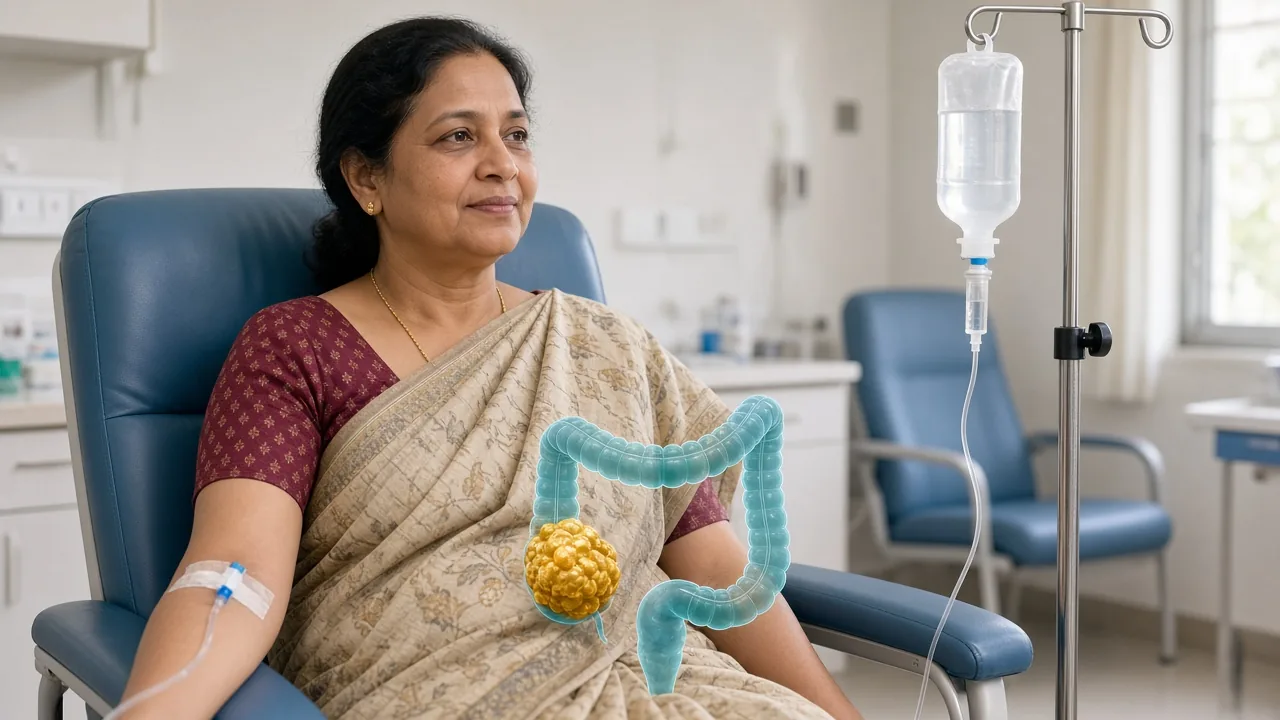
A cycle is one planned period of treatment followed by recovery. CAPOX commonly uses a three-week cycle; FOLFOX commonly uses a two-week cycle — so "six cycles" does not mean the same amount of time. Adjuvant Stage 3 treatment is approximately 3–6 months. Metastatic treatment may continue much longer, with intensive treatment, maintenance, breaks, second-line and later-line therapy.
A typical visit includes blood tests, oncology assessment, dose review, pre-medications, infusion and observation. Most standard regimens are given through outpatient chemotherapy daycare. A central venous port may be recommended for repeated intravenous treatment; it is not always required. Oral medicines such as capecitabine do not mean milder treatment — they can still cause significant diarrhea and hand-foot syndrome.
Side Effects and When to Seek Emergency Care
Common effects include fatigue, nausea, vomiting, diarrhea, constipation, reduced appetite, taste changes, mouth sores, low blood counts, infection, neuropathy, hand-foot syndrome and skin changes. Oxaliplatin can cause cumulative peripheral neuropathy and unusual cold sensitivity. Capecitabine can cause hand-foot syndrome. Irinotecan can cause early or delayed diarrhea that may lead to dehydration. Low white cells raise infection risk; low platelets raise bleeding risk. Blood tests are therefore performed regularly. A cycle may be delayed or the dose reduced to keep treatment safe — that does not automatically mean treatment has failed.
Fever, chills, severe diarrhea, persistent vomiting, shortness of breath, significant bleeding, new confusion, severe abdominal pain with vomiting or inability to pass stool, chest pain, sudden weakness or collapse belongs in a local emergency department — not a delayed WhatsApp message. Follow the fever threshold given by the treating oncology team.
If First-Line Treatment Stops Working
Stage 4 disease is often treated through multiple lines: FOLFOX/CAPOX or FOLFIRI-based treatment, then a backbone switch after progression, then later-line trifluridine/tipiracil, regorafenib, fruquintinib, biomarker-specific therapy or clinical trials. The 2025 Indian consensus supports changing the chemotherapy backbone after progression on an oxaliplatin- or irinotecan-based regimen in appropriate patients. After good control, intensive chemotherapy may be stepped down to maintenance — for example discontinuing oxaliplatin because of neuropathy while continuing the fluoropyrimidine.
Liver metastases that may become resectable need regular reassessment — liver resection planning ranges are $10,000–$26,000. Limited lung disease may also involve surgery, ablation or SBRT. Peritoneal disease may be evaluated for CRS/HIPEC. A falling CEA can be encouraging but does not by itself mean the cancer is gone; imaging remains essential.
Colon Cancer Chemotherapy Cost in India
There is no single price for colon cancer chemotherapy because different patients receive different drugs and durations. A Stage 3 patient on CAPOX after surgery has a more predictable chemotherapy cost than a Stage 4 patient on FOLFOXIRI plus targeted therapy, then maintenance, then second-line treatment. GAF Healthcare publishes USD planning ranges compiled from partner hospital cost sheets. They are not hospital quotations. The largest variation usually occurs when targeted therapy or immunotherapy is added.
| Component | GAF planning range in India |
|---|---|
| Chemotherapy (FOLFOX, CAPOX, FOLFIRI) | $1,500–$8,000+ |
| Targeted therapy | $8,000–$30,000 |
| Immunotherapy | $15,000–$45,000 |
| Precision oncology / molecular testing | $2,000–$7,000 |
| Colectomy | $7,000–$18,000 |
| Colonoscopy | $200–$550 |
| Liver resection if conversion succeeds | $10,000–$26,000 |
City pages such as Delhi NCR chemotherapy, Mumbai, Bengaluru, Chennai and Hyderabad use the same national range unless a hospital issues a verified quotation.
Ask whether the quotation names the drugs, manufacturer, generic versus branded product, number of cycles, daycare charges, labs, imaging, supportive medicines and what is excluded (admission for infection, extra cycles, targeted therapy, immunotherapy). Treatment decisions should never be based solely on the cheapest medicine.
How to Choose a Hospital and What to Ask
Chemotherapy safety depends more on the quality of the cancer program and monitoring than simply the country. Look for experienced medical oncologists, qualified oncology nurses, proper chemotherapy preparation, blood-count monitoring, emergency support, infection-control, pharmacy controls, molecular pathology, colorectal surgery on the same tumour board and international-patient services.
- [Medical oncology hospitals in Delhi NCR](/hospitals/India/Delhi-NCR/Medical-Oncology)
- [Medical oncology hospitals in Mumbai](/hospitals/India/Mumbai/Medical-Oncology)
- [Medical oncology hospitals in Bengaluru](/hospitals/India/Bengaluru/Medical-Oncology)
- [Medical oncology hospitals in Chennai](/hospitals/India/Chennai/Medical-Oncology)
- [Medical oncology hospitals in Hyderabad](/hospitals/India/Hyderabad/Medical-Oncology)
- What stage is my colon cancer, and why is chemotherapy being recommended — curative-intent adjuvant treatment or disease control?
- Which regimen — FOLFOX, CAPOX, FOLFIRI or FOLFOXIRI — and can duration be 3 rather than 6 months in my risk group?
- Has MMR/MSI, RAS, BRAF and HER2 been tested, and would immunotherapy or a targeted medicine come first?
- Do I need a port, will treatment be daycare, and what side effects require emergency care?
- How will neuropathy, diarrhea and blood counts be monitored, and when is the next CT?
- Can later cycles continue in my home country, and what is the estimated total cost with drugs named?
The Bottom Line
Chemotherapy is not automatically required for every colon cancer patient. Stage 1 usually does not need it. Selected Stage 2 patients may benefit. Stage 3 generally needs postoperative FOLFOX or CAPOX for about 3–6 months, individualized by risk and neuropathy. FOLFIRI and FOLFOXIRI matter in metastatic disease. MSI-H/dMMR metastatic colon cancer may start with immunotherapy rather than chemotherapy. Molecular testing is essential before first-line Stage 4 treatment. Oxaliplatin neuropathy, capecitabine hand-foot syndrome and irinotecan diarrhea should be reported early. A patient-specific quotation should always be obtained before planning travel.
Frequently Asked Questions
Is chemotherapy necessary after colon cancer surgery?
It depends on the stage and pathology. Stage 3 patients generally receive adjuvant chemotherapy unless there is a specific reason not to. Stage 2 patients may be considered for chemotherapy when higher-risk features are present.
Which chemotherapy is best for colon cancer?
There is no single best regimen for every patient. FOLFOX and CAPOX are commonly used after surgery for Stage 3 disease, while FOLFOX, CAPOX, FOLFIRI and FOLFOXIRI have roles in metastatic disease.
Is CAPOX better than FOLFOX?
Neither is universally better. CAPOX offers an oral fluoropyrimidine and a three-week cycle, while FOLFOX uses intravenous 5-FU and commonly has a two-week cycle. The choice should consider efficacy, side effects, kidney function, lifestyle and patient preference.
Is FOLFOX chemotherapy painful?
The infusion itself is not necessarily painful, although patients can experience discomfort from the IV or port. Side effects such as neuropathy, nausea, fatigue or cold sensitivity may occur.
How many cycles of FOLFOX are needed?
The number depends on the treatment setting. Adjuvant treatment for Stage 3 disease is commonly planned around a three- to six-month duration, while metastatic treatment may continue longer and change according to response and toxicity.
How many cycles of CAPOX are needed?
The number depends on whether CAPOX is being used for adjuvant or metastatic treatment and on the intended duration. The oncologist should specify the exact number.
Does colon cancer chemotherapy cause hair loss?
Hair loss is not necessarily complete with common colon cancer regimens. The extent varies according to the drugs used.
Does chemotherapy cause weight loss?
It can, particularly if nausea, diarrhea, poor appetite or other complications occur. Some patients maintain or gain weight during treatment.
Can chemotherapy cure colon cancer?
In the adjuvant setting, chemotherapy is intended to reduce the risk of recurrence after surgery. In selected metastatic patients, systemic therapy may contribute to a curative treatment strategy when all metastatic disease can ultimately be removed or controlled locally. For widespread metastatic disease, chemotherapy is generally used to control the cancer.
Can chemotherapy shrink colon cancer?
Yes. Chemotherapy can shrink tumors in some patients. This is particularly important when treatment is being used as conversion therapy to make metastatic disease potentially removable.
What happens if chemotherapy does not work?
The oncology team may change the regimen, add or change targeted treatment, use immunotherapy when appropriate, consider biomarker-directed treatment, or evaluate clinical-trial options.
Can colon cancer chemotherapy be given at home?
Some medicines, such as capecitabine, are taken orally at home. Other medicines require hospital or chemotherapy-daycare administration.
How much does colon cancer chemotherapy cost in India?
Costs vary according to the regimen, number of cycles, hospital, drug brands, targeted therapy and other medical requirements. GAF planning ranges for chemotherapy are $1,500–$8,000+. A patient-specific quotation is more reliable than a generic online estimate.
Related Colon Cancer Resources
- [Colon Cancer Targeted Therapy in India](/blogs/colon-cancer-targeted-therapy-in-india) — RAS, BRAF V600E, HER2, KRAS G12C, cetuximab, bevacizumab and later-line options.
- [Colon Cancer Immunotherapy in India](/blogs/colon-cancer-immunotherapy-in-india) — MSI-H/dMMR testing, pembrolizumab, nivolumab plus ipilimumab and immune-related side effects.
- [Colon Cancer Treatment in India](/treatments/colon-cancer-treatment-in-india) — stage, molecular tests and systemic medicines around chemotherapy.
- [Stage 3 Colon Cancer Treatment in India](/blogs/stage-3-colon-cancer-treatment-in-india) — adjuvant FOLFOX/CAPOX and 3 versus 6 months.
- [Stage 4 Colon Cancer Treatment in India](/blogs/stage-4-colon-cancer-treatment-in-india) — metastatic resectability, conversion therapy and later lines.
- [Stage 2 Colon Cancer Treatment in India](/blogs/stage-2-colon-cancer-treatment-in-india) — when adjuvant chemotherapy is only discussed.
- [Stage 1 Colon Cancer Treatment in India](/blogs/stage-1-colon-cancer-treatment-in-india) — why chemotherapy is usually not required.
- [Colon Cancer Surgery in India](/blogs/colon-cancer-surgery-in-india) — hemicolectomy, anastomosis and recovery before adjuvant treatment.
- [Chemotherapy cost in India](/costs/India/Medical-Oncology/Chemotherapy) — GAF planning range $1,500–$8,000+.
- [Immunotherapy](/costs/India/Medical-Oncology/Immunotherapy) — first-line option for MSI-H/dMMR metastatic disease.
- [Rectal cancer surgery](/costs/India/Surgical-Oncology/Rectal-Cancer-Surgery) — a different pathway when radiation may be part of treatment.
- [Breast cancer treatment in India](/treatments/breast-cancer-treatment-in-india) and [prostate cancer treatment in India](/treatments/prostate-cancer-treatment-in-india) — other GAF cancer pathways.
How GAF Healthcare Can Help
GAF Healthcare coordinates international patients who need a colon cancer chemotherapy opinion in India — after Stage 3 pathology, a question about FOLFOX versus CAPOX, or an MSI/RAS result before first-line metastatic treatment. Share the colonoscopy PDF, the complete pathology report, CT/MRI, CEA, previous chemotherapy records and any molecular results. A coordinator can introduce a medical oncologist and, when conversion surgery is possible, a surgical oncologist, then help collect an itemised quotation naming the regimen, cycles, daycare and supportive medicines.
Medical Disclaimer
This article is intended for general educational purposes and should not replace consultation with a qualified medical oncologist or colorectal cancer team. Chemotherapy should be prescribed according to the patient's pathology, stage, molecular profile, previous treatment, kidney and liver function, general health and individual treatment goals. Patients should not start, stop or change cancer treatment without discussing it with their treating doctor.
Top 10 Sources
- NCI — Colon Cancer Treatment (PDQ®) — adjuvant and metastatic chemotherapy, Stage III and Stage IV.
- ASCO — Gastrointestinal cancer guidelines — treatment of metastatic colorectal cancer, including pembrolizumab for MSI-H/dMMR disease.
- ESMO — Gastrointestinal cancer guidelines — dMMR/MSI-H as a first decision point in metastatic colorectal cancer.
- 2025 Indian consensus statements for advanced/metastatic colorectal cancer — FOLFOXIRI in selected fit patients, backbone switch after progression, frailty and chemo plus targeted therapy.
- IDEA collaboration — duration of adjuvant chemotherapy — 3 versus 6 months in Stage III colon cancer.
- SCOT trial — final overall-survival results — 5-year OS 82.4% with both 3 and 6 months; noninferiority for CAPOX but not FOLFOX.
- NCI — drugs approved for colon cancer — CAPOX/XELOX and other established combinations.
- NCI — chemotherapy to treat cancer — how systemic chemotherapy is given and monitored.
- NCI — nerve problems (peripheral neuropathy) — oxaliplatin-associated chemotherapy-induced peripheral neuropathy.
- NCI — Colon Cancer Treatment PDQ, Stage III and Stage IV sections — adjuvant FOLFOX/CAPOX and metastatic systemic options.
Last reviewed against the cited sources: September 2026.