Colon cancer targeted therapy in India is an important part of modern treatment for advanced and metastatic colon cancer. Unlike conventional chemotherapy, which affects rapidly dividing cells more broadly, targeted therapy is designed to interfere with specific molecules, receptors or biological pathways that help cancer cells grow, survive or spread. Targeted therapy is not one medicine and it is not suitable for every colon cancer patient. Treatment is selected according to the tumor's molecular profile, stage, location of the primary tumor, previous treatment, overall health and the goal of treatment.
This article is the targeted-therapy hub for the colon cluster. The broader pathway is in Colon Cancer Treatment in India. How FOLFOX, CAPOX and FOLFIRI are planned as the chemotherapy backbone is in Colon Cancer Chemotherapy in India. For MSI-H/dMMR tumors, Colon Cancer Immunotherapy in India is often the more important biomarker-driven strategy. Stage 4 covers resectability and conversion. Stage 3 explains why targeted therapy is not routine after surgery. How the operation itself is planned is in Colon Cancer Surgery in India. This is not a rectal-cancer page: radiation has a much larger role when the tumor is rectal. See rectal cancer surgery.
GAF Healthcare planning ranges for targeted therapy are $8,000–$30,000. Precision oncology / molecular testing is $2,000–$7,000. Chemotherapy is $1,500–$8,000+. Immunotherapy is $15,000–$45,000. These are planning ranges, not hospital quotations.
International patients comparing medical oncologists for biomarker-directed treatment commonly start with Delhi NCR targeted therapy, Mumbai, Bengaluru, Chennai and Hyderabad. Partner medical-oncology hospitals in Delhi NCR and Mumbai are a typical first filter. Surgical oncologists remain on the same tumour board if conversion surgery later becomes possible.
What Is Targeted Therapy?
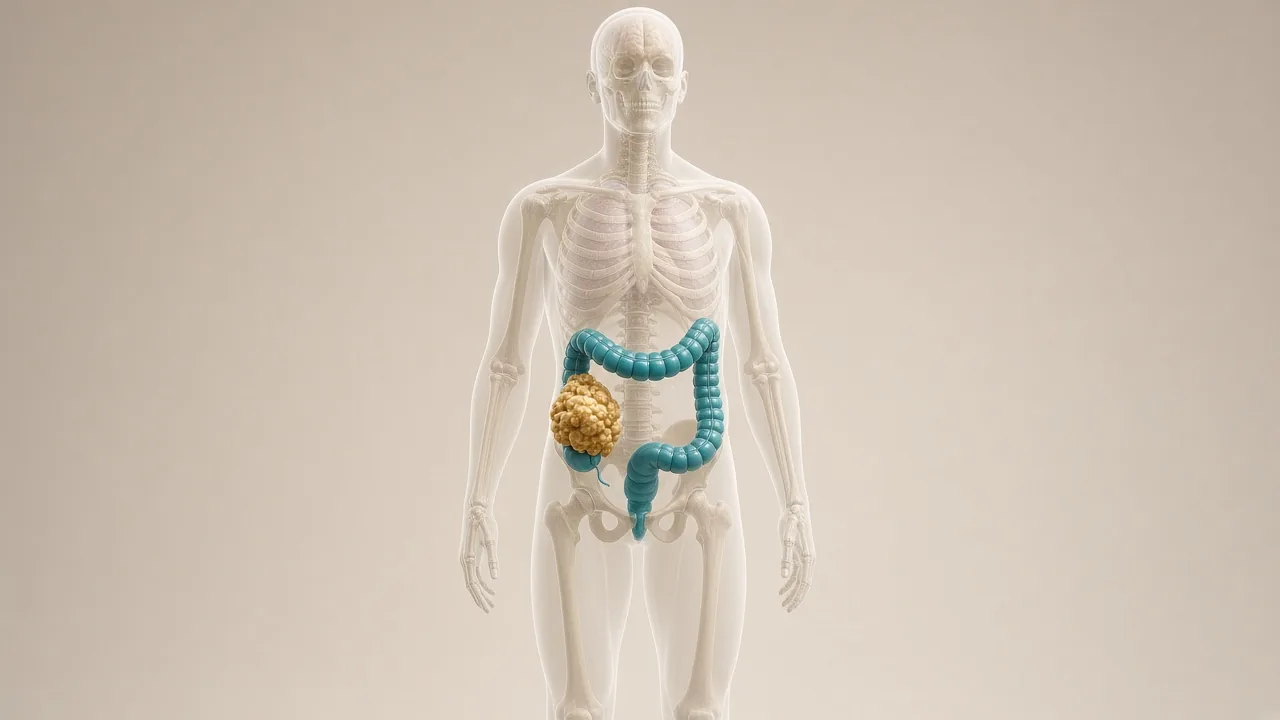
Targeted therapy is a form of cancer treatment designed to interfere with specific molecules involved in cancer development. Cancer cells often acquire genetic or molecular changes that allow them to grow continuously, avoid normal growth controls, form new blood vessels, escape immune responses, invade surrounding tissues and spread to distant organs. Targeted medicines attempt to interrupt these specific processes. This is different from conventional chemotherapy. Targeted therapy does not mean that side effects are absent. A targeted drug can still cause significant or even serious toxicity.
| Feature | Targeted therapy | Chemotherapy |
|---|---|---|
| Main principle | Targets specific biological pathways | Damages rapidly dividing cells |
| Biomarker testing | Often essential | Less dependent on a single biomarker |
| Selectivity | More molecularly specific | Broader cellular effect |
| Use in colon cancer | Mainly advanced/metastatic disease | Stage 3 and metastatic disease |
| Can be combined? | Yes | Yes |
| Side effects | Depend on target and drug | Depend on chemotherapy regimen |
| Works for everyone? | No | No |
Why Molecular Testing Is Essential
Modern metastatic colon cancer treatment should not be planned from the stage alone. The same Stage 4 diagnosis can lead to completely different treatment depending on the tumor's molecular profile.
- **Patient A — KRAS-mutated:** anti-EGFR therapy is generally not appropriate.
- **Patient B — RAS wild-type, BRAF wild-type, left-sided:** anti-EGFR therapy may be an important first-line option.
- **Patient C — BRAF V600E-mutated:** BRAF-directed treatment may be appropriate.
- **Patient D — HER2-positive, RAS wild-type:** HER2-targeted therapy may become relevant.
- **Patient E — MSI-H/dMMR:** [immunotherapy](/blogs/colon-cancer-immunotherapy-in-india) may be a major treatment option.
Current ESMO guidance recommends testing metastatic colorectal cancer for RAS, BRAF, MSI/MMR and HER2 status, with broader genomic testing considered when appropriate. The 2025 Indian consensus recommends at least RAS, BRAF, MSI/MMR and HER2 testing for metastatic colorectal cancer when resources permit. GAF planning ranges for precision oncology are $2,000–$7,000.
KRAS, NRAS and RAS Wild-Type
KRAS and NRAS are part of the RAS gene family. Mutations can activate signaling pathways downstream of the EGFR receptor. If a colon cancer contains an activating RAS mutation, blocking EGFR from outside the cell may not effectively stop the downstream signal. Therefore: RAS mutation → anti-EGFR therapy generally not appropriate, while RAS wild-type → anti-EGFR therapy may be considered in the appropriate clinical setting.
Testing should include relevant exons of both KRAS and NRAS. Current ESMO guidance recommends testing exons 2, 3 and 4 of KRAS and NRAS when assessing eligibility for anti-EGFR therapy. RAS wild-type status alone does not automatically mean that cetuximab or panitumumab should be used. Doctors also consider primary tumor location, BRAF status, MSI/MMR, previous treatment, treatment objective and patient fitness. A report that simply says "KRAS positive" is not enough — the exact mutation should be documented.
EGFR-Targeted Therapy: Cetuximab and Panitumumab
EGFR stands for epidermal growth factor receptor. Two important EGFR-targeted antibodies are cetuximab and panitumumab. They bind to EGFR and interfere with downstream signaling. Effectiveness is strongly influenced by RAS status, BRAF status, primary tumor location and previous treatment.
For first-line treatment, the strongest evidence is in RAS wild-type, BRAF wild-type, left-sided metastatic colon cancer, where cetuximab or panitumumab can be combined with chemotherapy. If the RAS pathway is already activated by a mutation, blocking EGFR may not shut down the signaling pathway: KRAS/NRAS mutation → likely resistance to anti-EGFR therapy.
Primary tumor location matters. For many right-sided metastatic tumors, an anti-VEGF strategy is preferred in the first-line setting. The 2026 ESMO guideline continues to emphasize this distinction.

Anti-VEGF Therapy: Bevacizumab, Ramucirumab and Ziv-Aflibercept
VEGF stands for vascular endothelial growth factor. Tumors can stimulate angiogenesis — new blood vessels — to obtain oxygen and nutrients. Blocking VEGF signaling can interfere with tumor blood-vessel formation.
Bevacizumab is a monoclonal antibody that targets VEGF-A and is one of the most widely used targeted therapies in metastatic colorectal cancer. It can be combined with FOLFOX, FOLFIRI, CAPOX or FOLFOXIRI depending on the setting. The 2025 Indian consensus identifies bevacizumab as a major option and notes that its benefit is not restricted to one particular RAS subgroup. Important potential adverse effects include high blood pressure, protein in urine, bleeding, blood clots, delayed wound healing, gastrointestinal perforation and rare serious complications. This is particularly important around major surgery.
Ramucirumab targets the VEGF receptor rather than VEGF itself. It is commonly used with FOLFIRI in selected patients who have progressed after oxaliplatin-based treatment and bevacizumab-containing therapy — generally a later-line rather than a first-line treatment. Ziv-aflibercept acts as a VEGF trap and may be combined with FOLFIRI after progression on an oxaliplatin-containing regimen. Availability varies between institutions.
BRAF V600E-Directed Treatment
The BRAF V600E mutation is the most clinically important BRAF alteration in metastatic colorectal cancer. It occurs in a minority of metastatic colorectal cancers and is associated with a distinct tumor biology. One established targeted approach is encorafenib + cetuximab. Encorafenib blocks BRAF signaling; cetuximab blocks EGFR. The combination attacks the pathway at two points because blocking BRAF alone may lead to activation of alternative signaling pathways.
The BEACON CRC trial established the importance of BRAF-targeted therapy in previously treated BRAF V600E metastatic colorectal cancer. The 2025 Indian consensus recognizes encorafenib plus cetuximab as an important option for chemotherapy-refractory BRAF-mutated metastatic colorectal cancer, although access to encorafenib can be a practical consideration in India.
Treatment continues to evolve. The BREAKWATER study supported encorafenib + cetuximab + modified FOLFOX6 in previously untreated BRAF V600E metastatic colorectal cancer, leading to an FDA approval in December 2024. This represents an important shift from reserving BRAF-targeted therapy only for later lines. The exact availability and regulatory status of this approach in India should be confirmed with the treating cancer center.
HER2-Directed Treatment
Some colorectal cancers have HER2 amplification or overexpression. HER2-positive metastatic colorectal cancer is a relatively small subgroup, more commonly seen in left-sided, RAS wild-type tumors. Potential approaches include tucatinib + trastuzumab, trastuzumab deruxtecan, trastuzumab-based combinations and other HER2-directed strategies. The 2025 Indian consensus recognizes several HER2-directed approaches for HER2-positive metastatic colorectal cancer.
The MOUNTAINEER study formed the basis for FDA accelerated approval of tucatinib plus trastuzumab in previously treated HER2-positive, RAS wild-type metastatic colorectal cancer. Current ESMO guidance also identifies tucatinib–trastuzumab as an option after prior fluoropyrimidine, oxaliplatin and irinotecan. Trastuzumab deruxtecan is an antibody-drug conjugate; a major safety concern is interstitial lung disease/pneumonitis, which requires careful monitoring.
KRAS G12C-Directed Treatment
KRAS G12C is a specific mutation found in a small subset of metastatic colorectal cancers. Not all KRAS mutations can currently be targeted with the same medicines — G12C, G12D, G12V and other KRAS mutations are biologically different. Two important strategies in previously treated metastatic disease are adagrasib + cetuximab and sotorasib + panitumumab.
The FDA approved adagrasib plus cetuximab for KRAS G12C-mutated locally advanced or metastatic colorectal cancer after prior fluoropyrimidine-, oxaliplatin- and irinotecan-containing chemotherapy. The CodeBreaK 300 study supported sotorasib plus panitumumab, and the FDA granted approval for this combination in previously treated KRAS G12C-mutated advanced colorectal cancer. Investigational KRAS G12D/G12V approaches, SHP2 inhibitors and other combinations may be available through clinical trials rather than routine standard treatment.
| Biomarker / clinical feature | Potential targeted approach |
|---|---|
| RAS wild-type + left-sided | Cetuximab or panitumumab + chemotherapy |
| RAS-mutated | Anti-VEGF strategy such as bevacizumab + chemotherapy |
| BRAF V600E | Encorafenib + cetuximab; selected first-line combinations may include chemotherapy |
| HER2-positive + RAS wild-type | Tucatinib + trastuzumab; other HER2-directed options |
| KRAS G12C | Adagrasib + cetuximab or sotorasib + panitumumab in appropriate later-line settings |
| Previously treated metastatic disease | Regorafenib, fruquintinib or other approved later-line therapies |
| MSI-H/dMMR | Immunotherapy is often more relevant than conventional targeted therapy |
This table is a treatment-orientation framework, not a prescription.
Later-Line Medicines, Rechallenge and ctDNA
Regorafenib is an oral multikinase inhibitor used in previously treated metastatic colorectal cancer. Side effects can include hand-foot skin reaction, fatigue, diarrhea, high blood pressure, reduced appetite and liver toxicity. Dose-escalation strategies may be considered to improve tolerability. Fruquintinib is an oral selective VEGFR inhibitor for previously treated metastatic colorectal cancer after specified standard therapies. The choice between fruquintinib, regorafenib, trifluridine/tipiracil-based treatment and biomarker-specific therapy depends on previous treatment history and molecular profile.
Some patients previously respond to cetuximab or panitumumab and later develop resistance. In certain cases, a liquid biopsy (ctDNA) can determine whether resistant RAS, BRAF or EGFR alterations remain detectable. If the molecular profile becomes favorable again, an anti-EGFR rechallenge may be considered. This is a specialized strategy, not appropriate for every patient. Current ESMO guidance recognizes ctDNA-guided anti-EGFR rechallenge as a potential option for carefully selected patients, and ctDNA testing when rapid molecular results are clinically important or tissue testing is not possible.
| Feature | Tissue biopsy | Liquid biopsy |
|---|---|---|
| Sample | Tumor tissue | Blood |
| Molecular information | Extensive | Depends on circulating tumor DNA |
| Useful when tissue unavailable | Sometimes difficult | Particularly useful |
| Can reflect evolving disease | Limited | Can capture emerging mutations |
| Common use | Initial molecular profiling | Selected advanced/refractory settings |
Next-generation sequencing (NGS) can evaluate multiple genes simultaneously — KRAS, NRAS, BRAF, HER2-related alterations, NTRK fusions, RET fusions, POLE/POLD1 and other potentially actionable alterations. It should not be ordered simply because it sounds more advanced. The 2025 Indian consensus notes that NGS can identify additional alterations but does not necessarily need to replace established initial biomarker testing in every patient.
Conversion Therapy, Liver, Lung and Peritoneal Disease
Targeted therapy can be incorporated into conversion therapy: unresectable metastatic disease → systemic treatment plus appropriate targeted therapy → tumor shrinkage → reassessment → potential surgery or ablation. This is particularly important when liver ($10,000–$26,000) or lung metastases may become technically removable. See Stage 4 colon cancer treatment.
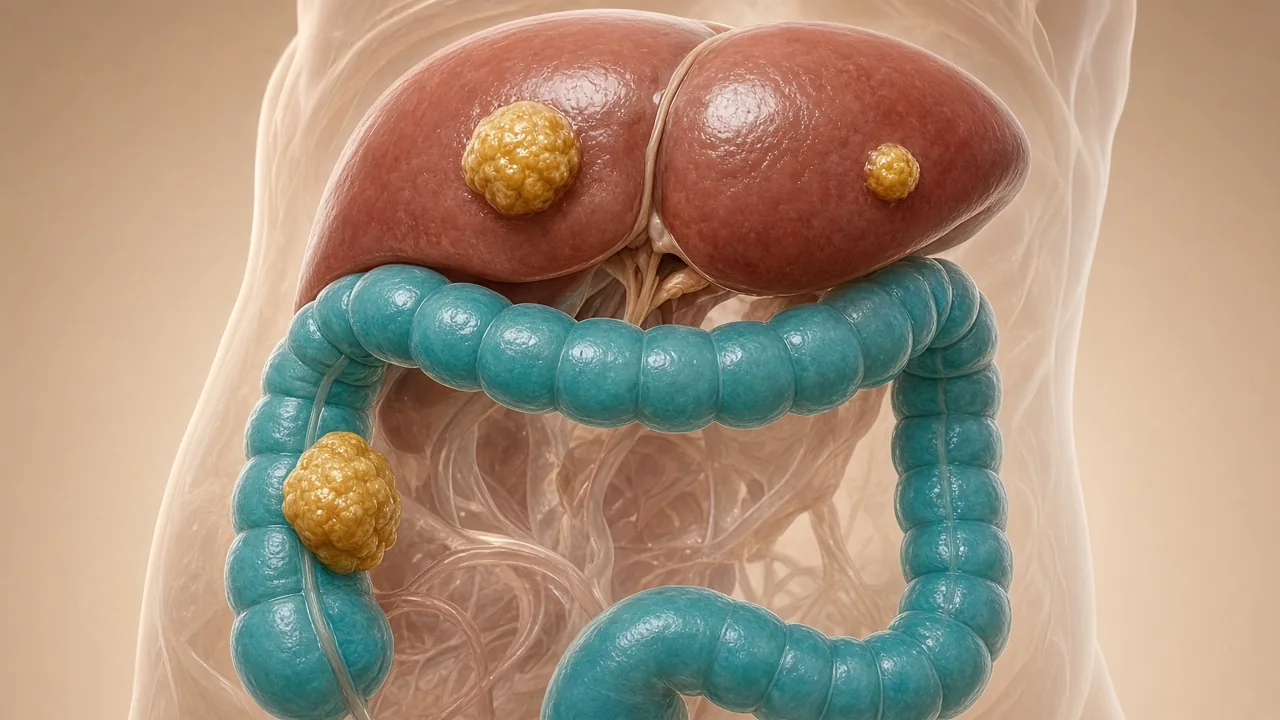
Limited lung metastases may combine systemic targeted treatment with surgery, ablation or SBRT. Peritoneal disease may still need specialist assessment for cytoreductive surgery with HIPEC ($18,000–$40,000). Targeted therapy does not replace that surgical assessment. Targeted therapy can contribute to a curative-intent strategy in selected patients when metastatic disease becomes completely treatable with surgery or local therapy. It should not be described as a guaranteed cure.
Side Effects and When to Seek Emergency Care
Anti-EGFR therapy (cetuximab, panitumumab) commonly causes acne-like rash, dry skin, itching, nail changes, skin infections, diarrhea and infusion reactions. Patients should not deliberately try to develop a rash as proof that treatment is working. Bevacizumab can cause high blood pressure, proteinuria, bleeding, thromboembolic events, delayed wound healing and gastrointestinal perforation — blood pressure and urine protein are commonly monitored, and the surgical team must know if bevacizumab was recently given.
Encorafenib-based treatment can cause fatigue, nausea, diarrhea, abdominal pain, skin problems, muscle or joint symptoms and liver-function abnormalities, plus EGFR-related skin toxicity when combined with cetuximab. Trastuzumab may affect heart function. Tucatinib may cause diarrhea and liver-function abnormalities. Trastuzumab deruxtecan can cause nausea, low blood counts, fatigue and interstitial lung disease/pneumonitis. KRAS G12C combinations, regorafenib and fruquintinib have their own gastrointestinal, skin, blood-pressure and liver profiles.
Severe bleeding, sudden severe abdominal pain suggesting perforation, chest pain, new breathlessness, a serious infusion reaction, fainting or collapse belongs in a local emergency department — not a delayed WhatsApp message. Patients should never stop a targeted medicine around surgery without speaking to both the oncologist and the surgeon.

| Feature | Targeted therapy | Immunotherapy |
|---|---|---|
| Primary principle | Blocks cancer-specific pathways | Activates immune response |
| Main selection method | Molecular alteration/receptor | MSI/MMR and selected biomarkers |
| Examples | BRAF, EGFR, VEGF, HER2, KRAS G12C | Pembrolizumab, nivolumab, ipilimumab |
| Major role | Advanced/metastatic disease | Particularly MSI-H/dMMR advanced disease |
| Can be combined with chemotherapy? | Frequently | Depends on setting |
| Side effects | Drug/pathway specific | Immune-related |
| Biomarker-driven? | Yes | Yes |
A patient may receive both targeted therapy and immunotherapy at different stages, but they are not interchangeable. For MSI-H/dMMR metastatic disease, immunotherapy is often the first biomarker-driven choice.
Colon Cancer Targeted Therapy Cost in India
There is no single price for targeted therapy because the drug, dose, duration, combination chemotherapy, hospital, manufacturer, molecular testing, cycles, supportive care, imaging and toxicity management all change the total. A targeted medicine can substantially increase the cost of metastatic colon cancer treatment compared with chemotherapy alone. GAF Healthcare publishes USD planning ranges compiled from partner hospital cost sheets. They are not hospital quotations.
| Component | GAF planning range in India |
|---|---|
| Targeted therapy (bevacizumab, cetuximab, BRAF/HER2/KRAS strategies) | $8,000–$30,000 |
| Precision oncology / RAS-BRAF-HER2-MSI testing | $2,000–$7,000 |
| Chemotherapy backbone (FOLFOX, FOLFIRI, CAPOX) | $1,500–$8,000+ |
| Immunotherapy if the tumor is MSI-H/dMMR | $15,000–$45,000 |
| Colectomy | $7,000–$18,000 |
| Liver resection after conversion | $10,000–$26,000 |
| CRS/HIPEC for selected peritoneal disease | $18,000–$40,000 |
| Colonoscopy | $200–$550 |
The cost difference between chemotherapy + bevacizumab and chemotherapy + a rare molecularly targeted medicine can be substantial. Brand versus biosimilar, treatment duration until progression, and whether NGS is added all matter. City pages such as Delhi NCR targeted therapy, Mumbai, Bengaluru, Chennai and Hyderabad use the same national range unless a hospital issues a verified quotation.
How to Choose a Hospital and What International Patients Should Bring
A hospital should not be selected simply because it advertises "targeted therapy." Look for molecular pathology able to perform RAS, BRAF, MSI/MMR, HER2 and NGS where appropriate; medical oncology experienced in colorectal cancer, multiple treatment lines and clinical trials; colorectal and hepatobiliary surgery if disease may be resectable; interventional radiology; radiation oncology for selected SBRT; and a multidisciplinary tumour board.
- [Medical oncology hospitals in Delhi NCR](/hospitals/India/Delhi-NCR/Medical-Oncology)
- [Medical oncology hospitals in Mumbai](/hospitals/India/Mumbai/Medical-Oncology)
- [Medical oncology hospitals in Bengaluru](/hospitals/India/Bengaluru/Medical-Oncology)
- [Medical oncology hospitals in Chennai](/hospitals/India/Chennai/Medical-Oncology)
- [Medical oncology hospitals in Hyderabad](/hospitals/India/Hyderabad/Medical-Oncology)
International patients should send colonoscopy, biopsy, histopathology, CT/MRI/PET, CEA, previous chemotherapy and surgery reports, MSI/MMR, KRAS/NRAS, BRAF, HER2 and any NGS reports before travelling. Bring the passport, pathology slides and blocks, medication list and discharge summaries. For long-term treatment, subsequent cycles may sometimes be coordinated with a local oncologist.
- What is my KRAS, NRAS, BRAF (including V600E), HER2 and MSI/MMR status, and do I have KRAS G12C?
- Is the primary tumor right-sided or left-sided, and why is this targeted drug being recommended?
- Will it be combined with FOLFOX or FOLFIRI, and is treatment intended to shrink disease for surgery?
- When will scans be repeated, and what side effects — including wound healing around bevacizumab — should I expect?
- Do I need NGS or ctDNA, and are biomarker-specific clinical trials available?
- Is a biosimilar option available, what is the cost per cycle, and can later cycles continue in my home country?
Targeted Therapy Treatment Pathway
- Confirm colon cancer with colonoscopy, biopsy and histopathology.
- Stage the cancer with CT/MRI and other appropriate imaging.
- If disease is metastatic, complete KRAS, NRAS, BRAF, MSI/MMR, HER2 and other actionable genes when appropriate.
- Determine whether the goal is curative-intent metastatic treatment or disease control.
- Select systemic treatment — chemotherapy plus anti-EGFR for RAS/BRAF wild-type left-sided disease; chemotherapy plus anti-VEGF for RAS-mutated disease; BRAF-, HER2- or KRAS G12C-directed treatment in the matching subgroups; immunotherapy for MSI-H/dMMR disease.
- Reassess with CT/MRI, clinical assessment and CEA where appropriate.
- Consider local treatment (surgery, ablation, SBRT) if disease becomes resectable.
- Continue or change systemic therapy based on response, progression, toxicity and molecular evolution.
The Bottom Line
Targeted therapy is a major part of modern metastatic colon cancer treatment, but it is not a single drug. Molecular testing determines which medicines may be useful. KRAS and NRAS status are critical before anti-EGFR therapy. BRAF V600E, HER2 and KRAS G12C identify further actionable subgroups. Bevacizumab is an important anti-VEGF option across RAS subgroups. MSI-H/dMMR tumors usually need an immunotherapy pathway rather than conventional targeted therapy. Targeted therapy can be combined with chemotherapy and used during conversion treatment. It can have significant side effects and requires specialist monitoring. A patient-specific quotation should always be obtained before planning travel.
Frequently Asked Questions
What is targeted therapy for colon cancer?
Targeted therapy uses medicines designed to interfere with specific molecular pathways involved in cancer growth. In colon cancer it is primarily important in advanced or metastatic disease.
Is targeted therapy used for all colon cancer patients?
No. It is mainly important in advanced and metastatic disease and is selected according to tumor biology and clinical circumstances.
Which targeted therapy is commonly used for colon cancer?
Important targeted medicines include bevacizumab, cetuximab, panitumumab, encorafenib, tucatinib, trastuzumab, adagrasib, sotorasib, ramucirumab, regorafenib, fruquintinib and ziv-aflibercept. The appropriate drug depends on the patient's molecular profile and treatment line.
Is targeted therapy the same as chemotherapy?
No. Chemotherapy broadly affects rapidly dividing cells, while targeted therapy is designed around specific molecular pathways. They are frequently used together. GAF planning ranges are $1,500–$8,000+ for chemotherapy and $8,000–$30,000 for targeted therapy.
Does targeted therapy work in Stage 3 colon cancer?
Targeted therapy is not routinely used as postoperative treatment for all Stage 3 colon cancer patients. Its major role is in advanced or metastatic disease.
What is the most important test before targeted therapy?
There is no single test for every targeted medicine. In metastatic colon cancer, important testing includes KRAS, NRAS, BRAF, MSI/MMR and HER2. GAF planning ranges for precision oncology are $2,000–$7,000.
Can KRAS-mutated colon cancer receive cetuximab?
Generally, activating KRAS or NRAS mutations predict resistance to anti-EGFR antibodies, so cetuximab and panitumumab are generally not used on that basis.
Can KRAS G12C be targeted?
Yes. Selected previously treated patients with KRAS G12C-mutated metastatic colorectal cancer may receive targeted combinations such as adagrasib plus cetuximab or sotorasib plus panitumumab.
What is BRAF-targeted therapy?
It is treatment directed against a BRAF mutation, particularly BRAF V600E. Encorafenib combined with cetuximab is an established example.
What is HER2-targeted therapy?
It is treatment aimed at HER2-positive cancer. Options may include tucatinib plus trastuzumab or other HER2-directed medicines in selected patients.
Can targeted therapy cure Stage 4 colon cancer?
Targeted therapy can contribute to curative-intent treatment in selected patients whose metastatic disease can ultimately be completely removed or locally controlled. However, it cannot be described as a guaranteed cure.
Can targeted therapy shrink liver metastases?
Yes. When combined with appropriate chemotherapy, targeted therapy may help shrink metastatic disease and, in selected patients, facilitate subsequent liver surgery. GAF planning ranges for liver resection are $10,000–$26,000.
How long does targeted therapy continue?
It depends on the drug and treatment setting. In metastatic disease, treatment may continue until disease progression, unacceptable toxicity, completion of a planned course, or a change to another treatment.
Does targeted therapy have side effects?
Yes. The side effects depend on the drug. EGFR inhibitors commonly cause skin toxicity, while VEGF-targeted medicines can affect blood pressure and wound healing. Severe bleeding, perforation, chest pain or sudden collapse belongs in a local emergency department.
Is targeted therapy expensive in India?
Some targeted medicines can substantially increase treatment costs. GAF planning ranges for targeted therapy are $8,000–$30,000. The actual cost depends on the drug, dose, frequency, duration and hospital.
Can targeted therapy be given in India to international patients?
Yes, where the relevant medicine is available and clinically appropriate. International patients should obtain a specialist treatment plan and medicine-specific quotation before travelling.
Related Colon Cancer Resources
- [Colon Cancer Treatment in India](/treatments/colon-cancer-treatment-in-india) — stage, molecular tests and where targeted therapy sits in the pathway.
- [Colon Cancer Chemotherapy in India](/blogs/colon-cancer-chemotherapy-in-india) — FOLFOX, CAPOX, FOLFIRI and when a biologic is added.
- [Colon Cancer Immunotherapy in India](/blogs/colon-cancer-immunotherapy-in-india) — MSI-H/dMMR checkpoint inhibitors when immunotherapy comes first.
- [Stage 4 Colon Cancer Treatment in India](/blogs/stage-4-colon-cancer-treatment-in-india) — metastatic resectability, conversion therapy and later lines.
- [Stage 3 Colon Cancer Treatment in India](/blogs/stage-3-colon-cancer-treatment-in-india) — why targeted therapy is not routine adjuvant treatment.
- [Stage 2 Colon Cancer Treatment in India](/blogs/stage-2-colon-cancer-treatment-in-india) and [Stage 1 Colon Cancer Treatment in India](/blogs/stage-1-colon-cancer-treatment-in-india) — surgery-first pathways.
- [Colon Cancer Surgery in India](/blogs/colon-cancer-surgery-in-india) — hemicolectomy, anastomosis and recovery.
- [Targeted therapy cost in India](/costs/India/Medical-Oncology/Targeted-Therapy) — GAF planning range $8,000–$30,000.
- [Precision oncology](/costs/India/Medical-Oncology/Precision-Oncology) — RAS, BRAF, HER2 and MSI/MMR testing ($2,000–$7,000).
- [Rectal cancer surgery](/costs/India/Surgical-Oncology/Rectal-Cancer-Surgery) — a different pathway when radiation may be part of treatment.
- [Breast cancer treatment in India](/treatments/breast-cancer-treatment-in-india) and [prostate cancer treatment in India](/treatments/prostate-cancer-treatment-in-india) — other GAF cancer pathways.
How GAF Healthcare Can Help
GAF Healthcare coordinates international patients who need a colon cancer targeted-therapy opinion in India — after a RAS or BRAF result, a question about cetuximab versus bevacizumab, or a Stage 4 plan that may later include liver surgery. Share the colonoscopy PDF, the complete pathology report, KRAS/NRAS, BRAF, HER2, MSI/MMR, CT/MRI, CEA and previous treatment records. A coordinator can introduce a medical oncologist and, when conversion surgery is possible, a surgical oncologist, then help collect an itemised quotation naming the targeted drug, chemotherapy backbone, cycles and monitoring.
Medical Disclaimer
This article is intended for educational and medical-tourism information only. It does not replace consultation with a qualified medical oncologist, colorectal surgeon, molecular pathologist or multidisciplinary cancer team. Targeted treatment should be selected only after reviewing the patient's pathology, molecular profile, imaging, previous treatment, general health and applicable treatment approvals. Patients should not start, stop or change cancer treatment without discussing it with their treating doctor.
Top 10 Sources
- ESMO — Gastrointestinal cancer guidelines — RAS, BRAF, MSI/MMR and HER2 testing; sidedness and anti-EGFR versus anti-VEGF choices.
- NCI — Colon Cancer Treatment (PDQ®) — systemic options by stage, including targeted therapy in metastatic disease.
- NCI — drugs approved for colon and rectal cancer — bevacizumab, cetuximab, panitumumab, ramucirumab, regorafenib, fruquintinib and related medicines.
- 2025 Indian consensus statements for advanced/metastatic colorectal cancer — RAS, BRAF, MSI/MMR and HER2 testing; bevacizumab, encorafenib and HER2-directed options in Indian practice.
- ASCO — Gastrointestinal cancer guidelines — treatment of metastatic colorectal cancer.
- U.S. FDA — encorafenib, cetuximab and mFOLFOX6 for untreated BRAF V600E metastatic colorectal cancer — BREAKWATER first-line BRAF-directed combination.
- U.S. FDA — tucatinib with trastuzumab for HER2-positive colorectal cancer — MOUNTAINEER later-line HER2-directed treatment.
- U.S. FDA — adagrasib with cetuximab for KRAS G12C-mutated colorectal cancer — previously treated KRAS G12C disease.
- U.S. FDA — sotorasib with panitumumab for KRAS G12C-mutated colorectal cancer — CodeBreaK 300 combination approval.
- U.S. FDA — fruquintinib for refractory metastatic colorectal cancer — later-line VEGFR inhibition after standard therapies.
Last reviewed against the cited sources: September 2026.