
Treatment Overview
Whipple surgery is one of the most complex operations performed for cancers and selected tumors involving the head of the pancreas, bile duct and nearby structures. The medical name for the procedure is pancreaticoduodenectomy.
For international patients considering treatment in India, Whipple surgery can involve several stages: confirming the diagnosis, determining whether the tumor can be completely removed, reviewing scans with a specialist multidisciplinary team, deciding whether chemotherapy should be given before surgery, performing the operation, managing recovery, and planning additional treatment based on the final pathology report.
India has major tertiary-care hospitals with pancreatic surgery, surgical oncology, medical oncology, radiation oncology, gastroenterology, interventional radiology, intensive-care and pathology teams under one system.
This page is the Whipple-surgery pathway for GAF Healthcare. It sits under pancreatic cancer treatment in India and beside colon cancer treatment in India. It explains who may need pancreaticoduodenectomy, how the operation is performed, preparation, recovery, complications, hospital stay, cost, surgical approaches, chemotherapy, pathology, second opinions and practical information for international patients.
What Is Whipple Surgery?
Whipple surgery is a complex form of pancreatic surgery also called pancreaticoduodenectomy.
The operation is primarily used when a tumor is located in the head of the pancreas.
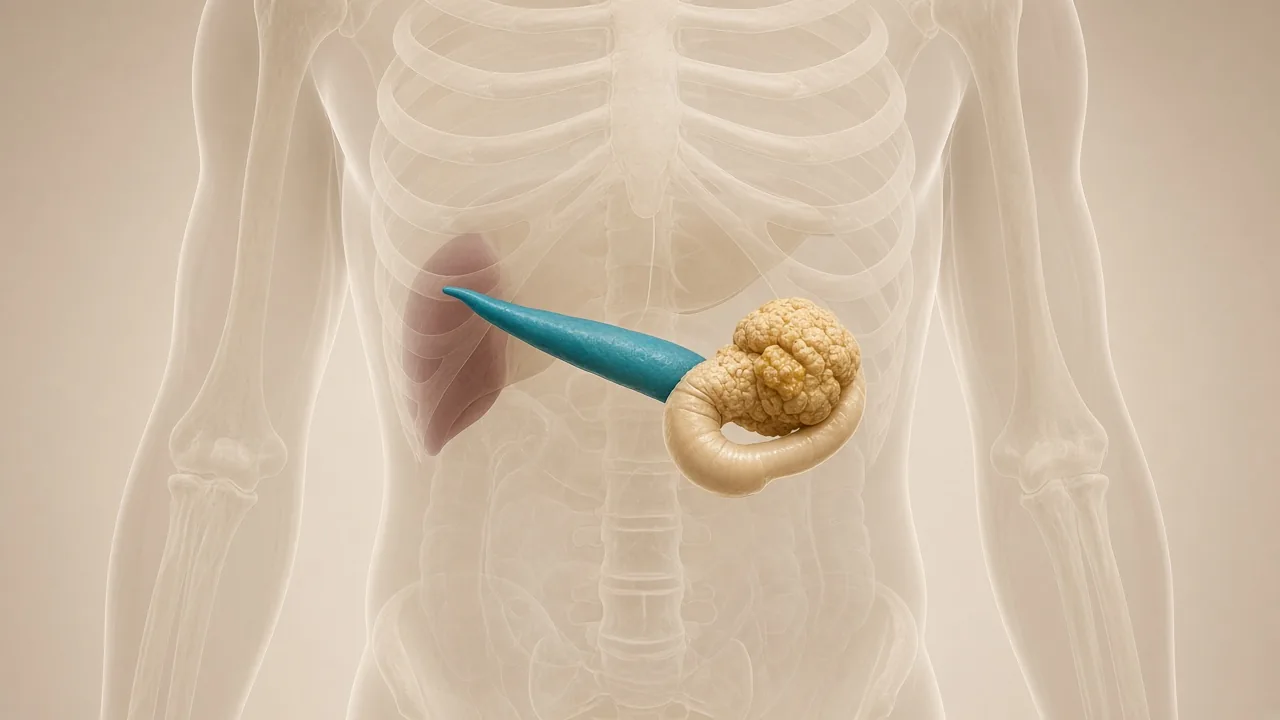
The head of the pancreas sits close to several important structures, including:
- The duodenum
- Common bile duct
- Gallbladder
- Stomach
- Major blood vessels
- Small intestine
Because of this anatomy, removing a tumor from the pancreatic head often requires removal of several connected structures.
The surgeon then reconstructs the digestive system.
This is one reason Whipple surgery is significantly more complicated than removing a single isolated organ.
International patients commonly compare pancreatic and HPB teams in Delhi NCR, Mumbai, Bengaluru, Chennai and Hyderabad. Partner surgical-oncology hospitals in Delhi NCR and Mumbai are a typical first filter.
What Organs Are Removed During Whipple Surgery?
The exact operation depends on the tumor and the surgical technique.
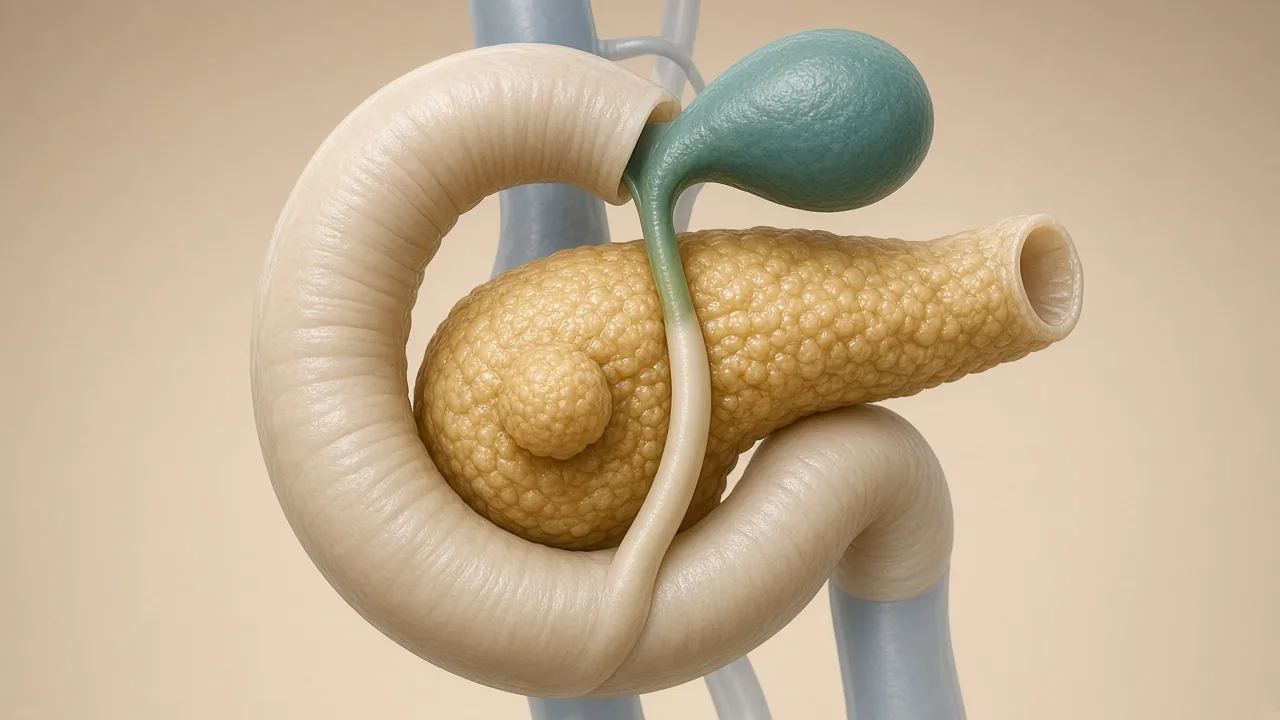
A conventional Whipple procedure commonly involves removal of:
- The head of the pancreas
- The duodenum
- The gallbladder
- Part of the common bile duct
- Nearby lymph nodes
- Sometimes part of the stomach
The remaining pancreas, bile duct and digestive tract are then reconstructed.
In a pylorus-preserving Whipple procedure, the surgeon attempts to preserve the pylorus and most of the stomach when medically appropriate.
The choice between procedures depends on tumor location, anatomy and the surgeon's judgment. The HPB sheet for Whipple procedure (pancreaticoduodenectomy) uses the same national planning range.
Why Is Whipple Surgery Needed?
Whipple surgery is considered when a tumor can potentially be removed completely and the expected benefits of surgery outweigh the risks.
The most common indication is pancreatic adenocarcinoma located in the head of the pancreas. See pancreatic cancer treatment in India for the broader pathway.
Other possible indications include:
1. Pancreatic cancer
Pancreatic adenocarcinoma is the most common form of pancreatic cancer.
When the disease is localized and technically removable, surgery may provide an opportunity for long-term disease control.
However, surgery is usually only one part of treatment.
Chemotherapy before or after surgery may also be recommended.
2. Distal bile duct cancer
A cancer arising in the lower part of the bile duct may require pancreaticoduodenectomy because of its close relationship with the pancreas and duodenum.
3. Ampullary cancer
The ampulla of Vater is the area where the bile duct and pancreatic duct enter the duodenum.
Tumors in this region can sometimes be treated with Whipple surgery.
4. Duodenal tumors
Selected tumors involving the duodenum may require pancreaticoduodenectomy depending on their location and extent.
5. Pancreatic neuroendocrine tumors
Some pancreatic neuroendocrine tumors located in the pancreatic head may be treated with Whipple surgery.
The decision depends on tumor size, grade, location, spread and other clinical factors.
6. Selected non-cancerous conditions
Whipple surgery is occasionally performed for severe or complicated benign pancreatic disease when less extensive procedures are unsuitable.
Send CT, EUS, biopsy and CA 19-9 reports
Who Is a Candidate for Whipple Surgery?
Being diagnosed with pancreatic cancer does not automatically mean that Whipple surgery is appropriate.
The medical team first needs to determine whether the tumor is technically resectable.
This assessment generally involves high-quality imaging and review by specialists.
Potential candidates may have:
- A tumor located in the pancreatic head
- No distant metastatic disease
- A tumor that can potentially be removed completely
- Acceptable involvement of nearby blood vessels
- Adequate organ function for major surgery
- Sufficient nutritional reserve
- A condition that allows recovery from a major operation
The decision should be individualized.
Sudden collapse, high fever with jaundice, uncontrolled vomiting, or inability to keep fluids down can indicate biliary obstruction, cholangitis or another emergency. Go to a local emergency department — do not wait for a coordinator on WhatsApp.
Resectable, Borderline Resectable and Unresectable Pancreatic Cancer
One of the most important concepts in pancreatic cancer surgery is resectability.
Doctors generally classify tumors based on whether they can be surgically removed with an acceptable chance of achieving complete tumor removal.
Resectable pancreatic cancer
A tumor may be considered resectable when imaging suggests that it can be removed completely without unacceptable involvement of major blood vessels.
Surgery may be considered directly or after additional treatment depending on the clinical situation.
Borderline resectable pancreatic cancer
A borderline resectable tumor has a more complicated relationship with nearby blood vessels.
Some patients may still undergo surgery, but chemotherapy or chemoradiation may be recommended before surgery.
The objective may be to control microscopic disease, assess tumor behavior and improve the chance of a complete resection.
Locally advanced or unresectable disease
Some tumors involve major blood vessels or surrounding structures to an extent that immediate surgery is not considered appropriate.
Systemic treatment may be used first.
In selected patients, the tumor may later become technically operable if it responds sufficiently to treatment.
Metastatic pancreatic cancer
When pancreatic cancer has spread to distant organs such as the liver or lungs, Whipple surgery is generally not the standard initial treatment.
Systemic therapy is usually central to management.
However, highly selected situations may require individualized discussion at a specialist multidisciplinary center.
What Tests Are Needed Before Whipple Surgery?
A detailed preoperative evaluation is essential.
Doctors may request:
Imaging
Common investigations include:
- Pancreatic-protocol CT scan
- MRI
- MRCP
- PET/CT in selected situations
- Endoscopic ultrasound
- CT chest and abdomen for staging
The purpose is not simply to locate the tumor.
The team needs to understand:
- Tumor size
- Tumor location
- Relationship with blood vessels
- Lymph-node involvement
- Bile duct obstruction
- Pancreatic duct obstruction
- Possible metastatic disease
GAF planning ranges for EUS in India are $400–$1,400 (day-care). City pages such as Delhi NCR EUS use the same national range unless a hospital issues a verified quotation.
Blood tests
Depending on the case, testing may include:
- Complete blood count
- Liver-function tests
- Kidney-function tests
- Blood glucose
- Electrolytes
- Coagulation profile
- Tumor markers such as CA 19-9 when appropriate
CA 19-9 can support assessment but is not by itself a diagnostic test for pancreatic cancer.
Cardiac and anesthesia assessment
Because Whipple surgery is a major operation, the patient may undergo:
- ECG
- Echocardiography when indicated
- Chest evaluation
- Anesthesia consultation
- Assessment of other medical conditions
Nutritional assessment
Weight loss and malnutrition are common concerns in pancreatic disease.
A dietitian may be involved before surgery.
If jaundice needs drainage before chemotherapy or surgery, ERCP ($1,500–$4,200) or biliary stenting ($2,000–$5,500) may be discussed.
WhatsApp +91 90443 46292 with CT, EUS and CA 19-9 reports
Is a Biopsy Always Required Before Whipple Surgery?
Not necessarily.
The need for tissue diagnosis depends on the clinical situation and the planned treatment.
In some patients with a clearly resectable pancreatic mass and a strong radiological suspicion of pancreatic cancer, the surgical team may proceed without a preoperative biopsy.
In other situations, tissue confirmation may be important, particularly when chemotherapy is planned before surgery or when the diagnosis is uncertain.
The decision should be made by the treating team rather than based on a general rule.
Why Is Genetic and Molecular Testing Important?
Pancreatic cancer may have genetic or molecular characteristics that can influence treatment.
Depending on the patient's age, family history and diagnosis, doctors may consider:
- Germline genetic testing
- Tumor molecular profiling
- Testing for selected actionable mutations
Potentially relevant alterations can include abnormalities involving pathways such as:
- BRCA1
- BRCA2
- PALB2
- MSI/dMMR
- NTRK
- KRAS
- Other molecular alterations depending on the tumor
Precision oncology planning ranges on this site are $2,000–$7,000. Testing does not mean that a targeted treatment will necessarily be available.
Its usefulness depends on the specific tumor and clinical situation. MSI-H/dMMR immunotherapy for selected GI cancers is also discussed in colon cancer immunotherapy in India.
How Is Whipple Surgery Performed?
The basic surgical process can be divided into several stages.
Step 1: Exploration
The surgeon examines the abdominal cavity and surrounding structures.
This helps confirm that the disease remains compatible with the planned operation.
Step 2: Removal of the tumor
The surgeon removes the structures required to achieve an oncologically appropriate resection.
This can include:
- Pancreatic head
- Duodenum
- Gallbladder
- Part of the bile duct
- Regional lymph nodes
- Part of the stomach in a conventional Whipple
Step 3: Reconstruction
After removing the tumor, the digestive system must be reconstructed.
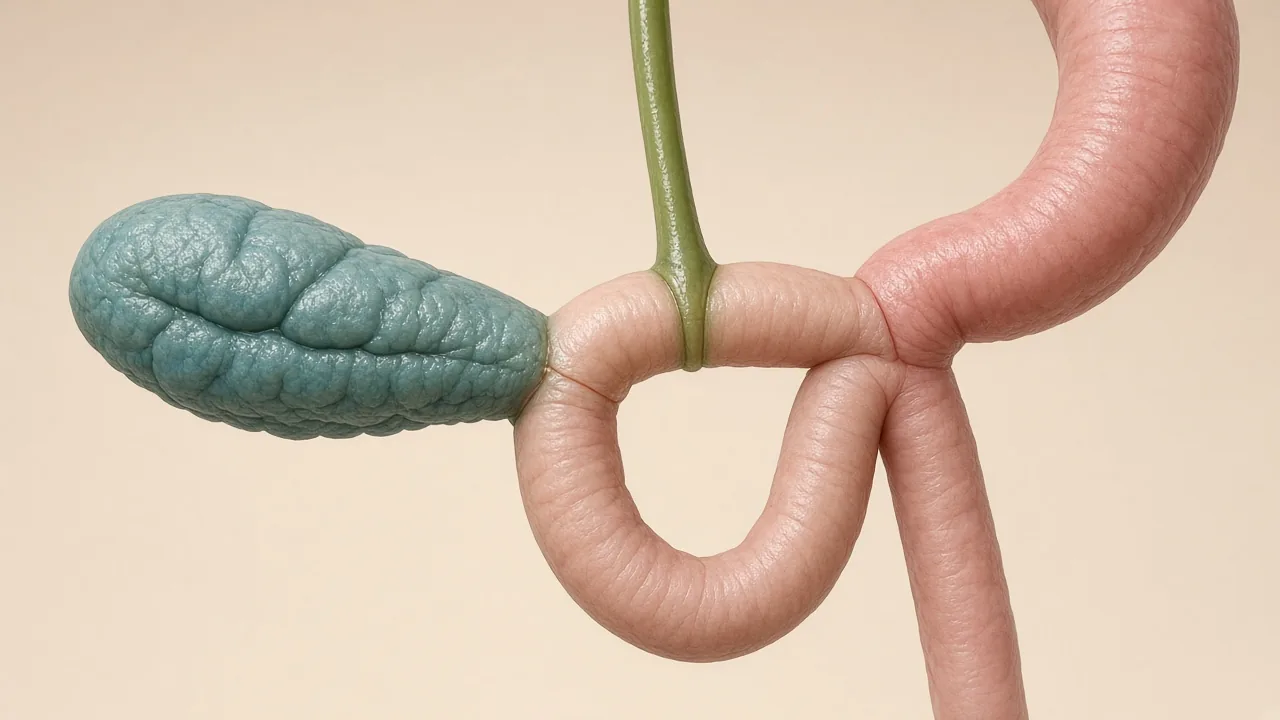
The remaining pancreas is connected to the small intestine or stomach depending on the technique.
The bile duct is also reconnected to the small intestine.
The stomach or preserved pylorus is then connected to the small intestine.
This allows:
- Food to pass through
- Bile to enter the digestive tract
- Pancreatic digestive enzymes to reach the intestine
Ask whether Whipple surgery is appropriate
What Is Pancreaticojejunostomy?
Pancreaticojejunostomy is one of the reconstruction techniques used after Whipple surgery.
The remaining pancreas is connected to the jejunum, a part of the small intestine.
Another technique is pancreaticogastrostomy, where the pancreatic remnant is connected to the stomach.
There is no single reconstruction technique that is universally superior for every patient.
The surgeon considers factors such as:
- Pancreatic duct size
- Pancreatic texture
- Tumor characteristics
- Patient anatomy
- Surgical experience
How Long Does Whipple Surgery Take?
Whipple surgery is a major operation and may take several hours.
The exact duration varies according to:
- Tumor complexity
- Previous surgery
- Vascular involvement
- Reconstruction requirements
- Surgical approach
- Intraoperative findings
A straightforward operation may be shorter than a technically complex case requiring vascular reconstruction or extensive dissection.
The operating time should therefore not be used as a measure of surgical quality.
Open vs Laparoscopic vs Robotic Whipple Surgery
Whipple surgery can be performed using different approaches.
Open Whipple surgery
The traditional approach uses an abdominal incision that provides direct access to the pancreas and surrounding structures.
Open surgery remains an important approach for complex pancreatic tumors.
Laparoscopic Whipple surgery
Several small incisions are used instead of one large incision.
Potential advantages can include:
- Smaller incisions
- Reduced wound trauma
- Potentially shorter recovery in selected patients
However, minimally invasive surgery requires considerable expertise.
Robotic Whipple surgery
Robotic systems allow the surgeon to control specialized instruments through a console.
Potential benefits include:
- High-definition visualization
- Greater instrument articulation
- Fine surgical movements
- Smaller incisions in selected cases
Robotic surgery is not automatically better for every patient.
The most appropriate approach depends on:
- Tumor anatomy
- Surgical complexity
- Patient factors
- Surgeon experience
- Hospital expertise

How Dangerous Is Whipple Surgery?
Whipple surgery is a major operation and carries significant risks.
However, outcomes have improved considerably with advances in:
- Surgical techniques
- Anesthesia
- Intensive care
- Interventional radiology
- Endoscopy
- Nutrition
- Infection management
- Multidisciplinary cancer care
The risk profile varies from patient to patient.
Important risk factors include:
- Age
- Nutritional status
- Diabetes
- Heart or lung disease
- Jaundice
- Tumor complexity
- Vascular involvement
- Pancreatic texture
- Pancreatic duct size
- Previous abdominal surgery
Major Complications After Whipple Surgery
Patients should understand the possible complications before consenting to surgery.
1. Pancreatic fistula
A pancreatic fistula can occur when pancreatic fluid leaks from the surgical connection.
This is one of the most important complications after pancreatic surgery.
The International Study Group of Pancreatic Surgery uses standardized definitions to distinguish clinically relevant pancreatic fistulas from biochemical leaks.
2. Delayed gastric emptying
Some patients experience difficulty moving food from the stomach into the intestine after surgery.
Symptoms may include:
- Nausea
- Vomiting
- Early fullness
- Poor tolerance of food
Recovery can take time.
3. Bleeding
Postoperative bleeding can range from minor to life-threatening.
Some cases may require:
- Blood transfusion
- Endoscopy
- Interventional radiology
- Repeat surgery
4. Infection
Possible infections include:
- Wound infection
- Intra-abdominal infection
- Abscess
- Pneumonia
- Urinary infection
5. Bile leak
A leak can occur from the biliary reconstruction.
Some leaks resolve with drainage and observation, while others require additional intervention.
6. Digestive problems
Patients may experience:
- Bloating
- Diarrhea
- Poor appetite
- Weight loss
- Food intolerance
These problems often improve with appropriate dietary management and enzyme replacement when needed.
What Is a Pancreatic Fistula?
A pancreatic fistula occurs when pancreatic fluid leaks from the surgical connection or pancreatic remnant.
The severity varies.
A biochemical leak may not cause significant clinical consequences.
A clinically relevant postoperative pancreatic fistula can require:
- Drainage
- Antibiotics
- Nutritional support
- Prolonged hospitalization
- Endoscopic procedures
- Interventional radiology
- Additional surgery in severe cases
The risk is influenced by factors such as pancreatic texture, duct size and the underlying disease.
What Happens Immediately After Whipple Surgery?
After surgery, the patient is closely monitored.
Depending on the patient's condition, this may occur in:
- Intensive care
- High-dependency care
- A specialized surgical ward
Monitoring may include:
- Blood pressure
- Heart rate
- Oxygen level
- Urine output
- Blood glucose
- Drain output
- Liver function
- Signs of infection
- Pancreatic and biliary leaks
Pain management is also an important part of recovery.
How Long Does a Patient Stay in the Hospital?
Hospitalization after Whipple surgery can vary significantly.
GAF planning information for Whipple procedure typically quotes 10–18 nights. A patient with an uncomplicated recovery may leave toward the shorter end, while patients who develop complications may require substantially longer hospitalization.
Length of stay depends on:
- Recovery of bowel function
- Ability to eat
- Pain control
- Drain management
- Infection
- Pancreatic leak
- Bile leak
- Delayed gastric emptying
- General mobility
International patients should allow sufficient time in India for postoperative monitoring rather than planning an immediate return home.
Whipple Surgery Recovery Timeline
Recovery is gradual.
First few days
The focus is on:
- Pain control
- Monitoring vital signs
- Fluid balance
- Early mobilization
- Preventing blood clots
- Monitoring drains
- Gradually restarting nutrition
First 1–2 weeks
The patient gradually begins:
- Walking
- Eating more normally
- Reducing IV support
- Managing medications
- Learning drain and wound care if required
First month
Energy levels may still be low.
Patients may experience:
- Weight loss
- Reduced appetite
- Fatigue
- Digestive changes
One to three months
Many patients gradually resume more normal daily activities.
However, recovery varies considerably.
Several months
Some patients continue to experience:
- Digestive changes
- Weight fluctuations
- Fatigue
- Changes in blood sugar
- Need for pancreatic enzymes
Recovery is not identical for every patient.
What Can a Patient Eat After Whipple Surgery?
Nutrition is an important part of recovery.
Patients often begin with smaller meals and gradually increase their intake.
Common principles include:
- Eat smaller meals more frequently
- Prioritize protein
- Drink sufficient fluids
- Introduce foods gradually
- Monitor tolerance
- Avoid very large meals initially
The diet should be individualized.
A dietitian can help manage:
- Weight loss
- Poor appetite
- Diarrhea
- Fat malabsorption
- Nutritional deficiencies
There is no diet proven to replace Whipple surgery or chemotherapy.
Will a Patient Need Pancreatic Enzyme Replacement?
Some patients require pancreatic enzyme replacement therapy after Whipple surgery.
The remaining pancreas may not produce enough digestive enzymes to digest food effectively.
Possible symptoms of pancreatic exocrine insufficiency include:
- Greasy stools
- Floating stools
- Diarrhea
- Bloating
- Weight loss
- Nutritional deficiencies
Pancreatic enzyme replacement can improve digestion when clinically indicated.
The dose should be prescribed and adjusted by the treating physician.
Can Diabetes Develop After Whipple Surgery?
Yes.
The pancreas produces insulin, so removing part of the pancreas can affect blood-sugar regulation.
Some patients already have diabetes before surgery.
Others may develop new or worsened diabetes afterward.
Blood glucose should therefore be monitored during recovery and long-term follow-up.
Whipple Surgery and Chemotherapy
For pancreatic cancer, surgery is often only one component of treatment.
Depending on the patient's stage and clinical condition, chemotherapy may be recommended:
- Before surgery
- After surgery
- Both before and after surgery
- Instead of surgery when the disease is not operable
Common chemotherapy approaches may include combinations such as:
- Modified FOLFIRINOX
- Gemcitabine-based treatment
- Other regimens selected according to the patient's disease and fitness
GAF planning ranges for chemotherapy in India are $1,500–$8,000+. The exact treatment should be determined by a medical oncologist.
Why Is Chemotherapy Sometimes Given Before Whipple Surgery?
Preoperative or neoadjuvant treatment may be considered in selected patients.
Potential reasons include:
- Treating microscopic disease early
- Testing how the tumor responds to treatment
- Treating borderline-resectable disease
- Improving the chance of achieving a complete resection
- Avoiding major surgery in patients whose disease progresses rapidly
Not every patient needs chemotherapy before surgery.
What Happens After Whipple Surgery?
The final pathology report is one of the most important documents after surgery.
It may provide information about:
- Exact tumor type
- Tumor size
- Tumor grade
- Lymph-node involvement
- Surgical margins
- Vascular or nerve involvement
- Treatment response
- Pathological stage
This information helps determine subsequent treatment and follow-up.
What Does R0 Resection Mean?
An R0 resection generally means that no cancer cells are identified at the examined surgical margins.
R1 indicates microscopic residual disease at a margin.
R2 refers to gross residual disease.
The margin status is an important component of the final pathology report.
However, cancer outcomes depend on multiple factors and cannot be predicted from margin status alone.
What Is Vascular Reconstruction During Whipple Surgery?
Some pancreatic tumors are close to major blood vessels.
In selected patients, surgeons may remove and reconstruct a portion of a blood vessel if this is necessary and technically feasible to achieve an appropriate cancer operation.
Vascular involvement can make surgery considerably more complex.
It may require:
- Vascular surgery expertise
- Specialized imaging
- Advanced anesthesia
- Intensive postoperative monitoring
This is one reason patients with complex pancreatic tumors may be referred to high-volume pancreatic surgery centers.
Whipple Surgery for Stage 4 Pancreatic Cancer
Stage 4 pancreatic cancer has spread to distant organs.
Whipple surgery is generally not the standard treatment for metastatic disease.
Systemic treatment is usually the main treatment approach. See pancreatic cancer treatment in India.
In unusual situations, multidisciplinary teams may discuss surgery in highly selected patients, but such approaches are individualized and should not be presented as routine treatment.
WhatsApp +91 90443 46292 about whether Whipple is appropriate
Whipple Surgery for Pancreatic Neuroendocrine Tumors
Whipple surgery can also be used for selected pancreatic neuroendocrine tumors located in the pancreatic head.
Treatment depends on:
- Tumor size
- Tumor grade
- Ki-67 index
- Hormonal activity
- Lymph-node involvement
- Distant spread
- Relationship with surrounding structures
Pancreatic neuroendocrine tumors are biologically different from pancreatic adenocarcinoma, so their treatment should not be assumed to be identical.
Whipple Surgery Cost in India
The cost of Whipple surgery in India varies significantly.
GAF Healthcare currently publishes a planning range of:
$14,000–$32,000
This should be treated as a planning range rather than a guaranteed package price.
| Treatment component | GAF planning range in India |
|---|---|
| Whipple procedure | $14,000–$32,000 |
| Whipple (pancreaticoduodenectomy) | $14,000–$32,000 |
| Distal pancreatectomy | $9,000–$22,000 |
| Pancreatic surgery / pancreatectomy | $12,000–$30,000 |
| Chemotherapy | $1,500–$8,000+ |
| EUS | $400–$1,400 |
| ERCP | $1,500–$4,200 |
| Biliary stenting | $2,000–$5,500 |
| Precision oncology | $2,000–$7,000 |
These are planning ranges, not prescriptions and not hospital quotations. Do not add every line together.
The actual cost may vary based on:
- Hospital
- Surgeon
- City
- Open or minimally invasive approach
- ICU stay
- Room category
- Diagnostic investigations
- Blood products
- Pathology
- Complications
- Length of hospitalization
- Vascular reconstruction
- Additional procedures
- Postoperative medications
- Chemotherapy
Cost in major Indian cities
| City | Whipple planning range |
|---|---|
| Delhi NCR | $14,000–$32,000 |
| Mumbai | $14,000–$32,000 |
| Bengaluru | $14,000–$32,000 |
| Chennai | $14,000–$32,000 |
| Hyderabad | $14,000–$32,000 |
City pages use the same national range unless a hospital issues a verified quotation.
Request an itemized Whipple estimate
What May Be Included in a Whipple Surgery Package?
A hospital quotation may include some combination of:
- Surgeon fees
- Anesthesia
- Operation theatre charges
- Hospital room
- ICU
- Nursing
- Routine investigations
- Pathology
- Medicines
- Consumables
However, packages vary.
Before accepting a quotation, patients should ask what is included and what is billed separately.
WhatsApp +91 90443 46292 for an itemised Whipple quotation
Whipple Surgery Cost for International Patients
International patients may have additional expenses beyond the hospital bill.
These may include:
- Visa
- Flights
- Accommodation before admission
- Accommodation after discharge
- Local transportation
- Interpreter services
- Medical attendant expenses
- Additional diagnostic tests
- Extended stay due to complications
- Follow-up consultations
A realistic medical-travel budget should therefore include both medical and non-medical costs.
Which Cities in India Have Major Pancreatic Surgery Centres?
Patients seeking complex pancreatic surgery may consider major tertiary-care centers in cities such as Delhi NCR, Mumbai, Chennai, Bengaluru, Hyderabad, Ahmedabad and Kochi.
GAF Healthcare currently lists named pancreatic, HPB and GI oncology teams in Delhi NCR, Mumbai, Bengaluru, Chennai and Hyderabad, with surgical-gastroenterology lists where Whipple and distal pancreatectomy sit on those sheets.
The appropriate choice should depend on the specific hospital's pancreatic surgery program, multidisciplinary team, surgeon experience and ability to manage complications.
City alone should not determine the decision.
- Surgical oncology hospitals in Delhi NCR
- Surgical oncology hospitals in Mumbai
- Surgical oncology hospitals in Bengaluru
- Medical oncology hospitals in Hyderabad
- Radiation oncology hospitals in Chennai
How to Choose a Hospital for Whipple Surgery in India
When comparing hospitals, look beyond the advertised procedure.
Important questions include:
Does the hospital have a dedicated pancreatic surgery team?
Pancreatic surgery is complex and benefits from coordinated multidisciplinary care.
Does the hospital have experienced surgical oncologists?
Ask about the surgeon's experience with pancreaticoduodenectomy.
Is advanced imaging available?
The hospital should be capable of detailed pancreatic and vascular imaging.
Is interventional radiology available?
This can be important for managing certain postoperative complications.
Is therapeutic endoscopy available?
Endoscopy may be required for selected postoperative problems.
Is a strong ICU available?
Complex pancreatic surgery can occasionally require intensive postoperative management.
Is medical oncology available?
Pancreatic cancer treatment frequently involves systemic therapy.
Is radiation oncology available?
Radiation may be considered in selected clinical situations.
Is advanced pathology available?
Accurate final pathology is critical for treatment planning.
Why High-Volume Pancreatic Surgery Centres Matter
Whipple surgery requires coordination between multiple specialties.
A comprehensive center may include:
- Pancreatic surgeon
- Surgical oncologist
- Medical oncologist
- Radiation oncologist
- Gastroenterologist
- Interventional radiologist
- Anesthesiologist
- Critical-care specialist
- Pathologist
- Nutritionist
- Physiotherapist
- Specialist nursing team
This multidisciplinary structure can be particularly valuable when complications occur.
Patients should ask hospitals about their experience rather than relying solely on marketing terms such as "best" or "top."
Questions to Ask a Whipple Surgeon
Before choosing a surgeon, patients may ask:
- How many Whipple procedures do you perform?
- How often do you perform pancreatic surgery?
- Is the operation expected to be open, laparoscopic or robotic?
- Does my tumor involve major blood vessels?
- Is vascular reconstruction likely?
- Is chemotherapy recommended before surgery?
- What are the major risks in my specific case?
- What is the expected hospital stay?
- What complications should I prepare for?
- Will I require pancreatic enzymes?
- Could I develop diabetes?
- When can chemotherapy restart after surgery?
- Who will manage my follow-up?
- What happens if a pancreatic leak develops?
- What should I expect from the final pathology report?
International Patient Journey for Whipple Surgery in India
For an international patient, the treatment journey can usually be organized into several stages.
Step 1: Send medical records
The patient may share:
- CT/MRI scans
- Pathology reports
- Biopsy reports
- Blood tests
- CA 19-9 results
- Previous treatment records
- Medication list
- Medical history
Step 2: Remote medical opinion
The Indian hospital or specialist team reviews the records.
They may determine:
- Whether additional tests are needed
- Whether surgery appears feasible
- Whether chemotherapy should be considered first
- Approximate hospitalization requirements
Step 3: Treatment estimate
The patient receives an estimated treatment plan and financial quotation.
Step 4: Visa documentation
Once treatment is planned, the hospital may provide documentation required for the medical visa process according to applicable rules.
Step 5: Arrival in India
The patient undergoes any necessary repeat investigations.
Step 6: Multidisciplinary evaluation
The case may be reviewed by:
- Surgeon
- Medical oncologist
- Gastroenterologist
- Radiologist
- Anesthesiologist
Step 7: Surgery
The Whipple procedure is performed if the final assessment confirms that surgery is appropriate.
Step 8: Recovery
The patient remains in India for postoperative monitoring.
Step 9: Pathology review
The final surgical pathology determines important next steps.
Step 10: Further treatment
Chemotherapy or other treatment may be recommended.
Step 11: Return home
The patient can return home when medically stable and cleared by the treating team.
Documents International Patients Should Send
Before traveling to India, patients should ideally organize:
- Passport copy
- Medical summary
- CT scan reports
- MRI reports
- Actual imaging files when available
- Biopsy report
- Histopathology slides or blocks when relevant
- Blood investigations
- CA 19-9 report
- Previous chemotherapy details
- Previous surgical reports
- Current medication list
- Allergy information
- Discharge summaries
Providing complete information can make remote assessment more useful.
How Long Should International Patients Stay in India?
The total duration depends on whether the patient requires:
- Immediate surgery
- Additional diagnostic tests
- Preoperative chemotherapy
- Postoperative monitoring
- Management of complications
- Early postoperative chemotherapy planning
Patients undergoing surgery should generally plan for a sufficiently long stay rather than scheduling a fixed return date immediately after discharge.
The treating hospital should provide individualized guidance.
Whipple Surgery vs Distal Pancreatectomy
| Feature | Whipple Surgery | Distal Pancreatectomy |
|---|---|---|
| Typical location | Pancreatic head | Body/tail |
| Duodenum removed | Usually | No |
| Gallbladder removed | Usually | Usually not required |
| Bile duct reconstruction | Usually required | Usually not |
| Stomach | Part may be removed or preserved | Usually preserved |
| Common indication | Pancreatic head tumors | Body/tail tumors |
| Complexity | Major | Major but anatomically different |
| GAF planning range | $14,000–$32,000 | $9,000–$22,000 |
The operation is selected according to tumor location and anatomy.
Whipple Surgery vs Total Pancreatectomy
| Feature | Whipple | Total Pancreatectomy |
|---|---|---|
| Amount of pancreas removed | Part | Entire pancreas |
| Insulin production | Some pancreatic function may remain | No endogenous pancreatic insulin production |
| Digestive enzymes | May be reduced | Lifelong replacement required |
| Diabetes | May develop or worsen | Insulin-dependent diabetes is expected |
| Indications | Many pancreatic-head tumors | Selected extensive disease |
| GAF planning range | $14,000–$32,000 | $12,000–$30,000 |
Total pancreatectomy is not required for most patients undergoing pancreatic surgery.
Open Whipple vs Robotic Whipple
| Feature | Open | Robotic |
|---|---|---|
| Incision | Larger | Smaller |
| Visualization | Direct | High-definition magnified |
| Instruments | Conventional | Robotic articulated instruments |
| Suitability | Broad, including complex cases | Selected patients |
| Recovery | Can be longer | May be shorter in selected patients |
| Availability | More widely available | Limited to equipped centers |
| Importance of expertise | Very high | Very high |
A minimally invasive approach should not be selected solely because the incisions are smaller.
Tumor safety and complete cancer surgery remain the priorities.
What Is Life Like After Whipple Surgery?
Many patients gradually return to meaningful daily activities after recovery.
However, the digestive system has changed.
Some people experience:
- Smaller meal tolerance
- Weight changes
- Diarrhea
- Bloating
- Changes in bowel habits
- Need for enzyme replacement
- Blood-sugar changes
Regular follow-up is important.
Can You Live a Normal Life After Whipple Surgery?
Some patients eventually return to many of their normal activities.
Recovery varies according to:
- Cancer stage
- Extent of surgery
- Complications
- Nutrition
- Age
- General health
- Need for chemotherapy
A patient's long-term experience is therefore highly individual.
Can Pancreatic Cancer Come Back After Whipple Surgery?
Yes.
Whipple surgery removes visible disease but pancreatic cancer can recur.
Recurrence may occur locally or in distant organs.
This is why postoperative treatment and surveillance are important.
Follow-up may involve:
- Clinical review
- Blood tests
- Tumor markers when appropriate
- CT or MRI
- Additional testing based on symptoms
The exact surveillance plan depends on the cancer type and treatment history.
Why Is the Final Pathology Report So Important?
The pathology report provides information that imaging alone cannot provide.
It may establish:
- Exact cancer type
- Tumor size
- Tumor grade
- Lymph-node status
- Margin status
- Perineural invasion
- Lymphovascular invasion
- Treatment response
- Final pathological stage
This information helps doctors decide what treatment should follow surgery.
Should You Get a Second Opinion Before Whipple Surgery?
For a major irreversible operation such as Whipple surgery, a second opinion can be reasonable, particularly when:
- The diagnosis is unusual
- The tumor is borderline resectable
- Major blood vessels are involved
- Neoadjuvant treatment has been proposed
- Different surgeons have suggested different approaches
- The patient is uncertain about surgery
A useful second opinion should include review of the actual imaging and pathology rather than only a written summary.
Share records for a second opinion
When Is Whipple Surgery Not Recommended?
Surgery may not be appropriate when:
- The tumor has extensive distant metastases
- Complete removal is not technically feasible
- The patient cannot safely tolerate major surgery
- Severe medical conditions make the operation excessively risky
- The tumor progresses despite appropriate preoperative treatment
The decision should be individualized by a multidisciplinary team.
What Makes Whipple Surgery Different From Ordinary Abdominal Surgery?
Whipple surgery involves both tumor removal and reconstruction.
The surgeon must remove the disease and then reconnect several parts of the digestive system.
The procedure also occurs close to:
- Major arteries
- Major veins
- Bile ducts
- Pancreatic ducts
- Stomach
- Small intestine
Because of this, the operation requires specialized surgical expertise and careful postoperative management.
Frequently Asked Questions About Whipple Surgery in India
1. What is the success rate of Whipple surgery?
There is no single success rate that applies to every patient.
Outcomes vary according to disease stage, tumor biology, patient health, hospital experience, surgical complexity and complications.
Patients should ask their surgeon about outcomes for patients with similar disease rather than relying on a generic percentage.
2. Is Whipple surgery a cure for pancreatic cancer?
Whipple surgery can provide the possibility of long-term disease control in appropriately selected patients, but it does not guarantee a cure.
Pancreatic cancer can recur after surgery.
3. Is Whipple surgery always done for pancreatic cancer?
No.
The operation is mainly used for selected tumors in the pancreatic head and certain nearby structures.
4. Can stage 4 pancreatic cancer be treated with Whipple surgery?
Usually not as the standard initial treatment.
Systemic treatment is generally central for metastatic disease.
5. How many days do you stay in hospital after Whipple surgery?
The stay varies.
GAF planning ranges typically quote 10–18 nights. Patients without major complications may leave toward the shorter end, while complicated cases may require substantially longer hospitalization.
6. How long does it take to recover from Whipple surgery?
Initial recovery generally takes several weeks, while full physical and digestive recovery may take several months.
7. Can Whipple surgery be performed robotically?
Yes, in selected patients and at appropriately equipped centers.
8. Is robotic Whipple surgery safer?
Robotic surgery may offer advantages in selected patients, but safety depends on patient selection, surgeon expertise and hospital experience.
It is not automatically safer for every patient.
9. Will I need chemotherapy after Whipple surgery?
Many pancreatic cancer patients receive postoperative chemotherapy, but the recommendation depends on the final pathology and overall treatment plan.
10. Can Whipple surgery cause diabetes?
Yes.
Removing part of the pancreas can reduce insulin production.
11. Will I need pancreatic enzymes after Whipple surgery?
Some patients do.
Enzyme replacement is prescribed when pancreatic exocrine insufficiency develops.
12. Can you eat normally after Whipple surgery?
Many patients eventually tolerate a broad diet, but some need smaller meals, dietary adjustments and pancreatic enzymes.
13. Is Whipple surgery painful?
Pain is expected after a major abdominal operation, but modern pain-management techniques can help control it.
14. What is the biggest complication after Whipple surgery?
Clinically significant pancreatic fistula is among the important complications, although patients can also experience bleeding, infection, delayed gastric emptying and bile leaks.
15. Can a pancreatic fistula be treated without another operation?
Some fistulas can be managed without repeat surgery using drainage, antibiotics, nutrition and observation.
Severe cases may require additional procedures.
16. Can the stomach be preserved during Whipple surgery?
In selected patients, a pylorus-preserving Whipple may be performed.
17. Can the pancreas be preserved during Whipple surgery?
The pancreatic head is removed, but the remaining pancreas is generally preserved.
18. Is Whipple surgery performed for bile duct cancer?
Yes.
Selected cancers of the distal bile duct may require pancreaticoduodenectomy.
19. Is Whipple surgery performed for ampullary cancer?
Yes.
Pancreaticoduodenectomy is a commonly used surgical treatment for selected ampullary cancers.
20. Is Whipple surgery performed for neuroendocrine tumors?
Yes, in selected patients with pancreatic neuroendocrine tumors, particularly when the tumor is located in the pancreatic head and surgery is appropriate.
21. Can blood vessels be reconstructed during Whipple surgery?
In selected patients, vascular resection and reconstruction may be possible when technically appropriate.
22. Is Whipple surgery available in India?
Yes.
Major tertiary-care and cancer hospitals in India perform pancreaticoduodenectomy.
23. How much does Whipple surgery cost in India?
GAF Healthcare currently publishes a planning range of approximately $14,000–$32,000.
Actual costs depend on the patient's condition and treatment requirements.
24. Which city is best for Whipple surgery in India?
Rather than choosing solely by city, patients should compare pancreatic surgery teams, hospital experience, multidisciplinary support, ICU capability and management of complications.
25. Can international patients get Whipple surgery in India?
Yes.
Major Indian hospitals treat international patients and can review medical records remotely before travel.
26. What records should I send to an Indian hospital?
Send imaging reports and actual scans, pathology reports, biopsy information, blood tests, treatment history, medication lists and previous discharge summaries.
27. How soon can I fly home after Whipple surgery?
This depends on recovery and medical clearance.
Patients should not book a fixed early departure date without discussing it with the treating team.
28. Can Whipple surgery be performed after chemotherapy?
Yes.
In selected patients, chemotherapy may be given before surgery as part of a neoadjuvant treatment strategy.
29. What happens if the tumor involves the portal vein?
The surgical team may assess whether vascular resection and reconstruction are technically feasible.
This requires detailed imaging and specialist surgical expertise.
30. Is Whipple surgery better than chemotherapy?
These treatments are not interchangeable.
For resectable disease, surgery may be an important component of treatment, while chemotherapy may be used before or after surgery depending on the case.
31. Can a patient live without the pancreatic head?
Yes.
The remaining pancreas can continue producing digestive enzymes and hormones, although some patients experience reduced pancreatic function.
32. Can the pancreas grow back after Whipple surgery?
The removed portion of the pancreas does not grow back.
The remaining pancreatic tissue may continue functioning and adapt to some extent.
33. Can pancreatic cancer return after Whipple surgery?
Yes.
Recurrence remains possible, which is why follow-up is important.
34. Is Whipple surgery suitable for elderly patients?
Age alone does not determine eligibility.
Overall health, organ function, frailty, nutrition and cancer characteristics are important.
35. Should I get a second opinion before Whipple surgery?
A second specialist opinion can be useful for a major operation, especially when the disease is borderline resectable or treatment recommendations differ.
Key Takeaways
Whipple surgery is a complex operation used mainly for selected tumors involving the pancreatic head and nearby structures.
The most important points are:
- Whipple surgery is also called pancreaticoduodenectomy.
- It usually involves removal of the pancreatic head, duodenum, gallbladder and part of the bile duct.
- Some conventional procedures also remove part of the stomach.
- A pylorus-preserving procedure may be possible in selected cases.
- Not every pancreatic cancer patient is a candidate.
- Resectability and vascular involvement are crucial considerations.
- Some patients receive chemotherapy before surgery.
- Chemotherapy may also be recommended after surgery.
- Pancreatic fistula is an important postoperative complication.
- Delayed gastric emptying, bleeding, infection and bile leaks can also occur.
- Pancreatic enzyme replacement may be necessary.
- Diabetes may develop or worsen after pancreatic surgery.
- Recovery can take several weeks to months.
- The final pathology report guides postoperative treatment.
- High-quality multidisciplinary care is particularly important for complex pancreatic surgery.
- GAF planning ranges for Whipple surgery in India are approximately $14,000–$32,000.
- International patients should obtain an individualized treatment plan and quotation before travelling.
- A second opinion can be useful before undertaking major irreversible surgery.
Get a Whipple Surgery Opinion in India
If you or a family member has been told that Whipple surgery may be needed, the first step is to have the medical records reviewed by the appropriate HPB or surgical-oncology team.
You can share CT/MRI/MRCP reports, actual imaging files, EUS findings, pathology, CA 19-9, previous treatment details and current medical history.
GAF Healthcare can assist international patients with medical record coordination, hospital and specialist matching, treatment estimates, visa-invitation coordination, travel planning and treatment logistics in India.
Medical Disclaimer
This page is intended for general educational purposes and does not replace consultation with a qualified HPB surgeon, surgical oncologist, medical oncologist or radiation oncologist. Whipple surgery should be individualised based on the patient's pathology, imaging, resectability, health and treatment goals. Drug availability and regulatory approvals can vary by country. Patients should not start, stop or change cancer treatment without discussing it with their treating doctor.
Sources used for this guide
- NCI — Pancreatic Cancer Treatment (PDQ®) — surgery, chemotherapy and treatment by stage.
- NCI — Pancreatic Neuroendocrine Tumors (PDQ®) — surgery for selected pNETs.
- ISGPS — Postoperative pancreatic fistula — standardized fistula definitions after pancreatic surgery.
- ISGPS — Pancreatic anastomosis after pancreatoduodenectomy — reconstruction after Whipple surgery.
- PubMed / NLM — Pancreaticoduodenectomy outcomes — operative outcomes and complications.
- American Cancer Society — Pancreatic Cancer — symptoms, diagnosis and treatment.
- ASCO — Pancreatic Cancer — patient-facing treatment overview.
- ESMO — Pancreatic Cancer Clinical Practice Guideline — resectability and multidisciplinary care.
- IARC/WHO — Pancreatic Cancer — global epidemiology.
- GAF Healthcare published cost sheets — used only to establish indicative USD planning ranges; costs vary by hospital, city, treatment technology and patient-specific requirements.
Last reviewed against the cited sources: September 2026.
Treatment Process
- 1
Share medical records
The patient provides pancreatic-protocol CT or MRI/MRCP, EUS, biopsy, CA 19-9 and previous treatment records.
- 2
Remote specialist review
A pancreatic or HPB surgeon reviews whether the tumor appears resectable and whether chemotherapy should come first.
- 3
Treatment estimate
The hospital issues an itemized estimate covering theatre, ICU, room category and expected stay — not a brochure package.
- 4
Travel and visa
The patient arranges a medical visa, flights and enough time in India for surgery and postoperative monitoring.
- 5
Repeat staging in India
The team may repeat CT, EUS, blood tests or cardiac assessment before a final decision.
- 6
Multidisciplinary evaluation
Surgery, medical oncology, radiology, gastroenterology and anaesthesia confirm that pancreaticoduodenectomy is appropriate.
- 7
Whipple surgery
The pancreatic head and neighbouring structures are removed and the digestive tract is reconstructed.
- 8
Recovery and drains
The patient is monitored for pancreatic fistula, delayed gastric emptying, infection and blood-sugar changes.
- 9
Pathology review
The final report covers tumour type, margins, nodes and whether adjuvant chemotherapy should follow.
- 10
Return home and follow-up
The patient leaves with a written summary covering surgery delivered, enzymes, diabetes care and the imaging schedule.