
Treatment Overview
Ovarian cancer treatment in India is based on the type and stage of cancer, the patient's overall health, tumor biology, genetic findings, and whether the disease can be completely or substantially removed with surgery. Treatment may include ovarian cancer surgery, chemotherapy, targeted therapy, PARP inhibitors, bevacizumab, hormone therapy in selected tumors, and supportive or palliative care.
For many patients with epithelial ovarian cancer, treatment involves a combination of cytoreductive surgery and platinum-based chemotherapy. In advanced disease, doctors may recommend surgery before chemotherapy or chemotherapy first followed by interval debulking surgery, depending on whether complete or near-complete tumor removal is considered feasible and safe.
India has specialized gynecologic oncology centers that provide multidisciplinary management involving gynecologic oncologists, medical oncologists, radiologists, pathologists, genetic counselors, nutrition teams, and supportive-care specialists.
The exact treatment plan should be developed after reviewing the pathology, imaging, stage, molecular profile, and the patient's treatment goals.
This page is the ovarian-cancer pathway for GAF Healthcare. It sits beside cervical cancer treatment in India and breast cancer treatment in India. Selected peritoneal disease may also be discussed on HIPEC surgery in India.
What Is Ovarian Cancer?
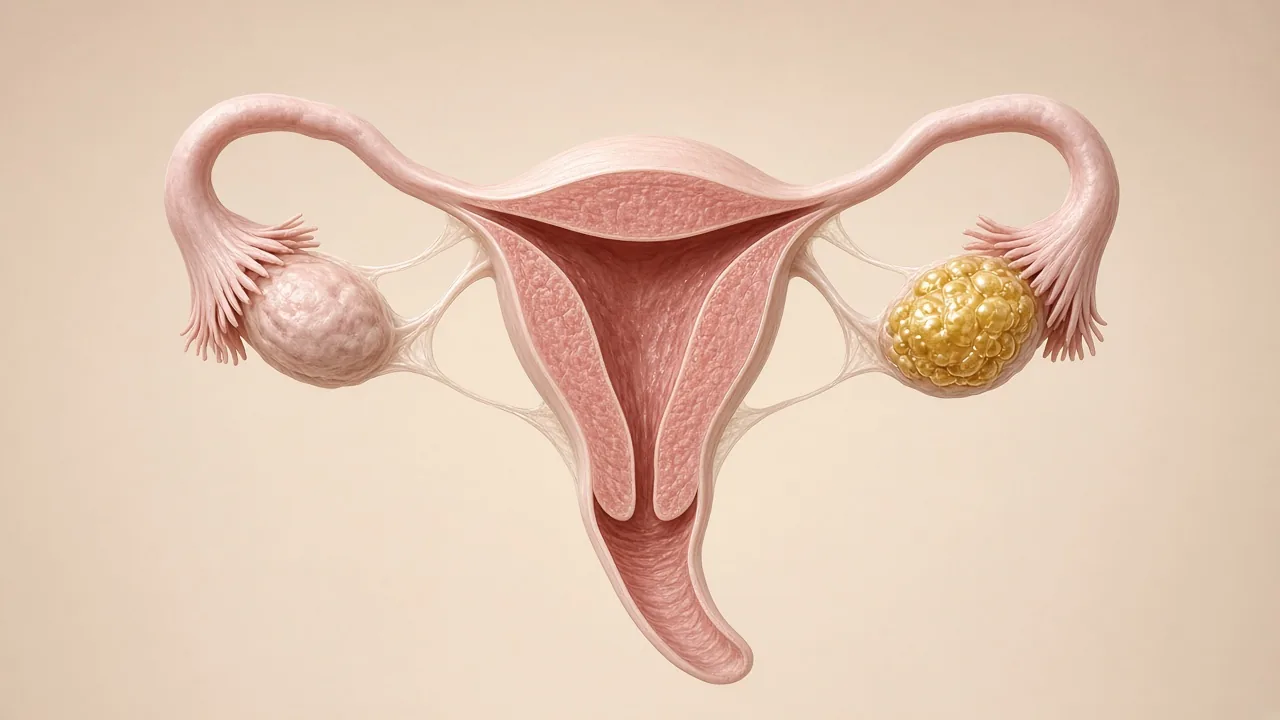
Ovarian cancer is a group of cancers that develop in or around the ovaries. Modern classification also recognizes that some cancers traditionally called ovarian cancer can originate in the fallopian tubes or peritoneum and may be treated using similar approaches.
Epithelial ovarian cancer is the most common broad category encountered in adult ovarian cancer care. Other types include germ-cell tumors and sex-cord stromal tumors, which have different biological characteristics and treatment strategies.
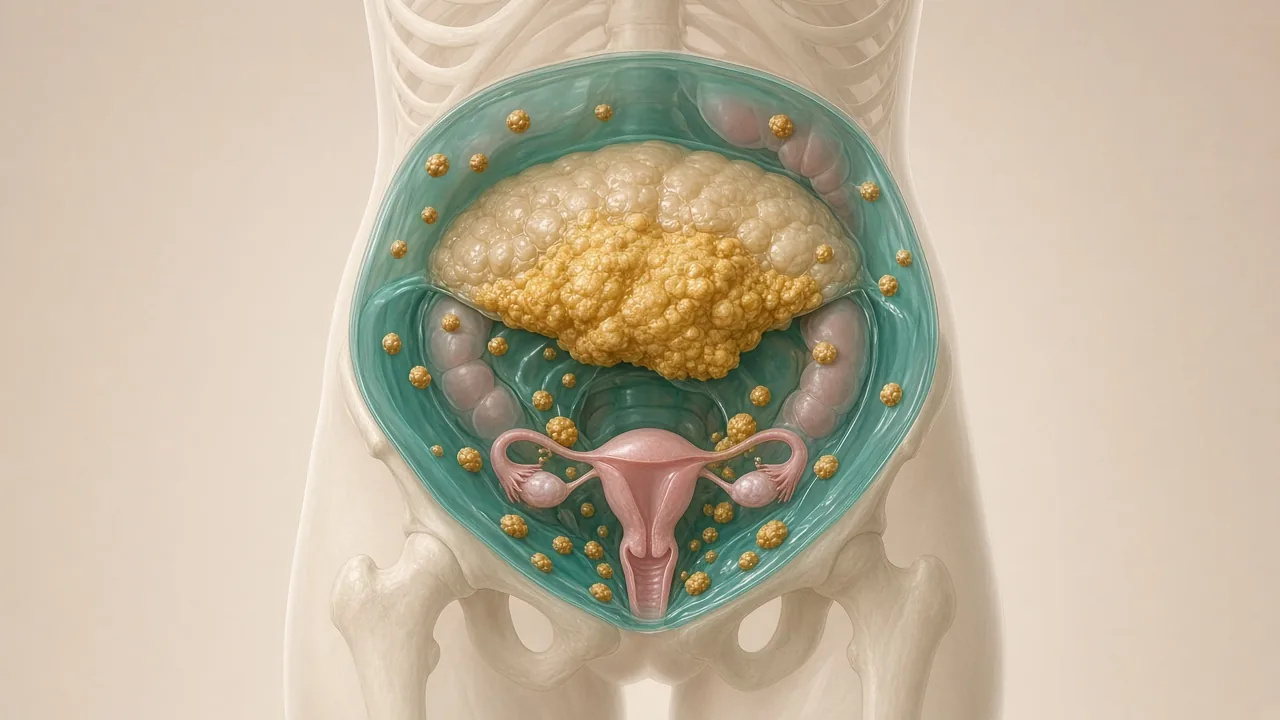
Ovarian cancer can spread locally within the pelvis and abdomen. Advanced disease may involve the peritoneum, omentum, lymph nodes, diaphragm or other abdominal structures, and in some patients it can spread outside the abdominal cavity.
This pattern of spread is one reason ovarian cancer treatment often requires more than simply removing the visible ovarian tumor.
Ovarian Cancer in India
According to the International Agency for Research on Cancer (IARC) GLOBOCAN 2022 India fact sheet, approximately 47,333 new ovarian cancer cases were estimated among women in India in 2022. Ovarian cancer ranked third among cancers affecting Indian women by number of new cases, after breast and cervical cancer.
Ovarian cancer can be difficult to recognize early because symptoms may be vague and can resemble gastrointestinal or urinary problems.
The availability of specialized gynecologic oncology teams in major Indian cancer centers has made it possible for international and domestic patients to access multidisciplinary assessment, advanced imaging, complex cytoreductive surgery, chemotherapy and selected targeted treatments.
Why Is Ovarian Cancer Difficult to Diagnose Early?
Early ovarian cancer may produce few or nonspecific symptoms.
Symptoms that may occur include persistent abdominal bloating, increasing abdominal size, pelvic or abdominal discomfort, feeling full quickly while eating, difficulty eating normal portions, urinary urgency or frequency, constipation or other bowel changes, unexplained weight loss, fatigue, a pelvic or abdominal mass, and ascites.
These symptoms do not necessarily mean ovarian cancer. Many benign gynecological and gastrointestinal conditions can cause similar symptoms.
However, symptoms that persist, become more frequent or progressively worsen should be evaluated by a qualified doctor.
Sudden severe abdominal pain, inability to pass urine, heavy vaginal bleeding that will not stop, high fever with low blood counts, or collapse should be assessed in a local emergency department, not delayed for a WhatsApp message.
Types of Ovarian Cancer
Treatment depends partly on the histological type of ovarian cancer.
1. Epithelial ovarian cancer
This is the major category of ovarian cancer in adults.
Important histological subtypes include high-grade serous carcinoma, low-grade serous carcinoma, endometrioid carcinoma, clear-cell carcinoma and mucinous carcinoma.
High-grade serous carcinoma is particularly important because it commonly presents with advanced disease and has a treatment pathway involving surgery and platinum-based systemic therapy.
2. Ovarian germ-cell tumors
Germ-cell tumors develop from cells involved in egg formation.
They are more frequently diagnosed in younger women and can include dysgerminoma, yolk sac tumor, embryonal carcinoma, immature teratoma and mixed germ-cell tumors.
Treatment differs from that of typical epithelial ovarian cancer and may include fertility-preserving surgery and chemotherapy in appropriate patients.
3. Sex-cord stromal tumors
These tumors arise from ovarian cells associated with hormone production.
Examples include granulosa cell tumors, Sertoli-Leydig cell tumors and other sex-cord stromal tumors.
Their biological behavior and treatment can differ significantly from epithelial ovarian cancer.
Ovarian Cancer Diagnosis in India
There is no single test that can reliably diagnose every ovarian cancer.
Doctors generally combine medical and family history, physical and pelvic examination, imaging, blood tests, histopathology, and molecular and genetic testing when appropriate.
A definitive diagnosis generally requires examination of tissue or cells by a pathologist.
Send CT, pathology and CA-125 records
Tests Used to Diagnose Ovarian Cancer
Pelvic examination can help identify abnormalities involving the reproductive organs. It cannot, by itself, confirm or exclude ovarian cancer.
Ultrasound, including transvaginal ultrasound when appropriate, can help evaluate ovarian masses, cystic versus solid components, septations, papillary projections, blood flow and pelvic fluid.
CA-125 is commonly used in the evaluation and monitoring of epithelial ovarian cancer. However, CA-125 is not specific for ovarian cancer. It can be elevated in some benign conditions and other cancers. Conversely, some ovarian cancers may not produce a significant CA-125 elevation. Therefore, CA-125 should be interpreted alongside clinical examination, imaging and pathology rather than being used as a stand-alone diagnostic test.
Contrast-enhanced CT of the abdomen and pelvis is frequently used to assess primary ovarian or adnexal disease, peritoneal deposits, omental disease, ascites, lymph nodes, liver or splenic involvement and other abdominal disease. Chest imaging may also be performed.
MRI can provide additional soft-tissue information in selected patients, particularly when the anatomy of a pelvic mass requires further characterization.
PET-CT may be useful in selected clinical situations, particularly when doctors need additional information about suspected metastatic or recurrent disease. It is not automatically required for every patient.
Pathology is central to ovarian cancer diagnosis. The report may establish histological type, tumor grade, extent of disease in sampled tissue and other features relevant to treatment. In advanced ovarian cancer, tissue may be obtained through surgery or image-guided biopsy depending on the clinical situation.
Ovarian Cancer Staging
Staging determines how extensively the cancer has spread and plays a major role in selecting treatment.
Ovarian cancer is generally described using FIGO stages I through IV.
Stage I
Cancer is confined to the ovaries or fallopian tubes.
Stage II
Cancer has spread to other pelvic structures.
Stage III
Cancer has spread outside the pelvis and/or involves regional lymph nodes or peritoneal disease beyond the pelvis.
Stage IV
There is distant metastatic disease, such as disease involving organs outside the abdominal cavity or certain types of pleural involvement.
The exact FIGO substage provides additional information and is important when developing a treatment plan.
Staging is performed using a combination of imaging, clinical assessment, pathology and, in many cases, surgical findings.
Why Is Accurate Staging So Important?
The stage helps doctors determine whether surgery should be performed first, whether chemotherapy should be given before surgery, the extent of surgery required, whether lymph-node assessment is appropriate, whether maintenance treatment should be considered, how closely the patient should be monitored, and whether clinical trials may be relevant.
Staging is not simply a number on a medical report. It is one component of a much broader treatment-planning process.
Molecular and Genetic Testing in Ovarian Cancer
Modern ovarian cancer treatment increasingly incorporates molecular information.
BRCA1 and BRCA2 testing may identify inherited or tumor-associated BRCA alterations. This information can influence treatment planning, PARP inhibitor eligibility, genetic counseling and assessment of familial cancer risk.
HRD testing can provide additional information about tumor biology and may help determine whether certain maintenance therapies are appropriate.
Germline genetic testing, in appropriate patients, can determine whether an inherited cancer-predisposition variant is present. This information can have implications for relatives as well as the patient.
ESMO recommendations emphasize individualized hereditary-risk assessment and genetic counseling when hereditary breast and ovarian cancer syndromes are suspected.
GAF planning ranges for precision oncology panels sit at $2,000–$7,000. They do not replace a hospital quotation for BRCA or HRD assays.
Ask about BRCA and HRD testing
Ovarian Cancer Treatment in India
Treatment is usually planned by a multidisciplinary gynecologic oncology team.
Depending on the individual case, treatment may include surgery, chemotherapy, targeted therapy, PARP inhibitors, bevacizumab, hormonal therapy for selected tumor types, clinical trials, and supportive and palliative care.
Radiotherapy has a more limited role in ovarian cancer than surgery and systemic therapy and is generally considered for selected situations rather than as routine treatment for most newly diagnosed epithelial ovarian cancers.
Surgery for Ovarian Cancer
Surgery is one of the most important components of ovarian cancer treatment.
There are two broad objectives:
Comprehensive surgical staging is particularly important when cancer appears confined to the ovary or pelvis.
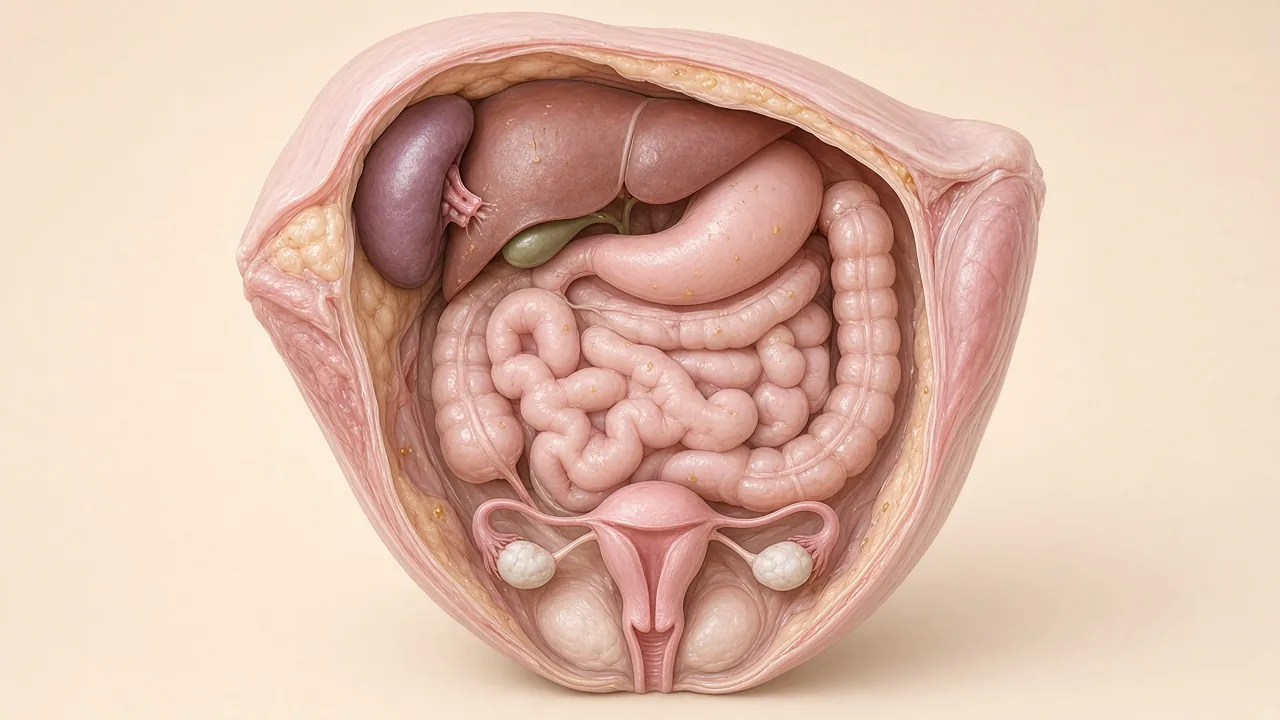
Cytoreductive or debulking surgery is used in advanced ovarian cancer. The objective is to remove as much visible cancer as safely and effectively as possible.
In appropriately selected patients, the goal may be complete cytoreduction with no visible residual disease.
The extent of cytoreduction is an important prognostic factor.
GAF planning ranges for ovarian cancer cytoreductive surgery are $8,000–$20,000, typically 6–12 nights. Neighbouring sheets include cytoreductive surgery $10,000–$24,000 and gynecologic cancer surgery $5,000–$12,000.
Ask about ovarian cytoreductive surgery
What Can Ovarian Cancer Surgery Involve?
Depending on the stage and spread of disease, surgery may include:
- Removal of one or both ovaries — see oophorectomy $2,000–$5,500 and salpingo-oophorectomy $2,500–$6,500
- Removal of fallopian tubes
- Hysterectomy, including laparoscopic or radical hysterectomy when the indication is honest
- Omentectomy
- Peritoneal biopsies and peritoneal tumor removal
- Lymph-node assessment or removal in selected cases
- Removal of visible metastatic deposits
- Resection of involved bowel
- Resection of portions of diaphragm or other abdominal structures when required
- Other multivisceral procedures in selected advanced cases
The operation is therefore not necessarily limited to removing the ovary.
The exact procedure is determined by the distribution of cancer and the objective of achieving effective cytoreduction while maintaining acceptable surgical risk.
Primary Cytoreductive Surgery
Primary cytoreductive surgery means surgery is performed before systemic chemotherapy.
It may be considered when the disease appears technically resectable, complete or near-complete cytoreduction is considered achievable, the patient is fit for major surgery, and the multidisciplinary team believes surgery-first treatment is appropriate.
The decision requires detailed imaging and specialist assessment.
Neoadjuvant Chemotherapy and Interval Debulking Surgery
Some patients with advanced ovarian cancer may not be ideal candidates for immediate major cytoreductive surgery.
In such cases, doctors may use:
Neoadjuvant chemotherapy → Interval cytoreductive surgery → Additional chemotherapy
The purpose is to reduce tumor burden before surgery and potentially make complete or optimal cytoreduction more achievable.
This approach is particularly relevant when disease is extensive or the anticipated morbidity of immediate surgery is high.
Minimally Invasive and Robotic Surgery
Laparoscopic or robotic surgery may be appropriate in selected patients, particularly for certain early-stage or diagnostic procedures.
Robotic surgery can provide enhanced visualization and precise instrument control, but it is not automatically the preferred approach for every ovarian cancer operation.
Advanced ovarian cancer often requires extensive abdominal cytoreduction, for which open surgery may be necessary.
The surgical approach should therefore be determined by cancer stage, tumor distribution, surgical objective, patient fitness, surgeon expertise and the expected ability to achieve adequate cytoreduction.
Some Indian gynecologic oncology centers offer robotic surgery for selected ovarian and gynecologic cancers.
Chemotherapy for Ovarian Cancer
Chemotherapy is a major part of treatment for many epithelial ovarian cancers.
A common systemic treatment approach uses a platinum compound combined with a taxane.
Examples include carboplatin and paclitaxel.
Treatment may be administered intravenously over multiple cycles.
The number and timing of cycles depend on the clinical situation and the treatment plan.
Chemotherapy may be used after surgery, before surgery, before and after interval surgery, for recurrent disease, and as part of disease-control treatment.
GAF planning ranges for chemotherapy are $1,500–$8,000+.
Why Is Chemotherapy Used?
Chemotherapy can destroy microscopic cancer cells that remain after surgery, reduce tumor burden before surgery, treat cancer that has spread, delay or control recurrence, and relieve symptoms caused by advanced disease.
Ovarian cancer frequently requires systemic treatment because microscopic cancer cells may remain even after visible disease has been removed.
Common Chemotherapy Side Effects
Possible side effects include fatigue, nausea, vomiting, reduced appetite, hair loss, low blood-cell counts, increased infection risk, peripheral neuropathy, constipation or diarrhea, changes in taste, and menstrual or reproductive changes.
Not every patient experiences all of these effects.
Modern supportive medicines can substantially improve the management of chemotherapy-related nausea and other adverse effects.
Targeted Therapy for Ovarian Cancer
Targeted therapy is increasingly important in ovarian cancer.
Treatment selection depends on the tumor's molecular characteristics and previous treatment.
GAF planning ranges for targeted therapy are $8,000–$30,000.
PARP Inhibitors
PARP inhibitors are a major development in ovarian cancer treatment.
Examples include olaparib, niraparib and rucaparib.
These medicines interfere with DNA-repair pathways and can be particularly useful in selected tumors with defects in homologous recombination repair, including some cancers associated with BRCA mutations.
They may be used as maintenance treatment in appropriate patients after an initial response to platinum-based treatment.
The precise indication depends on BRCA status, HRD status, response to platinum chemotherapy, previous treatment, regulatory approvals and patient-specific factors.
Molecular testing is therefore increasingly relevant when planning treatment.
ESMO guidelines specifically incorporate molecular characteristics and evidence-based targeted-treatment strategies into ovarian cancer management.
Bevacizumab
Bevacizumab is an anti-angiogenic targeted medicine that inhibits vascular endothelial growth factor (VEGF).
It may be incorporated into treatment for selected patients with advanced ovarian cancer and may be used alongside chemotherapy and/or as maintenance therapy depending on the clinical situation.
The decision depends on disease extent, previous treatments, patient health, contraindications and treatment objectives.
Immunotherapy in Ovarian Cancer
Immunotherapy has an important role in modern cancer research, but it is not a universal treatment for every ovarian cancer patient.
Its use depends on tumor biology, specific biomarkers, previous treatment and the indication for which a drug is approved.
Patients should not assume that immunotherapy is appropriate simply because a cancer diagnosis has been made.
GAF planning ranges for immunotherapy are $15,000–$45,000 when a named indication exists.
Hormonal Therapy
Hormonal treatment can have a role in selected ovarian tumors, particularly certain low-grade serous or hormone-sensitive cancers.
Examples of endocrine approaches can include aromatase inhibitors, tamoxifen and other hormone-directed strategies.
These treatments are not appropriate for every ovarian cancer subtype.
GAF planning ranges for hormone therapy are $1,000–$4,500.
HIPEC for Ovarian Cancer
HIPEC stands for Hyperthermic Intraperitoneal Chemotherapy.
During selected abdominal cancer operations, heated chemotherapy is delivered directly into the abdominal cavity after cytoreductive surgery.
The rationale is to expose the peritoneal cavity to a concentrated chemotherapy treatment after visible disease has been surgically removed.
HIPEC is available at some specialized Indian gynecologic oncology centers, but it should not be presented as a routine treatment for every ovarian cancer patient.
Patient selection, timing, disease extent, surgical expertise and institutional protocols are important.
The OVHIPEC-1 trial provides randomized evidence supporting HIPEC in a selected interval-cytoreduction setting. How that pathway is planned is covered in HIPEC Surgery in India.
GAF planning ranges for CRS with HIPEC are $18,000–$40,000, typically 10–21 nights.
Ask about HIPEC for ovarian cancer
PIPAC for Selected Recurrent Disease
PIPAC stands for Pressurized Intraperitoneal Aerosol Chemotherapy.
It involves delivering chemotherapy as an aerosol under pressure into the abdominal cavity.
PIPAC is being used and studied in selected patients with peritoneal metastatic disease, particularly in recurrent settings.
It is not a standard replacement for conventional systemic therapy or cytoreductive surgery.
Its suitability depends on the patient's disease pattern and the expertise available at the treating center.
GAF planning ranges for PIPAC are $7,000–$16,000.
Ovarian Cancer Treatment by Stage
Stage I ovarian cancer
Treatment usually focuses on appropriate surgical staging.
Depending on histological subtype, grade, stage, tumor rupture, surgical findings, patient age and fertility considerations, additional chemotherapy may or may not be recommended.
Some carefully selected young patients may be candidates for fertility-preserving surgery.
Stage II ovarian cancer
Stage II disease has spread within the pelvis.
Treatment generally requires more extensive surgery than disease limited to one ovary, often followed by systemic chemotherapy depending on pathology and other risk factors.
Stage III ovarian cancer
Stage III disease involves more extensive abdominal or peritoneal spread and/or lymph-node involvement.
Treatment commonly combines cytoreductive surgery, platinum-based chemotherapy and maintenance treatment for selected patients.
The sequence of surgery and chemotherapy depends on whether satisfactory cytoreduction is considered achievable.
Stage IV ovarian cancer
Stage IV ovarian cancer has spread to distant sites or involves specific extra-abdominal disease.
Treatment is often focused on systemic disease control, surgery in carefully selected situations, targeted maintenance therapy where appropriate, symptom control, quality of life and management of complications.
Stage IV disease does not mean that treatment is automatically futile. Treatment goals and options vary considerably between patients.
Treatment of Recurrent Ovarian Cancer
Ovarian cancer can recur after initial treatment.
When recurrence occurs, doctors consider time since platinum chemotherapy, previous treatments, BRCA/HRD status, location and extent of recurrence, symptoms, general health, whether secondary cytoreductive surgery is feasible, and available clinical trials.
One important concept is platinum sensitivity.
The interval between the last platinum treatment and recurrence can help doctors classify the disease and select subsequent treatment strategies, although treatment decisions are more nuanced than using the interval alone.
Secondary Cytoreductive Surgery
In selected patients with recurrent ovarian cancer, surgery may be considered to remove recurrent disease.
Potential candidates are generally evaluated based on limited distribution of recurrence, ability to achieve complete resection, general health, previous treatments, disease-free interval and imaging findings.
Not every patient with recurrent ovarian cancer benefits from another major operation.
A gynecologic oncology team should evaluate the potential benefits and risks.
Follow-Up After Ovarian Cancer Treatment
Follow-up is an ongoing part of cancer care.
Depending on the situation, follow-up may include clinical examination, review of symptoms, CA-125 in selected patients, imaging when clinically indicated, assessment of treatment-related complications, genetic counseling, management of menopause-related symptoms, sexual and reproductive health support, bone health, nutrition and psychological support.
Follow-up should be individualized rather than based on a single schedule for every patient.
Fertility and Ovarian Cancer Treatment
Fertility preservation is an important consideration for younger patients.
However, preserving fertility depends on cancer type, cancer stage, whether one or both ovaries are involved, need for hysterectomy, need for chemotherapy, risk of recurrence and the patient's reproductive goals.
Some younger patients with specific early-stage ovarian cancers may be candidates for fertility-sparing surgery.
This decision should be discussed with a gynecologic oncologist before treatment whenever possible.
Menopause After Ovarian Cancer Surgery
Removal of both ovaries can result in loss of ovarian hormone production.
For premenopausal women, this can cause surgical menopause.
Possible symptoms include hot flashes, night sweats, sleep disturbance, vaginal dryness, mood changes, reduced sexual comfort and bone-health concerns.
Management should be individualized according to cancer type, hormone sensitivity and overall health.
Recovery After Ovarian Cancer Surgery
Recovery depends heavily on the complexity of surgery.
A straightforward staging procedure may have a different recovery timeline from extensive cytoreductive surgery involving bowel or other abdominal organs.
Recovery may involve pain management, gradual return to food, walking and mobility, blood-clot prevention, wound care, bowel recovery, nutrition support, monitoring for infection and follow-up with the surgical team.
Patients undergoing major cytoreductive surgery may need several weeks before returning to their previous level of activity. GAF stay ranges are typically 6–12 nights after ovarian cytoreductive surgery.
Ovarian Cancer Treatment Cost in India
There is no single reliable price for ovarian cancer treatment in India because treatment can range from relatively limited surgery for early-stage disease to complex cytoreductive surgery followed by multiple cycles of chemotherapy and potentially long-term targeted maintenance treatment.
The figures below are GAF Healthcare published planning ranges, not hospital quotations and not rupee package prices found on generic medical-tourism pages.
| Treatment | GAF planning range | Typical stay or course |
|---|---|---|
| Ovarian cancer cytoreductive surgery | $8,000–$20,000 | 6–12 nights |
| Cytoreductive surgery | $10,000–$24,000 | By disease burden |
| CRS with HIPEC | $18,000–$40,000 | 10–21 nights |
| PIPAC | $7,000–$16,000 | Short stay |
| Gynecologic cancer surgery | $5,000–$12,000 | 3–7 nights |
| Oophorectomy | $2,000–$5,500 | 1–3 nights |
| Chemotherapy | $1,500–$8,000+ | Outpatient cycles |
| Targeted therapy | $8,000–$30,000 | Oral or infusion |
| Immunotherapy | $15,000–$45,000 | Outpatient infusions |
| Hormone therapy | $1,000–$4,500 | Outpatient |
| Precision oncology | $2,000–$7,000 | NGS panel + clinic visit |
City pages such as Delhi NCR ovarian cytoreductive surgery use the same national ranges unless a hospital issues a verified quotation.
The total hospital quotation can still include consultation, imaging, CA-125, biopsy, histopathology, immunohistochemistry, molecular and genetic testing, ICU, hospital stay, supportive medicines, complications, follow-up imaging, and accommodation and travel for international patients.
Request an itemized ovarian cancer estimate
What should be included in a quote?
International patients should ask whether the quotation includes surgeon fees, anesthetist fees, operation-theatre charges, hospital room, ICU charges, pathology, frozen section if required, blood products, medicines, consumables, imaging, postoperative care and follow-up consultation.
For chemotherapy, the quote should specify drug names, number of planned cycles, approximate cost per cycle, administration charges, supportive medicines, blood tests and port-related costs if required.
For targeted therapy, ask whether the quoted amount covers only the first dose or the anticipated treatment course.
Why Patients Consider India for Ovarian Cancer Treatment
India has developed a large network of tertiary and quaternary cancer centers offering gynecologic oncology, medical oncology, surgical oncology, advanced imaging, molecular pathology, genetic counseling, robotic surgery in selected cases, complex cytoreductive surgery, chemotherapy, targeted therapy, supportive oncology and international-patient coordination.
Some centers also offer specialized procedures such as HIPEC and PIPAC for selected patients.
The appropriate hospital should be selected based on the patient's specific disease and treatment requirements, rather than simply choosing a hospital based on brand recognition.
Major Cities for Ovarian Cancer Treatment in India
International patients commonly seek cancer treatment in major Indian medical hubs.
Compare named teams in Delhi NCR, Mumbai, Bengaluru, Chennai and Hyderabad. Hospital directories include Bengaluru gynecology and Delhi NCR surgical oncology.
The most appropriate city depends on the treatment required, availability of the relevant specialist team, travel considerations and the patient's medical records.
How to Choose an Ovarian Cancer Hospital in India
Rather than choosing a hospital only because it advertises itself as a “best hospital,” patients should evaluate the actual capabilities relevant to their diagnosis.
Ask:
- Does the hospital have a dedicated gynecologic oncology team?
- Does the gynecologic oncologist routinely perform advanced ovarian cancer cytoreductive surgery?
- Can the hospital provide multidisciplinary tumor-board review?
- Is advanced pathology available?
- Can BRCA and other molecular testing be arranged?
- Is genetic counseling available?
- Does the center provide medical oncology under the same treatment pathway?
- Can complex abdominal surgery be performed if required?
- Is ICU support available?
- Does the hospital have interventional radiology and advanced imaging?
- Can recurrent ovarian cancer be managed?
- Is clinical-trial access available where appropriate?
- What international-patient support is available?
- What is included in the treatment estimate?

What Medical Records Should International Patients Send?
Before traveling to India, patients should ideally provide pathology and biopsy reports, histopathology slides or paraffin blocks if available, immunohistochemistry reports, CT/MRI/PET-CT reports and imaging files, CA-125 and other tumor-marker results, previous chemotherapy details, previous surgery notes, discharge summaries, medication lists, BRCA, HRD and other molecular reports, previous genetic testing and relevant blood-test reports.
If the patient has already undergone surgery, the operative report can be particularly useful.
Ovarian Cancer Second Opinion in India
A second opinion can be useful when the diagnosis is unusual, the pathology is uncertain, major cytoreductive surgery has been recommended, chemotherapy before surgery has been proposed, the disease has recurred, molecular testing has produced an actionable result, there is disagreement about the sequence of treatment, or a patient is considering treatment in another country.
For a meaningful second opinion, the complete pathology and imaging information should be provided rather than only a short diagnosis summary.
Share records for a second opinion
What Happens During an Ovarian Cancer Consultation in India?
A typical specialist consultation may involve:
- Medical history — symptoms, previous illnesses, surgeries and treatments.
- Pathology review — diagnosis and histological subtype.
- Imaging review — CT, MRI or PET-CT images rather than reports alone.
- Stage assessment — distribution of disease.
- Operability assessment — whether meaningful cytoreduction appears feasible.
- Molecular assessment — BRCA, HRD or other relevant tests.
- Treatment plan — surgery first versus chemotherapy first, regimen, maintenance, genetic counseling, trials and supportive care.
- Cost and logistics — an individualized estimate and proposed schedule.
Ovarian Cancer Treatment Journey in India for International Patients
A typical medical-tourism pathway may look like: medical records submitted → remote specialist review → treatment plan and estimated cost → visa invitation and travel coordination → hospital consultation → pathology and imaging review → treatment → post-treatment monitoring → discharge and return-home planning → follow-up with the Indian oncology team.
For patients requiring several cycles of chemotherapy, the travel plan should be developed around the complete treatment schedule rather than only the initial surgery.
Ovarian Cancer Survival and Prognosis
Prognosis varies substantially between patients.
Important factors include stage, histological subtype, tumor grade, age, overall health, response to platinum chemotherapy, amount of residual disease after surgery, BRCA status, HRD status, molecular characteristics, whether the disease has recurred and response to subsequent treatment.
A stage number alone cannot predict an individual patient's outcome.
Doctors may discuss prognosis using population-level statistics, but these statistics cannot determine exactly what will happen to one person.
Can Ovarian Cancer Be Cured?
Some ovarian cancers, particularly certain early-stage cancers, can be treated with curative intent.
Advanced ovarian cancer can also be treated aggressively, and some patients achieve long periods without detectable disease.
However, advanced ovarian cancer can recur, which is why long-term follow-up is important.
Treatment goals should be discussed individually with the oncology team.
Can Ovarian Cancer Come Back After Treatment?
Yes.
Ovarian cancer can recur after initial treatment.
Recurrence may occur within the abdomen, in the pelvis, on the peritoneum, in lymph nodes or at distant sites.
If recurrence occurs, doctors reassess the disease rather than simply repeating the original treatment.
The subsequent plan may include platinum-based or non-platinum chemotherapy, PARP inhibitors in selected circumstances, bevacizumab, hormonal treatment for selected tumor types, secondary cytoreductive surgery, clinical trials or palliative treatment.
Supportive Care During Ovarian Cancer Treatment
Cancer treatment is not limited to eliminating cancer cells.
Supportive care can help manage pain, nausea, appetite problems, fatigue, constipation, diarrhea, neuropathy, nutritional problems, anxiety, sleep problems, menopause symptoms, sexual health concerns and fertility concerns.
Palliative care can also be provided alongside active cancer treatment when appropriate. It does not necessarily mean that cancer-directed treatment has stopped.
Nutrition During Ovarian Cancer Treatment
There is no special diet that can cure ovarian cancer.
Patients undergoing treatment generally benefit from adequate protein, calories, fluids, fruits and vegetables when tolerated, and whole grains where appropriate.
Patients experiencing nausea, bowel problems, weight loss or difficulty eating may need individualized dietary advice from an oncology nutritionist.
Avoiding unnecessary restrictive diets is important, particularly when maintaining body weight and muscle mass is already difficult.
Ovarian Cancer and Alternative Medicine
Patients sometimes consider supplements, herbal medicines or alternative cancer treatments.
These should be discussed with the oncology team before use.
Some supplements can interact with chemotherapy, affect liver metabolism, increase bleeding risk, alter drug concentrations or interfere with treatment.
Complementary approaches such as relaxation techniques, appropriate physical activity and psychological support may be useful for wellbeing, but they should not replace evidence-based cancer treatment.
Questions to Ask an Ovarian Cancer Specialist
Before starting treatment, patients may want to ask:
- What type of ovarian cancer do I have?
- What is the grade and FIGO stage?
- Has the pathology been reviewed by a gynecologic oncology pathologist?
- Is surgery recommended first?
- Can all visible disease potentially be removed?
- Would bowel surgery be necessary?
- Is minimally invasive or robotic surgery appropriate?
- What are the major surgical risks?
- Which chemotherapy drugs are recommended and how many cycles are expected?
- Will chemotherapy be given before or after surgery?
- Should I have BRCA or HRD testing?
- Do I need germline genetic testing?
- Am I a candidate for a PARP inhibitor or bevacizumab?
- Are there clinical trials relevant to my cancer?
- How long will I need to stay in India?
- Can chemotherapy be completed in my home country?
- What is included in the cost estimate?
- Who will coordinate follow-up after I return home?
Frequently Asked Questions
What is the best treatment for ovarian cancer?
There is no single treatment that is best for every ovarian cancer patient. Treatment depends on histological type, stage, disease distribution, surgical feasibility, molecular findings, previous treatment and overall health. For many epithelial ovarian cancers, surgery and platinum-based chemotherapy form the core of treatment, with targeted maintenance therapies considered for selected patients.
Is ovarian cancer treatable in India?
Yes. India has specialized oncology centers offering gynecologic oncology surgery, chemotherapy, molecular testing and selected targeted therapies.
Is surgery always required for ovarian cancer?
Not necessarily. The role and timing of surgery depend on cancer type, stage, disease distribution and the patient's fitness.
Is chemotherapy required after ovarian cancer surgery?
Many patients with epithelial ovarian cancer require chemotherapy after surgery, but the need depends on stage, histology and other risk factors.
Can ovarian cancer be treated without surgery?
In selected situations, systemic treatment may be given without immediate surgery. This may occur when surgery is not initially appropriate, when disease is unresectable, when the patient is not fit for major surgery or when treatment goals are palliative.
What is debulking surgery?
Debulking, also called cytoreductive surgery, is an operation intended to remove as much visible ovarian cancer as possible.
What is interval debulking surgery?
It is cytoreductive surgery performed after an initial course of chemotherapy, usually when chemotherapy is given first rather than immediate surgery.
What is HIPEC in ovarian cancer?
HIPEC is heated chemotherapy delivered directly into the abdominal cavity during selected cancer operations. It is available at some specialized centers but is not appropriate for every ovarian cancer patient. See HIPEC Surgery in India.
Is robotic surgery suitable for ovarian cancer?
Robotic surgery can be useful for selected patients, particularly certain early-stage or staging procedures. Extensive advanced ovarian cancer may require open surgery because of the amount and location of disease.
What is the role of CA-125?
CA-125 can help in the evaluation and monitoring of many epithelial ovarian cancers, but it is not specific enough to diagnose ovarian cancer by itself.
Does a normal CA-125 rule out ovarian cancer?
No. A normal CA-125 does not independently exclude ovarian cancer.
Is ovarian cancer hereditary?
Some ovarian cancers are associated with inherited genetic variants, including BRCA1 and BRCA2. Genetic counseling and testing may therefore be appropriate for selected or newly diagnosed patients.
Why is BRCA testing important?
BRCA results can provide information about inherited cancer risk and may influence treatment decisions, including eligibility for certain PARP-inhibitor strategies.
What is HRD testing?
HRD testing evaluates whether a tumor has abnormalities in homologous recombination DNA-repair pathways. It can help inform treatment decisions in selected ovarian cancers.
How much does ovarian cancer treatment cost in India?
There is no universal price. Current GAF planning ranges include approximately $8,000–$20,000 for ovarian cytoreductive surgery, $18,000–$40,000 for CRS with HIPEC, $1,500–$8,000+ for chemotherapy, $8,000–$30,000 for targeted therapy and $2,000–$7,000 for precision-oncology testing. A patient-specific quotation should be obtained after medical evaluation.
How long does ovarian cancer treatment take in India?
Treatment duration varies. Surgery may require several days of hospitalization, while chemotherapy and maintenance treatment can extend over several months or longer. International patients should plan according to the complete treatment strategy rather than assuming that treatment will be completed during one short hospital visit.
Can international patients get ovarian cancer treatment in India?
Yes. Major Indian hospitals have international-patient departments that coordinate consultations, treatment, accommodation and related logistics.
Which city in India is best for ovarian cancer treatment?
There is no universally appropriate city for every patient. Delhi NCR, Mumbai, Chennai, Bengaluru and Hyderabad have specialized oncology services. The relevant consideration is whether the selected hospital has the gynecologic oncology expertise and multidisciplinary services required for the specific case.
Can ovarian cancer recur after treatment?
Yes. Recurrence is possible, particularly in advanced disease. If recurrence occurs, treatment is reassessed according to the location of disease, previous treatment, platinum sensitivity and molecular characteristics.
Key Takeaway
Ovarian cancer treatment in India has evolved from a primarily surgery-and-chemotherapy approach into a more individualized treatment strategy incorporating advanced cytoreductive surgery, platinum-based chemotherapy, molecular testing, PARP inhibitors, anti-angiogenic therapy and selected specialized procedures such as HIPEC.
The most important step is not simply finding a hospital. It is finding a gynecologic oncology team capable of accurately interpreting the pathology and imaging, determining the stage, assessing surgical feasibility, reviewing molecular findings and coordinating surgery with systemic therapy.
For international patients, the quality of the treatment plan depends heavily on sending complete medical records before travel, including pathology, imaging, previous treatment and molecular reports where available.
A personalized treatment plan and cost estimate should be obtained after specialist review because ovarian cancer can behave very differently from one patient to another.
How GAF Healthcare Can Help International Patients
GAF Healthcare can help coordinate medical-record review, specialist consultation, hospital selection, treatment-cost estimates, appointment coordination, international-patient support, visa-related hospital documentation, travel and accommodation assistance and treatment coordination in India.
Send the pathology report, imaging files and available BRCA/HRD results for an initial treatment assessment.
Ask about PARP-inhibitor eligibility
GAF Healthcare can assist international patients with medical record coordination, hospital and specialist matching, treatment estimates, visa-invitation coordination, travel planning and treatment logistics in India.
Message a coordinator on WhatsApp
Ask about cytoreductive surgery on WhatsApp
Request a cost review on WhatsApp
Medical Disclaimer
This page is intended for educational and medical-tourism information purposes only.
Ovarian cancer treatment is individualized. Eligibility, surgical extent, chemotherapy regimen, expected outcomes and risks vary from patient to patient.
The information on this page should not replace consultation with a qualified gynecologic oncologist, medical oncologist or multidisciplinary cancer team.
Patients should undergo individualized assessment before deciding on treatment.
Sources used for this guide
- NCI — Ovarian Epithelial, Fallopian Tube and Primary Peritoneal Cancer Treatment (PDQ) — health-professional treatment options.
- NCI — ovarian cancer treatment, patient version — patient-facing staging and treatment.
- ESMO Clinical Practice Guideline — newly diagnosed and relapsed epithelial ovarian cancer — surgery, systemic therapy and molecular selection.
- ESGO–ESMO–ESP consensus on ovarian cancer — pathology and multidisciplinary recommendations.
- ESMO gynaecological cancer guidelines — guideline index.
- IARC GLOBOCAN India — 2022 incidence estimates.
- NCI — diagnosis and staging — how stage is determined.
- OVHIPEC-1 — interval CRS with or without HIPEC in selected advanced ovarian cancer.
- GAF Healthcare published cost sheets — used only to establish indicative USD planning ranges.
Last reviewed against the cited sources: September 2026.
Treatment Process
- 1
Share medical records
The patient provides CT or MRI, pathology, CA-125, previous surgery notes and any BRCA or HRD reports.
- 2
Pathology review
A gynecologic oncologist confirms histological subtype, grade and whether a second pathology look is needed.
- 3
FIGO staging and operability
Imaging and examination estimate whether complete or near-complete cytoreduction appears feasible.
- 4
Molecular assessment
BRCA, HRD and other tests are arranged when they could change maintenance treatment or counselling.
- 5
Multidisciplinary plan
The team decides surgery first versus neoadjuvant chemotherapy, HIPEC in selected cases, and systemic therapy.
- 6
Itemized estimate
The hospital quotes surgery, ICU, chemotherapy cycles and targeted medicines from GAF cost sheets — not a brochure package.
- 7
Travel to India
The patient allows enough time for repeat staging, surgery and the first chemotherapy cycles when those will stay in India.
- 8
Surgery and systemic therapy
Primary or interval cytoreduction is followed by platinum-based chemotherapy and selected maintenance.
- 9
Response assessment
The team reviews examination, CA-125, imaging and residual-disease status.
- 10
Return home
The patient leaves with a written summary covering histology, stage, residual disease, drugs and the follow-up schedule.