Treatment Overview
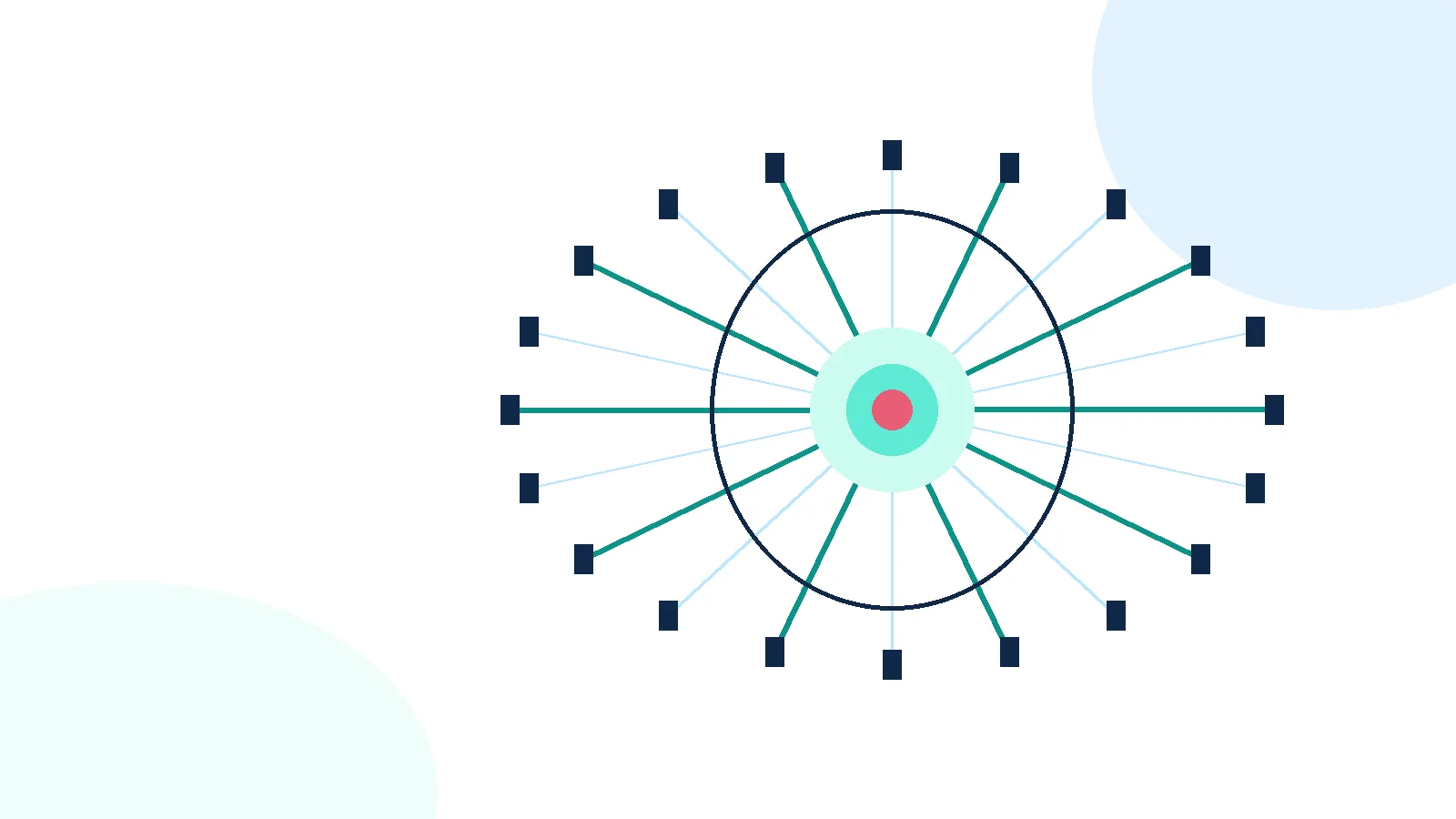
Stereotactic radiosurgery (SRS) in India is a named, highly focused form of radiation therapy used mainly for selected brain tumours, brain metastases, arteriovenous malformations (AVMs), vestibular schwannomas, meningiomas, pituitary lesions and certain other neurological conditions. Despite the word “surgery,” SRS does not involve an incision, removal of the skull, or conventional open surgery. Multiple precisely planned beams converge on the target while limiting dose to nearby healthy tissue.
This page is the named SRS product. The parent external-beam list sits on External Beam Radiotherapy in India. Dose modulation sits on IMRT in India. Image guidance sits on IGRT in India. It is not open craniotomy, whole-brain radiation, SBRT for body targets, or protons. There is no live GAF VMAT treatment page. Named proton lists sit on Proton Beam Therapy in India. Named brachytherapy lists sit on Brachytherapy in India. Named Gamma Knife lists sit on Gamma Knife Surgery in India. Named CyberKnife lists sit on CyberKnife Robotic Radiosurgery in India. Named SBRT lists sit on SBRT in India. Those techniques sit on neighbouring cost sheets until named separately. Named surgical lists sit on Brain Tumor Surgery in India, Craniotomy Surgery in India, Pituitary Tumor Surgery in India and Spine Tumor Surgery in India. Those sheets must not be used as an SRS quotation for a different lesion.
GAF Healthcare planning for SRS is $8,500–$18,000 (typically 1–5 sessions). US comparison is $25,000–$55,000. Neighbouring Gamma Knife is $10,500–$22,000. Neighbouring CyberKnife is $11,000–$24,000. Neighbouring SBRT is $8,000–$17,500. Neighbouring IGRT is $7,200–$16,000. Neighbouring IMRT is $6,500–$14,500. Neighbouring EBRT is $1,000–$6,000+. Neighbouring proton beam therapy is $28,000–$55,000. These are planning ranges from partner hospital cost sheets, not hospital quotations.
International patients comparing SRS radiation oncologists commonly start with Delhi NCR, Mumbai, Bengaluru, Chennai and Hyderabad. Partner radiation oncology hospitals in Delhi NCR, Mumbai and Bengaluru, and in Chennai and Hyderabad, are a typical first filter because this work needs stereotactic immobilization, planning and physics QA. City sheets include Delhi NCR, Mumbai, Bengaluru, Chennai and Hyderabad. Pune, Kolkata, Ahmedabad and Kochi may have stereotactic platforms. They are not live GAF catalog cities on this site.
Medical note: An SRS sticker on the bunker door is not a named SRS list. Lesion size, volume, location and previous dose decide the product. Sudden severe headache, new weakness, seizure, loss of consciousness, high fever or uncontrolled vomiting belongs in a local emergency department first. WhatsApp at +91 90443 46292 is for planned record review, not an acute neurological emergency.
What Is Stereotactic Radiosurgery?
SRS is a specialized radiation treatment designed to deliver a concentrated dose to a small, precisely localized target. Instead of physically removing a tumour, radiation damages the DNA of targeted cells so they can no longer reproduce effectively.
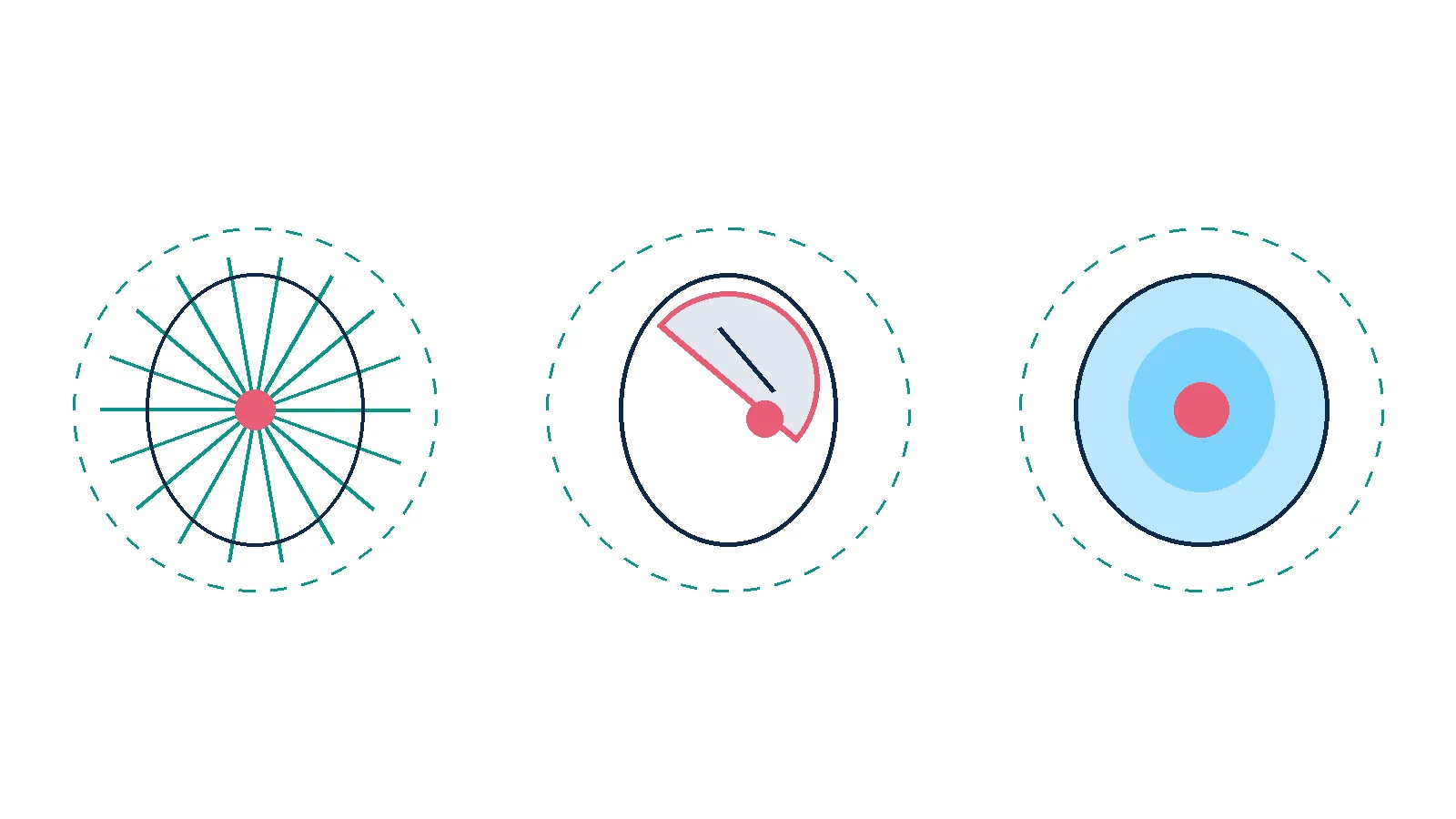
The treatment relies on three-dimensional imaging and computerized planning. MRI and CT help the team identify the target, understand its relationship with critical structures and calculate how radiation should be delivered. Multiple beams can enter from different directions, with the highest dose concentrated where they intersect.
The term radiosurgery can therefore be misleading. There is no conventional surgical incision. Depending on the platform, the head may be stabilized with a frame or a custom immobilization mask while the system delivers the planned radiation.
How Does SRS Work?
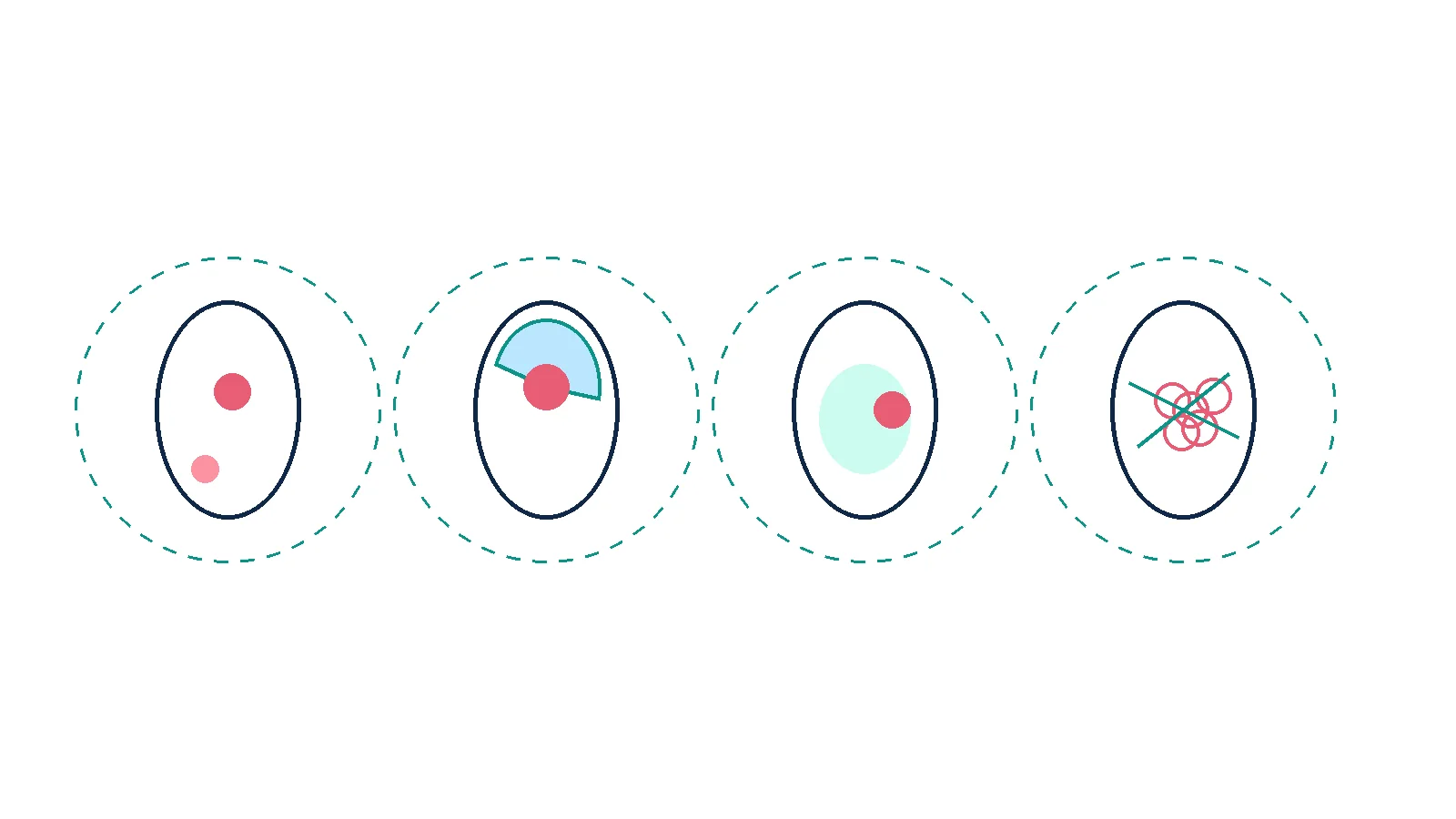
SRS combines accurate imaging, immobilization, computerized planning and precise delivery.
- Imaging. Contrast-enhanced MRI is common for intracranial lesions. CT is used for planning. The team reviews diagnosis, symptoms and previous treatment.
- Target definition. The lesion and nearby structures such as the brainstem, optic nerves, chiasm and cochlea are drawn.
- Immobilization. A rigid stereotactic frame or a customized thermoplastic mask keeps the head stable.
- Planning. Software calculates beam directions and dose. The objective is prescribed coverage with respect for nearby tolerance.
- Delivery. The machine delivers radiation from multiple directions. Individual beams pass through healthy tissue with limited effect; the high-dose region sits at the intersection.
- Follow-up. SRS does not always make a mass disappear immediately. Malignant lesions may change over months. Some benign tumours remain visible even when growth is controlled. AVMs can take years to close.
Conditions Treated With SRS
SRS is not a treatment for every brain or neurological condition. It is most useful when the target is relatively well-defined and nearby structures can respect their dose limits.
Brain metastases. SRS is an established option for selected patients with limited brain metastases. Decisions are not based on lesion count alone. Total tumour volume, location, symptoms, extracranial disease and performance status matter. Postoperative SRS to a resection cavity may be used instead of routine whole-brain radiation in selected limited disease.
Meningioma. Selected small, residual or recurrent meningiomas can be treated for growth control rather than immediate disappearance.
Vestibular schwannoma. Selected small or appropriately located tumours may be considered, with planning that accounts for hearing and facial-nerve function.
AVM. SRS can gradually close abnormal vessels. Obliteration is not immediate and needs imaging follow-up.
Pituitary tumours. Residual or recurrent lesions that sit far enough from the optic pathways may be considered. Named surgical lists sit on Pituitary Tumor Surgery in India.
Trigeminal neuralgia. Selected patients with severe pain after medicines fail may have the relevant nerve segment targeted. This is not tumour treatment.
Selected spinal or other localized lesions. Extra-cranial stereotactic lists usually belong on an SBRT sheet, not this intracranial SRS product. Named extra-cranial stereotactic lists sit on SBRT in India.
Who May Be a Candidate — and Who May Not
A team may consider SRS when the lesion is identifiable, volume is limited, location allows a safe plan, performance status is adequate, and there is no immediate need for surgical decompression.
SRS may be useful when open surgery would carry substantial risk or when the lesion sits in a difficult-to-reach region.
SRS is not automatic. Open surgery may be preferred when a large mass is causing pressure, when tissue diagnosis is urgently required, or when immediate decompression is necessary. Whole-brain radiation or systemic therapy may be more honest when intracranial disease is extensive. Observation, conventional EBRT or a combination may be more appropriate in other cases.
A tumour being “small” does not automatically make SRS the right product.
Single-Fraction SRS vs Fractionated Stereotactic Radiotherapy
Not every stereotactic list is one session.
Single-fraction SRS delivers a high dose in one visit. It may be appropriate for selected small lesions that can safely receive that dose.
Fractionated stereotactic radiotherapy divides dose over several sessions, often three to five. It may be considered when the lesion is larger, closer to a sensitive structure, or safer when dose is spread.
The number of sessions should never be read from the machine name alone.
Technologies Used for SRS in India
SRS is a technique, not the name of one machine.
Gamma Knife is a dedicated intracranial platform using many focused gamma-ray beams. The neighbouring sheet is Gamma Knife. There is no live GAF Gamma Knife-only treatment page.
LINAC-based SRS uses high-energy X-rays with advanced imaging and immobilization. Treatment may be one session or several fractions.
CyberKnife is a robotic platform that can deliver stereotactic treatment in one or several fractions. The neighbouring sheet is CyberKnife. Named CyberKnife lists sit on CyberKnife Robotic Radiosurgery in India.
Other dedicated platforms exist at selected campuses. Brand availability is not a substitute for a named plan.
Protons use a different particle. They are not automatically better. The neighbouring sheet is proton beam therapy.
Asking “which is better, SRS or Gamma Knife?” is the wrong question. Gamma Knife can deliver SRS. The honest question is which platform and fractionation fit this lesion.
SRS vs Surgery and Whole-Brain Radiation
| Factor | SRS | Open brain surgery |
|---|---|---|
| Incision | No | Yes |
| Skull opening | No | Usually required |
| Tissue removal | No | Usually yes |
| Tissue diagnosis | Usually no | Often possible |
| Immediate decompression | No | Yes |
| Large mass effect | Often limited | May be preferred |
SRS and craniotomy solve different problems. A large symptomatic lesion causing pressure may need surgery. A small deep lesion may belong on an SRS list.
| Feature | SRS | Whole-brain radiation |
|---|---|---|
| Treatment area | Precisely defined targets | Entire brain |
| Sessions | Often 1–5 | Commonly a multi-day course |
| Normal-brain exposure | More limited | Greater |
SRS is not automatically “better than whole-brain radiation.” The disease pattern, symptoms, prognosis and systemic options decide. Adding routine whole-brain radiation to SRS for limited metastases is often avoided because of neurocognitive cost.
SRS Treatment Process
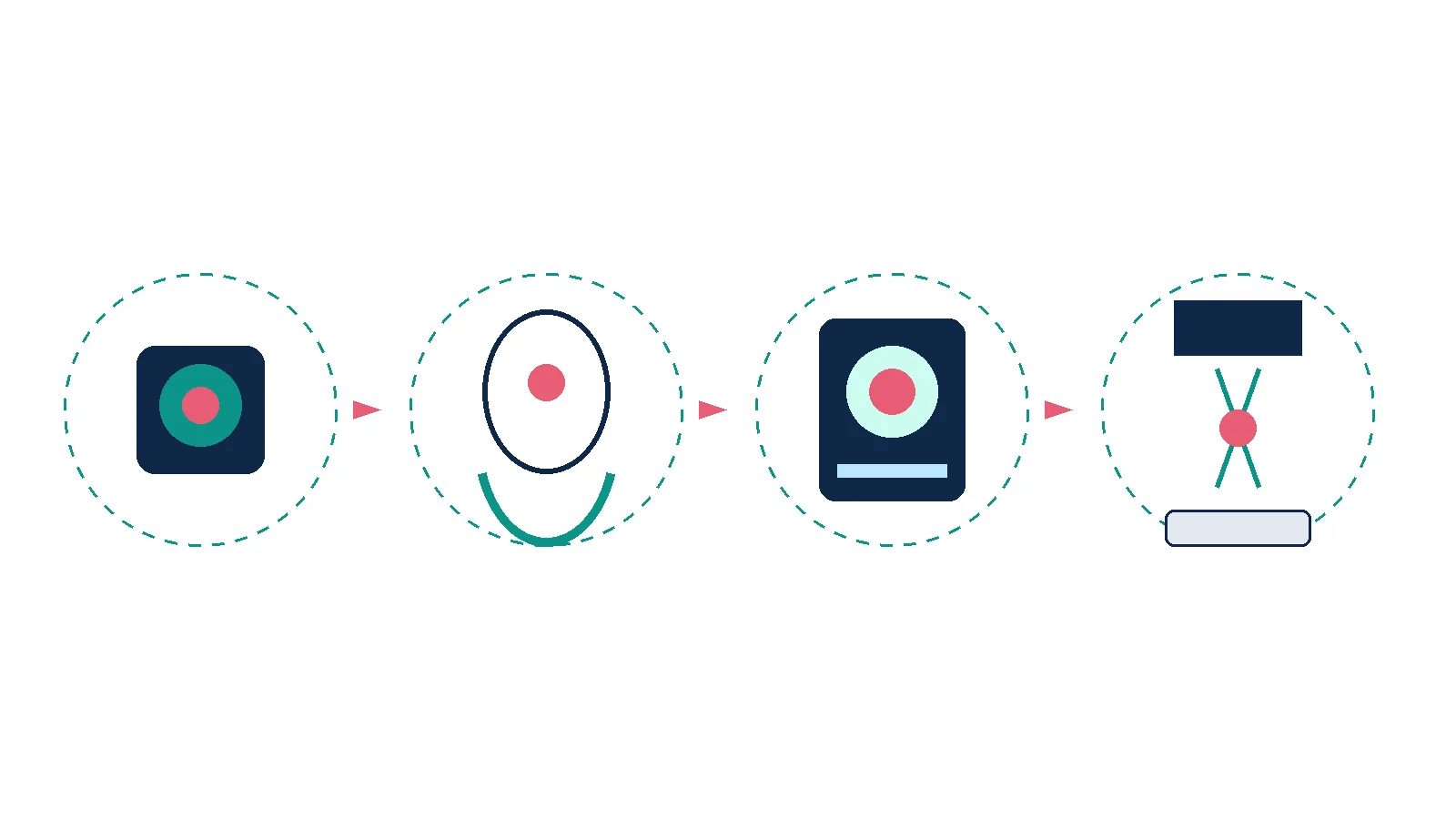
- Consultation. A radiation oncologist, and often a neurosurgeon, reviews MRI, diagnosis and previous treatment. International patients can send records before travel.
- Imaging. High-resolution MRI, and CT for planning, define the target.
- Immobilization. A frame or mask is fitted according to the platform.
- Planning and physics QA. Targets and organs at risk are drawn. The plan and machine are checked. AERB regulates Indian radiotherapy facilities, equipment, shielding and qualified staff.
- Delivery. The patient lies on the couch. The machine does not cut or enter the body.
- Observation and instructions. Steroids, seizure medicines and warning symptoms are explained. Many patients leave the same day.
GAF SRS planning is typically 1–5 sessions. That is a planning frame, not a prescription. International patients should plan around consultation, imaging, planning and observation — not assume “one session” means a one-day medical journey.
Beam-on is generally not felt. A frame can be uncomfortable. A mask-based list usually avoids an invasive frame. Temporary headache, nausea, fatigue or swelling can follow. Steroids may be prescribed when swelling is a concern.
Side Effects, Recovery and Follow-Up
SRS is still radiation. Short-term effects can include fatigue, headache, nausea, temporary swelling, localized scalp reaction and hair loss in the treated field.
Radiation edema around the lesion may need corticosteroids.
Radiation necrosis is a less common delayed injury that can resemble tumour recurrence on MRI. Serial imaging, and sometimes advanced sequences, may be required.
Neurological risk depends on where the target sits. Plans near the optic pathway, brainstem or cranial nerves must respect those tolerances.
Many patients return to usual activity relatively quickly because there is no surgical wound. Recovery still depends on the underlying disease and any concurrent systemic therapy.
Follow-up commonly includes MRI at intervals set by the treating team. An MRI change after SRS is not always a simple yes-or-no answer about growth.
Sudden severe headache, new weakness, seizure, loss of consciousness, high fever or uncontrolled vomiting belongs in a local emergency department.
SRS Cost in India
GAF Healthcare planning is $8,500–$18,000, typically 1–5 sessions. US comparison is $25,000–$55,000. This is a preliminary planning range, not a fixed quotation. It depends on diagnosis, technology, number and size of lesions, fractions, imaging, hospital and whether Gamma Knife, CyberKnife or SBRT is named instead.
A quotation should state whether consultation, MRI/CT, immobilization, planning, physics QA, the SRS delivery and same-day observation are inside the package. Extra nights, steroids, hotel, flights and home MRI follow-up are usually separate.
City name is a weaker driver than lesion count and the named platform. Delhi NCR, Mumbai, Bengaluru, Chennai and Hyderabad are the live GAF catalog cities. Published Indian rupee listings vary widely by source and are not used as GAF quotations on this page.
International Patient Pathway
Before travel, share recent contrast MRI (and prior MRI for comparison), CT or PET when relevant, pathology, immunohistochemistry, operation notes, any previous radiation plan and dose, systemic-therapy records, medicines and blood tests. For metastases, the original cancer diagnosis and current systemic therapy matter.
A useful planning framework is 1–5 sessions, plus extra days for consultation, imaging and QA. Do not book a same-week return flight from an average session count.
- Send records.
- A radiation oncologist — and often a neurosurgeon — reviews whether SRS is the named product.
- Expected sessions, platform and organ constraints are written down.
- An itemized estimate is issued. GAF SRS planning is $8,500–$18,000.
- Stable planned cases travel after that review. Mass effect with drowsiness, uncontrolled seizure or high fever is a local emergency.
- Imaging and immobilization are repeated after arrival.
- The named SRS course is delivered.
- The patient leaves with a steroid or seizure plan, MRI timing and who will follow them at home.
GAF Healthcare can coordinate records, hospital sharing, appointments, visa documentation, airport transfer, accommodation near the bunker, interpreter support and follow-up messages. The treating radiation oncologist remains responsible for prescription and medical care.
Questions, Repeat Treatment and Combined Care
Ask why SRS rather than surgery or whole-brain radiation, how many lesions and what total volume, how close the target sits to critical structures, whether treatment is single-fraction or fractionated, which platform is named and why, whether steroids are planned, when the next MRI will be done, and what the written package includes.
Repeat SRS is sometimes possible. Previous dose changes how much nearby brain can still receive. The previous plan is essential.
SRS can be used after brain tumour surgery to treat residual disease or a resection cavity. Timing depends on wound healing, imaging and the overall plan.
IGRT may be part of a LINAC-based stereotactic workflow. IGRT is not the same product as SRS.
Frequently Asked Questions
Is stereotactic radiosurgery really surgery? No. Despite the name, SRS does not involve conventional surgical cutting. It uses precisely focused radiation.
Is SRS available in India? Yes. AERB publishes information on licensed radiotherapy facilities. Delhi NCR, Mumbai, Bengaluru, Chennai and Hyderabad are the live GAF catalog cities.
How much does SRS cost in India? GAF Healthcare planning is $8,500–$18,000, typically 1–5 sessions. US comparison is $25,000–$55,000.
How many days should I stay in India? A single-fraction list may be a short clinical stay, but international patients should allow extra days for consultation, imaging, planning and observation.
Does SRS remove the tumour? No. Unlike surgery, SRS does not physically remove the mass. It damages targeted cells so they lose the ability to grow.
Does SRS cause hair loss? Localized hair loss can occur in the treated field. It may be temporary or, depending on dose and location, persistent.
Is Gamma Knife completely non-invasive? The platform does not open the skull. A rigid frame or a mask may still be used to immobilize the head.
Can SRS treat multiple brain tumours? Yes, in selected patients. The decision should weigh total volume, location and extracranial disease, not lesion count alone.
Can SRS be used after brain surgery? Yes, for selected residual disease or a resection cavity.
When should I go to an emergency department? Sudden severe headache, new weakness, seizure, loss of consciousness, high fever or uncontrolled vomiting belongs in a local emergency department.
Which city in India is right? There is no single preferred city. Delhi NCR, Mumbai, Bengaluru, Chennai and Hyderabad are live GAF catalog cities.
Key Takeaways
- SRS is highly focused radiation, not conventional surgery. It does not make the patient radioactive.
- It can treat selected brain tumours, metastases, AVMs, meningiomas and vestibular schwannomas. It is not automatic for every lesion.
- Gamma Knife, LINAC and CyberKnife are platforms. SBRT, IMRT and protons are neighbouring products, not automatic upgrades.
- Many lists are outpatient. GAF planning is $8,500–$18,000, typically 1–5 sessions.
- An SRS sticker is not a substitute for a named list, immobilization, planning and physics QA.
Why Choose GAF Healthcare for SRS in India?
GAF Healthcare coordinates record review, a named SRS list, an itemized estimate, accommodation near the bunker and follow-up messages. The first step is to establish whether SRS is honest for this lesion, or whether surgery, whole-brain radiation, fractionated EBRT, SBRT, protons or no India list should be named instead.
Share MRI, pathology and any previous radiation plan for a case-specific assessment.
Planned questions can also go to WhatsApp at +91 90443 46292. Emergency symptoms still belong in a local emergency department.
Medical Disclaimer
This page provides general educational information about stereotactic radiosurgery in India. It does not diagnose a tumour or determine whether SRS is appropriate for an individual patient.
Treatment decisions should be made with a qualified radiation oncologist and, when appropriate, a neurosurgeon after reviewing imaging, previous dose and overall health.
Published treatment costs are indicative and can change between hospitals, cities, techniques and individual cases. A hospital's written quotation should be obtained before treatment or travel arrangements are finalized.
Treatment Process
- 1
Share records
The patient provides MRI, pathology and any previous radiation plan before anyone books travel.
- 2
Multidisciplinary review
A radiation oncologist, and often a neurosurgeon, reviews whether SRS, surgery, whole-brain radiation or no India list is the honest product.
- 3
Name the platform
The team writes SRS only after lesion volume, location and previous dose are reviewed.
- 4
Itemized estimate
GAF SRS planning is $8,500–$18,000. Neighbouring Gamma Knife is $10,500–$22,000 when that platform is the named product.
- 5
Travel if fit
Stable planned cases travel after records review. Mass effect with drowsiness or uncontrolled seizure is a local emergency.
- 6
Imaging and immobilization
MRI, CT planning and a frame or mask are repeated after arrival.
- 7
Deliver the named SRS course
Single-fraction or fractionated stereotactic delivery proceeds only after physics QA.
- 8
Observation
Headache, swelling and steroid need are watched before discharge.
- 9
Follow-up plan
The patient leaves with a steroid or seizure plan, MRI timing and who will follow them after returning home.