
Treatment Overview
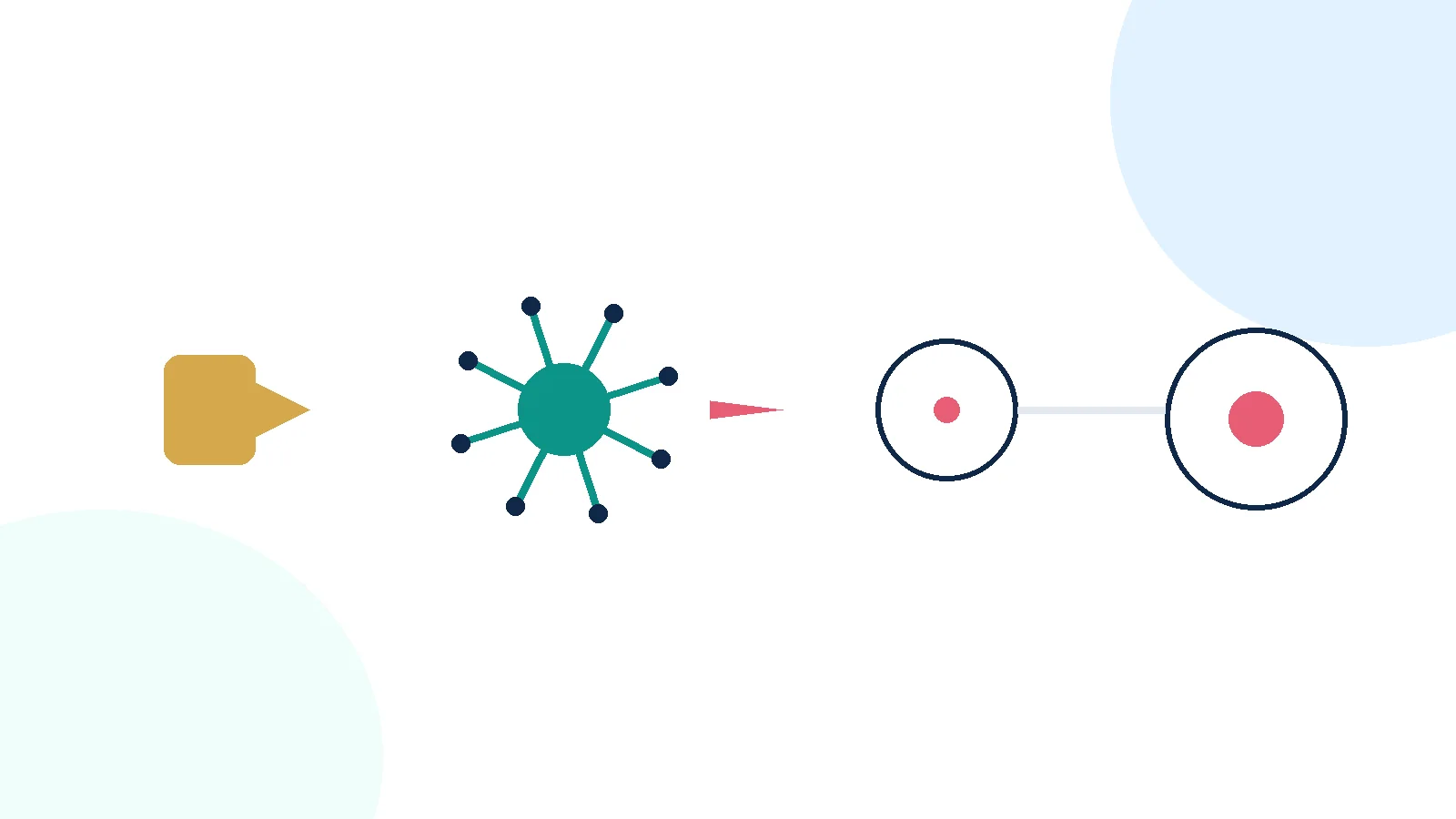
Dendritic cell therapy in India is a named form of cancer immunotherapy. The idea is to help the immune system recognise tumour-associated antigens, rather than to poison every rapidly dividing cell the way chemotherapy does. A typical autologous programme may collect the patient's own immune cells, process them in a specialised laboratory, expose them to selected antigens, and give the product back. Manufacturing methods, antigens, doses and combinations differ so widely that a quotation cannot be compared on price alone.
This page is the named dendritic-cell product. Neighbouring checkpoint and antibody lists sit on immunotherapy ($15,000–$45,000) and immune checkpoint inhibitor therapy ($18,000–$50,000). Neighbouring cytotoxic lists sit on chemotherapy ($1,500–$8,000+). Neighbouring mutation-directed lists sit on targeted therapy ($8,000–$30,000) and precision oncology ($2,000–$7,000). Neighbouring engineered T-cell lists sit on CAR-T cell therapy ($80,000–$180,000). Those sheets are not a dendritic-cell quotation. There is no live GAF sipuleucel-T, DC-CIK, melanoma-vaccine or “personalised cancer vaccine” treatment page.
Disease pathways sit on Breast Cancer Treatment in India, Prostate Cancer Treatment in India, Colon Cancer Treatment in India, Pancreatic Cancer Treatment in India, Ovarian Cancer Treatment in India, Cervical Cancer Treatment in India, Multiple Myeloma Treatment in India, Leukemia Treatment in India, Lymphoma Treatment in India, Bone Marrow Transplant in India and Brain Tumor Surgery in India. How checkpoint drugs are used in MSI-H colon cancer is covered in Colon Cancer Immunotherapy in India. Those pages must not be used as a dendritic-cell quotation for a different cancer. There is no live GAF lung-cancer, melanoma, renal-cancer or glioblastoma treatment page.
GAF Healthcare planning for dendritic cell therapy is $8,000–$22,000 (typically leukapheresis plus staged infusions). US comparison is $30,000–$80,000. These are planning ranges from partner hospital cost sheets, not hospital quotations and not a national tariff. Cell collection, laboratory processing, quality-control testing, imaging and any accompanying chemotherapy or checkpoint drug are often separate letters unless the quotation writes them as one package.
International patients comparing dendritic cell therapy medical oncologists commonly start with Delhi NCR, Mumbai, Bengaluru, Chennai and Hyderabad. Partner medical oncology hospitals in Delhi NCR, Mumbai and Bengaluru, and in Chennai and Hyderabad, are a typical first filter. City sheets include Delhi NCR, Mumbai, Bengaluru, Chennai and Hyderabad. Confirm in writing which campus can manufacture or receive the named cellular product. Pune, Kolkata, Ahmedabad and Kochi are not live GAF catalog cities on this site.
Medical note: A “personalised cancer vaccine” sticker is not a named product. Ask for the exact cellular product, regulatory status, trial registration if any, manufacturing site and whether standard cancer treatment must continue. High fever, difficulty breathing, chest pain, uncontrolled vomiting, sudden confusion or rapidly spreading rash after an infusion belongs in a local emergency department first. WhatsApp at +91 90443 46292 is for planned record review, not an acute emergency.
What Is Dendritic Cell Therapy?
Dendritic cells help the body identify abnormal material and communicate with T cells. Researchers have studied ways to use them to present tumour-associated antigens and stimulate an anti-cancer immune response. The National Cancer Institute describes dendritic-cell vaccines as one type of cancer treatment vaccine.
The basic concept is:
Cancer antigen → dendritic-cell activation → antigen presentation → T-cell activation → immune response against tumour cells
Biological plausibility is not the same as proven clinical benefit. Evidence varies by cancer type, vaccine design, treatment setting and study quality. A 2024 review in Nature Reviews Clinical Oncology emphasised how complex dendritic-cell populations are when they try to coordinate anti-tumour immunity.
How Does Dendritic Cell Therapy Work?
There is no universal protocol. A personalised programme may include several stages.
1. Oncology assessment. A medical oncologist reviews diagnosis, histopathology, stage, previous treatments, molecular findings, medicines, performance status, organ function and current disease burden. Dendritic-cell approaches are not interchangeable across cancers.
2. Review of tumour characteristics. The team may review tissue, immunohistochemistry, molecular tests or previous biopsy material to see whether a usable antigen exists. Not every protocol needs every test.
3. Collection of immune cells. Some autologous programmes use leukapheresis: blood is circulated through an apheresis machine, selected cells are collected, and the rest are returned. The FDA description of sipuleucel-T illustrates this general principle. Sipuleucel-T must not be assumed to be the product offered in India.
4. Cell processing. Collected cells may be isolated, cultured, activated, loaded with peptides or tumour material, or combined with other immune components. This is why autologous programmes can be expensive.
5. Quality control. Cell identity, viability, quantity, sterility, endotoxin and potency testing depend on the product and regulatory pathway.
6. Administration. Route and schedule vary. Some studies use repeated injections or infusions. There is no universal “dendritic cell therapy dose.”
7. Monitoring. Fever, chills, fatigue, injection-site or infusion reactions, blood-count changes, inflammatory symptoms, progression and response are watched. Follow-up imaging is usually required.
Why Does Dendritic Cell Therapy Cost So Much?
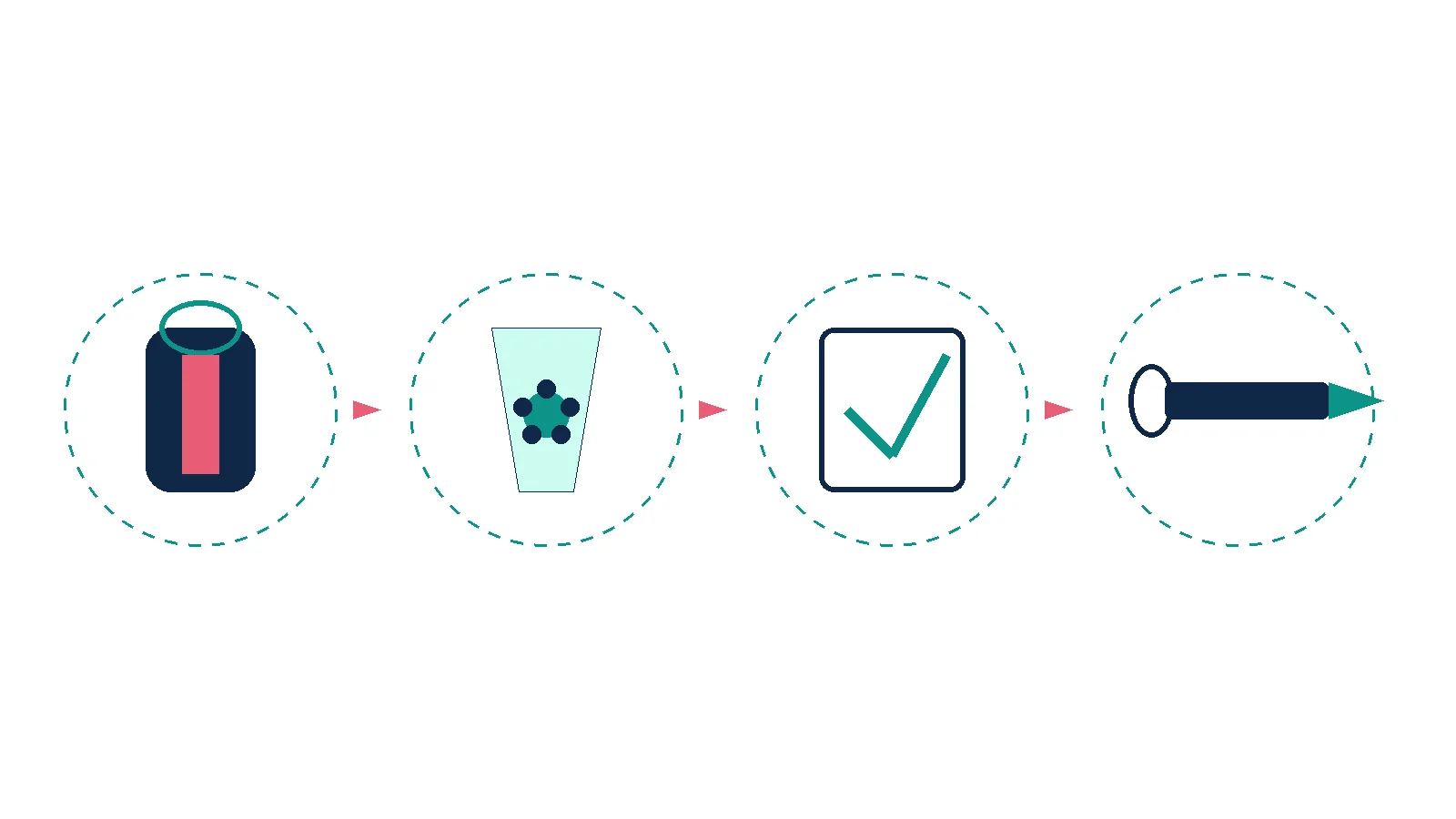
Unlike a tablet made in batches, an autologous cellular product may be manufactured for one person. Cost drivers include apheresis, laboratory infrastructure, personalised manufacturing, quality-control testing, number of doses, cancer-specific investigations, combination treatment and specialist oncology care.
Indicative cost table
| Cost component | Indicative consideration |
|---|---|
| Oncology consultation and planning | Usually separate or included in the programme |
| Baseline blood tests | Depends on cancer and protocol |
| Imaging / response assessment | May include CT, MRI or PET-CT |
| Immune and molecular testing | Depends on protocol |
| Cell collection / leukapheresis | May be required |
| Cell processing and manufacturing | Major cost component |
| Dendritic-cell doses | Depends on the number of administrations |
| Infusion or day-care charges | Depends on hospital |
| Monitoring and follow-up | Depends on protocol |
| Accompanying chemotherapy or immunotherapy | Additional where applicable |
| Travel and accommodation | Additional for international patients |
A detailed hospital quotation should always specify exactly what is included.
Dendritic Cell Therapy vs Other Cancer Treatments
It is a mistake to compare one dendritic-cell programme with one cycle of chemotherapy. Chemotherapy is usually a named regimen. A cellular programme can add collection and manufacturing.
Immunotherapy on this site is the broader checkpoint and antibody family. Colon Cancer Immunotherapy in India explains MSI-H/dMMR checkpoint use in colon cancer. That is not a dendritic-cell vaccine. Named immunotherapy lists sit on Immunotherapy in India.
CAR-T and dendritic-cell therapy are not the same treatment. CAR-T cell therapy genetically modifies T cells. Named CAR-T lists sit on CAR-T Cell Therapy in India. Dendritic-cell vaccines generally aim to enhance antigen presentation. Do not accept a quotation labelled only “advanced cell therapy.”
Is Dendritic Cell Therapy Approved in India?
This is one of the most important questions before paying.
India has a regulatory framework for stem cells and cell-based products. CDSCO lists responsibilities that include clinical-trial approval and marketing authorisation. The New Drugs and Clinical Trials Rules, 2019 cover new drugs and clinical trials. CDSCO also publishes information on clinical-trial and manufacturing permissions for cell and gene therapeutic products.
A clinic offering a dendritic-cell procedure does not automatically mean the specific product has marketing authorisation for routine treatment of that cancer.
Ask the centre:
- What is the exact name of the cellular product?
- Is it approved for routine clinical use in India for this indication?
- Is it being given under a registered clinical trial?
- What is the trial registration number?
- What regulatory authorisation covers the product?
- Where are the cells manufactured?
- Is that facility licensed for this product?
- What quality-control tests are performed?
- What published clinical evidence supports this exact protocol?
- What standard treatments remain appropriate?
These questions matter most when a large advance payment is requested.
Is Dendritic Cell Therapy Proven to Cure Cancer?
No. Dendritic-cell therapy should not be presented as a universal cancer cure.
Dendritic-cell vaccines are an active research field. Evidence differs by cancer and protocol. A systematic review of cell-based cancer vaccines found highly variable literature and did not establish a single overall clinical benefit across the broad category, even where individual approaches showed biological activity. A 2024 review noted that vaccination can generate immune responses, but better patient selection, vaccine design and combinations are still needed.
An immune response does not automatically mean tumour shrinkage, longer survival or cure.
Be cautious of claims such as “works for all cancers,” “guaranteed cure,” “100% success,” “no chemotherapy required,” “no side effects,” “cancer will never return,” or “works after every other treatment fails.” Testimonials are not a substitute for high-quality evidence.
Is Any Dendritic-Cell-Based Cancer Vaccine Approved?
Yes — in a defined setting in the United States.
Sipuleucel-T (Provenge) is an FDA-approved autologous cellular immunotherapy for selected men with asymptomatic or minimally symptomatic metastatic castration-resistant prostate cancer. Immune cells are collected, exposed to a protein involving prostatic acid phosphatase and GM-CSF, and returned. The approved schedule is three doses about two weeks apart, with leukapheresis for each cycle.
That example shows both the potential and the limit: a cellular immunotherapy can be approved for a clearly defined population without meaning every dendritic-cell therapy is approved or effective for every cancer. There is no live GAF sipuleucel-T treatment page.
Which Cancers Have Been Studied?
Dendritic-cell vaccines have been investigated in prostate cancer, melanoma, glioblastoma and other brain tumours, pancreatic cancer, breast cancer, ovarian cancer, colorectal cancer, lung cancer, renal cancer, multiple myeloma, acute myeloid leukaemia and other solid tumours. The level of evidence differs considerably.
NCI-listed studies include dendritic-cell approaches in breast cancer, ovarian cancer, melanoma, pancreatic cancer and multiple myeloma. Many are early-phase trials designed to assess safety, feasibility or immune response, not to prove longer survival.
Prostate cancer. Sipuleucel-T is the best-known approved example for a defined metastatic castration-resistant population. Other dendritic-cell protocols are not the same product. Disease planning sits on Prostate Cancer Treatment in India.
Pancreatic cancer. NCI-listed research has looked at personalised vaccines, including KRAS-related targets after resection. Research is not the same as standard care. Disease planning sits on Pancreatic Cancer Treatment in India.
Breast cancer. Studies include dendritic-cell vaccines in HER2-positive disease and high-risk triple-negative disease, often alongside standard treatment rather than instead of it. Disease planning sits on Breast Cancer Treatment in India.
Colon cancer. Checkpoint immunotherapy for MSI-H/dMMR disease is a different product from a dendritic-cell vaccine. See Colon Cancer Immunotherapy in India and Colon Cancer Treatment in India.
Brain tumours. Dendritic-cell vaccines have been studied in glioblastoma. That remains research. Surgical pathways sit on Brain Tumor Surgery in India. There is no live GAF glioblastoma-vaccine treatment page.
Multiple myeloma. Fusion vaccines and combinations with newer immunotherapies are being studied. Myeloma planning sits on Multiple Myeloma Treatment in India.
What Is the Success Rate?
There is no single success rate. Outcome depends on cancer type, stage, tumour biology, previous treatment, antigen, vaccine design, manufacturing, combination therapy, immune status, how response is defined and how long patients are followed.
Some studies report immune responses, tumour responses or survival outcomes. Those numbers cannot be converted into a universal “dendritic cell therapy success rate.” A more useful question is: what was the response in patients with this exact cancer, stage and setting using this exact protocol?
Side Effects
Effects depend on the product and any accompanying treatment. Possible reactions include fever, chills, fatigue, headache, muscle or joint aches, nausea, injection-site reactions, infusion reactions, blood-pressure changes and allergic reactions. The NCI notes that cancer treatment vaccines can cause flu-like symptoms.
Risks change when dendritic-cell treatment is combined with chemotherapy or checkpoint inhibitors. Patients should receive written information on expected effects, emergency symptoms, who to contact, hospital emergency arrangements, monitoring and management of complications.
High fever, breathing difficulty, chest pain, collapse, severe diarrhoea, a rapidly spreading rash or sudden confusion after an infusion belongs in a local emergency department.
What Is Usually Included — and What Is Not
Before accepting a quotation, ask whether the following are included.
Medical evaluation. Oncology consultation, record review, pathology review and a written plan.
Diagnostic testing. Blood counts, liver and kidney tests, infection screening, imaging, and molecular tests where required.
Cell collection. Leukapheresis or another collection method, venous access and nursing.
Manufacturing. Isolation, culture, antigen loading, activation, quality control and product release.
Administration. Injection or infusion, day-care charges, nursing and immediate monitoring.
Follow-up. Blood tests, imaging, oncology visits and response assessment.
International-patient services. Airport transfers, accommodation, interpreter, local transport and visa letters — often extra.
International patients should also budget flights, visa, food, a companion, extra tests, an extended stay, emergency care, repeat imaging and any standard cancer treatment that continues. Separate treatment + investigations + stay + travel + accommodation + contingency.
How Long Does It Take?
There is no single calendar. A programme may involve consultation, investigations, planning, collection, laboratory processing, administration, monitoring, repeat doses and response assessment. Some calendars require multiple visits because cells must be processed before they are given.
Patients travelling from Africa, the Middle East, Central Asia or elsewhere should obtain a written treatment calendar before booking flights: arrival, consultation, investigations, collection, manufacturing window, treatment dates, follow-up and expected departure.
How to Choose a Centre
Price is not enough.
- Confirm the name and qualifications of the medical oncologist responsible.
- Ask where the cells are processed and whether that facility is licensed for this product.
- Request the written protocol before payment.
- Ask whether the treatment is approved for routine use, a registered trial, or investigational.
- Request peer-reviewed publications for this exact protocol.
- Ask which standard treatments — chemotherapy, targeted therapy, radiation, surgery, hormone therapy or checkpoint immunotherapy — remain indicated.
- Confirm where complications will be treated.
Personalisation sounds attractive. Personalised manufacturing is not the same as proven personalised cancer treatment. A product can be tailored to one tumour and still be investigational. The NCI continues to list early-phase dendritic-cell studies across several cancers.
Insurance
Coverage depends on the insurer, policy, indication and regulatory status. Do not assume reimbursement for an investigational or non-standard cellular programme. Ask in writing whether the specific therapy, hospital, cell processing and investigations are covered, whether the treatment is considered experimental, and whether pre-authorisation is required. International patients should also ask their home-country insurer before travelling.
What Can Change the Price?
The quotation can rise with more cycles, extra collections, tumour sequencing, extra imaging, combination immunotherapy or chemotherapy, longer admission, complication management, repeat manufacturing or an extended stay. It can fall with fewer administrations, fewer tests, day-care rather than inpatient care, or a different laboratory pathway. A lower price is not better value until the protocols are compared. Two quotations in the same planning band may not be the same treatment.
City labels do not create a second price list. Delhi NCR, Mumbai, Bengaluru, Chennai and Hyderabad are live GAF catalog cities. Publishing invented city prices without a verified quotation is not transparent.
How to Get a Case-Specific Estimate
The treating team generally needs a recent medical summary, biopsy and immunohistochemistry, latest CT/MRI/PET-CT, previous chemotherapy, radiotherapy and surgery details, molecular reports, current medicines and recent blood tests. After that review, a medical oncologist can say whether the proposed product is appropriate and write a more meaningful estimate.
Key Takeaways
- Dendritic cell therapy is a form of cancer immunotherapy, not a single standardised medicine.
- GAF Healthcare planning is $8,000–$22,000. US comparison is $30,000–$80,000. Neighbouring immunotherapy is $15,000–$45,000. Neighbouring CAR-T is $80,000–$180,000.
- Final cost depends on collection, manufacturing, dose count, testing and accompanying cancer treatment.
- It is not a universal cancer cure. Evidence varies by cancer and protocol.
- Some approaches remain investigational. Sipuleucel-T is an FDA-approved example for a defined prostate-cancer population and is not every dendritic-cell product.
- Verify the regulatory status and published evidence of the exact product.
- Do not stop or delay standard cancer treatment solely because a dendritic-cell programme has been offered.
Sources
- National Cancer Institute — cancer treatment vaccines and dendritic-cell vaccines.
- U.S. FDA — PROVENGE (sipuleucel-T) prescribing and questions-and-answers information.
- NCI clinical-trials listing for therapeutic autologous dendritic cells.
- Nature Reviews Clinical Oncology (2024) — dendritic cells as orchestrators of anticancer immunity.
- Cancers — dendritic cells in cancer immunology and immunotherapy.
- Journal of Translational Medicine — DC-CIK systematic review and meta-analysis.
- CDSCO — stem cells and cell-based products.
- CDSCO — New Drugs and Clinical Trials Rules, 2019.
- Systematic reviews of cell-based cancer vaccines.
- GAF Healthcare partner sheets for dendritic cell therapy, immunotherapy and CAR-T cell therapy.
Medical Disclaimer
This page is for education and treatment-planning information. Dendritic-cell therapy is not appropriate for every cancer patient, and evidence varies between products and protocols. Treatment decisions belong to a qualified oncology team after reviewing diagnosis, stage, pathology, previous treatment and overall health. Costs are indicative and are not a guaranteed hospital quotation.
Treatment Process
- 1
Share records
The patient provides pathology, staging imaging, molecular reports and previous treatment details before anyone books travel.
- 2
Oncology review
A medical oncologist reviews whether a named dendritic-cell product, checkpoint immunotherapy, chemotherapy, targeted therapy or no India list is the honest next step.
- 3
Name the product
The team writes the exact cellular product, antigen method, regulatory status and whether a registered trial applies.
- 4
Itemized estimate
GAF dendritic-cell planning is $8,000–$22,000. Neighbouring immunotherapy is $15,000–$45,000. Neighbouring CAR-T is $80,000–$180,000.
- 5
Travel if appropriate
Stable planned cases travel after records review. Acute infection, breathing difficulty or high fever is a local emergency.
- 6
Collection and manufacturing
Leukapheresis or another named collection, laboratory processing and quality-control release follow the written calendar.
- 7
Staged administration
Injections or infusions proceed only after product release. Further doses follow the written schedule.
- 8
Observation
Fever, infusion reactions and inflammatory symptoms are watched before discharge.
- 9
Follow-up plan
The patient leaves with the product name, dose count, expected effects and who will continue standard cancer care at home.