
Treatment Overview
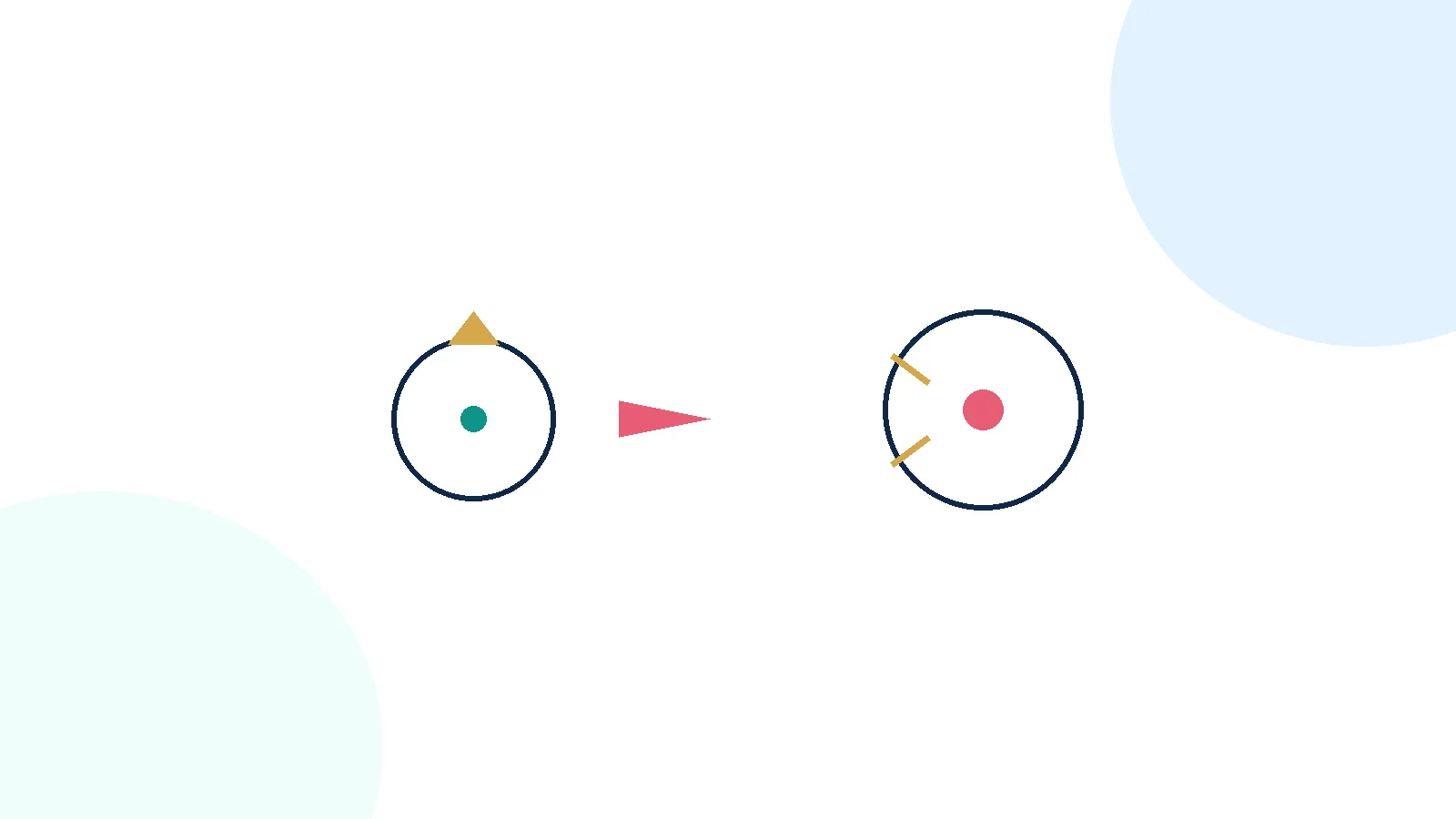
CAR-T cell therapy in India is a named form of personalised cancer immunotherapy. A patient's own T cells are collected, genetically modified in a specialised laboratory to recognise a cancer-associated antigen, expanded, and returned through an intravenous infusion.
Unlike chemotherapy, which damages rapidly dividing cells, CAR-T uses the immune system as a living medicine. The engineered cells are designed to recognise a specific protein on cancer cells and then attack those cells.
This page is the named CAR-T product. Neighbouring chemotherapy is $1,500–$8,000+. Neighbouring immunotherapy is $15,000–$45,000. Neighbouring bone marrow transplantation is $25,000–$70,000. Neighbouring stem cell transplantation is $22,000–$65,000. Neighbouring autologous stem cell transplant is $18,000–$48,000. Neighbouring allogeneic stem cell transplant is $30,000–$80,000. Neighbouring dendritic cell therapy is $8,000–$22,000. Those sheets are not a CAR-T quotation.
Disease pathways sit on Leukemia Treatment in India, Lymphoma Treatment in India, Multiple Myeloma Treatment in India, Bone Marrow Transplant in India, Stem Cell Transplantation in India and Autologous Bone Marrow Transplant in India. Dendritic-cell vaccine lists sit on Dendritic Cell Therapy in India and are not CAR-T. There is no live GAF NexCAR19-only, BCMA-only, DLBCL-only or B-ALL-only treatment page.
GAF Healthcare planning for CAR-T cell therapy is $80,000–$180,000 (typically apheresis plus 3–6 weeks nearby). US comparison on the same sheet is $400,000–$550,000. These are planning ranges from partner hospital cost sheets, not hospital quotations and not a national tariff. Leukapheresis, manufacturing, bridging therapy, lymphodepletion, hospital nights, ICU, tocilizumab and infection care are often separate letters unless the quotation writes them as one package. A product headline is not the complete episode.
India has indigenous CAR-T products. NexCAR19 (talicabtagene autoleucel) received Indian regulatory approval in October 2023 for selected relapsed or refractory B-cell malignancies. That approval does not mean every CAR-T protocol offered in India is authorised for every cancer. Ask for the exact product name, indication and whether the pathway is commercial or a registered trial.
International patients comparing CAR-T haematologists commonly start with Delhi NCR, Mumbai, Bengaluru, Chennai and Hyderabad. Partner haematology hospitals in Delhi NCR, Mumbai and Bengaluru, and in Chennai and Hyderabad, are a typical first filter. City sheets include Delhi NCR, Mumbai, Bengaluru, Chennai and Hyderabad. Confirm in writing which campus is authorised for the named product. Pune, Kolkata, Ahmedabad and Jaipur are not live GAF catalog cities on this site.
Medical note: CAR-T is not an infusion alone. It needs specialist evaluation, T-cell collection, manufacturing, disease control while cells are prepared, lymphodepleting chemotherapy, infusion and close monitoring for cytokine release syndrome and neurological toxicity. High fever, difficulty breathing, sudden confusion, collapse or a rapidly worsening rash after infusion belongs in a local emergency department first. WhatsApp at +91 90443 46292 is for planned record review, not an acute emergency.
What Is CAR-T Cell Therapy?
CAR-T stands for chimeric antigen receptor T-cell therapy.
T cells identify abnormal cells using naturally occurring receptors. Cancer cells can evade that recognition. CAR-T changes the process: T cells are collected, genetically modified so they express a chimeric antigen receptor designed to recognise a particular antigen, expanded, quality-checked and infused after lymphodepleting chemotherapy.
The engineered cells can then multiply inside the body and attack cells carrying the target antigen. The treatment is a living cellular medicine made from the patient's own immune cells, not a conventional tablet.
NexCAR19 is one Indian example: a CD19-directed autologous product approved for selected relapsed or refractory B-cell non-Hodgkin lymphomas and B-cell acute lymphoblastic leukaemia in patients aged 15 years and above, subject to the current prescribing information. That product must not be assumed to be every CAR-T protocol offered in India.
How Does CAR-T Cell Therapy Work?
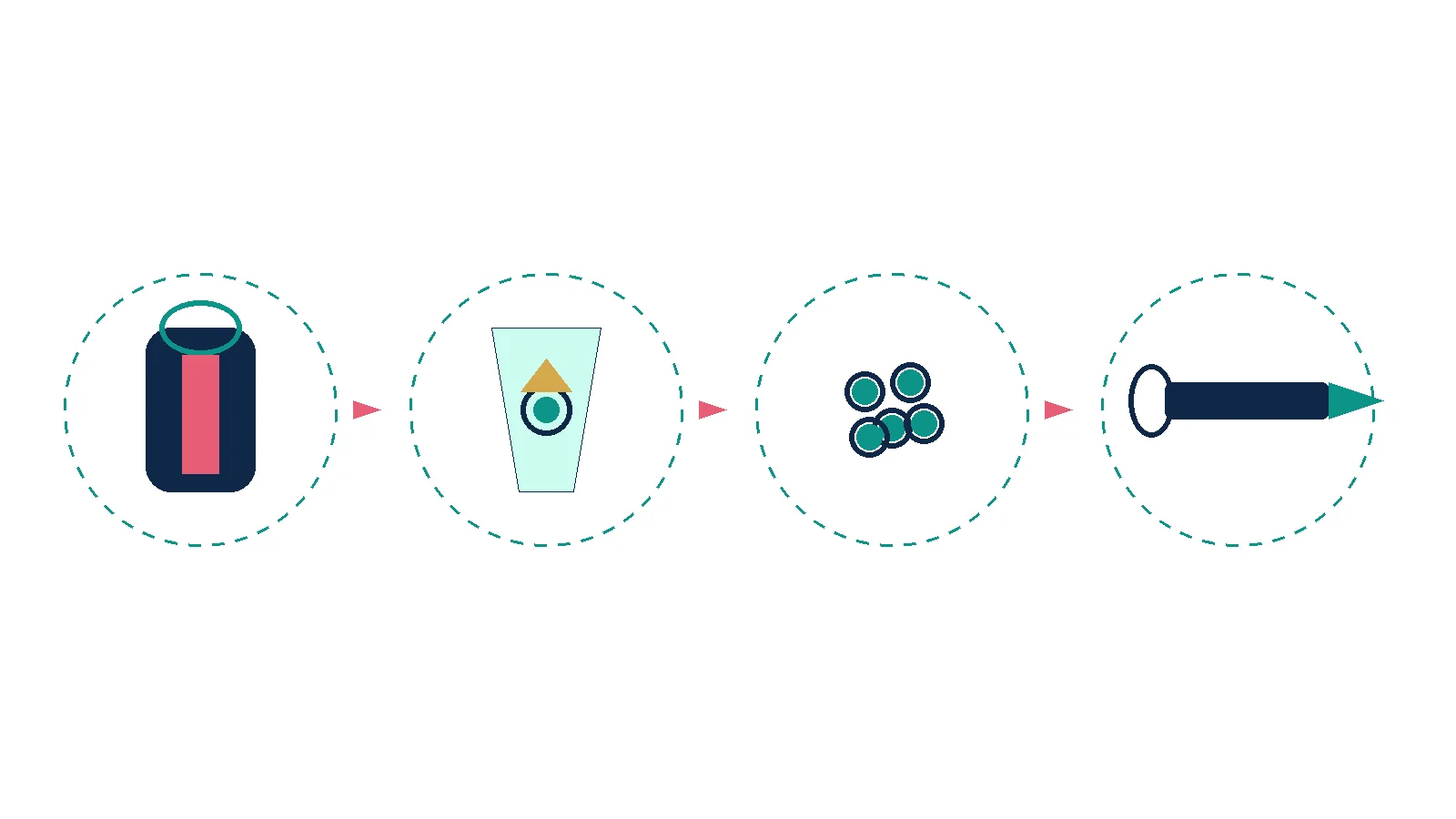
1. Patient evaluation. The team reviews diagnosis, subtype, previous treatments and response, current disease status, antigen expression, marrow involvement, organ function, infection status, blood counts, performance status, previous transplant history and other conditions. PET-CT, marrow studies, flow cytometry, pathology and molecular tests may be required.
2. Leukapheresis. Blood is circulated through an apheresis machine. Selected cells, including T cells, are collected. Remaining components are returned.
3. Manufacturing. Cells are genetically modified to express the CAR, expanded and released only after quality-control testing. This stage is why CAR-T needs specialised infrastructure and coordination between hospital and manufacturing facility.
4. Bridging treatment when required. Some patients need chemotherapy, targeted therapy or immunotherapy while cells are manufactured. Not every patient needs bridging. Named immunotherapy lists sit on Immunotherapy in India.
5. Lymphodepleting chemotherapy. Preparatory chemotherapy reduces certain existing immune cells so the infused CAR-T cells can expand. Medicines and schedule depend on the product.
6. Infusion. The manufactured cells are given intravenously. The infusion may be relatively short. The days after it are not.
7. Close monitoring. Teams watch for cytokine release syndrome, ICANS, fever, low blood pressure, breathing difficulty, low counts, infection, electrolyte changes and organ dysfunction. A CAR-T centre needs rapid ICU and emergency support.
Which Cancers Can Be Treated With CAR-T in India?
Established use is primarily selected B-cell malignancies that have relapsed or failed previous therapy. The exact approved indication is product-specific.
Cancers that may be considered include:
- B-cell acute lymphoblastic leukaemia (B-ALL)
- Diffuse large B-cell lymphoma (DLBCL)
- Primary mediastinal B-cell lymphoma
- Follicular lymphoma
- Mantle cell lymphoma
- Marginal zone lymphoma
- Other selected B-cell non-Hodgkin lymphomas
Live disease pages on this site are Leukemia Treatment in India and Lymphoma Treatment in India. There is no live GAF B-ALL-only, DLBCL-only or mantle-cell treatment page.
Eligibility is product-specific and should be confirmed with the treating CAR-T centre.
B-cell acute lymphoblastic leukaemia
CAR-T can be considered in selected patients whose B-ALL has relapsed or become refractory, depending on the product. For CD19-directed therapy the cancer cells need to express the target. Assessment may include marrow examination, flow cytometry, CD19 assessment, MRD, molecular testing, blood counts, infection screening and organ function.
Lymphoma
CAR-T is an important option for selected relapsed or refractory B-cell lymphomas. It is not automatically appropriate whenever lymphoma relapses. Previous treatment, disease biology, tumour burden, antigen expression, speed of progression, fitness and alternatives all matter.
Multiple myeloma
CAR-T is also developed for myeloma, particularly CARs targeting BCMA. Internationally, BCMA-directed products are established for selected myeloma. Patients must distinguish an approved indication in a particular country from an investigational trial. Ask: “Is this product approved in India for my disease, or is it offered only as a clinical trial?” Myeloma lists sit on Multiple Myeloma Treatment in India.
Solid tumours
CAR-T is being investigated in brain, pancreatic, ovarian, colorectal, lung, breast and other solid tumours. Solid tumours present extra biological challenges. CAR-T should not currently be marketed as routine treatment for all solid cancers in India. For most solid tumours it remains research.
CAR-T Cell Therapy Cost in India
There is no single price for every patient.
GAF partner planning for CAR-T cell therapy is $80,000–$180,000, typically apheresis plus 3–6 weeks nearby. Comparable US planning is $400,000–$550,000. Indigenous product headlines can sit below a complete hospital episode once manufacturing, hospitalisation, ICU, bridging therapy and complications are written in.
| Named GAF sheet | Partner planning | Typical stay |
|---|---|---|
| CAR-T cell therapy | $80,000–$180,000 | Apheresis plus 3–6 weeks nearby |
| Comparable US CAR-T sheet | $400,000–$550,000 | — |
| Neighbouring chemotherapy | $1,500–$8,000+ | Outpatient cycles |
| Neighbouring immunotherapy | $15,000–$45,000 | Protocol-specific |
| Neighbouring autologous transplant | $18,000–$48,000 | 3–5 weeks |
| Neighbouring allogeneic transplant | $30,000–$80,000 | 6–10 weeks nearby |
| Neighbouring BMT umbrella | $25,000–$70,000 | 4–8 weeks in or near the unit |
| Neighbouring dendritic-cell therapy | $8,000–$22,000 | Leukapheresis plus staged infusions |
The product price should not automatically be treated as the complete treatment cost. Prolonged hospitalisation, ICU care or treatment of CRS or ICANS can raise the final bill.
Cost drivers include collection, transport, genetic modification, expansion, quality testing, preservation, lymphodepletion, infusion, monitoring, tocilizumab, blood products and infection management. Indigenous manufacturing has reduced cost compared with historical imported CAR-T prices. India's first home-grown product was developed through collaboration involving IIT Bombay, Tata Memorial Centre and ImmunoACT. That is development history, not a GAF ranking.
What Is Usually Included?
Ask for an itemised estimate rather than a single headline. A comprehensive letter may include oncologist and haematology consultation, diagnostic work-up, PET-CT, pathology, flow cytometry, leukapheresis, manufacturing, cell transport, lymphodepletion, infusion, hospital bed, nursing, laboratory monitoring, blood products, antimicrobials, tocilizumab or other emergency medicines, ICU if required, and follow-up.
Before travelling, request a written treatment estimate and clarify what is excluded.
Who Is Eligible?
A patient may be considered when:
- The cancer falls within the approved indication for the product.
- The required antigen is expressed (CD19 for current established B-cell products).
- Previous treatment history fits the indication, commonly relapsed or refractory disease.
- The patient is stable enough for leukapheresis, lymphodepletion and infusion.
- Organ function is acceptable.
- Active infection is controlled.
- Disease burden can be managed through to infusion.
- The appropriate product is actually available.
CAR-T may not be appropriate when the cancer does not express the target, the indication is not approved, infection is uncontrolled, the patient is too unstable, organ dysfunction creates unacceptable risk, disease cannot be controlled until infusion, manufacturing fails, or a trial's eligibility criteria are not met.
The final decision belongs to a multidisciplinary CAR-T team.
Procedure Timeline
| Stage | What happens |
|---|---|
| Referral and evaluation | Records review |
| Eligibility assessment | Diagnosis, antigen, previous treatment, fitness |
| Leukapheresis | T-cell collection |
| Manufacturing | Modification, expansion, release |
| Bridging | Additional disease control if needed |
| Pre-infusion evaluation | Repeat testing |
| Lymphodepletion | Preparatory chemotherapy |
| Infusion | Engineered cells given intravenously |
| Monitoring | CRS, ICANS, infection, counts |
| Follow-up | Response, immune recovery, late effects |
The infusion is only one part of the journey. International patients should ask for a calendar from first evaluation through post-treatment follow-up. GAF planning is typically apheresis plus 3–6 weeks nearby. Manufacturing and bridging can make the stay longer.
Side Effects
Important complications include cytokine release syndrome (CRS), immune effector cell-associated neurotoxicity syndrome (ICANS), infections, prolonged low blood counts, B-cell aplasia with CD19-directed therapy, low immunoglobulin levels, tumour lysis syndrome, organ complications and rare delayed complications.
CRS occurs when activated CAR-T cells release large amounts of cytokines. It may cause fever, chills, low blood pressure, rapid heart rate, low oxygen, breathing difficulty, headache, fatigue, nausea and, in severe cases, organ dysfunction. Treatment can include fluids, oxygen, tocilizumab and corticosteroids when appropriate.
ICANS is a neurological complication. Symptoms can include difficulty speaking or writing, confusion, reduced alertness, tremor, seizures, altered consciousness and, in severe cases, cerebral oedema. Neurological symptoms need urgent assessment.
Infections increase because of low counts, B-cell depletion and low immunoglobulins. The team may prescribe antimicrobial prophylaxis or immunoglobulin replacement.
B-cell aplasia can follow CD19-directed therapy because normal B cells also express CD19.
In the United States the FDA has required boxed-warning updates for T-cell malignancies after some BCMA- or CD19-directed autologous CAR-T products. Long-term surveillance remains important.
High fever, breathing difficulty, sudden confusion, seizure or collapse after infusion belongs in a local emergency department.
How Effective Is CAR-T Therapy?
CAR-T can produce deep responses in selected patients with relapsed or refractory B-cell malignancies. Response rates are not a guarantee.
The NCI reported that in the early Indian NexCAR19 experience, 36 of 53 evaluable participants had an objective response and approximately half achieved complete response. Those were early study results, not the expected outcome for every patient.
Outcomes depend on subtype, disease burden, previous treatment, age, general health, antigen expression, product, bridging treatment, disease biology and response durability.
CAR-T should not be described as a guaranteed cure. Some patients achieve durable complete remission. Others have partial responses, relapse or no response.
CAR-T vs Chemotherapy vs Transplant
| Feature | CAR-T | Chemotherapy | Allogeneic transplant |
|---|---|---|---|
| Type | Cellular immunotherapy | Drug therapy | Donor stem-cell graft |
| Mechanism | Engineered T cells recognise an antigen | Cytotoxic drugs damage dividing cells | Replace haematopoiesis; may add graft-versus-tumour effect |
| Personalised manufacturing | Yes | Usually no | Donor search required |
| CRS / ICANS | Important specific risks | Not typical CRS | Different complication profile (GVHD) |
| GAF neighbouring planning | $80,000–$180,000 | $1,500–$8,000+ | $30,000–$80,000 |
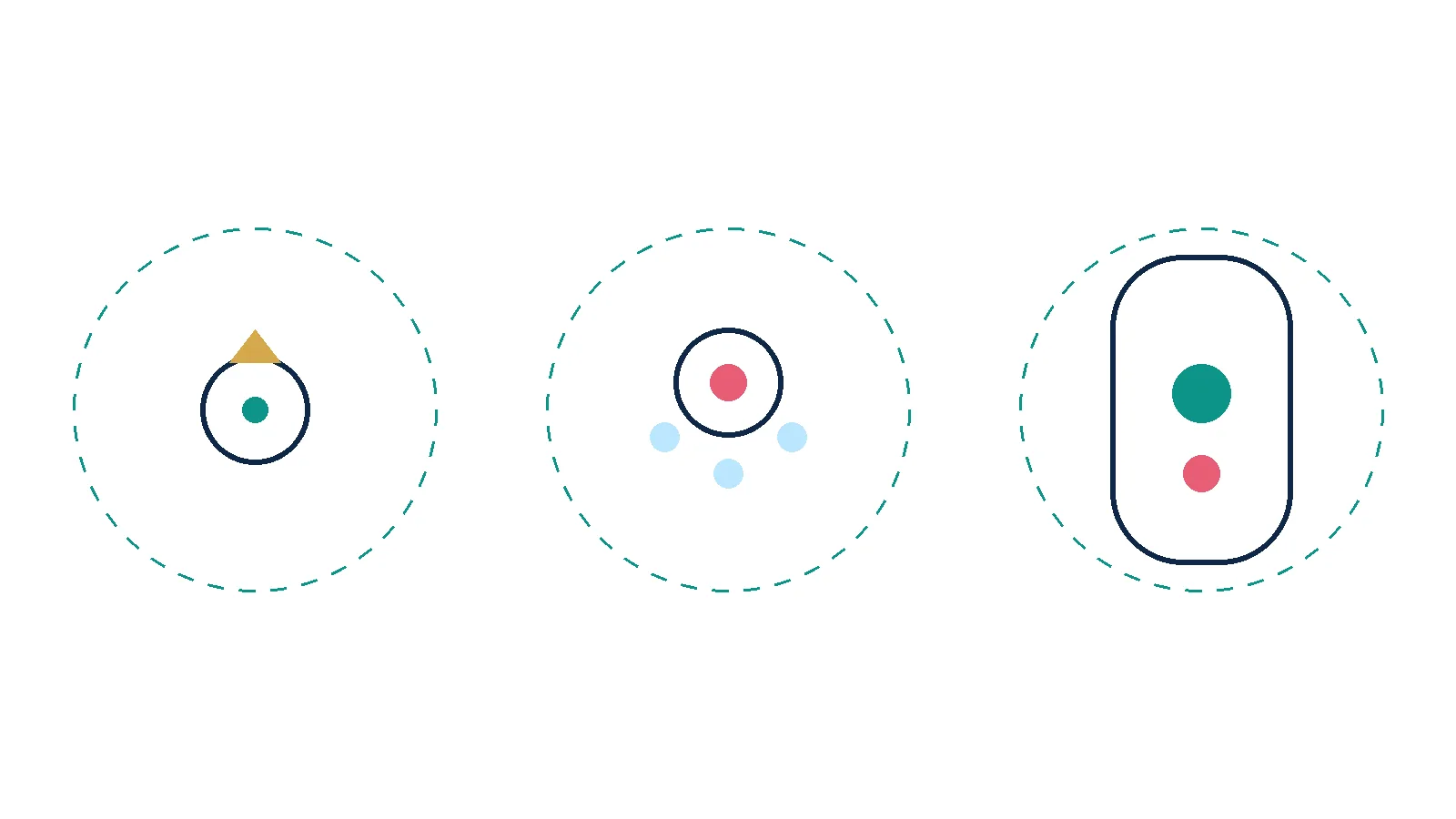
CAR-T is not “stronger chemotherapy.” It is a different strategy. Transplant lists sit on Bone Marrow Transplant in India and Stem Cell Transplantation in India. In some situations CAR-T is used before or instead of transplant. In others, transplant remains the honest option. That decision belongs to a haematology-oncology team.
How to Choose a CAR-T Centre in India
A suitable centre needs haemato-oncology specialists, CAR-T-trained teams, apheresis, cell-processing coordination, ICU, neurology, blood bank, infection control, CRS and ICANS protocols, diagnostics and product logistics.
ImmunoACT states that NexCAR19 is available through a network of authorised treatment centres. Confirm directly whether the campus is currently authorised for the specific product and indication.
Ask:
- Is my exact cancer approved for this product?
- Does the tumour express the required antigen?
- Which product will be used, and is it commercial or a trial?
- Where are the cells manufactured, and what happens if manufacturing fails?
- What is the cell-product price versus the total episode?
- Is ICU included? What happens financially if complications prolong admission?
- How does the hospital manage CRS and ICANS?
- How long must I remain near the hospital after discharge?
Live GAF catalog cities are Delhi NCR, Mumbai, Bengaluru, Chennai and Hyderabad. Pune, Ahmedabad, Kolkata and Jaipur may have programmes; they are not live catalog cities on this site.
Mumbai has a documented role in indigenous CAR-T development through Tata Memorial Centre, IIT Bombay and ImmunoACT. That is development history, not a city ranking.
International Patients
Complete a remote medical review before travelling. Centres typically request pathology, biopsy, flow cytometry, molecular reports, PET-CT or CT, marrow reports, previous chemotherapy and transplant records, current medicines, recent blood tests, infection screening and response history.
A remote review is not a final eligibility decision. Final approval usually requires examination and testing at the treating centre.
Patients travelling from Africa, the Middle East, Central Asia or other countries should allow time for collection, manufacturing, possible bridging, infusion and nearby monitoring — not only the infusion day.
Frequently Asked Questions
Is CAR-T cell therapy available in India? Yes. India has approved indigenous CAR-T therapies, beginning with NexCAR19 in 2023. Availability depends on the product, indication and authorised centre.
What is the cost of CAR-T cell therapy in India? GAF Healthcare planning is $80,000–$180,000, typically apheresis plus 3–6 weeks nearby. US comparison is $400,000–$550,000. Obtain a patient-specific written quotation.
Is CAR-T better than chemotherapy? They work differently and are used in different situations. CAR-T is not universally better or suitable for every patient.
Is CAR-T therapy painful? Collection uses apheresis. The cells are given through a vein. Discomfort can also come from procedures, chemotherapy or hospitalisation.
How many times is CAR-T given? Generally as a single infusion. The complete treatment involves several stages before and after.
Can CAR-T cure lymphoma? Some patients achieve complete and durable remission. It cannot be guaranteed to cure every lymphoma patient.
Can CAR-T treat leukaemia? Selected B-cell ALL patients may be eligible for CD19-directed CAR-T, depending on the product's approved indication.
Can CAR-T treat multiple myeloma? BCMA-directed CAR-T is established internationally for selected myeloma. Regulatory and commercial availability of specific products in India must be confirmed at the time of treatment.
Can CAR-T treat solid tumours? Most solid-tumour applications remain investigational.
How long does CAR-T treatment take? The complete pathway can take several weeks or longer. GAF planning is typically apheresis plus 3–6 weeks nearby.
Can children receive CAR-T in India? Some products and programmes include paediatric patients. Others have age-specific indications. Eligibility follows the product's current regulatory text.
What are the major side effects? CRS, ICANS, infections, low blood counts and immune-system effects.
Should I stop chemotherapy before CAR-T? Do not stop or delay standard treatment without discussing it with the treating haematologist. Bridging may be part of the protocol.
Key Takeaways
- CAR-T is a highly specialised personalised treatment for selected blood cancers, particularly certain relapsed or refractory B-cell malignancies.
- The treatment uses the patient's own T cells, modifies them to recognise a target, expands them and returns them.
- India's indigenous products have changed access. CAR-T remains complex, expensive and associated with serious complications.
- GAF planning is $80,000–$180,000, typically apheresis plus 3–6 weeks nearby. The product headline is not the complete episode.
- Confirm eligibility, antigen, product approval, centre authorisation, full cost, timeline and emergency cover before travel.
- Standard cancer treatment should not be stopped solely because a CAR-T conversation has started.
Top 10 Sources
- National Cancer Institute — CAR T Cells: Engineering Immune Cells to Treat Cancer — Overview of CAR-T biology and use.
- National Cancer Institute — India's First Homegrown CAR T-Cell Therapy — NexCAR19 development and early Indian experience.
- PubMed — Talicabtagene Autoleucel: First Approval — Regulatory first-approval summary.
- CDSCO — Stem Cells and Cell-Based Products — Indian regulatory framework for cell and gene therapy.
- ImmunoACT — NexCAR19 — Product information for the indigenous CD19 CAR-T.
- ImmunoACT — NexCAR19 healthcare-professional information — Indication and authorised-centre context.
- PubMed — Implementation of a CAR-T Cell Therapy Program in India — Programme-setup evidence.
- U.S. FDA — CAR-T safety communication — Boxed-warning context for T-cell malignancies after some autologous CAR-T products.
- NCI — T-Cell Transfer Therapy — Broader cellular-immunotherapy background.
- GAF Healthcare CAR-T cell therapy cost sheet — Partner USD planning of $80,000–$180,000 and typical apheresis plus 3–6 week stay.
Medical Disclaimer
This page is intended for education and treatment-planning information. CAR-T cell therapy is not appropriate for every cancer patient. Treatment decisions should be made with a qualified haematology or cellular-therapy team after reviewing the diagnosis, antigen status, previous treatment, organ function and product authorisation. Costs are indicative planning ranges and should not be treated as a guaranteed hospital quotation.
Treatment Process
- 1
Share records
The patient provides pathology, flow cytometry, PET-CT, previous treatment and antigen reports before anyone books travel.
- 2
Cellular-therapy review
A haematologist reviews whether a named CAR-T product, transplant, chemotherapy or no India list is the honest next step.
- 3
Name the product
The team writes the exact CAR-T product, antigen, regulatory status and whether a registered trial applies.
- 4
Itemized estimate
GAF CAR-T planning is $80,000–$180,000. Neighbouring BMT is $25,000–$70,000. Neighbouring chemotherapy is $1,500–$8,000+.
- 5
Travel if appropriate
Stable planned cases travel after records review. High fever, breathing difficulty or sudden confusion is a local emergency.
- 6
Collection and manufacturing
Leukapheresis, genetic modification, expansion and quality-control release follow the written calendar.
- 7
Lymphodepletion and infusion
Preparatory chemotherapy is given, then the engineered cells are infused through a vein.
- 8
CRS and ICANS watch
Fever, blood-pressure changes, breathing difficulty and neurological symptoms are watched before discharge.
- 9
Follow-up plan
The patient leaves with the product name, expected effects, infection rules and who will continue care at home.