Treatment Overview
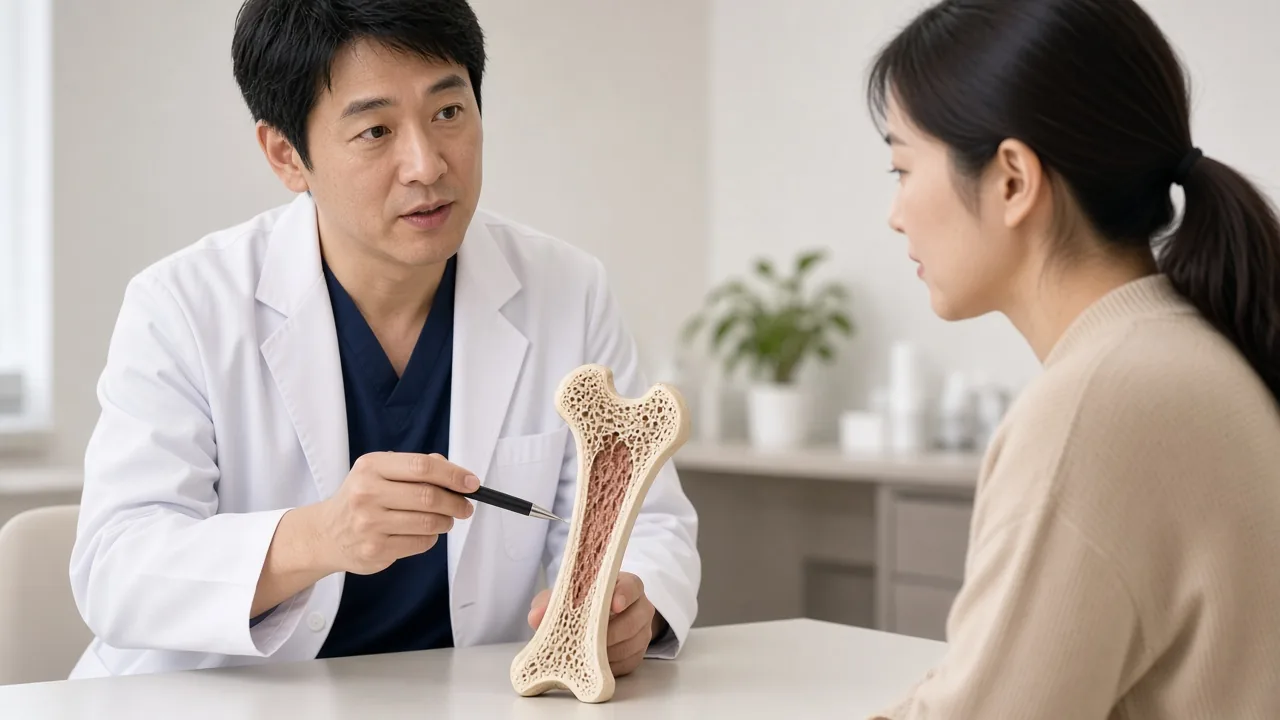
Multiple myeloma treatment in India has evolved with targeted medicines, monoclonal antibodies, proteasome inhibitors, immunomodulatory drugs, autologous stem cell transplantation and, for selected relapsed patients, T-cell–redirecting therapies. Treatment is not identical for every patient. A haematologist usually considers age, general health, kidney function, disease stage, cytogenetic risk, symptoms, previous treatment and transplant eligibility before naming a plan. Current international guidance also emphasises measuring the depth of response during therapy rather than relying only on symptoms or routine blood tests.
International patients comparing haematologists commonly start with city lists in Delhi NCR, Mumbai, Bengaluru, Chennai and Hyderabad. When autologous transplant is already on the table, lists in Delhi NCR, Mumbai, Bengaluru, Chennai and Hyderabad are the live facet. Bone-marrow-transplantation lists include Delhi NCR and Mumbai. Chemotherapy lists sit under medical oncology in Delhi NCR and Mumbai. Radiation lists include Delhi NCR external beam radiotherapy. Partner haematology hospitals are listed by the same five cities. Kolkata, Vellore, Pune and Ahmedabad may appear in published institutional or accreditation facts. They are not live GAF treatment-catalogue cities and are not sold as myeloma destinations on this page.
What is multiple myeloma?
Multiple myeloma is a cancer of plasma cells, a type of white blood cell that normally produces antibodies. Abnormal plasma cells multiply inside the bone marrow and can produce a monoclonal protein, also called M-protein or paraprotein. As they accumulate they can interfere with normal blood-cell production and damage bones, kidneys and other organs.
Multiple myeloma belongs to a group of plasma cell neoplasms. The spectrum includes MGUS, smoldering multiple myeloma, active multiple myeloma and plasmacytoma. Not every person with an abnormal plasma-cell population requires immediate treatment. MGUS, smoldering myeloma and plasmacytoma treatment pages are not live on this site. They remain sections on this pillar and point to the named modality sheets.

Multiple myeloma symptoms
Myeloma may develop without obvious symptoms in its early stages. When symptoms occur they can result from bone damage, anaemia, kidney impairment, high calcium or suppression of normal blood-cell production.
Common symptoms can include:
- Persistent bone pain, particularly in the back, ribs, hips or skull
- Bone fractures
- Fatigue and weakness
- Shortness of breath related to anaemia
- Frequent or recurrent infections
- Unexplained weight loss
- Increased thirst or frequent urination
- Nausea or constipation associated with high calcium
- Reduced kidney function
- Swelling of the legs in some patients
- Numbness or weakness when nerve or spinal structures are affected
These symptoms are not specific to myeloma. Diagnosis requires laboratory, imaging and bone-marrow investigations.
Ask whether current symptoms need a myeloma work-up
How is multiple myeloma diagnosed?
A diagnosis of active multiple myeloma is based on evidence of a clonal plasma-cell disorder together with specific myeloma-defining events. The International Myeloma Working Group uses the familiar CRAB features together with additional SLiM biomarkers.
CRAB criteria
- C – Calcium elevation. High blood calcium may occur when myeloma causes increased bone breakdown.
- R – Renal impairment. Light-chain deposition, dehydration and high calcium can damage the kidneys.
- A – Anaemia. Abnormal plasma cells crowd the marrow and reduce red-cell production.
- B – Bone lesions. Lytic lesions raise the risk of pain and fractures.
SLiM biomarkers
Some patients can have active myeloma even before conventional CRAB organ damage develops. Important myeloma-defining biomarkers include bone-marrow clonal plasma cells ≥60%, an involved-to-uninvolved serum free-light-chain ratio ≥100 with the required involved light-chain level, and more than one focal lesion on MRI measuring at least 5 mm. These criteria help specialists identify patients with a sufficiently high risk of progression who may benefit from treatment.

Tests used before treatment
A comprehensive assessment may include:
Blood tests. Complete blood count, haemoglobin, creatinine, calcium, albumin, total protein, LDH, beta-2 microglobulin, serum protein electrophoresis, serum immunofixation, quantitative immunoglobulins and serum free-light-chain assay.
Urine tests. Urine protein testing, urine electrophoresis, urine immunofixation and measurement of monoclonal light chains when indicated.
Bone marrow examination. Aspiration and biopsy, with flow cytometry, cytogenetics, FISH and molecular testing where appropriate. Neighbouring bone marrow biopsy planning is $300–$900. Neighbouring precision oncology planning is $2,000–$7,000 when FISH or molecular panels are named.
Imaging. Whole-body low-dose CT, PET-CT, MRI, or targeted CT or MRI when clinically indicated.
Send SPEP, free-light-chain and FISH reports
Staging and risk assessment
After diagnosis the haematology team evaluates how extensive and biologically aggressive the disease is. Common prognostic systems include the International Staging System (ISS) and Revised International Staging System (R-ISS). More detailed modern risk assessment can incorporate cytogenetic and molecular abnormalities. Examples of abnormalities associated with higher-risk disease include certain changes involving chromosomes 17, 4, 14, 16 and chromosome 1.
Risk classification matters because two patients with apparently similar myeloma may have substantially different disease biology. Treatment intensity, transplant strategy and maintenance can therefore differ.
Main treatment options
Treatment usually involves several stages rather than a single procedure. A simplified pathway is diagnosis, risk assessment, initial combination therapy, stem-cell collection where appropriate, autologous transplant for eligible patients, consolidation or maintenance, long-term monitoring, and treatment of relapse if it occurs. The actual sequence varies according to fitness, disease characteristics, response and available therapies.

Combination drug therapy
Modern myeloma treatment commonly combines drugs that attack the malignant plasma-cell population through different mechanisms. A combination may contain a proteasome inhibitor, an immunomodulatory drug, a corticosteroid and a monoclonal antibody. Using drugs with different mechanisms can produce deeper responses than relying on a single medicine.
Neighbouring chemotherapy planning is $1,500–$8,000+, typically as outpatient cycles over 3–6 months. Neighbouring targeted therapy planning is $8,000–$30,000. Neighbouring immunotherapy planning is $15,000–$45,000. Neighbouring antibody-drug conjugate therapy planning is $25,000–$70,000 when that class is named. There is no live daratumumab, bortezomib or quadruplet-package sheet.
Proteasome inhibitors
Proteasome inhibitors interfere with the protein-processing system inside myeloma cells. Commonly used medicines include bortezomib, carfilzomib and ixazomib. The choice depends on disease characteristics, previous treatment, kidney function, cardiovascular considerations, neuropathy risk and other clinical factors.
Immunomodulatory drugs
Immunomodulatory medicines used in myeloma include lenalidomide, pomalidomide and thalidomide. Lenalidomide has an important role both in combination treatment and as maintenance after autologous transplant. These medicines can have significant adverse effects and require specialist supervision.
Monoclonal antibody therapy
Monoclonal antibodies have become an important part of modern myeloma treatment. Examples include daratumumab, isatuximab and, in selected settings, elotuzumab. Daratumumab and isatuximab target CD38, a protein expressed on myeloma cells. Current ASCO guidance includes CD38-directed antibodies as part of recommended combinations for appropriate newly diagnosed patients, including both transplant-eligible and selected transplant-ineligible patients.
Ask which combination is being named
Initial treatment for transplant-eligible patients
Chronological age alone does not determine whether autologous transplantation is appropriate. Overall health, performance status, frailty, kidney function, other medical conditions and the ability to tolerate intensive treatment are considered. The 2026 ASCO Living Guideline recommends that transplant-eligible patients receive induction with a CD38-directed antibody combined with bortezomib, lenalidomide and dexamethasone. The guideline recommends approximately four months of induction before transplantation, although treatment can be adjusted. Commonly discussed regimens therefore include daratumumab plus bortezomib, lenalidomide and dexamethasone, or isatuximab plus the same backbone. The final regimen must be selected by the treating haematologist.
Autologous stem cell transplantation
Autologous stem cell transplantation (ASCT) remains an important part of treatment for suitable patients. Unlike an allogeneic transplant, an autologous transplant uses the patient's own blood-forming stem cells.
The process generally involves initial anti-myeloma treatment, stem-cell mobilisation, collection through apheresis, cryopreservation, high-dose chemotherapy commonly using melphalan, infusion of the patient's stem cells, recovery of blood-cell production, monitoring for infection, and subsequent maintenance. Current ASCO guidance recommends high-dose melphalan as the conditioning regimen and recommends collection of enough stem cells to potentially permit future transplantation when appropriate.
Neighbouring autologous stem cell transplant planning is $18,000–$48,000, typically 3–5 weeks in or near the unit. Comparable US planning is $140,000–$320,000. The neighbouring bone marrow transplantation umbrella is $25,000–$70,000 and is not a substitute autologous quote when ASCT has already been named. Neighbouring allogeneic stem cell transplant planning is $30,000–$80,000. Allogeneic transplant is not typical first-line myeloma care and is discussed only for selected refractory or high-risk situations.
Transplant lists sit on Bone Marrow Transplant in India.
How long does myeloma stem-cell transplant take?
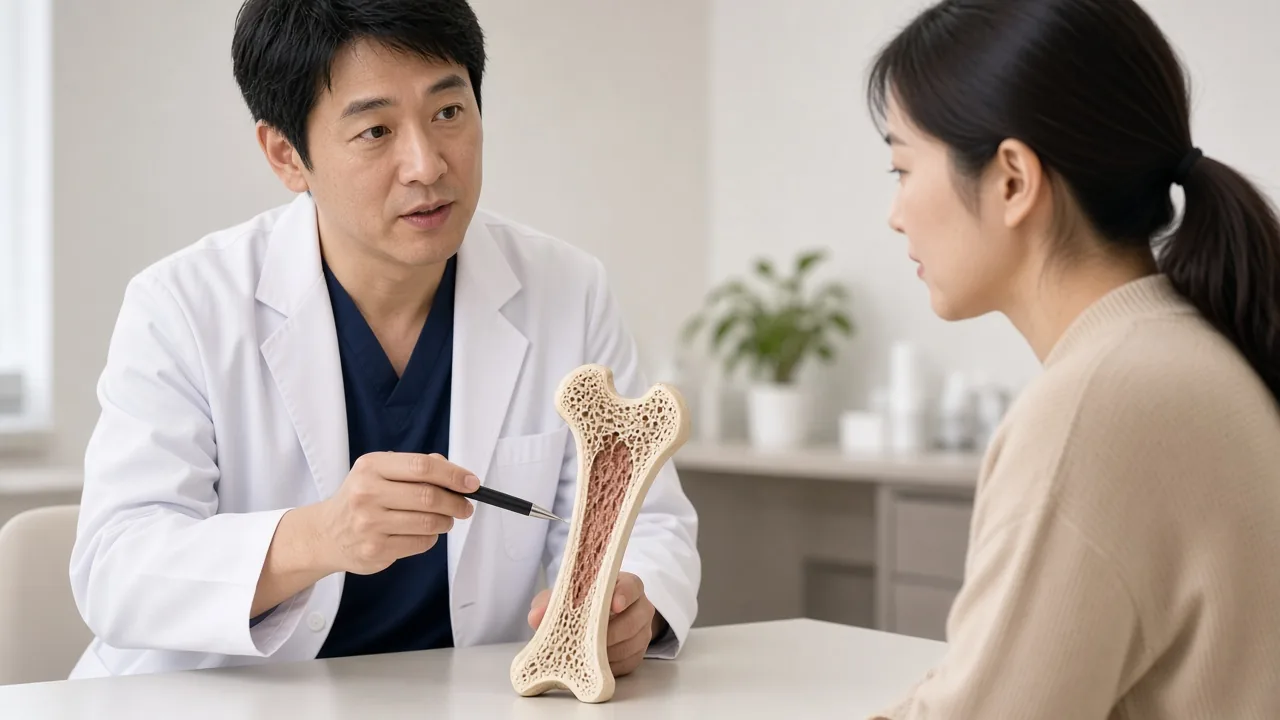
The exact duration varies. A typical pathway can involve several months of induction, stem-cell collection, high-dose chemotherapy, approximately several weeks of intensive transplant-related care, and long-term maintenance. International patients should generally plan additional time in India for pre-treatment evaluation, collection, admission, early recovery and follow-up. The treating centre should provide the expected length of stay before travel.
Maintenance therapy
Treatment does not necessarily end after a successful transplant. Maintenance is used to help maintain disease control. Lenalidomide is a key maintenance treatment recommended for transplant-eligible patients in current ASCO guidance. In selected patients, additional agents such as daratumumab or carfilzomib may be incorporated based on disease risk. Neighbouring maintenance therapy planning is $4,000–$18,000. Maintenance can continue for an extended period, so the plan should take into account disease risk, response depth, side effects, kidney function, blood counts, infection risk, preference and access to medicines.
Treatment for transplant-ineligible patients
Not every patient requires or can tolerate an autologous transplant. For patients who are not transplant candidates, treatment is increasingly individualised according to fitness and frailty. The 2026 ASCO Living Guideline recommends a CD38-targeted antibody combined with bortezomib, lenalidomide and dexamethasone for transplant-ineligible patients who are not frail and can tolerate quadruplet therapy. For patients who are not suitable for quadruplet therapy, daratumumab-lenalidomide-dexamethasone or bortezomib-lenalidomide-dexamethasone are among the guideline-supported alternatives. For older or frail patients, intensity may be reduced to balance disease control with quality of life.
Ask whether ASCT is being named
Treatment of relapsed multiple myeloma
Multiple myeloma is generally considered a chronic, relapsing blood cancer rather than a disease with a guaranteed permanent cure. A patient can achieve a deep response and later develop biochemical or clinical relapse. When relapse occurs the haematologist evaluates previous treatment, duration of response, whether the disease was refractory to a particular drug, cytogenetic risk, kidney and liver function, performance status, previous transplant, current disease burden and available clinical trials.
Treatment can involve a different combination of previously used drugs, new classes of medicines, cellular therapy or antibody-based treatments. NCI lists monoclonal antibodies, proteasome inhibitors, immunomodulatory drugs, CAR-T therapy, bispecific antibodies and other targeted approaches among the options used in relapsed or refractory disease.
CAR-T cell therapy for multiple myeloma
CAR-T therapy involves collecting a patient's T cells, modifying them so they can recognise a cancer-associated target, expanding the cells and then returning them to the patient. For myeloma, important CAR-T approaches target BCMA, or B-cell maturation antigen. Examples internationally include idecabtagene vicleucel and ciltacabtagene autoleucel. The FDA has approved BCMA-directed CAR-T products for selected patients with relapsed or refractory myeloma.
Is BCMA CAR-T available in India?
Patients need to distinguish CAR-T availability in India generally from CAR-T specifically approved for myeloma. India has approved indigenous CD19-directed CAR-T products for certain B-cell malignancies, but those products are not the same as BCMA-directed CAR-T used for myeloma. As of 2026, access to BCMA-directed CAR-T for myeloma in India may depend on clinical-trial or other specialised regulatory pathways rather than routine commercial availability. This status can change, so eligibility and availability should be confirmed before travel or financial arrangements.
Neighbouring CAR-T cell therapy planning is $80,000–$180,000 for apheresis plus 3–6 weeks nearby when a named product is actually available. Comparable US planning is $400,000–$550,000. That sheet is not a BCMA-myeloma quote and is not a substitute for CD19 products used in other blood cancers.
Bispecific antibody therapy
Bispecific antibodies are designed to bring immune cells, particularly T cells, into contact with malignant plasma cells. Examples used internationally include teclistamab, elranatamab and talquetamab. These treatments can be relevant for patients whose disease has become resistant to several conventional drug classes. The 2026 ASCO Living Guideline recognises T-cell–redirecting therapies and bispecific antibodies as important options in appropriate relapsed or refractory settings. There is no live bispecific-antibody package on this site. Neighbouring immunotherapy or CAR-T sheets are not a substitute quote.
Ask whether a named relapse product is available
Radiation, bone disease and kidney care
Radiotherapy does not usually treat systemic myeloma throughout the body. It can have an important role in selected situations, including severe localised bone pain, a plasmacytoma, lesions threatening structural stability, selected spinal lesions, or compression of important structures. Neighbouring external beam radiotherapy planning is $1,000–$6,000+, typically 15–35 sessions over 4–7 weeks. Neighbouring IMRT planning is $6,500–$14,500 when that technique is named.
Bone complications may require bisphosphonates or, in selected situations, denosumab. Dental evaluation may be recommended before certain bone-directed therapies because of the risk of medication-related osteonecrosis of the jaw. Patients may also require calcium and vitamin D assessment, pain management, physiotherapy, orthopaedic intervention for selected fractures, or vertebral procedures in carefully selected cases.
Kidney impairment may require rapid control of the underlying myeloma, adequate hydration when medically appropriate, avoidance of potentially harmful medicines, monitoring of creatinine and electrolytes, nephrology consultation, and dialysis in severe cases. Patients with kidney impairment require particularly careful selection and dosing of anti-myeloma medicines.
Supportive care may include transfusion when clinically indicated, infection prevention, antiviral prophylaxis, antibiotics, vaccination planning and growth-factor support in selected cases.
Typical treatment pathway
| Treatment stage | What may happen |
|---|---|
| Diagnosis | Blood, urine, bone marrow and imaging evaluation |
| Risk assessment | ISS or R-ISS and cytogenetic or molecular evaluation |
| Initial therapy | Combination of targeted drugs, immunomodulatory medicines, steroids and/or monoclonal antibodies |
| Stem-cell evaluation | Assessment for autologous transplant |
| Stem-cell collection | Mobilisation and apheresis when appropriate |
| ASCT | High-dose chemotherapy followed by stem-cell infusion |
| Consolidation | Additional therapy in selected patients |
| Maintenance | Often lenalidomide-based after transplant |
| Monitoring | Blood and urine markers, imaging and clinical assessment |
| Relapse | New combination therapy, cellular therapy, bispecific antibody or clinical trial depending on eligibility |
This is a general pathway, not a prescription for an individual patient.
Multiple myeloma treatment cost in India
There is no single fixed cost for myeloma treatment in India. The total expenditure can vary substantially because treatment may continue over months or years, and the medicines used can differ considerably. GAF publishes neighbouring USD partner ranges for the named modality. Those ranges are not a myeloma package, not a daratumumab quote and not a public-hospital rupee study.
| Treatment component | Neighbouring GAF USD planning range | Typical stay or cadence |
|---|---|---|
| Bone marrow biopsy | $300–$900 | Day-care sampling |
| Precision oncology / FISH panels | $2,000–$7,000 | Outpatient when named |
| Chemotherapy / induction cycles | $1,500–$8,000+ | Outpatient cycles over 3–6 months |
| Targeted therapy | $8,000–$30,000 | Cycle-based |
| Immunotherapy / CD38 antibodies | $15,000–$45,000 | Cycle-based when named |
| Antibody-drug conjugate therapy | $25,000–$70,000 | When that class is named |
| Maintenance therapy | $4,000–$18,000 | Extended outpatient medicines |
| External beam radiotherapy | $1,000–$6,000+ | 15–35 sessions over 4–7 weeks |
| Autologous stem cell transplant | $18,000–$48,000 | Typically 3–5 weeks in or near the unit |
| Bone marrow transplantation umbrella | $25,000–$70,000 | 4–8 weeks; not a substitute ASCT quote |
| Allogeneic stem cell transplant | $30,000–$80,000 | 6–10 weeks; not typical first-line myeloma |
| CAR-T cell therapy | $80,000–$180,000 | Apheresis + 3–6 weeks nearby when a named product is available |
Comparable US autologous-transplant planning is $140,000–$320,000. Comparable US bone-marrow-transplantation planning is $150,000–$400,000. Comparable US allogeneic planning is $200,000–$420,000. Comparable US CAR-T planning is $400,000–$550,000. Comparable US chemotherapy planning is $10,000–$50,000. Comparable US EBRT planning is $12,000–$25,000.
Published Indian public-sector or hospital-based cost studies are historical benchmarks. They are not current GAF partner quotations and are not used on this page.
The bill can increase when a patient requires intensive combination therapy, long-term monoclonal antibody treatment, stem-cell transplantation, prolonged hospitalisation, ICU management, dialysis, treatment of severe infection, management of fractures or spinal complications, multiple lines of therapy, or cellular or T-cell–redirecting therapy. Comparing hospitals only by an initial package price can be misleading.
Request an itemised myeloma estimate
Where myeloma is treated
Myeloma is best managed at a centre with a strong haematology and haemato-oncology programme, particularly when transplantation or advanced therapy may be required. International patients should look at haematology specialists with myeloma experience, a bone-marrow transplant programme, stem-cell collection and cryopreservation, intensive-care support, molecular and cytogenetic testing, PET-CT and advanced imaging, blood-bank support, infectious-disease support, nephrology, access to clinical trials, availability of advanced therapies, international-patient services and transparent cost estimates.
Live GAF haematology hospital lists sit in Delhi NCR, Mumbai, Bengaluru, Chennai and Hyderabad. Autologous-transplant cost lists sit at Autologous Stem Cell Transplant cost in Delhi NCR and Bone Marrow Transplantation cost in Mumbai.
Kolkata, Vellore, Pune and Ahmedabad are not live catalogue cities. They may appear only as published institutional or accreditation facts. Fortis Memorial Research Institute, Gurugram, has publicly described a haematology and bone-marrow-transplant programme that treats myeloma; that is a published centre fact, not a ranking.
The most appropriate hospital depends on the patient's specific treatment requirements rather than a hospital's overall reputation.
Why international patients consider India
International patients may consider India when they require complex haematology care, transplant services or access to modern cancer medicines. Potential advantages include experienced haematology and oncology teams, dedicated bone-marrow transplant centres, modern diagnostic infrastructure, availability of multiple treatment approaches, multidisciplinary cancer care, potentially lower treatment expenditure than many Western countries when the same named modality is compared, international-patient departments, English-speaking medical teams, and support with medical visas, appointments and treatment coordination. Patients should compare the complete treatment plan, not just an advertised price.
International patient journey
International patients usually begin with a remote medical-record review. A useful file may contain a biopsy or bone-marrow report, CBC reports, serum electrophoresis, immunofixation, free-light-chain results, kidney-function reports, calcium levels, PET-CT, CT or MRI reports, FISH or cytogenetic reports, previous treatment records, a medication list, transplant history and previous response assessments. A haematologist can then determine which additional tests are needed after arrival.
A typical journey is: send medical records; receive an initial treatment opinion; travel to India; complete evaluation; begin treatment; continue treatment or undergo transplant; and arrange follow-up. Where clinically appropriate, parts of long-term monitoring may subsequently be coordinated with the patient's local haematologist.
There is no single treatment duration. Initial drug therapy may continue for several months. Patients proceeding to autologous transplantation require additional time for collection, conditioning, admission and recovery. Maintenance may then continue for an extended period. Relapsed disease can require another treatment course. The hospital should provide a phase-by-phase timeline before travel whenever possible.
Side effects and emergencies
Side effects depend heavily on the drugs and procedures used. Possible adverse effects include fatigue, nausea, reduced blood counts, infection, peripheral neuropathy, diarrhoea or constipation, infusion-related reactions, increased risk of blood clots with certain medicines, kidney or electrolyte abnormalities, increased blood-sugar levels with steroids, bone complications, mucositis following high-dose chemotherapy, infertility or reproductive effects in selected patients, and secondary malignancies in some long-term treatment settings.
Fever during neutropenia, uncontrolled bleeding, sudden breathlessness, new severe bone pain with weakness or numbness in the legs suggesting possible cord compression, or sudden confusion belongs in a local emergency department first. WhatsApp at +91 90443 46292 is for planned coordination, not emergency care. A coordinator can also open WhatsApp.
How treatment response is monitored
Doctors may monitor M-protein, serum free light chains, immunofixation, blood counts, kidney function, calcium, imaging findings, bone-marrow plasma-cell percentage and minimal residual disease (MRD) when appropriate. Current ASCO guidance recommends assessing depth of response using IMWG criteria and recognises MRD as a valuable tool, although MRD should not be interpreted as the only measure of treatment success.
Minimal residual disease refers to very small numbers of abnormal plasma cells that may remain after treatment even when conventional tests show an excellent response. MRD testing can be performed using highly sensitive techniques, including specialised flow cytometry or molecular methods. A patient should not make treatment decisions based on an MRD result alone. It needs to be interpreted alongside disease biology, imaging, clinical status and the overall treatment strategy.
Is multiple myeloma curable?
Multiple myeloma is generally regarded as a treatable but usually incurable blood cancer. This does not mean that treatment cannot produce very long periods of disease control. Modern therapies can produce deep responses, and treatment continues to evolve. Some patients can live for many years with myeloma while receiving sequential treatments.
The prognosis varies according to age, general health, disease stage, cytogenetic risk, kidney function, response to initial treatment, depth and duration of response, MRD status and response to subsequent treatments. NCI notes that although myeloma is not generally considered curable, advances in therapy have allowed it to be managed as a chronic disease in some patients.
It is not appropriate to predict an individual's outcome from the diagnosis alone. Patients should ask their haematologist about stage, standard-risk or high-risk biology, genetic abnormalities, ASCT eligibility, depth of response, whether MRD testing is appropriate, the maintenance plan, what happens if the disease returns, and which clinical trials may be relevant.
Multiple myeloma vs leukemia and lymphoma
Multiple myeloma and leukemia are both blood cancers, but they are different diseases. Myeloma originates from abnormal plasma cells, primarily in the bone marrow. Leukemia generally involves malignant blood-forming cells and is classified into several distinct diseases, including ALL, AML, CLL and CML. Their diagnostic tests, treatment regimens and transplant strategies can therefore be very different. Leukemia lists sit on Leukemia Treatment in India.
Myeloma and lymphoma are also different types of haematological cancer. Myeloma originates from plasma cells, whereas lymphoma generally develops from lymphocytes and commonly involves lymph nodes or other lymphatic tissues. Some treatments overlap, but the diagnostic approach and treatment strategy are different. Lymphoma lists sit on Lymphoma Treatment in India.
Inherited marrow-failure lists sit on Thalassemia Treatment in India and Sickle Cell Anemia Treatment in India. Transplant lists sit on Bone Marrow Transplant in India.
MGUS, smoldering-myeloma, plasmacytoma, daratumumab, bispecific-antibody and BCMA-CAR-T treatment pages are not live on this site. Use the named modality sheets rather than an invented disease page. Aplastic anemia lists sit on Aplastic Anemia Treatment in India. Autologous transplant lists sit on Autologous Bone Marrow Transplant in India. Fanconi anemia lists sit on Fanconi Anemia Treatment in India.
Questions to ask a myeloma specialist
- What type of multiple myeloma do I have?
- Is it active myeloma or smoldering myeloma?
- What is my ISS or R-ISS stage?
- What do my FISH or cytogenetic results show?
- Am I transplant eligible?
- Which induction regimen do you recommend?
- How many cycles will I need before stem-cell collection?
- Should I undergo autologous stem cell transplantation?
- What is the expected transplant timeline?
- What maintenance treatment will I need?
- How will treatment response be measured?
- Should MRD testing be performed?
- What are the major side effects?
- How will kidney and bone complications be managed?
- What will happen if the disease relapses?
- Are clinical trials or named BCMA products available?
- What is the estimated total cost on neighbouring GAF USD sheets?
- What costs are excluded from that estimate?
- How long should an international patient stay in India?
- Can follow-up treatment be coordinated with my local doctor?
Send those twenty answers with the reports
Frequently asked questions
What is the best treatment for multiple myeloma? There is no single treatment that is best for every patient. Treatment depends on transplant eligibility, disease risk, kidney function, age, frailty, previous treatment and other clinical factors. Modern treatment commonly combines targeted drugs, immunomodulatory medicines, corticosteroids and monoclonal antibodies, with autologous transplantation for suitable patients.
Is multiple myeloma curable in India? Multiple myeloma is generally not considered curable, but it can often be controlled for long periods. Treatment in India follows modern approaches including combination drug therapy, stem-cell transplantation and selected advanced therapies.
How much does multiple myeloma treatment cost in India? The cost varies widely. Neighbouring GAF USD sheets name the procedure that is actually booked. Autologous transplant planning is $18,000–$48,000. Chemotherapy is $1,500–$8,000+. Targeted therapy is $8,000–$30,000. Immunotherapy is $15,000–$45,000. Maintenance is $4,000–$18,000. CAR-T is $80,000–$180,000 when a named product is available. A patient-specific itemised estimate is necessary for an accurate figure.
Is bone marrow transplant required for multiple myeloma? Not every patient requires transplantation. Autologous stem cell transplantation is an important option for patients who are medically suitable. Eligibility is determined by overall health, frailty, organ function and disease characteristics rather than age alone.
What is the success rate of multiple myeloma treatment in India? A single success rate is misleading because myeloma is a chronic disease with different response categories and treatment phases. Specialists evaluate response using laboratory markers, imaging, bone-marrow assessment and sometimes MRD testing.
Can multiple myeloma be treated without chemotherapy? Modern myeloma treatment often includes targeted medicines, monoclonal antibodies and immunomodulatory drugs. Some treatment plans may contain little or no conventional cytotoxic chemotherapy, depending on the patient's circumstances. High-dose chemotherapy with melphalan is used as conditioning before autologous transplantation.
Is CAR-T available for multiple myeloma in India? CAR-T availability for myeloma is different from the availability of CAR-T for other blood cancers. BCMA-directed CAR-T is an important treatment internationally, but its regulatory and commercial availability in India should be confirmed for the specific patient because India's approved indigenous CAR-T products target CD19 rather than BCMA.
Can multiple myeloma come back after a stem cell transplant? Yes. Autologous transplantation can produce deep and prolonged responses, but relapse can still occur. If relapse develops, additional treatments may include targeted combinations, monoclonal antibodies, bispecific antibodies, CAR-T therapy where available and clinical trials.
How long can a person live with multiple myeloma? Survival varies greatly. Modern treatments have substantially changed the natural history of myeloma, and some patients live for many years with repeated periods of disease control. Individual prognosis should be discussed using the patient's stage, cytogenetics, response and overall health rather than a generic number.
Which tests are most important before starting treatment? Commonly important tests include CBC, kidney function, calcium, serum protein electrophoresis, immunofixation, free light chains, bone-marrow examination with appropriate ancillary studies, and imaging. The exact work-up is determined by the treating haematologist.
Can international patients receive multiple myeloma treatment in India? Yes. International patients can seek evaluation and treatment at Indian hospitals with haematology and transplant programmes. Medical records should ideally be reviewed before travel so that the likely pathway, required investigations and expected duration of stay can be discussed in advance.
Key takeaways
- Multiple myeloma is a cancer of plasma cells in the bone marrow.
- Diagnosis uses bone-marrow findings together with CRAB or SLiM myeloma-defining events.
- Treatment is individualised according to disease biology and patient fitness.
- Modern treatment commonly combines several classes of anti-myeloma medicines.
- Autologous stem cell transplantation remains an important option for eligible patients.
- Lenalidomide is a major maintenance therapy after transplantation.
- Relapsed myeloma can be treated with several newer classes of medicines.
- Bispecific antibodies and CAR-T therapies have expanded options for selected relapsed or refractory patients.
- BCMA-directed CAR-T availability in India needs case-by-case confirmation.
- Neighbouring GAF USD sheets name the booked modality. There is no live myeloma package.
- International patients should obtain an individualised treatment plan and itemised quotation before travelling.
Medical disclaimer
This page is intended for general educational and medical-travel information. It does not replace consultation with a qualified haematologist or oncologist. Myeloma treatment must be individualised. Drug selection, transplant eligibility, dosing, treatment duration and the use of advanced therapies depend on the patient's medical condition, disease biology, previous treatment and applicable regulatory approvals. Patients should have their medical records reviewed by a qualified specialist before making treatment or travel decisions.
Fever during neutropenia, uncontrolled bleeding, sudden breathlessness, new severe bone pain with weakness or numbness in the legs, or sudden confusion belongs in a local emergency department, not on WhatsApp.
Sources
- ASCO Living Guideline: Treatment of Multiple Myeloma, Version 2026.1.1 — current recommendations covering induction, transplant, maintenance and relapsed disease.
- NCI Plasma Cell Neoplasms Including Multiple Myeloma Treatment PDQ — comprehensive overview of current treatment approaches and relapsed disease.
- International Myeloma Working Group Diagnostic Criteria — CRAB and SLiM criteria, laboratory evaluation, bone-marrow testing and imaging.
- International Myeloma Foundation Diagnostic Criteria — patient-oriented explanation of active myeloma and myeloma-defining events.
- IMWG Uniform Response Criteria — framework for assessing response and progression.
- ESMO Multiple Myeloma Guide for Patients — overview of treatment strategies and management of relapsed disease.
- FDA: first cell-based gene therapy for adult patients with multiple myeloma — regulatory background on idecabtagene vicleucel.
- NCI Advances in Multiple Myeloma Research — overview of emerging therapies including immunotherapy and CAR-T approaches.
- GAF autologous stem cell transplant cost sheet — live partner planning range $18,000–$48,000.
- GAF bone marrow transplantation cost sheet — live partner planning range $25,000–$70,000.
Treatment Process
- 1
Share reports
The patient provides SPEP, immunofixation, free-light-chain, marrow, FISH and imaging reports before anyone books travel.
- 2
Virtual haematology opinion
A haematologist reviews whether the case is newly diagnosed, transplant-eligible, transplant-ineligible or relapsed.
- 3
Name the pathway
The team writes induction, autologous transplant, maintenance or a named relapse product as separate items.
- 4
Itemized estimate
There is no single myeloma package. Neighbouring autologous transplant is $18,000–$48,000. Neighbouring chemotherapy is $1,500–$8,000+.
- 5
Travel to India
Stable planned cases travel after records review. Fever during neutropenia or cord-compression signs is a local emergency.
- 6
Repeat essential tests
The receiving unit confirms blood, marrow, kidney and imaging findings after arrival.
- 7
Deliver the named pathway
Induction, collection, ASCT or maintenance proceeds only after risk and fitness are named.
- 8
Response review
M-protein, free light chains, imaging and selected MRD testing decide whether another line is honest.
- 9
Return home
The patient leaves with medicine lists, infection rules, warning signs and a remote-follow-up plan.