
Treatment Overview

Aplastic anemia treatment in India includes advanced haematology care, blood and platelet transfusions, immunosuppressive therapy, eltrombopag-based treatment, and allogeneic hematopoietic stem cell transplantation (bone marrow transplant), depending on the severity of the disease, age, general health, donor availability and previous treatment.
For patients with severe or very severe aplastic anemia, treatment should be planned promptly at a specialised haematology and bone marrow transplant centre. For eligible younger patients with a suitable donor, allogeneic stem cell transplantation can provide a potentially curative treatment. For patients who are not immediate transplant candidates, immunosuppressive therapy — commonly involving antithymocyte globulin (ATG), cyclosporine and, increasingly, eltrombopag — is an important treatment approach.
There is no single GAF aplastic-anemia cost sheet. ATG, cyclosporine, eltrombopag, transfusion cycles and infection care are hospital-priced products, not a nationwide package. Neighbouring allogeneic stem cell transplant planning is $30,000–$80,000, typically 6–10 weeks nearby. The neighbouring bone marrow transplantation umbrella is $25,000–$70,000, typically 4–8 weeks in or near the unit. Neighbouring haploidentical stem cell transplant is $35,000–$85,000. Neighbouring matched unrelated donor transplant is $40,000–$95,000. Neighbouring pediatric bone marrow transplantation is $28,000–$75,000. Neighbouring matched sibling donor transplant is $28,000–$70,000. Neighbouring hematopoietic stem cell transplantation is $24,000–$70,000. Neighbouring bone marrow biopsy is $300–$900 (day-care). Neighbouring precision oncology is $2,000–$7,000 when a genetic panel plus clinic visit is the named product. Comparable US allogeneic planning is $200,000–$420,000. Comparable US BMT planning is $150,000–$400,000. These are planning ranges from partner hospital cost sheets, not hospital quotations.
India has published experience with matched-sibling transplantation, immunosuppressive therapy and alternative-donor transplantation for bone marrow failure. That is institutional evidence, not a GAF ranking.
International patients comparing haematologists commonly start with city lists in Delhi NCR, Mumbai, Bengaluru, Chennai and Hyderabad. When a graft is already on the table, allogeneic lists include Delhi NCR allogeneic stem cell transplant and Mumbai allogeneic stem cell transplant. Bone-marrow-transplantation lists sit in Delhi NCR, Mumbai, Bengaluru, Chennai and Hyderabad. Paediatric lists include Delhi NCR paediatric haematology and Chennai paediatric haematology. Partner haematology hospitals are listed in the same five cities. City cost sheets include Delhi NCR allogeneic stem cell transplant and Mumbai bone marrow transplantation. Kolkata, Vellore, Pune, Ahmedabad, Gurugram and Chandigarh may appear in published institutional facts. They are not live GAF catalogue cities.
What is aplastic anemia?
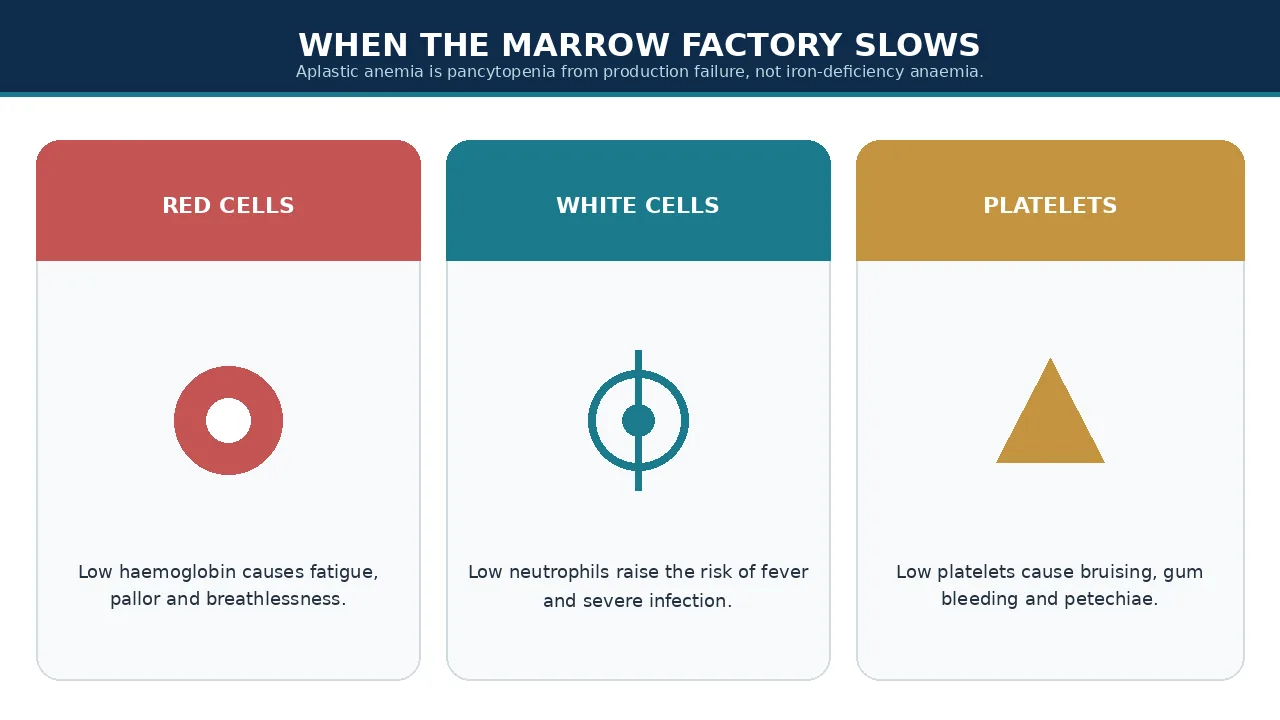
Aplastic anemia is a condition in which the bone marrow becomes markedly reduced or damaged and cannot produce adequate numbers of blood cells. The marrow normally acts as the body's blood-cell factory. It produces red blood cells, which carry oxygen; white blood cells, which help fight infections; and platelets, which help control bleeding.
When production falls, a patient may develop pancytopenia, meaning low levels of all three major blood-cell types. Low red cells cause tiredness and breathlessness. Low platelets cause bruising or bleeding. Low white cells — particularly neutrophils — make serious infections more likely.
Aplastic anemia is different from ordinary nutritional anaemia. Iron-deficiency anaemia occurs because the body does not have enough iron to make adequate haemoglobin. Aplastic anemia is primarily a bone-marrow production failure and requires a different diagnostic and treatment approach.
Is aplastic anemia a cancer?
No. Aplastic anemia is not itself a cancer. It is classified as a bone marrow failure disorder.
It can be associated with clonal disorders such as paroxysmal nocturnal haemoglobinuria (PNH), and a small proportion of patients can later develop myelodysplastic syndrome or acute myeloid leukemia. That is one reason long-term haematology follow-up is important. PNH, MDS and aplastic-anemia-BMT treatment pages are not live on this site. Use this pillar page plus the named modality sheets. Autologous transplant lists sit on Autologous Bone Marrow Transplant in India. Fanconi anemia lists sit on Fanconi Anemia Treatment in India.
Leukemia lists sit on Leukemia Treatment in India. Myeloma lists sit on Multiple Myeloma Treatment in India. Lymphoma lists sit on Lymphoma Treatment in India.
Ask whether current counts need a marrow-failure work-up
Types of aplastic anemia
Acquired aplastic anemia
Acquired aplastic anemia develops during a person's lifetime. In many patients no single cause can be identified. In other cases bone-marrow failure may be associated with immune-mediated mechanisms, medications, toxins, radiation, infections or other medical conditions.
Inherited bone marrow failure syndromes
Some patients — particularly children and young adults — may have an inherited bone marrow failure syndrome that resembles aplastic anemia. Examples include Fanconi anemia, telomere biology disorders, dyskeratosis congenita, certain inherited immune disorders and other genetic marrow-failure syndromes.
This distinction matters because inherited disorders can influence the conditioning regimen, donor selection, transplant timing and long-term monitoring. Indian paediatric consensus recommendations specifically emphasise ruling out inherited bone marrow failure syndromes when evaluating children.
Inherited-marrow-failure lists that are live on this site sit on Thalassemia Treatment in India and Sickle Cell Anemia Treatment in India. Fanconi-anemia and dyskeratosis-congenita pages are not live.
Severe and very severe aplastic anemia
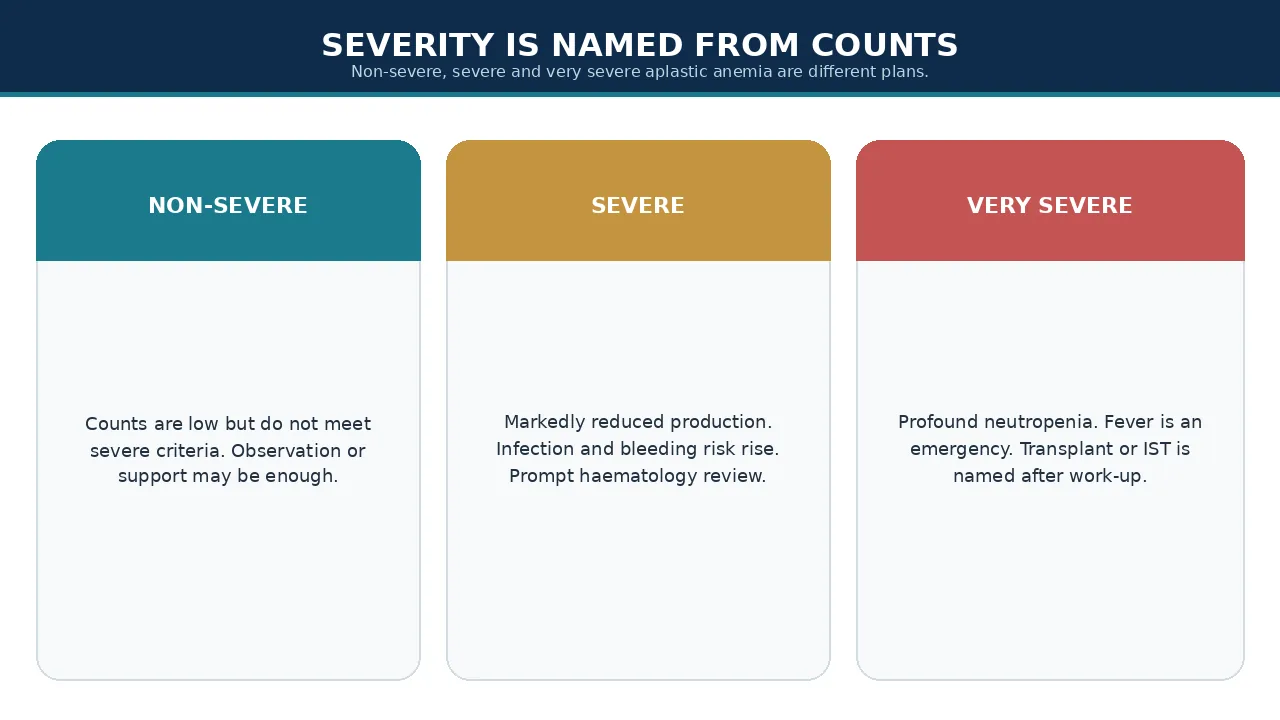
Doctors assess severity using blood counts, particularly the neutrophil and platelet counts, together with bone-marrow findings.
- Non-severe aplastic anemia. Counts are reduced but do not meet criteria for severe disease. Management may involve observation, supportive treatment or disease-directed therapy.
- Severe aplastic anemia. Substantially reduced blood-cell production with a significant risk of infection and bleeding.
- Very severe aplastic anemia. An even higher-risk form, particularly because of profound neutropenia.
Patients with severe or very severe disease require prompt assessment by a haematologist, ideally at a centre experienced in bone marrow failure and stem-cell transplantation.
Symptoms
Symptoms develop because the body does not have enough functioning blood cells.
Low red blood cells. Persistent fatigue, weakness, pale skin, dizziness, shortness of breath, reduced exercise tolerance and a rapid heartbeat.
Low platelets. Easy bruising, nosebleeds, bleeding gums, excessive menstrual bleeding, small red or purple spots on the skin and prolonged bleeding after minor injuries.
Low white blood cells. Recurrent infections, fever, chills, mouth ulcers, sore throat and persistent or severe infections.
A high fever in a patient with severe neutropenia can represent a medical emergency.
What causes aplastic anemia?
Possible associations include immune-mediated bone-marrow destruction, certain medications, chemotherapy, radiation exposure, certain chemical or toxin exposures, some viral infections, autoimmune disorders, pregnancy-associated disease and inherited bone marrow failure syndromes. NHLBI notes that certain medicines, chemotherapy and environmental toxins can be associated with aplastic anemia, while some cases are inherited.
A patient should not assume that a particular medication or exposure caused the disease without a medical evaluation.
How is aplastic anemia diagnosed?
Diagnosis requires more than a routine blood test. A haematologist usually combines history, examination, blood counts, bone-marrow examination and additional investigations.
Complete blood count. Haemoglobin, white cells, neutrophils, platelets and red-cell indices. Aplastic anemia typically produces reductions in multiple blood-cell lines.
Peripheral blood smear. Allows the haematologist to look for abnormalities that may point toward another diagnosis.
Bone marrow aspiration and biopsy. Central to the diagnosis. In aplastic anemia the marrow is typically markedly hypocellular. Neighbouring bone marrow biopsy planning is $300–$900. Indian paediatric consensus recommendations state that bone-marrow biopsy is required to establish the diagnosis in children.
HLA typing. Performed when stem-cell transplantation is being considered. The patient's HLA type may be compared with brothers and sisters, other family members, unrelated donor registries and alternative donors where appropriate.
Testing for PNH. Patients are commonly evaluated for a PNH clone because PNH can coexist with bone-marrow failure.
Testing for inherited bone marrow failure. Particularly important in children, adolescents and selected young adults. Testing may include chromosomal-breakage studies, telomere testing, genetic panels and other specialised investigations. Neighbouring precision oncology is $2,000–$7,000 only when a named genetic panel plus clinic visit is the product.
Infection and other investigations. Doctors may test for relevant viral infections and investigate other causes of pancytopenia. The work-up is individualised.
Send CBC, marrow and HLA reports
Main treatment options
Treatment depends on age, disease severity, overall health, infection status, blood counts, HLA typing, availability of a matched donor, previous transfusions, previous treatment, presence of PNH or another associated disorder, and whether inherited marrow failure has been excluded.
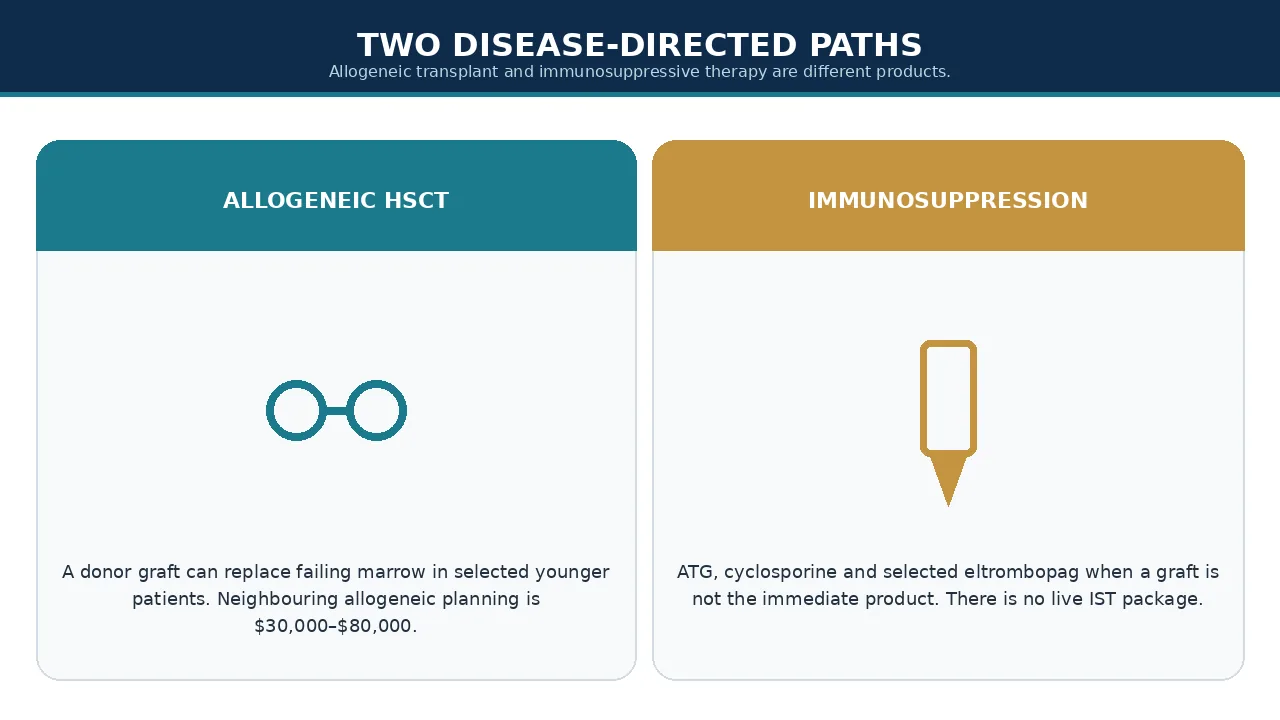
The two major disease-directed strategies for severe disease are allogeneic hematopoietic stem cell transplantation and immunosuppressive therapy. Supportive care is also essential.
Allogeneic stem cell transplantation
An allogeneic hematopoietic stem cell transplant replaces the patient's failing blood-forming system with healthy blood-forming stem cells from a donor. It is commonly called bone marrow transplant, BMT, hematopoietic stem cell transplant, HSCT or allogeneic stem cell transplantation.
For appropriately selected patients with severe aplastic anemia, transplantation can offer a potentially curative treatment. The EBMT identifies an HLA-identical sibling donor as a preferred transplant option for severe aplastic anemia in appropriate patients.
Autologous transplant uses the patient's own cells and is not the typical product for aplastic anemia, because the patient's marrow is already failing. Neighbouring autologous sheets are not a substitute allogeneic quote.
Who may need a transplant?
Factors include severe or very severe disease, younger age, good performance status, availability of a suitable donor, HLA matching, previous treatment, transfusion history, infection status and other medical conditions. For a young patient with severe aplastic anemia and an HLA-matched sibling donor, transplantation may be considered as a frontline treatment.
The situation becomes more complex when there is no matched sibling. Doctors may consider unrelated or haploidentical donors, or immunosuppressive therapy, depending on age, risk and local expertise.
Types of stem-cell donors
Matched sibling donor. An HLA-matched sibling is traditionally an important option. A sibling is not automatically a match, so HLA testing is required. Neighbouring matched sibling donor transplant planning is $28,000–$70,000.
Matched unrelated donor. If a matched sibling is unavailable, an appropriately matched unrelated donor may be considered. Neighbouring matched unrelated donor transplant planning is $40,000–$95,000.
Haploidentical donor. A partially matched family member, often a parent, child or sibling. Advances in conditioning and GVHD prevention have made haploidentical transplantation an increasingly important option. Neighbouring haploidentical stem cell transplant planning is $35,000–$85,000. Indian data also demonstrate the growing role of haploidentical transplantation in severe aplastic anemia.
Neighbouring allogeneic stem cell transplant planning is $30,000–$80,000. The neighbouring bone marrow transplantation umbrella is $25,000–$70,000 and is not a substitute allogeneic quote when the graft type has already been named. Neighbouring pediatric bone marrow transplantation is $28,000–$75,000. Neighbouring hematopoietic stem cell transplantation is $24,000–$70,000.
Transplant lists sit on Bone Marrow Transplant in India.
How is the transplant performed?
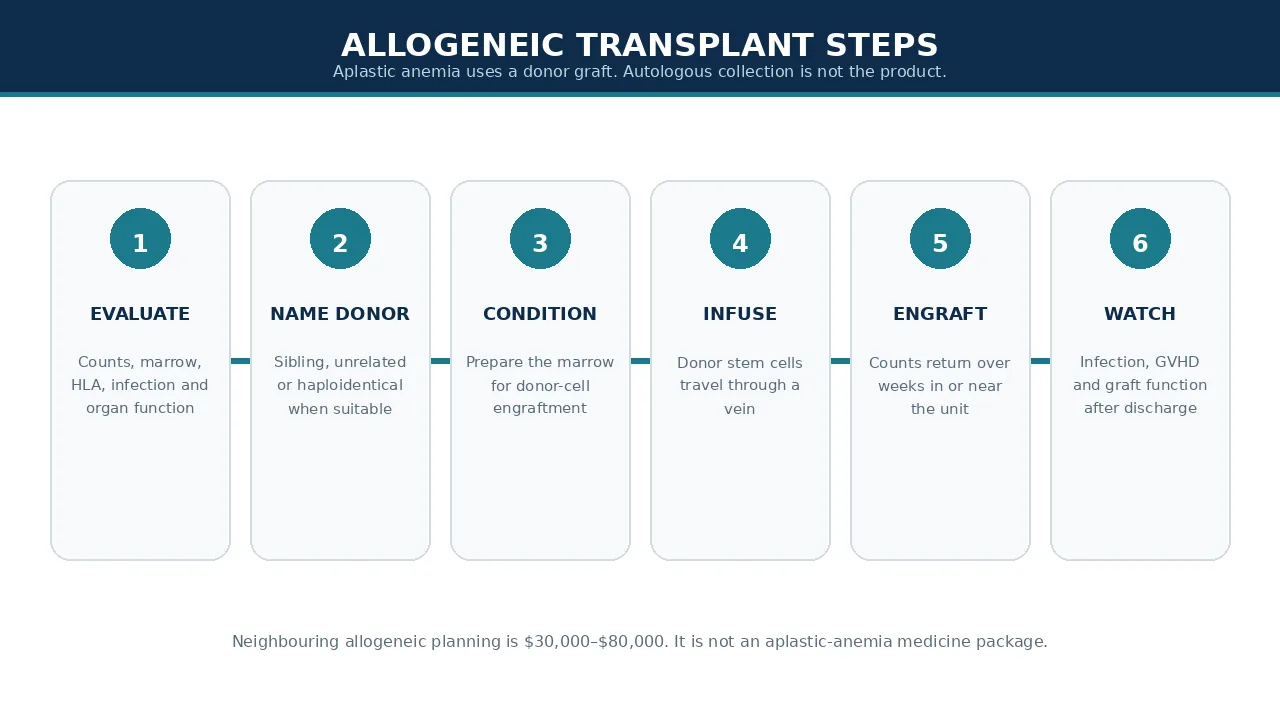
- Detailed evaluation. Blood counts, marrow findings, HLA typing, infection status, organ function, previous transfusions, previous treatments and donor suitability.
- Donor selection. The team identifies the most appropriate available donor.
- Conditioning. A regimen creates an appropriate environment for donor-cell engraftment while limiting unnecessary toxicity.
- Stem-cell infusion. Donor hematopoietic stem cells are administered intravenously.
- Engraftment. The team monitors blood counts until the new cells produce adequate blood cells.
- Infection and GVHD prevention. Medicines and close monitoring reduce the risk of infections and graft-versus-host disease.
- Long-term follow-up. Blood counts, graft function, infections, GVHD, organ function, immune recovery, vaccination and late complications.
Risks of transplant
A transplant can be potentially curative, but it is a major medical procedure. Potential complications include infections, graft failure, graft-versus-host disease, bleeding, organ toxicity, infertility, transfusion-related complications, viral reactivation, long-term immune complications and secondary health problems.
The risk profile varies according to age, donor type, conditioning, previous treatment, infection status and centre experience. An Indian Northern India series of 111 patients with severe aplastic anemia reported different outcomes between matched-related and haploidentical transplantation and identified sepsis as an important cause of mortality. Those figures should not be used as an individual patient's predicted outcome.
Ask whether a named donor graft is being planned
Immunosuppressive therapy
Not every patient with severe aplastic anemia undergoes transplantation. Immunosuppressive therapy is an important option when transplantation is not immediately appropriate.
In many cases of acquired aplastic anemia the patient's immune system contributes to destruction or suppression of hematopoietic stem cells. Immunosuppressive treatment aims to reduce that attack and allow remaining marrow stem cells to recover.
ATG + cyclosporine. A commonly used backbone consists of antithymocyte globulin and cyclosporine. Horse ATG has traditionally been an important component. Indian paediatric consensus recommendations identify horse ATG plus cyclosporine as recommended immunosuppressive treatment. Treatment requires close monitoring because immunosuppression can increase the risk of infection.
Eltrombopag. A thrombopoietin-receptor agonist that can stimulate hematopoietic activity. The EBMT RACE trial established ATG + cyclosporine + eltrombopag as an important standard approach for adults with severe aplastic anemia who are not eligible for low-risk allogeneic transplantation. The combination produced faster and better haematologic responses than ATG plus cyclosporine alone in that study. Whether eltrombopag should be used — and the dose and duration — depends on the patient's circumstances.
There is no live GAF ATG, cyclosporine, eltrombopag or IST package. Those medicines are hospital-priced. Neighbouring transplant sheets are not a substitute medicine quote.
Ask which IST combination is being named
Supportive treatment
Supportive care remains important regardless of the definitive strategy.
Blood transfusions. Red-cell transfusions may be required when anaemia is severe or symptomatic. Platelet transfusions may be required when platelet counts are very low or bleeding occurs. Repeated transfusions can lead to iron overload and alloimmunisation, so transfusion strategy is carefully managed.
Infection prevention and treatment. Neutropenia can make infections dangerous. Patients may require antibiotics, antiviral medicines, antifungal medicines, infection screening and protective precautions. A fever in a severely neutropenic patient requires urgent medical assessment.
Iron overload management. Patients who receive repeated red-cell transfusions can accumulate excess iron. When clinically indicated, doctors may monitor iron stores and consider iron-chelation treatment.
Treatment according to disease severity
| Disease situation | Possible treatment approach |
|---|---|
| Non-severe disease | Observation, supportive care or disease-directed treatment depending on symptoms and progression |
| Severe or very severe disease with a suitable matched sibling | Allogeneic HSCT may be considered, particularly in selected younger patients |
| Severe disease without a suitable sibling donor | Immunosuppressive therapy, unrelated-donor transplantation or alternative-donor transplantation depending on age, risk and expertise |
| Patient unsuitable for transplant | Immunosuppressive therapy may be appropriate |
| Relapsed or refractory disease | Alternative immunosuppression, eltrombopag-containing strategies, alternative-donor HSCT or other specialist approaches |
| Inherited marrow failure | Treatment must be individualised according to the underlying genetic disorder |
This table is intentionally simplified. The appropriate treatment cannot be determined from disease severity alone.
Children and adults
Children require particular attention to the possibility of inherited bone marrow failure. The decision may involve paediatric haematology, bone marrow transplantation, genetic evaluation, HLA typing, infection management, transfusion medicine and paediatric intensive care when necessary.
Indian paediatric consensus recommendations identify HLA-matched sibling transplantation as the preferred option for newly diagnosed severe or very severe acquired aplastic anemia when an appropriate donor is available. Neighbouring pediatric bone marrow transplantation is $28,000–$75,000. Adult floors are not a substitute because a brochure says they treat all ages.
Adults require individualised treatment based on age, severity, fitness, comorbidities, donor availability, HLA matching, previous transfusions, previous immunosuppressive therapy, infection status and PNH status. For adults who are not appropriate candidates for immediate low-risk transplantation, current international evidence supports ATG + cyclosporine + eltrombopag in suitable severe aplastic anemia patients. Older age does not automatically mean that treatment is impossible, but transplant eligibility and conditioning intensity need careful assessment.
Ask whether a paediatric or adult unit is being named
Relapse, PNH and later clonal disease
Some patients do not respond adequately to initial treatment. Others may initially respond and subsequently relapse. The haematology team may consider repeat or alternative immunosuppression, eltrombopag-based treatment, donor transplantation, unrelated-donor transplantation, haploidentical transplantation, clinical trials or other specialist therapies. The option depends strongly on what treatment the patient has already received.
PNH is an important associated condition. It is a clonal stem-cell disorder that can cause haemolysis, thrombosis, anaemia, kidney problems and other complications. A PNH clone may be detected during evaluation. Its presence does not automatically mean that the patient has classical symptomatic PNH requiring the same treatment. A PNH treatment page is not live on this site.
Aplastic anemia itself is not leukemia. Long-term clonal evolution can occur in a subset of patients, including evolution toward myelodysplastic syndrome or acute myeloid leukemia. That is another reason long-term haematological monitoring is important even after counts improve.
Aplastic anemia treatment cost in India
There is no single reliable aplastic-anemia package that applies to every patient. GAF publishes neighbouring USD partner ranges for the named modality. Those ranges are not an ATG quote, not an eltrombopag quote and not a public-hospital cost study.
| Treatment component | Neighbouring GAF USD planning range | Typical stay or cadence |
|---|---|---|
| Bone marrow biopsy | $300–$900 | Day-care sampling |
| Precision oncology / genetic panels | $2,000–$7,000 | Outpatient when a named panel is booked |
| Hematopoietic stem cell transplantation | $24,000–$70,000 | 4–10 weeks in a paediatric unit |
| Bone marrow transplantation umbrella | $25,000–$70,000 | 4–8 weeks; not a substitute allogeneic quote |
| Matched sibling donor transplant | $28,000–$70,000 | 6–10 weeks with a parent nearby |
| Pediatric bone marrow transplantation | $28,000–$75,000 | 6–12 weeks with a parent nearby |
| Allogeneic stem cell transplant | $30,000–$80,000 | Typically 6–10 weeks nearby |
| Haploidentical stem cell transplant | $35,000–$85,000 | 6–10 weeks nearby |
| Matched unrelated donor transplant | $40,000–$95,000 | 6–12 weeks nearby |
ATG, cyclosporine, eltrombopag, transfusion cycles, HLA family testing and infection admissions are hospital-priced. A hospital quotation should be prepared after reviewing the records and determining whether the patient requires immunosuppressive treatment or transplantation.
Request an itemised aplastic-anemia estimate
How long treatment takes
There is no universal duration. Immunosuppressive therapy generally requires prolonged treatment and monitoring. Haematologic response may take several months. Indian paediatric consensus guidance recommends waiting approximately 3–6 months for response assessment before determining the next strategy in relevant cases.
The transplant itself is completed over a defined treatment period, but recovery takes substantially longer. Patients may remain in or near the transplant centre for weeks depending on recovery and complications. Follow-up continues for months and, in many cases, years.
After transplantation the team monitors neutrophil recovery, platelet recovery, haemoglobin, marrow function, graft function, infection, GVHD and organ function. After immunosuppressive treatment, doctors monitor blood counts and response while watching for infection, medication toxicity and relapse. Patients should not stop cyclosporine, eltrombopag or other prescribed medicines without discussing the change with their haematologist.
Where aplastic anemia is treated
India has tertiary haematology and bone-marrow-transplant programmes capable of managing complex blood disorders. Treatment may involve haematologists, transplant physicians, transfusion specialists, infectious-disease specialists and intensive-care teams.
Live GAF haematology hospital lists sit in Delhi NCR, Mumbai, Bengaluru, Chennai and Hyderabad. The appropriate city should be selected based on the specific haematology and transplant expertise required, not simply the size or reputation of the city.
Pune, Kolkata, Vellore, Ahmedabad, Gurugram and Chandigarh are not live catalogue cities. They may appear only as published institutional or accreditation facts.
International patient journey
Patients seeking treatment from Africa, the Middle East, Central Asia or other countries should ideally send records before travelling. A useful file includes CBC reports, a peripheral-blood smear, marrow aspiration and biopsy reports, flow cytometry, PNH testing, HLA typing if already performed, genetic testing if available, viral screening, previous transfusion history, previous treatment details including ATG, cyclosporine or eltrombopag, previous transplant evaluation, relevant imaging, the current medication list and discharge summaries.
A typical journey is: send medical records; haematology review; name supportive care, immunosuppressive therapy or transplantation; arrange HLA and donor evaluation if a graft is considered; receive an itemised estimate; travel and admission; then treatment and follow-up.
Transplant versus immunosuppressive therapy
| Factor | Stem cell transplant | Immunosuppressive therapy |
|---|---|---|
| Potential for cure | Yes, in appropriate patients | Can produce durable haematologic responses |
| Donor required | Yes | No |
| Hospitalisation | Usually substantial | May vary |
| Major risks | Graft failure, GVHD, infection and treatment-related complications | Infection, drug toxicity, relapse or refractory disease |
| Suitable for everyone? | No | No |
| Follow-up | Long-term | Long-term |
| Decision factors | Age, donor, disease severity, fitness and centre expertise | Age, transplant eligibility, disease severity and prior treatment |
The decision should be made by a specialist after evaluating the individual patient.
Prognosis and relapse
The outlook has improved with modern supportive care, immunosuppressive therapy and stem-cell transplantation. Prognosis still varies according to age, severity, time to treatment, donor availability, HLA match, infection status, previous transfusions, response to immunosuppressive therapy, transplant complications and access to experienced specialist care.
Indian studies have demonstrated meaningful long-term outcomes with transplantation, including experience with matched-related and alternative-donor transplantation. Published results from one Northern Indian centre involving 111 transplanted patients reported a two-year overall survival of 67% across the cohort, with outcomes differing according to donor type and baseline risk. Such single-centre data should not be used as an individualised survival estimate.
Aplastic anemia can relapse after an initial response to immunosuppressive treatment. Relapse can require adjustment or continuation of immunosuppression, additional treatment, eltrombopag, alternative immunosuppression or stem-cell transplantation in selected patients. After transplantation, recurrence of the original aplastic anemia is generally not described in the same way as relapse after immunosuppressive therapy, but graft failure and other complications can occur.
Diet and emergencies
There is no special diet that can cure aplastic anemia. Nutrition is nevertheless important during intensive treatment or transplantation. Patients should generally focus on adequate calories, protein, safely prepared fruit and vegetables, hydration and food safety. Do not use herbal medicines or supplements without discussing them with the treating haematologist.
High fever, chills, difficulty breathing, uncontrolled bleeding, blood in vomit or stool, severe headache, confusion, new neurological symptoms, severe weakness, chest pain or fainting belongs in a local emergency department first. WhatsApp at +91 90443 46292 is for planned coordination, not emergency care. A coordinator can also open WhatsApp.
Questions to ask
- What is the severity of the aplastic anemia?
- Has inherited bone marrow failure been ruled out?
- Has PNH testing been performed?
- Is HLA typing required?
- Does the patient have a matched sibling donor?
- Is transplantation recommended at this stage?
- If transplantation is not performed, what immunosuppressive regimen is proposed?
- Is eltrombopag appropriate?
- What are the expected hospitalisation requirements?
- What complications should the family prepare for?
- How much blood and platelet support may be required?
- What is the estimated treatment cost on neighbouring GAF USD sheets?
- What follow-up will be required after returning home?
Send those answers with the reports
Frequently asked questions
Is aplastic anemia curable in India? For selected patients, particularly those who are appropriate candidates for allogeneic stem cell transplantation, treatment can provide a potential cure. Other patients may achieve long-lasting control or haematologic recovery through immunosuppressive therapy.
What is the best treatment for aplastic anemia? There is no single treatment that is best for every patient. Treatment depends on age, severity, donor availability, general health, previous treatment and whether the patient is a transplant candidate.
Is bone marrow transplant the only cure? Allogeneic stem cell transplantation is a potentially curative treatment, but some patients can achieve durable responses without transplantation through immunosuppressive therapy.
Is aplastic anemia treated with chemotherapy? Aplastic anemia is not generally treated with conventional cancer chemotherapy. Some medicines used in conditioning before transplantation are chemotherapy drugs, but their purpose and regimen differ from conventional cancer chemotherapy.
Can a person live a normal life after treatment? Many patients who respond successfully can return to active lives, although recovery time and long-term monitoring vary. Patients who undergo transplantation require continued follow-up for potential late complications.
Can children with aplastic anemia be treated in India? Yes. Specialised paediatric haematology and bone-marrow-transplant centres treat children. Children should also be evaluated for inherited bone marrow failure syndromes when clinically appropriate. Neighbouring paediatric BMT planning is $28,000–$75,000.
Can aplastic anemia be treated without a bone marrow transplant? Yes. Immunosuppressive therapy is an important option for patients who are not appropriate candidates for transplantation or in situations where transplantation is not selected.
Is eltrombopag used for aplastic anemia? Yes. Eltrombopag has an established role in appropriate patients with severe aplastic anemia, including as part of combination treatment with ATG and cyclosporine in patients who are not eligible for low-risk transplantation. There is no live GAF eltrombopag sheet.
How long does bone marrow transplant take? The transplant procedure itself is relatively short compared with the overall journey. Conditioning occurs before stem-cell infusion, followed by engraftment and intensive monitoring. Neighbouring allogeneic stay is typically 6–10 weeks nearby. Recovery and follow-up continue for months.
How much does aplastic anemia treatment cost in India? Costs vary according to the treatment required. Neighbouring allogeneic transplant planning is $30,000–$80,000. Neighbouring BMT umbrella planning is $25,000–$70,000. ATG, cyclosporine, eltrombopag and transfusion cycles are hospital-priced. A patient-specific estimate requires review of records and the proposed plan.
Can international patients come to India for aplastic anemia treatment? Yes. Major Indian tertiary hospitals treat international patients with complex haematological disorders. Patients should ideally undergo preliminary medical-record review before travelling.
Key takeaways
- Aplastic anemia is a serious bone marrow failure disorder, not a cancer.
- Diagnosis uses blood counts together with a hypocellular marrow and selected PNH or inherited-failure tests.
- For severe or very severe disease, planning should happen promptly at a haematology and transplant centre.
- For selected younger patients with a suitable donor, allogeneic HSCT can offer a potentially curative approach.
- For patients who are not suitable for immediate transplantation, ATG and cyclosporine, increasingly combined with eltrombopag, is an important strategy.
- Neighbouring GAF USD sheets name the booked modality. There is no live aplastic-anemia, ATG or eltrombopag package.
- International patients should obtain an individualised plan and itemised quotation before travelling.
Medical disclaimer
This page is intended for general educational and medical-travel information. It does not replace consultation with a qualified haematologist. Aplastic anemia treatment must be individualised. Drug selection, transplant eligibility, donor choice, dosing and duration depend on the patient's medical condition, disease biology, previous treatment and applicable regulatory approvals.
High fever during neutropenia, uncontrolled bleeding, sudden breathlessness, chest pain, fainting or sudden confusion belongs in a local emergency department, not on WhatsApp.
Sources
- EBMT Severe Aplastic Anaemia Working Party — clinical recommendations for severe aplastic anemia.
- EBMT Handbook: acquired bone marrow failure — severe aplastic anemia and PNH.
- EBMT RACE trial — ATG + cyclosporine + eltrombopag in severe aplastic anemia.
- NHLBI aplastic anemia overview — causes, diagnosis and treatment.
- Mayo Clinic aplastic anemia — diagnosis and treatment overview.
- Indian Academy of Pediatrics consensus on acquired aplastic anemia in children — diagnosis and management recommendations.
- GAF allogeneic stem cell transplant cost sheet — live partner planning range $30,000–$80,000.
- GAF bone marrow transplantation cost sheet — live partner planning range $25,000–$70,000.
- GAF haploidentical stem cell transplant cost sheet — live partner planning range $35,000–$85,000.
- GAF pediatric bone marrow transplantation cost sheet — live partner planning range $28,000–$75,000.
Treatment Process
- 1
Share reports
The patient provides CBC, marrow, PNH, HLA and previous ATG or transfusion notes before anyone books travel.
- 2
Virtual haematology opinion
A haematologist reviews whether the case is supportive care, immunosuppressive therapy or allogeneic transplant.
- 3
Name the pathway
The team writes IST, sibling graft, unrelated graft or haploidentical transplant as separate products.
- 4
Itemized estimate
There is no single aplastic-anemia package. Neighbouring allogeneic transplant is $30,000–$80,000. Neighbouring BMT is $25,000–$70,000.
- 5
Travel to India
Stable planned cases travel after records review. Fever during neutropenia or uncontrolled bleeding is a local emergency.
- 6
Repeat essential tests
The receiving unit confirms counts, marrow, infection status and HLA after arrival.
- 7
Deliver the named pathway
ATG-based IST or conditioning proceeds only after severity and donor status are named.
- 8
Response review
Counts, graft function or IST response decide whether another line is honest.
- 9
Return home
The patient leaves with medicine lists, infection rules, warning signs and a remote-follow-up plan.