

Treatment Overview
Bone marrow transplant (BMT) in India, more accurately called hematopoietic stem cell transplantation (HSCT), is an advanced treatment used for selected patients with blood cancers, bone marrow failure disorders, inherited blood diseases and certain immune-system disorders.
A transplant replaces damaged or diseased blood-forming stem cells with healthy stem cells. Depending on the patient's condition, the stem cells may come from the patient or from a donor. Stem cells can be collected from peripheral blood, bone marrow or, in selected situations, umbilical cord blood.
Named partner planning for bone marrow transplantation is $25,000–$70,000, typically 4–8 weeks in or near the unit. Neighbouring autologous stem cell transplant is $18,000–$48,000 (typically 3–5 weeks). Neighbouring allogeneic stem cell transplant is $30,000–$80,000 (typically 6–10 weeks nearby). Neighbouring haploidentical stem cell transplant is $35,000–$85,000 (typically 6–10 weeks nearby). Neighbouring matched unrelated donor transplant is $40,000–$95,000 (typically 6–12 weeks nearby). Neighbouring pediatric bone marrow transplantation is $28,000–$75,000 (typically 6–12 weeks with a parent nearby). Neighbouring CAR-T cell therapy is $80,000–$180,000 and is a different cellular-therapy product. Comparable US self-pay planning on the BMT sheet is $150,000–$400,000. These are planning ranges from partner hospital cost sheets, not hospital quotations.
India has developed dedicated transplant programmes in major cities, supported by haematologists, transplant physicians, cellular-therapy laboratories, infection-control teams, intensive care and blood-bank services. FACT's accreditation database lists Indian programmes including Tata Medical Center, Kolkata and Ramaiah Memorial Hospital, Bengaluru, with adult and paediatric autologous and allogeneic hematopoietic progenitor-cell transplantation services. Accreditation is one quality signal. It is not a ranking and it is not a substitute for matching the disease to a named unit.
For international patients, India can be considered when a transplant team determines that the patient's disease status, donor availability and overall health make transplantation appropriate.
International patients comparing haematologists commonly start with bone-marrow-transplantation lists in Delhi NCR, Mumbai, Bengaluru, Chennai and Hyderabad. Partner haematology hospitals in Delhi NCR, Mumbai and Bengaluru, and in Chennai and Hyderabad, are a typical first filter. City cost sheets include Delhi NCR, Mumbai, Bengaluru, Chennai and Hyderabad. Kolkata, Vellore, Pune, Ahmedabad and Chandigarh may have transplant services, but they are not live GAF catalog cities on this site.
Medical note: Bone marrow transplant is a complex treatment with potentially serious complications. Fever, uncontrolled bleeding, severe diarrhoea, jaundice, new confusion or breathlessness after transplant belongs in a local emergency department, not in a WhatsApp message. The decision to proceed should be made by a haematologist or transplant specialist after reviewing the diagnosis, disease status, previous treatment, organ function, infection status and donor options.
Bone Marrow Transplant at a Glance
| Factor | What patients should know |
|---|---|
| Medical name | Hematopoietic stem cell transplant (HSCT) |
| Named BMT sheet | $25,000–$70,000; typically 4–8 weeks in or near the unit |
| Neighbouring autologous | $18,000–$48,000; typically 3–5 weeks |
| Neighbouring allogeneic | $30,000–$80,000; typically 6–10 weeks nearby |
| Neighbouring haploidentical | $35,000–$85,000; typically 6–10 weeks nearby |
| Neighbouring unmatched-related / MUD | $40,000–$95,000; typically 6–12 weeks nearby |
| Neighbouring paediatric BMT | $28,000–$75,000; typically 6–12 weeks with a parent nearby |
| Comparable US BMT sheet | $150,000–$400,000 |
| Specialist | Haematologist / transplant physician |
| Emergency | Fever, uncontrolled bleeding, severe diarrhoea, jaundice or breathlessness belongs in a local emergency department |
What Is a Bone Marrow Transplant?
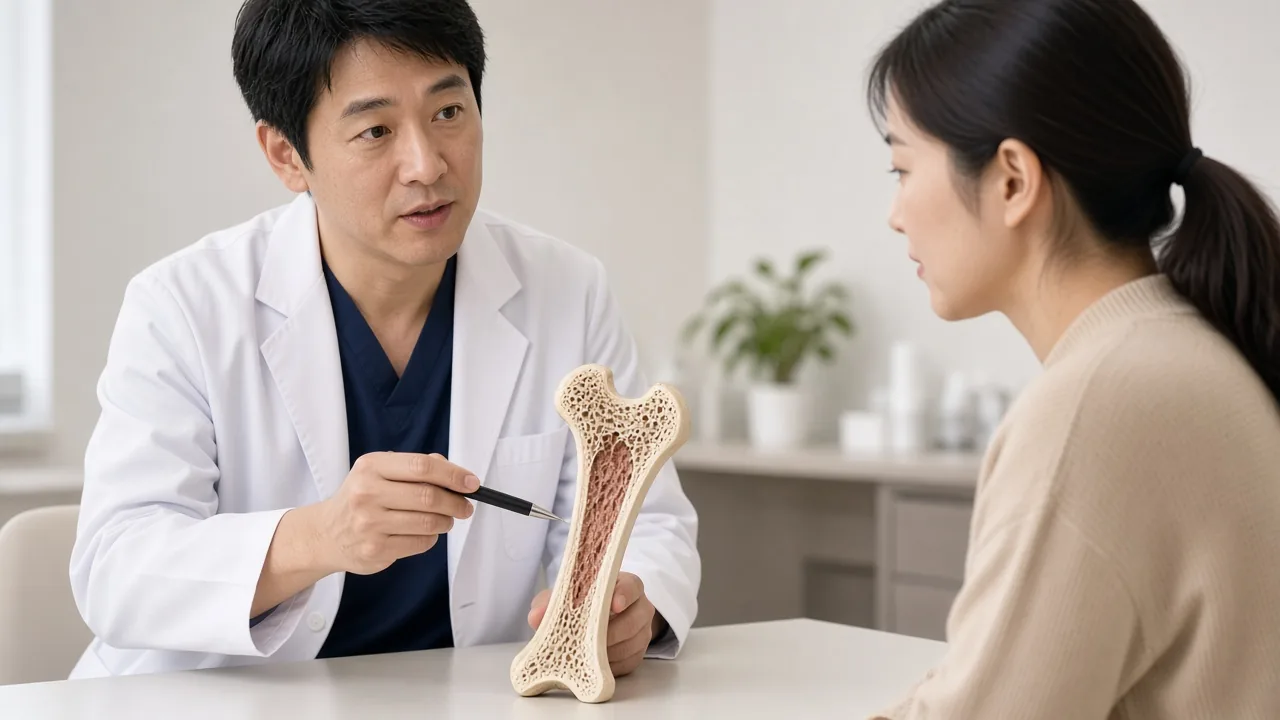
Bone marrow is the soft tissue inside certain bones where blood-forming stem cells produce red blood cells, white blood cells and platelets.
A bone marrow transplant does not usually mean surgically replacing the patient's bone marrow. Instead, healthy blood-forming stem cells are administered through a vein after the patient's existing marrow and abnormal cells have been treated with conditioning therapy.
The infused cells travel to the bone marrow and, when successful, begin producing new blood cells.
Although the term bone marrow transplant remains widely used, many modern transplants use stem cells collected from the bloodstream. In those cases, the technically preferred term is hematopoietic stem cell transplant or peripheral blood stem cell transplant. Neighbouring stem cell transplantation is $22,000–$65,000 when the product is written as HCT rather than a named autologous or allogeneic sheet.

Ask whether transplant is appropriate
Why Is a Bone Marrow Transplant Done?
A transplant may be recommended when conventional treatment alone is unlikely to provide adequate disease control, when the patient's disease has a high risk of relapse, or when replacing defective blood-forming cells can potentially correct the underlying disorder.
The decision is highly individualized.
Diseases that may be treated with hematopoietic stem cell transplantation include:
Blood cancers
- Acute myeloid leukemia (AML)
- Acute lymphoblastic leukemia (ALL)
- Chronic myeloid leukemia (CML) in selected circumstances
- Myelodysplastic syndromes (MDS)
- Hodgkin lymphoma in selected situations
- Non-Hodgkin lymphoma in selected situations
- Multiple myeloma, particularly in the autologous transplant setting
Bone marrow failure disorders
- Severe aplastic anemia
- Selected inherited bone marrow failure syndromes
Hemoglobin disorders
- Thalassemia
- Sickle cell disease in selected patients
Other disorders
Selected patients with certain immune deficiencies, inherited metabolic disorders and other hematologic or immune-system conditions may also undergo transplantation.
Eligibility varies substantially by disease. Transplantation for leukemia may depend on remission status, molecular or measurable residual disease, cytogenetic risk, previous treatments and relapse risk.
A diagnosis alone does not automatically mean that a transplant is required. Neighbouring bone marrow biopsy is $300–$900 (day-care) when staging or confirmation is still outstanding.
Types of Bone Marrow Transplant in India
The two principal categories are autologous and allogeneic transplantation.
1. Autologous Bone Marrow Transplant
An autologous transplant uses the patient's own blood-forming stem cells.
The cells are collected before high-dose treatment and stored until they are needed.
The general sequence is mobilisation, collection, conditioning treatment, stem-cell infusion, engraftment and recovery.
Autologous transplantation is commonly used in multiple myeloma, selected lymphomas and selected other haematological malignancies.
Because the patient's own cells are used, there is no donor HLA-matching process and no donor-derived graft-versus-host disease. Autologous transplantation still involves intensive chemotherapy, prolonged immune suppression and potentially serious complications.
Named autologous lists sit on autologous stem cell transplant at $18,000–$48,000.
2. Allogeneic Bone Marrow Transplant
An allogeneic transplant uses blood-forming stem cells from another person.
The donor may be an HLA-matched sibling, another matched relative, a matched unrelated donor, a haploidentical family donor or, in selected circumstances, another compatible stem-cell source.
The donor's immune system can provide an important graft-versus-tumor or graft-versus-leukemia effect, in which donor immune cells help recognize and eliminate residual abnormal cells. The same donor immune response can also cause graft-versus-host disease (GvHD).
Named allogeneic lists sit on allogeneic stem cell transplant at $30,000–$80,000. Haploidentical lists sit on haploidentical stem cell transplant at $35,000–$85,000. Registry pathways sit on matched unrelated donor transplant at $40,000–$95,000.
Autologous vs Allogeneic Bone Marrow Transplant
| Feature | Autologous | Allogeneic |
|---|---|---|
| Stem cells | Patient's own | Donor's |
| Donor required | No | Yes |
| HLA matching | Not required for a donor | Important |
| GvHD risk | No donor-derived GvHD | Yes |
| Common applications | Multiple myeloma, selected lymphomas | Leukemia, MDS, aplastic anemia and selected inherited disorders |
| Immune anti-cancer effect | Limited compared with donor transplant | Important graft-versus-tumor effect |
| Complexity | Generally lower | Generally higher |
| GAF planning | $18,000–$48,000 | $30,000–$80,000; haplo $35,000–$85,000; MUD $40,000–$95,000 |
| Immunosuppressive drugs | Usually less extensive | Often required |
The appropriate type is determined by the patient's disease and clinical circumstances rather than by cost alone.
Request a donor-pathway review
Sources of Stem Cells for Transplant
Stem cells can come from three principal sources.
Peripheral blood stem cells. Many transplants use stem cells collected from circulating blood. A donor or patient may receive a growth factor to increase circulating stem cells. The cells are then collected using apheresis.
Bone marrow. Bone marrow can be collected from the donor's pelvic bones under anaesthesia. This is the traditional source associated with the term bone marrow transplant.
Umbilical cord blood. Cord blood collected at birth can contain blood-forming stem cells and may be used in selected transplant situations.
The choice of stem-cell source depends on the disease, donor availability, transplant protocol and transplant centre.

How Does HLA Matching Work?
For an allogeneic transplant, doctors perform HLA testing.
HLA stands for human leukocyte antigen. These markers help the immune system distinguish the body's own cells from foreign cells.
The closer the donor and recipient are matched at relevant HLA markers, the more suitable the donor may be, although modern transplantation can also use partially matched donors in selected situations.
Doctors may therefore investigate brothers and sisters, other relatives, potential haploidentical family donors, unrelated donor registries and other stem-cell sources when appropriate.
A haploidentical donor is typically a partially matched family donor, often a parent, child or sibling. Neighbouring matched sibling donor transplant is $28,000–$70,000 when a fully matched brother or sister is the named paediatric product.
The absence of a fully matched sibling does not automatically rule out transplantation.
Share reports for a transplant opinion
Bone Marrow Transplant Procedure in India: Step-by-Step
A transplant is better understood as a treatment pathway, not a single procedure.
Step 1: Initial haematology consultation
The transplant team reviews diagnosis, disease stage, previous treatments, response, bone marrow reports, molecular and cytogenetic results, imaging, blood counts, organ function, infection history and general physical condition. The team then determines whether transplantation is medically appropriate.
Step 2: Detailed pre-transplant evaluation
Testing may include complete blood count, kidney and liver function, electrolytes, viral screening, blood-group testing, bone marrow examination, flow cytometry, cytogenetic and molecular testing, HLA typing, echocardiography, pulmonary assessment, imaging, dental evaluation and infection screening. The exact work-up varies by age, disease and protocol.
Step 3: Donor evaluation
For an allogeneic transplant, potential donors undergo HLA testing plus medical examination, blood tests, infectious-disease screening and an assessment of suitability for stem-cell collection.
Step 4: Stem-cell mobilisation
For peripheral blood collection, the donor or patient receives medication to increase circulating stem cells. For an autologous transplant, the patient's own stem cells are collected before conditioning therapy.
Step 5: Stem-cell collection and processing
During apheresis, blood passes through a specialised machine that separates the stem-cell fraction and returns the remaining components. Collected cells are processed and either infused relatively soon or cryopreserved.
Step 6: Conditioning therapy
The patient usually receives high-dose chemotherapy, chemotherapy combinations, and radiation or total-body irradiation in selected protocols. Conditioning may reduce the burden of malignant cells, suppress the immune system and create an environment in which the graft can establish.
Step 7: Stem-cell infusion
The infusion is generally not a conventional operation. Stem cells are administered through an intravenous line or central venous catheter. The cells circulate and migrate to the bone marrow.
Step 8: Engraftment
After infusion, the transplanted stem cells begin establishing themselves. During this period, blood counts can remain very low, leaving the patient vulnerable to infection, bleeding, anaemia and severe fatigue.
Step 9: Recovery and follow-up
Recovery does not end at discharge. Follow-up can include frequent blood tests, infection monitoring, medication adjustments, immunosuppressive therapy after allogeneic transplantation, disease monitoring, vaccination planning, nutrition support and GvHD surveillance.

How Long Does Bone Marrow Transplant Take in India?
The overall transplant journey can take several weeks to several months. It includes pre-transplant evaluation, donor search or matching, stem-cell collection, conditioning, infusion, engraftment, discharge and outpatient recovery.
The stem-cell infusion itself is relatively short compared with the complete treatment pathway.
GAF stay planning on the named bone marrow transplantation sheet is typically 4–8 weeks in or near the unit. Autologous lists are typically 3–5 weeks. Allogeneic and haploidentical lists are typically 6–10 weeks nearby. Matched unrelated-donor lists are typically 6–12 weeks nearby. Paediatric lists are typically 6–12 weeks with a parent nearby.
Hospitalisation varies with transplant type, conditioning, engraftment, infection, mucositis, GvHD, bleeding, organ complications and overall recovery.
Bone Marrow Transplant Cost in India
The cost of bone marrow transplant in India varies significantly.
Named GAF partner planning for bone marrow transplantation is $25,000–$70,000, typically 4–8 weeks in or near the unit. Comparable US self-pay planning on the same sheet is $150,000–$400,000. These are planning ranges, not hospital quotations.
Type-specific sheets should be used when the protocol is already named.
| Transplant type | GAF partner planning | Typical stay |
|---|---|---|
| Autologous stem cell transplant | $18,000–$48,000 | 3–5 weeks in or near the unit |
| Allogeneic stem cell transplant | $30,000–$80,000 | 6–10 weeks nearby |
| Haploidentical stem cell transplant | $35,000–$85,000 | 6–10 weeks nearby |
| Matched unrelated donor transplant | $40,000–$95,000 | 6–12 weeks nearby |
| Pediatric bone marrow transplantation | $28,000–$75,000 | 6–12 weeks with a parent nearby |
| Hematopoietic stem cell transplantation (paediatric sheet) | $24,000–$70,000 | 4–10 weeks in a paediatric unit |
| Neighbouring CAR-T cell therapy | $80,000–$180,000 | Apheresis plus 3–6 weeks nearby |
CAR-T is not a substitute BMT quotation. Neighbouring hematopoietic stem cell transplantation is the paediatric HSCT sheet, not an adult auto package.
What is included in the cost?
A BMT quotation may include some or all of specialist consultation, pre-transplant investigations, HLA testing, mobilisation, collection, cell processing, conditioning chemotherapy, radiation when required, infusion, isolation-room charges, nursing, blood products, antimicrobials, immunosuppressive medicines, laboratory monitoring, hospitalisation and a defined follow-up window.
Not every hospital includes every component. International patients should request a written estimate specifying exactly what is included and excluded.
What can increase the cost?
Allogeneic transplantation generally costs more than autologous transplantation. Unrelated-donor and haploidentical pathways add testing, collection and courier requirements. Conditioning intensity, length of hospitalisation, infection, GvHD, ICU care and blood products can move the bill well above the opening letter.
Request a named-procedure cost estimate
WhatsApp +91 90443 46292 for an itemised BMT estimate
Bone Marrow Transplant Cost: Questions to Ask the Hospital
Before accepting a quotation, ask:
- Does the package include conditioning chemotherapy?
- Does it include stem-cell collection?
- Is HLA typing included?
- Is donor testing included?
- Are blood products included?
- How many days of hospitalisation are included?
- Are ICU charges included?
- Are antifungal and antiviral drugs included?
- Are immunosuppressive medicines included?
- What happens if GvHD develops?
- What happens if the patient develops a serious infection?
- Are additional procedures charged separately?
- What follow-up is included after discharge?
- How long should an international patient remain in India after discharge?
How to Choose a Bone Marrow Transplant Centre in India
There is no single hospital that is best for every BMT patient.
The right transplant centre depends on disease, age, paediatric versus adult treatment, autologous versus allogeneic transplant, donor availability, HLA matching, transplant volume, cellular-therapy facilities, ICU support, infection-control infrastructure, laboratory capabilities and experience with the specific disease.
Live GAF city sheets currently cover Delhi NCR, Mumbai, Bengaluru, Chennai and Hyderabad. Kolkata, Vellore, Pune, Ahmedabad, Chandigarh, Kochi and Jaipur are not live GAF catalog cities on this site.
FACT currently lists Tata Medical Center in Kolkata and Ramaiah Memorial Hospital in Bengaluru as FACT-JACIE-accredited programmes offering adult and paediatric autologous and allogeneic transplantation. Those names are accreditation facts, not a GAF ranking and not live catalog links unless the hospital already sits in this directory.
What makes a good transplant centre?
Ask whether the hospital has a dedicated transplant programme, an experienced haematology and cellular-therapy team, infection-control infrastructure, a cell-processing laboratory, reliable blood-bank support, 24/7 ICU, paediatric expertise when a child is the patient, HLA and donor-search pathways, and a written long-term follow-up plan.
Catalog haematologists currently tagged to bone-marrow-transplantation lists include Dr. Dharma Choudhary and Dr. Ajay Gupta in Delhi NCR; Dr. Muralidaran C and Dr. Akshay Shah in Mumbai; Dr. Govind Eriat and Dr. Neema Bhat in Bengaluru; Dr. M. Gopinathan and Dr. Prabu P in Chennai; and Dr. K. Karuna Kumar and Dr. Narender Kumar Thota in Hyderabad. Neighbouring paediatric BMT lists include Dr. Vipin Khandelwal in Mumbai, Dr. Prerana Nesargi in Bengaluru and Dr. G. Vimal Kumar in Chennai. A catalog tag is not a volume, outcome or ranking claim.
Catalog hospitals currently affiliated with those tagged lists include BLK-Max Super Speciality Hospital and Indraprastha Apollo Hospital in Delhi NCR; Wockhardt Hospital, Mumbai and Gleneagles Hospital, Mumbai; Apollo Hospitals, Bannerghatta Road and Gleneagles Hospitals, Bengaluru; Apollo Hospital, Chennai and MGM Healthcare, Chennai; and Yashoda Hospitals, Secunderabad and KIMS Hospitals, Secunderabad.
Find a transplant specialist in India
WhatsApp +91 90443 46292 to match a transplant physician
- Haematology hospitals in Delhi NCR
- Haematology hospitals in Mumbai
- Haematology hospitals in Bengaluru
- Haematology hospitals in Chennai
- Haematology hospitals in Hyderabad
Paediatric lists, when a child is the patient, start at pediatric bone marrow transplantation and city doctor lists such as Chennai paediatric haematology.
Risks and Complications of Bone Marrow Transplant
Bone marrow transplantation can be lifesaving, but it is also a high-risk treatment.
Complications can arise from the underlying disease, conditioning treatment, stem-cell infusion or immune effects after transplantation.
Common complications include infection, fever, low blood counts, bleeding, anaemia, fatigue, nausea, vomiting, diarrhoea, mouth sores, hair loss, liver or kidney or lung complications, infertility, blood clots, graft failure and relapse of the underlying disease.
What is graft-versus-host disease?
GvHD is a complication of allogeneic transplantation. It occurs when immune cells from the donor recognise the recipient's tissues as foreign and attack them. It may be acute or chronic and can affect skin, mouth, liver, gastrointestinal tract, eyes, lungs, joints and other tissues.
Doctors use donor selection and immunosuppressive medicines to reduce the risk. They cannot eliminate it.
What is engraftment failure?
Sometimes transplanted stem cells do not establish themselves adequately. This may result in persistent low blood counts, infection, bleeding and the need for additional treatment or a further stem-cell infusion in selected situations.
Infection after bone marrow transplant
The immune system can remain severely weakened for a significant period. Patients may be vulnerable to bacterial, viral and fungal infections. Preventive measures may include antimicrobials, protective isolation, hand hygiene, dietary precautions and early treatment of fever.
Patients should follow the transplant centre's infection-control instructions closely.
Recovery After Bone Marrow Transplant
Recovery is gradual. Some patients begin feeling stronger within weeks, but the immune system can take much longer to recover.
The first weeks involve frequent blood tests, infection monitoring, transfusions if necessary, medication adjustments and nutritional support. The first months involve outpatient visits, disease monitoring, GvHD surveillance after allogeneic transplantation and a gradual return to activity. Longer-term monitoring may cover chronic GvHD, infections, endocrine problems, fertility, organ complications, bone health, relapse and secondary health problems.
Diet after bone marrow transplant
Patients may temporarily have difficulty eating because of mouth sores, nausea, taste changes, reduced appetite or gastrointestinal symptoms. The transplant team may recommend adequate calories and protein, safe food preparation, hydration and avoidance of foods carrying significant infection risk. Follow the hospital's dietary protocol rather than generic internet lists.
Can Bone Marrow Transplant Cure Cancer?
A bone marrow transplant can potentially provide long-term disease control or cure for selected patients, but it is not a guaranteed cure.
The outcome depends on the type of disease, stage, biology, molecular and cytogenetic characteristics, disease status at transplantation, age, general health, donor characteristics, conditioning, complications and relapse risk.
Transplant outcomes should not be represented by a single universal success rate. A transplant specialist can provide a more meaningful estimate after reviewing the specific diagnosis and disease status.
Bone Marrow Transplant for Specific Conditions
Leukemia. Allogeneic transplantation can play an important role in selected patients with AML, ALL, CML and other high-risk haematological malignancies. The decision depends on disease biology, response to therapy, MRD status, donor availability and overall health.
Thalassemia. Allogeneic stem-cell transplantation can be a potentially curative treatment for selected patients with transfusion-dependent thalassemia. Age, iron overload, liver and cardiac status, donor availability and HLA compatibility all matter. Neighbouring paediatric sheets should be used when the patient is a child.
Aplastic anemia. In severe aplastic anemia the marrow does not produce adequate blood cells. Treatment may involve immunosuppressive therapy or hematopoietic stem-cell transplantation depending on age, severity and donor availability.
Multiple myeloma. Autologous stem-cell transplantation is an established component of treatment for selected patients. There is no donor and therefore no donor-derived GvHD.
Lymphoma. Autologous transplantation may be considered when disease remains chemotherapy-responsive but has relapsed or has a high risk of recurrence. Allogeneic transplantation may be considered in selected later pathways.
There is no separate GAF leukemia, lymphoma, myeloma, thalassemia or aplastic-anemia treatment page on this site. Named transplant lists above are the live cost sheets.
Bone Marrow Transplant for Children
Paediatric BMT requires specialised expertise. Children may undergo transplantation for leukemia, thalassemia, severe aplastic anemia, primary immune deficiencies, inherited marrow-failure disorders, selected metabolic diseases and other haematological conditions.
A paediatric programme should have paediatric haematologists, paediatric intensive care, child-specific infection-control protocols, nutritional and psychosocial support, family accommodation and experienced paediatric transplant nursing.
Named paediatric lists sit on pediatric bone marrow transplantation at $28,000–$75,000. Adult transplant floors are not a substitute because a brochure says they treat all ages.
Share a child's reports for a paediatric BMT opinion
Bone Marrow Transplant for International Patients
Planning should begin before travelling to India.
A medical coordinator can help organise medical-record review, specialist opinion, hospital selection, a preliminary cost estimate, donor evaluation, visa documentation, travel, accommodation, airport transfers, admission, local coordination and post-discharge follow-up.
Transplantation should not be scheduled solely on the basis of a remote medical summary. The treating transplant team must review the original medical records and determine whether the patient is suitable.
Documents international patients should send
For an initial opinion, patients should ideally provide a passport copy, diagnosis report, bone marrow biopsy, flow-cytometry, cytogenetic and molecular reports, previous chemotherapy records, discharge summaries, blood-count reports, imaging, current medicines, infection and transfusion history, HLA reports if already available, and donor information if available. For leukemia and lymphoma, recent disease-status reports are particularly important.
Bone Marrow Transplant: India vs Other Countries
India is often considered because of specialised tertiary hospitals, experienced clinicians and comparatively lower treatment costs than some Western self-pay markets. Cost should not be the sole reason for choosing a transplant destination.
The most important considerations are an appropriate indication, disease expertise, donor availability, quality systems, infection control, ICU support, cellular-therapy infrastructure, long-term follow-up and the ability to manage complications. Continuity of care can be as important as the infusion itself.
Questions to Ask the Transplant Doctor
- Why is transplantation recommended for this patient?
- What is the goal of the transplant?
- Is autologous or allogeneic transplantation appropriate?
- What is the patient's disease status before transplant?
- Is MRD testing required?
- Does the patient have a suitable donor?
- What HLA testing is needed?
- Could a haploidentical donor be considered?
- What conditioning regimen will be used?
- How long is hospitalisation expected to last?
- What are the major complications?
- What is the estimated risk of GvHD?
- What happens if engraftment is delayed?
- What happens if the disease relapses?
- What will the complete estimated cost be?
- What expenses are excluded from the package?
- How long should an international patient stay in India?
- How will follow-up be managed after returning home?
Frequently Asked Questions About Bone Marrow Transplant in India
Is bone marrow transplant painful?
The stem-cell infusion itself is generally not comparable to a major surgical operation. The overall treatment can be physically demanding because of conditioning therapy, low blood counts, infections, mucositis and other complications.
Is bone marrow transplant a surgery?
Not usually in the conventional sense. The transplanted stem cells are generally infused through a vein. If bone marrow is collected from a donor, the collection itself is a separate procedure usually performed under anaesthesia.
Is BMT the same as stem cell transplant?
The terms are often used interchangeably, but technically they are not identical. A BMT uses stem cells collected from bone marrow, whereas a hematopoietic stem-cell transplant may use peripheral blood stem cells or cord blood. Neighbouring stem cell transplantation is $22,000–$65,000.
Can a patient have a BMT without a sibling donor?
Yes. Depending on the disease and clinical circumstances, physicians may consider a matched unrelated donor, haploidentical family donor or another suitable stem-cell source.
What if there is no fully matched donor?
A transplant may still be possible in selected patients because modern transplantation includes partially matched donor strategies. The transplant team must determine which donor source is appropriate.
How much does BMT cost in India?
Named GAF partner planning is $25,000–$70,000, typically 4–8 weeks in or near the unit. Autologous lists are $18,000–$48,000. Allogeneic lists are $30,000–$80,000. Haploidentical lists are $35,000–$85,000. Unrelated-donor lists are $40,000–$95,000. Complex complications can exceed the opening letter.
Is autologous BMT cheaper than allogeneic BMT?
Usually, yes. Autologous transplantation does not require donor selection or donor-derived immunosuppression, while allogeneic transplantation involves donor evaluation, HLA compatibility and additional risks such as GvHD.
How long does recovery take?
Recovery varies by transplant type and patient. Blood-count recovery occurs during the early post-transplant period, but immune recovery and return to normal activities can take considerably longer.
Can BMT cure leukemia?
For selected leukemia patients, allogeneic transplantation can provide long-term disease control and potentially cure. Whether it is appropriate depends on the specific leukemia, disease biology, response to treatment, MRD status, donor availability and overall health.
Can children undergo bone marrow transplant in India?
Yes. Neighbouring pediatric bone marrow transplantation is $28,000–$75,000. Adult floors are not a substitute paediatric unit.
Is bone marrow transplant covered by insurance in India?
Coverage depends on the individual insurance policy, insurer, indication, transplant type, pre-authorisation requirements and policy exclusions. Families should obtain written confirmation before admission. GAF planning ranges are self-pay partner sheets.
Can international patients get a bone marrow transplant in India?
Yes, international patients can seek evaluation and treatment at Indian transplant centres. The transplant team must first review the medical records and determine whether transplantation is appropriate.
Does CAR-T use the bone-marrow-transplant sheet?
No. Neighbouring CAR-T cell therapy is $80,000–$180,000 and is a different cellular-therapy product.
Which city in India is best for bone marrow transplant?
There is no single best city. Delhi NCR, Mumbai, Bengaluru, Chennai and Hyderabad are live GAF catalog cities. Choose a named transplant unit that already performs the required autologous, allogeneic or paediatric pathway.
Key Takeaways
- Bone marrow transplant in India is a treatment pathway involving evaluation, donor selection where required, stem-cell collection, conditioning, transplantation, engraftment and long-term follow-up.
- Autologous transplant uses the patient's own stem cells. Allogeneic transplant uses donor stem cells.
- The choice depends primarily on the underlying disease and the patient's clinical circumstances.
- GAF partner planning for bone marrow transplantation is $25,000–$70,000, typically 4–8 weeks in or near the unit. Neighbouring autologous is $18,000–$48,000. Neighbouring allogeneic is $30,000–$80,000. Neighbouring haploidentical is $35,000–$85,000. Neighbouring paediatric BMT is $28,000–$75,000.
- Fever, uncontrolled bleeding, severe diarrhoea, jaundice or breathlessness belongs in a local emergency department.
Share complete reports, disease-status notes, HLA results if available and a description of the donor situation before making travel arrangements. A case-specific transplant opinion is more useful than a brochure package.
Share records for a transplant review
Message a coordinator on WhatsApp
Request a cost review on WhatsApp
Why Consider Bone Marrow Transplant in India?
India has developed a substantial network of haematology, oncology and transplant centres. FACT's India working group has reported growth in BMT infrastructure and has highlighted quality-management systems, accreditation and outcome benchmarking.
For a patient considering India, the decision should be based on the fit between the disease and the transplant centre's expertise, rather than selecting a hospital on price or marketing claims.
GAF Healthcare can support international patients with medical-record coordination, hospital selection, specialist appointments, treatment-cost estimates, travel planning and local assistance. The treating transplant physician remains responsible for the medical recommendation.
Related Treatment and Cost Guides
- Bone marrow transplantation — named BMT sheet, $25,000–$70,000
- Autologous stem cell transplant — $18,000–$48,000
- Allogeneic stem cell transplant — $30,000–$80,000
- Haploidentical stem cell transplant — $35,000–$85,000
- Matched unrelated donor transplant — $40,000–$95,000
- Pediatric bone marrow transplantation — $28,000–$75,000
- CAR-T cell therapy — neighbouring cellular therapy, $80,000–$180,000
- Bone marrow biopsy — $300–$900
Leukemia, lymphoma, myeloma, thalassemia and aplastic-anemia treatment pages are not live on this site. Use the named transplant sheets rather than an invented disease page.
Auto and allo lists treat different grafts. They are not a substitute BMT price when the protocol has already been named. Leukemia lists sit on Leukemia Treatment in India. Lymphoma lists sit on Lymphoma Treatment in India. Thalassemia lists sit on Thalassemia Treatment in India. Sickle cell lists sit on Sickle Cell Anemia Treatment in India. Myeloma lists sit on Multiple Myeloma Treatment in India. Aplastic anemia lists sit on Aplastic Anemia Treatment in India. Autologous transplant lists sit on Autologous Bone Marrow Transplant in India. Fanconi anemia lists sit on Fanconi Anemia Treatment in India.
Top 10 Medical Sources
- National Cancer Institute — Stem cell and bone marrow transplants for cancer — indications, graft sources and the transplant pathway.
- National Cancer Institute — Blood-forming stem-cell transplants — terminology for HSCT and marrow grafts.
- National Cancer Institute — HLA matching — compatibility testing before allogeneic transplant.
- National Cancer Institute — Allogeneic transplant — donor grafts and graft-versus-tumor effect.
- NHS — Stem cell and bone marrow transplant — complications including infection, mucositis and blood clots.
- FACT — Accredited programmes — current cellular-therapy accreditation listings, including selected Indian programmes.
- FACT news — India working group — quality-management and accreditation development for BMT programmes.
- GAF Healthcare bone marrow transplantation — partner USD planning range of $25,000–$70,000 and typical 4–8 week stay.
- GAF Healthcare allogeneic stem cell transplant — neighbouring donor-graft sheet of $30,000–$80,000.
- GAF Healthcare pediatric bone marrow transplantation — neighbouring paediatric sheet of $28,000–$75,000.
Last reviewed against the cited sources: October 2026.
Medical Disclaimer
This page is intended for general educational purposes and should not replace an examination, diagnosis or individualized medical advice from a qualified haematologist or transplant physician.
Bone marrow transplant is an individualized procedure. Suitability, graft source, risks, recovery and expected results vary from patient to patient. Any decision regarding transplantation should be made after an appropriate medical assessment and informed discussion of benefits, alternatives and potential complications.
If you develop fever, uncontrolled bleeding, severe diarrhoea, jaundice, new confusion or breathlessness after transplant, seek urgent medical attention in a local emergency department.
Treatment Process
- 1
Share reports and disease status
The patient provides pathology, marrow, cytogenetic, molecular, treatment and HLA reports before travel is booked.
- 2
Virtual transplant opinion
A haematologist reviews whether autologous, allogeneic, haploidentical, unrelated-donor or paediatric transplant is the honest brief.
- 3
Confirm the graft pathway
The team writes donor source, HLA status, conditioning intensity and whether CAR-T is a different product.
- 4
Itemized estimate
Named bone marrow transplantation is $25,000–$70,000. Auto, allo, haplo, MUD and paediatric lists are quoted from their own sheets.
- 5
Travel to India
Stable planned cases travel after records review. Fever, uncontrolled bleeding or breathlessness is a local emergency.
- 6
In-person work-up
The transplant unit repeats organ, infection and donor assessments after arrival and confirms the final protocol.
- 7
Conditioning and infusion
Chemotherapy or selected radiation is given, then stem cells are infused through a vein.
- 8
Engraftment watch
Counts stay low until the graft establishes. GAF stay planning is typically 4–8 weeks in or near the unit.
- 9
Return home
The patient leaves with infection rules, GvHD warning signs, drug lists and a plan for remote follow-up.