
Treatment Overview
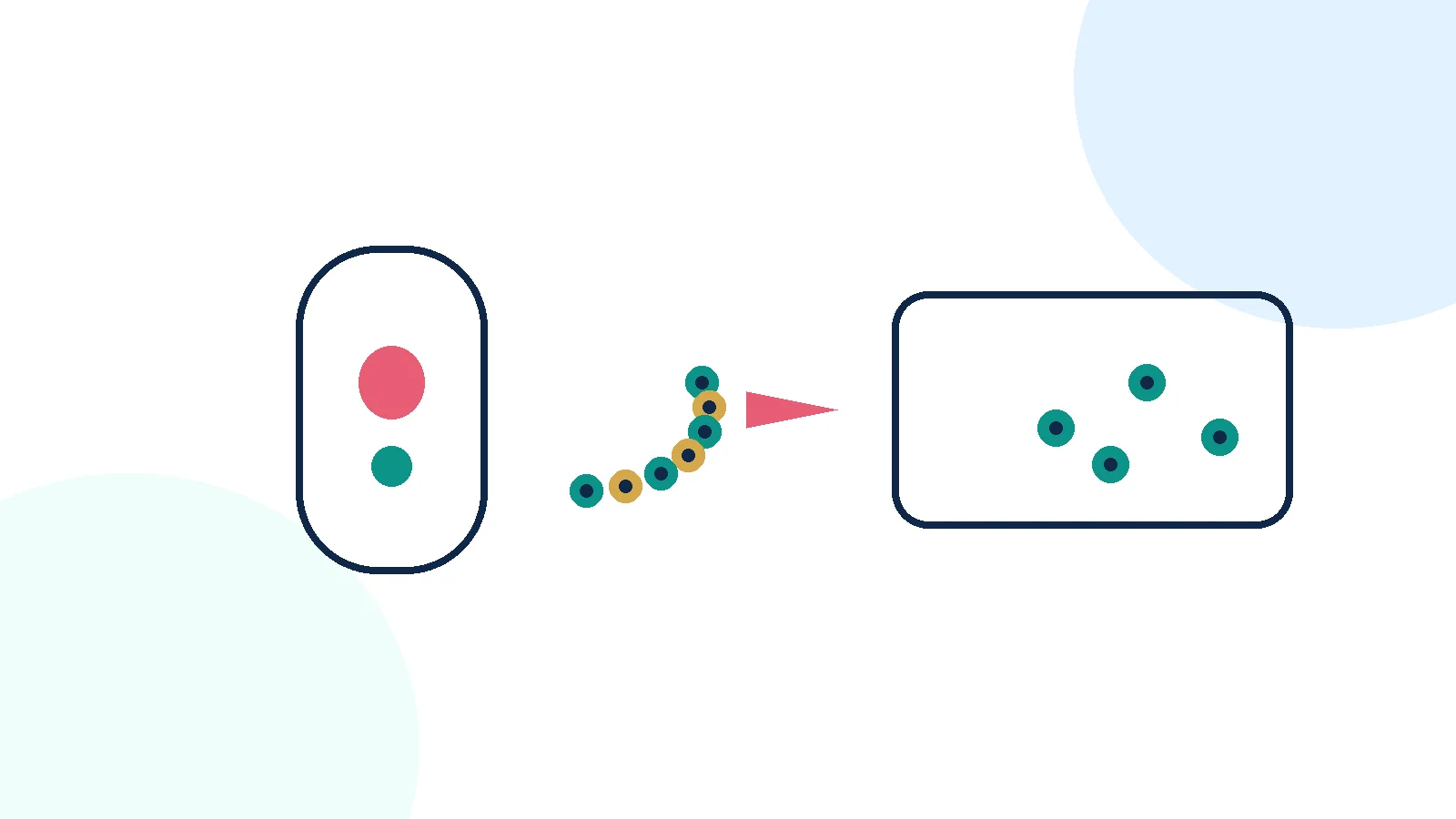
Stem cell transplantation in India, also called hematopoietic stem cell transplantation (HSCT) or, in many hospital letters, bone marrow transplantation (BMT), restores blood-forming stem cells after intensive chemotherapy, selected radiation or disease-related marrow damage. The infused cells travel through a vein to the marrow and, when successful, restart production of red cells, white cells and platelets.
This page is the HCT umbrella. The named hospital letter is usually a more specific graft. Neighbouring bone marrow transplantation is $25,000–$70,000 (typically 4–8 weeks in or near the unit). Neighbouring autologous stem cell transplant is $18,000–$48,000 (typically 3–5 weeks). Neighbouring allogeneic stem cell transplant is $30,000–$80,000 (typically 6–10 weeks nearby). Neighbouring haploidentical stem cell transplant is $35,000–$85,000. Neighbouring matched unrelated donor transplant is $40,000–$95,000. Neighbouring pediatric bone marrow transplantation is $28,000–$75,000. Neighbouring paediatric hematopoietic stem cell transplantation is $24,000–$70,000. Neighbouring matched sibling donor transplant is $28,000–$70,000. Neighbouring CAR-T cell therapy is $80,000–$180,000 and is a different cellular product. Named CAR-T lists sit on CAR-T Cell Therapy in India. Neighbouring chemotherapy is $1,500–$8,000+. Those sheets are not interchangeable quotations.
Disease pathways sit on Bone Marrow Transplant in India, Autologous Bone Marrow Transplant in India, Leukemia Treatment in India, Lymphoma Treatment in India, Multiple Myeloma Treatment in India, Aplastic Anemia Treatment in India, Thalassemia Treatment in India, Sickle Cell Anemia Treatment in India and Fanconi Anemia Treatment in India. Dendritic-cell vaccine lists sit on Dendritic Cell Therapy in India and are not a transplant. There is no live GAF allogeneic-only, haploidentical-only, AML-only or ALL-only treatment page.
GAF Healthcare planning for stem cell transplantation is $22,000–$65,000 (typically 3–8 weeks in or near the unit, autologous or allogeneic). US comparison on the same sheet is $140,000–$380,000. These are planning ranges from partner hospital cost sheets, not hospital quotations and not a national tariff. Donor search, HLA typing, collection, conditioning medicines, blood products, ICU nights and graft-versus-host treatment are often separate letters unless the quotation writes them as one package.
International patients comparing stem-cell transplantation haematologists commonly start with Delhi NCR, Mumbai, Bengaluru, Chennai and Hyderabad. Bone-marrow-transplantation lists sit in the same five cities, including Delhi NCR and Mumbai. Partner haematology hospitals in Delhi NCR, Mumbai and Bengaluru, and in Chennai and Hyderabad, are a typical first filter. City sheets include Delhi NCR, Mumbai, Bengaluru, Chennai and Hyderabad. Confirm in writing which campus can collect, process and infuse the named graft. Pune, Kolkata, Vellore, Ahmedabad and Jaipur are not live GAF catalog cities on this site.
Medical note: Stem cell transplantation is a complex treatment and is not appropriate for every patient. The transplant team determines eligibility after reviewing the diagnosis, disease status, organ function, previous treatment and donor or stem-cell availability. Fever, uncontrolled bleeding, severe diarrhoea, jaundice, new confusion or breathlessness after transplant belongs in a local emergency department first. WhatsApp at +91 90443 46292 is for planned record review, not an acute emergency.
What Is Stem Cell Transplantation?
Stem cell transplantation replaces or restores blood-forming stem cells, also called hematopoietic stem cells. These cells develop into red blood cells, white blood cells and platelets.
High-dose chemotherapy and, in some protocols, radiation can destroy both cancer cells and healthy blood-forming cells. Transplantation allows the marrow to recover after that intensive treatment. The National Cancer Institute describes this as restoring the body's ability to make blood cells after very high-dose cancer treatment.
In an allogeneic transplant, donor cells can also provide an immune-mediated anti-cancer effect known as the graft-versus-tumour or graft-versus-leukaemia effect. Donor immune cells may recognise and attack remaining malignant cells.
This is why the treatment is more than “giving stem cells.” It is a coordinated pathway: disease control, conditioning, collection, infusion, infection prevention, transfusion support and prolonged monitoring.
Types of Stem Cell Transplantation
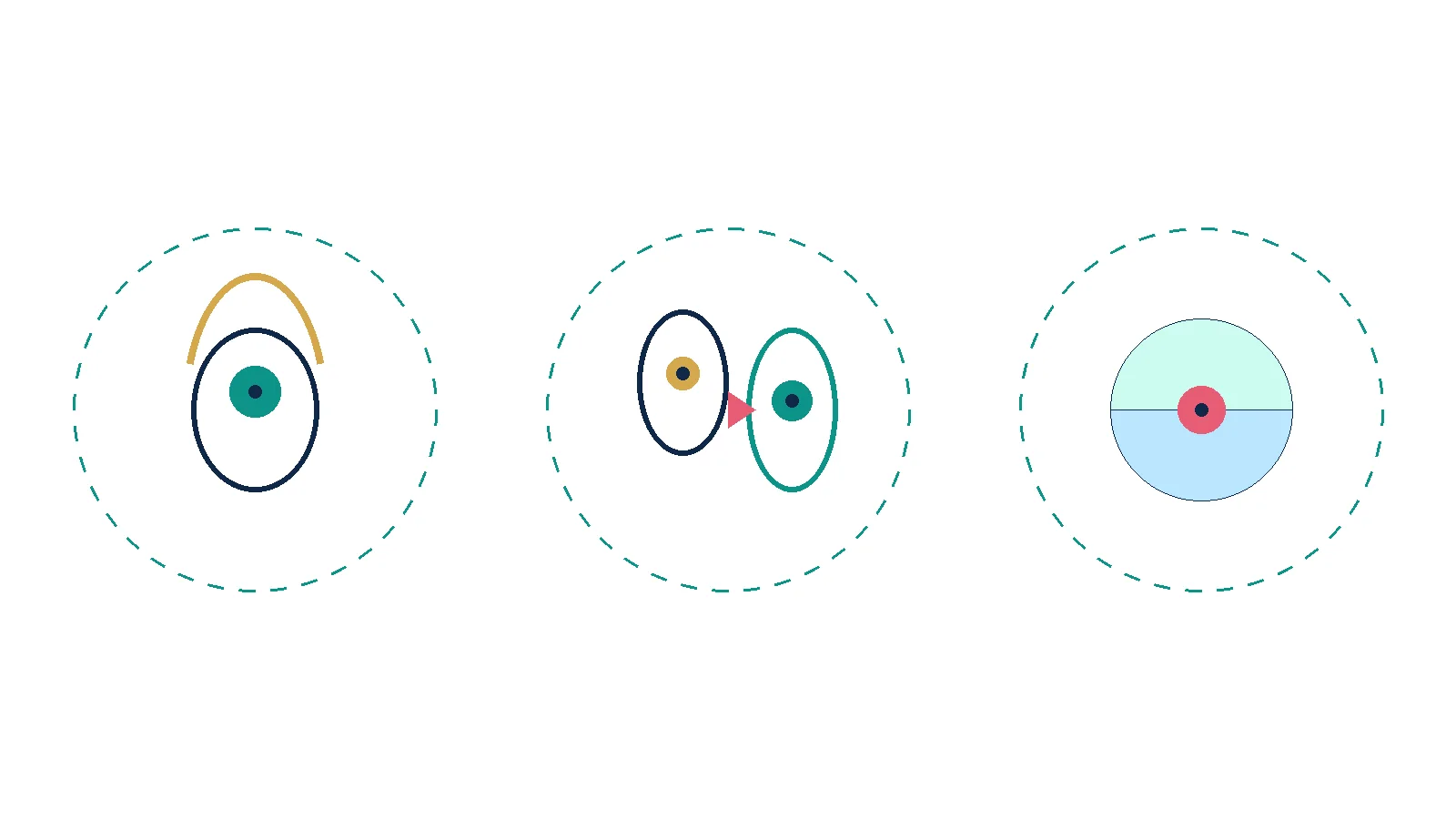
1. Autologous stem cell transplant
An autologous transplant uses the patient's own stem cells. The cells are collected before high-dose treatment, processed and stored, then returned after conditioning.
It is commonly used in selected patients with multiple myeloma, selected lymphomas and other diseases where high-dose therapy plus stem-cell rescue is appropriate. The named list sits on Autologous Bone Marrow Transplant in India and the autologous stem cell transplant sheet at $18,000–$48,000.
One advantage is that the cells are the patient's own. Autologous transplant does not provide the donor immune effect of an allogeneic graft.
2. Allogeneic stem cell transplant
An allogeneic transplant uses blood-forming stem cells from another person. The donor may be a matched sibling, another related donor, a matched unrelated donor, a haploidentical family donor or, in selected cases, a cord-blood unit.
Donor compatibility is assessed with HLA testing. Closer matching generally reduces some risks, although the optimal donor strategy is case-specific.
Allogeneic transplantation is particularly important for selected leukaemias, myelodysplastic syndromes, selected lymphomas, aplastic anaemia and selected inherited blood disorders. Named lists sit on allogeneic stem cell transplant at $30,000–$80,000 and on the Bone Marrow Transplant in India pillar. There is no live GAF allogeneic-only treatment page.
It can provide a graft-versus-leukaemia effect. It also introduces donor-related complications, particularly graft-versus-host disease (GVHD).
3. Haploidentical stem cell transplant
A haploidentical transplant uses a donor who is a partial HLA match, often a close family member. Modern GVHD-prevention protocols have made this an important option when no fully matched sibling or unrelated donor is available.
Named planning sits on haploidentical stem cell transplant at $35,000–$85,000. There is no live haploidentical-only treatment page on this site.
4. Syngeneic transplant
A syngeneic transplant uses stem cells from an identical twin. Compatibility issues differ from a conventional allogeneic graft. It is uncommon because it requires an identical twin. There is no separate GAF syngeneic cost sheet.
5. Peripheral blood stem cell transplant
Many modern transplants collect stem cells from the bloodstream rather than from marrow. This is a peripheral blood stem cell transplant (PBSCT). Medication increases circulating stem cells, then an apheresis machine collects them. Remaining blood components are returned during collection.
NCI notes that transplant stem cells may come from peripheral blood, bone marrow or umbilical cord blood. The hospital letter should name the actual source.
What Diseases Can Be Treated With Stem Cell Transplantation?
Blood cancers
- Acute myeloid leukaemia (AML)
- Acute lymphoblastic leukaemia (ALL)
- Certain lymphomas
- Multiple myeloma
- Myelodysplastic syndromes
- Selected other marrow-based malignancies
Live disease pages on this site are Leukemia Treatment in India, Lymphoma Treatment in India and Multiple Myeloma Treatment in India. There is no live GAF AML-only, ALL-only, MDS-only or Hodgkin-only treatment page.
Non-malignant blood disorders
- Severe aplastic anaemia
- Sickle cell disease in selected patients
- Certain inherited haemoglobin disorders
- Selected inherited bone-marrow failure syndromes
- Some inherited immune disorders
Live pages include Aplastic Anemia Treatment in India, Sickle Cell Anemia Treatment in India, Thalassemia Treatment in India and Fanconi Anemia Treatment in India.
Selected autoimmune diseases
Autologous HSCT is investigated or used in selected severe autoimmune diseases, including certain cases of multiple sclerosis and systemic sclerosis, generally under specialised protocols. The EBMT emphasises weighing potential benefit against significant short- and long-term risks. There is no live GAF autoimmune-HSCT treatment page.
Having a disease that can sometimes be treated with HSCT does not automatically mean transplantation is appropriate. Disease stage, response to previous therapy, age, organ function and performance status influence the decision.
Who May Be a Candidate?
There is no single age or laboratory value that determines eligibility.
The transplant team reviews:
- Diagnosis — the exact disease and its biology.
- Disease status — whether the disease is responding and whether transplant is likely to help.
- Previous treatment — chemotherapy, immunotherapy, targeted therapy, radiation, previous transplantation.
- Organ function — heart, lungs, liver, kidneys.
- Infection status — active infections are treated or controlled first whenever possible.
- Stem-cell availability — whether enough autologous cells can be collected, or whether a donor and HLA match exist.
- General condition — functional status, nutrition, other medical conditions and ability to tolerate intensive therapy.
Some adults over 60 can undergo transplantation. Age alone does not decide. Children are transplanted at specialised paediatric units, not because an adult floor says it treats all ages. Neighbouring pediatric bone marrow transplantation is $28,000–$75,000.
Stem Cell Transplantation Process in India
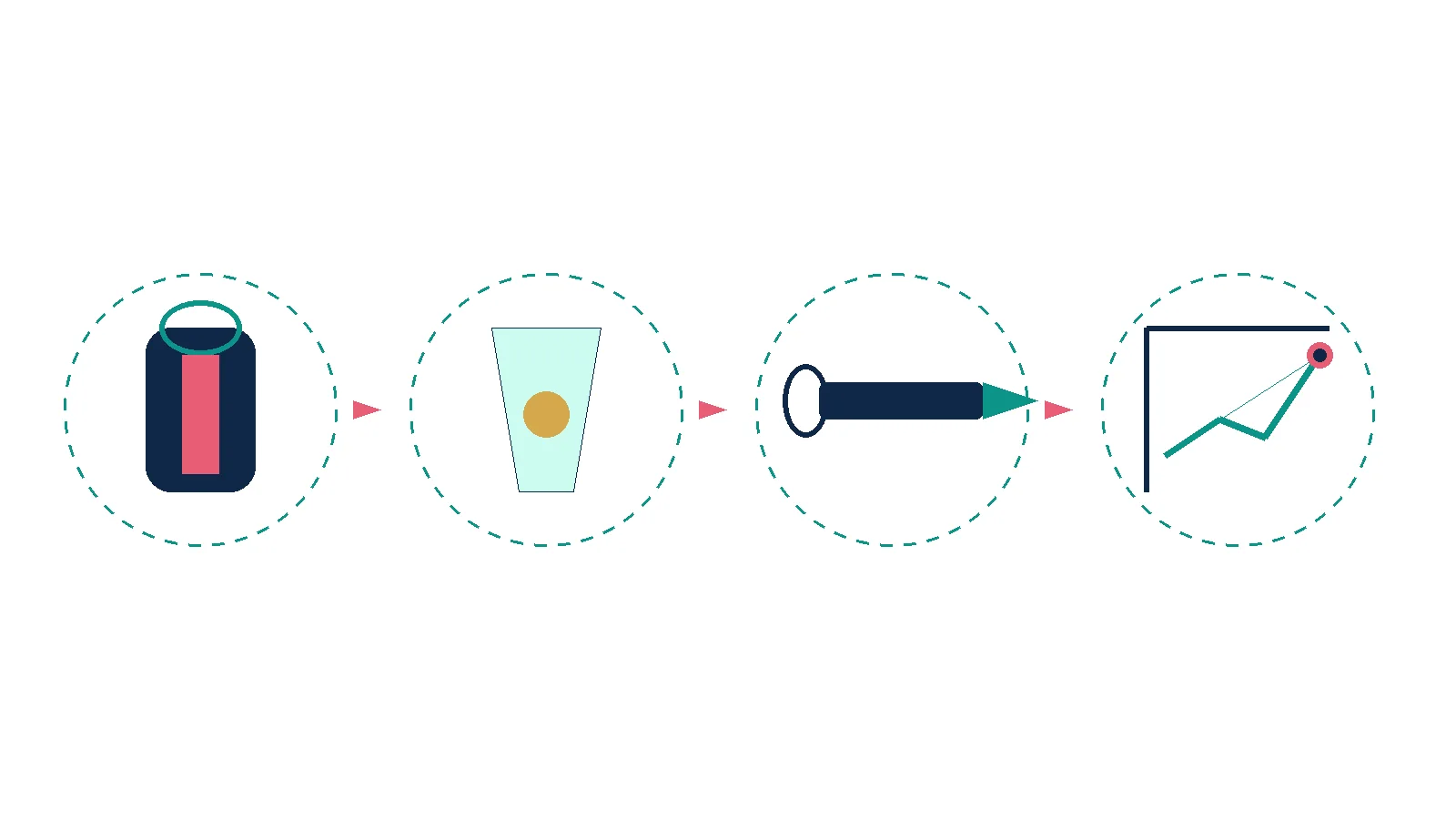
Protocols vary by disease and unit. The journey generally follows these stages.
1. Medical evaluation. Typical investigations include a complete blood count, bone-marrow examination, disease-specific molecular or genetic tests, imaging, kidney and liver tests, echocardiography or other cardiac assessment, pulmonary function testing, infection screening, blood-group testing and HLA testing where applicable.
2. Donor search and HLA matching. For allogeneic transplantation the team looks for a matched sibling, other related donor, matched unrelated donor, haploidentical family donor or, in selected circumstances, cord blood.
3. Stem-cell mobilisation. For peripheral-blood collection, medicine increases circulating stem cells before apheresis. For an autologous transplant, the patient's own cells are collected before conditioning.
4. Stem-cell collection. Cells may come from peripheral blood, bone marrow (usually from the pelvic bone under anaesthesia) or umbilical cord blood.
5. Conditioning therapy. High-dose chemotherapy, with or without radiation, aims to destroy malignant cells, suppress existing marrow, create space for the graft and, in allogeneic transplant, reduce rejection. Intensity varies by disease and transplant type.
6. Stem-cell infusion — Day 0. Cells are given through an intravenous catheter. NCI describes the infusion as similar to a blood transfusion. This part is usually not an operation.
7. Engraftment. Doctors watch blood counts as the graft begins producing white cells, red cells and platelets. Patients may need antibiotics, blood and platelet transfusions, electrolyte replacement, nutrition and close monitoring.
8. Early recovery. Discharge may become possible once counts recover and the patient is stable. Recovery is not finished at the hospital door. Immune recovery can take months after autologous transplant and one to two years after allogeneic or syngeneic transplant, according to NCI.
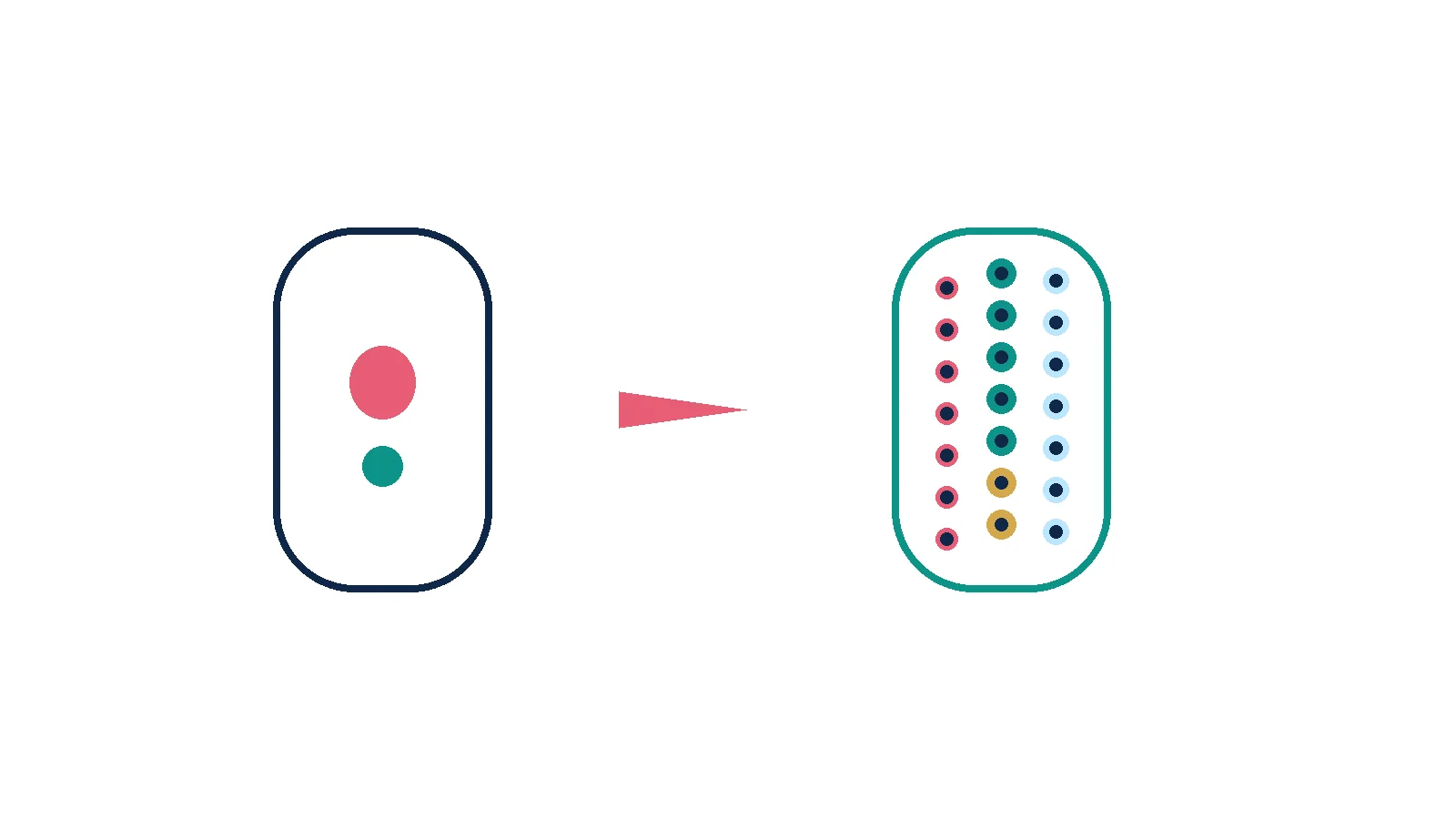
How Long Does Stem Cell Transplantation Take?
| Stage | Approximate period |
|---|---|
| Evaluation and preparation | Days to several weeks |
| Mobilisation and collection | Several days, depending on protocol |
| Conditioning | Often about 1–2 weeks |
| Stem-cell infusion | Usually a single treatment day |
| Engraftment and intensive monitoring | Often several weeks |
| Early outpatient recovery | Several weeks to months |
| Immune recovery | Months; often longer after allogeneic transplant |
| Long-term follow-up | Months to years |
GAF planning for the HCT sheet is typically 3–8 weeks in or near the unit. Neighbouring BMT planning is 4–8 weeks. Allogeneic, haploidentical, unmatched-donor and paediatric lists often need longer nearby housing. Infection, delayed engraftment, GVHD or relapse can substantially lengthen the calendar.
Stem Cell Transplantation Cost in India
The cost varies because transplantation is a pathway, not a single procedure.
| Named GAF sheet | Partner planning | Typical stay |
|---|---|---|
| Stem cell transplantation (this HCT umbrella) | $22,000–$65,000 | 3–8 weeks in or near the unit |
| Bone marrow transplantation | $25,000–$70,000 | 4–8 weeks in or near the unit |
| Autologous stem cell transplant | $18,000–$48,000 | 3–5 weeks |
| Allogeneic stem cell transplant | $30,000–$80,000 | 6–10 weeks nearby |
| Haploidentical stem cell transplant | $35,000–$85,000 | 6–10 weeks nearby |
| Matched unrelated donor transplant | $40,000–$95,000 | 6–12 weeks nearby |
| Pediatric bone marrow transplantation | $28,000–$75,000 | 6–12 weeks with a parent nearby |
| Paediatric hematopoietic stem cell transplantation | $24,000–$70,000 | 4–10 weeks in a paediatric unit |
| Matched sibling donor transplant | $28,000–$70,000 | 6–10 weeks with a parent nearby |
| Comparable US HCT sheet | $140,000–$380,000 | — |
| Comparable US BMT sheet | $150,000–$400,000 | — |
These are planning ranges, not fixed packages. Actual quotations vary by hospital, diagnosis, donor pathway, conditioning, medicines, length of stay and complications.
The final bill may increase because of longer hospitalisation, ICU treatment, severe infection, GVHD, blood and platelet transfusions, expensive antimicrobials, donor testing, HLA testing, unrelated-donor search, collection, conditioning medicines, immunosuppressive medicines, extra imaging, organ complications or readmission.
International patients also budget flights, visa, accommodation, local transport, food for companions, interpreter services and an extended stay after discharge.
What Is Usually Included?
A hospital quotation may include some or all of:
- Transplant physician consultation
- Hospital admission
- Conditioning chemotherapy
- Stem-cell collection and processing
- Stem-cell infusion
- Isolation or protected-room charges
- Nursing
- Routine laboratory investigations
- Blood products
- Supportive medicines
- Initial post-transplant monitoring
Package definitions differ. Before accepting a quotation, ask the hospital to write:
Included services + excluded services + number of inpatient days + donor costs + medicines + ICU charges + complication policy + post-discharge follow-up.
Stem Cell Transplantation vs Bone Marrow Transplant
The terms are often used interchangeably. They are not technically identical.
| Term | Meaning |
|---|---|
| Stem cell transplant | Broad term for transplantation of blood-forming stem cells |
| HSCT / HCT | Hematopoietic stem / hematopoietic cell transplantation |
| Bone marrow transplant | Transplant in which stem cells are obtained from bone marrow; also a common hospital umbrella |
| Peripheral blood stem cell transplant | Stem cells collected from circulating blood |
| BMT | Common umbrella used by many hospitals for hematopoietic transplantation |
NCI notes that transplant stem cells may come from peripheral blood, bone marrow or umbilical cord blood. Use the named sheet that matches the graft actually booked.
Risks and Complications
Risk varies with age, disease, disease status, transplant type, conditioning intensity, donor relationship, HLA compatibility, previous treatments, organ function, infection status and unit experience.
Early complications may include fever, infection, fatigue, nausea, vomiting, loss of appetite, mouth sores, diarrhoea, hair loss, anaemia, low platelets, bleeding and electrolyte abnormalities. High-dose treatment temporarily suppresses the marrow and immune system.
Graft-versus-host disease is primarily associated with allogeneic transplantation. Donor immune cells recognise the recipient's tissues as foreign. Skin, liver, gastrointestinal tract and other organs can be affected. It may be acute or chronic. Treatment may involve corticosteroids and other immunosuppressive medicines.
Long-term effects can include persistent fatigue, infections, fertility problems, hormonal changes, organ complications, cataracts, bone and muscle problems, chronic GVHD, secondary cancers and psychological or social effects. NCI lists infertility, cataracts, secondary cancers and possible liver, kidney, lung or heart damage among potential late complications.
Recovery After Stem Cell Transplantation
First few weeks. Focus on engraftment, infection prevention, blood-count recovery, nutrition, hydration and treatment-related symptoms.
Following months. Focus on immune recovery, disease surveillance, medication adjustment, rehabilitation, complications and a gradual return to ordinary activity.
Longer term. Ongoing monitoring for recurrence, chronic GVHD, organ function, endocrine and fertility issues, bone health, secondary malignancies and vaccination.
The transplant team sets the follow-up schedule. Patients travelling from Africa, the Middle East, Central Asia or other countries should obtain a written calendar before booking flights.
Diet After Stem Cell Transplantation
Nutrition is part of recovery. Appetite, nausea or mouth sores may limit eating. A transplant dietitian may recommend adequate protein and calories, safe food preparation, hydration and avoidance of foods the unit associates with infection risk.
There is no single universal “stem cell transplant diet.” Follow the treating unit's current instructions rather than generic internet lists.
Stem Cell Transplantation for International Patients
Plan clinical suitability first and logistics second.
- Send medical records — diagnosis, biopsy, marrow reports, flow cytometry, cytogenetics/FISH, molecular testing, relevant scans, previous chemotherapy and radiation, current medicines, recent blood reports and HLA reports if already performed.
- Obtain a transplant-team assessment — whether transplant is indicated, autologous versus allogeneic, conditioning strategy, donor requirements and extra tests.
- Obtain an itemised estimate — hospitalisation, conditioning, collection, donor expenses, medicines, blood products, ICU, GVHD and infection treatment, and follow-up.
- Plan accommodation near the unit — follow-up after discharge can be frequent.
- Plan a prolonged stay — the total India stay is often longer than the inpatient period.
How to Choose a Stem Cell Transplant Centre in India
Do not select a hospital solely on a marketing claim. Ask:
- How many transplants does the centre perform each year?
- Does it treat both adults and children, and in which unit?
- How much experience does it have with this disease?
- Does it perform autologous and allogeneic transplantation?
- Does it offer haploidentical transplantation where appropriate?
- Is HLA testing and donor coordination available?
- Is there an on-site cell-processing facility?
- What infection-control measures are used?
- Is 24-hour transplant support available?
- Is ICU support available?
- What is the GVHD-management policy?
- What happens if complications require prolonged admission?
- Which expenses are included in the quotation?
- What follow-up is required after discharge?
The appropriate centre depends on diagnosis, transplant type, donor requirements, age, previous treatment and expected complexity — not a generic hospital ranking.
Live GAF catalog cities are Delhi NCR, Mumbai, Bengaluru, Chennai and Hyderabad. Pune, Kolkata, Vellore, Ahmedabad and Jaipur may have transplant services; they are not live catalog cities on this site.
Autologous vs Allogeneic
| Feature | Autologous | Allogeneic |
|---|---|---|
| Stem cells | Patient's own | Donor |
| HLA matching | Not required between donor and recipient | Important |
| Donor search | Not required | Required |
| GVHD | Not expected from donor cells | Important potential complication |
| Graft-versus-tumour effect | No donor immune effect | May occur |
| Common applications | Multiple myeloma, selected lymphomas | Selected leukaemias, marrow disorders and other diseases |
| Complexity | Generally lower donor complexity | Generally higher |
| GAF neighbouring planning | $18,000–$48,000 | $30,000–$80,000; haplo $35,000–$85,000; MUD $40,000–$95,000 |
| Long-term immune recovery | Usually faster | Often prolonged |
The choice is disease-specific and should be made by the treating transplant team.
Success Rate and Cure
There is no single success rate. Outcomes vary by disease type, stage, response before transplant, age, overall health, cytogenetic and molecular characteristics, transplant type, donor match, conditioning, infection, GVHD, relapse risk, centre and protocol.
Transplantation can potentially provide long-term disease control or cure for selected diseases. It is not universally curative. For some blood cancers it may reduce relapse risk. For other conditions the goal may be restoring marrow function or correcting an inherited disorder. Benefit must be weighed against transplant-related risk.
Ask: “What were the outcomes in patients with my exact disease, status and this exact graft?” That is more useful than a brochure percentage.
Frequently Asked Questions
Is stem cell transplantation painful? The infusion itself is generally not a surgical procedure. Conditioning and recovery can cause nausea, mouth sores, fatigue and other significant side effects.
Is stem cell transplantation the same as bone marrow transplantation? The terms are often used interchangeably. Technically they describe somewhat different sources. Bone marrow is one possible source; peripheral blood is another.
How many days does a patient stay in hospital? The inpatient period varies widely. Many patients need several weeks of close monitoring. Complications can prolong admission. GAF HCT planning is typically 3–8 weeks in or near the unit.
Can stem cells be collected from blood? Yes. Peripheral blood is a common source, collected through an apheresis machine.
Is a stem cell transplant major surgery? Usually no. The transplant itself is an infusion. The overall treatment is intensive and can involve prolonged hospitalisation and significant medical risks.
Is a donor always required? No. Autologous transplantation uses the patient's own stem cells. Allogeneic transplantation requires a donor.
What happens if a sibling is not a match? Doctors may consider an unrelated donor, a haploidentical family donor or another appropriate stem-cell source, depending on the disease.
Can children undergo stem cell transplantation? Yes, at specialised paediatric units. Neighbouring paediatric BMT is $28,000–$75,000. Adult floors are not a substitute.
Can adults over 60 have a stem cell transplant? Some older adults can. Age alone does not determine eligibility. Doctors consider fitness, organ function, disease status, comorbidities and transplant intensity.
Can it treat leukaemia? Allogeneic transplantation has an established role in selected high-risk leukaemias. The indication depends on disease biology, treatment response and relapse risk.
Can it treat multiple myeloma? Autologous stem cell transplantation is an established approach for selected patients with multiple myeloma.
How long does immunity remain weak? NCI notes that immune recovery can take several months after autologous transplantation and approximately one to two years after allogeneic or syngeneic transplantation.
What is the cost of stem cell transplantation in India? GAF Healthcare planning is $22,000–$65,000. Autologous lists are often lower than allogeneic lists because donor-related testing and management are not required. Individual quotations can sit outside the band.
Should I stop chemotherapy before transplant? Do not stop or delay standard treatment without discussing it with the treating haematologist. Timing is part of the protocol.
Key Takeaways
- Stem cell transplantation restores blood-forming stem cells after intensive treatment or marrow damage.
- The two principal approaches are autologous and allogeneic transplantation.
- Stem cells may come from peripheral blood, bone marrow or cord blood.
- The treatment has an established role in selected blood cancers and non-malignant blood disorders.
- Allogeneic transplantation may produce a graft-versus-leukaemia effect and carries the risk of GVHD.
- The transplant itself is generally an IV infusion rather than an operation.
- Recovery can take months. Immune recovery may take considerably longer.
- GAF planning for the HCT umbrella is $22,000–$65,000, typically 3–8 weeks. Named BMT, autologous, allogeneic, haploidentical and paediatric lists are quoted from their own sheets.
- The right centre depends on disease-specific expertise, transplant capability, donor pathway, infection control, intensive-care support and long-term follow-up — not cost alone.
- A personalised recommendation requires review by a qualified haematologist or transplant physician.
Top 10 Sources
- National Cancer Institute (NCI) — Stem Cell Transplants in Cancer Treatment — Overview of HSCT, sources and recovery.
- NCI — Blood Stem Cell Donation and Collection — Peripheral-blood collection and donor process.
- NCI Dictionary — Stem Cell Transplant — Definition of the treatment.
- NCI Dictionary — Autologous Stem Cell Transplant — Patient's own cells after high-dose therapy.
- NCI Dictionary — Allogeneic Stem Cell Transplant — Donor grafts and GVHD.
- European Society for Blood and Marrow Transplantation (EBMT) — Patient and donor information — Patient-facing HSCT guidance.
- EBMT Handbook on Hematopoietic Cell Transplantation and Cellular Therapy — Clinical reference for transplant practice.
- EBMT/JACIE — Information for patients considering HSCT — Quality and accreditation context.
- GAF Healthcare stem cell transplantation cost sheet — Partner USD planning of $22,000–$65,000 and typical 3–8 week stay.
- GAF Healthcare bone marrow transplantation cost sheet — Neighbouring BMT planning of $25,000–$70,000.
Medical Disclaimer
This page is intended for education and treatment-planning information. Stem cell transplantation is not appropriate for every patient. Treatment decisions should be made with a qualified haematology or transplant team after reviewing the diagnosis, disease status, previous treatment, organ function and donor options. Costs are indicative planning ranges and should not be treated as a guaranteed hospital quotation.
Treatment Process
- 1
Share records
The patient provides diagnosis, marrow, cytogenetic, molecular, treatment and HLA reports before anyone books travel.
- 2
Transplant opinion
A haematologist reviews whether autologous, allogeneic, haploidentical, unmatched-donor, paediatric or no India list is the honest next step.
- 3
Name the graft
The team writes graft source, donor pathway, conditioning intensity and whether CAR-T is a different product.
- 4
Itemized estimate
GAF HCT planning is $22,000–$65,000. Neighbouring BMT is $25,000–$70,000. Autologous, allogeneic, haploidentical and paediatric lists are quoted from their own sheets.
- 5
Travel if appropriate
Stable planned cases travel after records review. Fever, uncontrolled bleeding or breathlessness is a local emergency.
- 6
Collection and conditioning
Apheresis or marrow harvest, then chemotherapy with or without radiation, follows the written calendar.
- 7
Day 0 infusion
Stem cells are given through a vein. This part is usually not an operation.
- 8
Engraftment watch
Counts stay low until the graft establishes. GAF stay planning is typically 3–8 weeks in or near the unit.
- 9
Follow-up plan
The patient leaves with infection rules, GVHD warning signs, drug lists and a plan for remote follow-up.