
Treatment Overview
Thalassemia treatment in India is planned according to the type and severity of the inherited haemoglobin disorder. For transfusion-dependent thalassemia, care is usually long-term and coordinated between haematologists, transfusion specialists, cardiologists, endocrinologists, hepatologists, nutrition teams and, when appropriate, stem-cell transplant specialists.
There is no single GAF thalassemia cost sheet. Regular transfusion and iron chelation are recurring hospital products, not a nationwide package. Named partner planning for bone marrow transplantation is $25,000–$70,000, typically 4–8 weeks in or near the unit. Neighbouring allogeneic stem cell transplant is $30,000–$80,000 (typically 6–10 weeks nearby). Neighbouring haploidentical stem cell transplant is $35,000–$85,000. Neighbouring matched unrelated donor transplant is $40,000–$95,000. Neighbouring pediatric bone marrow transplantation is $28,000–$75,000. Neighbouring matched sibling donor transplant is $28,000–$70,000. Neighbouring hematopoietic stem cell transplantation is $24,000–$70,000. Neighbouring bone marrow biopsy is $300–$900 (day-care). Neighbouring precision oncology is $2,000–$7,000 when an NGS panel plus clinic visit is the named product — it is not a substitute HPLC or carrier-screen package. Comparable US BMT planning is $150,000–$400,000; allogeneic is $200,000–$420,000. These are planning ranges from partner hospital cost sheets, not hospital quotations. There is no live GAF gene-therapy, transfusion-cycle or chelation-drug sheet.
India has specialised haematology and transplant centres that manage transfusion-dependent thalassemia, iron overload and selected allogeneic transplantation. AIIMS New Delhi describes dedicated haematology services covering thalassemia and hematopoietic stem-cell transplantation. CMC Vellore has published specialised thalassemia diagnostic, genetic and transplant services. Those are published service descriptions, not GAF rankings. Vellore is not a live GAF catalog city on this site.
International patients comparing haematologists commonly start with city lists in Delhi NCR, Mumbai, Bengaluru, Chennai and Hyderabad. When a graft is already on the table, bone-marrow-transplantation lists in Delhi NCR, Mumbai, Bengaluru, Chennai and Hyderabad are the live facet. Allogeneic lists include Delhi NCR allogeneic stem cell transplant. Partner haematology hospitals in Delhi NCR, Mumbai and Bengaluru, and in Chennai and Hyderabad, are a typical first filter. City cost sheets include Delhi NCR bone marrow transplantation and Delhi NCR allogeneic stem cell transplant, with the same live cities for Mumbai, Bengaluru, Chennai and Hyderabad. Kolkata, Vellore, Pune, Ahmedabad and Chandigarh may have haematology services, but they are not live GAF catalog cities on this site.
Medical note: Thalassemia is genetically and clinically diverse. The exact plan should be determined by a haematologist. Fever after transfusion, chest pain, severe breathlessness, uncontrolled bleeding or fever after transplant belongs in a local emergency department, not in a WhatsApp message.
Thalassemia Treatment at a Glance
| Factor | What patients should know |
|---|---|
| Disease family | Inherited haemoglobin disorder, not a single solid tumour |
| Main groups | Alpha thalassemia and beta thalassemia |
| Conventional TDT care | Recurring leukodepleted transfusion plus iron chelation — no GAF package sheet |
| Named BMT sheet | $25,000–$70,000; typically 4–8 weeks in or near the unit |
| Neighbouring allogeneic HSCT | $30,000–$80,000; typically 6–10 weeks nearby |
| Neighbouring paediatric BMT | $28,000–$75,000 |
| Neighbouring matched-sibling graft | $28,000–$70,000 |
| Neighbouring gene therapy | No live GAF sheet. Confirm Indian availability with the treating centre |
| Specialist | Haematologist, with transplant, cardiology and endocrine support when needed |
| Emergency | Fever after transfusion, chest pain, severe breathlessness or post-transplant fever belongs in a local emergency department |
What Is Thalassemia?
Thalassemia is an inherited haemoglobin disorder. Haemoglobin is the protein inside red blood cells that carries oxygen throughout the body.
Genetic changes interfere with production of the globin chains that form haemoglobin. The resulting anaemia can range from very mild to severe and transfusion-dependent. The two major groups are alpha thalassemia and beta thalassemia. Clinical severity can vary considerably even among people with the same broad diagnosis.
Severe thalassemia may cause chronic anaemia, poor growth in children, fatigue, bone changes and enlargement of the spleen. In patients who receive repeated transfusions, excess iron can accumulate in organs and eventually affect the heart, liver, endocrine system and other tissues.
Modern thalassemia treatment is not simply about replacing blood. It is about maintaining healthy haemoglobin levels while preventing and treating iron overload and other long-term complications.
Leukemia lists sit on Leukemia Treatment in India. Lymphoma lists sit on Lymphoma Treatment in India. Those are different blood-cancer pathways.

Ask which thalassemia type this is
Types of Thalassemia
Alpha-thalassemia, beta-thalassemia, thalassemia-major and gene-therapy treatment pages are not live on this site. Use this pillar page plus the named modality sheets.
Alpha thalassemia
Alpha thalassemia occurs when mutations or deletions affect the genes responsible for producing alpha-globin chains.
Clinical forms include alpha thalassemia trait, haemoglobin H disease and alpha thalassemia major. The most severe forms can require regular transfusion and intensive specialist management. Stem cell transplantation may be considered in selected surviving patients with severe alpha-thalassemia.
Beta thalassemia
Beta thalassemia results from genetic changes affecting beta-globin production.
It may present as beta thalassemia trait, non-transfusion-dependent beta thalassemia or transfusion-dependent beta thalassemia.
Transfusion-dependent beta-thalassemia, historically called thalassemia major in many clinical settings, is the form that usually requires a structured lifelong treatment programme unless a curative treatment such as allogeneic HSCT is successfully performed.
Thalassemia Treatment Options in India
Treatment is individualised according to type, genetic profile, age, haemoglobin, transfusion requirements, serum ferritin, liver and cardiac iron, existing organ complications, HLA donor availability, previous transfusions and antibodies, overall health, pregnancy status where applicable, and the availability and suitability of advanced therapies.
1. Regular blood transfusion
Regular red-cell transfusion remains the foundation of treatment for many patients with transfusion-dependent thalassemia.
The purpose is not simply to temporarily increase haemoglobin. Maintaining an appropriate haemoglobin level helps reduce severe anaemia, suppress excessive ineffective blood-cell production and support normal growth, development and daily activity.
Many patients with transfusion-dependent beta-thalassemia require transfusions approximately every 2–4 weeks, although the exact interval is individualised. Indian recommendations currently emphasise maintaining pre-transfusion haemoglobin around 9.5–10.5 g/dL, with adjustments for circumstances such as cardiac dysfunction.
Modern programmes generally use leukodepleted packed red blood cells. Patients may also undergo extended red-cell antigen typing and antibody screening to reduce the risk of alloimmunisation.
There is no live GAF transfusion-cycle cost sheet. Ask the hospital to price units, leukodepletion, cross-match and day-care separately after the records are reviewed.
2. Iron chelation therapy
Repeated transfusions introduce additional iron. The body has limited natural mechanisms for eliminating it. Over time, iron can accumulate in the liver, heart, pancreas, pituitary and other endocrine organs. Uncontrolled iron overload can contribute to liver disease, cardiac dysfunction, diabetes, delayed puberty and other complications.
Iron chelation uses medicines that bind excess iron so it can be eliminated. The three established chelators are deferasirox, deferiprone and deferoxamine. Deferasirox and deferiprone are oral. Deferoxamine is generally given by infusion, often subcutaneously.
The choice depends on age, iron burden, liver and cardiac iron, previous response, kidney and liver function, side effects, adherence and other medical conditions. The 2026 Indian paediatric guideline recommends considering chelation after approximately 10–20 transfusions or serum ferritin above 1,000 ng/mL.
There is no live GAF chelation-drug sheet. Medicine cost is a recurring hospital product, not a nationwide package.
3. Monitoring iron overload
Serum ferritin is commonly used to follow iron burden, but it does not provide a complete picture on its own.
Specialised centres may use regular ferritin, validated MRI for liver iron concentration, and cardiac T2* MRI to assess myocardial iron. Significant cardiac iron can lead to arrhythmias and heart failure. International guidance emphasises MRI-based assessment where appropriate because cardiac and liver iron require more specific evaluation than ferritin alone.
There is no live GAF cardiac-T2* or liver-iron MRI sheet. Ask whether those investigations are included or billed separately.

Share transfusion and ferritin records
4. Hematopoietic stem cell transplantation
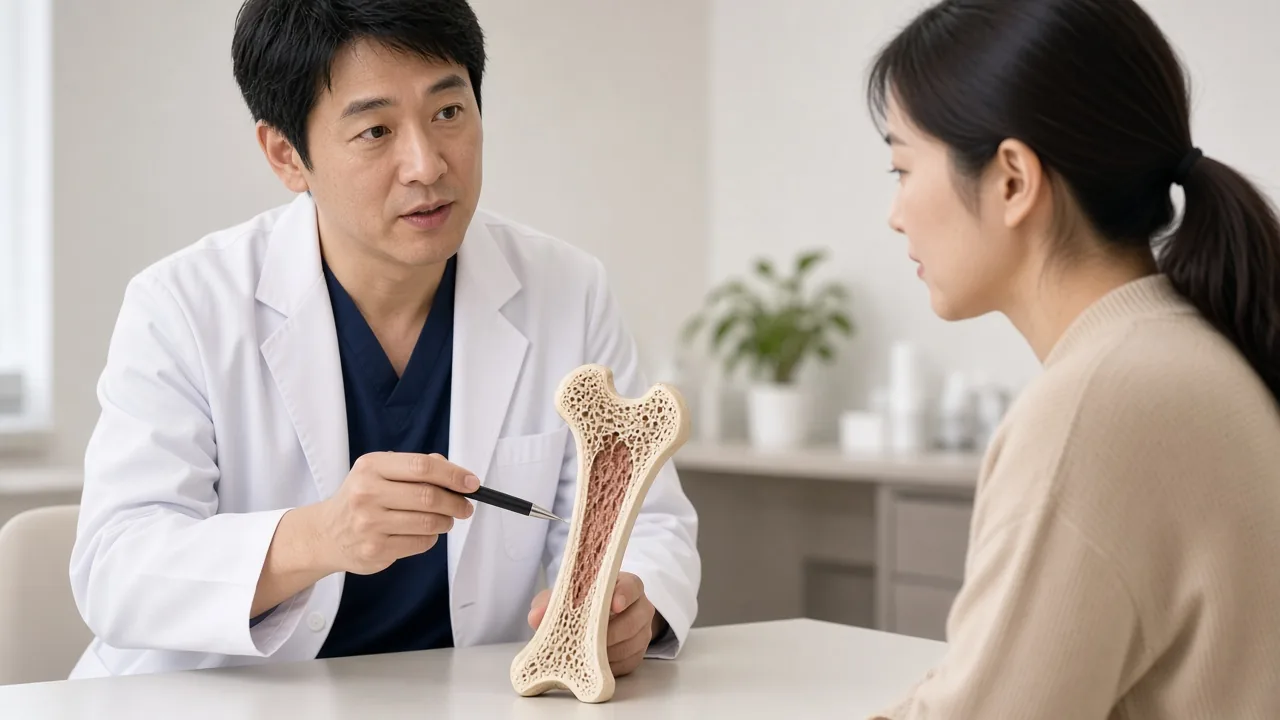
HSCT, also called bone marrow transplantation in common usage, is an established potentially curative treatment for appropriately selected patients with severe thalassemia. Unlike transfusion and chelation, allogeneic HSCT aims to replace the abnormal blood-forming system with healthy donor stem cells. When successful, it can eliminate transfusion dependence.
Current guidance recommends discussing transplantation early, particularly when an HLA-identical sibling donor is available and before significant iron-related organ damage develops.
Doctors generally assess age, thalassemia type, transfusion dependence, HLA compatibility, donor options, liver and cardiac iron, liver function, existing organ damage, previous transfusion history, infections and overall transplant risk. Younger patients without significant iron-related organ damage generally have more favourable transplant circumstances.
Possible donor categories include an HLA-identical sibling, a matched related donor, a matched unrelated donor and selected alternative donors in experienced centres. Haploidentical transplantation may be considered in specialised programmes. Autologous transplant is a neighbouring sheet for other diseases. It is not the typical TDT product.
Named transplant lists sit on Bone Marrow Transplant in India. The BMT sheet is $25,000–$70,000. Neighbouring allogeneic is $30,000–$80,000. Neighbouring haploidentical is $35,000–$85,000. Neighbouring matched unrelated-donor is $40,000–$95,000. Neighbouring paediatric BMT is $28,000–$75,000. Neighbouring matched-sibling is $28,000–$70,000.
The process usually involves detailed evaluation, donor evaluation, conditioning, stem-cell infusion, engraftment and post-transplant monitoring for graft-versus-host disease, infections, graft failure, organ complications and immune recovery.
Successful allogeneic HSCT can cure the underlying haematological disorder. It is not risk-free. Potential risks include GVHD, serious infections, graft rejection or failure, conditioning-related toxicity, fertility effects, organ complications and long-term immune complications. The decision requires a specialist transplant assessment rather than being based solely on the availability of a donor.
Request a thalassemia transplant review
5. Gene therapy for beta thalassemia
Gene-based therapies are changing the landscape for transfusion-dependent beta-thalassemia. Certain products use the patient's own hematopoietic stem cells, modify them outside the body and return them after conditioning.
Eligibility depends on the specific therapy, age, genotype, transfusion dependence, clinical status, regulatory approvals and treatment-centre availability.
Casgevy (exagamglogene autotemcel) has regulatory approval in the United States for transfusion-dependent beta-thalassemia, with the FDA expanding the approved age range in 2026. The European Medicines Agency also authorises Casgevy for transfusion-dependent beta-thalassemia in patients aged 12 years and older for whom HSCT is appropriate but an HLA-matched related donor is unavailable.
Availability and regulatory status in India should be confirmed directly with the treating specialist before presenting gene therapy as a treatment option. There is no live GAF gene-therapy cost sheet. Do not use the BMT or CAR-T sheets as a gene-therapy price.
6. Disease-modifying medicines
Some patients may benefit from medicines designed to improve ineffective erythropoiesis or reduce transfusion requirements.
Luspatercept can reduce transfusion requirements in selected patients with beta-thalassemia. Hydroxyurea has been used in selected phenotypes, although response varies. The therapeutic landscape continues to change. There is no live GAF luspatercept or hydroxyurea package sheet.
7. Treatment of complications
Good thalassemia care goes beyond haemoglobin and transfusions.
Heart. Iron can cause cardiomyopathy, arrhythmias and heart failure. Cardiac MRI T2* can assess myocardial iron in appropriate patients.
Liver. Monitoring may include liver function tests, ferritin, liver iron assessment, viral hepatitis screening and imaging when indicated.
Endocrine system. Long-term iron overload can contribute to delayed puberty, hypogonadism, diabetes, thyroid abnormalities and growth problems. Children need careful monitoring of growth and development.
Bones. Thalassemia can be associated with low bone density, bone pain, fractures and skeletal changes.

8. Splenectomy
Splenectomy is not a routine treatment for every patient. The spleen can become significantly enlarged and may increase red-cell destruction or transfusion requirements in selected patients. Removing the spleen increases susceptibility to certain infections and may increase thrombotic risk. It is considered only after careful evaluation. There is no live GAF splenectomy-for-thalassemia sheet.
Request a named-pathway cost estimate
Thalassemia Treatment in Children
Children with severe thalassemia require particularly structured care. Treatment focuses on maintaining appropriate haemoglobin, supporting normal growth, preventing iron overload, monitoring puberty and endocrine function, maintaining bone health, screening for cardiac and liver complications, evaluating early for HSCT, and supporting education and normal activities.
The current Indian paediatric guideline specifically recommends comprehensive multidisciplinary care and early counselling about HSCT.
Families travelling to India should look for a dedicated paediatric haematology and paediatric BMT programme. Neighbouring pediatric bone marrow transplantation is $28,000–$75,000. Neighbouring matched sibling donor transplant is $28,000–$70,000. Adult floors are not a substitute because a brochure says they treat all ages.
Paediatric doctor lists include Delhi NCR paediatric haematology and Chennai paediatric haematology.
Share a child's reports for a paediatric thalassemia opinion
Thalassemia Treatment During Pregnancy
Women with thalassemia can become pregnant, but pregnancy requires specialised multidisciplinary management. Before pregnancy, the patient may need assessment of cardiac iron, liver function, endocrine function, fertility, chelation therapy, haemoglobin status, medicines and iron burden.
Genetic counselling is important because thalassemia is inherited. If both prospective parents carry relevant variants, there can be a significant risk of an affected child.
Genetic Counseling and Family Screening
Because thalassemia is inherited, family screening can be extremely important. Testing may include complete blood count, red-cell indices, haemoglobin analysis, haemoglobin electrophoresis or HPLC, and genetic testing when indicated.
The 2026 Indian recommendations emphasise carrier screening, cascade screening, genetic counselling and antenatal or prenatal diagnosis. Neighbouring precision oncology is $2,000–$7,000 only when an NGS panel plus clinic visit is the named product. It is not a substitute carrier-screen or HPLC quotation.
How Is Thalassemia Diagnosed?
Diagnosis may involve a complete blood count (often microcytic, hypochromic red cells), a peripheral blood smear, HPLC or electrophoresis, and molecular testing when the diagnosis remains uncertain, alpha-thalassemia is suspected, a specific mutation needs confirmation, family screening is being performed or prenatal diagnosis is being considered.
Current international guidance emphasises excluding iron deficiency when evaluating microcytosis.
What Tests Are Needed Before Treatment?
A comprehensive evaluation may include CBC, peripheral smear, HPLC or electrophoresis, genetic testing, serum ferritin, liver MRI, cardiac T2* MRI, liver and kidney function, echocardiography, endocrine tests, viral screening and HLA typing when HSCT is being considered.
Not every patient requires every test. Neighbouring bone marrow biopsy is $300–$900 when a trephine is actually named. Most thalassemia diagnoses do not start with a marrow biopsy.
| Investigation | Why it is performed |
|---|---|
| CBC | Measures haemoglobin and red-cell indices |
| Peripheral smear | Evaluates red-cell morphology |
| HPLC / electrophoresis | Identifies haemoglobin fractions |
| Genetic testing | Defines selected variants |
| Serum ferritin | Tracks iron-burden trends |
| Liver MRI | Measures liver iron when indicated |
| Cardiac T2* MRI | Assesses cardiac iron |
| HLA typing | Required when considering HSCT |
Thalassemia Treatment Cost in India
There is no single thalassemia treatment cost in India because treatment is not a single procedure.
A patient on lifelong outpatient transfusion and oral chelation has a different pathway from a child proceeding to matched-sibling allogeneic transplant. A gene-therapy evaluation, if available, is a different product again.
International patients should ask hospitals to provide a written estimate separating haematology consultation, transfusion units and blood-bank charges, chelation medicines, ferritin and MRI, genetic testing, HLA typing, donor evaluation, conditioning, transplant admission, post-transplant medicines and what is excluded if complications occur.
A transplant quotation cannot be used to represent the cost of lifelong transfusion and chelation.
WhatsApp +91 90443 46292 for an itemised thalassemia estimate
How to Choose a Thalassemia Centre in India
There is no single hospital that is best for every thalassemia patient.
Look for a dedicated haematology team that already treats transfusion-dependent thalassemia, leukodepleted blood, iron-overload assessment including cardiac T2* and liver iron MRI where needed, HLA typing, a transplant unit that already performs allogeneic work for haemoglobinopathies, paediatric haematology for children, infection-control and ICU support, and long-term follow-up.
Live GAF city lists currently cover Delhi NCR, Mumbai, Bengaluru, Chennai and Hyderabad. Kolkata, Vellore, Pune, Ahmedabad, Kochi, Jaipur, Chandigarh and Lucknow are not live GAF catalog cities on this site.
Catalog haematologists currently tagged to blood-disorder or transplant lists include Dr. Ajay Gupta and Dr. Akash Khandelwal in Delhi NCR; Dr. Akshay Shah and Dr. Muralidaran C in Mumbai; Dr. Govind Eriat and Dr. Neema Bhat in Bengaluru; Dr. M. Gopinathan and Dr. Prabu P in Chennai; and Dr. K. Karuna Kumar and Dr. Narender Kumar Thota in Hyderabad. Neighbouring paediatric lists include Dr. Amita Mahajan in Delhi NCR, Dr. Vipin Khandelwal in Mumbai, Dr. Prerana Nesargi in Bengaluru, Dr. G. Vimal Kumar in Chennai and Dr. Parinitha Reddy Gutha in Hyderabad. A catalog tag is not a volume, outcome or ranking claim.
Catalog hospitals currently affiliated with those tagged lists include Indraprastha Apollo Hospital, BLK-Max Super Speciality Hospital and Medanta - The Medicity in Delhi NCR; Wockhardt Hospital, Mumbai and Gleneagles Hospital, Mumbai; Apollo Hospitals, Bannerghatta Road and Gleneagles Hospitals, Bengaluru; Apollo Hospital, Chennai and MGM Healthcare, Chennai; and Yashoda Hospitals, Secunderabad and KIMS Hospitals, Secunderabad.
Find a thalassemia specialist in India
WhatsApp +91 90443 46292 to match a haematologist
- Haematology hospitals in Delhi NCR
- Haematology hospitals in Mumbai
- Haematology hospitals in Bengaluru
- Haematology hospitals in Chennai
- Haematology hospitals in Hyderabad
Why International Patients Choose India
For patients travelling from Africa, the Middle East, Central Asia and other regions, thalassemia treatment in India may offer access to haematology, transfusion and allogeneic transplant services within large tertiary-care hospitals.
Medical treatment is only one part of the journey. The provider should ideally also coordinate remote record review, a preliminary haematologist opinion, a treatment plan, admission planning, visa-support documentation where applicable, airport assistance, accommodation, interpreter support, financial estimates and post-treatment follow-up.
For a child who may need early HSCT, unnecessary delay can matter. Obtain advice from a qualified haematologist about timing before booking flights.
Thalassemia Treatment Process in India for International Patients
Step 1: Send medical records
The initial file may include diagnosis reports, CBC, HPLC or electrophoresis, genetic reports, transfusion history, ferritin history, MRI reports, echocardiography, current medicines and any previous transplant evaluation.
Step 2: Haematologist review
A specialist reviews whether the patient needs continued transfusion and chelation, complication management, further work-up, HSCT evaluation, genetic counselling or another advanced treatment.
Step 3: Treatment plan and estimate
The hospital provides an individualised plan and estimated cost from named modality sheets after the pathway is named.
Step 4: Travel and admission
Once medically appropriate, the international-patient team coordinates admission.
Step 5: Treatment
Treatment may range from outpatient transfusion and chelation to hospitalisation for transplantation.
Step 6: Follow-up
Long-term follow-up is essential, particularly after HSCT or when managing significant iron overload.
Plan a thalassemia treatment journey
Questions to Ask the Haematologist
- What type of thalassemia do I have?
- Am I transfusion-dependent?
- What should my pre-transfusion haemoglobin target be?
- How much iron has accumulated?
- Do I need liver iron MRI?
- Do I need cardiac T2* MRI?
- Which chelation medicine is appropriate?
- How often should ferritin be checked?
- Am I a candidate for stem cell transplantation?
- Have my siblings undergone HLA testing?
- Would an unrelated donor be an option?
- What are the transplant-related risks in my case?
- Are any disease-modifying treatments appropriate?
- Is gene therapy available and appropriate for me in India?
- What monitoring will I need after treatment?
- What is the estimated cost from named sheets?
- Which parts of the estimate are not included?
Thalassemia: Treatment by Patient Situation
| Patient situation | Possible treatment approach |
|---|---|
| Thalassemia trait | Usually observation and counselling |
| Non-transfusion-dependent thalassemia | Individualised monitoring and treatment |
| Transfusion-dependent thalassemia | Regular transfusions plus iron management |
| Significant iron overload | Intensified or individualised chelation |
| Cardiac iron overload | Specialised cardiac monitoring and chelation |
| HLA-matched sibling available | HSCT evaluation |
| No matched sibling | Alternative-donor or other advanced-therapy assessment |
| Selected eligible beta-thalassemia | Disease-modifying or gene-based therapy evaluation after local availability is confirmed |
| Pregnancy | Multidisciplinary haematology and obstetric care |
Can Thalassemia Be Completely Cured?
The answer depends on the type of thalassemia and the treatment available to the individual.
For severe transfusion-dependent disease, successful allogeneic HSCT can provide a curative outcome. Gene-based therapies are expanding the range of potentially curative approaches for selected patients with transfusion-dependent beta-thalassemia, although eligibility, regulatory approval and availability vary by country and centre.
For patients who do not undergo curative treatment, modern transfusion and chelation programmes can substantially improve long-term disease management and quality of life.
Life After Thalassemia Treatment
Even patients who become transfusion-independent after transplantation may need monitoring for residual iron, endocrine problems, bone health, liver and cardiac health, immune complications, growth in children, fertility and late transplant effects.
For patients receiving conventional therapy, adherence to transfusions and chelation is especially important. Modern care is increasingly focused on normal growth, education, employment, fertility, family life and quality of life, not survival alone.
Frequently Asked Questions About Thalassemia Treatment in India
Is thalassemia treatable in India?
Yes. India has specialised haematology and transfusion services, as well as established stem-cell transplant programmes. Treatment may include transfusions, iron chelation, management of complications and, for selected patients, HSCT.
What is the main treatment for thalassemia major?
For transfusion-dependent thalassemia, regular red-cell transfusions and iron chelation are the foundation of conventional treatment. HSCT can offer a potentially curative option to appropriately selected patients.
How often does a thalassemia patient need blood transfusions?
Many transfusion-dependent beta-thalassemia patients receive transfusions approximately every 2–4 weeks, although the interval is individualised.
Why is iron chelation necessary?
Repeated transfusions introduce iron. Excess iron can accumulate in organs and cause heart, liver and endocrine complications.
Can a bone marrow transplant cure thalassemia?
A successful allogeneic hematopoietic stem cell transplant can eliminate transfusion dependence for appropriately selected patients. It is a major treatment with significant risks. Transplant lists sit on Bone Marrow Transplant in India.
Is a matched sibling necessary for transplant?
An HLA-identical sibling is an important donor option, but programmes may consider carefully selected matched unrelated or other donor strategies in appropriate circumstances. Neighbouring matched-sibling is $28,000–$70,000. Neighbouring MUD is $40,000–$95,000.
Can adults undergo stem cell transplantation for thalassemia?
Adults may be considered, but transplant risk depends on age, iron overload, organ function, donor type and other clinical factors.
Is gene therapy available for thalassemia?
Gene-based treatments are part of the evolving landscape for transfusion-dependent beta-thalassemia. Regulatory approvals differ by country. Availability in India should be confirmed with a specialist centre. There is no live GAF gene-therapy sheet.
Can thalassemia patients lead a normal life?
With appropriate treatment, monitoring and adherence, many people with thalassemia are living longer and maintaining education, employment and family lives. Long-term management remains important.
Should siblings of a thalassemia patient be tested?
Yes. Family screening can be important because thalassemia is inherited.
What is the cost of thalassemia treatment in India?
There is no single package. Recurring transfusion and chelation are hospital-priced. Named BMT is $25,000–$70,000. Neighbouring allogeneic is $30,000–$80,000. Neighbouring paediatric BMT is $28,000–$75,000.
Which city in India is best for thalassemia treatment?
There is no single best city. Delhi NCR, Mumbai, Bengaluru, Chennai and Hyderabad are live GAF catalog cities. Choose a named haematology unit that already treats transfusion-dependent thalassemia.
Can international patients get thalassemia treatment in India?
Yes. Medical records can usually be reviewed before travel.
Key Takeaways
- Thalassemia treatment in India has moved beyond simply giving regular blood transfusions.
- Modern care combines planned transfusion, iron chelation, MRI-based iron monitoring, screening for organ complications and early consideration of allogeneic HSCT.
- There is no single GAF thalassemia package. Named BMT is $25,000–$70,000. Neighbouring allogeneic is $30,000–$80,000. Neighbouring paediatric BMT is $28,000–$75,000.
- Gene therapy and chelation drugs have no live GAF sheets. Confirm Indian availability and hospital pricing after records review.
- Transplant lists sit on Bone Marrow Transplant in India.
- Fever after transfusion, chest pain, severe breathlessness or post-transplant fever belongs in a local emergency department.
Share diagnosis reports, CBC, HPLC, genetic results, transfusion history, ferritin, MRI and any previous transplant evaluation before making travel arrangements.
Request a thalassemia treatment plan
Share records for a thalassemia review
Message a coordinator on WhatsApp
Request a cost review on WhatsApp
Why GAF Healthcare Can Help International Patients
For an international patient, arranging thalassemia treatment involves medical-record collection, specialist review, hospital coordination, treatment estimates, appointment scheduling, travel planning, local assistance and follow-up coordination.
GAF Healthcare can help coordinate the process with appropriate hospitals and haematology teams. A medical opinion should always come from the treating haematologist or transplant team. GAF Healthcare's role is to facilitate access and coordination rather than replace the medical team.
Related Treatment and Cost Guides
- Bone Marrow Transplant in India — named BMT sheet $25,000–$70,000
- Leukemia Treatment in India — different blood-cancer pathway
- Lymphoma Treatment in India — different lymphatic-cancer pathway
- Allogeneic stem cell transplant — $30,000–$80,000
- Haploidentical stem cell transplant — $35,000–$85,000
- Matched unrelated donor transplant — $40,000–$95,000
- Pediatric bone marrow transplantation — $28,000–$75,000
- Matched sibling donor transplant — $28,000–$70,000
- Bone marrow biopsy — $300–$900
Alpha-thalassemia, beta-thalassemia, thalassemia-major, gene-therapy, haematology-treatment and genetic-testing treatment pages are not live on this site. Use the named modality sheets rather than an invented disease page. Sickle cell lists sit on Sickle Cell Anemia Treatment in India. Myeloma lists sit on Multiple Myeloma Treatment in India. Aplastic anemia lists sit on Aplastic Anemia Treatment in India. Autologous transplant lists sit on Autologous Bone Marrow Transplant in India. Fanconi anemia lists sit on Fanconi Anemia Treatment in India.
Transfusion, chelation, transplant and gene-therapy lists treat different briefs. They are not a substitute thalassemia package.
Top 10 Medical Sources
- Indian Academy of Pediatrics — transfusion-dependent thalassemia guidance — diagnosis and management recommendations for TDT in India.
- Indian Society of Haematology and Blood Transfusion — best-practice recommendations for thalassemia management in India.
- Thalassaemia International Federation — TDT guidelines — transfusion, chelation and iron monitoring.
- NCBI Bookshelf — hematopoietic cell transplantation for TDT — donor selection and transplant counselling.
- National Heart, Lung, and Blood Institute — Thalassemia — treatment and long-term management.
- NCBI Bookshelf — alpha-thalassemia management — severe alpha-thalassemia care.
- AIIMS New Delhi — Haematology — published haematology and transplant service description.
- Christian Medical College Vellore — Haematology — published thalassemia genetics and transplant programme description.
- European Medicines Agency — Casgevy — regulatory information for transfusion-dependent beta-thalassemia.
- U.S. FDA — Casgevy — current approvals for transfusion-dependent beta-thalassemia.
Last reviewed against the cited sources: October 2026.
Medical Disclaimer
This page is intended for general educational purposes and should not replace an examination, diagnosis or individualized medical advice from a qualified haematologist.
Thalassemia treatment is individualized. Suitability, protocol, risks, recovery and expected results vary from patient to patient. Treatment protocols, drug availability and gene-therapy approvals can change.
If you develop fever after transfusion, chest pain, sudden breathlessness, uncontrolled bleeding or fever after transplant, seek urgent medical attention in a local emergency department.
Treatment Process
- 1
Share reports
The patient provides CBC, HPLC, genetic results, transfusion history, ferritin, MRI and any previous transplant notes.
- 2
Virtual haematology opinion
A haematologist reviews whether the case is trait, NTDT or transfusion-dependent and whether a graft should be discussed early.
- 3
Name the pathway
The team writes transfusion and chelation, iron-complication care or allogeneic HSCT as separate products.
- 4
Itemized estimate
There is no single thalassemia package. Named BMT is $25,000–$70,000. Neighbouring allogeneic is $30,000–$80,000.
- 5
Travel to India
Stable planned cases travel after records review. Fever after transfusion or chest pain is a local emergency.
- 6
Repeat essential tests
The receiving unit confirms haemoglobin, iron, antibodies and organ function after arrival.
- 7
Deliver the named pathway
Transfusion, chelation or conditioning proceeds only after the type and iron burden are named.
- 8
Response and iron review
Haemoglobin, ferritin and selected MRI decide whether chelation, a graft or another line is honest.
- 9
Return home
The patient leaves with transfusion targets, chelation lists, warning signs and a remote-follow-up plan.