
Treatment Overview
Transcatheter aortic valve replacement (TAVR) in India, also called transcatheter aortic valve implantation (TAVI), is a minimally invasive procedure used to replace a diseased aortic valve without conventional open-heart valve replacement. It is used for appropriately selected patients with severe aortic stenosis when a Heart Team considers a catheter-based approach suitable based on symptoms, valve anatomy, age, life expectancy, surgical risk, vascular access and other medical conditions.
A surgical aortic valve is a different product. Named surgical lists sit on aortic valve replacement. Neighbouring heart valve replacement covers broader surgical valve work. A coronary stent is a different product again. Named PCI sits on Coronary Angioplasty in India. Pacing after TAVR sits on Pacemaker Implantation in India. This page is the named TAVR/TAVI product.
GAF Healthcare planning for TAVR/TAVI is $18,000–$42,000 (typically 3–7 nights). US comparison is $50,000–$150,000. Named aortic valve replacement is $7,000–$18,500 (typically 8–16 nights) when surgery is the honest product. Neighbouring heart valve replacement is $7,000–$18,000 (typically 8–16 nights). Neighbouring coronary angioplasty and stenting is $3,200–$8,500 (typically 1–3 nights) when coronary disease needs treatment in the same pathway. Neighbouring pacemaker implantation is $3,500–$9,000 (typically 1–3 nights) if conduction injury requires pacing. Neighbouring CABG is $5,500–$14,000 (typically 7–14 nights) when bypass rather than a catheter valve is the product. These are planning ranges from partner hospital cost sheets, not hospital quotations. Valve-in-valve TAVR, alternative-access TAVR, bicuspid anatomy, combined PCI, pacemaker implantation and paediatric cases are quoted after Heart Team review.
International patients comparing cardiologists commonly start with Delhi NCR, Mumbai, Bengaluru, Chennai and Hyderabad. Partner cardiac surgery hospitals in Delhi NCR, Mumbai and Bengaluru, and in Chennai and Hyderabad, are a typical first filter because TAVR needs on-site surgical backup. City cost sheets include Delhi NCR, Mumbai, Bengaluru, Chennai and Hyderabad. Kolkata, Pune, Ahmedabad, Chandigarh and Kochi may have structural-heart services, but they are not live GAF catalog cities on this site.
Important: TAVR is not suitable for everyone with aortic stenosis. A Heart Team must determine whether TAVR, surgical AVR or another approach is appropriate after echocardiography, CT planning and overall fitness. New or worsening chest pain, fainting or severe breathlessness belongs in a local emergency department, not in a WhatsApp message.
TAVR in India at a Glance
| Factor | What patients should know |
|---|---|
| Procedure | Transfemoral TAVR/TAVI, or another access route when anatomy requires it |
| Anaesthesia | Often local anaesthesia with sedation; general anaesthesia in selected cases |
| GAF hospital stay | Typically 3–7 nights |
| Cost in India | GAF $18,000–$42,000; named surgical sheets differ |
| Main specialist | Interventional cardiologist with a Heart Team and cardiac surgery backup |
| Follow-up | Echo, rhythm check and lifelong valve surveillance |
| Emergency | New chest pain, fainting or severe breathlessness belongs in a local emergency department |
What Is Transcatheter Aortic Valve Replacement?
TAVR is a catheter-based method of replacing the aortic valve.
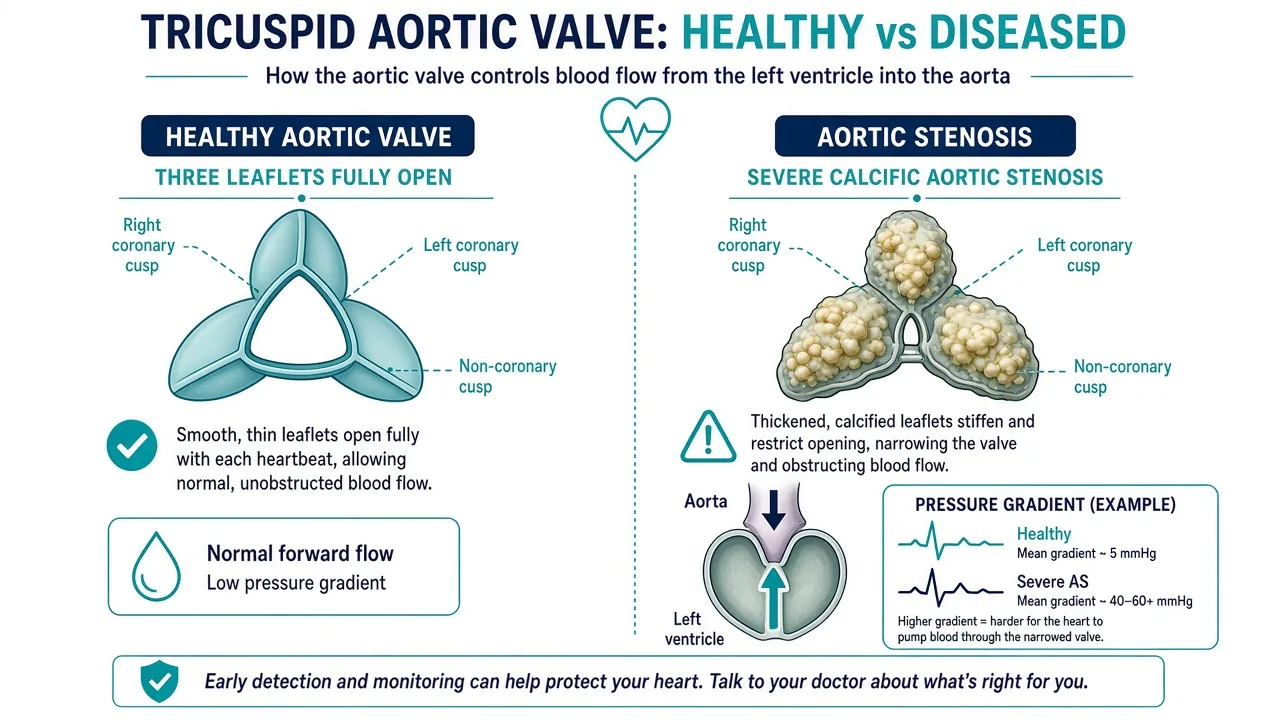
The aortic valve sits between the left ventricle and the aorta. It opens when the heart pumps blood out of the left ventricle and closes to prevent blood from flowing backward.
In aortic stenosis, the valve becomes narrowed, often because of progressive calcium deposition and degeneration. The narrowed valve makes it harder for the heart to push blood into the body's circulation. Over time, the increased workload can lead to left-ventricular dysfunction and heart failure.
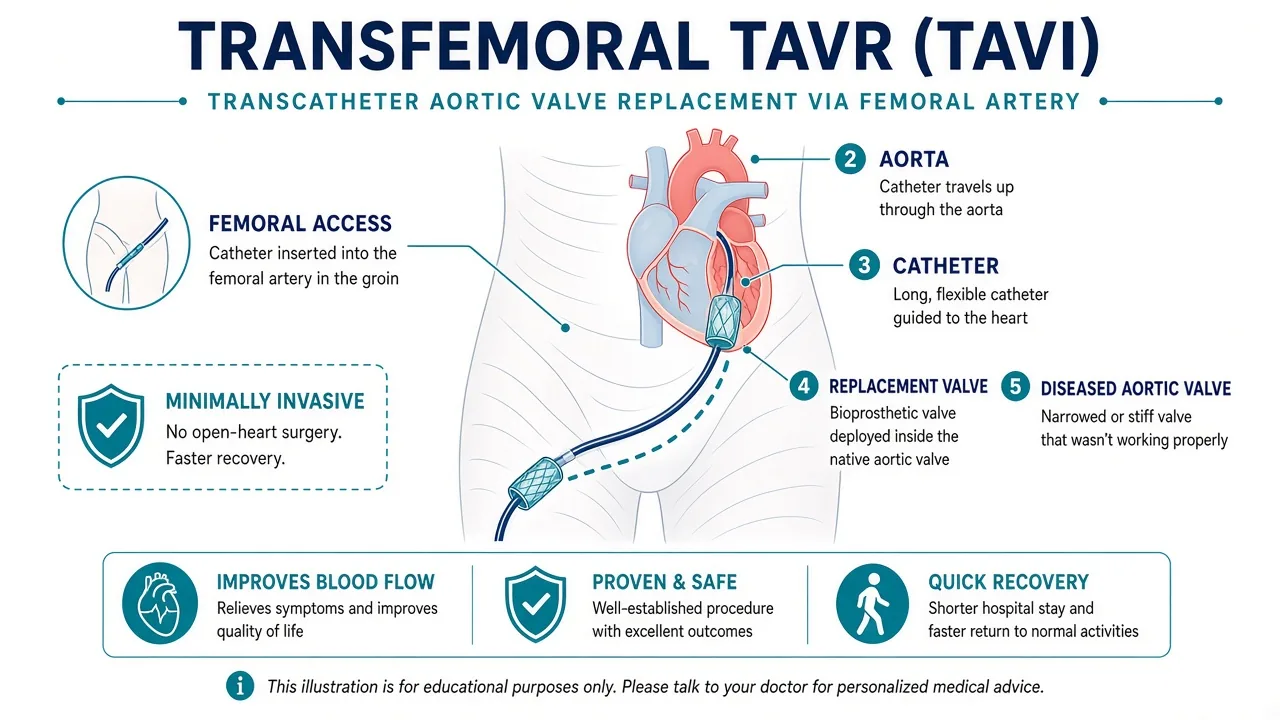
During TAVR, a collapsible biological valve mounted on a stent is compressed onto a catheter. The catheter is advanced to the heart, most commonly through the femoral artery. The replacement valve is positioned inside the diseased native valve and expanded, pushing the old leaflets aside and creating a new pathway for blood flow.
Unlike conventional surgical aortic valve replacement, TAVR does not normally require opening the chest or removing the old valve surgically. Balloon aortic valvuloplasty only widens the native valve and sits on Aortic Balloon Valvuloplasty in India.
Ask whether TAVR is appropriate
TAVR vs TAVI: Is There a Difference?
TAVR means transcatheter aortic valve replacement. TAVI means transcatheter aortic valve implantation. Both terms generally describe the same catheter-based treatment.
TAVI is particularly common in Europe and many other countries, while TAVR is widely used in North America and in international medical literature. Searches for TAVR in India, TAVI in India, TAVI surgery in India, TAVR procedure in India, transcatheter aortic valve replacement in India and transcatheter aortic valve implantation in India generally refer to the same family of treatment.
What Is Aortic Stenosis?
Aortic stenosis is narrowing of the aortic valve.
A healthy aortic valve opens widely when the left ventricle contracts. When the valve becomes severely narrowed, blood has difficulty passing through it. The heart compensates by generating greater pressure to push blood through the restricted opening.
Over time, this can cause thickening of the heart muscle, reduced exercise capacity, breathlessness, chest discomfort, dizziness, fainting, fluid accumulation and heart failure.
The severity of aortic stenosis is assessed using clinical examination and cardiac imaging, particularly echocardiography. Measurements such as aortic valve area, transvalvular velocity and pressure gradient help clinicians determine the severity of obstruction.
Symptoms of Severe Aortic Stenosis
Some people with aortic stenosis have few symptoms initially. As the disease becomes severe, symptoms may become more apparent.
Common symptoms include breathlessness during walking or later at rest, chest pain or pressure, dizziness or fainting, reduced exercise tolerance, fatigue, swelling of the feet and ankles, and heart-failure symptoms such as orthopnea or breathlessness at night.
New or worsening chest pain, fainting or severe breathlessness requires a local emergency department.
What Causes Aortic Stenosis?
Several conditions can lead to aortic stenosis.
Degenerative or calcific aortic stenosis is a common cause in older adults. Calcium accumulates on the valve leaflets over time, progressively reducing their mobility.
Bicuspid aortic valve. Some people are born with a bicuspid aortic valve rather than the usual three-leaflet valve. This can cause valve dysfunction earlier in life.
Rheumatic valve disease can cause progressive valve thickening and narrowing.
Congenital valve abnormalities present from birth may eventually produce significant obstruction.
The underlying cause matters because valve anatomy can influence whether TAVR is appropriate and which valve and procedural strategy should be used.
When Is TAVR Recommended?
TAVR is primarily considered for patients with severe aortic stenosis who require aortic valve replacement and have anatomy suitable for a transcatheter procedure.
The decision is not based on age alone. Modern guidelines emphasise multidisciplinary Heart Team assessment. The evaluation considers symptoms, severity of aortic stenosis, left-ventricular function, age, life expectancy, surgical risk, frailty, other medical conditions, aortic valve and root anatomy, coronary anatomy, vascular access, previous heart surgery, existing coronary disease, patient preferences and expected durability.
The 2025 ESC/EACTS guidelines specifically reinforce the central role of the Heart Team and Heart Valve Centres in decision-making for complex valvular disease. The ACC/AHA guidelines likewise emphasise shared decision-making and consideration of lifetime risks and benefits when choosing TAVI/TAVR versus surgical aortic valve replacement.
Is TAVR Suitable for Elderly Patients?
TAVR has become an important treatment option for older adults with severe symptomatic aortic stenosis. In elderly patients, avoiding a large chest incision and cardiopulmonary bypass can be particularly relevant when conventional surgery carries substantial risk because of frailty or other medical conditions.
Being elderly does not automatically mean that TAVR is the correct treatment. The Heart Team still needs to assess overall health, frailty, kidney function, lung disease, previous stroke, coronary disease, aortic anatomy, vascular access, expected survival, functional status and patient goals.
Can Younger Patients Have TAVR?
Yes, selected younger patients may undergo TAVR, but the decision requires particularly careful consideration of valve durability and lifetime treatment strategy. Younger patients may live long enough to require another valve intervention.
The ACC/AHA guideline notes that evidence for TAVR in younger patients has historically been more limited and that durability considerations become increasingly important as expected life expectancy increases. In the PARTNER 3 low-risk trial, five-year outcomes showed no significant difference in the primary composite outcome between TAVR and surgery, although the two approaches continued to have different complication profiles and long-term considerations.
TAVR should not be selected simply because it is less invasive. For a younger patient, the Heart Team may need to consider valve durability, coronary access after TAVR, future valve-in-valve procedures, aortic anatomy, bicuspid valve anatomy, potential need for a pacemaker, future coronary interventions and the possibility of surgical valve replacement later.
TAVR Evaluation Before the Procedure
TAVR planning is considerably more detailed than a routine cardiac procedure.
Echocardiography evaluates aortic valve opening, valve gradients, blood-flow velocity, left-ventricular function, other valve abnormalities, pulmonary pressures and overall cardiac structure. Echocardiography is central to confirming the severity of aortic stenosis.
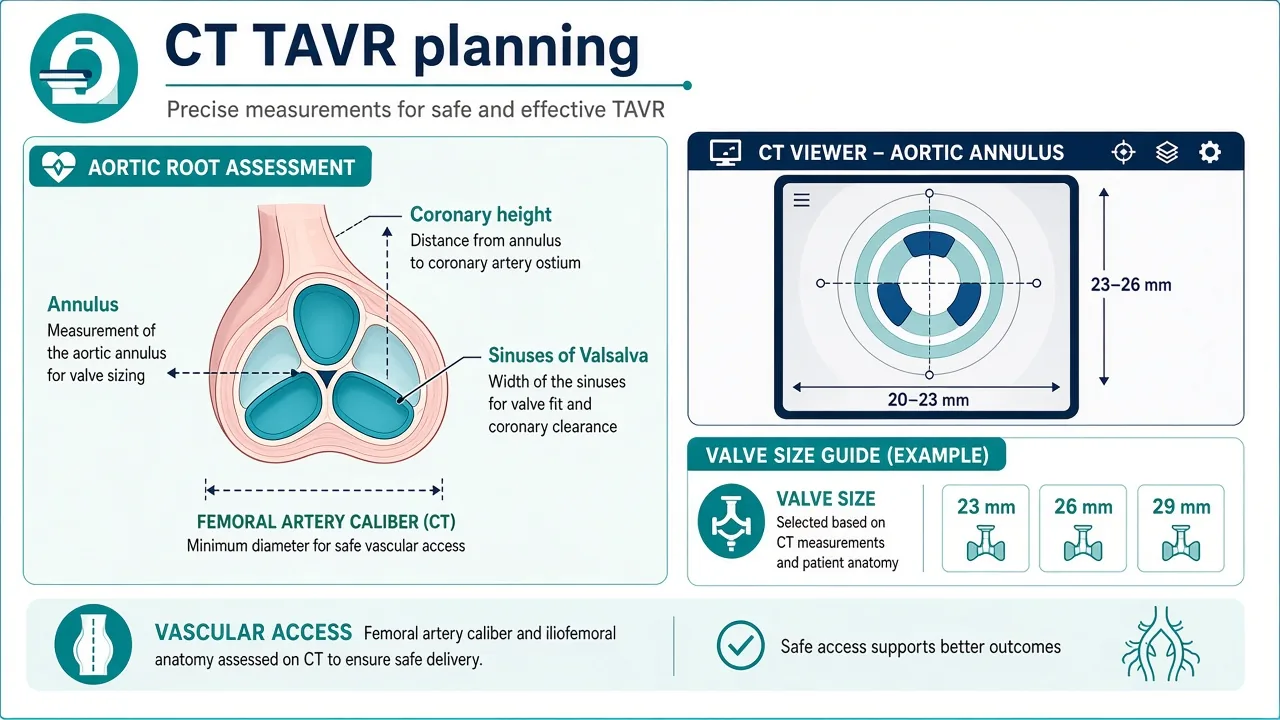
CT TAVR planning. A dedicated ECG-gated CT scan is commonly used to assess the aortic annulus, aortic root, sinuses of Valsalva, coronary artery height, leaflet calcium, aortic dimensions, femoral and iliac arteries and vascular access. This information helps the Heart Team determine the appropriate valve size and procedural approach.
Coronary evaluation. Some patients require coronary angiography or CT coronary assessment. If significant coronary artery disease is present, the treatment strategy may need to incorporate coronary intervention or surgical treatment. Named PCI sits on Coronary Angioplasty in India. Named CABG is a neighbouring surgical product.
ECG establishes the patient's baseline rhythm and conduction status. This is important because conduction abnormalities can occur after TAVR and some patients may require permanent pacing.
Blood tests may include complete blood count, kidney function, electrolytes, liver function, coagulation profile, blood grouping and other pre-procedure investigations.
Surgical risk assessment. The Heart Team evaluates surgical risk using formal risk tools alongside clinical judgement. Risk scores are useful but do not capture every relevant factor. Frailty, previous radiation, porcelain aorta, organ dysfunction and anatomical factors can substantially influence treatment decisions.
Actual echo files and CT datasets are generally more useful than a written summary alone.
Request a named-procedure cost estimate
What Happens During TAVR?
The exact technique varies according to the patient's anatomy and the valve system selected.
Step 1: Anaesthesia or sedation. Many transfemoral TAVR procedures can be performed using local anaesthesia with conscious or moderate sedation. Some patients require general anaesthesia.
Step 2: Arterial access. The most common route is through the femoral artery in the groin. Alternative access routes may be considered when the femoral arteries are unsuitable.
Step 3: Catheter advancement. The catheter is carefully guided through the arterial system toward the heart and across the diseased aortic valve.
Step 4: Valve positioning. The replacement valve is positioned inside the native aortic valve.
Step 5: Valve deployment. The new valve is expanded. Depending on the valve design, deployment may be balloon-expandable or self-expanding.
Step 6: Valve assessment. The team checks valve position, valve function, pressure gradient, paravalvular leakage, coronary blood flow, heart rhythm and vascular access.
Step 7: Catheter removal. Once the team is satisfied with the result, the catheters are removed and the vascular access site is closed.
The procedure itself commonly takes around one to two hours, although the complete hospital pathway takes longer.
Types of TAVR Access
Transfemoral TAVR is the most common approach. The catheter is introduced through the femoral artery in the groin and advanced to the heart. When anatomy permits, transfemoral access is generally the preferred catheter route.
Alternative-access TAVR may be considered if the femoral arteries are too small, severely diseased or otherwise unsuitable. The specific approach depends on arterial anatomy, aortic anatomy, previous surgery, valve system and institutional expertise. Alternative-access TAVR has no separate GAF sheet and is quoted after Heart Team review.
Types of TAVR Valves
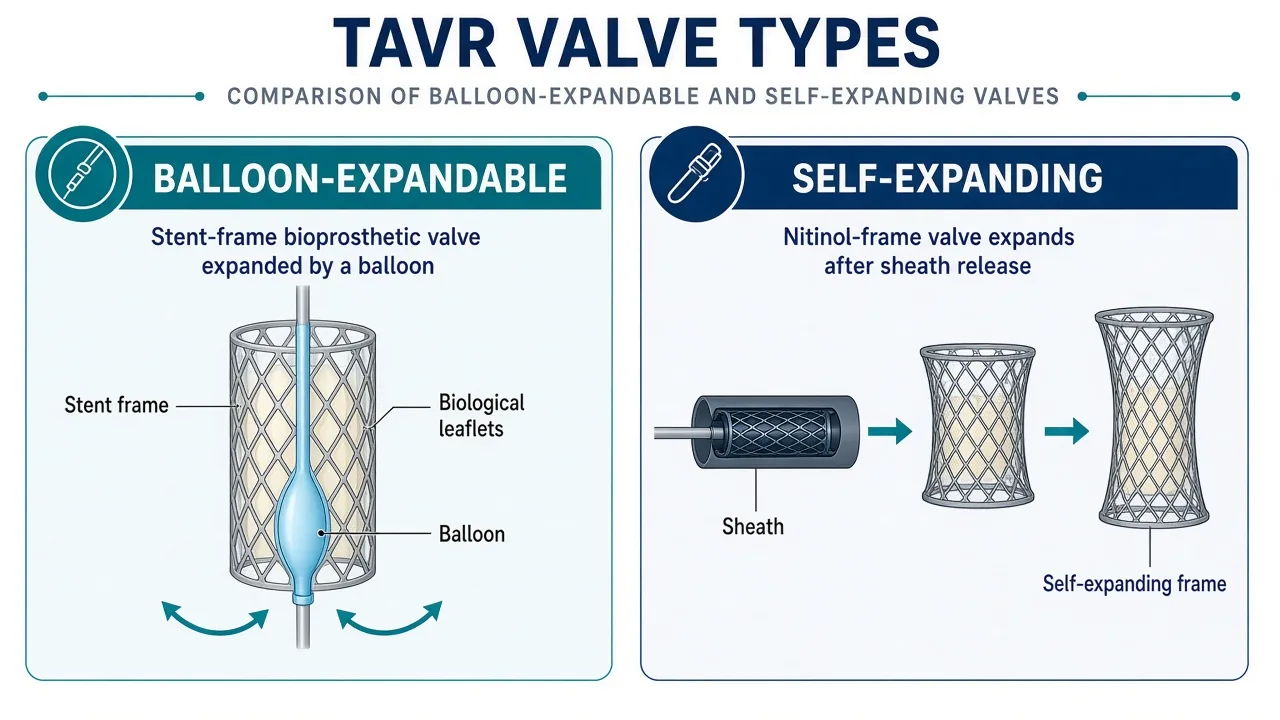
TAVR valves are generally bioprosthetic valves mounted within a stent frame.
Balloon-expandable valves are expanded using a balloon during deployment.
Self-expanding valves use a self-expanding frame that expands after being released.
The choice depends on aortic annulus dimensions, calcium distribution, coronary artery height, left-ventricular outflow tract, aortic root anatomy, risk of conduction abnormalities, future coronary access, and operator and Heart Team experience. There is no universally best TAVR valve for every patient.
TAVR vs Surgical Aortic Valve Replacement
The two principal replacement approaches are TAVR/TAVI and surgical aortic valve replacement (SAVR). Named surgical lists sit on aortic valve replacement.
| Factor | TAVR | Surgical AVR |
|---|---|---|
| Chest opening | Usually not required | Usually required |
| Heart-lung machine | Usually not required | Usually required |
| Access | Usually catheter-based | Surgical |
| GAF planning | $18,000–$42,000 | $7,000–$18,500 |
| GAF stay | Typically 3–7 nights | Typically 8–16 nights |
| Recovery | Generally faster | Generally longer |
| Pacemaker | Risk varies by valve and anatomy | Generally lower than TAVR |
| Paravalvular leak | Can occur | Generally less common |
| Valve durability | Important long-term consideration | Extensive long-term surgical data |
Randomised evidence shows that TAVR and SAVR can have similar major outcomes in appropriately selected patient populations, but their complication profiles and lifetime considerations differ. The decision should therefore be made by the Heart Team rather than by comparing only the size of the incision or length of hospital stay.
Benefits of TAVR
Potential benefits for appropriately selected patients include no conventional sternotomy, less invasive valve replacement, reduced surgical trauma, shorter hospitalisation in many patients, faster mobilisation, earlier return to routine activities, less postoperative pain, lower risk of some surgical complications, and an alternative for patients considered unsuitable or high-risk for conventional surgery.
The ACC/AHA guideline reports lower rates of major bleeding, atrial fibrillation and hospital stay with TAVI compared with SAVR in appropriate populations, while also identifying higher risks of certain complications such as vascular complications, paravalvular regurgitation and permanent pacemaker implantation.
Risks and Complications of TAVR
TAVR is less invasive than conventional valve surgery, but it is not risk-free.
Potential complications include stroke, vascular complications (bleeding, haematoma, arterial injury, dissection or vessel occlusion), bleeding, conduction abnormalities requiring a pacemaker, paravalvular leak, valve thrombosis, kidney injury, infection, valve malposition or dysfunction, and rarely the need for emergency surgery.
The major recognised complications of transcatheter valve procedures include vascular complications, stroke, paravalvular leak, permanent pacing and residual valve dysfunction.
How Successful Is TAVR?
TAVR has progressed from a treatment primarily used in patients who could not tolerate surgery to an established option across several surgical-risk groups.
Five-year follow-up from PARTNER 2 found no significant difference between TAVR and surgery in death or disabling stroke among intermediate-risk patients, although TAVR was associated with more paravalvular regurgitation and some differences in rehospitalisation and reintervention. In the PARTNER 3 low-risk trial, five-year follow-up also found no significant difference in the primary composite endpoint of death, stroke or rehospitalisation between TAVR and surgery.
These results should not be interpreted as meaning that TAVR is automatically better than surgery for every patient. Patient selection remains fundamental.
How Long Does a TAVR Valve Last?
Valve durability is one of the most important long-term questions when choosing TAVR.
Contemporary studies provide reassuring medium-term data, including five-year clinical and valve-function outcomes. Younger patients may have a much longer life expectancy than the period for which the strongest TAVR durability evidence is available.
The Heart Team considers patient age, expected lifespan, valve anatomy, prosthesis size, possibility of valve-in-valve treatment, future coronary access, risk of structural valve deterioration and possibility of future surgery. Patients require lifelong follow-up after valve replacement. Valve-in-valve TAVR has no separate GAF sheet and is quoted after records review.
Recovery After TAVR
Recovery is generally faster than after conventional open-heart valve surgery.
GAF planning for TAVR/TAVI is typically 3–7 nights. Some hospital pages quote same-day or next-day discharge after uncomplicated transfemoral TAVR. International patients should not plan travel from the shortest published stay.
In the first hours, the patient is monitored for heart rhythm, blood pressure, bleeding, vascular complications, neurological symptoms and valve function. In the first days, light walking is usually encouraged once it is safe. The access site should be observed for bleeding, swelling or increasing pain. Over the following weeks, activity is gradually increased according to instructions on exercise, driving, lifting, medication, wound care and cardiac rehabilitation.
Long-term follow-up normally includes clinical review and echocardiography to monitor valve function.
Request a named-procedure hospital estimate
WhatsApp +91 90443 46292 for an itemised TAVR estimate
TAVR Hospital Stay in India
For an uncomplicated transfemoral procedure, some patients may require only a short inpatient stay. GAF planning remains 3–7 nights because the actual duration may increase with advanced age, kidney disease, rhythm abnormalities, pacemaker requirement, vascular complications, heart failure, other medical conditions, ICU requirement, delayed mobilisation or additional cardiac procedures.
For international patients, it is sensible to allow additional recovery time in India after discharge rather than planning an immediate return flight. GAF planning distinguishes hospital stay from total stay in India. Combined evaluation, CT, Heart Team review and fitness to fly usually take longer than the inpatient nights.
TAVR Cost in India
The cost of TAVR in India varies considerably because the valve itself represents a major component of the treatment cost. There is no medically responsible single price because the product may be a first transfemoral TAVR, an alternative-access case, a valve-in-valve procedure or TAVR combined with PCI or pacing.
| Type / complexity | GAF planning | Typical stay |
|---|---|---|
| TAVR/TAVI | $18,000–$42,000 | 3–7 nights |
| Aortic valve replacement | $7,000–$18,500 | 8–16 nights |
| Heart valve replacement | $7,000–$18,000 | 8–16 nights |
| Coronary angioplasty and stenting | $3,200–$8,500 | 1–3 nights |
| Pacemaker implantation | $3,500–$9,000 | 1–3 nights |
| CABG | $5,500–$14,000 | 7–14 nights |
| Valve-in-valve, alternative access, bicuspid anatomy, combined procedures | Quoted after case review | Depends on the case |
US comparison for TAVR/TAVI is $50,000–$150,000.
Major cost drivers include valve type, size and manufacturer, hospital and city, Heart Team fees, CT and imaging, cath-lab charges, anaesthesia, ICU stay, room category, coronary angiography or angioplasty if required, pacemaker implantation if required, treatment of complications, length of stay and follow-up. Confirm whether a quotation includes the transcatheter valve, procedure, physician fees, sedation, cath-lab charges, stay, investigations, medicines, programming of any pacemaker and complication management. Do not compare two quotations only by the headline package price. A low advertised TAVR price should always be checked to determine whether it includes the valve.
City starting points:
Plan an international TAVR stay
Is TAVR Covered by Insurance?
Coverage depends on the patient's insurance policy, insurer, hospital network and specific indication. Patients should confirm whether TAVR is covered, whether the valve is covered, any sub-limits, pre-authorisation, waiting periods, network restrictions, room-rent limits and coverage for complications and investigations. International patients should obtain a written package estimate before travelling. GAF planning ranges are not insurance approvals.
TAVR for International Patients Coming to India
India is an established destination for complex cardiac care, but international patients should plan TAVR differently from routine medical travel.
Before travelling, share a recent echocardiogram, CT scan if available, ECG, coronary angiography if performed, blood reports, discharge summaries, previous cardiac procedures, medication list, medical history and passport details. The treating Heart Team can then determine what additional evaluation is required.
A typical pathway is medical record review, cardiologist consultation, echocardiography, CT TAVR protocol, Heart Team assessment, valve selection, TAVR, monitoring, discharge and follow-up.
After treatment, international patients should leave with a discharge summary, TAVR valve information, implant identification, echocardiogram report, ECG, medication plan, follow-up schedule and emergency contact information. Carry the valve identification card and provide it to future healthcare professionals.
Stable planned cases travel after records review. New chest pain, fainting, severe breathlessness or collapse belongs in a local emergency department.
How to Choose a TAVR Hospital in India
For TAVR, the choice of hospital should not be based only on hotel-style facilities or the lowest quoted price.
Confirm that the hospital has a dedicated structural-heart programme, a multidisciplinary Heart Team (interventional cardiologist, cardiothoracic surgeon, cardiac imaging, cardiac anaesthesia, cardiac radiology and intensive care), cardiac surgery available on-site, more than one valve platform when anatomy requires it, high-quality echocardiography and CT-based planning, post-TAVR rhythm monitoring, and protocols for ICU, emergency surgery, vascular intervention and pacemaker support.
Catalog hospitals currently affiliated with tagged TAVR lists include Fortis Escorts Heart Institute and Artemis Hospital in Delhi NCR; KIMS Hospitals, Thane and Gleneagles Hospital in Mumbai; Gleneagles Hospitals in Bengaluru; MGM Healthcare and Gleneagles HealthCity in Chennai; and KIMS Hospitals and Yashoda Hospitals, Hi-Tech City in Hyderabad. A catalog tag is not a volume, outcome or ranking claim.
Named clinicians currently tagged to TAVR lists include Dr. Ashok Seth and Dr. Amit Kumar Chaurasia in Delhi NCR; Dr. Milind Phadke and Dr. Dipak Patil in Mumbai; Dr. P R L N Prasad in Bengaluru; Dr. A B Gopalamurugan and Dr. Gobu P in Chennai; and Dr. Ajay J Swamy and Dr. V. Rajasekhar in Hyderabad.
Find a TAVR specialist in India
WhatsApp +91 90443 46292 to match a TAVR cardiologist
- Cardiac surgery hospitals in Delhi NCR
- Cardiac surgery hospitals in Mumbai
- Cardiac surgery hospitals in Bengaluru
- Cardiac surgery hospitals in Chennai
- Cardiac surgery hospitals in Hyderabad
Questions to Ask Your TAVR Doctor
Ask how severe the aortic stenosis is, whether valve replacement is needed now, whether TAVR is suitable, why TAVR is recommended instead of surgery, whether transfemoral access is possible, what the CT scan shows, which valve is planned and why, the expected valve size, pacemaker risk, stroke and vascular-complication risk, whether coronary disease also needs treatment, expected hospital stay, what happens if TAVR cannot be completed as planned, what follow-up is needed, and how future cardiac procedures should be planned.
Who May Not Be Suitable for TAVR?
TAVR is not appropriate for every patient with aortic stenosis. Reasons may include valve anatomy unsuitable for the available transcatheter valve, inadequate vascular access, aortic anatomy requiring surgical correction, concomitant cardiac disease better treated surgically, certain forms of bicuspid valve disease, aortic root or ascending-aorta pathology requiring surgery, very long life expectancy where valve durability and lifetime strategy favour surgery, severe comorbidities where intervention would not provide meaningful benefit, or other patient-specific anatomical or clinical contraindications.
TAVR and Bicuspid Aortic Valve
Bicuspid aortic valves present additional anatomical considerations. Compared with a typical trileaflet valve, bicuspid valves may have different annular geometry, asymmetric calcification, heavier calcium burden, different aortic root dimensions and associated ascending-aortic enlargement.
TAVR can be performed in selected patients with bicuspid anatomy, but CT-based anatomical assessment is particularly important. Some patients with bicuspid valve disease may benefit more from surgery, especially when associated aortic enlargement or other surgical indications are present. Bicuspid TAVR is quoted after Heart Team review rather than from the standard planning band alone.
TAVR and Coronary Artery Disease
Aortic stenosis and coronary artery disease can coexist. The Heart Team may need to determine whether coronary arteries require medical treatment, coronary angioplasty, surgical bypass, or no immediate intervention. This is another reason why TAVR should be planned as part of a comprehensive cardiac assessment rather than as an isolated valve procedure.
TAVR and Pacemaker
One of the important complications patients should understand is the possibility of requiring a permanent pacemaker. The aortic valve is anatomically close to the heart's electrical conduction system. Valve deployment can sometimes interfere with conduction.
The risk depends on valve design, valve depth, existing conduction abnormalities, anatomy, calcium distribution and procedural factors. Not every patient requires a pacemaker. If pacing is required, named lists sit on Pacemaker Implantation in India. Neighbouring defibrillator lists sit on ICD Device Implantation in India only when there is an independent ICD indication.
TAVR and Paravalvular Leak
Paravalvular leak means blood flows around the outside of the implanted valve rather than entirely through it. Small leaks may be clinically insignificant, while more substantial leakage can require further evaluation or treatment. Modern valve designs and CT-based planning have reduced the frequency and severity of this problem, but it remains an important consideration. Long-term trial data continue to demonstrate differences in paravalvular regurgitation between TAVR and surgical replacement.
TAVR Follow-Up
TAVR is not the end of cardiac care. Follow-up is used to assess symptoms, blood pressure, heart rhythm, valve gradients, valve leakage, left-ventricular function, structural valve deterioration, thrombotic complications and conduction abnormalities.
A typical follow-up programme may include an early post-procedure review, an echocardiogram around the first month and periodic long-term surveillance. The exact schedule varies by patient and treating centre.
Lifestyle After TAVR
Valve replacement treats the mechanical obstruction, but it does not eliminate other cardiovascular risks. Patients should continue to manage blood pressure, diabetes, cholesterol, smoking, body weight, physical activity, diet, kidney disease and coronary artery disease. Cardiac rehabilitation may be appropriate for some patients.
What Happens If the TAVR Valve Eventually Fails?
If a transcatheter valve develops structural deterioration, selected patients may potentially undergo another transcatheter valve procedure known as valve-in-valve TAVR. Whether this is possible depends on original valve type, valve size, aortic root anatomy, coronary artery height, previous valve position and patient anatomy. Future treatment possibilities should be considered before the first valve is implanted, particularly in younger patients.
TAVR in India: Why Detailed Pre-Travel Evaluation Matters
For international patients, travelling to India before the diagnosis and treatment plan are clarified can create unnecessary delays.
A better pathway is: share medical records; obtain preliminary specialist review; plan a hospital with structural-heart expertise, cardiac surgery backup and advanced imaging; receive a treatment plan covering the proposed valve, procedure, expected stay and possible additional procedures; travel after records review; complete in-person Heart Team assessment; undergo TAVR; complete post-procedure monitoring; then receive the medical summary, medication plan and follow-up instructions before returning home.
Frequently Asked Questions About TAVR in India
Is TAVR open-heart surgery?
No. TAVR is a catheter-based valve replacement procedure and generally does not require opening the chest.
Is TAVI the same as TAVR?
Yes. TAVI and TAVR generally refer to the same transcatheter aortic valve procedure.
How long does TAVR take?
The procedure itself commonly takes approximately 1–2 hours, although preparation and recovery take additional time.
How many days do I need to stay in the hospital?
GAF planning is typically 3–7 nights. Some hospital pages quote one or two days after uncomplicated transfemoral TAVR. The treating protocol decides.
How much does TAVR cost in India?
GAF TAVR/TAVI planning is $18,000–$42,000. Named surgical AVR and pacemaker sheets differ. A written estimate after CT and echo review is required.
Does the TAVR cost include the valve?
Not necessarily. Patients should specifically ask whether the quoted package includes the transcatheter valve, cath-lab charges, anaesthesia, ICU, investigations, room charges and post-procedure care.
Is TAVR better than surgical valve replacement?
There is no universal answer. Both procedures have advantages and disadvantages, and the appropriate choice depends on the patient's age, anatomy, surgical risk, life expectancy, associated cardiac disease and long-term treatment strategy.
Can TAVR be performed in a low-risk patient?
Yes. Contemporary clinical trials have evaluated TAVR in patients with low predicted surgical risk, including five-year outcomes. Suitability still depends on Heart Team assessment.
Can TAVR be repeated?
In selected patients, a valve-in-valve transcatheter procedure may be possible. Whether it is feasible depends on the original valve and the patient's anatomy. It is quoted after case review.
Do I need a pacemaker after TAVR?
Not necessarily. Some patients develop conduction abnormalities requiring permanent pacing, while many do not.
Can I travel after TAVR?
Travel timing should be determined by the treating cardiologist. International patients should remain in India long enough for early post-procedure assessment and should not assume that a next-day flight is appropriate.
Can I undergo MRI after TAVR?
Many contemporary transcatheter valves are compatible with MRI under specified conditions. Patients should carry their valve identification information and tell the radiology team about the implanted valve before an MRI.
Can international patients have TAVR in India?
Yes for stable planned cases. Echo and CT files should generally be reviewed before travel. New chest pain, fainting or severe breathlessness should not wait for an international itinerary.
Key Takeaways
- TAVR and TAVI generally refer to the same catheter-based aortic valve procedure.
- It is primarily used for appropriately selected patients with severe aortic stenosis.
- GAF planning for TAVR/TAVI is $18,000–$42,000 (typically 3–7 nights). Named surgical AVR sheets differ.
- The femoral artery is the most common access route. TAVR usually avoids sternotomy and cardiopulmonary bypass.
- TAVR has important risks, including stroke, vascular complications, paravalvular leak and conduction abnormalities requiring a pacemaker.
- Valve durability and future interventions are particularly important in younger patients.
- The decision between TAVR and SAVR should be made through a multidisciplinary Heart Team.
- International patients should complete specialist record review and treatment planning before travelling.
- New chest pain, fainting or severe breathlessness belongs in a local emergency department.
Share echocardiography, CT TAVR planning and coronary records before making travel arrangements. A case-specific Heart Team opinion is more useful than a brochure TAVR package.
Share imaging for a TAVR review
Message a coordinator on WhatsApp
Request a cost review on WhatsApp
Top 10 Medical Sources
- 2025 ESC/EACTS Guidelines for the Management of Valvular Heart Disease — Heart Team decision-making for complex valve disease.
- 2020 ACC/AHA Guideline for the Management of Patients With Valvular Heart Disease — TAVR versus surgery and shared decision-making.
- Transcatheter Aortic-Valve Replacement in Low-Risk Patients at Five Years — PARTNER 3 five-year outcomes.
- Five-Year Outcomes of Transcatheter or Surgical Aortic-Valve Replacement — PARTNER 2 five-year outcomes.
- Cleveland Clinic — Transcatheter Aortic Valve Replacement (TAVR) — procedure, recovery and follow-up.
- Cleveland Clinic — After Transcatheter Aortic Valve Replacement — post-procedure care.
- Guy's and St Thomas' NHS Foundation Trust — TAVI for aortic stenosis — patient-facing TAVI information.
- American Heart Association — Heart valve disease diagnosis and testing — echocardiography and severity assessment.
- Current Status of Transcatheter Aortic Valve Replacement in India — peer-reviewed Indian TAVR context.
- GAF Healthcare TAVR/TAVI — partner USD planning range for the named transcatheter aortic valve product.
Last reviewed against the cited sources: October 2026.
Medical Disclaimer
This page is intended for general education and medical-travel planning. It is not a diagnosis or a recommendation that TAVR is appropriate for a particular patient. The decision to undergo TAVR, surgical aortic valve replacement or another treatment should be made after evaluation by a qualified cardiology and structural-heart team.
For an international patient, the final treatment plan should be based on the patient's medical records, echocardiography, CT-based anatomical assessment and in-person Heart Team evaluation.
If you develop new chest pain, fainting, severe breathlessness or collapse, seek urgent medical attention in a local emergency department.
Treatment Process
- 1
Share medical records
The patient provides echocardiography, CT if available, ECG, coronary reports and a short description of breathlessness, chest pain or fainting.
- 2
Heart Team review
A structural-heart team reviews whether the target is TAVR, surgical AVR, combined coronary treatment or observation.
- 3
CT and echo planning
Dedicated TAVR CT and echocardiography size the annulus, coronary height and femoral access rather than a brochure valve.
- 4
Valve and access selection
The team names a balloon-expandable or self-expanding valve and a transfemoral or alternative access route.
- 5
Itemized estimate
The hospital quotes the named sheet plus valve, cath-lab, ICU and stay, not a brochure overnight package.
- 6
Travel to India
Stable planned cases travel after records review. New chest pain, fainting or severe breathlessness is a local emergency.
- 7
TAVR implantation
The named valve is implanted through the planned access route and assessed for position, leak and coronary flow.
- 8
Rhythm and access monitoring
The team watches the groin, heart rhythm, pacemaker need, stroke symptoms and valve function after the procedure.
- 9
Echo and follow-up plan
Valve identification, echocardiogram, medicines and the surveillance schedule are confirmed before discharge.
- 10
Return home
The patient leaves with a written summary covering the named valve, warning signs and local cardiology follow-up.