
Treatment Overview
ICD device implantation in India places an implantable cardioverter-defibrillator under the skin so it can continuously monitor the heart rhythm and treat certain dangerous ventricular arrhythmias. If the device detects a life-threatening rhythm such as ventricular tachycardia or ventricular fibrillation, it can deliver pacing therapy or an electrical shock to restore a safer rhythm.
India has specialist cardiac electrophysiology and device-implantation services, with centres offering conventional transvenous ICDs, subcutaneous ICDs and devices that combine cardiac resynchronization therapy with defibrillation (CRT-D). The appropriate device depends on the diagnosis, anatomy, heart function, rhythm history and long-term treatment plan.
A conventional pacemaker is a different product. Named pacing lists sit on Pacemaker Implantation in India. Neighbouring leadless capsules sit on leadless pacemaker implantation. Resynchronization sits on CRT/CRT-D implantation. A coronary stent is a different product again. Named PCI sits on Coronary Angioplasty in India. This page is the named ICD product.
GAF Healthcare planning for ICD implantation is $8,000–$18,000 (typically 1–4 nights). US comparison is $40,000–$100,000. Named pacemaker implantation is $3,500–$9,000 (typically 1–3 nights). Leadless pacemaker implantation is $12,000–$25,000 (typically 1–3 nights). CRT/CRT-D implantation is $10,000–$22,000 (typically 2–5 nights). Neighbouring atrial fibrillation ablation is $6,500–$16,000 (typically 1–3 nights) when a rhythm-ablation list is the product. Neighbouring coronary angioplasty and stenting is $3,200–$8,500 (typically 1–3 nights) when a blockage, not sudden-death risk, is the product. These are planning ranges from partner hospital cost sheets, not hospital quotations. Subcutaneous ICD (S-ICD) systems, generator replacement, lead extraction, infection, paediatric cases and combined procedures are quoted after case review.
International patients comparing cardiologists commonly start with Delhi NCR, Mumbai, Bengaluru, Chennai and Hyderabad. Partner cardiology hospitals in Delhi NCR, Mumbai and Bengaluru, and in Chennai and Hyderabad, are a typical first filter. City cost sheets include Delhi NCR, Mumbai, Bengaluru, Chennai and Hyderabad. Kolkata, Pune, Ahmedabad, Chandigarh and Kochi may have device services, but they are not live GAF catalog cities on this site.
Important: Not everyone with a low ejection fraction, heart failure or an abnormal ECG automatically needs an ICD. The decision depends on the complete clinical picture, including previous arrhythmias, heart function, reversible causes and overall sudden-death risk. Collapse, severe chest pain, severe breathlessness or repeated ICD shocks belongs in a local emergency department, not in a WhatsApp message.
ICD Implantation in India at a Glance
| Factor | What patients should know |
|---|---|
| Procedure | Transvenous ICD, S-ICD or CRT-D when indicated |
| Anaesthesia | Often local anaesthesia with sedation; general anaesthesia in selected cases |
| GAF hospital stay | Typically 1–4 nights |
| Cost in India | GAF $8,000–$18,000; named sheets differ |
| Main specialist | Cardiologist or cardiac electrophysiologist |
| Follow-up | Device interrogation, wound check and long-term battery monitoring |
| Emergency | Collapse, severe chest pain, severe breathlessness or repeated shocks belongs in a local emergency department |
What Is ICD Device Implantation?
ICD device implantation is a procedure in which an implantable cardioverter-defibrillator is placed inside the body to monitor and treat dangerous heart rhythms.
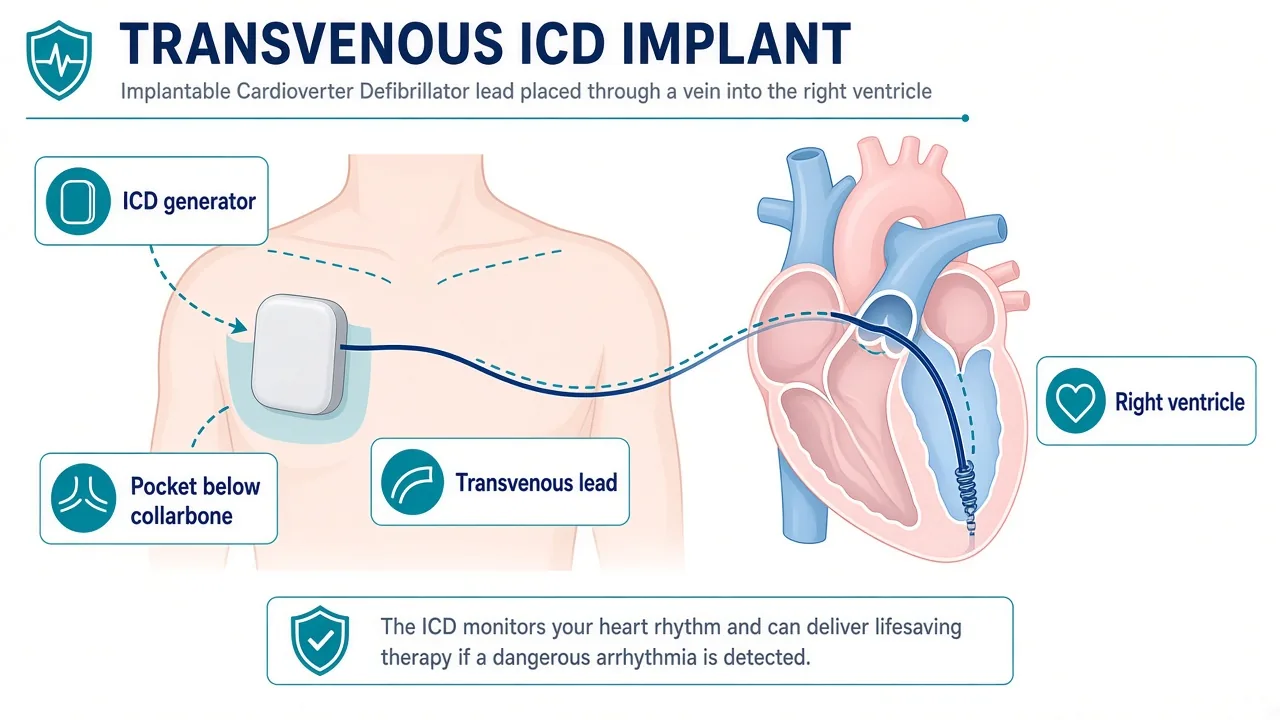
The ICD consists primarily of a pulse generator containing the battery and electronic circuitry and, in many devices, one or more leads that connect the generator to the heart.
The generator is usually placed beneath the skin in the upper chest, commonly below the collarbone. In a conventional transvenous ICD, the leads are introduced through a blood vessel and positioned inside the heart.
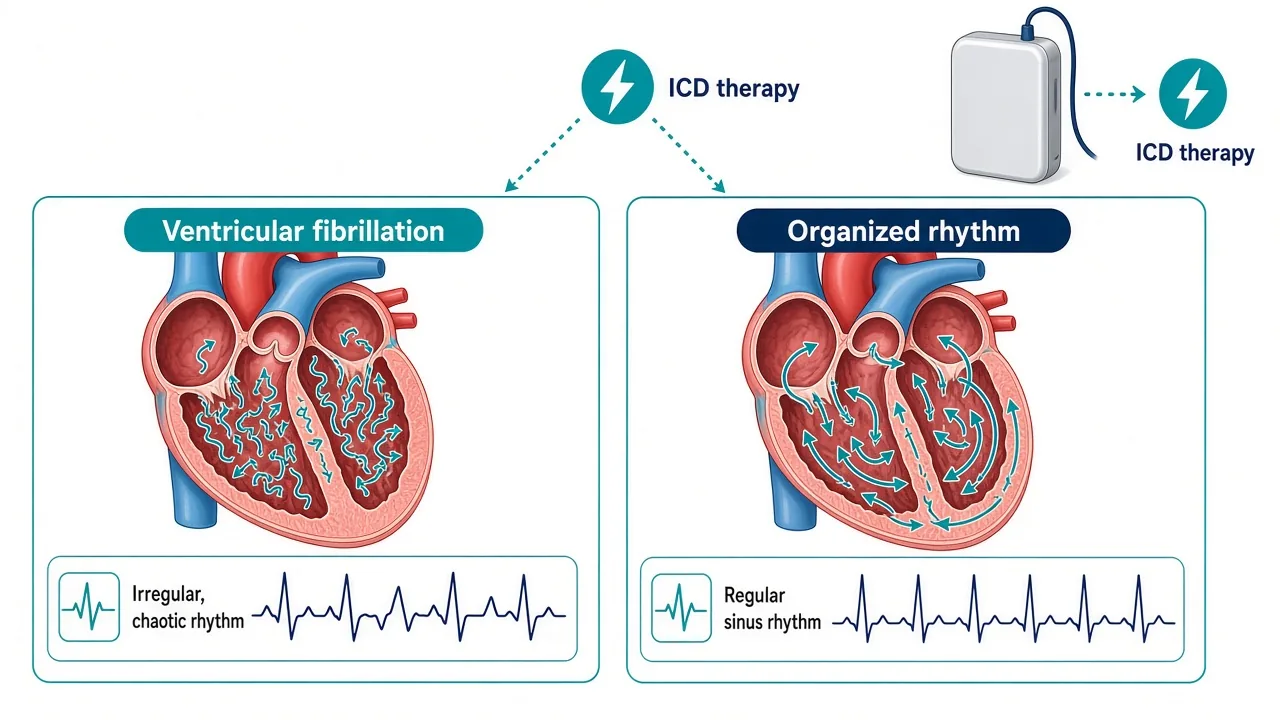
The device continuously analyzes the heart's electrical activity. If it identifies a rhythm that meets programmed criteria, it can deliver therapy. Depending on the device and rhythm, this may include antitachycardia pacing or a high-energy defibrillation shock.
Some ICDs also provide backup pacing for slow heart rhythms.
Ask whether an ICD is appropriate
How Does an ICD Work?
An ICD is a continuous cardiac monitoring and treatment system.
1. Continuous rhythm monitoring. The device constantly monitors electrical activity in the heart. It is programmed to recognize specific abnormal rhythms.
2. Anti-tachycardia treatment. Some fast ventricular rhythms can be treated by delivering a series of small electrical pacing impulses. This is called antitachycardia pacing (ATP). The patient may not feel ATP, depending on the situation.
3. Defibrillation. If the ICD identifies a sufficiently dangerous ventricular rhythm, it can deliver a stronger electrical shock to restore an organized rhythm.
An ICD therefore does not simply restart the heart whenever it stops. It is specifically programmed to recognize and treat defined abnormal rhythms.
Why Is an ICD Implanted?
The central purpose of an ICD is to reduce the risk associated with sudden cardiac death caused by dangerous ventricular arrhythmias.
Doctors may consider ICD therapy in two broad situations.
Secondary prevention refers broadly to patients who have already experienced a serious ventricular arrhythmia or cardiac arrest that was not explained by a reversible cause. Examples include ventricular fibrillation, sustained ventricular tachycardia, or cardiac arrest caused by a ventricular arrhythmia. The underlying cause must be carefully evaluated before deciding on long-term ICD therapy.
Primary prevention may be considered in selected patients who have not experienced cardiac arrest but have a sufficiently high predicted risk of life-threatening ventricular arrhythmia. This may occur in some patients with significant cardiomyopathy, certain forms of heart failure, previous myocardial infarction with persistent reduction in heart function, genetic or inherited arrhythmia syndromes, certain structural heart diseases, hypertrophic or other cardiomyopathies, and selected patients with conditions such as long QT syndrome or Brugada syndrome.
Not everyone with a low ejection fraction, heart failure or an abnormal ECG automatically needs an ICD. Modern guidelines use multiple clinical factors when assessing sudden-death risk. The European Society of Cardiology specifically notes the growing importance of factors beyond left ventricular ejection fraction in selected patients.
Who May Need an ICD?
The decision is individualized by a cardiologist, cardiac electrophysiologist or specialized heart-rhythm team.
A patient may be evaluated for ICD implantation if they have previous ventricular fibrillation, sustained ventricular tachycardia, previous sudden cardiac arrest, cardiomyopathy associated with significant arrhythmic risk, certain inherited electrical disorders, certain congenital heart conditions, selected cases of severe or persistent reduction in left ventricular function, certain forms of cardiac sarcoidosis, or other conditions associated with a substantial risk of sudden cardiac death.
The clinical team will also consider whether potentially reversible causes have been addressed. An arrhythmia associated with an acute heart attack, major electrolyte disturbance or drug toxicity may require a different initial approach from an arrhythmia occurring in a patient with an established chronic substrate for ventricular arrhythmia.
Share ECG, echo and arrhythmia records
ICD vs Pacemaker: What Is the Difference?
Patients often confuse an ICD with a pacemaker because both devices are implanted under the skin and may use leads connected to the heart. They are not the same.
| Feature | Pacemaker | ICD |
|---|---|---|
| Primary purpose | Treats certain slow heart rhythms | Detects and treats dangerous ventricular arrhythmias |
| Backup pacing | Yes | Often yes |
| Defibrillation shock | No | Yes |
| Treats ventricular fibrillation | No | Yes |
| Common use | Bradycardia and conduction disorders | Prevention and treatment of life-threatening ventricular arrhythmias |
| Generator implanted under skin | Yes | Yes |
| GAF planning | $3,500–$9,000 | $8,000–$18,000 |
An ICD may therefore contain pacemaker functionality, but its major distinction is its ability to detect and treat potentially fatal ventricular tachyarrhythmias. Named pacing lists sit on Pacemaker Implantation in India.
Types of ICD Devices
The appropriate ICD is selected according to the patient's rhythm disorder, heart function, anatomy and treatment objectives.
Single-chamber ICD. Generally uses one lead positioned in the right ventricle. It may be appropriate in selected patients where ventricular sensing and therapy are sufficient.
Dual-chamber ICD. Uses leads associated with the right atrium and right ventricle. It can provide additional information about atrial and ventricular activity and may be useful in selected patients who also require atrial pacing or where discrimination between certain rhythms is important.
CRT-D. A cardiac resynchronization therapy defibrillator combines cardiac resynchronization therapy, defibrillation capability and pacing. It may be considered for selected patients with heart failure, electrical conduction abnormalities and an indication for both resynchronization and defibrillator therapy. CRT-D should not be confused with a standard ICD because the clinical objectives and selection criteria are different. Named CRT/CRT-D implantation is $10,000–$22,000 (typically 2–5 nights).
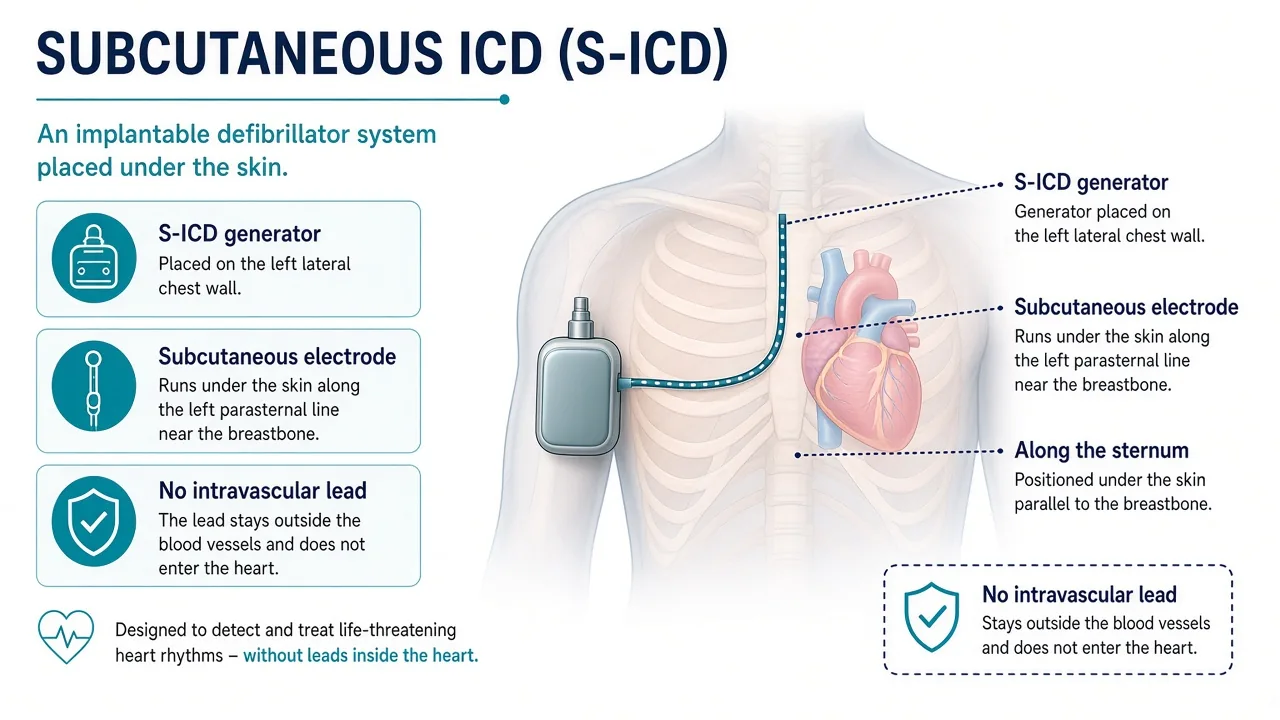
Subcutaneous ICD. An S-ICD places the electrode under the skin rather than threading a conventional lead through a vein into the heart. The generator is generally positioned toward the left side of the chest, with the electrode running beneath the skin near the breastbone. One potential advantage is avoiding an intravascular lead. S-ICDs do not provide conventional long-term pacing in the same way as transvenous systems, so they are not suitable for every patient. There is no separate GAF S-ICD cost sheet; these implants are quoted after electrophysiology review.
Request a named-procedure cost estimate
Transvenous ICD vs Subcutaneous ICD
| Feature | Transvenous ICD | Subcutaneous ICD |
|---|---|---|
| Lead position | Through a vein into the heart | Under the skin |
| Intracardiac lead | Yes | No |
| Defibrillation | Yes | Yes |
| Conventional pacing capability | Available | Limited compared with transvenous systems |
| Suitable for bradycardia pacing | In appropriate systems | Generally no |
| Venous access required | Yes | No |
| GAF planning | $8,000–$18,000 | Quoted after case review |
| Device selection | Depends on clinical indication | Selected patients without a need for conventional pacing |
The choice is made by the treating electrophysiology team rather than simply based on patient preference.
Tests Before ICD Implantation
Before recommending an ICD, the medical team usually evaluates the underlying cause of the arrhythmia and the patient's overall risk.
Electrocardiogram (ECG) records the heart's electrical activity and can identify conduction abnormalities, previous infarction patterns and certain inherited electrical syndromes.
Echocardiogram evaluates heart structure and pumping function, including left ventricular ejection fraction (LVEF).
Holter monitoring or ambulatory ECG can identify intermittent arrhythmias that may not appear during a standard ECG.
Cardiac MRI can provide information about heart structure and myocardial scar or fibrosis in selected patients.
Electrophysiology testing may be appropriate in selected situations to investigate abnormal electrical circuits or assess arrhythmia risk.
Coronary evaluation may include CT coronary angiography, coronary angiography or other investigations if coronary artery disease is suspected. Named coronary angiography is a neighbouring diagnostic product.
Blood tests may assess electrolytes, kidney function, thyroid function and other laboratory parameters.
Genetic evaluation may be considered in selected inherited arrhythmia or cardiomyopathy conditions.
The exact investigation pathway depends on why ICD therapy is being considered. Actual ECG tracings, Holter files and imaging reports are generally more useful than a written summary alone.
How to Prepare for ICD Implantation
Once ICD implantation has been recommended, the medical team will provide specific instructions. Patients may be advised to tell the doctor about all medications and supplements, inform the team about blood thinners, report allergies, follow fasting instructions if sedation or anesthesia is planned, complete recommended blood tests and imaging, inform the doctor about previous surgeries or implanted devices, discuss diabetes medications if applicable, arrange transportation after discharge, and carry previous ECGs, echocardiograms, angiography reports and discharge summaries.
Patients travelling to India for ICD implantation should send their cardiac records in advance whenever possible. Useful records include a recent ECG, echocardiogram, cardiac MRI if available, coronary angiography reports, Holter reports, previous hospitalization summaries, medication list, previous device reports and genetic reports where relevant. This allows the treating specialist to assess the case before travel and determine whether additional investigations are required.
ICD Implantation Procedure: Step by Step
The exact technique varies according to the device.
Step 1: Admission and assessment. The patient is admitted and undergoes final pre-procedure assessment. The cardiac team confirms the indication, device type, medication plan and procedural strategy.
Step 2: Anesthesia. Many conventional ICD implantations are performed under local anesthesia with sedation. General anesthesia may be used in selected cases, particularly when clinically appropriate or for certain device procedures.
Step 3: Preparing the implantation site. The chest is cleaned using sterile technique. The usual implantation area is below or near the collarbone.
Step 4: Creating the device pocket. A small incision is made and a pocket is created under the skin or beneath the muscle depending on the patient's anatomy and the chosen technique.
Step 5: Lead placement. For a conventional transvenous ICD, the physician accesses a suitable vein and guides the lead or leads toward the appropriate heart chamber using imaging. The leads are positioned and tested.
Step 6: Connecting the ICD generator. The leads are connected to the pulse generator. The generator is placed inside the prepared pocket.
Step 7: Device testing and programming. The team checks lead position, electrical measurements, sensing, pacing thresholds where applicable, device integrity, and programmed detection and treatment settings. Defibrillation testing is used selectively rather than routinely in every patient.
Step 8: Closing the incision. The wound is closed and dressed.
Step 9: Recovery monitoring. The patient is monitored after the procedure. A chest X-ray or other imaging may be performed when clinically indicated, particularly after transvenous implantation. A final device interrogation is generally performed before discharge.
The overall procedure often takes around one to three hours, although complex implants can take longer.
Is ICD Implantation Painful?
Most patients receive local anesthesia and/or sedation, so significant pain during the procedure is generally minimized.
After implantation, soreness, bruising or tightness around the device pocket is common. The incision may remain uncomfortable for several days, and some patients experience tenderness around the implant site for longer.
Pain that is increasing rather than improving, especially when accompanied by redness, swelling, fever or discharge, should be assessed by the medical team.
ICD Implantation Risks and Complications
ICD implantation is performed routinely in specialist cardiac centres, but it is still an invasive procedure.
Potential complications include bleeding, bruising or hematoma, infection, pneumothorax or collapsed lung, blood-vessel injury, lead displacement, lead malfunction, device malfunction, pocket swelling, damage to surrounding tissue, venous thrombosis or obstruction, inappropriate ICD shocks, need for lead revision, and need for device revision or extraction.
Rarely, more serious complications can occur. The individual risk depends on factors such as the patient's age, underlying disease, anticoagulation, anatomy, kidney function, infection risk, previous devices and procedural complexity.
Cleveland Clinic identifies bleeding, pneumothorax, vascular injury, device malfunction, infection, device movement and inappropriate shocks among possible complications.
What Happens After ICD Implantation?
Immediately after the procedure, the patient is monitored for heart rhythm, blood pressure, wound condition, device function, lead position, and signs of bleeding or infection.
The incision may feel sore. Patients are usually given detailed wound-care instructions and information about activity restrictions.
The exact restrictions vary by procedure and physician. For example, some centres advise limiting movement of the implant-side arm and avoiding heavy lifting for a period after implantation while the wound and leads stabilize.
ICD Implantation Recovery
Recovery differs from one person to another. For an uncomplicated procedure, many patients can return gradually to normal daily activities after the initial recovery period. Strenuous exercise, heavy lifting and activities involving significant shoulder movement may need to be restricted temporarily. The patient should follow the specific instructions given by the implanting team rather than relying on a generic timeline.
GAF planning for ICD implantation is typically 1–4 nights. Some patients remain longer for rhythm monitoring, device testing, wound observation or other medical conditions.
During the first days, patients may experience mild pain, bruising, swelling, tiredness and tenderness around the incision. During the following weeks, the wound generally continues to heal. The doctor may review device function, incision healing, lead parameters, medication, activity and symptoms.
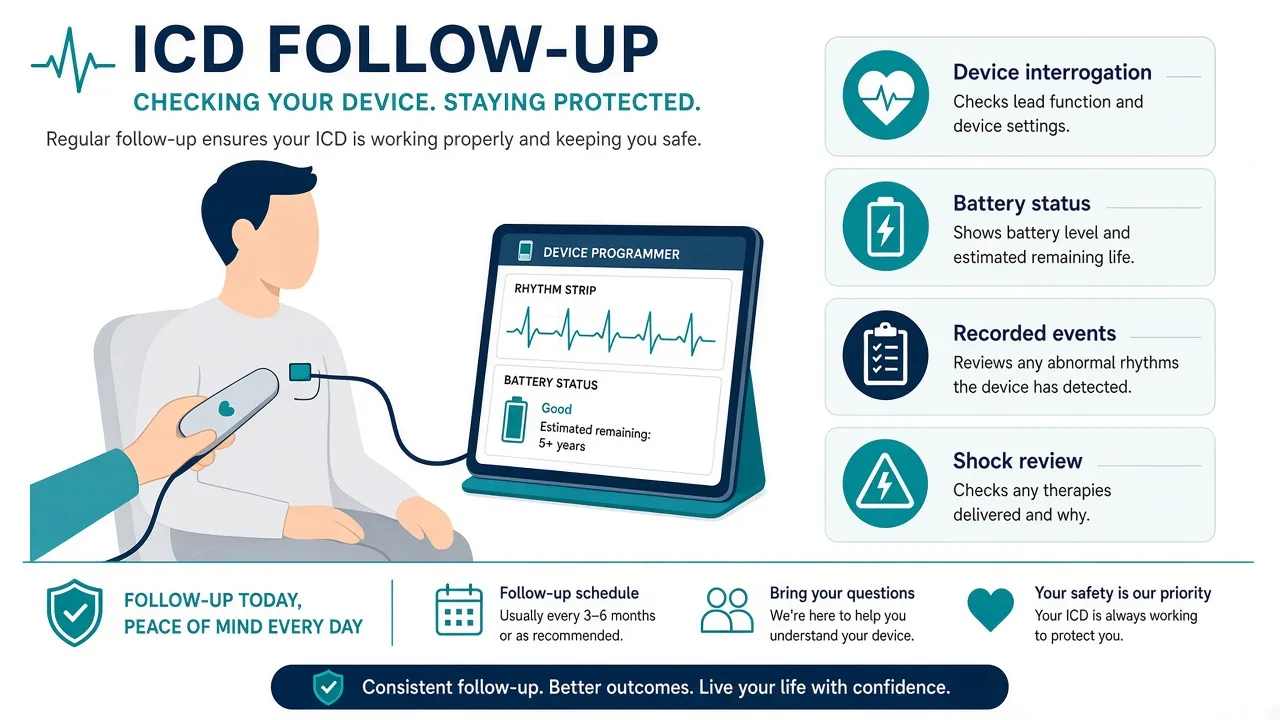
Regular ICD follow-up is essential. Device checks can evaluate stored rhythm events, battery status and lead function. Remote monitoring may also be available depending on the device, hospital and patient's follow-up arrangement.
Request a named-procedure hospital estimate
WhatsApp +91 90443 46292 for an itemised ICD estimate
How Long Does an ICD Last?
An ICD does not last forever. The battery gradually depletes over time. The actual longevity depends on device model, amount of pacing, number of therapies delivered, battery capacity, device settings and other technical factors.
When the battery approaches its elective replacement point, the generator can generally be replaced without necessarily replacing functioning leads. Lead replacement or extraction is a separate issue and is not automatically required during every generator replacement. Generator replacement and lead extraction have no separate GAF sheet and are quoted after records review.
The American Heart Association recommends that patients discuss expected battery life and future replacement with their healthcare team.
ICD Follow-Up and Device Checks
Regular follow-up is one of the most important parts of ICD treatment.
The cardiac team may monitor battery status, lead integrity, sensing, pacing thresholds, recorded arrhythmias, ICD therapies, shock episodes and device settings.
Some patients have remote monitoring systems that transmit device information to the treating centre.
Follow-up becomes particularly important if the ICD delivers a shock, because the event may need to be reviewed to determine what rhythm triggered the therapy.
What If an ICD Gives a Shock?
An ICD shock can be frightening. The appropriate response depends on the circumstances.
If a patient receives a shock and feels otherwise well, they should follow the instructions provided by their device clinic.
If there are repeated shocks, severe symptoms, fainting, chest pain, breathlessness or other concerning symptoms, urgent medical evaluation is required. Collapse, severe chest pain, severe breathlessness or repeated shocks belongs in a local emergency department, not in a WhatsApp message.
The device should be interrogated to determine what rhythm occurred, whether the shock was appropriate, whether the device responded correctly, and whether medication or further treatment needs to be changed.
An ICD shock is not necessarily evidence that the device has malfunctioned. It may mean that the ICD detected a dangerous rhythm and delivered the programmed therapy.
Living With an ICD
Most patients can continue many normal activities after recovering from implantation. The ICD does not mean that a person has to stop living normally.
Patients may often be able to work, walk, exercise according to medical advice, travel, drive when medically and legally permitted, participate in everyday activities, and return to social and family life.
Restrictions depend on the underlying cardiac disease and local regulations, not only on the presence of the ICD.
Patients should carry their device identification card and inform healthcare professionals that they have an ICD.
ICD and Mobile Phones
Modern ICDs are designed to function safely around most everyday electronic devices. However, strong magnetic fields and certain specialized equipment can interfere with some implanted cardiac devices.
Patients should follow the specific electromagnetic-interference instructions supplied with their ICD. The American Heart Association recommends understanding which devices and environments may interfere with the implanted device and following the manufacturer's and healthcare team's instructions.
Can You Travel With an ICD?
Yes, many people with ICDs travel. The timing of travel after implantation should be discussed with the treating physician.
For international patients returning home after treatment in India, it is useful to leave India with an ICD identification card, implantation report, device model and serial information, lead details, latest device interrogation report, medication list, discharge summary and follow-up plan.
Patients should also identify a cardiologist or device clinic in their home country for continuing follow-up.
ICD Implantation for International Patients in India
India is an established destination for patients seeking advanced cardiac care. For an international patient, the treatment pathway generally involves medical record review, specialist evaluation, treatment planning, cost estimation, medical visa and travel planning, hospital admission, ICD implantation, recovery and discharge, and follow-up planning.
The team determines whether ICD therapy is appropriate, which ICD type is appropriate, whether a pacemaker or CRT-D is more suitable, and whether additional cardiac procedures are required. Stable planned cases travel after records review. Collapse, ongoing ventricular arrhythmia, severe chest pain or severe breathlessness belongs in a local emergency department.
Plan an international ICD stay
ICD Implantation Cost in India
The cost of ICD implantation in India varies considerably because the device itself can represent a major component of the total treatment cost. There is no medically responsible single price because the product may be a first transvenous ICD, a CRT-D, an S-ICD or a generator change.
| Type / complexity | GAF planning | Typical stay |
|---|---|---|
| ICD implantation | $8,000–$18,000 | 1–4 nights |
| Pacemaker implantation | $3,500–$9,000 | 1–3 nights |
| Leadless pacemaker implantation | $12,000–$25,000 | 1–3 nights |
| CRT/CRT-D implantation | $10,000–$22,000 | 2–5 nights |
| Atrial fibrillation ablation | $6,500–$16,000 | 1–3 nights |
| Coronary angioplasty and stenting | $3,200–$8,500 | 1–3 nights |
| S-ICD, generator replacement, lead extraction, infection, paediatric ICD | Quoted after case review | Depends on the case |
US comparison for ICD implantation is $40,000–$100,000.
Major cost drivers include device type and manufacturer, single versus dual chamber, CRT-D versus conventional ICD, number and type of leads, hospital and city, electrophysiologist, room category, diagnostic tests, ICU or CCU stay, complications and future generator replacement. Confirm whether a quotation includes the generator, leads, procedure, physician fees, sedation, EP-lab charges, stay, investigations, medicines, programming, follow-up and complication management. Do not compare two quotations only by the headline package price. The cheapest quotation is not necessarily comparable if two hospitals are using different device models or excluding different components.
Always ask whether the quoted device is included. The device model and manufacturer should be clearly stated when possible because "ICD cost" without specifying the device can make two quotations difficult to compare.
City starting points:
- Delhi NCR ICD implantation cost
- Mumbai ICD implantation cost
- Bengaluru ICD implantation cost
- Chennai ICD implantation cost
- Hyderabad ICD implantation cost
How to Choose an ICD Implantation Hospital in India
For a complex cardiac device procedure, patients should look beyond the headline package price.
Confirm that the hospital has an electrophysiology service, device-management capabilities, access to cardiac intensive care, emergency cardiology, imaging and cardiac surgery when required. Ask who will perform the procedure, what devices are available (single-chamber ICD, dual-chamber ICD, CRT-D, S-ICD), whether device follow-up is available, and whether remote monitoring is offered.
Patients should evaluate the specific hospital and electrophysiology team, not India as a whole.
Catalog hospitals currently affiliated with tagged ICD lists include Fortis Escorts Heart Institute and Artemis Hospital in Delhi NCR; Apollo Hospitals, Navi Mumbai and KIMS Hospitals, Thane in Mumbai; Gleneagles Hospitals and Medicover Hospital in Bengaluru; Gleneagles HealthCity and Rela Hospital in Chennai; and KIMS Hospitals in Hyderabad. A catalog tag is not a volume, outcome or ranking claim.
Named clinicians currently tagged to ICD lists include Dr. Anil Saxena and Dr. (Col.) Viney Jetley in Delhi NCR; Dr. Charan Reddy and Dr. B C Kalmath in Mumbai; Dr. P R L N Prasad and Dr. Ravindranath Reddy D R in Bengaluru; Dr. Gobu P and Dr. Karthick Anjaneyan J in Chennai; and Dr. B. Hygriv Rao and Dr. Ajay J Swamy in Hyderabad.
Find an ICD specialist in India
WhatsApp +91 90443 46292 to match an ICD cardiologist
- Cardiology hospitals in Delhi NCR
- Cardiology hospitals in Mumbai
- Cardiology hospitals in Bengaluru
- Cardiology hospitals in Chennai
- Cardiology hospitals in Hyderabad
ICD Implantation vs Catheter Ablation
These treatments are sometimes discussed together but serve different purposes.
Catheter ablation attempts to identify and modify the electrical source or circuit responsible for an arrhythmia. An ICD provides ongoing protection by detecting and treating certain dangerous ventricular arrhythmias.
In selected patients, both treatments may be appropriate. An ICD does not necessarily eliminate the underlying arrhythmia, and ablation does not automatically eliminate the need for an ICD when the patient has an independent indication for defibrillator protection. Neighbouring atrial fibrillation ablation is a different named product when the target is AF rather than sudden-death protection.
ICD vs CRT-D
Both devices can deliver defibrillation therapy, but they are designed for different clinical needs.
An ICD primarily provides protection against life-threatening ventricular arrhythmias, with pacing capability depending on the system. A CRT-D combines defibrillation with cardiac resynchronization therapy, which aims to improve coordination of ventricular contraction in selected patients with heart failure and electrical conduction abnormalities.
A patient should not choose between them based on device price alone. The choice should follow the clinical indication. Named CRT/CRT-D implantation is $10,000–$22,000 (typically 2–5 nights).
Possible Alternatives to ICD Implantation
Depending on the patient's diagnosis, alternatives or complementary treatments may include antiarrhythmic medication, catheter ablation, treatment of coronary artery disease, heart-failure treatment, pacemaker implantation, CRT-P, CRT-D, lifestyle and risk-factor management, and treatment of reversible causes of arrhythmia.
For some patients, an ICD may be essential; for others, it may not be appropriate. The decision should be based on a specialist assessment.
ICD Implantation in Patients With Heart Failure
Heart failure is one of the situations in which ICD therapy may be considered in selected patients. Heart failure alone does not automatically mean that an ICD is required.
Doctors may evaluate left ventricular ejection fraction, heart-failure symptoms, duration of reduced heart function, underlying cause, medical therapy, previous ventricular arrhythmias, overall prognosis and other sudden-death risk markers.
Some patients may require CRT, and others may require CRT-D rather than a conventional ICD. This is why a specialist assessment is important before travelling specifically for ICD implantation.
ICD Implantation After a Heart Attack
A heart attack can damage the heart muscle and increase the risk of ventricular arrhythmias. The timing and indication for ICD implantation after myocardial infarction require careful assessment.
The medical team may first treat coronary artery disease, ischemia, reduced heart function, electrolyte abnormalities and reversible arrhythmia triggers. Named PCI sits on Coronary Angioplasty in India. An ICD should not be viewed as a substitute for treatment of blocked coronary arteries.
ICD Implantation for Genetic Heart Conditions
Certain inherited conditions can increase the risk of dangerous ventricular arrhythmias. Examples include long QT syndrome, Brugada syndrome, certain cardiomyopathies, arrhythmogenic cardiomyopathy and selected congenital heart conditions.
In these situations, the evaluation may include family history, ECG patterns, imaging and genetic testing. The ESC guidelines include specific approaches to primary electrical diseases and genetic risk assessment.
When Should You Contact a Doctor After ICD Implantation?
Patients should contact their healthcare team if they develop increasing redness around the incision, pus or discharge, fever, increasing swelling, persistent or worsening pain, bleeding, shortness of breath, fainting, palpitations, repeated ICD shocks, a shock associated with concerning symptoms, or any concern that the device has moved or the wound has opened.
Emergency symptoms such as severe chest pain, severe breathlessness, collapse or persistent loss of consciousness require a local emergency department.
What Medical Records Should International Patients Send?
If you are considering ICD implantation in India, prepare a digital medical file containing a passport identification page, recent cardiology consultation, ECG, echocardiogram, Holter report, cardiac MRI if available, coronary angiography report if applicable, previous hospital discharge summaries, medication list, blood investigation reports, previous ICD or pacemaker records if applicable, genetic reports if relevant, details of previous cardiac arrest or ventricular arrhythmia, and previous device interrogation reports.
The more complete the clinical information, the easier it is for the receiving cardiac team to determine whether an in-person evaluation or additional testing is required before implantation. ECG, Holter files and echocardiography are generally more useful than sending only the written report.
Can a Patient Travel to India for ICD Implantation?
Yes, for stable, planned cases after records review. Collapse, ongoing ventricular arrhythmia, severe chest pain, severe breathlessness or repeated shocks belongs in a local emergency department. Do not delay emergency care for international travel.
GAF planning distinguishes hospital stay from total stay in India. ICD implantation is typically 1–4 nights in hospital. Combined evaluation, programming and fitness to fly usually take longer. Keep the return flight flexible until the treating team confirms clearance.
Paediatric ICD use should be evaluated by teams experienced in paediatric cardiology and paediatric electrophysiology. Adult sheets are not applied to children by default.
Questions to Ask Before Choosing an ICD Hospital in India
Ask which ICD model is being proposed, which manufacturer makes the device, whether the device is included in the quotation, how many leads are required, why this particular ICD configuration is being recommended, whether an S-ICD is an option, whether CRT-D is being considered, who will implant the device, whether an electrophysiologist is involved, what the expected hospital stay is, what the package includes, what costs are excluded, what happens if additional treatment is required, how frequently the ICD will need follow-up, whether remote monitoring is available, who will manage the device after returning home, and what documents will be received at discharge.
Frequently Asked Questions About ICD Implantation in India
What does ICD stand for?
ICD stands for implantable cardioverter-defibrillator. It is a device designed to detect and treat potentially life-threatening abnormal heart rhythms.
Is ICD implantation the same as pacemaker implantation?
No. An ICD can provide pacing in many systems, but its main function is to detect and treat dangerous ventricular tachyarrhythmias with electrical therapy. Named pacing lists sit on Pacemaker Implantation in India.
How long does ICD implantation take?
A straightforward procedure may take around one to three hours. Complex procedures can take longer.
Is ICD implantation open-heart surgery?
Usually, no. A conventional ICD is generally implanted through a relatively small chest incision, with leads introduced through blood vessels. Some unusual or complex cases may require a different surgical approach.
How much does ICD implantation cost in India?
GAF ICD implantation planning is $8,000–$18,000. Named pacemaker, CRT-D and leadless sheets differ. A written estimate after records review is required.
How long do you stay in the hospital after ICD implantation?
GAF planning is typically 1–4 nights. Complicated cases may require longer monitoring. The treating protocol decides.
Which ICD is best?
There is no single ICD that is appropriate for every patient. The choice between a single-chamber ICD, dual-chamber ICD, CRT-D and S-ICD depends on the clinical indication.
Can an ICD stop a heart attack?
No. An ICD treats certain dangerous electrical rhythms. It does not open blocked coronary arteries or prevent every myocardial infarction. Named PCI sits on Coronary Angioplasty in India.
Can an ICD replace heart medicines?
Usually not. ICD therapy is often one component of a broader treatment plan that may include medications and treatment of the underlying heart disease.
Can I exercise with an ICD?
Many patients can remain physically active after recovery, but the appropriate level and type of exercise depend on the underlying heart condition and physician advice.
Can an ICD be removed?
ICD removal or lead extraction may sometimes be necessary because of infection, malfunction or other clinical reasons. Lead extraction is a specialized procedure and can be more complex than initial implantation. It is quoted after case review.
Does an ICD need regular checking?
Yes. Regular device follow-up is important for monitoring battery status, lead function, recorded arrhythmias and delivered therapies.
Can an ICD shock me by mistake?
An ICD can occasionally deliver an inappropriate shock. Device interrogation can determine why the shock occurred and whether programming or treatment needs to be changed.
Can an ICD be used in children?
ICDs can be used in selected children and patients with congenital heart disease when the clinical indication warrants it. The device configuration and implantation technique may differ from those used in adults. Adult sheets are not applied to children by default.
Can international patients have ICD implantation in India?
Yes for stable planned cases. ECG, echo and arrhythmia records should generally be reviewed before travel. Collapse or ongoing ventricular arrhythmia should not wait for an international itinerary.
Key Takeaways
- ICD device implantation is an established treatment for selected patients who are at risk of life-threatening ventricular arrhythmias and sudden cardiac death.
- The device continuously monitors the heart and can deliver pacing or an electrical shock when a dangerous rhythm is detected.
- GAF planning for ICD implantation is $8,000–$18,000 (typically 1–4 nights). Named pacemaker, CRT-D and leadless sheets differ.
- The decision should be based on the complete clinical picture, including the underlying heart disease, previous arrhythmias, heart function, reversible causes and overall sudden-death risk.
- For patients travelling to India, successful treatment planning should include both the implantation procedure and long-term device follow-up after returning home.
- Collapse, severe chest pain, severe breathlessness or repeated ICD shocks belongs in a local emergency department.
Share ECG, Holter, echocardiography and arrhythmia records before making travel arrangements. A case-specific electrophysiology opinion is more useful than a brochure ICD package.
Share imaging for an ICD review
Message a coordinator on WhatsApp
Request a cost review on WhatsApp
Top 10 Medical Sources
- American Heart Association — Implantable Cardioverter-Defibrillator (ICD) — what an ICD is and how it works.
- ESC 2022 Guidelines for Ventricular Arrhythmias and Prevention of Sudden Cardiac Death — indications and risk assessment.
- ESC Pocket Guidelines on Ventricular Arrhythmias and Sudden Cardiac Death — condensed clinical guidance.
- MedlinePlus — Implantable Cardioverter-Defibrillator — patient-facing overview of ICD therapy.
- MedlinePlus — Subcutaneous Implantable Cardioverter-Defibrillator — S-ICD patient information.
- Cleveland Clinic — Implantable Cardioverter-Defibrillator — procedure, risks and recovery.
- American Heart Association — Living With Your Implantable Cardioverter Defibrillator — daily life and electromagnetic interference.
- American Heart Association — Questions to Ask Your Doctor About an ICD — shared decision-making questions.
- Indian Heart Rhythm Society — Consensus Statement for Implantation and Follow-up of Cardiac Implantable Electronic Devices in India — Indian device-implantation and follow-up consensus.
- GAF Healthcare ICD implantation — partner USD planning range for the named ICD product.
Last reviewed against the cited sources: October 2026.
Medical Disclaimer
This page is intended for general educational and medical-travel information. It does not diagnose a condition or determine whether an ICD is appropriate for an individual patient. ICD implantation is a specialized medical decision. The appropriate device, timing and treatment strategy depend on the patient's medical history, heart rhythm, heart function, underlying cardiac disease and assessment by a qualified cardiologist or cardiac electrophysiologist.
Patients should obtain an individualized medical opinion and written treatment plan before travelling for ICD implantation.
If you develop collapse, severe chest pain, severe breathlessness, repeated ICD shocks or sudden loss of consciousness, seek urgent medical attention in a local emergency department.
Treatment Process
- 1
Share medical records
The patient provides ECG, Holter files, echocardiography and a short description of arrest, ventricular arrhythmia or sudden-death risk.
- 2
Electrophysiology review
A cardiologist or electrophysiologist reviews whether the target is primary prevention, secondary prevention, CRT-D, a pacemaker or observation.
- 3
Device selection
The team names a transvenous ICD, S-ICD or CRT-D rather than a generic device brochure.
- 4
Medical optimisation
Reversible arrhythmia triggers, heart-failure therapy, anticoagulation and infection risk are addressed before a planned implant.
- 5
Itemized estimate
The hospital quotes the named sheet plus device, leads, programming and stay, not a brochure overnight package.
- 6
Travel to India
Stable planned cases travel after records review. Collapse, ongoing ventricular arrhythmia or repeated shocks is a local emergency.
- 7
Implantation
The named generator and leads, or a subcutaneous electrode, are implanted and programmed in the cath lab or EP room.
- 8
Wound and rhythm monitoring
The team watches the pocket, lead position, sensing, therapies and symptoms in the first days after the procedure.
- 9
Programming and follow-up plan
Settings, identification card, shock instructions and the interrogation schedule are confirmed before discharge.
- 10
Return home
The patient leaves with a written summary covering the named device, arm restrictions, warning signs and local follow-up.