
Treatment Overview
Pacemaker implantation in India is a minimally invasive cardiac procedure used to treat certain slow or irregular heart rhythms, particularly when the heart's natural electrical system cannot maintain an adequate heart rate. A pacemaker continuously monitors the heartbeat and delivers small electrical impulses when necessary to help the heart maintain an appropriate rhythm.
India has developed advanced cardiac electrophysiology and device-implantation services, with experienced cardiologists, cardiac electrophysiologists, modern catheterization laboratories, and access to conventional, conduction-system and selected leadless pacing technologies.
A coronary stent is a different product. Named PCI sits on Coronary Angioplasty in India. Neighbouring defibrillator lists sit on ICD implantation. Resynchronization sits on CRT/CRT-D implantation. Leadless capsules sit on leadless pacemaker implantation. This page is the named conventional pacemaker product.
GAF Healthcare planning for pacemaker implantation is $3,500–$9,000 (typically 1–3 nights). US comparison is $20,000–$50,000. Named leadless pacemaker implantation is $12,000–$25,000 (typically 1–3 nights). CRT/CRT-D implantation is $10,000–$22,000 (typically 2–5 nights). ICD implantation is $8,000–$18,000 (typically 1–4 nights). Neighbouring atrial fibrillation ablation is $6,500–$16,000 (typically 1–3 nights) when a rhythm-ablation list is the product. Pacing after TAVR/TAVI is quoted after valve records, not from the elective pacemaker sheet alone. Named TAVR lists sit on TAVR in India. These are planning ranges from partner hospital cost sheets, not hospital quotations. Generator replacement, lead extraction, infection, paediatric cases and combined CRT-D lists are quoted after case review.
International patients comparing cardiologists commonly start with Delhi NCR, Mumbai, Bengaluru, Chennai and Hyderabad. Partner cardiology hospitals in Delhi NCR, Mumbai and Bengaluru, and in Chennai and Hyderabad, are a typical first filter. City cost sheets include Delhi NCR, Mumbai, Bengaluru, Chennai and Hyderabad. Kolkata, Pune, Ahmedabad, Chandigarh and Kochi may have device services, but they are not live GAF catalog cities on this site.
Important: A pacemaker is not required simply because someone has a low heart rate. The decision depends on the cause of the slow heartbeat, symptoms, ECG findings, conduction abnormality, associated heart disease and the expected benefit of pacing. International guidelines emphasize individualized assessment and shared decision-making. Fainting, collapse, severe breathlessness or chest pain belongs in a local emergency department, not in a WhatsApp message.
Pacemaker Implantation in India at a Glance
| Factor | What patients should know |
|---|---|
| Procedure | Conventional transvenous pacemaker, or a named leadless / CRT / ICD product when indicated |
| Anaesthesia | Usually local anaesthesia, sometimes with sedation |
| GAF hospital stay | Typically 1–3 nights |
| Cost in India | GAF $3,500–$9,000; named sheets differ |
| Main specialist | Cardiologist or cardiac electrophysiologist |
| Follow-up | Device interrogation, wound check and long-term battery monitoring |
| Emergency | Fainting, collapse, severe breathlessness or chest pain belongs in a local emergency department |
What Is a Pacemaker?
A pacemaker is a small electronic device designed to help regulate a heartbeat that is too slow or affected by a significant electrical conduction problem.
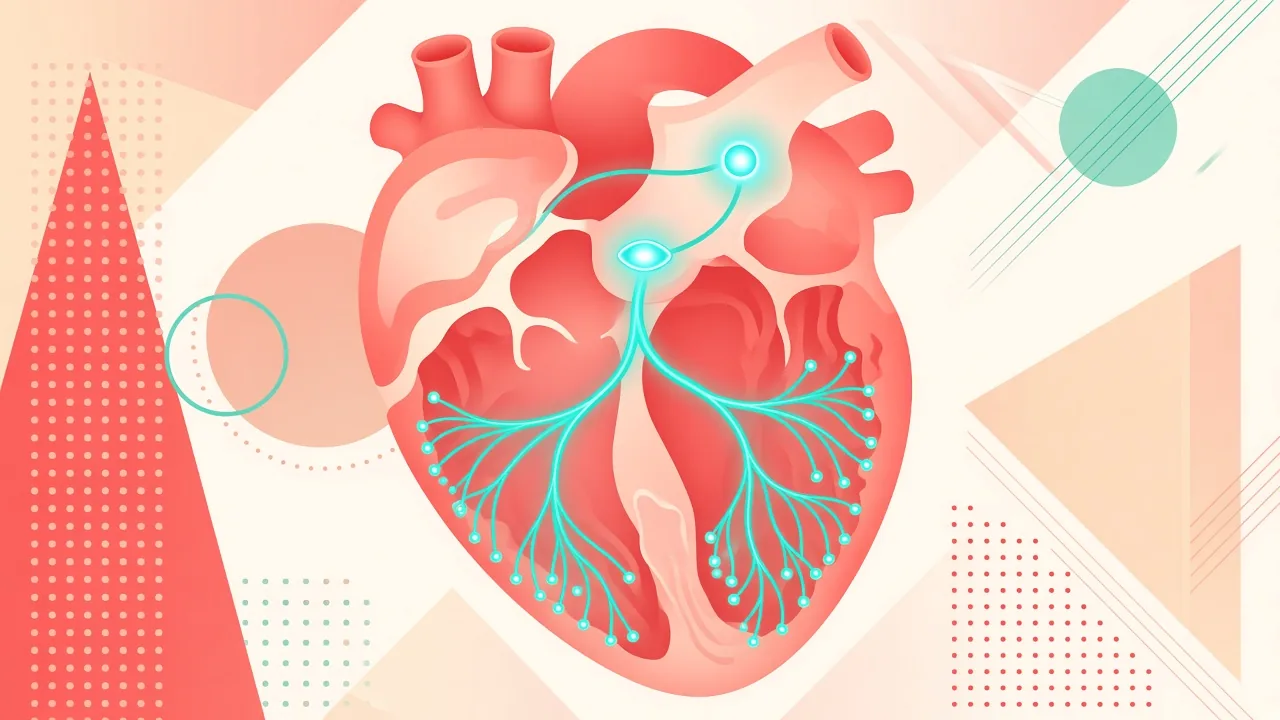
A conventional pacemaker consists of a pulse generator (battery and circuitry), one or more leads connecting the generator to the heart, and electrodes that sense cardiac electrical activity and deliver pacing impulses.
The device continuously monitors the heart. When the natural rhythm falls below the programmed threshold or an impulse fails to conduct, the pacemaker can deliver a precisely timed stimulus. Modern systems can be programmed according to the rhythm disorder, activity level and pacing requirements.
The American Heart Association describes conventional pacemakers as systems containing a generator, leads and sensing electrodes, while newer leadless systems eliminate the traditional leads.
Ask whether a pacemaker is appropriate
Why Is a Pacemaker Needed?
The sinus node generates electrical impulses that travel through specialized conduction pathways and coordinate atrial and ventricular contraction. When this system becomes diseased or disrupted, the heartbeat may become too slow or irregular.
Sinus node dysfunction occurs when the natural pacemaker does not generate impulses appropriately. Patients may experience a slow heartbeat, long pauses, fatigue, dizziness, reduced exercise capacity, near-fainting or fainting. A low heart rate by itself does not automatically mean that a pacemaker is necessary. The relationship between symptoms and the rhythm abnormality is an important part of the assessment.
Atrioventricular heart block occurs when signals from the atria to the ventricles are delayed or blocked. Forms include first-degree AV block, second-degree (Mobitz I or II), high-grade and complete (third-degree) block. The ACC/AHA/HRS guideline recommends permanent pacing for acquired Mobitz II, high-grade or third-degree AV block when not caused by reversible or physiological causes, regardless of symptoms.
Bradycardia means a slower-than-expected heart rate. Some people naturally have a slow heart rate without disease. Others develop symptomatic bradycardia because of conduction-system disease, medications, metabolic conditions or other cardiac problems. Treatment focuses on the cause and clinical consequences, not a heart-rate number alone.
Bradycardia after cardiac procedures can follow aortic valve surgery, other cardiac surgery, transcatheter aortic valve implantation or other cardiac treatment. Named TAVR/TAVI is a neighbouring valve product. Whether a permanent pacemaker is needed depends on whether the conduction problem persists.
Symptoms That May Lead to Pacemaker Evaluation
A person with clinically significant bradycardia or heart block may experience unexplained fainting, near-fainting, dizziness, persistent fatigue, shortness of breath, reduced exercise tolerance, weakness, confusion during episodes, palpitations or exercise intolerance.
These symptoms can have many causes. A pacemaker should not be considered simply because a patient has fatigue or dizziness. Doctors generally try to establish whether the symptoms correspond with the rhythm abnormality.
Fainting, collapse, severe breathlessness or chest pain belongs in a local emergency department.
How Is the Need for a Pacemaker Diagnosed?
The evaluation usually begins with a detailed medical history and cardiovascular examination.
ECG can identify bradycardia, heart block, conduction abnormalities, certain arrhythmias and previous cardiac abnormalities.
Holter monitoring records the rhythm continuously, commonly over 24–48 hours or longer, and can catch intermittent abnormalities missed on a routine ECG.
Extended rhythm monitoring may help when symptoms occur infrequently.
Echocardiography evaluates structure and pumping function. The ACC/AHA/HRS guideline notes that echocardiography is generally an appropriate initial screening test for structural heart disease in patients with left bundle branch block.
Blood tests may identify reversible contributors such as electrolyte or thyroid disorders. Medications can also slow the heart rate, so the complete medication list is reviewed.
Actual ECG tracings and Holter files are generally more useful than a written summary alone.
Types of Pacemakers
The appropriate system depends on the rhythm disorder, heart structure, expected pacing requirement and other clinical factors. Conventional single- and dual-chamber implants sit on the named pacemaker implantation sheet. Chamber count is confirmed after device selection rather than from a separate brochure price.
Single-chamber pacemaker. Generally one lead in one chamber, commonly the right ventricle. Simpler, fewer leads, suitable for selected situations.
Dual-chamber pacemaker. Usually one lead in the right atrium and one in the right ventricle, so the system can coordinate atrial and ventricular activity.
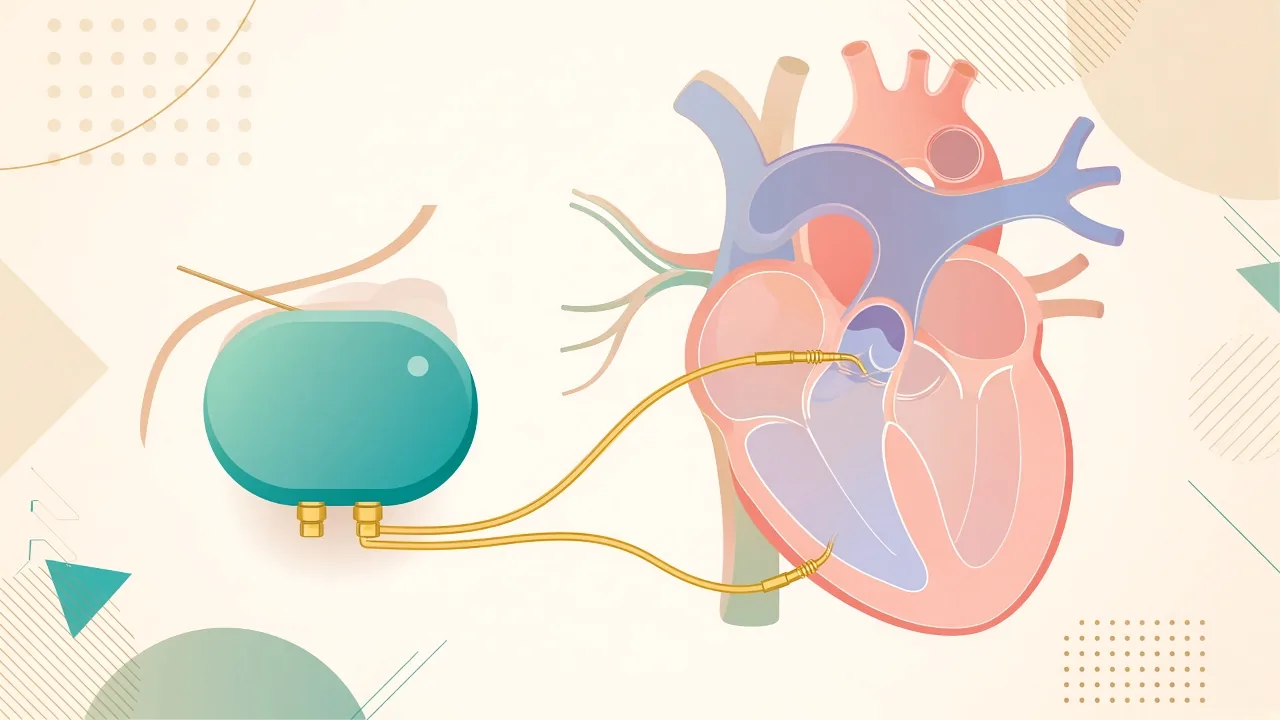
Biventricular pacemaker / CRT-P. Cardiac resynchronization therapy is not a more expensive ordinary pacemaker. It coordinates ventricular contraction in selected patients with heart failure and electrical conduction abnormalities. Named CRT/CRT-D implantation is $10,000–$22,000 (typically 2–5 nights). The European Society of Cardiology guidelines cover CRT alongside conventional pacing.
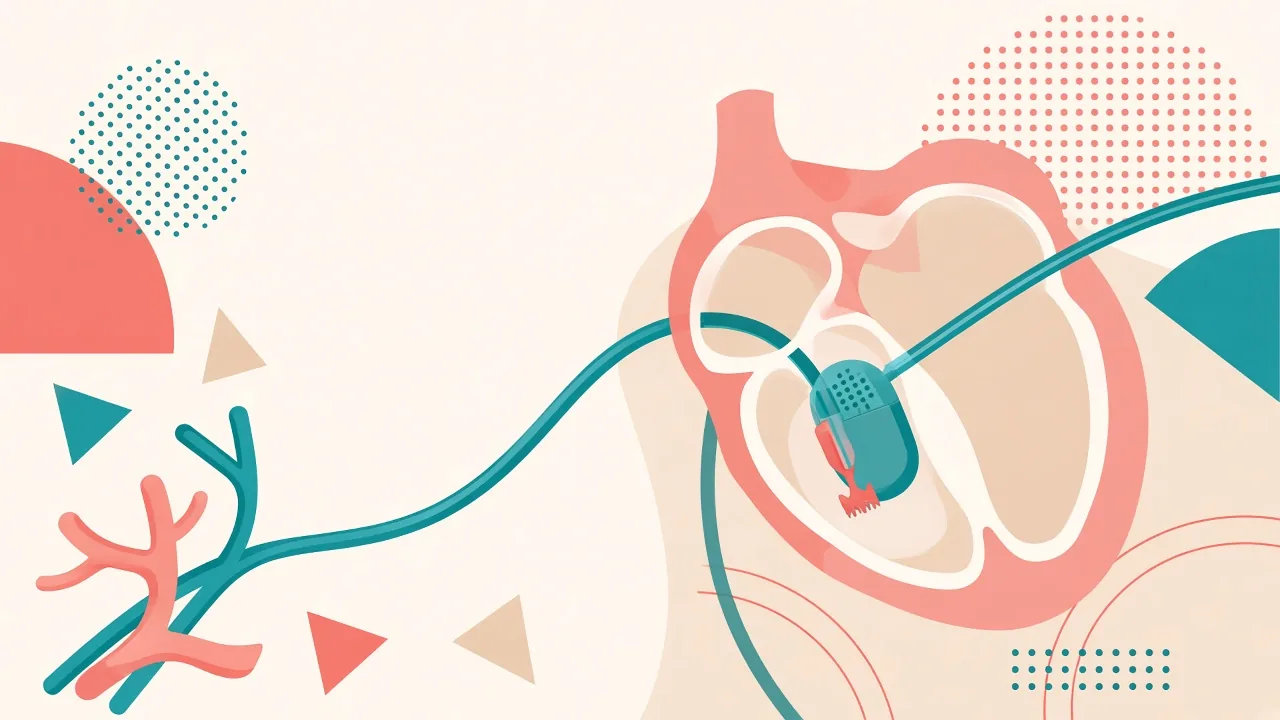
Leadless pacemaker. A small capsule implanted inside the heart through a catheter, without a chest pocket or traditional transvenous leads. It is not suitable for every rhythm disorder. Named leadless pacemaker implantation is $12,000–$25,000 (typically 1–3 nights). The NHS notes that selected patients may be offered a leadless pacemaker, which can sometimes allow same-day discharge.
Conduction-system pacing. His-bundle pacing and left bundle branch area pacing aim to stimulate the conduction system more physiologically in selected patients. The 2021 ESC guidelines and the 2023 HRS/APHRS/LAHRS guideline recognize this growing role. There is no separate GAF His-bundle cost sheet; these implants are quoted after electrophysiology review.
Request a named-procedure cost estimate
Conventional Pacemaker vs Leadless Pacemaker
| Feature | Conventional pacemaker | Leadless pacemaker |
|---|---|---|
| Chest pocket | Yes | No |
| Traditional leads | Yes | No |
| Implant location | Under chest skin | Inside the heart |
| Implant approach | Venous access plus chest incision | Catheter-based |
| GAF planning | $3,500–$9,000 | $12,000–$25,000 |
| Follow-up | Required | Required |
The decision should be based on the rhythm disorder rather than simply choosing the newest technology.
Pacemaker Implantation Procedure in India
A conventional implant is generally performed in a cardiac catheterization or electrophysiology room.
Step 1: Pre-procedure evaluation. ECG, echocardiogram where appropriate, rhythm-monitoring results, blood tests, medicines, previous cardiac procedures, kidney function, infection risk, anticoagulant or antiplatelet therapy, allergies and other conditions. The doctor confirms the indication and discusses the proposed device.
Step 2: Anaesthesia. Most conventional implants use local anaesthesia, sometimes with sedation. The patient is usually awake but comfortable.
Step 3: Creating the pacemaker pocket. A small incision is generally made below the collarbone and a pocket is created under the skin.
Step 4: Lead placement. Leads are introduced through a vein and guided into the appropriate chamber using imaging. Position and electrical performance are tested.
Step 5: Connecting the generator. Leads are connected to the pulse generator, which is placed in the pocket.
Step 6: Testing and programming. The team checks lead position, sensing, pacing threshold, electrical resistance and device function, then programmes the pacemaker.
Step 7: Closing the incision. The wound is closed and a dressing is applied.
A conventional procedure commonly takes about one to three hours. The NHS notes that a standard implant usually takes around an hour, although it can take longer when combined with another procedure.
Hospital Stay and Recovery
GAF planning for pacemaker implantation is typically 1–3 nights. Some patients are discharged the same day. Others remain overnight for rhythm monitoring, device testing, wound observation, chest imaging or other medical conditions. The NHS states that conventional pacemaker patients will usually stay overnight, while some leadless-pacemaker patients may be discharged the same day.
Mild pain, bruising, swelling, tiredness and tightness around the incision are common in the first few days. The NHS advises avoiding heavy objects and vigorous exercise for 4–6 weeks and following the treating team's instructions on arm movement.
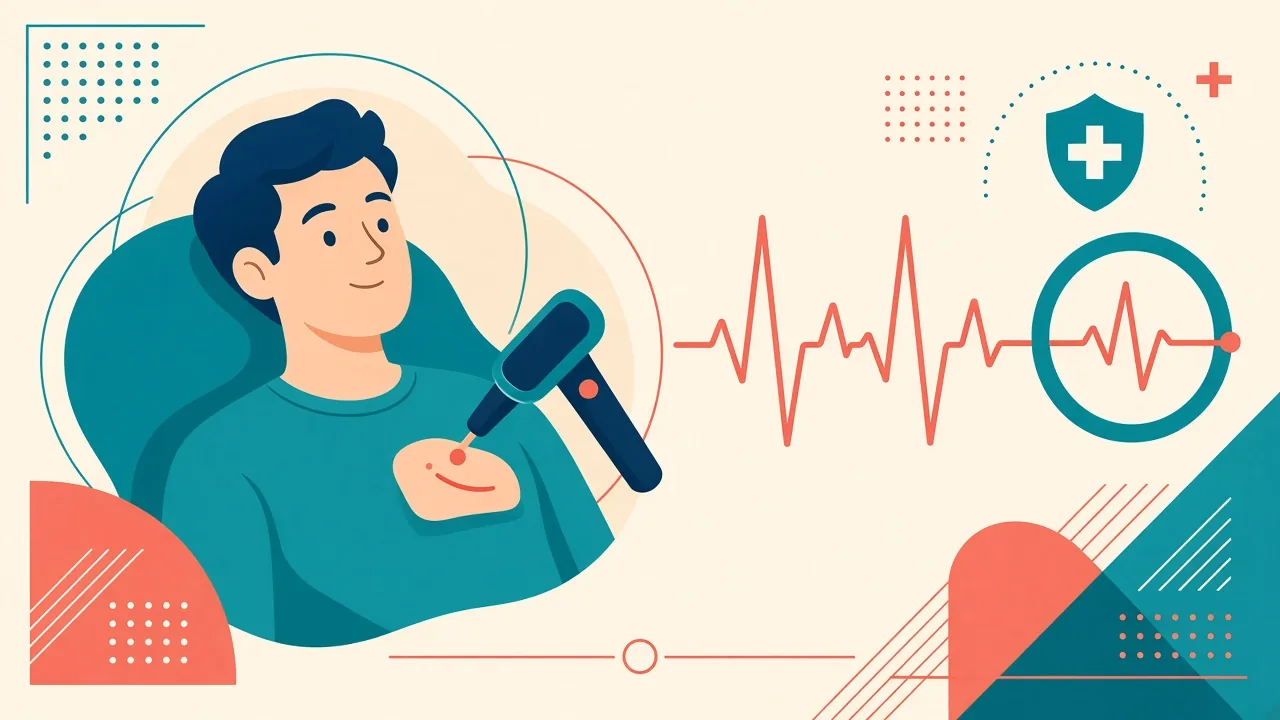
Regular follow-up assesses battery status, lead function, pacing percentage, stored rhythm information, device settings, symptoms and possible complications. Some modern devices support remote monitoring. ESC guidelines specifically address long-term follow-up and remote monitoring.
Request a named-procedure hospital estimate
WhatsApp +91 90443 46292 for an itemised pacemaker estimate
How Long Does a Pacemaker Battery Last?
Longevity depends on pacemaker type, amount of pacing, settings, electrical requirements and patient-specific factors. The NHS currently states that a pacemaker battery usually lasts around 6–7 years. Other patient-information resources describe longer average lifespans depending on the device. Device checks can identify declining capacity well before replacement becomes urgent.
When the generator needs replacement, existing leads can often remain if they still function. Generator replacement, lead extraction and infection cases have no separate GAF sheet and are quoted after records review.
Risks and Complications
Possible complications include pocket or wound infection, bleeding or hematoma, lead displacement, pneumothorax, cardiac perforation, blood-vessel injury, device or lead malfunction, venous thrombosis, and long-term issues such as lead failure, venous obstruction or system revision. ESC guidelines address procedural complications and long-term management.
Contact the treating team for increasing redness, swelling, discharge, worsening pain, fever, recurrent fainting, severe dizziness, new breathlessness or return of pre-implant symptoms. Severe chest discomfort, significant difficulty breathing, sudden collapse or other emergency symptoms require a local emergency department.
Life After Pacemaker Implantation
Once the wound has healed and the cardiology team has cleared normal activity, most people can return to many routine activities. Carry the pacemaker identification card, tell healthcare professionals about the device, follow exercise advice, and do not assume MRI is safe without checking manufacturer, model, leads and implant conditions.
In most cases a pacemaker does not prevent air travel. Carry the identification card, inform airport security, and follow cardiology advice after recent implantation. A common precaution is to avoid placing a mobile phone directly over the generator for prolonged periods.
Many patients can return to physical activity after recovery. Intensity depends on the underlying heart condition, device type and whether heart failure is present.
Pacemaker Implantation Cost in India
There is no medically responsible single price because the product may be a first conventional implant, a leadless capsule, CRT, an ICD or a generator change.
| Type / complexity | GAF planning | Typical stay |
|---|---|---|
| Pacemaker implantation | $3,500–$9,000 | 1–3 nights |
| Leadless pacemaker implantation | $12,000–$25,000 | 1–3 nights |
| CRT/CRT-D implantation | $10,000–$22,000 | 2–5 nights |
| ICD implantation | $8,000–$18,000 | 1–4 nights |
| Generator replacement, lead extraction, infection, paediatric pacing | Quoted after case review | Depends on the case |
US comparison for pacemaker implantation is $20,000–$50,000.
Major cost drivers include device type and manufacturer, number of leads, hospital and city, electrophysiologist, ICU or room, length of stay, investigations, associated conditions and complications. Confirm whether a quotation includes the device, procedure, physician fees, sedation, cath-lab charges, stay, investigations, medicines, programming, follow-up and complication management. Do not compare two quotations only by the headline package price.
City starting points:
- Delhi NCR pacemaker implantation cost
- Mumbai pacemaker implantation cost
- Bengaluru pacemaker implantation cost
- Chennai pacemaker implantation cost
- Hyderabad pacemaker implantation cost
Plan an international pacemaker stay
Pacemaker vs ICD vs CRT vs a Stent
A pacemaker treats selected slow rhythms. An ICD detects and treats dangerous ventricular arrhythmias and can deliver shocks. Named ICD lists sit on ICD Device Implantation in India. CRT-P is intended to improve ventricular synchrony in selected heart-failure patients. A stent keeps a narrowed coronary artery open and sits on Coronary Angioplasty in India. These products are not interchangeable. The ACC/AHA/HRS guideline emphasizes assessing sudden-death risk separately when choosing an implanted cardiac device.
Why Consider India for Pacemaker Implantation?
Patients should evaluate the specific hospital and electrophysiology team, not India as a whole. A pacing centre should ideally have dedicated cardiac electrophysiology, conventional and advanced pacing options, a cath lab, cardiac ICU, device interrogation, remote monitoring where appropriate, and the ability to manage infection or lead complications.
Catalog hospitals currently affiliated with tagged pacemaker lists include Fortis Escorts Heart Institute and Artemis Hospital in Delhi NCR; Apollo Hospitals, Navi Mumbai and KIMS Hospitals, Thane in Mumbai; Apollo Hospitals on Bannerghatta Road in Bengaluru; Apollo Hospital and Gleneagles Health City in Chennai; and Apollo Hospital, Jubilee Hills and KIMS Hospitals in Hyderabad. A catalog tag is not a volume, outcome or ranking claim.
Named clinicians currently tagged to pacemaker lists include Dr. (Col.) Viney Jetley and Dr. (Col) Balbir Kalra in Delhi NCR; Dr. Brajesh Kumar Kunwar and Dr. Charan Reddy in Mumbai; Dr. Abhijit Vilas Kulkarni and Dr. Girish B Navasundi in Bengaluru; Dr. Prakash Chand Jain and Dr. Gobu P in Chennai; and Dr. A. Sreenivas Kumar and Dr. Ajay J Swamy in Hyderabad.
Find a pacemaker specialist in India
WhatsApp +91 90443 46292 to match a pacing cardiologist
- Cardiology hospitals in Delhi NCR
- Cardiology hospitals in Mumbai
- Cardiology hospitals in Bengaluru
- Cardiology hospitals in Chennai
- Cardiology hospitals in Hyderabad
What Medical Records Should International Patients Send?
Ideally provide ECG, echocardiogram, Holter report, medical history, current medications, previous cardiac procedures and relevant imaging. ECG and Holter files are generally more useful than sending only the written report.
Can a Patient Travel to India for Pacemaker Implantation?
Yes, for stable, planned cases after records review. Recurrent fainting, severe dizziness, high-grade or complete heart block with instability, chest pain, confusion or collapse belongs in a local emergency department. Do not delay emergency pacing for international travel.
GAF planning distinguishes hospital stay from total stay in India. Pacemaker implantation is typically 1–3 nights in hospital. Combined evaluation, programming and fitness to fly usually take longer. Keep the return flight flexible until the treating team confirms clearance.
Paediatric pacing should be evaluated by teams experienced in paediatric cardiology and paediatric electrophysiology. Adult sheets are not applied to children by default.
Age alone does not determine whether a pacemaker should be implanted. Older patients may develop conduction-system disease as part of age-related change; the ACC/AHA/HRS guideline notes that sinus-node dysfunction is frequently associated with age-dependent fibrosis.
Request a pacemaker treatment plan
Questions to Ask Your Cardiologist
Ask what is causing the slow heartbeat, whether it is sinus-node dysfunction or heart block, whether it is permanent or potentially reversible, whether symptoms correspond with the rhythm, which device is appropriate and why, how many leads it will have, whether conduction-system or leadless pacing is an option, whether the system is MRI-conditional, who will implant it, how long the procedure and stay might be, when work, driving and exercise can resume, how arm movement should be restricted, how often the device will be checked, whether remote monitoring is available, expected battery life, and what happens at generator replacement.
Frequently Asked Questions About Pacemaker Implantation in India
Is pacemaker implantation a major surgery?
A conventional pacemaker is generally a minimally invasive cardiac procedure rather than open-heart surgery. It is usually performed through a small chest incision under local anaesthesia, with leads introduced through a vein.
How much does a pacemaker cost in India?
GAF pacemaker implantation planning is $3,500–$9,000. Named leadless, CRT and ICD sheets differ. A written estimate after ECG review is required.
How many days do I need to stay in the hospital?
GAF planning is typically 1–3 nights. Some hospital pages quote same-day discharge. The treating protocol decides.
Is the pacemaker itself included in the treatment cost?
Not always. Confirm whether the quotation includes the device, procedure, stay, physician fees, investigations and follow-up.
Can a person live a normal life with a pacemaker?
Many people return to normal daily activities after recovery. Regular device checks remain important. A pacemaker treats specific electrical problems. It does not cure coronary artery disease, valve disease or every type of heart failure.
Can I have an MRI after pacemaker implantation?
Some modern systems are MRI-conditional. Safety depends on the complete implanted system and specified conditions. Never assume MRI is safe simply because a device is newer.
Can I go through airport security with a pacemaker?
Yes, but tell security personnel that you have an implanted cardiac device and carry the identification card.
Is a pacemaker the same as a stent?
No. A stent keeps a narrowed coronary artery open. A pacemaker regulates certain abnormal heart rhythms. Named PCI sits on Coronary Angioplasty in India.
Is a pacemaker the same as an ICD?
No. An ICD can deliver high-energy therapy for certain dangerous ventricular arrhythmias. A conventional pacemaker primarily provides pacing support.
Can international patients have pacemaker implantation in India?
Yes for stable planned cases. ECG and Holter files should generally be reviewed before travel. Acute fainting or complete heart block with instability should not wait for an international itinerary.
Key Takeaways
- A pacemaker treats selected problems involving the heart's electrical system, most commonly symptomatic sinus-node dysfunction and clinically significant heart block.
- A slow heart rate alone does not automatically mean a pacemaker is required.
- GAF planning for pacemaker implantation is $3,500–$9,000 (typically 1–3 nights). Named leadless, CRT and ICD sheets differ.
- Conventional implantation is usually performed under local anaesthesia.
- Regular device follow-up is essential. Battery checks identify replacement before it becomes urgent.
- Fainting, collapse, severe breathlessness or chest pain belongs in a local emergency department.
Share ECG, Holter and echocardiography before making travel arrangements. A case-specific electrophysiology opinion is more useful than a brochure pacemaker package.
Share imaging for a pacemaker review
Message a coordinator on WhatsApp
Request a cost review on WhatsApp
Top 10 Medical Sources
- ACC/AHA/HRS 2018 Guideline on Bradycardia and Cardiac Conduction Delay — indications and shared decision-making.
- ESC 2021 Guidelines on Cardiac Pacing and CRT — implantation, complications and follow-up.
- HRS/APHRS/LAHRS 2023 Guideline on Cardiac Physiologic Pacing — conduction-system pacing and CRT.
- American Heart Association — Pacemaker — types and how pacemakers work.
- NHS — Pacemakers — implantation, recovery, battery life and risks.
- Royal Papworth Hospital — Pacemaker implantation — procedure and recovery.
- GAF Healthcare pacemaker implantation — partner USD planning range for conventional pacing.
- GAF Healthcare leadless pacemaker implantation — neighbouring capsule product.
- GAF Healthcare CRT/CRT-D implantation — neighbouring resynchronization product.
- GAF Healthcare ICD implantation — neighbouring defibrillator product.
Last reviewed against the cited sources: September 2026.
Medical Disclaimer
This page is intended for general educational purposes and should not replace an evaluation by a qualified cardiologist or cardiac electrophysiologist. Pacemaker indications, device selection, procedural risks, expected recovery and treatment costs vary from patient to patient. A treating specialist should review the ECG, rhythm history, imaging, medications and overall health before recommending implantation.
If you develop fainting, collapse, severe breathlessness, chest pain or sudden recurrence of pre-implant symptoms, seek urgent medical attention in a local emergency department.
Treatment Process
- 1
Share medical records
The patient provides ECG, Holter files, echocardiography and a short description of fainting, pauses or other symptoms.
- 2
Electrophysiology review
A cardiologist or electrophysiologist reviews whether the target is sinus-node dysfunction, heart block, CRT, an ICD or observation.
- 3
Device selection
The team names a conventional pacemaker, leadless capsule, CRT or ICD rather than a generic device brochure.
- 4
Medical optimisation
Medicines that slow the heart, infection risk, anticoagulation and MRI-conditional needs are addressed before a planned implant.
- 5
Itemized estimate
The hospital quotes the named sheet plus device, leads, programming and stay, not a brochure overnight package.
- 6
Travel to India
Stable planned cases travel after records review. Fainting, collapse or complete heart block with instability is a local emergency.
- 7
Implantation
The named generator and leads, or a leadless capsule, are implanted and programmed in the cath lab or EP room.
- 8
Wound and rhythm monitoring
The team watches the pocket, lead position, pacing thresholds and symptoms in the first day after the procedure.
- 9
Programming and follow-up plan
Settings, identification card, MRI advice and the interrogation schedule are confirmed before discharge.
- 10
Return home
The patient leaves with a written summary covering the named device, arm restrictions, warning signs and local follow-up.