
Treatment Overview

Mitral valve replacement surgery in India is a major cardiac procedure used to replace a severely damaged, narrowed, or leaking mitral valve with an artificial mechanical valve or a biological tissue valve. It may be recommended when the mitral valve cannot be repaired adequately or when replacement is considered more appropriate based on the patient's valve anatomy, symptoms, heart function, age, overall health, and long-term treatment needs.
India has established cardiac centres that perform conventional open-heart valve replacement as well as selected minimally invasive and transcatheter procedures. The appropriate technique is determined by a multidisciplinary cardiac team after reviewing echocardiography, cardiac imaging, medical history, and surgical risk.
For international patients, the overall treatment journey may include medical-record review, cardiology consultation, diagnostic testing, surgery, ICU and hospital care, rehabilitation, and follow-up before returning home.
Whenever a durable repair is technically possible, neighbouring mitral valve repair may be the honest product. Broader surgical valve lists sit on Heart Valve Replacement Surgery in India. Tricuspid work sits on Tricuspid Valve Replacement Surgery in India or Tricuspid Valve Repair in India. A catheter aortic valve is a different product and sits on TAVR in India. Combined coronary grafts sit on CABG Surgery in India. There is no live GAF mitral-repair-only, TMVR-only or aortic-replacement-only treatment page. This page is the named mitral-replacement product. Bentall lists sit on Bentall Procedure in India.
There is no live GAF mitral-replacement-only cost sheet. Neighbouring heart valve replacement is $7,000–$18,000 (typically 8–16 nights) when surgical mitral replacement is the honest product. US comparison is $80,000–$220,000. Neighbouring mitral valve repair is $7,500–$18,000 (typically 7–14 nights) when a durable repair can hold. Neighbouring heart valve repair is $6,500–$16,500 (typically 7–14 nights). Neighbouring double valve replacement is $12,000–$28,000 (typically 10–18 nights) when a second valve is replaced in the same sitting. Neighbouring aortic valve replacement is $7,000–$18,500 when SAVR is added. Neighbouring minimally invasive cardiac surgery is $8,000–$20,000. Neighbouring robotic cardiac surgery is $10,000–$24,000. Neighbouring CABG is $5,500–$14,000 when grafts are added. Neighbouring balloon mitral valvotomy is $4,000–$10,000 (typically 2–5 nights) when a balloon can honestly open selected stenosis. Neighbouring MitraClip is $18,000–$38,000 (typically 3–7 nights) when edge-to-edge repair rather than surgical replacement is the product. Neighbouring TAVR/TAVI is $18,000–$42,000 and is an aortic product, not a mitral quote. Transcatheter mitral valve replacement has no live GAF sheet and is quoted after Heart Team CT. These are planning ranges from partner hospital cost sheets, not hospital quotations.
International patients comparing cardiac surgeons commonly start with Delhi NCR, Mumbai, Bengaluru, Chennai and Hyderabad. Partner cardiac surgery hospitals in Delhi NCR, Mumbai and Bengaluru, and in Chennai and Hyderabad, are a typical first filter because mitral replacement needs a cardiac ICU, echocardiography and emergency backup. City cost sheets include Delhi NCR, Mumbai, Bengaluru, Chennai and Hyderabad. Kolkata, Pune, Ahmedabad, Chandigarh and Kochi may have valve theatres. They are not live GAF catalog cities on this site.
Important: New or severe chest pain, sudden breathlessness, fainting, sudden weakness, difficulty speaking, severe bleeding or unexplained persistent fever after mitral replacement belongs in a local emergency department first. WhatsApp at +91 90443 46292 is for planned record review, not an emergency line.
What is mitral valve replacement surgery?
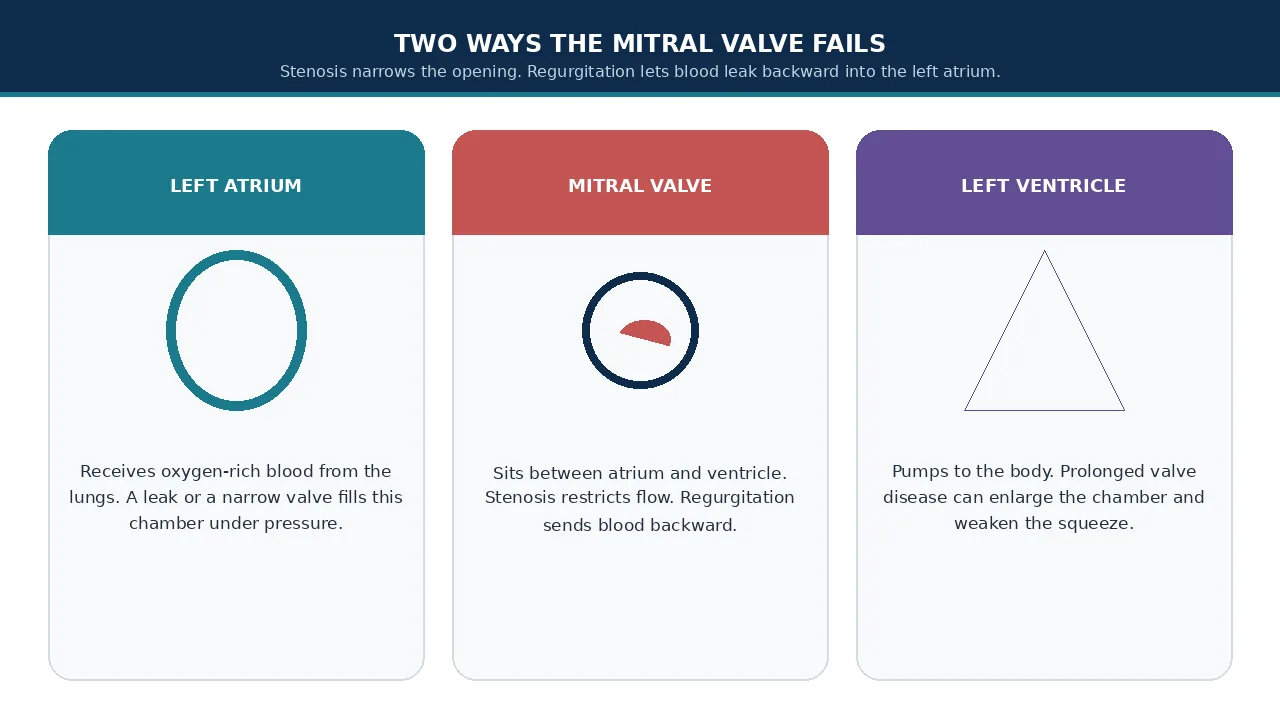
The mitral valve is located between the left atrium and left ventricle of the heart. It normally opens to allow oxygen-rich blood to move from the left atrium into the left ventricle and closes when the ventricle pumps blood into the body's circulation.
When the valve becomes severely diseased, it may either fail to open properly or allow blood to leak backward.
The two major problems are:
- Mitral stenosis – the valve becomes narrowed and restricts blood flow.
- Mitral regurgitation – the valve does not close properly and blood flows backward into the left atrium.
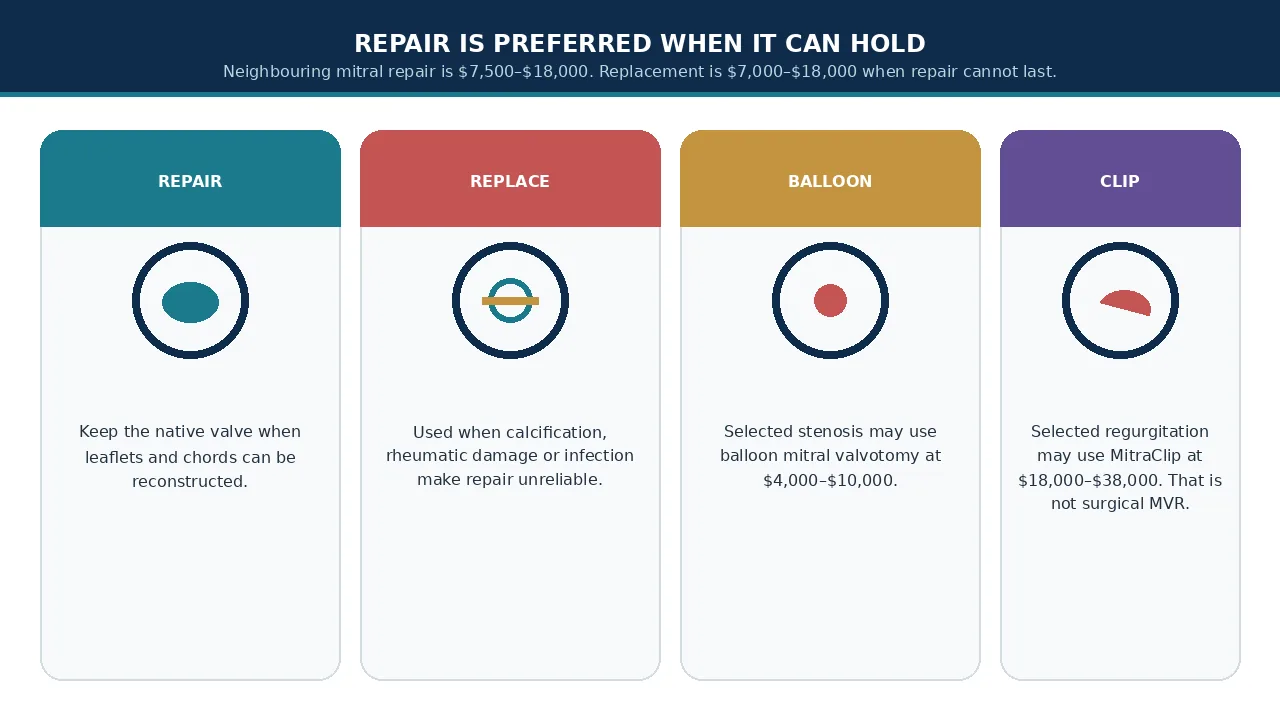
In some patients, the valve can be repaired. In others, the valve is too damaged, calcified, scarred, infected or structurally unsuitable for durable repair. In such cases, mitral valve replacement may be recommended.
During replacement surgery, the diseased valve is removed or surgically prepared to receive a prosthetic valve. The replacement may be a mechanical valve or a bioprosthetic/tissue valve.
When is mitral valve replacement needed?
Not everyone with mitral valve disease needs replacement surgery.
The decision depends on several factors, including:
- Severity of valve disease
- Symptoms
- Left ventricular function
- Size and function of the heart chambers
- Pulmonary pressure
- Valve anatomy
- Presence of atrial fibrillation
- Previous heart surgery
- Other valve disease
- Coronary artery disease
- Age and general health
- Surgical risk
- Whether durable valve repair is possible
The American Heart Association/American College of Cardiology guidance emphasizes assessment of valve anatomy, symptoms, ventricular response and other clinical findings when deciding on intervention. Patients with severe valve disease being considered for intervention should be evaluated by an appropriate multidisciplinary valve team.
Ask whether repair or replacement is the honest product
Mitral valve regurgitation and valve replacement
Mitral regurgitation occurs when the mitral valve does not close completely. Blood can move backward from the left ventricle into the left atrium during contraction.
Causes may include:
- Degenerative mitral valve disease
- Mitral valve prolapse
- Rheumatic heart disease
- Infective endocarditis
- Ischemic heart disease
- Cardiomyopathy
- Congenital abnormalities
- Damage to the valve structures
Patients with severe disease may experience:
- Breathlessness
- Fatigue
- Reduced exercise tolerance
- Palpitations
- Swelling of the legs
- Difficulty breathing when lying down
- Recurrent heart-failure symptoms
Whenever a durable repair is technically feasible, mitral valve repair is often preferred to replacement, because it preserves the patient's native valve. Neighbouring mitral valve repair is $7,500–$18,000. There is no live GAF mitral-repair-only treatment page. Replacement may be necessary when repair is not feasible or is unlikely to provide a durable result.
Mitral valve stenosis and valve replacement
Mitral stenosis occurs when the opening of the mitral valve becomes abnormally narrow.
Rheumatic heart disease remains an important cause in many parts of the world. Other causes include age-related calcification and congenital abnormalities.
Symptoms can include:
- Breathlessness
- Fatigue
- Reduced physical capacity
- Palpitations
- Cough
- Chest discomfort
- Swelling
- Atrial fibrillation
Depending on valve anatomy and severity, treatment may involve medication, catheter-based balloon procedures, surgical repair or valve replacement. Neighbouring balloon mitral valvotomy is $4,000–$10,000 when a balloon can honestly open selected stenosis. There is no live GAF balloon-mitral-valvotomy treatment page.
When the valve is severely damaged and cannot be adequately repaired or treated through a suitable catheter procedure, replacement may be considered.
Mitral valve replacement vs mitral valve repair
This is one of the most important decisions for a patient with mitral valve disease.
Mitral valve repair
The surgeon preserves the patient's own valve and corrects the structural problem.
Repair may involve:
- Leaflet repair
- Removal of excess leaflet tissue
- Chordal repair or replacement
- Annuloplasty
- Other reconstructive techniques
Mitral valve replacement
The diseased valve is replaced with a prosthetic valve.
Replacement may be necessary when:
- The valve is extensively damaged.
- Severe calcification makes repair difficult.
- Rheumatic disease has caused extensive structural changes.
- Infection has destroyed the valve.
- Previous repair has failed.
- A durable repair is unlikely.
- The anatomy is unsuitable for repair.
The choice between repair and replacement should be made after detailed imaging and evaluation by an experienced valve team rather than solely on the basis of cost or patient preference.
Types of mitral valve replacement
There are two principal types of prosthetic valves.
1. Mechanical mitral valve
A mechanical valve is manufactured from durable artificial materials.
Advantages
- Very high durability
- Generally designed for long-term use
- Lower likelihood of structural valve deterioration compared with tissue valves
Important consideration
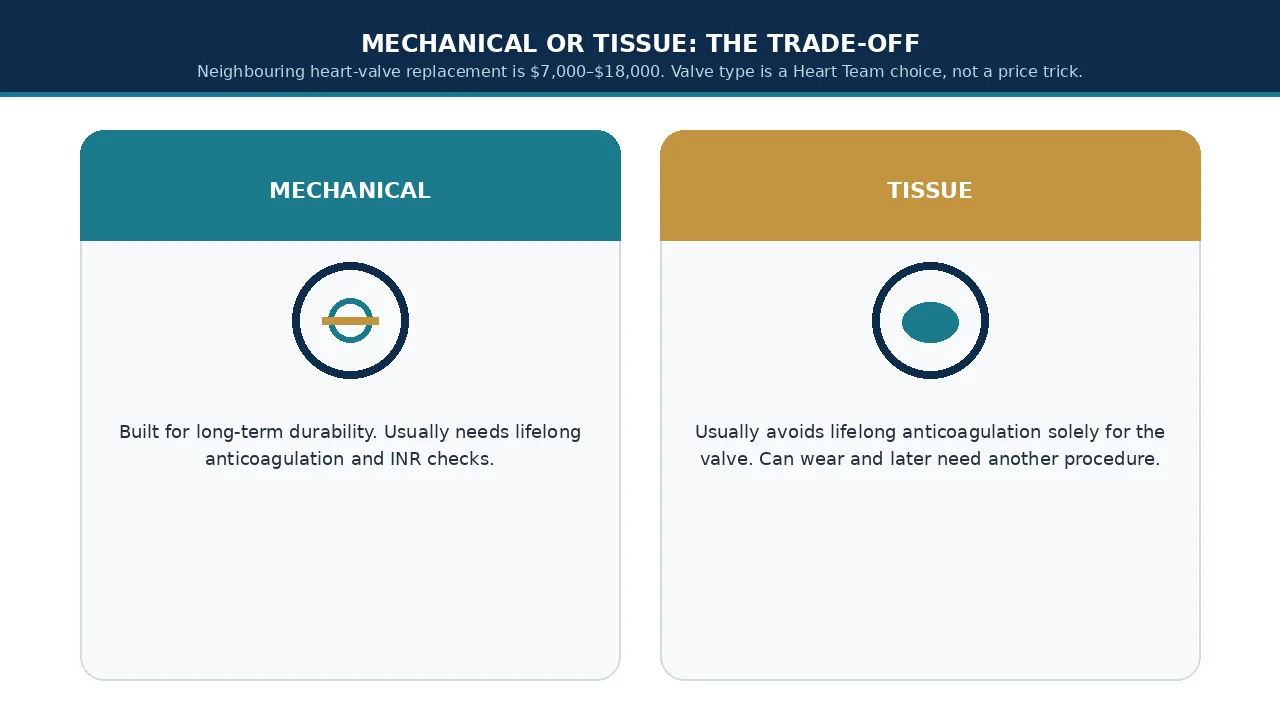
Patients with mechanical mitral valves generally require lifelong anticoagulation with a vitamin K antagonist to reduce the risk of valve thrombosis.
Regular monitoring and medication adherence are therefore essential.
The choice of a mechanical valve is influenced by age, bleeding risk, ability to maintain anticoagulation, pregnancy considerations, other medical conditions and patient preferences.
The 2020 ACC/AHA guideline states that for patients younger than 65 who require mitral valve replacement, have no contraindication to anticoagulation and cannot undergo mitral repair, a mechanical mitral prosthesis is reasonable after individualized decision-making.
2. Bioprosthetic or tissue mitral valve
A biological valve is made from biological tissue, commonly derived from animal tissue.
Potential advantages
- Usually avoids lifelong anticoagulation solely because of the valve
- May be appropriate for patients in whom long-term anticoagulation is undesirable or unsuitable
Important consideration
Biological valves can deteriorate over time and may eventually require another intervention.
Valve durability varies with patient age, valve type and other factors. A tissue valve should therefore not be considered a maintenance-free option.
Some patients with a failing bioprosthetic valve may later be candidates for a valve-in-valve transcatheter procedure, depending on anatomy and clinical circumstances. There is no live GAF TMVR treatment page.
Ask which prosthesis the surgeon is naming
Mechanical vs tissue mitral valve: which is better?
There is no universally appropriate valve for every patient.
| Factor | Mechanical valve | Tissue valve |
|---|---|---|
| Durability | Generally very high | Limited by structural deterioration over time |
| Lifelong anticoagulation | Usually required | Not usually required solely because of the valve |
| Regular INR monitoring | Generally required | Depends on the patient's other indications |
| Reoperation due to valve degeneration | Less likely | More likely over long term |
| Bleeding considerations | Important because of anticoagulation | Generally lower anticoagulation burden |
| Pregnancy considerations | Requires specialist planning | May be considered in specific circumstances |
| Suitable patient | Often younger patients when anticoagulation is acceptable | Often considered when avoiding lifelong anticoagulation is important |
The final choice should be individualized. Age alone should not determine the valve type.
How is mitral valve replacement surgery performed?
Traditional surgical mitral valve replacement is performed under general anaesthesia.
A simplified sequence is:
Step 1: Anaesthesia and monitoring
The patient receives general anaesthesia and is connected to advanced monitoring equipment.
Step 2: Surgical access
For conventional surgery, the surgeon accesses the heart through the chest. Minimally invasive approaches use smaller incisions in selected patients.
Step 3: Cardiopulmonary bypass
A heart-lung machine temporarily takes over the circulation and oxygenation of blood while the surgeon operates on the heart.
Step 4: Accessing the mitral valve
The surgeon reaches the mitral valve through an appropriate cardiac approach.
Step 5: Removal or preparation of the diseased valve
The damaged valve is removed or prepared for replacement, depending on the surgical strategy and anatomy.
Step 6: Implantation of the prosthetic valve
The selected mechanical or tissue valve is positioned and secured.
Step 7: Testing the valve
The surgical team checks the prosthesis and surrounding structures before completing the procedure.
Step 8: Coming off bypass
The heart is gradually returned to normal function and the patient is separated from the heart-lung machine when appropriate.
Step 9: Closure
The surgical access is closed and the patient is transferred to intensive care for monitoring.
The exact technique varies according to anatomy, previous surgery, additional procedures and the surgeon's approach.
Minimally invasive mitral valve replacement in India
Selected patients may be candidates for minimally invasive mitral valve surgery.
Instead of a conventional large chest incision, the surgeon uses smaller access points, often between the ribs.
Potential advantages may include:
- Smaller incisions
- Less surgical trauma
- Reduced postoperative pain in selected patients
- Faster mobilization
- Potentially shorter recovery
However, minimally invasive surgery is not suitable for everyone.
Patient selection depends on valve anatomy, previous cardiac surgery, associated coronary disease, other valve problems, body anatomy, overall health, surgical expertise and institutional experience.
Neighbouring minimally invasive cardiac surgery is $8,000–$20,000. Neighbouring robotic cardiac surgery is $10,000–$24,000. There is no live GAF minimally-invasive-heart-surgery treatment page.
Transcatheter mitral valve replacement
Transcatheter mitral valve replacement (TMVR) is different from conventional surgical valve replacement.
It uses catheter-based technology to place a replacement valve without conventional open-heart surgery.
TMVR is a developing and highly specialized field. It may be considered for carefully selected patients, particularly those who have a failed bioprosthetic valve or who have high surgical risk, depending on the specific indication and available technology.
Not every patient with mitral valve disease is a candidate for TMVR. There is no live GAF TMVR treatment page or TMVR cost sheet.
A specialist heart-valve team must evaluate previous valve surgery, valve anatomy, CT imaging, left ventricular outflow tract anatomy, surgical risk, existing prosthetic valve and other cardiac conditions.
Selected regurgitation may instead sit on neighbouring MitraClip at $18,000–$38,000. That is edge-to-edge repair, not surgical mitral replacement. Neighbouring TAVR/TAVI is $18,000–$42,000 and is an aortic product.
Ask whether imaging names surgical MVR, repair, balloon or clip
Tests before mitral valve replacement surgery
A comprehensive preoperative evaluation helps the cardiac team determine whether surgery is necessary and which approach is safest.
Tests may include:
Echocardiogram
An echocardiogram evaluates valve anatomy, severity of stenosis or regurgitation, chamber size, ventricular function and pulmonary pressures.
Transesophageal echocardiography
TEE provides detailed images of the mitral valve and may be particularly useful before surgery.
Electrocardiogram
An ECG checks heart rhythm and electrical activity.
Chest X-ray
May be performed as part of the preoperative assessment.
Cardiac CT
CT may be required for detailed anatomical planning, particularly for minimally invasive or transcatheter procedures.
Coronary angiography
Patients with suspected or known coronary artery disease may require assessment of the coronary arteries. Neighbouring coronary angiography is $400–$1,200.
Blood tests
These may include complete blood count, kidney function, liver function, electrolytes, coagulation tests and blood grouping.
The precise testing protocol varies according to age, symptoms, medical history and planned procedure.
Who is a candidate for mitral valve replacement?
A patient may be considered for replacement when:
- Mitral valve disease is severe.
- Symptoms are significant.
- The valve cannot be repaired adequately.
- There is progressive deterioration of heart function.
- Severe valve disease is causing complications.
- Previous valve repair has failed.
- Valve infection has caused extensive destruction.
- Severe stenosis or regurgitation is unsuitable for another treatment option.
The decision should not be based on symptoms alone.
Some patients with severe disease may require intervention before symptoms become advanced because prolonged valve dysfunction can damage the heart.
Symptoms that may lead to mitral valve surgery
Common symptoms include:
- Shortness of breath
- Breathlessness while walking
- Breathlessness while lying down
- Fatigue
- Weakness
- Reduced exercise tolerance
- Palpitations
- Irregular heartbeat
- Leg or ankle swelling
- Chest discomfort
- Recurrent hospital admissions for heart failure
However, the absence of symptoms does not automatically mean that surgery is unnecessary.
Valve severity, heart function, chamber enlargement and other clinical findings also influence treatment decisions.
Mitral valve replacement surgery cost in India
The cost of mitral valve replacement surgery in India varies substantially between hospitals and patients.
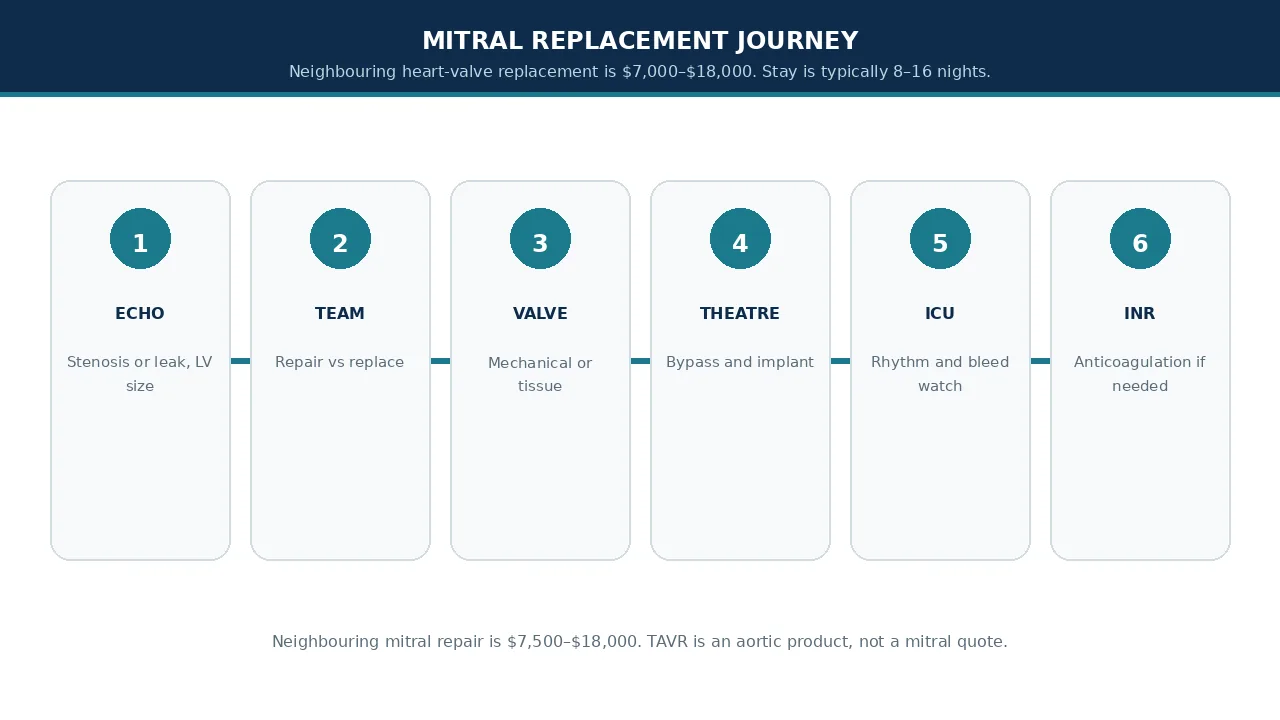
There is no live GAF mitral-replacement-only sheet. Neighbouring heart valve replacement is $7,000–$18,000 (typically 8–16 nights). US comparison is $80,000–$220,000.
| Product | GAF planning | Typical stay |
|---|---|---|
| Heart valve replacement | $7,000–$18,000 | 8–16 nights |
| Mitral valve repair | $7,500–$18,000 | 7–14 nights |
| Double valve replacement | $12,000–$28,000 | 10–18 nights |
| Minimally invasive cardiac surgery | $8,000–$20,000 | 5–12 nights |
| Balloon mitral valvotomy | $4,000–$10,000 | 2–5 nights |
| MitraClip | $18,000–$38,000 | 3–7 nights |
External medical-travel headlines are not a GAF Healthcare quotation.
Request an itemised mitral-replacement estimate
Factors that affect mitral valve replacement cost in India
Several factors can change the final price.
- Type of valve. Mechanical and tissue valves have different acquisition costs.
- Hospital and city. Major metropolitan cardiac centres may have higher hospital charges than smaller centres.
- Surgical approach. Open surgery, minimally invasive procedures and specialized transcatheter interventions have different cost structures.
- Patient complexity. A patient requiring additional procedures may have a significantly higher bill.
- ICU duration. Longer ICU treatment increases hospitalization costs.
- Room category. Private, semi-private and other room categories can affect the total package.
- Preoperative investigations. Advanced imaging and cardiac testing may add to the cost.
- Complications. Bleeding, infection, arrhythmias, kidney problems or prolonged ventilation can extend hospitalization.
- Previous heart surgery. Redo cardiac surgery may be more complex and expensive.
- Additional procedures. CABG at $5,500–$14,000, tricuspid valve repair or aortic valve surgery performed during the same operation can increase the overall cost.
Mitral valve replacement cost in major Indian cities
Live GAF city sheets use the neighbouring heart-valve replacement planning range of $7,000–$18,000:
| City | Live GAF planning range | Typical stay |
|---|---|---|
| Delhi NCR | $7,000–$18,000 | 8–16 nights |
| Mumbai | $7,000–$18,000 | 8–16 nights |
| Bengaluru | $7,000–$18,000 | 8–16 nights |
| Chennai | $7,000–$18,000 | 8–16 nights |
| Hyderabad | $7,000–$18,000 | 8–16 nights |
Pune, Kolkata and Ahmedabad may have valve theatres. They are not live GAF catalog cities on this site.
What is usually included in a mitral valve replacement package?
A hospital package may include some or all of the following:
- Surgeon charges
- Anaesthetist charges
- Operation theatre
- Prosthetic valve
- ICU stay
- Hospital room
- Nursing
- Routine medicines
- Surgical consumables
- Routine laboratory testing
- Postoperative monitoring
Inclusions differ between hospitals. Before accepting a quotation, ask whether the price includes the valve, ICU days, room category, blood products, preoperative investigations, echocardiography, CT or angiography, additional procedures, complication-related expenses, extra hospital days and post-discharge medicines.
Recovery after mitral valve replacement surgery
Recovery occurs in stages.
Intensive care
Immediately after surgery, the patient is transferred to the ICU.
The team monitors heart rhythm, blood pressure, oxygen levels, breathing, kidney function, fluid balance, chest drainage and signs of bleeding or infection.
Hospital recovery
As the patient stabilizes, the medical team gradually increases activity. Patients may begin sitting up, standing, walking short distances, breathing exercises, eating normally and performing basic daily activities.
Mayo Clinic notes that patients typically spend several days in hospital following mitral valve surgery. Neighbouring GAF heart valve replacement planning is typically 8–16 nights.
How long does it take to recover?
Recovery differs from one patient to another.
A patient undergoing uncomplicated surgery may return gradually to normal daily activities over several weeks.
Full recovery may take approximately 6–12 weeks or longer, depending on surgical approach, age, general health, heart function, previous surgery, complications, rehabilitation and physical activity before surgery.
Minimally invasive surgery may allow faster recovery in appropriately selected patients, but it should not be assumed that every minimally invasive procedure has the same recovery timeline.
Life after mitral valve replacement
Successful valve replacement can relieve symptoms and improve blood flow through the heart.
However, valve replacement is not the end of cardiac care.
Patients usually need regular cardiology follow-up, echocardiographic monitoring, medication management, blood-thinning treatment when indicated, infection prevention advice, a heart-healthy lifestyle, exercise or cardiac rehabilitation and monitoring for rhythm abnormalities.
Patients with mechanical valves require long-term anticoagulation and monitoring. Tissue valves can undergo structural deterioration over time.
Anticoagulation after mitral valve replacement
This is one of the most important differences between valve types.
Mechanical valve
A mechanical mitral valve generally requires lifelong anticoagulation with a vitamin K antagonist.
Patients need regular monitoring and should never stop anticoagulant medication without medical advice.
Tissue valve
A tissue valve does not generally require lifelong anticoagulation solely because it is a tissue prosthesis. However, anticoagulation or antiplatelet treatment may still be prescribed for other reasons.
For example, atrial fibrillation can independently affect the need for anticoagulation.
Medication decisions must always be individualized by the treating cardiologist.
Risks and complications of mitral valve replacement
Mitral valve replacement is major heart surgery and carries potential risks.
Possible complications include:
- Bleeding
- Infection
- Stroke
- Blood clots
- Abnormal heart rhythms
- Kidney complications
- Respiratory complications
- Prosthetic valve dysfunction
- Valve thrombosis
- Paravalvular leak
- Need for pacemaker in selected cases
- Heart failure
- Need for additional surgery
- Death
Risk varies considerably according to age, heart function, valve disease, other medical conditions, previous surgery and the type of procedure.
Mayo Clinic lists bleeding, blood clots, prosthetic valve failure, arrhythmias, infection and stroke among potential complications of mitral valve surgery. Neighbouring pacemaker implantation is $3,500–$9,000 if conduction injury requires pacing.
Mitral valve replacement for rheumatic heart disease
Rheumatic heart disease can cause progressive mitral valve thickening, scarring and narrowing.
Patients may develop severe mitral stenosis, mitral regurgitation, atrial fibrillation, pulmonary hypertension or heart failure.
Treatment depends on the severity and anatomy of the valve. Options can include balloon mitral valvotomy, valve repair or replacement.
When the valve is severely damaged and unsuitable for repair or catheter-based treatment, replacement may be required.
Mitral valve replacement for infective endocarditis
Infective endocarditis is an infection involving the heart's inner lining and/or valves.
It can destroy valve tissue and cause severe regurgitation.
Some patients can be treated with antibiotics alone, while others may require urgent or planned surgery.
Surgical indications depend on heart failure, uncontrolled infection, valve destruction, abscess, persistent infection, embolic risk and prosthetic valve infection.
The timing and type of surgery must be determined by a specialist endocarditis/heart team.
Mitral valve replacement and atrial fibrillation
Atrial fibrillation is common in patients with significant mitral valve disease.
It can cause palpitations, irregular heartbeat, reduced exercise tolerance and increased risk of stroke.
When atrial fibrillation is present, the cardiology team evaluates whether anticoagulation is required.
Patients with rheumatic mitral stenosis or a mechanical prosthesis have specific anticoagulation considerations, and treatment should follow specialist guidance.
Mitral valve replacement and pregnancy
Women who may become pregnant require particularly careful valve selection and planning.
Mechanical valves generally require anticoagulation, and anticoagulation management during pregnancy can be complex because both maternal and fetal risks must be considered.
Women of childbearing potential should discuss pregnancy plans with a cardiologist and cardiac surgeon before choosing a prosthetic valve.
The decision should involve a multidisciplinary team when pregnancy is possible.
Mitral valve replacement for international patients
India is a destination for international cardiac patients because treatment can be coordinated through multidisciplinary hospitals offering cardiac surgery, intensive care, diagnostics and rehabilitation.
Step 1: Send medical records
Typically useful documents include a recent echocardiogram, TEE report if available, ECG, CT or angiography reports, blood investigations, previous operation reports, current medication list and discharge summaries.
Step 2: Medical evaluation
The cardiac team reviews the records and determines whether further investigations are needed.
Step 3: Treatment plan
The hospital may provide the proposed procedure, expected hospital stay, estimated cost, type of valve and preoperative requirements.
Step 4: Travel planning
International patients may coordinate a medical visa, flights, accommodation, airport transfer, hospital admission and interpreter services where required.
Step 5: Surgery and hospitalization
The patient undergoes the planned treatment and postoperative monitoring.
Step 6: Follow-up before returning home
The treating team reviews recovery and provides medication and follow-up instructions before travel.
International patients should obtain a clear written discharge summary and operative report before returning home.
Send echo, TEE and medication lists before travel
How to choose a hospital for mitral valve replacement in India
Instead of choosing a hospital solely on price, patients should evaluate the cardiac programme as a whole.
Important questions include:
- Does the hospital have a dedicated cardiac surgery team?
- Does it have a cardiac ICU?
- Are cardiologists and cardiac surgeons available around the clock?
- Does the centre perform mitral valve repair as well as replacement?
- Does the team have experience with complex valve disease?
- Are minimally invasive approaches available when clinically appropriate?
- Is advanced echocardiography available?
- Is cardiac rehabilitation available?
- Can the hospital manage emergency complications?
- Can the hospital provide a detailed international-patient quotation?
Partner cardiac surgery hospitals in Delhi NCR, Mumbai, Bengaluru, Chennai and Hyderabad are the live GAF first filter.
Patients should compare the specific cardiac team and procedure experience rather than treating a hospital brand alone as a guarantee of outcome.
Questions to ask the mitral valve surgeon
Before surgery, patients should ask:
About the diagnosis
- What is causing my mitral valve disease?
- Is the disease severe?
- How is my heart function?
- Do I definitely need surgery now?
About repair versus replacement
- Can my valve be repaired?
- If repair is possible, how durable is the expected repair?
- Why are you recommending replacement instead?
About the prosthetic valve
- Which valve type do you recommend?
- Why is this valve appropriate for me?
- Will I require lifelong anticoagulation?
- What monitoring will I need?
About surgery
- Will I undergo open or minimally invasive surgery?
- How long will the operation take?
- How long will I stay in ICU?
- How long will I remain in hospital?
About recovery
- When can I walk normally?
- When can I drive?
- When can I return to work?
- Will I need cardiac rehabilitation?
About cost
- What exactly is included in the quotation?
- Is the prosthetic valve included?
- What happens if I need additional ICU days?
- Are complications covered?
A coordinator can also open WhatsApp at +91 90443 46292 for planned records review.
Mitral valve replacement surgery: advantages and limitations
Potential benefits
- Restores more normal blood flow through the mitral position
- Can relieve symptoms caused by severe valve disease
- May reduce the effects of severe valve dysfunction on the heart
- Can improve functional capacity
- May improve quality of life
- Can prevent progression of complications in appropriately selected patients
Limitations
- It is major cardiac surgery.
- Prosthetic valves require lifelong follow-up.
- Mechanical valves require lifelong anticoagulation.
- Tissue valves can deteriorate over time.
- Surgery carries bleeding, infection, stroke and other risks.
- Recovery requires time and rehabilitation.
- Some patients may need additional procedures in the future.
The potential benefits and risks are highly individual and should be discussed with the treating cardiac team.
Frequently asked questions about mitral valve replacement surgery in India
Is mitral valve replacement a major surgery?
Yes. Surgical mitral valve replacement is major heart surgery and usually requires general anaesthesia, cardiopulmonary bypass and postoperative ICU monitoring.
How much does mitral valve replacement cost in India?
There is no live GAF mitral-replacement-only sheet. Neighbouring heart valve replacement is $7,000–$18,000, typically 8–16 nights. US comparison is $80,000–$220,000. The prosthetic valve, hospital, city, surgical technique, ICU stay and additional procedures can change the final cost substantially.
Which is better: mechanical or tissue mitral valve?
Neither is universally better. Mechanical valves are highly durable but usually require lifelong anticoagulation. Tissue valves reduce the long-term anticoagulation burden but can deteriorate over time. The choice depends on age, bleeding risk, pregnancy considerations, medical conditions and personal preferences.
How long does mitral valve replacement surgery take?
The operation commonly takes several hours, but the duration varies according to the patient's anatomy, surgical technique and whether additional procedures are performed.
How long do I stay in the hospital after mitral valve replacement?
Many patients spend several days in hospital, including time in the ICU. Neighbouring GAF planning is typically 8–16 nights.
How long does recovery take?
Recovery commonly takes several weeks. Some patients may require approximately 6–12 weeks or longer to return fully to their previous level of activity.
Can mitral valve replacement be done without open-heart surgery?
Selected patients may qualify for minimally invasive or transcatheter procedures. However, these approaches are not suitable for everyone and require detailed anatomical and clinical assessment.
Can a mitral valve be repaired instead of replaced?
Yes. When a durable repair is technically possible, repair is often preferred. Neighbouring mitral valve repair is $7,500–$18,000. Extensive valve damage may make replacement necessary.
Do mechanical valves last forever?
Mechanical valves are designed for long-term durability and generally do not undergo the same structural degeneration as tissue valves. However, patients still require lifelong follow-up and anticoagulation.
Do tissue valves need to be replaced?
A tissue valve can undergo structural deterioration over time and may eventually require another intervention. In selected patients, a transcatheter valve-in-valve procedure may be an option when a bioprosthetic valve fails.
Can I live a normal life after mitral valve replacement?
Many patients return to active daily lives after successful valve replacement. Long-term outcomes depend on heart function, other medical conditions, prosthetic valve type, medication adherence and follow-up.
Will I need blood thinners after mitral valve replacement?
Patients with mechanical mitral valves generally require lifelong anticoagulation. Patients with tissue valves may have different medication requirements depending on their individual condition.
Is mitral valve replacement safe for elderly patients?
Age alone does not determine whether surgery is appropriate. The cardiac team considers overall health, frailty, heart function, valve anatomy and surgical risk before recommending treatment.
Can mitral valve replacement be performed after previous heart surgery?
Yes, redo mitral valve surgery can be performed in selected patients, although previous surgery can make the procedure more complex.
What happens if a replacement valve fails?
Treatment depends on the type of prosthetic valve and the nature of the failure. Some patients may require repeat surgery, while selected patients with failed bioprosthetic valves may be candidates for catheter-based valve-in-valve treatment.
When can I travel after mitral valve surgery?
International patients should not plan their return flight solely on a standard number of days. The treating team should confirm that the patient is medically stable and fit to travel.
Why choose India for mitral valve replacement?
India has developed a large network of tertiary cardiac hospitals capable of providing cardiologist consultation, cardiac imaging, cardiac surgery, cardiac ICU care, echocardiography, interventional cardiology, cardiac rehabilitation and international-patient services.
Treatment availability, surgeon experience, technology and cost vary between institutions. Patients should therefore compare hospitals based on their specific diagnosis and required procedure, rather than relying solely on a generic hospital ranking.
Preparing for mitral valve replacement in India
International patients can make the process smoother by preparing their medical documents before travel.
Medical documents checklist
- Passport copy
- Recent echocardiogram
- TEE report, if available
- ECG
- Cardiac CT or angiography
- Blood reports
- Previous surgery records
- Current prescription
- Allergy information
- Previous discharge summaries
- List of previous cardiac procedures
A clear medical file allows the treating team to assess the case before the patient travels.
Share reports for a preliminary mitral-replacement estimate
Recovery checklist after mitral valve replacement
During the first few weeks
- Take prescribed medicines exactly as directed.
- Follow wound-care instructions.
- Attend scheduled follow-up appointments.
- Gradually increase walking.
- Perform breathing exercises as advised.
- Avoid strenuous activity until cleared.
- Follow anticoagulation instructions if prescribed.
- Monitor for fever, wound problems, unusual breathlessness or other warning symptoms.
Long term
- Continue cardiology follow-up.
- Take anticoagulants exactly as prescribed when required.
- Maintain a heart-healthy diet.
- Exercise according to medical advice.
- Control blood pressure, cholesterol and diabetes.
- Avoid tobacco.
- Inform healthcare professionals that you have a prosthetic valve.
- Ask your doctor about infection prevention and dental-care precautions.
When should you seek urgent medical attention after surgery?
Patients should seek emergency care in a local emergency department for symptoms such as:
- Severe or rapidly worsening breathlessness
- Chest pain
- Fainting
- New neurological symptoms
- Sudden weakness
- Difficulty speaking
- Severe bleeding
- Persistent high fever
- Rapidly worsening swelling
- Significant wound discharge
- New severe palpitations
Patients taking anticoagulants should also seek medical advice promptly for significant bleeding or symptoms suggesting a blood clot. WhatsApp at +91 90443 46292 is not an emergency line.
Key takeaways
Mitral valve replacement is an established treatment for severe mitral valve disease when repair or other suitable treatment options are not appropriate.
The most important decisions are not simply about where surgery is performed or how much it costs.
They include:
- Whether surgery is actually required
- Whether the valve can be repaired
- Which replacement valve is appropriate
- Whether open or minimally invasive surgery is suitable
- Whether additional cardiac procedures are required
- How the patient's long-term anticoagulation will be managed
- How follow-up will be maintained after returning home
There is no live GAF mitral-replacement-only sheet. Neighbouring heart-valve replacement planning is $7,000–$18,000.
For international patients, the best treatment plan should begin with a review of the patient's medical records by an experienced cardiac team.
Related GAF Healthcare pages
- Heart Valve Replacement Surgery in India
- Tricuspid Valve Replacement Surgery in India
- Tricuspid Valve Repair in India
- CABG Surgery in India
- Heart Bypass Surgery Cost in India
- TAVR in India
- Heart valve replacement cost
- Mitral valve repair cost
- Balloon mitral valvotomy cost
- MitraClip cost
- Cardiac surgeons in India
- Cardiac surgery hospitals in India
Mitral-repair-only, TMVR-only, balloon-mitral-valvotomy and aortic-replacement-only treatment pages are not live on this site. Use this page plus the named modality sheets.
Top 10 sources
- American Heart Association / American College of Cardiology — 2020 Guideline for the Management of Patients With Valvular Heart Disease.
- Mayo Clinic — Mitral Valve Repair and Mitral Valve Replacement.
- Mayo Clinic — Mitral Valve Disease: Diagnosis and Treatment.
- Mayo Clinic — Mitral Valve Stenosis: Diagnosis and Treatment.
- Mayo Clinic — Mitral Valve Regurgitation: Diagnosis and Treatment.
- GAF Healthcare heart valve replacement cost sheet — Heart Valve Replacement.
- GAF Healthcare mitral valve repair cost sheet — Mitral Valve Repair.
- GAF Healthcare balloon mitral valvotomy cost sheet — Balloon Mitral Valvotomy.
- GAF Healthcare MitraClip cost sheet — MitraClip.
- American Heart Association / American College of Cardiology — anticoagulation and prosthesis-type guidance for mitral replacement.
Medical disclaimer
This page is intended for general medical education and healthcare-planning purposes. It does not diagnose mitral valve disease or replace an examination by a qualified cardiologist or cardiac surgeon.
The decision to undergo mitral valve replacement, the choice between repair and replacement, the prosthetic valve type and the surgical approach must be made individually after appropriate cardiac evaluation and imaging.
Treatment costs are planning ranges from partner hospital cost sheets and can change according to hospital, city, prosthetic valve, patient condition, additional procedures, length of stay and complications. New chest pain, sudden breathlessness, fainting or stroke signs belongs in a local emergency department.
Treatment Process
- 1
Share echo
The patient provides echocardiography, TEE if available, ECG, angiography and previous surgery notes before anyone books travel.
- 2
Heart Team review
A valve team reviews whether the case is repair, replacement, balloon valvotomy, MitraClip or medicines.
- 3
Name the prosthesis
The team writes mechanical or tissue replacement, or a neighbouring repair or balloon product.
- 4
Itemized estimate
Neighbouring heart-valve replacement planning is $7,000–$18,000. Neighbouring mitral repair is $7,500–$18,000.
- 5
Travel if fit
Stable planned cases travel after records review. New chest pain or sudden breathlessness is a local emergency.
- 6
Repeat essential tests
The receiving unit confirms echo, coronary pictures and fitness after arrival.
- 7
Implant the named valve
Open, mini or selected transcatheter work proceeds only after the prosthesis and approach are named.
- 8
Cardiac ICU and ward
Rhythm, bleeding, valve function and wounds are watched before discharge.
- 9
Anticoagulation and follow-up
The patient leaves with valve type, INR plan if needed, medicines and echo dates after returning home.