Treatment Overview

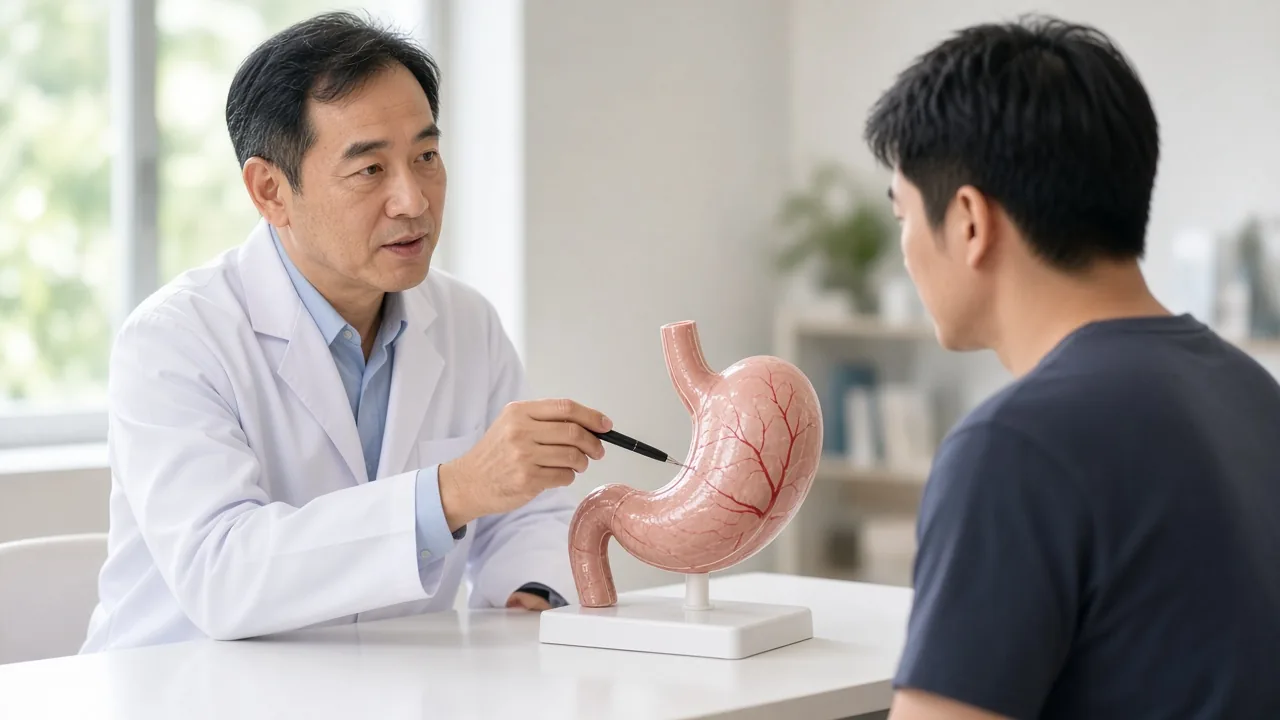
Sleeve Gastrectomy in India is a minimally invasive bariatric surgery that reduces the size of the stomach to help people with obesity achieve significant and sustained weight loss. During the operation, a large portion of the stomach is removed, leaving a narrow, tube-shaped stomach, often described as being similar in shape to a banana.
The procedure is also called gastric sleeve surgery, sleeve gastrectomy surgery, vertical sleeve gastrectomy (VSG), or laparoscopic sleeve gastrectomy (LSG).
Unlike gastric bypass, sleeve gastrectomy does not reroute the intestines. It primarily works by reducing stomach capacity and changing appetite-related hormonal signalling. The operation also changes the amount of ghrelin-producing stomach tissue, which may contribute to reduced hunger in some patients.
India has developed a substantial bariatric and metabolic surgery ecosystem, with specialist surgeons, multidisciplinary obesity teams and hospitals offering laparoscopic and, in selected circumstances, robotic approaches. The right procedure, however, depends on the patient's BMI, medical conditions, eating pattern, reflux symptoms, previous abdominal surgery, metabolic health and ability to participate in long-term follow-up.
Roux-en-Y lists sit on Gastric Bypass Surgery in India. Body-contouring lists sit on Liposuction in India. Combined contour lists sit on Mommy Makeover in India. There is no live GAF mini-gastric-bypass, gastric-balloon, ESG or bariatric-surgery-only treatment page. This page is the named sleeve-gastrectomy product.
GAF Healthcare planning for sleeve gastrectomy is $4,500–$8,500 (typically 2–5 nights). US comparison is $15,000–$28,000. Neighbouring Gastric Bypass (Roux-en-Y) is $6,000–$11,000 (typically 3–6 nights). Neighbouring mini gastric bypass (OAGB/MGB) is $5,500–$10,000 (typically 3–6 nights). Neighbouring metabolic surgery for type 2 diabetes is $6,000–$12,000 (typically 3–7 nights) when glycaemic effect, not only kilograms, is the brief. Neighbouring gastric balloon is $2,000–$4,500 (day-care or overnight). Neighbouring endoscopic sleeve gastroplasty is $4,500–$9,000 (typically 1–3 nights). Neighbouring gastric sleeve revision is $7,000–$14,000 (typically 3–7 nights) when a prior sleeve is being revised. Neighbouring gastric banding is $3,500–$7,500 (typically 1–3 nights). These are planning ranges from partner hospital cost sheets, not hospital quotations.
International patients comparing bariatric surgeons commonly start with Delhi NCR, Mumbai, Bengaluru, Chennai and Hyderabad. Partner bariatric hospitals in Delhi NCR, Mumbai and Bengaluru, and in Chennai and Hyderabad, are a typical first filter because this work needs a named bariatric list, dietetics and a leak-aware ICU. City sleeve sheets include Delhi NCR, Mumbai, Bengaluru, Chennai and Hyderabad. Pune, Kolkata, Ahmedabad and Jaipur may have bariatric theatres. They are not live GAF catalog cities on this site.
Medical note: Sleeve gastrectomy is a major surgical procedure. Whether it is appropriate for you can only be determined after an assessment by a qualified bariatric or metabolic surgeon and the wider clinical team. Severe or worsening abdominal pain, persistent vomiting, inability to keep fluids, fever, rapid heartbeat, significant bleeding, shortness of breath, chest pain, one-sided leg swelling or fainting belongs in a local emergency department first. WhatsApp at +91 90443 46292 is for planned record review, not an acute leak or bleed.
What Is Sleeve Gastrectomy?
Sleeve gastrectomy is a form of metabolic and bariatric surgery used to treat obesity when lifestyle and medical approaches have not provided adequate or durable results, or when obesity-related disease makes surgery appropriate.
During the procedure, the surgeon removes the larger outer portion of the stomach. The remaining stomach is fashioned into a narrow tube or sleeve.
The intestine is not divided or bypassed. Food therefore continues to pass through the normal digestive route, but the newly created stomach has a substantially smaller capacity.
The operation has two important effects.
First, the smaller stomach limits how much food can be eaten at one time. Second, removal of much of the stomach changes appetite-related hormonal signalling, including ghrelin production, which can influence hunger and satiety.

Sleeve gastrectomy should not be confused with endoscopic sleeve gastroplasty. Endoscopic sleeve gastroplasty uses an endoscope and internal sutures to reshape the stomach without surgically removing part of it. There is no live GAF ESG treatment page. Neighbouring endoscopic sleeve gastroplasty is $4,500–$9,000 when that sitting is named.
Ask whether a sleeve, Roux-en-Y or ESG is the honest product
How Does Sleeve Gastrectomy Work?
Sleeve gastrectomy works through a combination of restriction and metabolic effects.
1. Smaller stomach capacity
The newly created sleeve can hold considerably less food than the original stomach. Patients therefore tend to feel full after eating much smaller portions.
2. Changes in appetite signalling
Removing much of the stomach can alter production and signalling of appetite-related hormones. A reduction in ghrelin activity may contribute to lower hunger for some patients.
3. Earlier satiety
Because the stomach is smaller, meals need to be smaller and slower. Patients are generally taught to recognize fullness and stop eating before discomfort develops.
4. Metabolic improvement
Weight loss following bariatric surgery can improve several obesity-associated conditions, including type 2 diabetes, high blood pressure and obstructive sleep apnea. The degree of improvement varies between individuals and depends on the underlying disease and long-term weight-management strategy.
Why Is Sleeve Gastrectomy Performed?
Sleeve gastrectomy is not simply a cosmetic weight-loss operation.
It may be considered when obesity is affecting a person's health, mobility, quality of life or long-term risk of disease.
Obesity is associated with conditions such as:
- Type 2 diabetes
- High blood pressure
- Obstructive sleep apnea
- Cardiovascular disease
- Fatty liver disease
- Abnormal cholesterol
- Osteoarthritis and weight-bearing joint problems
- Reduced mobility
- Certain obesity-associated cancers
- Infertility or reproductive problems in some patients
The goal of bariatric surgery is therefore broader than reducing the number on a weighing scale. For appropriately selected patients, treatment may also aim to improve metabolic health and reduce complications associated with obesity.
Liposuction contours localized fat. It is not an obesity operation. Those lists sit on Liposuction in India.
Who Is a Candidate for Sleeve Gastrectomy?
There is no single BMI number that automatically means a person should have sleeve gastrectomy.
Modern bariatric guidelines consider BMI together with obesity-related medical conditions, previous attempts at weight management, surgical risk, nutritional and psychological factors, and the patient's ability to participate in long-term follow-up.
The 2022 ASMBS/IFSO guidelines expanded the indications for metabolic and bariatric surgery compared with older criteria. They recognize metabolic and bariatric surgery as an evidence-based treatment for obesity and support consideration of surgery at lower BMI levels in selected patients, particularly when metabolic disease such as type 2 diabetes is present.
NIDDK lists adults with BMI ≥40, or BMI ≥35 with a serious obesity-related condition, among potential candidates. It also describes selected patients with BMI ≥30 and difficult-to-control type 2 diabetes as potential candidates.
For Indian patients, local guidance also matters. The Obesity and Metabolic Surgery Society of India (OSSI) has published patient and procedure-selection guidance that recognizes obesity-related complications and Asian Indian considerations in surgical assessment.
A bariatric surgeon may consider:
- BMI and waist circumference
- Type 2 diabetes
- Hypertension
- Sleep apnea
- Fatty liver disease
- Cardiovascular risk
- Previous weight-loss attempts
- Current medications
- Eating behaviour
- Gastroesophageal reflux disease (GERD)
- Hiatal hernia
- Previous abdominal operations
- Nutritional status
- Psychological readiness
- Ability to follow postoperative dietary instructions
- Ability to attend long-term follow-up
BMI is a screening tool, not a complete medical assessment. The final decision should be made by a multidisciplinary bariatric team.
Ask whether BMI, reflux or diabetes is naming a sleeve
Who May Not Be Suitable for Sleeve Gastrectomy?
Sleeve gastrectomy may not be appropriate at a particular point in time for some patients.
Possible reasons for delaying surgery or considering another treatment pathway may include:
- Uncontrolled medical conditions
- Severe nutritional deficiencies
- Active substance-use problems
- Untreated eating disorders
- Inability to understand or follow postoperative dietary requirements
- Inability to participate in required follow-up
- Certain anatomical problems
- Severe or uncontrolled reflux disease
- Previous upper gastrointestinal surgery requiring a different approach
Severe reflux is particularly important when choosing between sleeve gastrectomy and other bariatric procedures because sleeve surgery can cause or worsen reflux in some patients. NIDDK lists acid reflux among potential disadvantages of gastric sleeve surgery.
This does not mean that a patient with reflux can never undergo sleeve gastrectomy. It means reflux should be assessed carefully before the procedure. Significant reflux may belong on Gastric Bypass Surgery in India instead.

Sleeve Gastrectomy Evaluation Before Surgery
A thorough preoperative assessment is one of the most important parts of bariatric surgery.
Medical history The surgeon will ask about weight history, previous weight-loss treatments, diabetes, hypertension, sleep apnea, liver disease, heart disease, reflux, previous operations and current medications.
Blood tests Depending on your circumstances, testing may include complete blood count, blood glucose and HbA1c, liver function, kidney function, iron studies, vitamin B12, folate, vitamin D, calcium and other nutritional markers.
Gastrointestinal evaluation Some patients may require upper gastrointestinal endoscopy or other investigations, particularly when there are symptoms such as reflux, abdominal pain, swallowing problems or suspected hiatal hernia.
Anaesthesia assessment An anaesthetist evaluates your overall health and identifies conditions that may affect general anaesthesia.
Nutritional assessment A dietitian can explain how your diet will change after surgery and help identify deficiencies before the operation.
Psychological or behavioural assessment Bariatric programs may assess eating behaviour, expectations, emotional factors and readiness for long-term lifestyle changes.
The purpose is not to create unnecessary barriers. It is to determine whether surgery is appropriate and how the patient's risks can be reduced.
How Is Sleeve Gastrectomy Performed?
Most sleeve gastrectomies are performed using a laparoscopic approach.
The patient receives general anaesthesia and is asleep throughout the procedure.
The surgeon usually makes several small abdominal incisions through which a camera and specialized surgical instruments are inserted.
The stomach is then carefully divided along its length. A large portion of the stomach is removed, while the remaining stomach is shaped into a narrow sleeve.
The staple line is checked according to the surgeon's technique and hospital protocol. The removed stomach is taken out through one of the small incisions.
The abdomen is then closed.
Mayo Clinic describes laparoscopic sleeve gastrectomy as the usual approach, with small instruments inserted through several small upper-abdominal incisions.
Step-by-Step Sleeve Gastrectomy Procedure
Step 1: General anaesthesia You are given general anaesthesia so that you remain asleep and comfortable during surgery.
Step 2: Laparoscopic access Small incisions are made in the abdomen and surgical instruments are introduced.
Step 3: Stomach preparation The surgeon identifies the stomach and prepares it for division.
Step 4: Stomach resection A large portion of the stomach is removed using surgical stapling equipment.
Step 5: Sleeve creation The remaining stomach is formed into a long, narrow tube.
Step 6: Leak and bleeding assessment The surgical team checks the staple line and surrounding area according to its standard protocol.
Step 7: Closure The instruments are removed and the small incisions are closed.
The exact surgical technique can differ between surgeons and individual patients.
Ask how the team would manage the staple line
How Long Does Sleeve Gastrectomy Take?
A primary laparoscopic sleeve gastrectomy commonly takes around one to two hours, although the actual duration varies.
Surgery may take longer when the patient has complex anatomy, previous abdominal surgery, significant adhesions, a large hiatal hernia or another condition requiring additional surgical work.
Is Sleeve Gastrectomy Painful?
Sleeve gastrectomy is performed under general anaesthesia, so there is no surgical pain during the operation.
After surgery, patients can experience abdominal soreness, incisional discomfort, temporary shoulder pain from laparoscopic gas, nausea, fatigue and a feeling of fullness after very small amounts of fluid.
Pain management is individualized. Most patients receive medication to control discomfort during the early recovery period.
Walking soon after surgery is generally encouraged because movement supports recovery and helps reduce the risk of complications such as blood clots.
Sleeve Gastrectomy Recovery
Recovery differs from one patient to another.
GAF Healthcare planning for an uncomplicated laparoscopic sleeve is typically 2–5 nights, although some published notes for uncomplicated cases describe a stay of one to a few nights. Individual stays vary according to the patient's condition and hospital protocol.
The first stage of recovery usually focuses on:
- Pain control
- Hydration
- Early movement
- Monitoring for bleeding or other complications
- Gradual introduction of fluids
- Respiratory exercises where advised
- Prevention of blood clots
Patients are normally discharged only after the surgical team is satisfied that recovery is progressing appropriately.
Sleeve Gastrectomy Diet After Surgery
The postoperative diet is not simply a smaller version of a normal diet.
The stomach needs time to heal, and patients must gradually progress from liquids to more substantial foods.
A typical pathway may include:
Stage 1: Clear or prescribed liquids Immediately after surgery, the focus is usually on carefully controlled fluid intake.
Stage 2: Full liquids Depending on the surgeon's protocol, patients may progress to nutritious liquids and protein-containing fluids.
Stage 3: Pureed foods Soft or pureed foods are gradually introduced.
Stage 4: Soft foods Patients progress toward soft, easy-to-digest foods.
Stage 5: Regular textured foods Eventually, patients return to a long-term healthy diet with much smaller portions.
The exact timeline differs between bariatric programs.
Long-term eating principles commonly include eating slowly, taking small bites, chewing thoroughly, prioritizing protein, avoiding overeating, drinking fluids between meals, limiting high-sugar foods and drinks, avoiding carbonated drinks when advised, and following the prescribed vitamin and mineral regimen.
Vitamins and Nutritional Supplements After Sleeve Gastrectomy
Although sleeve gastrectomy does not bypass the intestine, nutritional deficiencies can still occur.
Patients may need supplements such as:
- Multivitamins
- Iron
- Vitamin B12
- Calcium
- Vitamin D
- Folate
The exact supplementation plan should be individualized according to the patient's age, sex, nutritional status, laboratory results and bariatric team's protocol.
Long-term blood testing is important because nutritional deficiencies can develop even when a patient feels well.
NIDDK notes that inadequate nutrient intake after bariatric surgery can contribute to conditions such as anemia and osteoporosis.
Ask which vitamins and blood tests the team will require
How Much Weight Can You Lose After Sleeve Gastrectomy?
Weight loss varies considerably.
There is no responsible single number that can guarantee how much a particular patient will lose after surgery.
Outcomes depend on starting weight, BMI, age, sex, metabolic health, eating pattern, physical activity, follow-up, medication use, hormonal and metabolic factors, adherence to dietary recommendations and time since surgery.
Patients usually lose weight most rapidly during the first several months, followed by a slower phase.
The long-term goal is not simply rapid weight loss. The goal is meaningful and sustainable improvement in health and quality of life.
Sleeve Gastrectomy and Type 2 Diabetes
Bariatric surgery can have significant metabolic effects in people with obesity and type 2 diabetes.
Weight loss may improve blood glucose control and, in some patients, diabetes may enter remission.
However, remission is not guaranteed and diabetes can return later. Patients should continue medical follow-up even when blood glucose improves substantially.
Current international metabolic-surgery guidance recognizes a role for surgery in selected patients with type 2 diabetes at BMI levels lower than older bariatric-surgery criteria. Neighbouring metabolic surgery for type 2 diabetes is $6,000–$12,000 when the named brief is glycaemic. A stronger intestinal bypass may belong on Gastric Bypass Surgery in India.
Sleeve Gastrectomy and Sleep Apnea
Obstructive sleep apnea is strongly associated with obesity.
Weight loss following bariatric surgery can improve sleep apnea in some patients, although improvement varies and does not necessarily mean that sleep-apnea treatment can immediately be stopped.
Patients using CPAP or other treatment should continue it until their treating doctor confirms that it is safe to change the treatment plan.
Sleeve Gastrectomy and High Blood Pressure
Weight reduction may improve blood pressure and reduce the need for medication in some patients.
Blood pressure medicines should never be stopped independently after surgery.
Regular monitoring is particularly important during rapid weight loss because medication requirements can change.
Sleeve Gastrectomy and Fatty Liver Disease
Obesity is associated with metabolic dysfunction-associated steatotic liver disease and related liver problems.
Weight loss can improve metabolic health and may improve fatty liver disease in appropriate patients.
If liver disease is present, it should be included in the preoperative evaluation and postoperative monitoring plan.
Risks and Complications of Sleeve Gastrectomy
Sleeve gastrectomy is major surgery and carries risks.
Possible early complications include bleeding, infection, blood clots, anaesthetic complications, staple-line leak, nausea and vomiting, dehydration, injury to surrounding organs and respiratory complications.
NIDDK identifies bleeding, infection, leaks and blood clots among potential complications of bariatric surgery.
A gastric leak is an uncommon but serious complication because stomach contents can enter the abdominal cavity and cause infection.
Longer-term complications may include gastroesophageal reflux, nutritional deficiencies, iron deficiency, vitamin B12 deficiency, anemia, gallstones during rapid weight loss, persistent nausea or vomiting, stomach narrowing or twisting in some cases, weight regain and need for additional treatment or revision surgery.
The risk profile is individual and depends on the patient's health, surgical technique, hospital experience and postoperative care.
Severe or worsening abdominal pain, persistent vomiting, inability to keep fluids, fever, chest pain, shortness of breath or fainting belongs in a local emergency department, not in a WhatsApp message.
Warning Signs After Sleeve Gastrectomy
Patients should receive clear emergency instructions before leaving the hospital.
Urgent medical assessment may be required for symptoms such as:
- Severe or worsening abdominal pain
- Persistent vomiting
- Inability to keep fluids down
- Fever
- Rapid heartbeat
- Significant bleeding
- Shortness of breath
- Chest pain
- Leg swelling or pain
- Fainting or severe weakness
These symptoms do not necessarily mean that a serious complication has occurred, but they require prompt assessment in a local emergency department.
Sleeve Gastrectomy Cost in India
The cost of sleeve gastrectomy in India varies significantly according to the hospital, city, surgeon, surgical technique, room category, investigations, consumables and the patient's medical complexity.
GAF Healthcare planning for sleeve gastrectomy is $4,500–$8,500, typically 2–5 nights. US comparison is $15,000–$28,000. This should be treated as an indicative range rather than a universal price.
| Cost component | What can affect the price |
|---|---|
| Surgeon fee | Experience, complexity and hospital |
| Hospital charges | Facility, room category and location |
| Anaesthesia | Duration and medical complexity |
| Stapling devices | Number and type of stapler loads |
| Investigations | Blood tests, imaging, endoscopy and other assessments |
| Medicines | Type and duration |
| Hospital stay | Length of admission |
| Additional procedures | Hiatal hernia repair or other required treatment |
| Complication management | Additional treatment if required |
| Follow-up | Nutrition, laboratory testing and consultations |
Always request an itemized written quotation from the hospital before making treatment or travel arrangements.
City sheets sit at Delhi NCR, Mumbai, Bengaluru, Chennai and Hyderabad.
Request an itemised sleeve estimate
What Is Usually Included in a Sleeve Gastrectomy Package?
A hospital package may include some or all of the following:
- Bariatric surgeon fees
- Anaesthetist fees
- Operating-room charges
- Standard surgical consumables
- Hospital accommodation
- Routine nursing care
- Selected medicines
- Standard postoperative monitoring
- Initial follow-up
Package definitions differ.
Before accepting a quotation, ask whether the price includes preoperative investigations, endoscopy if required, anaesthesia, stapler cartridges, ICU care if required, additional procedures, complication management, extended hospital stay, discharge medicines and follow-up consultations.
A low headline price may not be directly comparable with a higher quotation if the two packages contain different services.
Factors That Affect Sleeve Gastrectomy Cost in India
City Costs can differ between metropolitan and smaller cities. Live GAF catalog cities are Delhi NCR, Mumbai, Bengaluru, Chennai and Hyderabad.
Hospital Multi-specialty and tertiary-care hospitals may have different pricing structures from smaller facilities.
Surgical approach Standard laparoscopic surgery and robotic approaches may have different costs.
Surgeon Professional fees vary according to experience, expertise and hospital.
Patient complexity Additional medical conditions or previous surgery can increase the complexity of treatment.
Additional procedures A hiatal hernia repair or another medically necessary procedure can change the final quotation.
Length of stay An uncomplicated recovery may require a shorter admission than a complex case.
Sleeve Gastrectomy in India for International Patients
India is a major destination for international patients seeking specialized medical treatment, including bariatric surgery.
A practical treatment plan should also consider medical-record review before travel, bariatric surgeon consultation, preoperative investigations, hospital selection, visa requirements, airport transfers, accommodation, hospital admission, postoperative monitoring, dietary support and follow-up after returning home.
Relevant documents may include previous weight records, BMI history, diabetes reports, HbA1c, blood-pressure records, sleep-apnea reports, previous imaging, endoscopy reports, medication list, previous surgery records and current laboratory reports.
A remote consultation can help the surgical team determine which investigations are required before arrival.
Share records before anyone books travel
How Long Should an International Patient Stay in India?
The required stay depends on the patient's medical condition, hospital protocol, recovery and postoperative assessment.
A patient should not plan an international flight simply based on the nominal hospital stay.
GAF stay planning is typically 2–5 nights in hospital, plus additional recovery days before a long-haul flight if the team requires them.
The treating surgeon should confirm when the patient is medically fit to travel.
Patients travelling internationally should also arrange appropriate postoperative support after returning home, including access to a doctor familiar with bariatric surgery.
Sleeve Gastrectomy vs Gastric Bypass
Sleeve gastrectomy and Roux-en-Y gastric bypass are both established bariatric operations, but they work differently.
| Feature | Sleeve Gastrectomy | Gastric Bypass |
|---|---|---|
| Stomach reduced | Yes | Yes, small pouch created |
| Intestine rerouted | No | Yes |
| Permanent | Yes | Yes |
| Malabsorption | Less than bypass | More significant |
| Reflux considerations | Can worsen or cause reflux | Often improves reflux |
| Vitamin monitoring | Required | Required |
| Diabetes effect | Significant in suitable patients | Often stronger metabolic effect |
| Surgical anatomy | Simpler than bypass | More anatomically complex |
| Foreign implant | No | No |

There is no universally superior procedure for every patient.
A patient with significant reflux, for example, may have different considerations from someone without reflux. Conversely, other metabolic or anatomical factors may make sleeve gastrectomy a reasonable option.
Named Roux-en-Y lists sit on Gastric Bypass Surgery in India.
Sleeve Gastrectomy vs Gastric Bypass: Which Is Right for Me?
The answer depends on the individual patient.
A surgeon may consider BMI, type 2 diabetes, severity of metabolic disease, reflux, hiatal hernia, previous abdominal surgery, eating habits, nutritional status, medication requirements, long-term follow-up capability and personal preferences.
Evidence also shows that the two procedures can have different long-term weight-loss and complication profiles. In one NIDDK-reported study, gastric bypass produced greater average weight loss at five years, while sleeve patients had fewer reoperations or interventions and hospitalizations over the study period. These findings describe a study population and should not be interpreted as a prediction for an individual patient.
Sleeve Gastrectomy vs Gastric Band
Adjustable gastric band surgery uses an implanted device around the upper stomach.
Sleeve gastrectomy removes part of the stomach and does not require an implanted band.
Sleeve surgery generally produces greater weight loss than gastric banding, but it is permanent and has its own surgical and nutritional risks. There is no live GAF gastric-band treatment page. Neighbouring gastric banding is $3,500–$7,500 when a named surgeon still holds that indication.
Sleeve Gastrectomy vs Endoscopic Sleeve Gastroplasty
These procedures are often confused because their names are similar.
Sleeve gastrectomy is an operation in which part of the stomach is surgically removed.
Endoscopic sleeve gastroplasty (ESG) is performed through an endoscope passed through the mouth. Sutures are placed inside the stomach to reduce its size, without surgically removing most of the stomach.
ESG may be considered for selected patients who do not qualify for or do not want traditional bariatric surgery. There is no live GAF ESG treatment page.
Can Sleeve Gastrectomy Be Reversed?
Sleeve gastrectomy is generally considered irreversible because a substantial portion of the stomach is surgically removed.
This is an important difference from some procedures that involve an adjustable device.
Patients should therefore consider sleeve gastrectomy as a permanent anatomical change and discuss alternatives carefully before surgery.
Can You Eat Normally After Sleeve Gastrectomy?
Patients can generally return to a varied diet after the healing period, but "normal eating" changes.
Portion sizes remain much smaller.
Patients usually need to eat slowly, chew carefully, stop when comfortably full, prioritize protein and nutrient-dense foods, avoid excessive high-calorie liquids, maintain adequate hydration and follow their dietitian's long-term recommendations.
Eating large portions can cause discomfort, vomiting and poor weight-loss outcomes.
Exercise After Sleeve Gastrectomy
Physical activity becomes an important part of long-term weight management.
Walking is generally introduced early after surgery, followed by progressively more activity as recovery allows.
Later, patients may be advised to combine walking, aerobic exercise, strength training and flexibility exercises.
The exact timing should be determined by the treating surgical team.
Pregnancy After Sleeve Gastrectomy
Women who are considering pregnancy should discuss timing with their bariatric and obstetric teams.
Rapid weight loss and nutritional changes are particularly important considerations after bariatric surgery.
Pregnancy planning should include assessment of iron, folate, vitamin B12, vitamin D, calcium and other nutritional markers.
Pregnancy should be managed by clinicians familiar with the nutritional requirements following bariatric surgery.
Long-Term Follow-Up After Sleeve Gastrectomy
Sleeve gastrectomy is not a one-time treatment followed by complete discharge from medical care.
Long-term follow-up is an important part of successful bariatric treatment.
Follow-up may involve a bariatric surgeon, a physician or endocrinologist, a dietitian, a mental-health or behavioural specialist where appropriate, and laboratory monitoring.
Blood tests may be repeated periodically to identify nutritional deficiencies and metabolic changes.
Long-term follow-up is emphasized in modern bariatric pathways because nutritional, metabolic and weight-related issues can develop months or years after surgery.
What Happens If Weight Returns After Sleeve Gastrectomy?
Some patients regain part of the weight they initially lost.
Weight regain does not automatically mean that surgery has failed.
Potential contributors include changes in eating behaviour, high-calorie liquids, reduced physical activity, psychological or behavioural factors, metabolic adaptation, enlargement or altered shape of the sleeve, hormonal and biological factors, medications and other medical conditions.
Treatment depends on the cause.
Options may include nutritional counselling, behavioural treatment, anti-obesity medication, investigation of anatomy, endoscopic treatment or revision surgery in selected patients. Neighbouring gastric sleeve revision is $7,000–$14,000 when a prior sleeve is the anatomy being revised. There is no live GAF sleeve-revision treatment page.
Questions to Ask a Bariatric Surgeon in India
Before choosing a hospital or surgeon, consider asking:
- Am I medically suitable for sleeve gastrectomy?
- Why do you recommend sleeve surgery for me?
- Would gastric bypass be more appropriate?
- Do I have reflux or a hiatal hernia?
- What tests do I need before surgery?
- How many sleeve gastrectomies do you perform?
- What is your approach to staple-line management?
- What complications should I understand before consenting?
- How long will I stay in hospital?
- What will my diet look like during the first month?
- Which vitamins will I need?
- How often will I need blood tests?
- What happens if I develop severe reflux?
- What happens if I regain weight?
- What is included in the hospital quotation?
- What expenses are excluded?
- How will follow-up work if I live outside India?
- When will I be safe to travel home?
Start with named bariatric surgeons in Delhi NCR, Mumbai, Bengaluru, Chennai and Hyderabad.
Ask which named sleeve list matches the records
How to Choose a Hospital for Sleeve Gastrectomy in India
Price should not be the only factor.
When comparing hospitals, look at the entire bariatric-care pathway: dedicated bariatric or metabolic-surgery service, multidisciplinary support, emergency and critical-care support, nutritional follow-up, international-patient support and transparent costing.
Ask for an itemized quotation rather than relying solely on a headline price.
Partner bariatric hospitals in Delhi NCR, Mumbai, Bengaluru, Chennai and Hyderabad are a typical first filter.
Why Patients Consider India for Sleeve Gastrectomy
India has an established private healthcare sector with tertiary hospitals and specialist surgical services.
Patients may consider India because of availability of bariatric surgeons, large tertiary hospitals, multidisciplinary medical teams, laparoscopic surgical facilities, international-patient services, availability of postoperative care and potentially lower treatment costs than some Western markets.
The appropriate hospital should be selected based on the patient's clinical requirements rather than price alone.
Sleeve Gastrectomy in Major Indian Cities
Sleeve gastrectomy is available in live GAF catalog cities:
Pune, Kolkata, Ahmedabad and Jaipur may have bariatric theatres. They are not live GAF catalog cities on this site.
Inclusion in a directory should not be interpreted as a clinical ranking or recommendation.
Frequently Asked Questions About Sleeve Gastrectomy
Is sleeve gastrectomy safe? Sleeve gastrectomy is an established bariatric operation, but it is still major surgery and carries risks such as bleeding, infection, leaks, blood clots, nutritional deficiencies and reflux.
How much of the stomach is removed during sleeve gastrectomy? Approximately 70–80% of the stomach is commonly removed, leaving a narrow sleeve-shaped stomach. The exact amount and surgical technique can vary.
Is sleeve gastrectomy permanent? Yes. Because part of the stomach is removed, sleeve gastrectomy is generally considered permanent.
Does sleeve gastrectomy bypass the intestine? No. Unlike gastric bypass, sleeve gastrectomy does not reroute the small intestine.
How long does sleeve gastrectomy surgery take? A primary uncomplicated procedure commonly takes about one to two hours, although complex cases can take longer.
How long do I stay in hospital after sleeve gastrectomy? GAF planning is typically 2–5 nights. Some published notes for uncomplicated cases describe a stay of one to a few nights.
What can I eat after sleeve gastrectomy? The diet normally progresses gradually from liquids to pureed foods, soft foods and eventually regular textured foods. The exact schedule is determined by the bariatric team.
Will I need vitamins after sleeve gastrectomy? Most patients require a long-term vitamin and mineral plan. The specific supplements should be determined by the treating team and adjusted according to blood-test results.
Can sleeve gastrectomy cure diabetes? It can significantly improve type 2 diabetes in appropriate patients, and some patients may experience remission. However, remission is not guaranteed and continued medical monitoring is necessary.
Can sleeve gastrectomy cause acid reflux? Yes. Reflux can occur or worsen after sleeve gastrectomy. Patients with significant reflux should discuss this carefully with their surgeon before choosing the procedure.
Is sleeve gastrectomy better than gastric bypass? Neither operation is universally better for every patient. The choice depends on BMI, diabetes, reflux, anatomy, nutritional considerations and other individual factors. Roux-en-Y lists sit on the gastric bypass page.
Can I regain weight after sleeve gastrectomy? Yes. Some patients regain part of their lost weight. Long-term nutrition, activity, behavioural support and medical follow-up are important.
Can sleeve gastrectomy be performed laparoscopically? Yes. Laparoscopic sleeve gastrectomy is the usual minimally invasive approach in many centers.
Is robotic sleeve gastrectomy available in India? Robotic bariatric surgery is available at selected Indian hospitals. Whether it offers a meaningful advantage for a particular patient depends on the surgeon, hospital and clinical situation.
How much does sleeve gastrectomy cost in India? GAF Healthcare planning is $4,500–$8,500, typically 2–5 nights. US comparison is $15,000–$28,000. The actual quotation depends on the hospital, surgeon, city, technique, investigations, room category and individual medical requirements.
Which city in India is best for sleeve gastrectomy? There is no single best city. Delhi NCR, Mumbai, Bengaluru, Chennai and Hyderabad are live GAF catalog cities.
When should I go to an emergency department? Severe abdominal pain, persistent vomiting, fever, inability to keep fluids, chest pain, shortness of breath or fainting belongs in a local emergency department, not in a WhatsApp message.
Is there a GAF mini-bypass, balloon or ESG treatment page? No. Mini-gastric-bypass, gastric-balloon, ESG and bariatric-surgery-only treatment pages are not live. Neighbouring sheets exist. Roux-en-Y lists sit on the gastric bypass page.
Sleeve Gastrectomy in India: Key Takeaways
Sleeve gastrectomy in India is an established metabolic and bariatric procedure that permanently reduces stomach size without bypassing the intestines. It can produce substantial weight loss and may improve obesity-related conditions such as type 2 diabetes, hypertension and sleep apnea in appropriately selected patients.
The procedure is not a quick fix and should not be evaluated on price or expected weight loss alone.
The most important decision is whether sleeve gastrectomy is appropriate for your particular medical situation. A qualified bariatric team should assess your BMI, metabolic health, reflux symptoms, nutritional status, previous treatments, eating behaviour and ability to participate in long-term follow-up.
GAF Healthcare planning for sleeve gastrectomy is $4,500–$8,500. Neighbouring Roux-en-Y is $6,000–$11,000 when that sitting is named.
Medical tourism support for sleeve gastrectomy in India
For international patients considering sleeve gastrectomy in India, GAF Healthcare can assist with non-clinical coordination: identifying appropriate hospitals, collecting records, obtaining preliminary opinions, requesting treatment estimates, and coordinating travel after the team confirms fitness.
The final diagnosis and treatment decision should always be made by the treating bariatric team after reviewing the patient's BMI, reflux, metabolic records and clinical condition.
Ask GAF to name the sleeve plan
Planned questions can also go to WhatsApp at +91 90443 46292. Emergency symptoms still belong in a local emergency department.
Related GAF Healthcare pages
- Gastric Bypass Surgery in India
- Liposuction in India
- Mommy Makeover in India
- Sleeve gastrectomy cost
- Gastric Bypass (Roux-en-Y) cost
- Mini gastric bypass cost
- Metabolic surgery for type 2 diabetes cost
- Endoscopic sleeve gastroplasty cost
- Bariatric surgeons in India
- Bariatric hospitals in India
Mini-gastric-bypass, gastric-balloon, ESG and bariatric-surgery-only treatment pages are not live on this site. Use this page plus the named Roux-en-Y treatment page and the named modality sheets.
Sources
- ASMBS/IFSO 2022 Indications for Metabolic and Bariatric Surgery — evidence-based recommendations on eligibility and BMI thresholds.
- NIDDK – Types of Weight-Loss Surgery — explanation of sleeve anatomy and mechanism.
- Mayo Clinic – Sleeve Gastrectomy — procedure, preparation, recovery and risks.
- NIDDK – Potential Candidates for Weight-Loss Surgery — BMI and comorbidity framing.
- NIDDK – Weight-Loss Surgery Side Effects — leaks, reflux and nutritional risks.
- NICE – Medicines and Surgery for Overweight and Obesity — medicines and surgery pathway.
- Obesity and Metabolic Surgery Society of India — India-specific patient and procedure selection.
- Endocrine Society of India — obesity evaluation guidance for India.
- NHS – Complications of Weight-Loss Surgery — leak and other recognized complications.
- GAF Healthcare sleeve gastrectomy cost sheet — Sleeve Gastrectomy.
Medical disclaimer
This article is intended for educational and medical-tourism information purposes only. It does not replace consultation with a qualified bariatric or metabolic surgeon.
Sleeve gastrectomy treatment is highly individualized. The need for surgery, the choice between sleeve, Roux-en-Y or ESG, expected risks and cost can only be determined after evaluating the patient's BMI, reflux, metabolic disease, nutrition and overall health.
If a patient has severe abdominal pain, persistent vomiting, fever, inability to keep fluids, chest pain, shortness of breath or fainting, urgent assessment in a local emergency department is required.
Treatment Process
- 1
Share records
The patient provides BMI, weight history, reflux notes, HbA1c and any previous bariatric or abdominal-surgery notes before anyone books travel.
- 2
Bariatric team review
A bariatric surgeon reviews whether sleeve, Roux-en-Y, OAGB or a non-surgical pathway is the honest product.
- 3
Name the product
The team writes sleeve gastrectomy only after BMI, reflux, diabetes, nutrition and follow-up capacity are reviewed.
- 4
Itemized estimate
GAF sleeve planning is $4,500–$8,500. Neighbouring Roux-en-Y is $6,000–$11,000 when that sitting is named.
- 5
Travel if fit
Stable planned cases travel after records review. Severe abdominal pain or inability to keep fluids is a local emergency.
- 6
Repeat essential tests
The receiving unit confirms labs, fitness and the named sleeve after arrival.
- 7
Deliver the named sleeve
Laparoscopic sleeve gastrectomy proceeds only after the product is named.
- 8
Ward and dietetics
Staple-line leak, bleed, fluids and the staged diet are watched before discharge.
- 9
Lifelong follow-up
The patient leaves with a vitamin plan, laboratory schedule and who will follow weight, reflux and diabetes after returning home.