Treatment Overview
Liposuction in India is a body-contouring procedure used to remove localized deposits of excess subcutaneous fat and improve the shape of selected areas. It is commonly planned for the abdomen, waist, thighs, hips, arms, back, buttocks, chin and neck.
Unlike weight-loss surgery, liposuction is not an obesity treatment. It is most useful when stubborn fat remains in particular areas despite a healthy diet, regular activity and relatively stable body weight. Named partner planning for liposuction is $1,500–$4,200, typically day-care to 2 nights. Neighbouring tummy tuck is $3,500–$7,200 (typically 2–5 nights) when excess skin or abdominal-wall laxity is the honest brief. Neighbouring fat transfer is $2,000–$5,500 (typically 1–3 nights). Neighbouring gynecomastia surgery is $1,800–$4,200 (typically 1–2 nights) when gland, not fat alone, is present. Neighbouring arm lift is $2,800–$6,200 (typically 1–3 nights). Neighbouring Brazilian butt lift is $3,500–$8,000 (typically 2–5 nights) and must not be used as a liposuction quotation. Neighbouring neck lift is $3,500–$7,800 (typically 1–4 nights) when skin and platysma, not fat, dominate. Neighbouring sleeve gastrectomy is $4,500–$8,500 (typically 2–5 nights) when obesity treatment, not contouring, is the product. Combined liposuction-plus-excision, large-volume cases and energy-assisted device add-ons are quoted after records review. These are planning ranges from partner hospital cost sheets, not hospital quotations.
For international patients, planning can include a virtual consultation, medical evaluation, surgery, hospital care, recovery accommodation and follow-up. International patients comparing cosmetic surgeons commonly start with liposuction lists in Delhi NCR, Mumbai, Bengaluru, Chennai and Hyderabad. Partner cosmetic surgery hospitals in Delhi NCR, Mumbai and Bengaluru, and in Chennai and Hyderabad, are a typical first filter. City cost sheets include Delhi NCR, Mumbai, Bengaluru, Chennai and Hyderabad. Kolkata, Pune, Ahmedabad, Chandigarh, Kochi and Jaipur may have aesthetic-surgery services, but they are not live GAF catalog cities on this site.
The right procedure depends on anatomy, skin quality, health, expectations and the amount and location of fat. A consultation with a qualified plastic surgeon is essential before deciding whether liposuction is appropriate.
Important: liposuction is real surgery. Breathlessness, chest pain, fainting, one-sided leg swelling, fever, severe pain or rapidly increasing swelling belongs in a local emergency department, not in a WhatsApp message.
Liposuction in India at a Glance
| Factor | What patients should know |
|---|---|
| Procedure | Controlled removal of localized subcutaneous fat |
| Not for | Obesity treatment, visceral fat, cellulite or large skin excess |
| Anaesthesia | Local, regional or general, according to mapped volume |
| GAF liposuction sheet | $1,500–$4,200; typically day-care to 2 nights |
| Neighbouring tummy tuck | $3,500–$7,200; typically 2–5 nights |
| Neighbouring sleeve gastrectomy | $4,500–$8,500; typically 2–5 nights |
| Main specialist | Plastic surgeon |
| Early recovery | Days to a few weeks for lighter activity |
| Final contour | Weeks to months as swelling settles |
| Emergency | Breathlessness, chest pain, fainting or one-sided leg swelling belongs in a local emergency department |
What Is Liposuction?
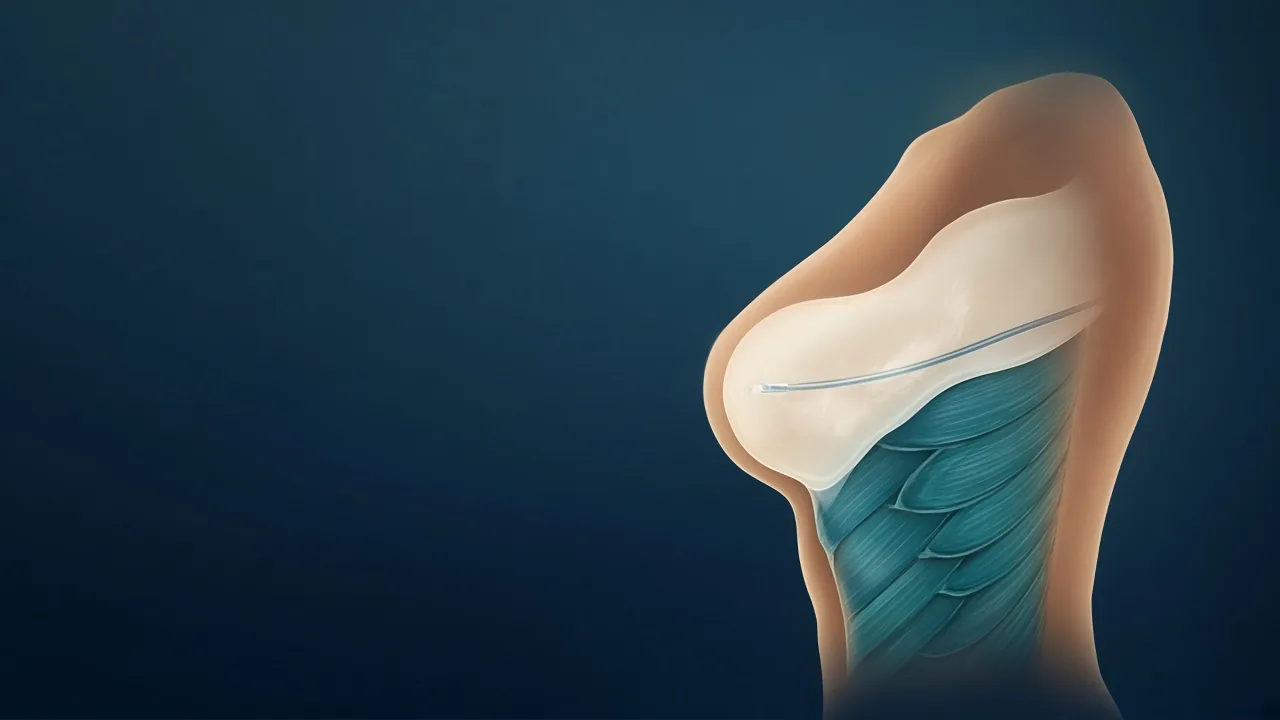
Liposuction, also called lipoplasty or suction-assisted lipectomy, removes fat from selected areas through small incisions.
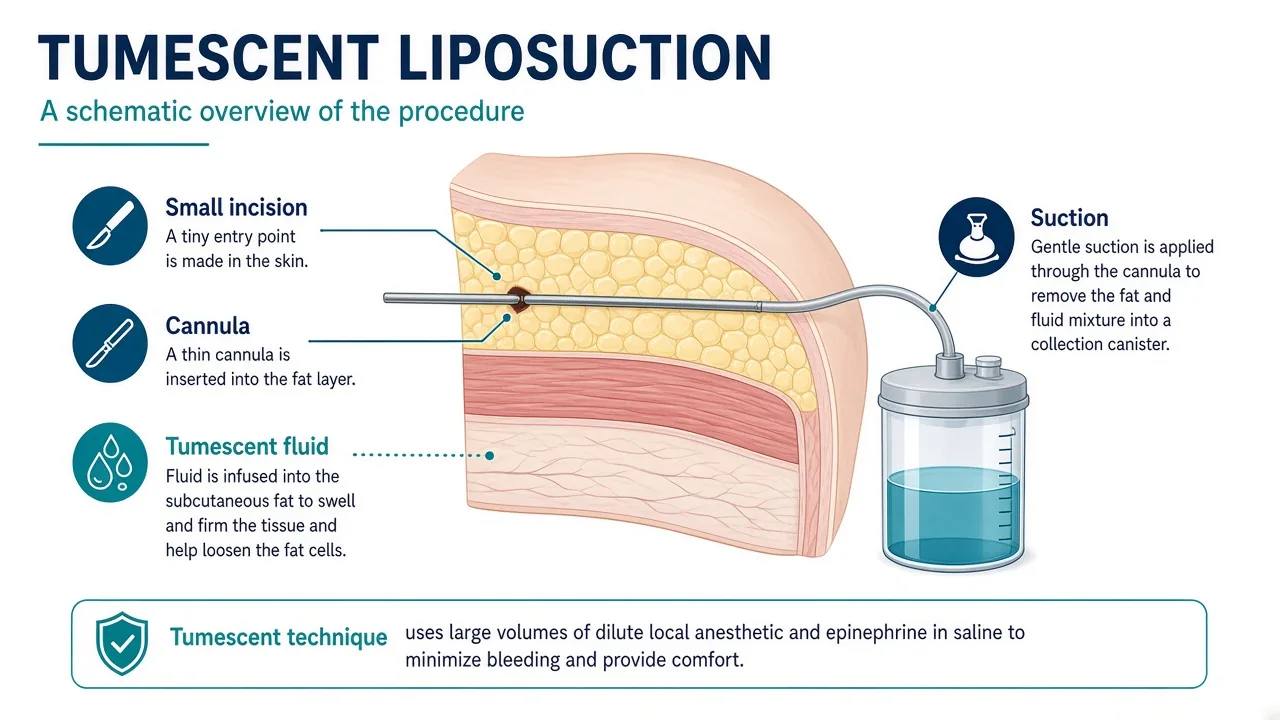
The surgeon inserts a thin tube called a cannula through these incisions. The cannula is connected to a suction system that allows the surgeon to remove targeted fat while carefully shaping the surrounding tissues.
The objective is not simply to remove as much fat as possible. Modern liposuction is focused on controlled fat removal and contouring.
The surgeon considers natural body proportions, skin elasticity, muscle definition, fat distribution and desired shape.
This is particularly important because excessive or uneven fat removal can create contour irregularities.
Ask whether liposuction is appropriate
Liposuction vs Weight Loss
Liposuction is not an obesity treatment.
A person may lose some weight after surgery because fat is removed, but the primary goal is improvement in body contour rather than a specific number on the scale.
Liposuction may be considered when a person has relatively stable weight but has localized fat deposits that are resistant to conventional lifestyle measures.
For people with significant obesity, the appropriate treatment may instead involve structured weight management, medical obesity treatment or sleeve gastrectomy and other bariatric lists, depending on health and circumstances. Those sheets must not be used as a liposuction quotation.
Who Is a Good Candidate for Liposuction?
A suitable candidate generally has localized areas of unwanted fat, relatively stable body weight, generally good health, realistic expectations, sufficient skin elasticity for the planned contouring, no medical conditions that substantially increase surgical or anaesthetic risk, and a willingness to follow preoperative and postoperative instructions.
Age alone does not determine suitability. Overall health, skin quality, body composition, medications, previous surgeries and the planned extent of treatment are more important.
The final decision should be made after an individual assessment by the surgeon.
Who May Not Be a Suitable Candidate?
Liposuction may not be appropriate, or may need to be postponed, in people with uncontrolled medical conditions, significant cardiovascular or respiratory disease that makes surgery unsafe, poor wound-healing capacity, certain blood-clotting disorders, active infection, unstable body weight, unrealistic expectations, significant loose skin that cannot be adequately addressed with liposuction alone, or medical or psychological circumstances that make elective cosmetic surgery inappropriate.
Smoking and nicotine use can also interfere with healing and may increase surgical risks. Patients should discuss smoking, vaping, alcohol use, medications and supplements honestly with their surgeon.
Areas That Can Be Treated With Liposuction
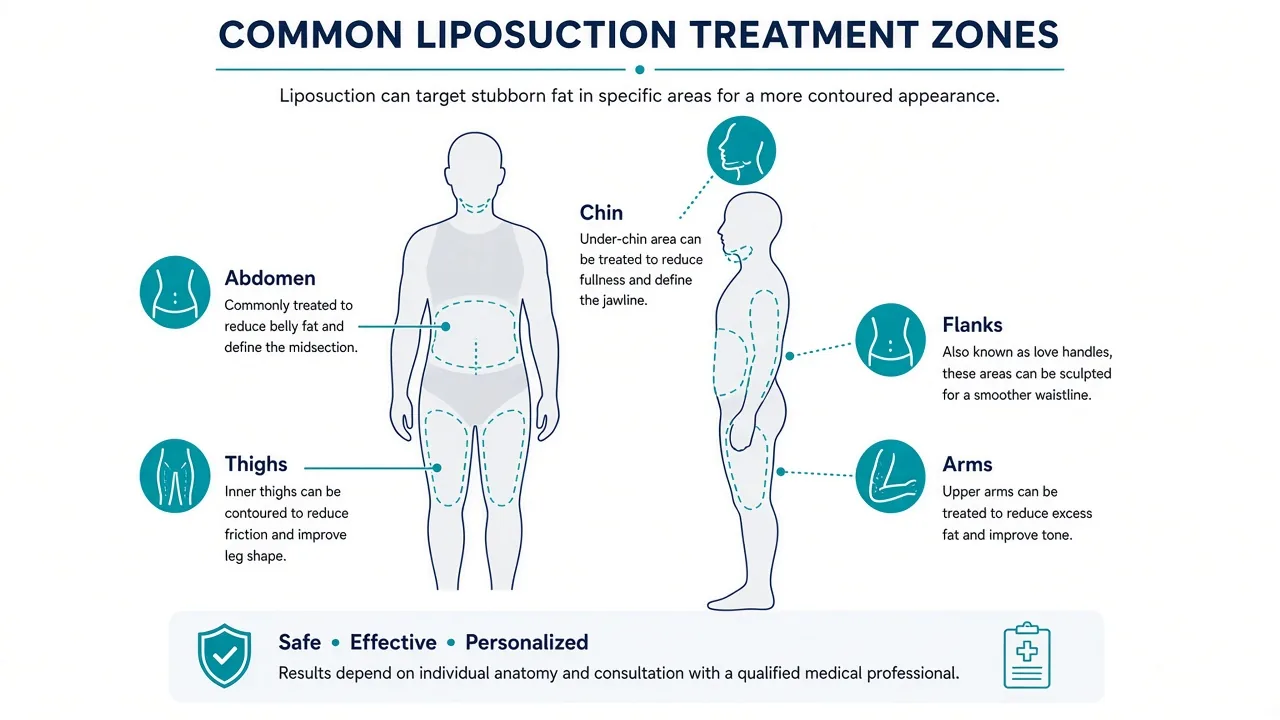
Liposuction can be used on many areas of the body. Each mapped zone should be named in the quotation.
Abdomen
Abdominal liposuction can reduce localized fat around the upper or lower abdomen and help create a more defined waistline.
Significant loose abdominal skin or separated abdominal muscles may require a tummy tuck rather than more aspiration.
Waist and flanks
Liposuction of the flanks, sometimes called “love handles” treatment, can improve the transition between the abdomen and hips.
The surgeon may combine abdominal and flank contouring to create a more balanced waist.
Thighs
Liposuction may be performed on the inner thighs, outer thighs or other localized areas depending on anatomy.
Careful planning is important because excessive removal can create depressions or contour irregularities. There is no separate GAF thigh-lift sheet; skin-excision cases are quoted after review.
Hips and buttocks
Fat around the hips and buttocks can sometimes be reduced to improve overall body proportions.
A Brazilian butt lift is a different product: fat is transferred, not only removed. BBL is $3,500–$8,000 and must not be used as a liposuction price.
Arms
Upper-arm liposuction can reduce localized fat deposits.
Patients with significant skin laxity may require arm lift rather than liposuction alone.
Back
Back liposuction can address localized fat deposits around the upper and lower back.
It is sometimes combined with flank or abdominal contouring.
Chin and neck
Liposuction can reduce localized fat beneath the chin and along the neck.
Patients with substantial skin laxity may need a neck lift rather than fat removal alone.
Male chest
Liposuction may remove fatty tissue contributing to an enlarged male chest.
True gynecomastia can also involve glandular tissue. Gland excision is a different sitting unless records already say otherwise.
Types of Liposuction
Several techniques are available. The appropriate technique depends on anatomy, treatment area, surgeon experience and desired outcome. Device names do not create a separate GAF sheet.
Tumescent liposuction
Tumescent liposuction involves injecting a solution containing local anaesthetic and other medications into the treatment area before fat removal.
The technique helps reduce bleeding and provides local anaesthesia.
It is one of the established approaches to liposuction.
Power-assisted liposuction
Power-assisted liposuction uses a cannula with mechanical movement to assist the surgeon in breaking up and removing fat.
It may be useful when treating larger or more fibrous areas.
Ultrasound-assisted liposuction
Ultrasound-assisted liposuction uses ultrasonic energy to help disrupt fat before it is removed.
It can be useful in selected situations, although the technique requires appropriate equipment, training and attention to the risk of thermal injury.
Laser-assisted liposuction
Laser-assisted systems use laser energy to affect fat tissue before suction.
Some systems are marketed as offering skin-tightening effects, but patients should not assume that laser-assisted liposuction will eliminate significant loose skin.
Water-assisted liposuction
Water-assisted systems use a controlled stream of fluid to assist fat separation and removal.
The choice between techniques should be based on clinical assessment rather than marketing claims about a particular device.
Share photographs for a liposuction review
How Is Liposuction Performed?
The procedure generally follows several steps.
1. Consultation and assessment
The surgeon reviews medical history, medications, previous surgeries, weight history and cosmetic goals.
The treatment areas are examined and photographs may be taken for planning and comparison.
2. Surgical planning
The surgeon marks the areas to be treated.
The amount and distribution of fat, skin quality and body proportions are considered when developing the surgical plan.
3. Anaesthesia
Depending on the procedure, local, regional or general anaesthesia may be used.
The choice depends on the treatment area, number of areas, expected volume of tissue removal, patient factors and the anaesthesia-team assessment.
4. Fluid infiltration
A specially prepared fluid solution may be introduced into the treatment area.
This helps prepare the tissues for fat removal and can reduce blood loss and postoperative discomfort.
5. Cannula insertion
Small incisions are made, often in relatively inconspicuous locations.
A cannula is inserted through these openings.
6. Fat removal
The surgeon moves the cannula through the fat layer using controlled movements while suction removes the targeted fat.
The surgeon gradually shapes the area rather than removing tissue indiscriminately.
7. Incision management
The small access points may be left partially open for drainage or closed depending on the surgical technique and circumstances.
8. Compression
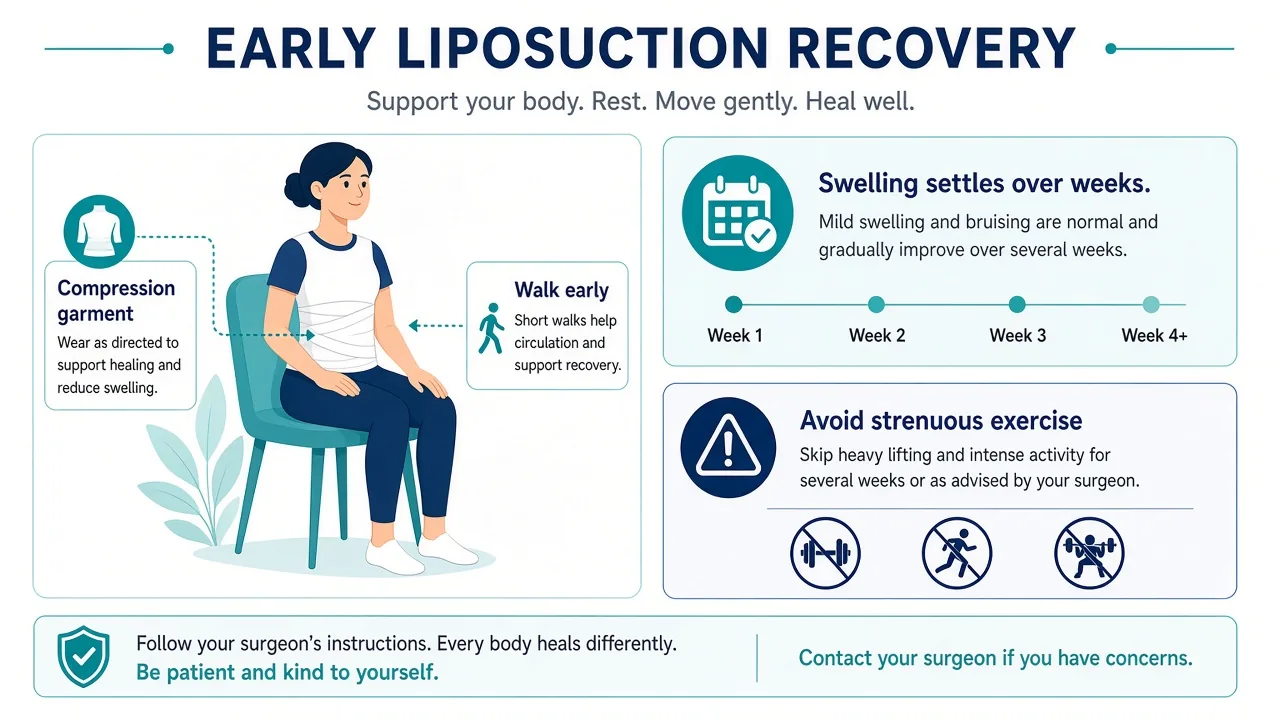
A compression garment is commonly placed after surgery.
The garment helps manage postoperative swelling and supports the treated area during healing.
How Long Does Liposuction Take?
The duration varies according to the number of treatment areas, amount of fat being removed, surgical technique, whether additional procedures are performed, patient anatomy and anaesthesia requirements.
A relatively limited procedure may take around one to two hours, while extensive or multi-area liposuction may take several hours.
Patients should not choose a surgeon based on speed. Safe, controlled tissue handling and appropriate monitoring are more important than completing surgery quickly.
Liposuction Recovery in India
Recovery varies considerably between patients.
Pain is commonly described as soreness, tightness or discomfort rather than severe pain. Bruising and swelling are expected after surgery.
GAF stay planning is typically day-care to 2 nights. International patients should not plan travel from the shortest published stay.
Typical recovery timeline
| Period | What patients may experience |
|---|---|
| First few days | Swelling, bruising, soreness, tightness, temporary numbness and possible fluid drainage |
| Week 1 | Many patients can perform light daily activities depending on mapped volume |
| Weeks 2–3 | Discomfort usually improves; contour is still not the final result |
| Weeks 4–6 | Bruising is generally substantially improved; activity may increase if cleared |
| Several months | Residual swelling continues to resolve and final contour becomes clearer |
Walking is generally encouraged according to the surgeon's instructions, while strenuous activity is restricted early.
Plan an international liposuction stay
Compression Garment After Liposuction
A compression garment is commonly recommended following liposuction.
It can help control swelling, support the treated tissues, improve comfort and support the body during early healing.
The duration of garment use varies according to the procedure and surgeon's protocol. The named GAF sheet includes only the specified first garment and size when listed; replacements are often separate.
Patients should follow the specific instructions provided by their surgical team rather than relying on a generic timetable.
Does Liposuction Leave Scars?
Liposuction requires small access incisions.
The resulting scars are usually much smaller than those associated with major skin-removal procedures such as a tummy tuck or arm lift.
Visibility depends on incision location, individual healing, skin type, genetics, sunlight exposure and wound care.
Although scars are generally small, they should not be described as completely invisible.
When Will I See the Results?
Some improvement can be visible soon after surgery, but early swelling can obscure the final contour.
The appearance continues to change as swelling resolves and tissues settle.
A more meaningful assessment is usually possible after the early recovery period, while final refinement may continue for several months.
Patients should therefore avoid judging the outcome immediately after surgery.
Are Liposuction Results Permanent?
The fat cells removed during liposuction are permanently removed from the treated area.
However, liposuction does not make a person immune to future weight gain.
If a patient gains significant weight after surgery, the remaining fat cells can enlarge and fat may accumulate in different areas of the body.
Maintaining a stable weight, exercising regularly and following a balanced diet can help preserve the contour achieved through surgery.
Liposuction and Loose Skin
Liposuction removes fat; it does not remove large quantities of excess skin.
Patients with good skin elasticity may experience some natural skin contraction after fat removal.
However, significant skin laxity may remain.
For some patients, a tummy tuck, arm lift or another skin-removal procedure may be more appropriate. Thigh lift and circumferential body lift are quoted after review because there is no separate GAF sheet for those operations.
In selected patients, liposuction and skin-removal surgery may be performed together and quoted after records review.
Liposuction vs Tummy Tuck
These procedures solve different problems.
| Feature | Liposuction | Tummy tuck |
|---|---|---|
| Primary purpose | Removes localized subcutaneous fat | Removes excess skin and may tighten the abdominal wall |
| Fat removal | Yes | May be combined |
| Excess skin | Limited correction | Major component |
| Muscle tightening | No | May be performed |
| Incision | Small access incisions | Larger lower-abdominal incision |
| GAF planning | $1,500–$4,200; day-care to 2 nights | $3,500–$7,200; typically 2–5 nights |
The right choice depends on anatomy rather than simply the amount of abdominal fat.
Liposuction Risks and Complications
Liposuction is surgery and therefore carries risks.
Potential complications include bleeding, infection, seroma or fluid collection, hematoma, persistent swelling, numbness or altered sensation, contour irregularities, asymmetry, skin discoloration, poor wound healing, scarring, blood clots, anaesthesia-related complications, injury to deeper structures, fat embolism, fluid shifts and electrolyte problems in extensive procedures, local anaesthetic toxicity in relevant techniques, and the need for revision surgery.
The risk profile depends on health, surgical technique, amount and areas treated, anaesthesia, facility, surgeon experience and whether liposuction is combined with other procedures.
A 2024 systematic review and meta-analysis involving nearly 30,000 patients reported an overall complication rate of about 2.6%, with contour deformity among the most frequently reported complications. Different studies use different definitions and populations, so complication figures should not be interpreted as a guarantee of individual risk.
How Can Liposuction Be Made Safer?
Patient safety begins before surgery.
Choose a surgeon with recognized training in plastic surgery and substantial experience in the specific mapped procedure. The procedure should be performed in a properly equipped facility with appropriate anaesthesia, monitoring and emergency capabilities.
Tell the surgeon about prescription medicines, blood thinners, painkillers, vitamins, herbal supplements, weight-loss medications, hormonal medicines and previous anaesthetic reactions. Never stop prescribed medication without medical advice.
Smoking and nicotine can impair blood flow and wound healing.
The goal should be improved proportion and contour rather than an artificially perfect body shape.
Liposuction Cost in India
Named GAF partner planning for liposuction is $1,500–$4,200, typically day-care to 2 nights. Comparable US self-pay planning on the same sheet is $4,000–$12,000. These are planning ranges, not hospital quotations.
The total bill still varies because mapped areas, aspirate volume, technique, anaesthesia, stay, garments and combined procedures are not identical.
Consumer rupee averages from mixed hospital marketing pages are not used as GAF quotations.
Approximate liposuction cost components
| Cost component | Typical consideration |
|---|---|
| Surgeon fee | Depends on experience, procedure complexity and number of areas |
| Hospital/OT charges | Depends on facility and duration |
| Anaesthesia | Depends on anaesthesia type and duration |
| Technique | Power, ultrasound or laser devices may be quoted separately |
| Number of areas | Each mapped zone should be itemized |
| Amount of fat removed | Larger-volume work may require additional monitoring |
| Hospital stay | GAF planning is typically day-care to 2 nights |
| Compression garment | Only the specified first garment when listed |
| Follow-up | May be included or charged separately |
| Additional procedures | Tummy tuck, fat transfer, BBL or gynecomastia lists are separate |
A realistic patient-specific quotation should be obtained after medical assessment.
Request a named-procedure cost estimate
WhatsApp +91 90443 46292 for an itemised liposuction estimate
Liposuction Cost in Major Indian Cities
Costs can differ between hospitals inside the same GAF planning band.
Live GAF city sheets currently cover Delhi NCR, Mumbai, Bengaluru, Chennai and Hyderabad. Pune, Kolkata, Ahmedabad, Kochi and Jaipur are not live GAF catalog cities on this site.
A city should not be selected on price alone. Surgical expertise, patient-safety infrastructure, anaesthesia support, postoperative care and the surgeon's experience with the mapped areas matter more.
What Is Included in a Liposuction Package for International Patients?
Medical-tourism packages can vary.
A package may include an initial online consultation, surgeon consultation, preoperative investigations, hospital or surgical facility charges, surgeon fees, anaesthesia, operating-room charges, medicines used during hospitalization, postoperative monitoring, a compression garment where included, follow-up consultation, airport assistance, local transportation, accommodation and interpreter services when required.
Not every provider includes every item.
Before travelling to India, international patients should request a written quotation with inclusions and exclusions.
Why Do International Patients Consider India for Liposuction?
Patients travelling internationally for cosmetic surgery often compare several factors rather than price alone.
India offers access to multispecialty hospitals, dedicated plastic-surgery centres, plastic and reconstructive specialists, modern operating facilities, anaesthesia and critical-care infrastructure in major hospitals, multiple treatment locations, English-speaking medical teams in many centres, and medical-tourism support services.
Outcomes depend on the individual surgeon, facility and patient — not simply the country where surgery is performed.
How to Choose a Liposuction Surgeon in India
Choosing the surgeon is one of the most important decisions.
Ask about formal qualification in plastic surgery, how frequently the surgeon performs liposuction, how many similar mapped cases they perform, which technique they recommend and why, how much fat they expect to remove, what anaesthesia will be used, where surgery will take place, who will provide anaesthesia, the major risks in your case, what happens if a complication occurs, how long you should remain in India, when you can fly, how many follow-up visits are needed, whether another procedure is needed for loose skin, and what is included in the quoted cost.
A surgeon who explains limitations and risks clearly is helping the patient make an informed decision.
Catalog surgeons currently tagged to liposuction lists include Dr. Aditya Aggarwal and Dr. Anup Dhir in Delhi NCR; Dr. Charudatta Chaudhari and Dr. Kiran Naik in Mumbai; Dr. Naveen Rao and Dr. Pradeep Y V in Bengaluru; Dr. Chepauk Ramesh and Dr. Lokesh Suryanarayanan in Chennai; and Dr. Guru Prasad Reddy and Dr. Sanjeev Sasmith B in Hyderabad. A catalog tag is not a volume, outcome or ranking claim.
Catalog hospitals currently affiliated with those tagged lists include Medanta - The Medicity and Indraprastha Apollo Hospital in Delhi NCR; Apollo Hospitals, Navi Mumbai and Gleneagles Hospital, Mumbai in Mumbai; Apollo Hospitals, Bannerghatta Road in Bengaluru; Apollo Hospital, Chennai and MGM Healthcare, Chennai in Chennai; and Apollo Hospital, Jubilee Hills and Yashoda Hospitals, Somajiguda in Hyderabad.
Find a liposuction specialist in India
WhatsApp +91 90443 46292 to match a liposuction surgeon
- Cosmetic surgery hospitals in Delhi NCR
- Cosmetic surgery hospitals in Mumbai
- Cosmetic surgery hospitals in Bengaluru
- Cosmetic surgery hospitals in Chennai
- Cosmetic surgery hospitals in Hyderabad
Questions to Ask Your Liposuction Surgeon
- What is your formal qualification in plastic surgery?
- How frequently do you perform liposuction?
- How many procedures similar to mine do you perform?
- Which liposuction technique do you recommend and why?
- How much fat do you expect to remove?
- What type of anaesthesia will be used?
- Where will my surgery take place?
- Who will provide anaesthesia?
- What are the major risks in my particular case?
- What happens if a complication occurs?
- How long should I remain in India after surgery?
- When can I fly home?
- How many follow-up visits will I need?
- Will I need another procedure to address loose skin?
- What is included in the quoted cost?
Medical Tourism Journey for Liposuction in India
Step 1: Send medical information
Provide photographs, medical history, current medications, previous surgeries and treatment goals.
Step 2: Online consultation
A plastic surgeon can review the available information and determine whether an in-person assessment is appropriate.
Step 3: Treatment planning
The surgeon may recommend liposuction alone or explain whether a tummy tuck, fat transfer or another procedure would better address the concern.
Step 4: Cost estimate
The hospital or medical-travel coordinator can prepare an estimated treatment plan and quotation from the named sheet.
Step 5: Travel planning
Once treatment is confirmed, the patient can arrange a medical visa where applicable, flights, accommodation and transportation.
Step 6: In-person assessment
The surgeon examines the patient before making the final surgical decision.
Step 7: Surgery
The procedure is performed in an appropriately equipped surgical facility.
Step 8: Recovery and follow-up
The patient remains under medical supervision for the appropriate period before travelling home.
Step 9: Remote follow-up
Once the patient returns home, follow-up can sometimes be coordinated with the treating surgeon and a local healthcare professional.
Plan a liposuction treatment journey
How Long Should an International Patient Stay in India?
The required stay depends on the extent of liposuction, recovery, medical history and the surgeon's advice.
A patient undergoing limited surgery may require a shorter stay than someone undergoing extensive multi-area liposuction or combined procedures.
International patients should not book a return flight immediately after surgery.
GAF hospital planning is typically day-care to 2 nights; additional hotel nights for review are separate from the surgical stay. The surgeon should confirm that the patient is medically fit to travel.
Can Liposuction Be Combined With Other Procedures?
Yes, liposuction is sometimes combined with other cosmetic procedures.
Examples include tummy tuck, breast surgery, gynecomastia surgery, arm lift, fat transfer or facial and neck procedures. Neighbouring rhinoplasty and blepharoplasty are different products.
Combining procedures can increase operating time and may increase surgical risk.
The surgeon should determine whether combination surgery is appropriate. Combined work is quoted after records review.
Neighbouring Body-Contouring Procedures
Liposuction is one body-contouring list. Neighbouring GAF sheets that patients sometimes compare, and that must not be used as a liposuction quotation unless that is the named procedure, include:
- Tummy tuck — $3,500–$7,200, typically 2–5 nights
- Fat transfer — $2,000–$5,500, typically 1–3 nights
- Gynecomastia surgery — $1,800–$4,200, typically 1–2 nights
- Arm lift — $2,800–$6,200, typically 1–3 nights
- Brazilian butt lift — $3,500–$8,000, typically 2–5 nights
- Neck lift — $3,500–$7,800, typically 1–4 nights
- Sleeve gastrectomy — $4,500–$8,500, typically 2–5 nights
- Rhinoplasty in India — named lists sit on rhinoplasty at $2,500–$5,500
- Blepharoplasty in India — named lists sit on blepharoplasty at $1,500–$3,800
Bariatric lists treat obesity. Skin-excision lists treat loose skin. They are not a substitute liposuction price. Breast-lift lists sit on Breast Lift in India. Augmentation lists sit on Breast Augmentation in India. Mommy-makeover combination lists sit on Mommy Makeover in India. Reduction lists sit on Breast Reduction Surgery in India.
Liposuction for Men
Liposuction is used for male body contouring.
Common treatment areas include abdomen, flanks, chest, back, chin and neck, and waist.
In male chest enlargement, it is important to distinguish excess fat from glandular breast tissue because gynecomastia surgery may be required.
Liposuction for Women
Common areas treated in women include abdomen, waist, hips, thighs, arms, back, chin and neck.
Pregnancy and major weight changes can alter skin elasticity and abdominal-wall anatomy.
Women with substantial loose skin after pregnancy or significant weight loss may benefit more from an individualized combination of procedures rather than liposuction alone.
Liposuction After Major Weight Loss
Patients who have lost a large amount of weight may have both residual fat and substantial excess skin.
Liposuction can sometimes improve localized fat deposits, but it does not remove large amounts of excess skin.
A body-contouring or skin-removal procedure may therefore be more appropriate.
The surgeon should assess skin quality, residual fat, scars, nutritional status and overall health before recommending surgery.
Liposuction and Cellulite
Liposuction should not be presented as a cellulite treatment.
Cellulite is influenced by the structure of skin, connective tissue and underlying fat.
Removing subcutaneous fat does not reliably eliminate the characteristic dimpling of cellulite.
Patients specifically seeking cellulite correction should discuss evidence-based alternatives with an appropriately qualified clinician.
What Should I Do Before Liposuction?
Your surgeon may recommend maintaining a stable weight, completing required medical tests, stopping smoking or vaping, avoiding medications or supplements that increase bleeding when medically appropriate, arranging transportation after surgery, arranging someone to stay with you during the first postoperative period, preparing comfortable clothing, arranging recovery accommodation, and following fasting instructions if general anaesthesia is planned.
Never stop a prescribed medicine without discussing it with the doctor who prescribed it and the surgical team.
What Should I Avoid After Liposuction?
During early recovery, patients may be advised to avoid heavy lifting, strenuous exercise, excessive pressure on treated areas, smoking and nicotine, activities that increase swelling, unapproved massage or cosmetic treatments, and long periods of immobility without medical guidance.
The exact restrictions should come from the treating surgeon.
Warning Signs After Liposuction
Patients should seek urgent medical assessment in a local emergency department if they experience increasing rather than improving pain, high or persistent fever, significant bleeding, increasing redness or pus around an incision, sudden shortness of breath, chest pain, fainting, severe weakness, marked swelling of one limb, or sudden neurological symptoms.
Some complications can be emergencies. Do not wait for a WhatsApp reply if those symptoms develop.
Liposuction in India: Frequently Asked Questions
Is liposuction safe?
Liposuction can be performed safely in appropriately selected patients when proper surgical technique, anaesthesia, monitoring and postoperative care are used. Like every surgical procedure, it carries risks.
Is liposuction painful?
Patients commonly experience soreness, tightness, bruising and swelling after surgery. Pain varies according to the extent of surgery and individual sensitivity and is generally managed with prescribed medication.
How much fat can be removed during liposuction?
There is no single safe volume that applies to every patient. Safety depends on health, treatment area, surgical setting, fluid management, anaesthesia and total operative plan. Large-volume procedures require particular attention to safety and are quoted after review.
Does liposuction permanently remove fat?
The fat cells physically removed during liposuction are not expected to regenerate. However, remaining fat cells can enlarge if the patient gains substantial weight.
Can liposuction make me slim?
Liposuction can improve body contour, but it should not be considered a general weight-loss treatment.
Can liposuction remove belly fat?
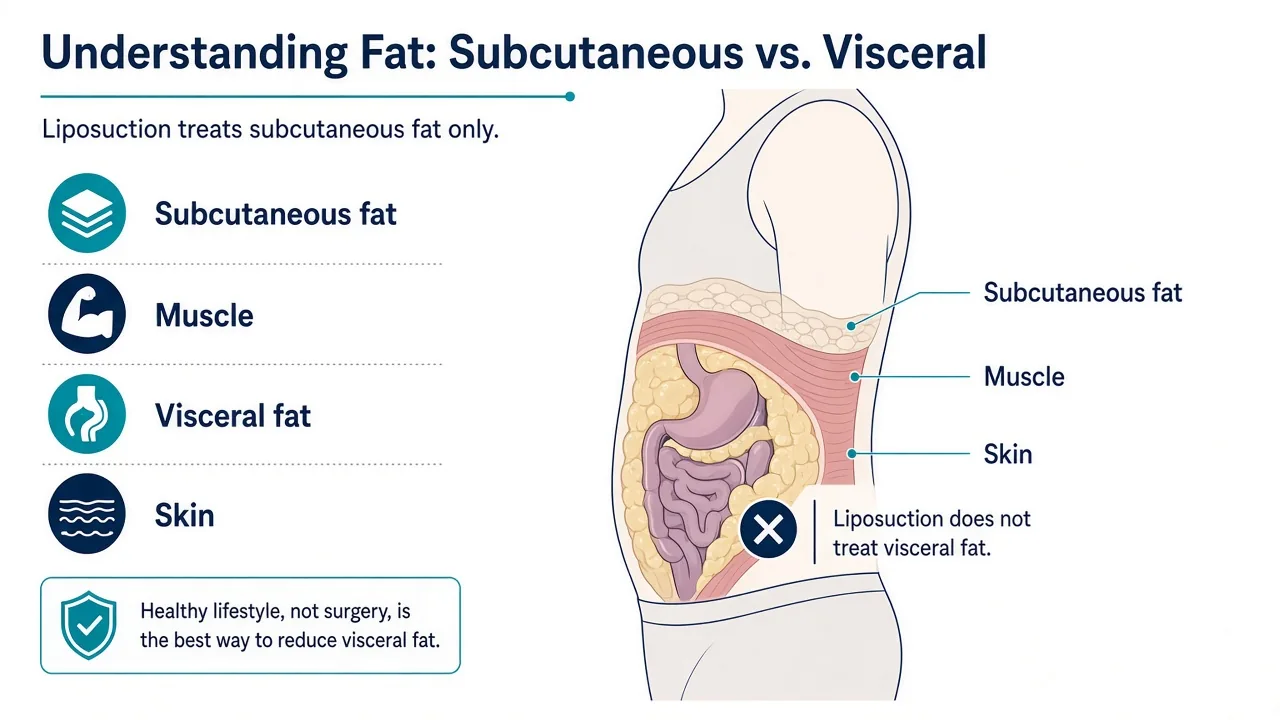
It can remove subcutaneous fat from selected areas of the abdomen. It does not remove visceral fat surrounding internal organs.
Does liposuction remove visceral fat?
No. Liposuction primarily targets subcutaneous fat beneath the skin. Visceral fat is located inside the abdominal cavity.
Can liposuction give me a flat stomach?
It may improve abdominal contour when excess subcutaneous fat is the main issue. Loose skin, abdominal-wall separation or significant visceral fat may limit the result.
How long does liposuction recovery take?
Many patients return to lighter activities within days to a couple of weeks, but swelling can persist for several weeks and final contour refinement may continue for months.
How long do I need to wear a compression garment?
The duration varies according to the procedure and surgeon's protocol. Many patients are instructed to wear one for several weeks.
When can I exercise after liposuction?
Light walking is commonly encouraged early, while strenuous exercise is usually restricted initially. Your surgeon should determine when specific exercise can be resumed.
When can I return to work?
People with sedentary jobs may return relatively quickly, sometimes within several days, while physically demanding work may require more recovery time.
Does liposuction leave scars?
Small scars are usually left at the cannula entry points. They generally fade over time but are not guaranteed to disappear completely.
Can liposuction tighten loose skin?
Only to a limited extent. Skin elasticity affects how much contraction occurs. Significant loose skin may require a skin-removal procedure.
Is liposuction better than a tummy tuck?
Neither procedure is universally better. Liposuction removes localized fat, while a tummy tuck focuses primarily on excess abdominal skin and may address abdominal-wall muscles.
Can men undergo liposuction?
Yes. Men commonly undergo liposuction for the abdomen, flanks, chest, back and neck.
Can liposuction be performed after pregnancy?
It may be appropriate for selected patients once pregnancy and breastfeeding are complete and body weight has stabilized. A surgeon should assess skin laxity and abdominal-wall changes before recommending treatment.
Can liposuction be performed after major weight loss?
Yes, but patients with significant excess skin may require body-contouring or skin-removal surgery in addition to liposuction.
What is the cost of liposuction in India?
Named GAF partner planning is $1,500–$4,200, typically day-care to 2 nights. The actual quotation depends on the number of areas, technique, surgeon, hospital, anaesthesia, fat volume and other services.
Which city in India is best for liposuction?
There is no single best city. Delhi NCR, Mumbai, Bengaluru, Chennai and Hyderabad are live GAF catalog cities. Choose a named plastic surgeon who already maps the areas you need.
Key Takeaways
- Liposuction can reshape selected areas when stubborn localized fat remains despite a healthy lifestyle.
- It is not a substitute for weight-loss treatment and does not correct every cause of abdominal or body fullness.
- Suitable candidates generally have relatively stable weight, localized fat deposits, reasonable skin elasticity and realistic expectations.
- Techniques include tumescent, power-assisted, ultrasound-assisted, laser-assisted and water-assisted approaches; devices do not create a separate GAF sheet.
- GAF partner planning is $1,500–$4,200, typically day-care to 2 nights. Neighbouring tummy tuck is $3,500–$7,200.
- Recovery commonly involves swelling, bruising, soreness and temporary changes in sensation. Compression garments are frequently used during early healing.
- The final result develops gradually rather than immediately after surgery.
- Breathlessness, chest pain, fainting or one-sided leg swelling belongs in a local emergency department.
Share photographs, a weight history and mapped treatment areas before making travel arrangements. A case-specific surgical opinion is more useful than a brochure liposuction package.
Request a liposuction treatment plan
Share photographs for a liposuction review
Message a coordinator on WhatsApp
Request a cost review on WhatsApp
Why Choose GAF Healthcare for Liposuction in India?
GAF Healthcare assists international patients in coordinating medical treatment in India and can help simplify the process from initial enquiry to hospital coordination.
Support may include identification of appropriate hospitals and plastic surgeons, medical-record coordination, online consultation assistance, treatment-cost coordination, hospital appointment scheduling, travel and medical-tourism assistance, airport and local transportation coordination, accommodation assistance, interpreter support where required, and post-treatment coordination.
The treating surgeon remains responsible for the medical diagnosis, surgical recommendation and clinical care.
Share your treatment goals, medical history and relevant photographs for an initial assessment. The treating plastic surgeon can then determine whether liposuction is appropriate and recommend the most suitable treatment plan.
Top 10 Medical Sources
- American Society of Plastic Surgeons — Liposuction — overview, treatment areas and limitations.
- American Society of Plastic Surgeons — Liposuction safety — potential complications.
- American Society of Plastic Surgeons — Liposuction recovery — postoperative recovery guidance.
- Mayo Clinic — Liposuction — procedure, preparation, risks and recovery.
- NHS — Liposuction — indications, risks and recovery.
- Cleveland Clinic — Liposuction — candidacy, procedure and recovery.
- PubMed / Aesthetic Surgery Journal — 2024 systematic review and meta-analysis of liposuction complications.
- GAF Healthcare liposuction — partner USD planning range of $1,500–$4,200 and typical day-care to 2 night stay.
- GAF Healthcare tummy tuck — neighbouring skin-excision sheet of $3,500–$7,200.
- GAF Healthcare sleeve gastrectomy — neighbouring obesity-surgery sheet when contouring is not the honest brief.
Last reviewed against the cited sources: October 2026.
Medical Disclaimer
This page is intended for general educational purposes and should not replace an examination, diagnosis or individualized medical advice from a qualified plastic surgeon.
Liposuction is an elective surgical procedure and carries potential risks and complications. Suitability, technique, anaesthesia, treatment areas, expected results and recovery requirements must be determined by the treating surgeon after an appropriate medical assessment.
If you develop breathlessness, chest pain, fainting, one-sided leg swelling, fever, severe pain or rapidly increasing swelling, seek urgent medical attention in a local emergency department.
Treatment Process
- 1
Share photographs and history
The patient provides area photographs, a weight history and any previous body-contouring or bariatric notes.
- 2
Virtual consultation
A plastic surgeon reviews whether mapped liposuction, skin excision or obesity treatment is the honest brief.
- 3
Confirm the mapped areas
The team writes which zones are included and whether tummy tuck, fat transfer, gynecomastia or BBL belongs on a separate quote.
- 4
Itemized estimate
Named liposuction is $1,500–$4,200. Combined excision, large-volume work and neighbouring lists are quoted after review.
- 5
Travel to India
Stable planned cases travel after records review. Breathlessness, chest pain or one-sided leg swelling is a local emergency.
- 6
In-person examination
The surgeon maps fat, skin quality and clot risk after arrival and confirms the final plan.
- 7
Liposuction
Tumescent fluid and a cannula are used to remove selected subcutaneous fat from the mapped areas.
- 8
Compression and early review
A compression garment is commonly applied. GAF stay planning is typically day-care to 2 nights.
- 9
Return home
The patient leaves with garment instructions, warning signs and a plan for remote follow-up after clearance to travel.