
Treatment Overview
Hip arthroscopy surgery in India is a minimally invasive procedure used to diagnose and treat problems inside and around the hip joint, including femoroacetabular impingement (FAI), hip labral tears, cartilage injuries, loose bodies, selected cases of snapping hip, and other conditions affecting the hip.
Unlike hip replacement, hip arthroscopy is generally a hip-preservation procedure. The aim is to treat the underlying problem while preserving as much of the patient's natural hip joint as possible.
India has established orthopaedic and sports-medicine centres where hip arthroscopy is performed using specialised instruments, traction systems and structured rehabilitation. Hip arthroscopy is technically demanding. Suitability depends on the diagnosis, cartilage condition, hip anatomy and degree of arthritis.
There is no separate GAF hip-arthroscopy cost sheet. Planning starts from the adult arthroscopic surgery range of $2,000–$5,500 (typically outpatient or 1–2 nights). Combined FAI correction, labral repair with anchors, cartilage restoration or reconstruction is quoted after case review from that sheet. When substantial cartilage has already been lost, the honest pathway is total hip replacement at $6,000–$13,000 (typically 4–7 nights). Hip resurfacing ($6,500–$14,000) is a bone-conserving arthroplasty, not a keyhole preservation procedure.
International patients comparing orthopaedic surgeons commonly start with Delhi NCR, Mumbai, Bengaluru, Chennai and Hyderabad. Partner orthopaedic hospitals in Delhi NCR, Mumbai and Bengaluru are a typical first filter. City cost sheets include Delhi NCR, Mumbai, Bengaluru, Chennai and Hyderabad.
Knee keyhole work sits on Knee Arthroscopy Surgery in India. Shoulder keyhole work sits on Shoulder Arthroscopy Surgery in India. Named ligament reconstruction sits on ACL Surgery in India. End-stage hip arthritis belongs on Hip Replacement Surgery in India, not on a preservation scope. Limb reconstruction and stature lengthening sit on Limb Lengthening Surgery in India. Named tendon laceration, Achilles or cuff repair sits on Tendon Repair Surgery in India.
Important: Hip arthroscopy is not appropriate for every type of hip pain. A consultation with an experienced orthopaedic or hip-preservation surgeon is necessary before deciding whether surgery is appropriate.
What Is Hip Arthroscopy?
Hip arthroscopy is a keyhole surgical technique in which an orthopaedic surgeon introduces a small camera called an arthroscope into the hip joint through small incisions.
The camera transmits magnified images to a monitor, allowing the surgeon to examine structures that cannot be adequately assessed from the outside. Additional small portals allow specialised instruments. Depending on the diagnosis, the surgeon may repair a torn labrum, reshape abnormal bone causing impingement, remove loose bodies, treat selected cartilage lesions or address other pathology.
The hip is a deep and relatively constrained joint, so hip arthroscopy is technically more demanding than arthroscopy of some other joints. Patient selection, imaging, surgical technique and rehabilitation have a major influence on the outcome.
The adult GAF arthroscopic surgery sheet already names hip arthroscopy as work that should only be quoted when the team names the joint and the mechanical goal. A request that only says “arthroscopy” is not enough to quote honestly.
What Conditions Can Hip Arthroscopy Treat?
Hip arthroscopy is primarily used when a specific structural problem has been identified and the joint still has sufficient healthy cartilage.
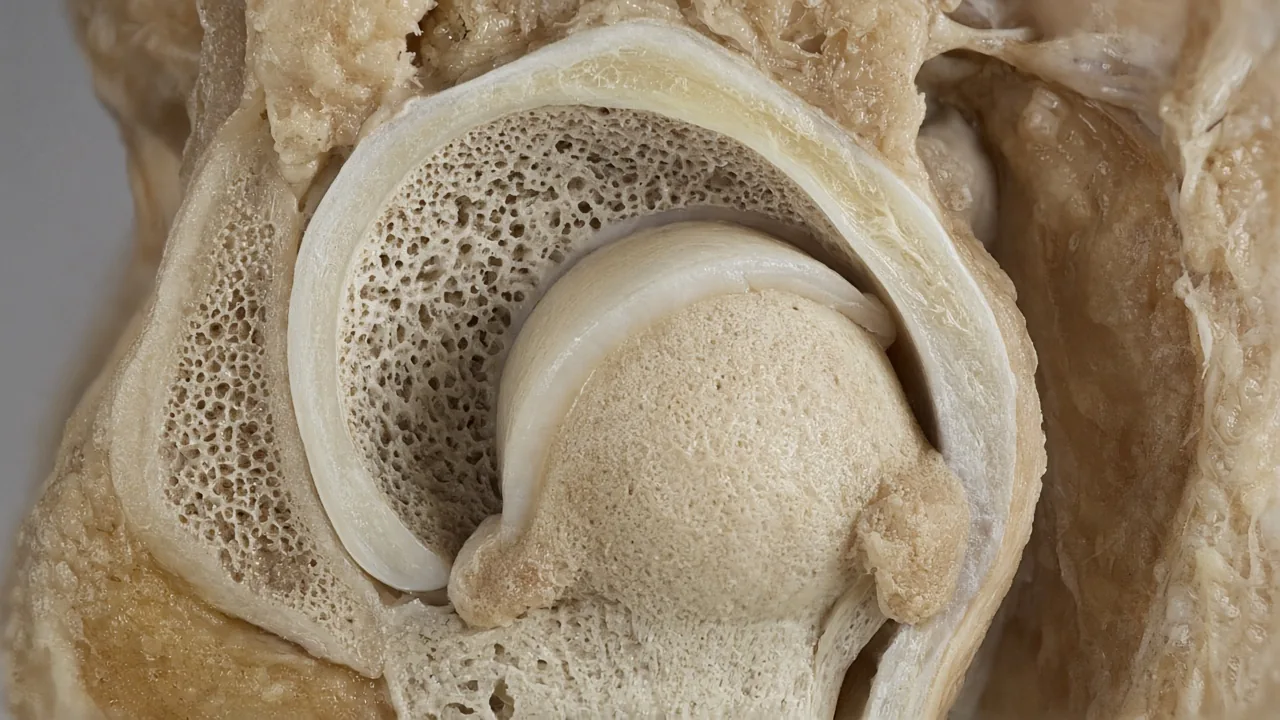
1. Femoroacetabular impingement
Femoroacetabular impingement, commonly called FAI, occurs when the shape of the femoral head-neck junction, acetabulum, or both causes abnormal contact during hip movement.
The two commonly described morphological patterns are cam morphology and pincer morphology. Some patients have a combination of both.
FAI morphology on imaging does not automatically mean a person has FAI syndrome. The Warwick Agreement defines FAI syndrome as a motion-related clinical disorder of the hip with a triad of symptoms, clinical signs and imaging findings. Symptoms, examination and imaging need to be considered together.
When symptomatic FAI does not respond adequately to appropriate non-surgical treatment, arthroscopy may be used to correct the impingement and address associated labral or cartilage damage.
2. Hip labral tear
The acetabular labrum is a ring of fibrocartilage around the socket of the hip. It contributes to hip-joint stability and helps maintain joint function.
A labral tear may occur because of FAI, repetitive athletic activity, hip trauma, structural abnormalities, hip dysplasia or instability, or degenerative changes.
Symptoms can include deep groin pain, clicking or catching, pain while sitting, pain during hip rotation, reduced range of movement, and pain during sports or exercise.
When surgery is indicated, the surgeon may repair the labrum using small anchors. In selected cases where the tissue cannot be repaired adequately, reconstruction or another procedure may be considered. There is no separate GAF labral-repair sheet: planning starts from the arthroscopic-surgery range, and anchor-based repair is quoted after case review.
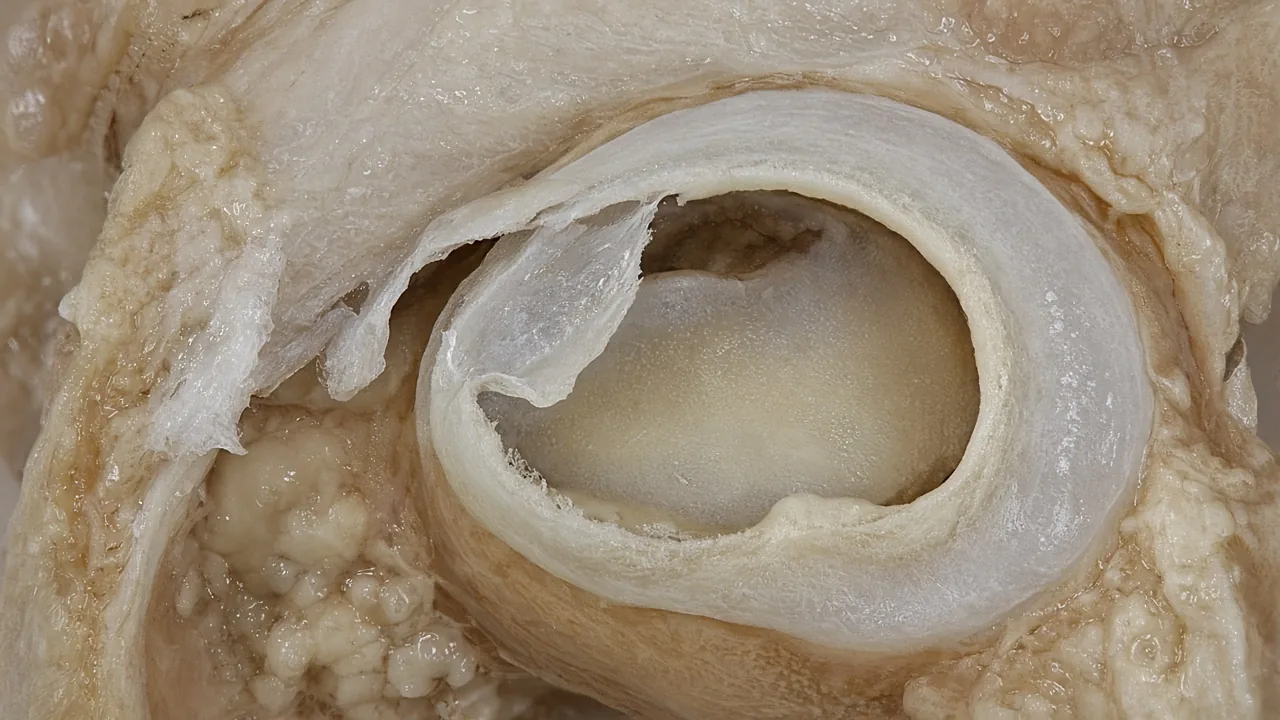
3. Cartilage damage
Articular cartilage covers the surfaces of the hip joint and allows smooth movement. Cartilage damage can occur alongside FAI, trauma or other hip conditions.
Depending on the size, location and severity, the surgeon may perform chondroplasty, debridement, microfracture in selected lesions, or other cartilage-restoration procedures in carefully selected cases. Specialised restoration is quoted after case review. Advanced cartilage loss is not a preservation indication.
4. Loose bodies in the hip
Loose fragments of cartilage or bone can move inside the hip joint and cause catching, locking, pain or restricted movement. Hip arthroscopy can sometimes be used to remove these fragments through small portals. Planning starts from the arthroscopic surgery sheet.
5. Synovial disorders
Certain synovial disorders may be evaluated or treated arthroscopically when conservative treatment is insufficient and the diagnosis is appropriate for arthroscopic management.
6. Selected cases of snapping hip
Some patients experience a snapping sensation around the hip. The cause may be iliopsoas tendon movement, external snapping involving the iliotibial band, or intra-articular pathology.
Not every snapping hip requires surgery. Treatment depends on the cause, symptoms and response to physiotherapy and other conservative measures.
Ask whether hip arthroscopy is appropriate
WhatsApp +91 90443 46292 with hip MRI
When Is Hip Arthroscopy Recommended?
The decision to perform hip arthroscopy should not be based solely on an MRI report.
A surgeon generally considers symptoms, physical examination, X-rays, MRI or MR arthrography where appropriate, CT in selected cases, cartilage damage, hip morphology, degree of arthritis, response to non-surgical treatment, functional limitations, age, activity demands and previous hip surgery.
A structural abnormality on an imaging scan may exist without causing symptoms. Surgery is therefore not automatically indicated simply because an MRI shows a labral tear or cam morphology.
AAOS patient information on hip arthroscopy describes the procedure as a way to diagnose and treat selected hip problems through small incisions. AAOS OrthoInfo on FAI and labral tears emphasise that imaging findings must be interpreted with symptoms and examination.
Who May Be a Good Candidate for Hip Arthroscopy?
Hip arthroscopy is often considered in patients who have persistent symptoms attributable to a specific hip condition, a diagnosis supported by examination and imaging, mechanical symptoms such as catching or impingement, FAI syndrome that remains symptomatic despite appropriate non-operative treatment, a symptomatic labral tear suitable for repair, selected cartilage or loose-body problems, and sufficiently preserved joint cartilage.
Younger and active patients are frequently evaluated for hip-preservation procedures, but age alone does not determine candidacy. The condition of the joint is often more important than chronological age.
Who May Not Be Suitable for Hip Arthroscopy?
Hip arthroscopy has limitations.
Advanced osteoarthritis is one of the most important situations in which arthroscopy may provide poor results. Significant joint-space narrowing and extensive cartilage loss can substantially reduce the likelihood of a durable benefit.
Other situations requiring particular caution include severe cartilage loss, significant hip dysplasia or instability, certain complex deformities, previous major hip surgery, neurological conditions that increase traction-related risk, certain fractures, severe obesity in some cases, and conditions that are better addressed with another surgical procedure.
A patient with advanced arthritis may need an entirely different treatment pathway — typically total hip replacement ($6,000–$13,000, 4–7 nights) — rather than hip arthroscopy. See Hip Replacement Surgery in India.
A paediatric hip-preservation list also exists on a different specialty sheet. Adult hip arthroscopy on this page is not that paediatric product.
Hip Arthroscopy vs Hip Replacement
These procedures have very different purposes.
| Feature | Hip arthroscopy | Hip replacement |
|---|---|---|
| Main purpose | Preserve and treat the natural hip | Replace damaged joint surfaces |
| Typical use | FAI, labral tears and selected hip disorders | Advanced arthritis and severe joint damage |
| Bone removal | Limited and targeted | Significant joint-surface preparation |
| Implant | Usually small anchors or other specialised devices when required | Prosthetic components |
| Joint preserved? | Yes, the natural joint is retained | No, damaged joint surfaces are replaced |
| GAF planning | $2,000–$5,500 for arthroscopic surgery; combined work quoted after case review | $6,000–$13,000 for total hip replacement |
| Typical stay | Outpatient or 1–2 nights | 4–7 nights |
| Typical patient profile | Often younger or active patients with treatable structural pathology | Often patients with advanced joint degeneration |
Hip arthroscopy is not a smaller version of hip replacement. They are different operations for different clinical problems.
Compare hip arthroscopy and hip replacement
How Is Hip Arthroscopy Surgery Performed?
Although the exact technique varies, the operation generally follows several stages.
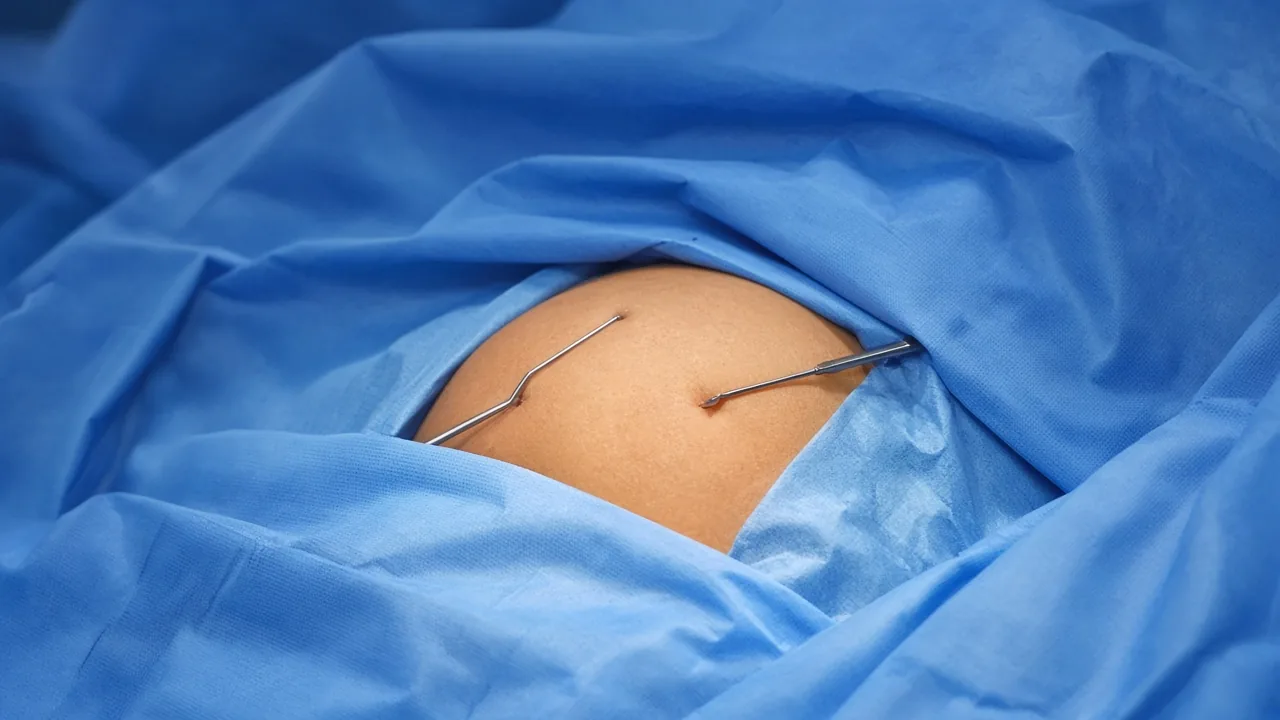
- Anaesthesia — selected by the anaesthesia team and surgeon according to the patient's health and procedure.
- Positioning — specialised equipment may be used to provide controlled traction and create sufficient working space.
- Creating the portals — small incisions around the hip; an arthroscope through one portal, instruments through others.
- Examination of the joint — articular cartilage, labrum, femoral head, acetabulum, synovium, ligamentum teres and other relevant intra-articular structures.
- Treating the underlying problem — labral repair or selected reconstruction, FAI correction, cam osteoplasty, acetabular rim trimming where appropriate, chondroplasty, microfracture in selected defects, loose-body removal, synovectomy, iliopsoas procedures in selected cases, and capsular repair or closure.
- Closure — instruments are removed and the small portal incisions are closed.
The exact combination is determined during surgical planning and based on findings. Hip arthroscopy commonly takes around 1–3 hours. Patients should not judge the seriousness of the surgery solely by the size of the skin incisions.
What Is Hip Labral Repair?
Labral repair is one of the most important procedures performed during hip arthroscopy.
Instead of simply removing damaged labral tissue, surgeons may repair viable tissue back to the acetabular rim using specialised anchors. The goal is to preserve the anatomy and function of the labrum whenever appropriate.
Modern hip arthroscopy has increasingly emphasised preservation and repair of the labrum when the tissue is suitable. Anchor-based repair changes the quotation relative to a diagnostic or debridement-only scope and should be listed in a written estimate.
What Is FAI Correction During Hip Arthroscopy?
In FAI surgery, the surgeon addresses the abnormal bone morphology responsible for the mechanical conflict.
For cam-type morphology, this may involve femoral osteoplasty, where excess bone at the femoral head-neck junction is carefully reshaped. For selected pincer-type pathology, acetabular-side correction may be performed.
The surgeon must balance correction with preservation of joint stability and healthy anatomy. Over-resection can also be problematic, which is why detailed preoperative imaging and careful surgical planning matter.
What Tests Are Needed Before Hip Arthroscopy?
X-rays help evaluate joint-space width, hip morphology, cam or pincer morphology, arthritis and alignment. Joint-space narrowing is one of the findings that can move a patient off a preservation pathway.
MRI may help identify labral tears, cartilage injuries, tendon problems and other soft-tissue abnormalities. An MRI finding should be interpreted alongside symptoms and examination.
MR arthrography may provide additional information about intra-articular pathology in selected cases.
CT, particularly 3D CT, may be useful when detailed assessment of bony morphology is required.
Diagnostic hip injection. In some patients, an image-guided injection may help determine whether the hip joint is the principal source of pain.
Not every abnormality visible on imaging requires surgery.
Hip Arthroscopy Cost in India
The cost of hip arthroscopy in India varies according to the exact procedure. GAF Healthcare planning ranges from partner hospital cost sheets are the figures used on this site — not rupee brochure quotes. There is no dedicated hip-arthroscopy product line: the nearest named sheet is arthroscopic surgery.
| Treatment | GAF planning range in India | Typical stay |
|---|---|---|
| Arthroscopic surgery (named hip arthroscopy: diagnostic, loose body, selected chondroplasty) | $2,000–$5,500 | Outpatient or 1–2 nights |
| Labral repair with anchors | Quoted after case review from the arthroscopy sheet | Procedure-dependent |
| FAI correction / cam osteoplasty | Quoted after case review from the arthroscopy sheet | Procedure-dependent |
| Combined FAI + labral repair | Quoted after case review | Procedure-dependent |
| Cartilage restoration / microfracture | Quoted after case review | Protocol-dependent |
| Total hip replacement (if the problem is arthritis, not a preservation target) | $6,000–$13,000 | 4–7 nights |
| Hip resurfacing (selected arthroplasty, not arthroscopy) | $6,500–$14,000 | 4–7 nights |
| Additional rehabilitation | Depends on duration and facility | — |
| International travel, visa, hotel | Not normally included in the surgical sheet | — |
These figures are indicative planning ranges, not fixed package prices. City sheets for the same arthroscopic procedure include Delhi NCR, Mumbai, Bengaluru, Chennai and Hyderabad.
GAF partner-hospital comparison for arthroscopic surgery lists a typical US range of $10,000–$30,000 against the India planning range of $2,000–$5,500. International patients should not compare prices alone.
Request a hip arthroscopy cost estimate
WhatsApp +91 90443 46292 for an itemised hip arthroscopy estimate
What Determines the Cost of Hip Arthroscopy in India?
- Type of procedure — a diagnostic scope and combined FAI correction plus labral repair have very different complexity.
- Surgeon — hip arthroscopy is technically demanding; experience in hip preservation matters.
- Hospital — private multi-specialty and super-specialty hospitals may have different package structures.
- City — Delhi NCR, Mumbai, Bengaluru, Chennai and Hyderabad.
- Implants — suture anchors and other specialised devices.
- Hospital stay — day-care versus overnight observation.
- Diagnostic tests — MRI, MR arthrography, CT and blood tests may be billed separately.
- Rehabilitation — physiotherapy can represent a significant part of the total journey.
Compare partner orthopaedic hospitals in Chennai and Hyderabad as well as Delhi NCR, Mumbai and Bengaluru.
A package may include some or all of surgeon and anaesthetist fees, operating-room charges, arthroscopy equipment, hospitalisation, nursing, medicines during admission, surgical consumables, implants where applicable, initial physiotherapy and a follow-up consultation. Always request a written estimate specifying whether anchors, FAI correction and physiotherapy are included.
Why Do International Patients Choose India for Hip Arthroscopy?
India has a large tertiary-care network with orthopaedic, sports-medicine and rehabilitation services. For international patients the journey can include remote record review, imaging assessment, consultation, surgical planning, hospital admission, the procedure, physiotherapy, follow-up, travel coordination and medical-visa assistance where applicable.
The most important consideration remains whether hip arthroscopy is the right procedure and whether the treating team has experience with hip preservation — not the cheapest city.
How to Choose a Hip Arthroscopy Surgeon in India
When comparing orthopaedic surgeons, look beyond general orthopaedic volume. Ask:
- Do you regularly perform hip arthroscopy, not only knee arthroscopy?
- What is your experience with FAI correction and labral repair?
- What procedure is actually being recommended — repair, reshaping, cartilage work, capsular closure?
- Who will manage rehabilitation?
- Which hospital will perform the procedure?
- What happens if arthritis is more advanced than imaging suggested?
- What follow-up will be available after I return home?
A good decision is the right procedure for the right diagnosis, not simply a high arthroscopy volume.
Find a hip-preservation surgeon in India
WhatsApp +91 90443 46292 to match a hip surgeon
Where Patients Compare Hip Arthroscopy in India
Catalog filters for arthroscopic surgery start with the five published GEO cities:
- Delhi NCR — a large concentration of tertiary hospitals and sports-orthopaedic specialists. Filter Delhi NCR hospitals.
- Mumbai — multiple joint and sports-medicine centres.
- Bengaluru — tertiary hospitals with arthroscopy programmes.
- Chennai — established international-patient infrastructure.
- Hyderabad — advanced orthopaedic and sports-medicine centres.
Pune, Kolkata, Ahmedabad, Kochi and Chandigarh also have private orthopaedic centres. Those cities are not published as catalog GEO filters on this site, so compare the surgeon, hospital, traction set-up, implant quality and rehabilitation plan rather than treating the cheapest city as the deciding factor.
How to Choose a Hospital for Hip Arthroscopy in India
International patients should assess dedicated orthopaedic and sports-medicine services, hip arthroscopy equipment and traction systems, advanced imaging, trained anaesthesia, physiotherapy, infection-control systems, emergency support and a written follow-up plan before returning home.
Hip Arthroscopy for International Patients
- Send medical history, X-rays, MRI or CT reports and images, previous treatment notes, medication list and previous surgical records.
- Receive a preliminary specialist opinion. A remote opinion should not replace an in-person examination.
- Plan the visit: hospital appointment, investigations, treatment estimate, admission, accommodation and local transport.
- In-person assessment — the surgical plan may change after examination, particularly if arthritis is more advanced than expected.
- Surgery if arthroscopy is recommended and you agree.
- Rehabilitation established before discharge, including weight-bearing rules.
- Follow-up and a written summary covering diagnosis, procedure, operative findings, medications, physiotherapy, crutches, follow-up schedule and warning signs.
Patients should not plan their return flight solely around the expected discharge date. GAF planning for hip arthroscopy is outpatient or 1–2 nights in hospital, with a longer overall stay in India for physiotherapy instruction and travel clearance.
Plan an international hip arthroscopy journey
WhatsApp +91 90443 46292 about recovery and stay
Recovery After Hip Arthroscopy
Recovery varies significantly according to what was done during surgery. A patient undergoing a relatively straightforward procedure may progress faster than someone who has labral repair, FAI correction, cartilage treatment, microfracture, capsular repair or multiple procedures in the same sitting.
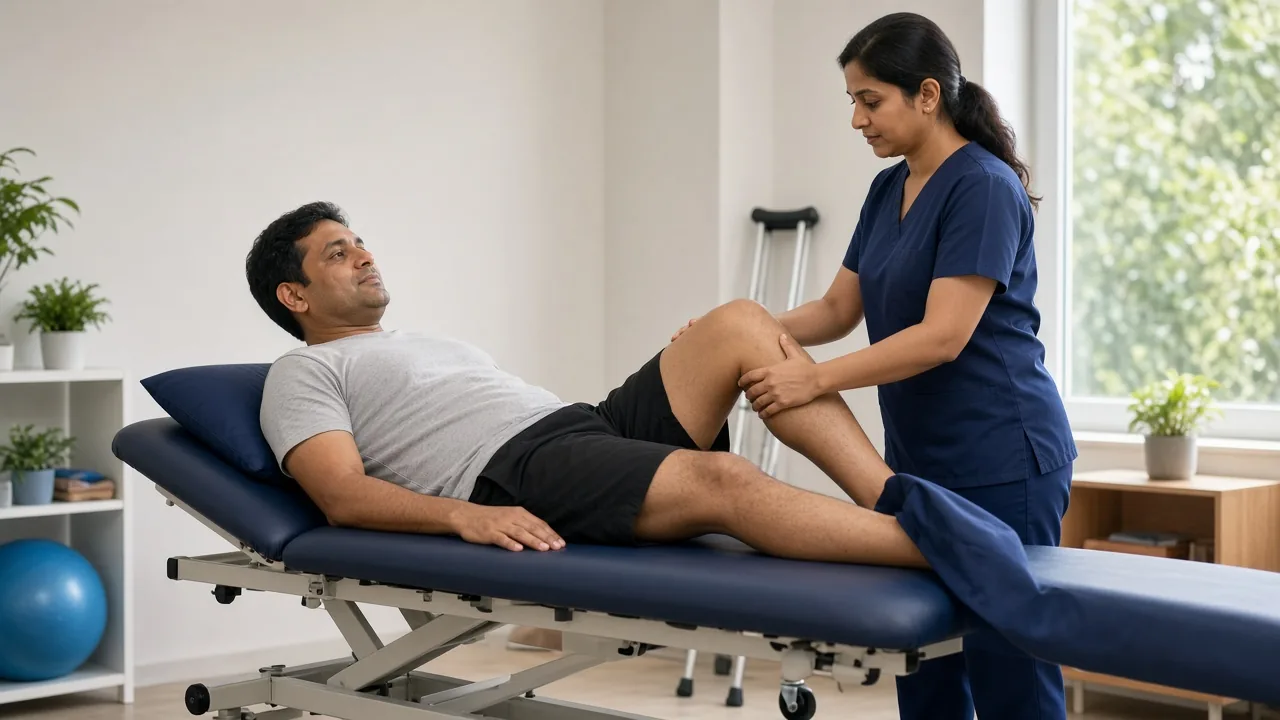
First few days. Pain control, swelling management, protecting the repair, safe walking, beginning prescribed exercises and preventing complications. Crutches may be required.
Weeks 1–3. Gentle range of motion, muscle activation, gradual weight-bearing according to the surgical protocol, reducing swelling and protecting repaired tissues.
Weeks 4–8. Improved strength, walking mechanics, range of movement, core and hip strengthening, balance and functional activities.
Months 3–6. Many patients begin progressing toward higher-level activities. Athletes require additional testing and sport-specific rehabilitation.
When Can You Walk After Hip Arthroscopy?
Many patients can stand and walk with assistance relatively soon after surgery. Walking immediately does not mean that the hip has completely healed.
Weight-bearing restrictions can vary according to labral repair, FAI correction, cartilage procedures, microfracture, capsular procedures, surgeon preference and individual patient factors. Your surgeon's rehabilitation protocol should take priority over generic recovery timelines.
When Can You Return to Work?
Desk-based work. Some patients may return relatively early if pain is controlled and sitting is tolerated.
Physically demanding work. Jobs involving heavy lifting, prolonged standing, squatting, climbing or repetitive hip movement may require substantially more recovery time.
When Can You Drive After Hip Arthroscopy?
Driving should resume only when you are medically cleared, you are no longer taking medication that impairs driving, you can comfortably control the vehicle, you can perform an emergency stop safely, and your surgeon's restrictions have been satisfied.
When Can You Return to Sports?
Return to sport should be based on function rather than simply the number of weeks since surgery.
A sports rehabilitation programme may assess pain, hip strength, range of motion, single-leg control, running tolerance, jumping, agility and sport-specific movements. Research has found substantial variability in return-to-sport protocols following hip arthroscopy. Some studies report return-to-sport timelines of several months rather than a fixed short recovery period.
Risks and Complications of Hip Arthroscopy
Hip arthroscopy is generally considered a minimally invasive procedure, but it is still surgery and complications can occur.
Potential complications include infection, bleeding, blood clots, temporary numbness or nerve symptoms, traction-related nerve problems, persistent pain, stiffness, heterotopic ossification, incomplete correction, recurrent symptoms, labral re-tear, cartilage progression, need for revision surgery, and conversion to hip replacement in selected patients.
Patients with advanced arthritis may have poorer outcomes and a greater likelihood of eventually requiring hip replacement.
Emergency symptoms are not a WhatsApp question. Increasing pain, high fever or chills, increasing redness, significant wound discharge, severe swelling, new numbness, calf pain or swelling, shortness of breath or chest pain should be assessed in a local emergency department.
Is Hip Arthroscopy Safe?
Hip arthroscopy has become an established procedure for selected hip conditions. Safety depends on correct diagnosis, appropriate patient selection, surgeon experience specifically with hip arthroscopy, proper positioning and traction, appropriate instrumentation, careful protection of surrounding structures and good postoperative rehabilitation.
“Safe” should not be interpreted as “risk-free.”
Hip Arthroscopy and Hip Arthritis
Hip arthroscopy is not generally a replacement for hip replacement in advanced osteoarthritis.
When substantial cartilage has already been lost, treating the labrum or reshaping the bone may not address the fundamental problem. Patients with advanced arthritis should be assessed for the full range of appropriate treatment options, including hip replacement.
Hip Arthroscopy vs Physiotherapy
Surgery is not always the first treatment.
Depending on the diagnosis, conservative treatment may include activity modification, physiotherapy, hip and core strengthening, mobility exercises, anti-inflammatory medication when medically appropriate, weight management where relevant, modification of sports technique, and image-guided injections in selected patients.
For symptomatic FAI, a trial of appropriate non-operative treatment may be considered before surgery. The decision should be individualised.
Hip Arthroscopy vs Open Hip Surgery
Hip arthroscopy uses small portals and specialised instruments. Open surgery involves a larger surgical exposure and may be necessary for certain complex deformities or conditions that cannot be adequately treated arthroscopically.
The choice depends on anatomy, diagnosis, severity, previous surgery, surgeon expertise, stability of the hip and extent of deformity. Minimally invasive does not automatically mean appropriate for every patient.
Hip Arthroscopy for Athletes
Athletes may develop hip problems because of repetitive hip flexion, rotation, high-impact sports, training load, previous injury or structural morphology. Sports commonly associated with substantial hip demands include football, cricket, hockey, basketball, tennis, martial arts, running and dance.
For an athlete, rehabilitation also needs to restore strength, power, mobility, balance, movement control, running mechanics and sport-specific performance — not simply to eliminate pain.
Hip Arthroscopy for Labral Tears
Can a hip labral tear heal without surgery? Some patients with labral tears can improve with non-surgical treatment. The presence of a tear on MRI does not automatically mean surgery is necessary.
Does every labral tear need repair? No. Treatment depends on tissue quality, cause of the tear, associated abnormalities and the surgeon's assessment.
Can a labral tear cause groin pain? Yes. A symptomatic labral problem can cause deep groin pain, clicking, catching or pain with certain hip movements.
Hip Arthroscopy for FAI
Is FAI the same as arthritis? No. FAI describes a structural and mechanical problem involving the hip. It can contribute to labral and cartilage damage and may be associated with later degenerative changes, but FAI is not synonymous with advanced arthritis.
Does everyone with cam morphology need surgery? No. Cam morphology can be present without symptoms. Treatment is based on the combination of symptoms, clinical findings and relevant imaging.
Can FAI be treated without surgery? In selected patients, yes. Physiotherapy, activity modification and other conservative treatments may improve symptoms. When significant symptoms persist and the patient has appropriate surgical anatomy, arthroscopy may be considered.
Benefits of Hip Arthroscopy
When correctly indicated, potential advantages include small surgical incisions, direct visualisation of the joint, the ability to address certain structural abnormalities, treatment of labral pathology, treatment of selected cartilage problems, removal of loose bodies, potential improvement in pain and function, and a joint-preservation approach in appropriately selected patients.
These benefits should not be interpreted as a guarantee of success, or as meaning that arthroscopy is automatically better than non-surgical treatment.
What Determines the Success of Hip Arthroscopy?
Correct diagnosis, joint condition, surgical technique, patient selection, rehabilitation and patient participation all influence outcome. Patients with preserved cartilage generally have a different prognosis from patients with advanced arthritis.
Questions to Ask Your Surgeon Before Hip Arthroscopy
Diagnosis. What exactly is causing my hip pain? Do I have FAI, a labral tear, cartilage damage or another condition? Do I have arthritis? What is the condition of my cartilage?
Alternatives. Do I actually need surgery? What happens if I choose physiotherapy instead?
Operation. What procedure will you perform? Will my labrum be repaired? Will the bone need to be reshaped? Could the procedure change depending on what you find?
Recovery. How long will I use crutches? When can I return to work, drive, exercise and sport?
Cost. What is included? Are anchors, MRI, CT, physiotherapy and follow-up included? What is billed if more work is required intraoperatively? Could I eventually need hip replacement?
Frequently Asked Questions About Hip Arthroscopy in India
The FAQs below summarise the questions international patients ask most often. The same answers are stored as structured FAQ data for this page.
What is the cost of hip arthroscopy in India? GAF planning starts from approximately $2,000–$5,500 for arthroscopic surgery. Combined FAI correction and labral repair is quoted after case review. Actual quotations vary by hospital, surgeon, implants, city and the exact procedure.
Is hip arthroscopy cheaper in India than in Western countries? GAF partner-hospital comparison for arthroscopic surgery lists a typical US range of $10,000–$30,000 against the India planning range of $2,000–$5,500. Compare complete treatment packages rather than the surgery fee alone.
How long does hip arthroscopy take? Commonly around 1–3 hours, depending on the diagnosis and procedures performed.
How long do I stay in the hospital? GAF planning is outpatient or 1–2 nights. More complex cases may require additional observation.
Is hip arthroscopy painful? Pain and stiffness are common during early recovery. Medication, ice, activity modification and physiotherapy are generally used to manage postoperative symptoms.
How long will I need crutches? The duration depends on the procedure. Patients undergoing labral repair or cartilage procedures may have different weight-bearing restrictions from those undergoing simpler procedures.
Can hip arthroscopy prevent hip replacement? It may address specific causes of hip damage and can be a joint-preservation procedure. It cannot guarantee that a patient will never need hip replacement.
Is hip arthroscopy suitable for severe arthritis? Usually no. Advanced arthritis is a poor indication. Patients with substantial cartilage loss may need assessment for hip replacement.
Can athletes return to sport after hip arthroscopy? Many athletes return to sport, but rehabilitation can take several months. Return should be based on strength, movement quality, symptoms and sport-specific readiness.
Can both hips be treated? In selected cases, bilateral disease may require treatment of both hips. Whether procedures should be performed together or separately depends on the patient's condition and surgeon's recommendation.
Is hip arthroscopy suitable for older adults? Age alone does not determine suitability. Joint cartilage, arthritis, anatomy, symptoms and overall health are important factors.
Can hip arthroscopy treat a torn labrum? Yes. Labral repair is a common component when the tear is symptomatic and the tissue is suitable for repair.
Can hip arthroscopy treat FAI? Yes. In appropriately selected patients, arthroscopy can address the abnormal morphology associated with symptomatic FAI and treat associated labral pathology.
Is physiotherapy required after hip arthroscopy? Yes for many patients, particularly after labral repair or FAI correction. The programme should be tailored to the operation.
How long should I stay in India? Depends on the procedure. Simple arthroscopy may require a relatively short stay; combined FAI and labral work requires longer rehabilitation and follow-up. The treating hospital should set the timeline.
Key Takeaways
- Hip arthroscopy is a specialised joint-preservation procedure, not a replacement for hip replacement.
- It can be used for selected FAI, labral tears, cartilage injuries, loose bodies, synovial disorders and selected snapping-hip conditions.
- The best candidates have a treatable structural problem and sufficient healthy cartilage.
- Advanced arthritis or extensive cartilage loss usually belongs on the hip replacement pathway.
- GAF planning for arthroscopic surgery in India is $2,000–$5,500; combined FAI and labral repair is quoted after case review.
- Return to sport is criteria-based and often takes several months.
- International patients should obtain an experienced hip-preservation opinion, review imaging before travelling, understand the exact procedure proposed, obtain a complete cost estimate and plan rehabilitation.
How GAF Healthcare Can Help International Patients
GAF Healthcare coordinates international patients who need a hip arthroscopy, labral-repair or FAI-correction plan in India. Share hip X-rays, MRI images and reports, groin-pain history, sitting or sport limitations, previous physiotherapy and activity goals. A coordinator can introduce an orthopaedic surgeon in Delhi NCR or Mumbai, then help collect an itemised quotation covering the exact procedure, anchors, stay and physiotherapy.
The medical decision remains with the treating team. Our role is to make accessing appropriate care in India more organised.
Request a hip arthroscopy treatment plan
Share imaging for a surgery review
WhatsApp +91 90443 46292 with hip MRI and groin pain
Message a coordinator on WhatsApp
Request a cost review on WhatsApp
Medical Disclaimer
This page is intended for educational and medical-tourism information purposes only. Hip arthroscopy is not appropriate for every patient with hip pain. The presence of a labral tear, FAI morphology or another abnormality on imaging does not automatically mean that surgery is required. Treatment depends on diagnosis, symptoms, examination, imaging, cartilage condition, age, activity level, general health and previous treatment. Planning ranges are not hospital quotations. Emergency symptoms belong in a local emergency department.
Sources used for this guide
- AAOS OrthoInfo — Hip Arthroscopy — indications, procedure, anaesthesia, complications and recovery.
- AAOS OrthoInfo — Femoroacetabular Impingement — cam and pincer morphology, symptoms and treatment options.
- AAOS OrthoInfo — Hip Labral Tear — labral anatomy, symptoms and surgical versus non-surgical care.
- The Warwick Agreement on femoroacetabular impingement syndrome — consensus definition of FAI syndrome as symptoms, clinical signs and imaging findings.
- NHS — Arthroscopy — preparation, procedure, complications and recovery.
- NICE NG226 — Osteoarthritis in over 16s — non-surgical and surgical options when osteoarthritis is the primary diagnosis.
- CDC — Surgical Site Infection Basics — surgical-site infections and infection prevention.
- GAF Healthcare arthroscopic surgery cost sheet — indicative USD planning ranges for named arthroscopy, including hip when the joint and mechanical goal are specified.
- GAF Healthcare total hip replacement cost sheet — planning ranges when advanced arthritis is the honest indication.
- Hip Replacement Surgery in India — coordinated arthroplasty pathway when preservation is no longer appropriate.
Last reviewed against the cited sources: September 2026.
Treatment Process
- 1
Share medical records
The patient provides hip X-rays, MRI or CT images and reports, groin-pain history, sitting or sport limitations, and previous physiotherapy notes.
- 2
Hip-preservation review
A surgeon reviews whether the target is FAI, a labral tear, a loose body, cartilage work — or something arthroscopy cannot fix, such as advanced osteoarthritis.
- 3
Procedure selection
The team names the exact procedure: diagnostic arthroscopy, labral repair, FAI correction, or arthroplasty if cartilage loss already belongs on a replacement sheet.
- 4
Medical optimisation
Non-operative treatment, medications, anaesthesia clearance and prehabilitation are completed before an elective hip scope.
- 5
Itemized estimate
The hospital quotes the named procedure, anchors, stay and physiotherapy from GAF cost sheets, including what is billed if more reconstructive work is required.
- 6
Travel to India
The patient allows time for in-person examination, surgery, early physiotherapy instruction and travel clearance.
- 7
Surgery
Hip arthroscopy is performed through small portals with controlled traction. Labral repair and FAI correction are done when indicated.
- 8
Early mobilisation
Walking and exercises begin according to the procedure. A labral repair or cartilage protocol can override day-care weight-bearing assumptions.
- 9
Rehabilitation
Physiotherapy is tailored to the operation. Simple arthroscopy and combined FAI-plus-labral work do not share the same timeline.
- 10
Return home
The patient leaves with a written summary covering operative findings, crutches, physiotherapy and warning signs.