Treatment Overview
Shoulder arthroscopy surgery in India is a minimally invasive orthopaedic procedure used to diagnose and treat problems inside and around the shoulder joint. Instead of a large incision, the surgeon inserts a small camera called an arthroscope through tiny skin openings and views the joint on a monitor. Additional small portals allow specialised instruments to repair torn tendons, stabilise the shoulder, treat labral injuries, remove damaged tissue, release a stiff joint or address other problems identified during surgery.
The exact procedure, recovery and cost depend on the underlying shoulder problem. A simple diagnostic arthroscopy is very different from a rotator cuff repair or complex instability reconstruction, so patients should obtain a procedure-specific treatment plan rather than a generic surgery estimate.
GAF Healthcare planning for arthroscopic surgery is $2,000–$5,500 (typically outpatient or 1–2 nights). Named rotator cuff repair is a different sheet: $2,800–$7,000 (typically 1–3 nights). Bankart repair, SLAP repair, biceps tenodesis, Latarjet and combined instability work have no separate GAF sheets and are quoted after case review. When glenohumeral arthritis or an irreparable cuff already belongs on arthroplasty, the honest sheet is shoulder replacement at $6,000–$13,000 (typically 3–6 nights).
International patients comparing orthopaedic surgeons commonly start with Delhi NCR, Mumbai, Bengaluru, Chennai and Hyderabad. The same five cities also have arthroscopic surgery filters in Mumbai, Bengaluru, Chennai and Hyderabad. Partner orthopaedic hospitals in Delhi NCR, Mumbai and Bengaluru are a typical first filter. City cost sheets include Delhi NCR, Mumbai, Bengaluru, Chennai and Hyderabad.
Knee keyhole work sits on Knee Arthroscopy Surgery in India. Hip-preservation keyhole work sits on Hip Arthroscopy Surgery in India. Named ligament reconstruction sits on ACL Surgery in India. Limb reconstruction and stature lengthening sit on Limb Lengthening Surgery in India. Named tendon laceration, Achilles or cuff repair sits on Tendon Repair Surgery in India.
Important: Shoulder arthroscopy is a surgical approach, not a diagnosis. Surgery is not automatically required simply because an MRI shows a tear. A consultation with an experienced shoulder or sports-medicine surgeon is essential before deciding on surgery.
What Does Shoulder Arthroscopy Treat?
Shoulder arthroscopy is not a single operation. It is a surgical approach used for several different shoulder conditions.
1. Rotator cuff tear
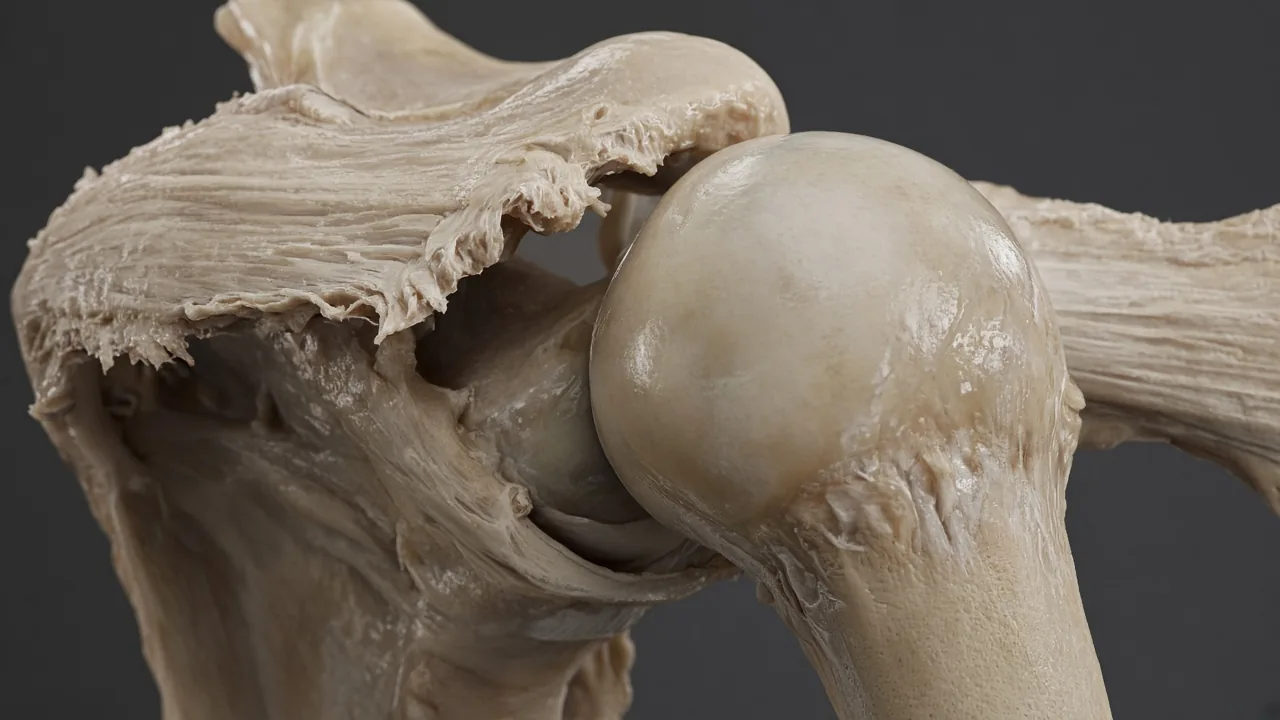
The rotator cuff consists of four muscles and their tendons that help stabilise and move the shoulder. A torn cuff may cause shoulder pain, weakness when lifting the arm, night pain, difficulty reaching overhead and pain when lying on the affected side.
When surgery is appropriate, the surgeon can use arthroscopy to repair the torn tendon back to bone using suture anchors. GAF planning for named rotator cuff repair is $2,800–$7,000 (typically 1–3 nights), not the generic arthroscopy range.
The 2025 AAOS clinical practice guideline on rotator cuff injuries addresses evidence-based surgical and postoperative considerations. Massive retracted tears with fatty replacement, or glenohumeral arthritis that already needs a reverse shoulder, may belong on shoulder replacement rather than a repair sheet.
2. Labral tear
The labrum is a ring of cartilage around the shoulder socket that contributes to stability. Labral injuries can occur after trauma, dislocation, repetitive overhead activity or sports.
Depending on the location and type of tear, arthroscopy may be used for labral repair, Bankart repair, selected SLAP-related procedures, debridement or other stabilisation work. There is no separate GAF Bankart or SLAP sheet: planning starts from the arthroscopic surgery range and anchor-based repair is quoted after case review.
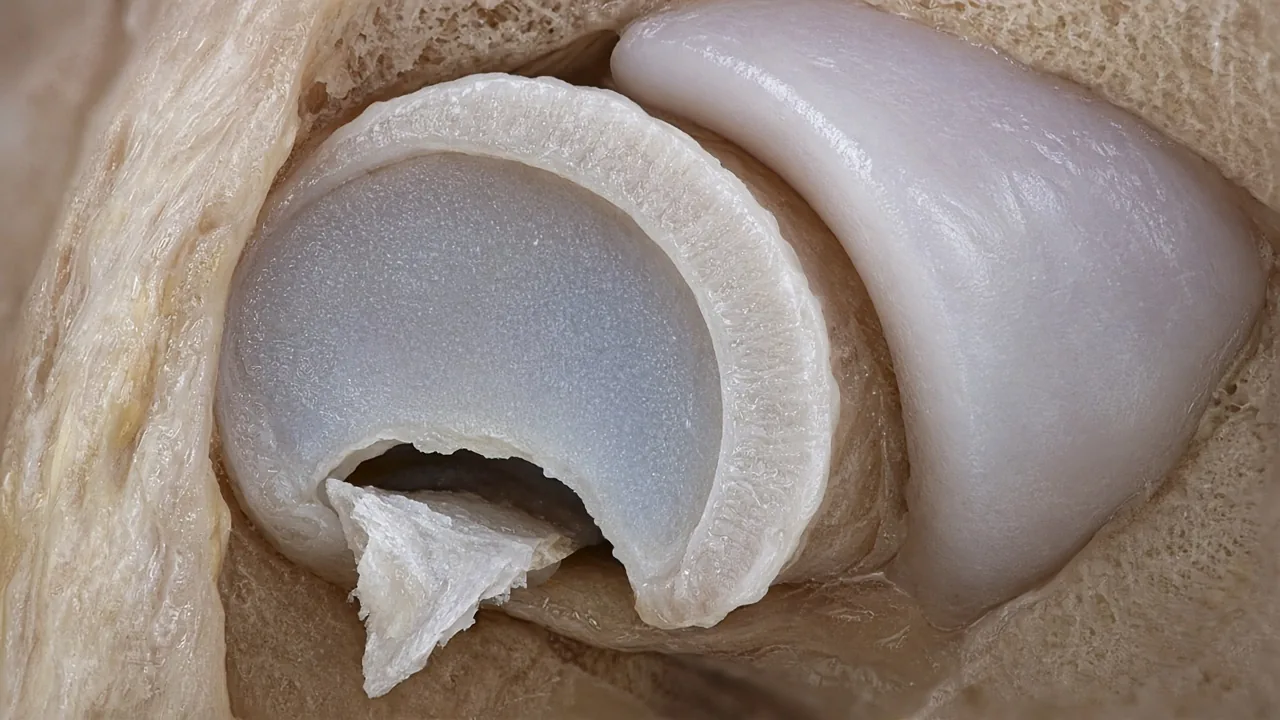
3. Shoulder instability and recurrent dislocation
The shoulder's large range of motion also makes it susceptible to instability. Repeated dislocations can damage the labrum, capsule and sometimes bone.
Arthroscopic stabilisation may be appropriate for selected patients when instability is associated with a repairable soft-tissue injury. More complex bone-loss patterns may require a Latarjet or another bone-block procedure rather than a simple arthroscopic Bankart repair. Latarjet is quoted after case review; it is not a generic arthroscopy package.
The choice should be based on examination and imaging rather than simply selecting the least invasive operation.
4. Shoulder impingement and subacromial problems
Some patients develop pain associated with structures in the subacromial space, including the bursa and rotator cuff. Arthroscopy may be used to evaluate and treat selected cases, including removal of inflamed tissue.
Not every patient with shoulder impingement requires surgery. Exercise-based rehabilitation and other non-surgical approaches may provide similar outcomes for some patients, so the indication needs to be individualised.
5. Frozen shoulder
Frozen shoulder, or adhesive capsulitis, causes pain and progressive restriction of movement. Most patients improve without surgery.
When symptoms and restricted movement remain significant despite appropriate non-surgical treatment, manipulation under anaesthesia and/or arthroscopic capsular release may be considered in selected cases. Early rehabilitation is particularly important because maintaining regained motion is part of the treatment.
6. Biceps tendon problems
The long head of the biceps tendon passes through the shoulder joint and can contribute to pain. Depending on age, activity, tendon condition and associated pathology, the surgeon may perform biceps tenodesis, biceps tenotomy, or treatment of associated labral or rotator cuff pathology. These procedures have no separate GAF sheet and may be billed with a named cuff repair or quoted after case review from the arthroscopy sheet.
7. Loose bodies and damaged tissue
Small fragments of cartilage or bone can become loose inside the joint. Arthroscopy can allow the surgeon to locate and remove them and assess other structures. Planning starts from the arthroscopic surgery sheet.
Ask whether shoulder arthroscopy is appropriate
WhatsApp +91 90443 46292 with shoulder MRI
When Is Shoulder Arthroscopy Recommended?
Shoulder arthroscopy is generally considered when the diagnosis is reasonably established and conservative treatment has not produced adequate improvement, or when the nature of the injury makes surgery appropriate from the outset.
The decision may depend on the exact diagnosis, severity, duration of symptoms, previous treatment, strength, range of motion, age, activity and sporting requirements, occupational demands, imaging, previous dislocations, degree of bone loss, overall health and patient expectations.
Surgery is not automatically required simply because an MRI shows a tear. Some shoulder abnormalities exist without significant symptoms. The consultation should connect imaging with symptoms and physical examination.
AAOS OrthoInfo on shoulder arthroscopy describes the camera-and-portal technique used to diagnose and treat selected shoulder problems.
Symptoms That May Lead to Shoulder Arthroscopy
Patients may seek evaluation because of persistent shoulder pain, night pain, weakness, difficulty lifting the arm, recurrent dislocation, a feeling that the shoulder is slipping out, clicking or catching, loss of range of motion, pain during sports or overhead work, reduced daily function, persistent symptoms after an injury, or failure of physiotherapy.
These symptoms do not automatically mean that arthroscopy is required. They indicate that a proper clinical assessment may be appropriate.
Diagnosis Before Shoulder Arthroscopy
Medical history. When symptoms started, injury, previous dislocations, sports, occupation, previous surgery or injections, physiotherapy, pain pattern, night pain, weakness and previous imaging.
Physical examination. Range of motion, rotator cuff strength, stability, tenderness, impingement and labral signs, biceps-related findings, and neck or neurological symptoms.
X-ray. Bone structure, arthritis, bone spurs, fractures, joint alignment and certain types of bone loss. Arthritis on X-ray may convert the plan toward shoulder replacement.
MRI. Rotator cuff tendons, labrum, biceps tendon, cartilage, muscles and other soft tissues.
CT. Particularly useful when detailed assessment of bone anatomy or bone loss is required.
Share shoulder MRI for a rotator cuff opinion
Shoulder Arthroscopy vs Open Shoulder Surgery
Arthroscopy uses small portals rather than a large surgical incision. Potential advantages for appropriate procedures include smaller incisions, less visible scarring, direct visualisation of the joint, ability to treat several intra-articular problems through portals, and potentially less soft-tissue disruption.
Arthroscopy is not automatically better for every shoulder condition. Substantial bone loss or complex reconstruction may require an open procedure or a combination of arthroscopic and open techniques, including Latarjet in selected instability patterns.
How Is Shoulder Arthroscopy Performed?
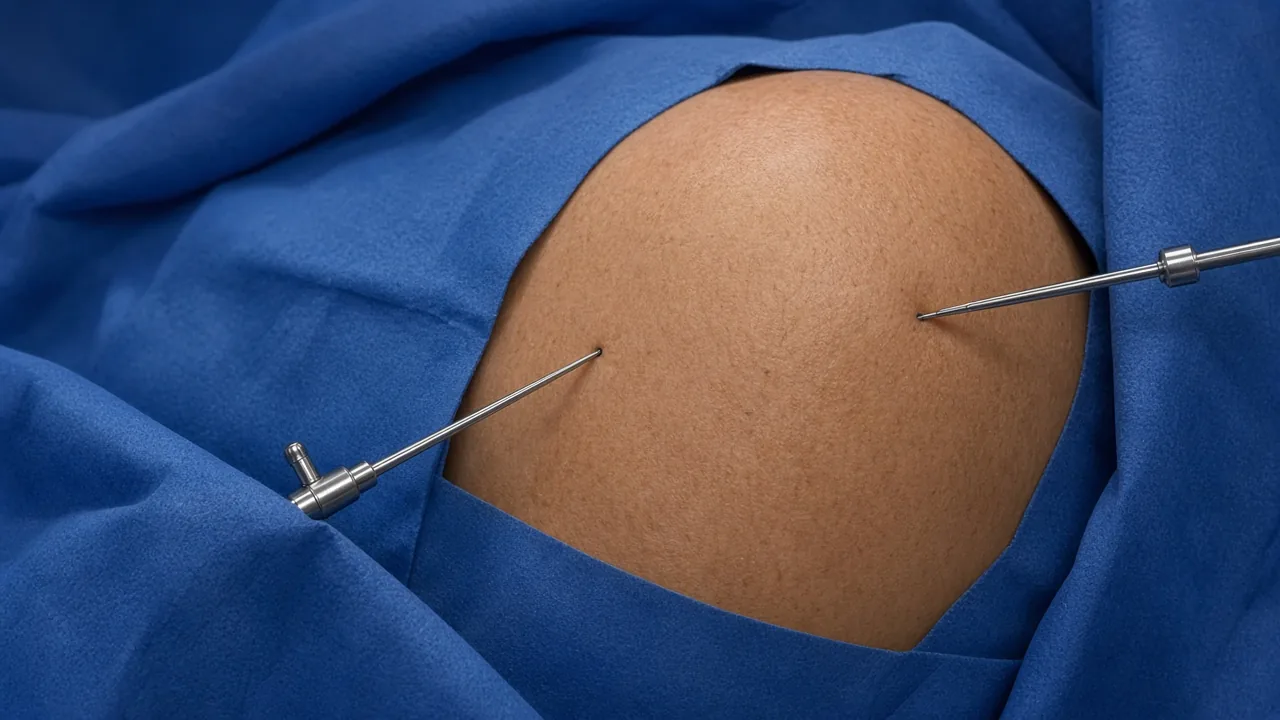
- Anaesthesia — general, regional, or a combination. A regional nerve block may also be considered for postoperative pain.
- Positioning — beach-chair or lateral, chosen to give safe access.
- Arthroscopic portal — a small incision for the camera.
- Joint examination — cartilage, labrum, rotator cuff, biceps tendon, capsule, humeral head and glenoid.
- Additional portals — specialised instruments.
- Repair or treatment — cuff repair, labral repair, stabilisation, debridement, loose-body removal, biceps work, capsular release or selected subacromial procedures.
- Closure — sutures or other wound closure and dressings.
The duration varies. Named rotator cuff repair often takes around 1–2 hours; larger or combined work takes longer.
Types of Shoulder Arthroscopic Procedures
| Procedure | Common reason | GAF planning |
|---|---|---|
| Arthroscopic surgery (diagnostic, debridement, loose body, selected subacromial work) | Named scope when the joint and mechanical goal are specified | $2,000–$5,500; outpatient or 1–2 nights |
| Rotator cuff repair | Repairable cuff tear with weakness or night pain | $2,800–$7,000; 1–3 nights |
| Arthroscopic Bankart repair | Selected anterior instability after dislocation | Quoted after case review from the arthroscopy sheet |
| SLAP repair | Selected superior labral injuries | Quoted after case review |
| Biceps tenodesis / tenotomy | Selected biceps tendon conditions | Quoted after case review; may sit with a cuff-repair letter |
| Capsular release | Selected persistent frozen shoulder | Quoted after case review |
| Distal clavicle excision | Selected AC-joint pathology | Quoted after case review |
| Remplissage | Selected Hill-Sachs-associated instability | Quoted after case review |
| Latarjet / bone-block stabilisation | Significant glenoid bone loss | Quoted after case review; not a generic arthroscopy package |
| Shoulder replacement | Advanced arthritis or selected irreparable cuff disease | $6,000–$13,000; 3–6 nights |
Not all procedures are appropriate for every patient. Some operations may be performed together during the same sitting and should be listed on the written estimate.
Recovery After Shoulder Arthroscopy
Recovery depends heavily on what was done during surgery. Simple debridement and rotator cuff repair do not share a timeline.
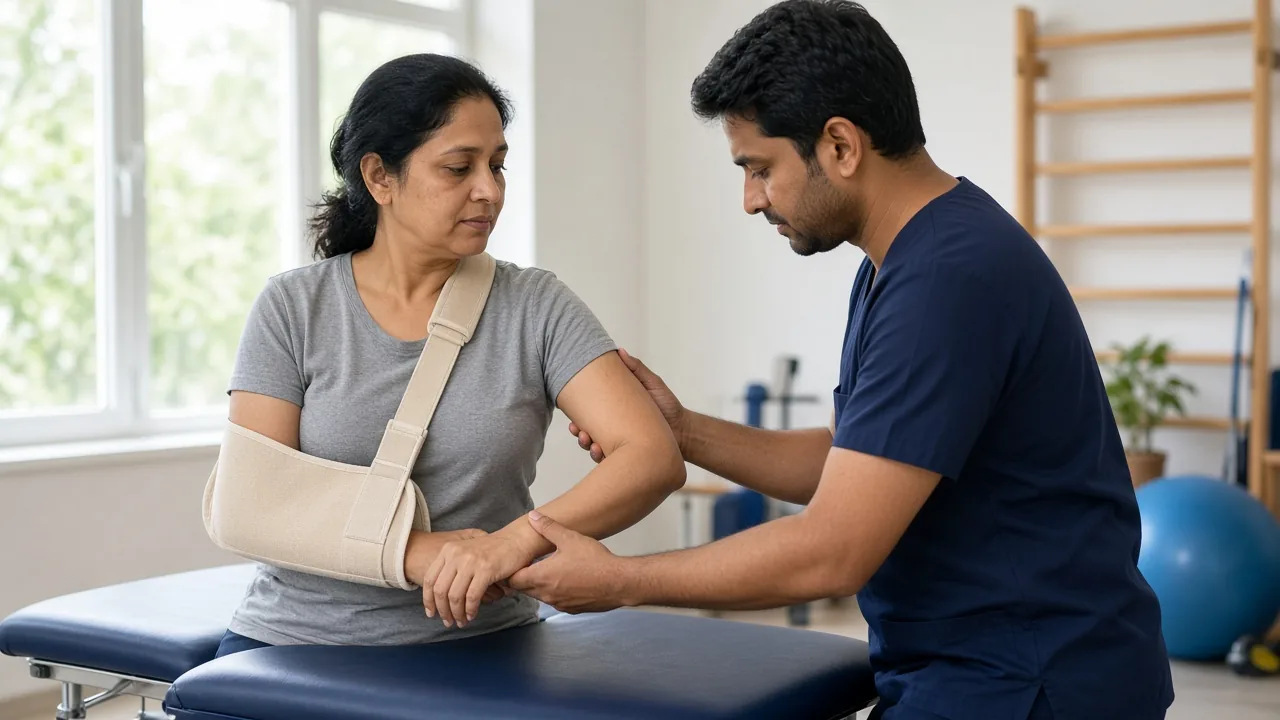
After surgery the patient may receive pain medication, a sling or immobiliser, wound-care instructions, lifting restrictions, physiotherapy instructions and follow-up appointments.
First few days. Pain, swelling and restricted movement are common. The sling protects a tendon or labral repair.
First few weeks. Physiotherapy usually begins. A tendon or labral repair may have strict restrictions to protect healing tissue.
Four to eight weeks. Some patients regain more movement, but strengthening may still be restricted.
Two to three months. Functional improvement often becomes more noticeable. Do not assume the shoulder is fully healed simply because pain has decreased.
Three to six months. Strength and function may continue to improve. Some cuff and instability procedures require this period before unrestricted sports or heavy work.
Six months and beyond. Athletes and complex tendon or stabilisation procedures may need additional months. Biological healing is more important than a calendar date.
Physiotherapy After Shoulder Arthroscopy
Physiotherapy is often one of the most important components of recovery: pain and swelling control, passive then assisted then active movement, rotator cuff strengthening, scapular stabilisation, progressive resistance and sport-specific work.
The sequence matters. After a rotator cuff repair, aggressive strengthening too early may stress the healing tendon. After capsular release for frozen shoulder, maintaining movement is particularly important. Follow the protocol from the treating surgeon and physiotherapist rather than copying another patient's programme.
Plan an international shoulder arthroscopy journey
WhatsApp +91 90443 46292 about recovery and sling use
Benefits of Shoulder Arthroscopy
When correctly indicated, potential advantages include smaller incisions, direct visualisation, treatment during the same procedure, potentially less soft-tissue disruption for appropriate operations, smaller scars and a short hospital stay. Many arthroscopic procedures are day-care or short-stay; more complex repairs may need overnight observation.
These advantages should not be interpreted as a guarantee, or as meaning that arthroscopy is automatically better than physiotherapy.
Risks and Complications of Shoulder Arthroscopy
Shoulder arthroscopy is still surgery. Possible complications include infection, bleeding, blood clots, nerve irritation or injury, stiffness, persistent pain, failure of the repair, recurrent instability, cartilage injury, problems related to implants or anchors, anaesthesia-related complications and the need for further surgery.
The risk depends on the procedure. Complex bone-block stabilisation has a different profile from arthroscopic Bankart repair.
Emergency symptoms are not a WhatsApp question. Increasing pain, fever, increasing redness, significant wound discharge, severe swelling, new numbness or weakness, persistent loss of circulation to the hand, shortness of breath or chest pain should be assessed in a local emergency department.
Is Shoulder Arthroscopy Safe?
Shoulder arthroscopy is an established orthopaedic technique. "Minimally invasive" does not mean "risk-free." Safety depends on correct diagnosis, patient selection, surgeon experience matching the specific shoulder problem, hospital standards, anaesthesia, infection-control, surgical technique and postoperative rehabilitation.
Shoulder Arthroscopy Cost in India
The cost varies according to the exact procedure. GAF Healthcare planning ranges from partner hospital cost sheets are the figures used on this site — not rupee brochure quotes.
| Treatment | GAF planning range in India | Typical stay |
|---|---|---|
| Arthroscopic surgery | $2,000–$5,500 | Outpatient or 1–2 nights |
| Rotator cuff repair | $2,800–$7,000 | 1–3 nights |
| Bankart / SLAP / biceps procedures | Quoted after case review | Procedure-dependent |
| Combined cuff + biceps or acromial work | Quoted after case review from the cuff sheet | Procedure-dependent |
| Latarjet / bone-block stabilisation | Quoted after case review | Procedure-dependent |
| Shoulder replacement (if arthritis or irreparable cuff is the honest indication) | $6,000–$13,000 | 3–6 nights |
| Additional rehabilitation | Depends on duration and facility | — |
| International travel, visa, hotel | Not normally included in the surgical sheet | — |
These figures are indicative planning ranges, not fixed package prices. City sheets for rotator cuff repair include Delhi NCR, Mumbai, Bengaluru, Chennai and Hyderabad. Matching arthroscopy city sheets include Delhi NCR, Mumbai and Bengaluru, plus Chennai and Hyderabad.
GAF partner-hospital comparison lists a typical US range of $10,000–$30,000 for arthroscopic surgery and $15,000–$40,000 for rotator cuff repair, against the India planning ranges above. International patients should not compare prices alone.
Request a shoulder arthroscopy cost estimate
WhatsApp +91 90443 46292 for an itemised shoulder estimate
What Determines the Cost of Shoulder Arthroscopy in India?
- Type of surgery — diagnostic arthroscopy, cuff repair and Latarjet sit on different quotations.
- Implants — suture anchors, number and material.
- Hospital and city — Delhi NCR, Mumbai, Bengaluru, Chennai and Hyderabad.
- Stay — day-care versus overnight observation after a nerve block.
- Additional work — biceps tenodesis or acromioplasty should be listed if planned.
- Rehabilitation — sling and physiotherapy dominate the trip after a short stay.
- Arthritis on X-ray — may convert the plan toward shoulder replacement.
Compare partner orthopaedic hospitals in Chennai and Hyderabad as well as Delhi NCR, Mumbai and Bengaluru.
Always request a written estimate specifying how many anchors are assumed and whether biceps or acromial work is in the same letter.
Why Do International Patients Choose India for Shoulder Arthroscopy?
India has a large tertiary-care network with orthopaedic, sports-medicine and rehabilitation services. For international patients the journey can include remote record review, MRI assessment, consultation, surgical planning, hospital admission, the procedure, physiotherapy, follow-up, travel coordination and medical-visa assistance where applicable.
The most important consideration remains whether the right procedure is being performed by a surgeon experienced in that specific shoulder condition — not the cheapest city.
How to Choose a Shoulder Arthroscopy Surgeon in India
When comparing orthopaedic surgeons, look beyond general orthopaedic volume. Ask:
- What is the exact diagnosis, and why is surgery recommended?
- Could this improve without surgery?
- Which arthroscopic procedure is proposed — cuff repair, Bankart, biceps work, capsular release?
- Will implants or suture anchors be required, and how many are assumed?
- Do you regularly perform this specific shoulder operation?
- How long will I need a sling, and when can physiotherapy begin?
- When can I drive, work and return to sport?
- What follow-up will be available after I return home?
Find a shoulder arthroscopy surgeon in India
WhatsApp +91 90443 46292 to match a shoulder surgeon
Where Patients Compare Shoulder Arthroscopy in India
Catalog filters for rotator cuff repair and arthroscopic surgery start with the five published GEO cities:
- Delhi NCR — a large concentration of tertiary hospitals and shoulder specialists. Filter Delhi NCR hospitals.
- Mumbai — multiple joint and sports-medicine centres.
- Bengaluru — tertiary hospitals with arthroscopy programmes.
- Chennai — established international-patient infrastructure.
- Hyderabad — advanced orthopaedic and sports-medicine centres.
Pune, Kolkata, Ahmedabad, Jaipur and Kochi also have private orthopaedic centres. Those cities are not published as catalog GEO filters on this site, so compare the surgeon's shoulder volume, hospital, implant quality and rehabilitation plan rather than treating the cheapest city as the deciding factor.
How to Choose a Hospital for Shoulder Arthroscopy in India
International patients should assess a dedicated orthopaedic department, a surgeon who regularly performs the specific shoulder operation, MRI and CT, postoperative physiotherapy, infection-control systems, emergency support and a written follow-up plan before returning home.
Shoulder Arthroscopy for International Patients
- Send MRI report and images, X-rays, CT if performed, previous consultation and physiotherapy notes, medication list, previous surgery records and a description of symptoms.
- Receive a preliminary specialist opinion. A remote opinion should not replace an in-person examination.
- Plan the visit: hospital appointment, investigations, treatment estimate, admission, accommodation and local transport.
- In-person assessment — the plan may change if arthritis, retraction or bone loss is more advanced than expected.
- Surgery if arthroscopy or named cuff repair is recommended and you agree.
- Rehabilitation and sling protocol established before discharge.
- Follow-up and a written summary covering diagnosis, procedure, operative findings, sling rules, physiotherapy, follow-up schedule and warning signs.
Hospital stay may be short. International patients usually need additional time for consultation, sling transfers, physiotherapy instruction and travel clearance. The treating surgeon should decide fitness to fly. Overhead bins and long immobilisation on a flight should be planned with the team.
Returning to Work, Driving and Sport
Desk work. Some patients return relatively early if pain is controlled and the arm can remain protected in a sling.
Light physical work. Longer if the job involves reaching, lifting or repetitive shoulder movement.
Heavy manual or overhead work. Often several months after a tendon repair.
Driving. Wait until you can safely control the vehicle and are no longer significantly restricted by pain, immobilisation or medication. A sling usually makes driving unsafe.
Sport. Return should be based on range of motion, strength, stability, healing, sport-specific testing and surgeon clearance — not a calendar date.
Shoulder Arthroscopy vs Physiotherapy
This is not an either-or question for every patient. Many shoulder conditions should initially be managed with physiotherapy, activity modification, pain medication when appropriate, injections in selected cases, and strengthening.
Surgery becomes more relevant when the pathology, severity, failure of conservative treatment or functional requirements justify it. For significant traumatic instability or a repairable traumatic tendon tear, the surgical discussion may differ from nonspecific shoulder pain.
Can Shoulder Arthroscopy Fail?
No orthopaedic procedure guarantees a particular result. A repair can fail to heal, symptoms can persist, stiffness can develop, or instability can recur. Long-term studies of arthroscopic rotator cuff repair show that patients can have good function while structural retears still occur in some groups. Success should not be measured only by whether a later MRI looks normal.
Shoulder Arthroscopy for Older Patients and Athletes
Age alone does not determine suitability. Overall health, functional requirements, tear characteristics, muscle quality, arthritis, chronicity, bone quality and expected benefit matter. In some patients with advanced arthritis or irreparable cuff disease, shoulder replacement may be more appropriate.
Athletes may develop problems through overhead sport, contact, throwing, weight training, falls or dislocations. A professional overhead athlete and a recreational gym user have different return-to-sport requirements.
Frequently Asked Questions About Shoulder Arthroscopy in India
The FAQs below summarise the questions international patients ask most often. The same answers are stored as structured FAQ data for this page.
Is shoulder arthroscopy major surgery? It is minimally invasive, but still surgery. Complexity ranges from relatively simple procedures to major tendon or instability repairs requiring months of rehabilitation.
How much does shoulder arthroscopy cost in India? GAF planning is approximately $2,000–$5,500 for arthroscopic surgery and $2,800–$7,000 for rotator cuff repair. Bankart, SLAP, biceps and Latarjet work is quoted after case review.
Is it cheaper in India than in Western countries? GAF partner-hospital comparison lists typical US ranges of $10,000–$30,000 for arthroscopic surgery and $15,000–$40,000 for rotator cuff repair against the India planning ranges above. Compare complete packages.
How long does surgery take? Depends on the procedure. Named cuff repair often takes around 1–2 hours; combined work takes longer.
How long do I stay in hospital? GAF planning is outpatient or 1–2 nights for arthroscopic surgery and 1–3 nights for rotator cuff repair.
Will I need a sling? Usually yes after tendon or labral repair, often for several weeks.
When can I drive? Only when you can safely control the vehicle, are off impairing medication, and the surgeon's restrictions allow it.
Can a rotator cuff tear be repaired through arthroscopy? Yes. Many repairable tears that require surgery are repaired arthroscopically on the named rotator-cuff-repair sheet.
Can a dislocated shoulder be treated with arthroscopy? Selected patients can undergo arthroscopic Bankart repair. Significant bone loss may require a different procedure, quoted after case review.
Is physiotherapy required? In many cases yes. After cuff repair, strengthening is delayed by design.
Can I fly after shoulder arthroscopy? Timing depends on the operation, sling transfers, wound status and clot-prevention advice. Sudden chest pain, breathlessness or a swollen painful calf is an emergency-department problem, not a WhatsApp question.
How long should I stay in India? Hospital stay may be short. Combined evaluation, surgery, early physiotherapy and travel clearance usually take longer. The treating hospital should set the timeline.
Key Takeaways
- Shoulder arthroscopy is a surgical approach, not a single operation.
- Named rotator cuff repair sits on its own GAF sheet of $2,800–$7,000; generic arthroscopic surgery is $2,000–$5,500.
- Bankart, SLAP, biceps and Latarjet procedures are quoted after case review.
- An MRI tear does not automatically mean surgery.
- Advanced arthritis or an irreparable cuff may belong on shoulder replacement.
- Recovery is procedure-specific. A sling and delayed strengthening after cuff repair are part of the treatment.
- International patients should obtain an experienced shoulder opinion, an itemised estimate naming anchors, and a rehabilitation plan before travelling.
How GAF Healthcare Can Help International Patients
GAF Healthcare coordinates international patients who need a shoulder arthroscopy, rotator cuff repair or instability plan in India. Share MRI images and reports, night pain or dislocation history, previous physiotherapy and activity goals. A coordinator can introduce an orthopaedic surgeon in Delhi NCR or Mumbai, then help collect an itemised quotation covering the exact procedure, anchors, stay and physiotherapy.
The medical decision remains with the treating team. Our role is to make accessing appropriate care in India more organised.
Request a shoulder arthroscopy treatment plan
Share imaging for a surgery review
WhatsApp +91 90443 46292 with shoulder MRI and night pain
Message a coordinator on WhatsApp
Request a cost review on WhatsApp
Medical Disclaimer
This page is intended for educational and medical-tourism information purposes only. Shoulder pain can have several causes, and an MRI abnormality does not necessarily mean that surgery is required. Treatment depends on diagnosis, symptoms, examination, imaging, age, activity level, general health and previous treatment. Planning ranges are not hospital quotations. Emergency symptoms belong in a local emergency department.
Sources used for this guide
- AAOS OrthoInfo — Shoulder Arthroscopy — camera-and-portal technique, indications and recovery.
- AAOS — Management of Rotator Cuff Injuries, 2025 Clinical Practice Guideline — evidence-based surgical and postoperative considerations.
- AAOS OrthoInfo — Rotator Cuff Tears — symptoms, non-surgical care and repair.
- Johns Hopkins Medicine — Arthroscopy — outpatient arthroscopy and procedure-dependent recovery.
- Johns Hopkins Medicine — Shoulder Surgery — surgical approaches to selected shoulder conditions.
- PubMed — Arthroscopic rotator cuff repair: 10-year follow-up — long-term function and structural healing.
- PubMed — Complications following arthroscopic Bankart repair — complication profile of soft-tissue stabilisation.
- NHS — Arthroscopy — preparation, procedure, complications and recovery.
- CDC — Surgical Site Infection Basics — surgical-site infections and infection prevention.
- GAF Healthcare rotator cuff repair and arthroscopic surgery cost sheets — indicative USD planning ranges; costs vary by hospital, city and the exact procedure performed.
Last reviewed against the cited sources: September 2026.
Treatment Process
- 1
Share medical records
The patient provides shoulder MRI images and reports, X-rays, night-pain or dislocation history, and previous physiotherapy notes.
- 2
Shoulder-sports review
A surgeon reviews whether the target is a repairable cuff tear, labral injury, instability with bone loss, frozen shoulder — or something that belongs on replacement.
- 3
Procedure selection
The team names the exact procedure: diagnostic arthroscopy, rotator cuff repair, Bankart repair, biceps work or arthroplasty if arthritis is already honest.
- 4
Medical optimisation
Non-operative treatment, medications, anaesthesia clearance and prehabilitation are completed before an elective shoulder scope.
- 5
Itemized estimate
The hospital quotes the named procedure, anchors, stay and physiotherapy from GAF cost sheets, including biceps or acromial work if planned.
- 6
Travel to India
The patient allows time for in-person examination, surgery, sling-transfer instruction and travel clearance.
- 7
Surgery
Shoulder arthroscopy is performed through small portals. Rotator cuff or labral repair is done when indicated.
- 8
Sling and early care
A sling protects tendon or labral repairs. Premature lifting can undo stitches even if pain has eased.
- 9
Rehabilitation
Physiotherapy is phased. Cuff repair and capsular release do not share the same strengthening timeline.
- 10
Return home
The patient leaves with a written summary covering operative findings, sling rules, physiotherapy and warning signs.