
Treatment Overview
Limb lengthening surgery in India is an advanced orthopaedic procedure used to gradually increase the length of a bone. It may be performed to correct a significant difference in leg length, treat certain congenital or developmental conditions, reconstruct a shortened limb after trauma or infection, correct limb deformities, or, in selected adults, increase height for cosmetic reasons.
Unlike a conventional orthopaedic operation, limb lengthening is not completed simply by cutting and immediately extending the bone. The bone is surgically divided and then gradually distracted so that new bone forms in the gap. This biological process is known as distraction osteogenesis.
India has specialised limb-reconstruction services that use external fixation systems and, in selected patients, internal lengthening nails. The appropriate technique depends on age, bone anatomy, amount of shortening, bone quality, soft-tissue condition, associated deformity and the reason for treatment.
GAF Healthcare publishes a paediatric limb lengthening surgery planning range of $12,000–$28,000 (typically 7–14 nights, then outpatient lengthening in-city). Neighbouring limb reconstruction surgery is $10,000–$25,000 (7–14 nights). Combined lengthening with deformity work may sit beside pediatric deformity correction at $4,500–$13,000 (4–10 nights). Adult post-traumatic shortening without a named lengthening implant is planned from non-union repair at $5,000–$14,000 (4–8 nights) or fracture fixation at $2,500–$8,000 (2–6 nights) until records show which product is honest. Adult cosmetic stature lengthening — bilateral femur or tibia nails, hotel months during distraction, and later nail removal — has no separate adult GAF sheet and is quoted after case review. US comparison for the paediatric lengthening sheet is $50,000–$150,000. These are planning ranges from partner hospital cost sheets, not hospital quotations.
International patients comparing paediatric orthopaedic surgeons commonly start with Delhi NCR, Mumbai, Bengaluru, Chennai and Hyderabad. Adult reconstruction lists tagged to lengthening sit on Delhi NCR, Mumbai, Bengaluru, Chennai and Hyderabad. Partner paediatric orthopaedic hospitals in Delhi NCR, Mumbai and Bengaluru, and orthopaedic hospitals in Chennai and Hyderabad, are a typical first filter. City cost sheets include Delhi NCR, Mumbai, Bengaluru, Chennai and Hyderabad. Pune, Kolkata and Ahmedabad may have limb-reconstruction capacity, but they are not live GAF catalog cities on this site.
End-stage joint arthritis belongs on Knee Replacement Surgery in India or Hip Replacement Surgery in India, not on a lengthening nail. Sports-knee injuries sit on ACL Surgery in India and Knee Arthroscopy Surgery in India. Hip-preservation keyhole work sits on Hip Arthroscopy Surgery in India. Shoulder keyhole work sits on Shoulder Arthroscopy Surgery in India. Named tendon laceration, Achilles or cuff repair sits on Tendon Repair Surgery in India.
Important: Limb lengthening is a long reconstructive programme, not a single operation. The decision should be based on a detailed assessment by an orthopaedic surgeon experienced in limb reconstruction. This page is educational and does not replace individual medical advice.
What Is Limb Lengthening Surgery?
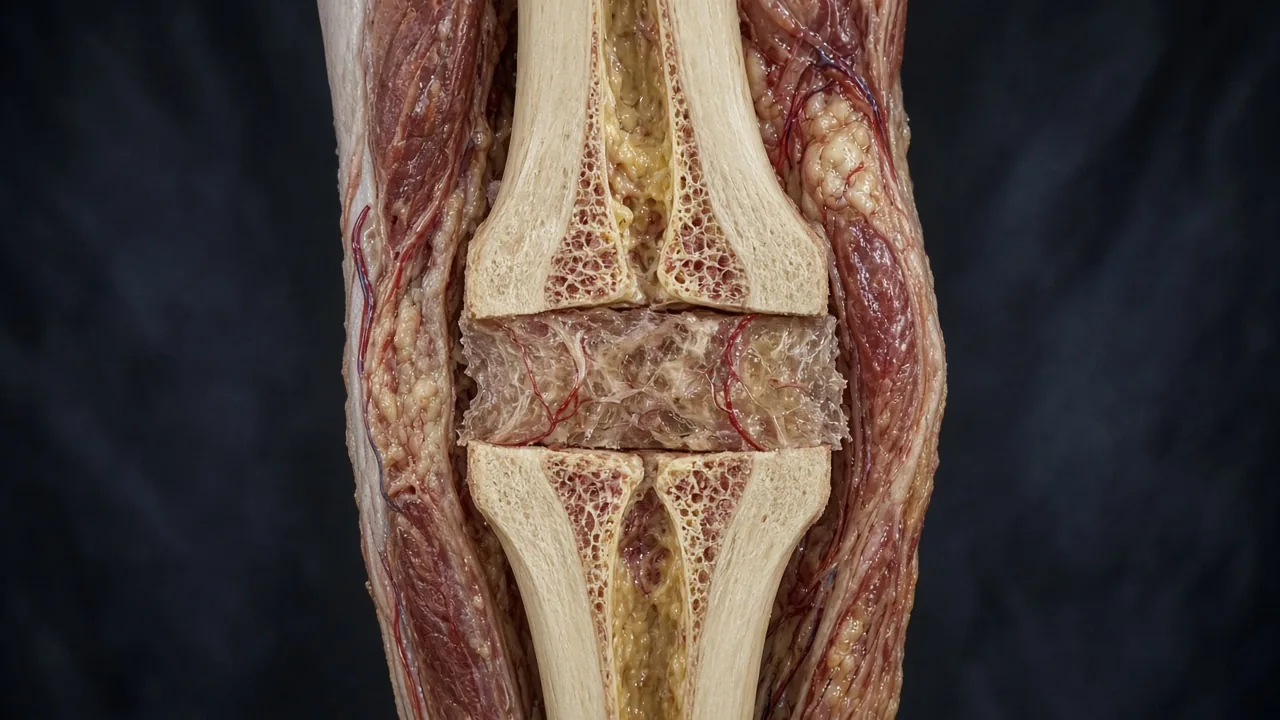
Limb lengthening surgery uses the body's ability to create new bone after a controlled surgical separation of the bone.
The process begins with an osteotomy, in which the surgeon carefully cuts the bone while preserving as much of its blood supply and surrounding soft tissue as possible. A fixation device is then used to maintain alignment.
After an initial healing period, the two bone segments are gradually moved apart. This creates a controlled gap in which new bone, called regenerate bone, develops.
The gradual process is called distraction osteogenesis. It is fundamentally different from simply stretching or extending a bone during surgery.
The rate and amount of distraction are individualised. The surgeon monitors X-rays and the patient's clinical progress and may adjust treatment according to the quality of new bone formation and the condition of the surrounding muscles, tendons, nerves and joints.
Ask whether limb lengthening is appropriate
Why Is Limb Lengthening Surgery Performed?
Limb lengthening is not one single operation for one single condition. The underlying reason for treatment determines the surgical plan.
Leg-length discrepancy
A significant difference between the lengths of the two legs can affect walking mechanics and body alignment.
Depending on the cause and magnitude of the discrepancy, treatment may involve observation, shoe modification, growth modulation in children, shortening of the longer limb, or lengthening of the shorter limb.
Limb lengthening can be considered when increasing the length of the shorter limb is appropriate. The choice depends on age, skeletal maturity, discrepancy, deformity and overall limb function.
Congenital limb shortening
Some people are born with one limb shorter than the other or with abnormalities affecting bone development.
Limb reconstruction may involve staged lengthening, deformity correction, or a combination of procedures. The treatment plan is usually individualised over several stages rather than treated as a single operation. When the honest product is rebuilding a deficient segment rather than isolated distraction, the neighbouring sheet is limb reconstruction surgery.
Post-traumatic limb shortening
Fractures, bone loss, infection or previous orthopaedic surgery can leave a limb shorter than the opposite side.
In appropriately selected patients, gradual lengthening can restore part of the lost length while also addressing associated deformity. Modern internal lengthening nails have been used for selected post-traumatic cases, although anatomy, bone quality, infection status and deformity can limit their use. Adult trauma lists that are not yet a named lengthening nail may still sit on non-union repair or fracture fixation until films decide.
Skeletal dysplasia
Some skeletal dysplasias are associated with short stature and disproportion between different parts of the body.
Lengthening may form part of a broader reconstructive strategy in selected patients. The timing and extent of treatment require specialised paediatric or adult limb-reconstruction expertise.
Bone reconstruction
Distraction osteogenesis may also be used in complex reconstructive situations involving bone defects or shortening.
These cases are generally more complicated than elective stature lengthening because the surgeon may simultaneously need to manage deformity, previous infection, soft-tissue problems or nonunion.
Limb deformity correction
Shortening may occur together with angular or rotational deformity.
In selected patients, the surgeon can combine lengthening with correction of alignment. The objective is not simply to make the bone longer but to restore useful mechanical alignment and function. Combined paediatric osteotomy work may sit on pediatric deformity correction.
Cosmetic stature lengthening
Cosmetic stature lengthening is performed to increase height in carefully selected adults.
Published studies have reported meaningful height gains and high patient satisfaction in selected groups, but the evidence is largely based on case series and retrospective studies. Complications involving joints, muscles, nerves, bone healing, infection and fixation devices remain important considerations.
Cosmetic height lengthening should therefore be approached as major orthopaedic surgery rather than as a simple cosmetic procedure. GAF does not publish a single adult stature-lengthening tariff.
Limb Lengthening for Medical Reasons vs Cosmetic Height Increase
These two applications should not be confused.
| Medical limb lengthening | Cosmetic stature lengthening |
|---|---|
| Treats a structural or functional orthopaedic problem | Intended primarily to increase height |
| May correct leg-length discrepancy | Usually performed on both lower limbs |
| Can address post-traumatic shortening | Generally performed in skeletally mature adults |
| May be combined with deformity correction | Requires careful assessment of expectations |
| Treatment benefits are primarily functional or reconstructive | Benefits are primarily related to stature and body image |
| Medical indication guides the procedure | Patient selection and informed consent are particularly important |
A 2020 systematic review of cosmetic stature lengthening involving 795 patients reported a mean final lengthening of approximately 6.7 cm across the included studies, although techniques and patient populations varied substantially. The authors also emphasised that the available evidence was heterogeneous and that clear indications and guidelines remain important.
A more recent systematic review covering studies through July 2024 reported average lengthening of approximately 67 mm across included aesthetic-limb-lengthening studies, while also documenting complications involving joints, tendons, infection, bone healing, hardware and neurovascular structures.
These figures should not be interpreted as a guaranteed result for an individual patient.
Share full-length X-rays for a lengthening opinion
How Does Limb Lengthening Surgery Work?
The procedure generally follows several stages.
Stage 1: Detailed assessment
The surgeon evaluates current limb length, amount of discrepancy, femoral and tibial proportions, bone alignment, rotation, joint movement, muscle and tendon flexibility, bone quality, previous surgeries, infection history, nerve and blood-vessel status, and general medical condition.
Full-length standing X-rays and other imaging studies may be required. For cosmetic stature lengthening, the surgeon also needs to assess the proportions of the entire body rather than considering height alone.
Stage 2: Osteotomy
The surgeon creates a controlled surgical break in the selected bone.
The goal is to preserve biological conditions that allow new bone to develop. The bone is then stabilised using an appropriate fixation system.
Stage 3: Latency period
The patient generally has a short period after surgery before active distraction begins.
This allows early healing and formation of the biological environment required for gradual bone regeneration. The exact timing varies according to the surgical technique and individual patient.
Stage 4: Distraction phase
The two bone segments are gradually separated.
With appropriate distraction, new bone forms between the segments. This gradual process allows the bone and surrounding soft tissues to adapt over time. Continuous or gradual lengthening creates substantially less acute soft-tissue stress than immediately lengthening the bone during surgery.
Stage 5: Consolidation
Once the desired length has been achieved, the bone must mature and become strong enough to withstand normal loads.
This phase is called consolidation. The fixation device may remain in place during this period depending on the technique used.
Stage 6: Rehabilitation
Physiotherapy is a central component of limb lengthening.
Treatment may focus on maintaining joint range of motion, preserving muscle flexibility, maintaining strength, preventing contractures, improving gait, gradually increasing weight-bearing and returning to daily activities.
The rehabilitation programme should be designed around the patient's specific bone, fixation method and progress.
Types of Limb Lengthening Techniques
Two broad approaches are commonly used.
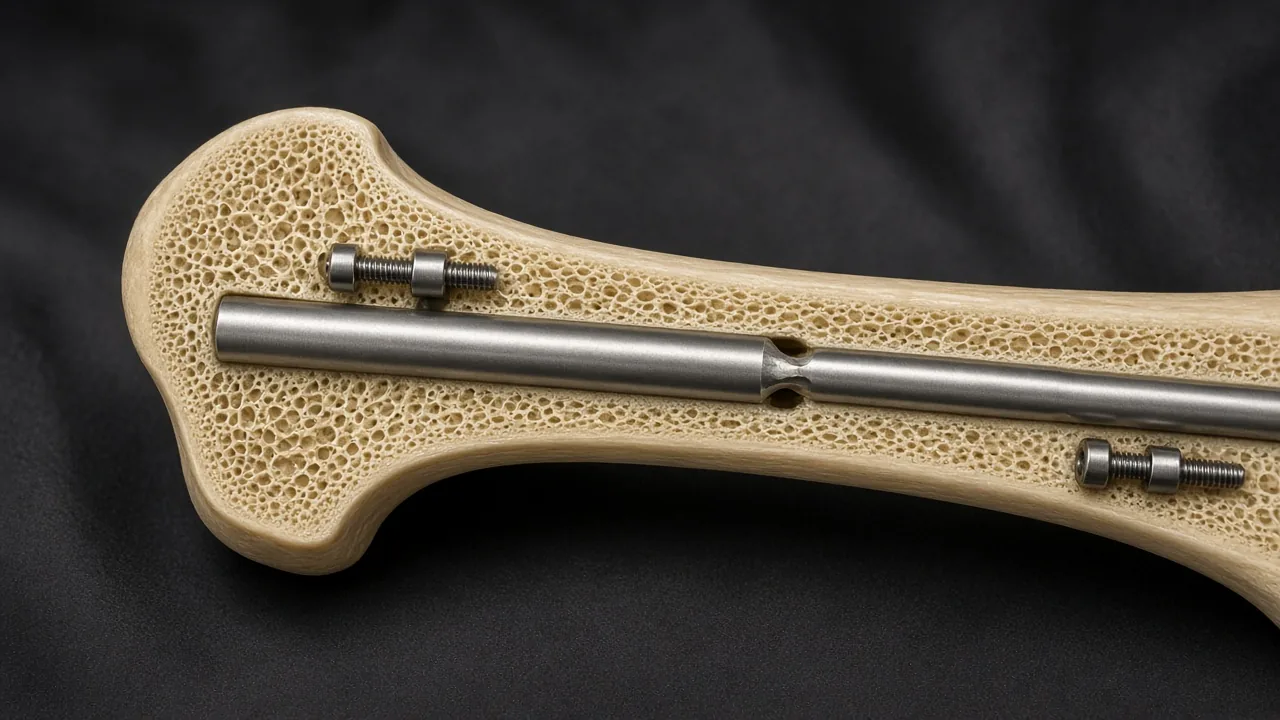
Internal limb lengthening nail
An internal lengthening nail is placed inside the bone.
Modern motorised nails can gradually extend the bone from within. Some systems use a remote-control mechanism to activate the telescopic nail.
One advantage is that there is no large external frame surrounding the limb.
Hospital for Special Surgery describes internal lengthening nails and external fixation as the two principal ways of gradually lengthening bone after osteotomy.
Internal nails, however, are not suitable for every patient. The diameter and length of the bone, skeletal maturity, anatomy, deformity, bone quality and other clinical factors can influence whether an intramedullary nail is appropriate.
External fixator limb lengthening
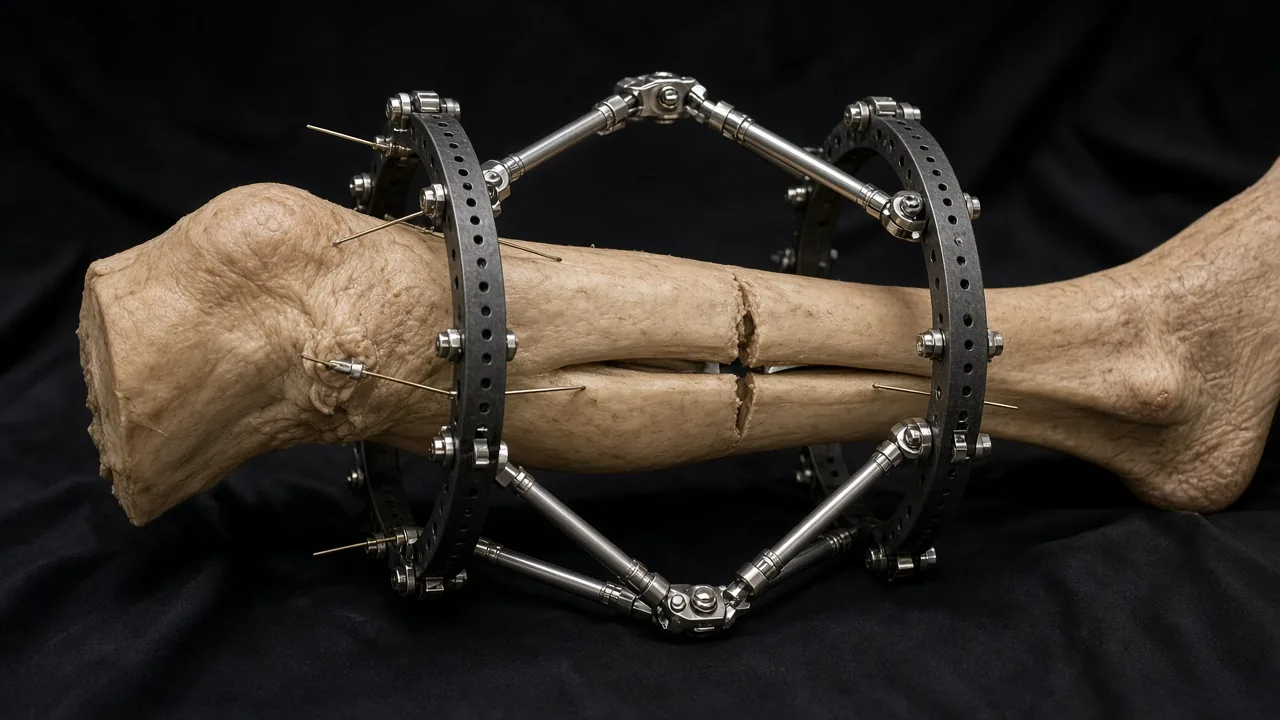
An external fixator is a frame outside the limb.
Pins, wires or screws connect the frame to the bone. The frame can be adjusted gradually to separate the bone segments and, when necessary, correct alignment.
External fixation remains particularly useful in complex deformity correction, certain paediatric cases, small bones, significant deformities, and situations where an internal nail is not appropriate.
The main disadvantage is the presence of the external frame and the need for meticulous pin-site care. Pin-site infection is one of the most commonly reported problems associated with external fixation.
Internal nail vs external fixator
| Feature | Internal lengthening nail | External fixator |
|---|---|---|
| Location | Inside the bone | Outside the limb |
| External frame | No | Yes |
| Pin-site infection | Avoids traditional external pin sites | Important consideration |
| Cosmetic appearance during treatment | Generally less noticeable | External frame is visible |
| Complex deformity correction | Selected cases | Very useful |
| Paediatric open growth plates | Often unsuitable | May be used when appropriate |
| Bone anatomy requirements | Important | More flexible in some complex cases |
| Patient management | Requires regular monitoring | Requires frame and pin-site management |
| Suitability | Selected patients | Broad range of reconstruction cases |
There is no universally best technique for every patient. The surgeon should select the method according to the clinical objective rather than choosing a device simply because it is newer.
Request a femur versus tibia lengthening plan
How Much Height Can Be Gained With Limb Lengthening?
There is no single safe or appropriate amount of lengthening for every patient.
The achievable amount depends on femur or tibia, original bone length, soft-tissue flexibility, muscle and tendon tolerance, joint movement, bone quality, patient age, previous surgery, overall body proportions, fixation method and rate of bone formation.
Research in cosmetic stature lengthening has reported average gains around 6–7 cm in several systematic reviews, but individual results vary considerably.
More length is not automatically better. As the bone becomes longer, muscles, tendons, nerves, blood vessels, skin and joints must accommodate the change. Excessive lengthening can increase the risk of soft-tissue problems and functional limitations.
A surgeon should therefore establish a realistic target rather than promising a particular number of centimetres.
Femur vs Tibia Lengthening
Both the femur and tibia can be lengthened.
Femur lengthening
The femur is the thigh bone. Femoral lengthening may be performed for limb-length discrepancy, reconstruction, deformity correction or cosmetic stature lengthening. Internal nails are commonly considered in appropriately selected adult patients.
Tibia lengthening
The tibia is the main weight-bearing bone of the lower leg. Tibial lengthening can be technically demanding because the ankle and surrounding soft tissues must accommodate the gradual increase in length. Ankle stiffness and equinus deformity are recognised concerns during lower-limb lengthening.
Femur and tibia lengthening
In selected cosmetic patients, femoral and tibial lengthening may be performed as separate stages. Doing both segments is substantially more demanding than treating a single bone. The decision depends on the patient's anatomy, treatment goals, the surgeon's assessment, rehabilitation capacity and risk tolerance.
Who Is a Candidate for Limb Lengthening Surgery?
Candidate selection is highly individualised.
For medically indicated lengthening, appropriate candidates may include patients with significant leg-length discrepancy, congenital limb shortening, post-traumatic shortening, selected skeletal dysplasias, bone defects, certain deformities associated with shortening, and selected reconstructive problems.
For cosmetic stature lengthening, the assessment is more selective. The patient should generally have reached skeletal maturity, have appropriate bone anatomy, understand the prolonged rehabilitation process, and have realistic expectations. The surgeon should also determine whether the desired outcome can be achieved without creating an unacceptable risk to function.
Who May Not Be Suitable for Limb Lengthening?
Limb lengthening may be inappropriate or require modification in patients with certain conditions.
Potential concerns include active bone or soft-tissue infection, poor bone quality, significant uncontrolled medical disease, severe vascular problems, inadequate soft-tissue condition, certain nerve disorders, open growth plates when an adult-type internal nail is being considered, inability to participate in prolonged rehabilitation, unrealistic expectations, and anatomical limitations that make the proposed technique unsuitable.
The exact contraindications depend on the indication and the device being considered. For example, substantial deformity, narrow intramedullary canals and active infection can limit the use of internal lengthening nails.
WhatsApp +91 90443 46292 with standing long-leg films
Evaluation Before Limb Lengthening Surgery
A comprehensive preoperative evaluation may include:
Clinical examination. The surgeon assesses limb alignment, joint movement, muscle tightness, gait, strength, scars, previous surgical sites and neurovascular status.
Limb-length measurement. Accurate measurement is essential because apparent shortening can sometimes be caused by pelvic tilt, joint deformity or other alignment problems.
Full-length X-rays. Standing long-leg radiographs may be used to evaluate overall alignment and limb proportions.
CT or MRI. Additional imaging may be required for complex deformities, previous surgery, joint pathology or other specific questions.
Blood tests. Routine preoperative investigations may be required depending on age and medical history.
Infection assessment. Patients with previous fractures, implants or bone infection may need additional investigation before reconstruction.
Physiotherapy assessment. Preoperative flexibility can influence the ability of muscles and joints to tolerate gradual lengthening.
Limb Lengthening Surgery Procedure
The exact operation differs from patient to patient, but a typical treatment pathway may look like this:
- Preoperative planning. The surgeon calculates the desired correction and determines the appropriate bone segment and fixation method.
- Anaesthesia. The operation is performed under appropriate anaesthesia, commonly general or regional anaesthesia depending on the case.
- Osteotomy. The selected bone is carefully divided.
- Fixation. An internal lengthening nail or external fixation system is applied.
- Initial recovery. The patient is monitored for pain, swelling, circulation, nerve function and other immediate postoperative issues.
- Distraction. Gradual lengthening begins according to the surgeon's protocol.
- X-ray monitoring. Regular imaging is used to evaluate alignment and regenerate bone formation.
- Physiotherapy. Joint movement and muscle flexibility are maintained throughout treatment.
- Consolidation. The newly formed bone strengthens.
- Return to normal activity. Weight-bearing and activity are gradually increased according to bone healing and clinical recovery.
Recovery After Limb Lengthening Surgery
Recovery is a process rather than a single date.
Hospital for Special Surgery notes that recovery generally includes a distraction phase followed by a consolidation phase, with physiotherapy playing an important role in maintaining joint flexibility and muscle strength.
The timeline varies significantly between patients. Factors influencing recovery include amount of lengthening, bone being lengthened, fixation method, bone regeneration, patient age, overall health, physiotherapy compliance, weight-bearing restrictions and complications.
Patients should expect regular clinical appointments and imaging. GAF paediatric planning notes 7–14 nights for the index admission, then an in-city outpatient period for distraction. Adult cosmetic programmes often require months of monitoring; flying during active distraction is often inappropriate.
Plan an international limb lengthening stay
Physiotherapy After Limb Lengthening
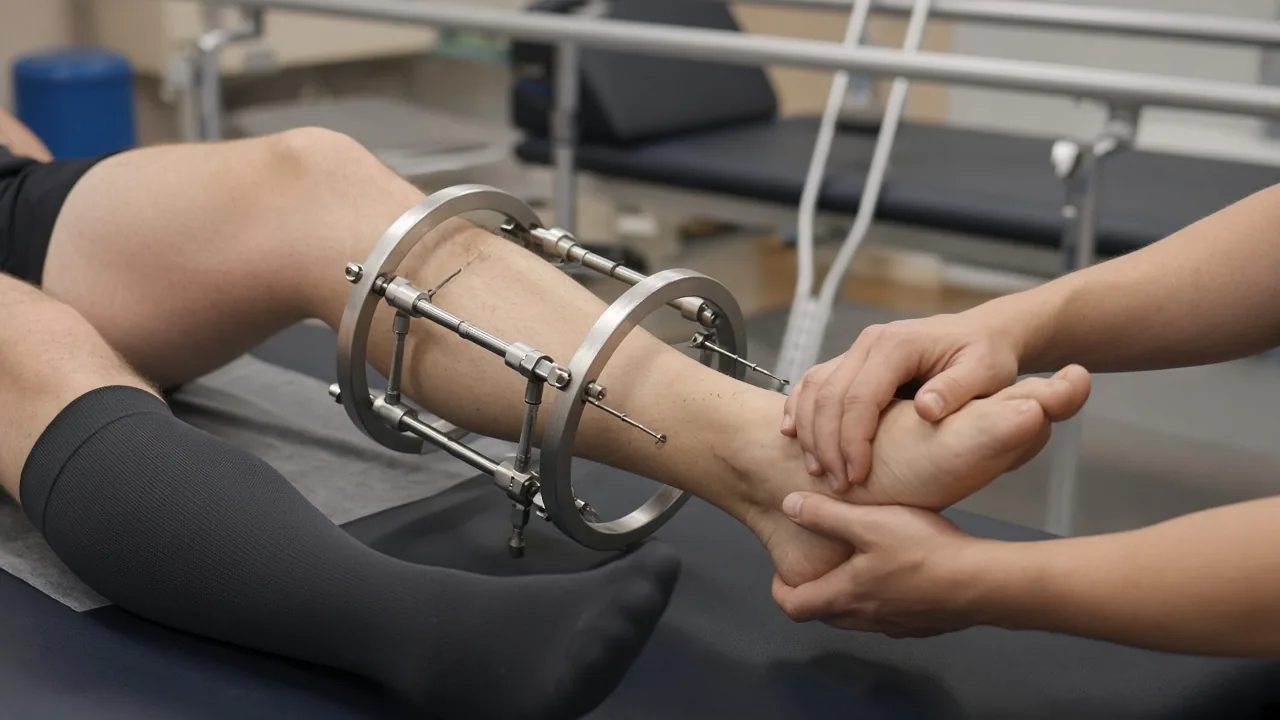
Physiotherapy is not optional simply because the bone is being lengthened successfully. The surrounding soft tissues are also adapting.
A rehabilitation programme may include knee range-of-motion exercises, hip mobility, ankle dorsiflexion, hamstring stretching, quadriceps strengthening, calf stretching, core strengthening, gait training, gradual weight-bearing and functional rehabilitation.
The precise exercises should be prescribed by the treating orthopaedic and physiotherapy team. Failure to maintain joint movement can contribute to stiffness and contractures.
Pain During Limb Lengthening
Pain varies between patients.
The surgical procedure itself causes postoperative pain, while the subsequent distraction phase can produce discomfort as the bone and soft tissues adapt.
Pain may be influenced by rate of distraction, amount of lengthening, bone segment, muscle tightness, nerve irritation, fixation method and individual pain sensitivity.
Severe, increasing or unusual pain should not simply be considered part of normal recovery.
New severe pain, numbness, weakness, swelling, fever, wound or pin-site drainage, sudden chest pain, breathlessness, or a swollen painful calf should be assessed in a local emergency department, not by WhatsApp. Those symptoms can indicate nerve stretch, deep infection, pulmonary embolism or DVT.
Risks and Complications of Limb Lengthening Surgery
Limb lengthening is a complex procedure with recognised risks.
Infection. External fixation carries a risk of pin-site infection. More serious infections can involve deeper tissues or bone.
Joint stiffness. The knee, ankle or hip may become stiff during treatment.
Muscle contracture. Muscles and tendons may become progressively tight as the bone lengthens.
Nerve irritation or injury. Nerves can be affected by stretching or compression during lengthening.
Blood-vessel complications. Neurovascular structures must be monitored carefully because gradual lengthening places stress on surrounding tissues.
Delayed bone healing. The regenerate may develop more slowly than expected.
Premature consolidation. Bone can become sufficiently mature before the desired amount of lengthening is completed, potentially requiring adjustment or additional treatment.
Nonunion. The bone may fail to unite adequately and may require further intervention.
Malalignment. The bone may gradually develop angular or rotational deformity during treatment.
Regenerate deformity. Newly formed bone can deform if it is not adequately supported while it matures.
Hardware problems. Internal nails, screws or external fixation components can fail, migrate, bend or require revision.
Blood clots. As with other major orthopaedic procedures, venous thromboembolism is a potential risk.
Additional surgery. Some patients require unplanned procedures to address complications or problems during treatment.
A systematic review and meta-analysis of cosmetic limb lengthening emphasises that both external fixation and internal nailing can produce complications, even though patient satisfaction is often reported as high in published series.
Is Limb Lengthening Surgery Safe?
Limb lengthening can be performed successfully in appropriately selected patients by experienced orthopaedic teams, but it should not be described as risk-free.
The level of risk depends on the reason for surgery, amount of lengthening, surgical method, patient health, bone quality, previous operations and rehabilitation.
A 2020 systematic review of cosmetic stature lengthening found favourable functional outcomes and satisfaction in published studies but also identified problems such as ankle equinus, pin-site infection, regenerate deformity, and subtalar stiffness or deformity.
More recent evidence continues to report complications involving infection, joint and tendon problems, bone healing, hardware and neurovascular structures.
The appropriate question is therefore not simply "Is limb lengthening safe?"
A more useful question is: "Is limb lengthening appropriate for this patient, and what are the expected benefits, risks, alternatives and rehabilitation requirements?"
Limb Lengthening Surgery Cost in India
The cost of limb lengthening surgery in India varies substantially.
There is no single reliable price applicable to every patient because the treatment may involve different implants, surgical techniques, hospitalisation periods, imaging requirements, physiotherapy and sometimes additional procedures.
Major factors affecting cost include type of limb lengthening device, internal nail or external fixator, femur or tibia, one or both limbs, amount of lengthening, complexity of deformity, surgeon and hospital, implant manufacturer, hospital stay, physiotherapy, diagnostic imaging, follow-up visits, management of complications and need for implant removal.
For international patients, the total medical-tourism budget should also account for accommodation, local transportation, attendant expenses, visa-related costs and the length of stay in India. Outpatient distraction lodging is usually outside the hospital band.
Limb lengthening surgery cost in India: get a personalised estimate based on diagnosis, technique, implant and planned amount of lengthening.
GAF paediatric limb lengthening planning is $12,000–$28,000 versus a US comparison of $50,000–$150,000. That sheet covers a child's discrepancy programme, not a bilateral adult cosmetic nail package. Adult cosmetic stature lengthening and complex adult reconstruction are quoted after medical-record review.
Request a limb lengthening cost estimate
WhatsApp +91 90443 46292 for an itemised lengthening estimate
What Is Included in the Cost?
Depending on the hospital and treatment plan, a quotation may include surgeon fees, anaesthesia, operating-room charges, implant or fixation device, hospitalisation, routine medicines, initial investigations, postoperative imaging, physiotherapy during hospitalisation and follow-up consultations.
Some packages may exclude additional surgery, complication management, extended hospitalisation, long-term physiotherapy, implant removal, accommodation outside hospital, international travel and personal expenses.
International patients should request a written estimate specifying what is included and excluded. Ask how many centimetres are priced, whether outpatient frame adjustments are included, and whether frame or nail removal is a second sitting.
Why Do International Patients Consider India for Limb Lengthening?
India has a large orthopaedic healthcare sector and provides treatment across multiple levels of complexity.
For limb lengthening, however, the most important consideration is not simply the country or hospital.
The key issue is access to an orthopaedic team with experience in limb reconstruction, distraction osteogenesis, external fixation, internal lengthening nails, complex deformity correction, bone-healing problems and rehabilitation.
A patient travelling from another country should ask specifically about the surgeon's experience with the exact type of lengthening being considered.
Best Hospitals for Limb Lengthening Surgery in India
The phrase "best hospital" can be misleading because limb lengthening is highly specialised and outcomes depend on the surgeon, technique, patient selection, rehabilitation and complexity of the case.
When evaluating hospitals in India, international patients should look for a dedicated orthopaedic department, limb-reconstruction expertise, experienced surgeons, advanced imaging, modern operating rooms, ICU and emergency support when required, physiotherapy facilities, infection-control protocols, access to rehabilitation, experience managing complications, and structured international-patient services.
GAF Healthcare can help international patients identify appropriate orthopaedic centres based on the diagnosis and required procedure rather than simply recommending a hospital by name.
Catalog hospitals currently affiliated with tagged lengthening or reconstruction lists include Fortis Escorts Heart Institute and Artemis Hospital in Delhi NCR, Max Smart Super Speciality Hospital in Saket, Apollo Hospitals in Navi Mumbai, Gleneagles HealthCity Chennai, Rela Hospital in Chennai for reconstruction, and KIMS Hospitals in Secunderabad. Apollo Hospitals on Bannerghatta Road in Bengaluru has a paediatric orthopaedic floor; the current GAF graph does not tag a Bengaluru clinician specifically to limb lengthening surgery, so that city page may show an empty doctor card rather than an invented roster.
Find a limb lengthening surgeon in India
Choosing a Limb Lengthening Surgeon in India
The surgeon is one of the most important factors in the treatment decision.
Patients should ask how frequently the surgeon performs limb lengthening, how many cases involve the femur and tibia, whether they perform internal and external lengthening, whether they treat complex deformities, which implant systems they use, what the physiotherapy protocol is, how frequently X-rays will be performed, what happens if the bone does not heal as expected, how complications are managed, and who will provide follow-up after the international patient returns home.
The Limb Lengthening and Reconstruction Society describes limb reconstruction as a specialised field involving limb lengthening, deformity correction, complex trauma reconstruction and related conditions.
Named clinicians currently tagged in the GAF catalog include Dr. Neeraj Gupta at Fortis Escorts Heart Institute in Delhi NCR (paediatric lengthening), Dr. Nitiraj Singh Oberoi and Dr. Devendra Singh Solanki on adult Delhi NCR reconstruction lists, Dr. Nitish Arora at Apollo Hospitals in Navi Mumbai, Dr. Thiagarajan Pandian at Gleneagles HealthCity Chennai, and Dr. K. Krishnaiah and Dr. A.H. Ashwin Kumar at KIMS Hospitals, Secunderabad. Dr. Kailash Sarathy at Rela Hospital in Chennai is tagged to limb reconstruction rather than isolated lengthening. A catalog tag is not a volume, outcome or ranking claim.
WhatsApp +91 90443 46292 to match a lengthening surgeon
Limb Lengthening for International Patients
International patients should plan more than the operation itself.
A typical medical-tourism pathway may include:
- Medical record submission. Send previous X-rays, CT scans, operative reports, diagnosis details, medical history and current medications.
- Specialist review. The orthopaedic team reviews the records and determines whether an in-person assessment is required before recommending treatment.
- Treatment planning. The surgeon determines the appropriate bone, technique, target correction and expected rehabilitation.
- Cost estimate. The hospital provides a quotation based on the planned treatment.
- Travel planning. The patient coordinates visa, flights, accommodation and attendant arrangements.
- In-person evaluation. Final measurements and imaging are usually performed after arrival.
- Surgery. The procedure is performed after the surgical plan has been confirmed.
- Rehabilitation. The patient follows a structured physiotherapy and follow-up programme.
- Continued monitoring. X-rays and clinical examinations are required throughout distraction and consolidation.
- Return-home planning. The treating team should provide clear instructions regarding weight-bearing, physiotherapy, wound or pin care, medications, warning signs and follow-up imaging.
Request a limb lengthening treatment plan
How Long Should an International Patient Stay in India?
There is no universal stay duration.
Limb lengthening requires repeated monitoring, so patients should not plan their trip around the assumption that they can have surgery and immediately return home.
The appropriate period depends on amount of lengthening, fixation method, medical indication, bone healing, physiotherapy requirements, postoperative complications and availability of follow-up care at home.
GAF paediatric planning covers 7–14 nights in hospital for the index sitting, then in-city outpatient distraction. Adult cosmetic programmes often need a much longer base in India. For patients returning to another country, GAF Healthcare can coordinate communication between the Indian orthopaedic team and the patient's local doctor or physiotherapist when appropriate.
Can Patients Walk After Limb Lengthening Surgery?
Walking restrictions depend on the surgical technique and surgeon's protocol.
Some internal lengthening nails permit controlled weight-bearing, while other situations require more protection. External fixation protocols also vary.
Hospital for Special Surgery notes that many patients progress to walking without crutches after a period of recovery, but the timing varies according to the amount of lengthening and individual healing.
Patients should never increase weight-bearing simply because pain has decreased. The bone must be sufficiently strong, and the treating surgeon should determine when progression is appropriate.
Can Limb Lengthening Affect Normal Walking?
The objective of reconstructive limb lengthening is to achieve a functional limb.
However, temporary gait changes are common during treatment because of pain, weakness, restricted joint movement, external frames or weight-bearing restrictions. Contractures and joint stiffness can also affect function.
Published research has identified joint and tendon complications as important issues in aesthetic limb lengthening. Appropriate patient selection and consistent physiotherapy are therefore important.
Does Limb Lengthening Leave Scars?
Yes.
The size and location of scars depend on the surgical approach and fixation method. Internal lengthening nails generally require surgical incisions for insertion and locking screws. External fixation involves multiple pin or wire sites and can leave several small scars. Previous surgery, infection, wound problems and additional procedures may increase scarring.
Can the Lengthening Nail Be Removed?
In some patients, the internal lengthening nail is later removed after the bone has adequately consolidated.
Whether removal is necessary depends on the implant, patient, symptoms, surgeon's preference and clinical circumstances. Implant removal is itself another surgical procedure and should therefore be discussed as part of the initial treatment plan and quotation.
How Long Does the New Bone Take to Heal?
Bone healing varies between individuals.
The treatment has two major biological periods. Distraction: the bone segments are gradually separated. Consolidation: the newly formed bone becomes stronger and more mature.
The amount of lengthening, bone involved, patient health, nutrition, smoking status, mechanical stability and individual biology can influence healing. External fixation studies have historically measured treatment duration in relation to centimetres of lengthening, but these figures vary considerably between patients and techniques.
Nutrition During Limb Lengthening
Good nutrition supports recovery. Patients should maintain adequate intake of protein, calcium, vitamin D, iron when deficient, and other essential micronutrients.
The specific supplementation plan should be based on the patient's nutritional status and treating physician's advice.
Smoking is an important concern because tobacco exposure can adversely affect bone healing. Patients should discuss smoking and nicotine use with their orthopaedic team before surgery.
Psychological Considerations in Cosmetic Stature Lengthening
Cosmetic stature lengthening requires careful consideration of expectations.
The surgery can involve months of physical rehabilitation, restricted mobility, discomfort, repeated imaging and uncertainty about the final recovery.
Patients should understand that the procedure is major surgery, height gain is not guaranteed to a specific number, complications can require additional surgery, recovery can be prolonged, the result may not perfectly match expectations, and psychological support may be useful for some patients.
Published literature reports improvements in body image and satisfaction in many selected patients, but the evidence is heterogeneous and does not mean that every patient will experience the same psychological outcome.
Questions to Ask Before Limb Lengthening Surgery
Before committing to treatment, patients should ask the surgeon:
About the diagnosis. Why do I need limb lengthening? Is there an alternative treatment? What happens if I do nothing?
About the procedure. Which bone will be lengthened? How many centimetres are realistically planned? Which device will be used? Why is this device appropriate for me?
About recovery. How long will distraction take? How long might consolidation take? How often will I need X-rays? How frequently will I need physiotherapy?
About risks. What are my individual risk factors? What complications are most relevant to my case? What happens if the bone does not heal? Could I require another operation?
About international treatment. How long should I remain in India? Where should I stay during recovery? Can my local physiotherapist coordinate with the Indian team? How will follow-up be managed after I return home?
Alternatives to Limb Lengthening Surgery
Limb lengthening is not always the first treatment.
Depending on the condition, alternatives may include observation, shoe lifts, orthotic devices, physiotherapy, growth modulation in children, epiphysiodesis in selected growing patients, shortening of the longer limb, acute deformity correction and other reconstructive procedures.
The appropriate option depends on the patient's age, discrepancy, skeletal maturity, symptoms, anatomy and treatment objectives.
Frequently Asked Questions About Limb Lengthening Surgery in India
Is limb lengthening surgery available in India?
Yes. Limb lengthening and reconstruction procedures are performed in specialised orthopaedic centres in India using external fixation and, in appropriately selected patients, internal lengthening nails.
Is limb lengthening surgery painful?
Pain and discomfort are possible after surgery and during the lengthening process. Pain management and physiotherapy form important parts of postoperative care.
How many centimetres can limb lengthening achieve?
There is no universal safe number. Published cosmetic-lengthening studies have reported average gains of approximately 6–7 cm, but individual outcomes vary and larger lengthening can increase soft-tissue and functional risks.
Can I increase my height through limb lengthening?
Selected skeletally mature adults can undergo cosmetic stature lengthening. However, the procedure is major orthopaedic surgery and requires prolonged rehabilitation and careful assessment of risks and expectations.
Is internal lengthening better than an external fixator?
Neither technique is universally better. Internal nails can reduce some problems associated with external fixation, while external fixation remains valuable for complex deformities, certain paediatric cases, and situations where an internal nail is unsuitable.
How long does limb lengthening take?
The total treatment period depends on the amount of lengthening, bone healing, fixation method, rehabilitation and complications. The treatment includes both distraction and consolidation phases.
Can both legs be lengthened?
Yes, bilateral lower-limb lengthening may be performed in selected cases, particularly in cosmetic stature lengthening. The treatment is considerably more demanding than lengthening one limb.
Is limb lengthening permanent?
Once the newly formed bone has completely consolidated, the achieved bone length is intended to be permanent. However, the final functional result depends on bone healing, alignment, soft-tissue adaptation and rehabilitation.
Can limb lengthening correct a leg-length discrepancy?
Yes. Gradual lengthening is an established method for treating selected leg-length discrepancies. The exact treatment depends on the cause and size of the discrepancy.
Can limb lengthening correct deformity?
In selected patients, lengthening can be combined with correction of angular or rotational deformity.
Is limb lengthening safe for children?
Children require a different approach because their growth plates may still be open. The technique and timing must be determined by a paediatric orthopaedic or limb-reconstruction specialist. GAF paediatric planning is $12,000–$28,000.
Can I return to sports after limb lengthening?
Return to sports depends on complete bone healing, joint movement, muscle strength, gait and the surgeon's assessment. High-impact activity should not be resumed simply because the distraction phase has finished.
Does cosmetic limb lengthening affect walking?
The objective is to preserve function, but temporary gait changes and complications such as joint stiffness or contracture can occur. Appropriate rehabilitation is essential.
Does limb lengthening cause nerve problems?
Nerve irritation or injury is a recognised potential complication because nerves must adapt to gradual changes in limb length. New numbness, weakness or severe pain should be reported immediately. Sudden loss of circulation or rapidly worsening neurological change belongs in a local emergency department.
Can limb lengthening cause blood clots?
Major orthopaedic surgery and prolonged reduced mobility can increase the risk of venous thromboembolism. The treating team assesses individual risk and determines whether preventive measures are required. Chest pain, breathlessness or a swollen painful calf is an emergency-department problem, not a WhatsApp question.
Will I need physiotherapy?
Yes. Physiotherapy is an important part of limb lengthening because maintaining joint movement and muscle flexibility helps reduce functional problems during treatment.
How much does limb lengthening surgery cost in India?
GAF paediatric limb-lengthening planning is $12,000–$28,000. Neighbouring reconstruction is $10,000–$25,000. Adult cosmetic stature lengthening is quoted after case review. A personalised quotation is more reliable than a single generic price.
Can international patients undergo limb lengthening surgery in India?
Yes. International patients can seek evaluation and treatment in India. However, because limb lengthening requires prolonged monitoring, travel and follow-up arrangements should be planned before surgery.
Key Benefits of Limb Lengthening Surgery
Depending on the indication, potential benefits may include correction of leg-length discrepancy, improved limb symmetry, restoration of limb length after trauma, correction of selected deformities, reconstruction of certain bone defects, improved limb proportions, and increased height in selected cosmetic patients.
The expected benefit depends entirely on the underlying condition and treatment goal.
Important Limitations
Limb lengthening should never be presented as a guaranteed solution.
It may involve multiple months of treatment, repeated X-rays, regular physiotherapy, restricted mobility, temporary dependence on walking aids, additional procedures, complications and long-term follow-up.
The patient's commitment to rehabilitation can be as important as the operation itself.
Why GAF Healthcare for Limb Lengthening Surgery in India?
GAF Healthcare assists international patients seeking specialised medical treatment in India.
For limb lengthening cases, our role can include reviewing available medical records, coordinating orthopaedic specialist opinions, sharing diagnostic reports with hospitals, obtaining treatment estimates, coordinating hospital appointments, supporting medical travel planning, assisting with accommodation and local logistics, coordinating communication with the hospital, and supporting patients during their treatment journey.
Because limb lengthening is highly individualised, GAF Healthcare focuses on matching the patient's diagnosis and treatment requirement with an appropriate orthopaedic centre rather than treating the procedure as a standard package.
Bottom Line
Limb lengthening surgery is an advanced orthopaedic procedure that gradually increases bone length through distraction osteogenesis.
It can be used for leg-length discrepancy, congenital or post-traumatic shortening, selected deformities, skeletal conditions, reconstruction, and — in carefully selected adults — cosmetic stature lengthening.
Modern internal lengthening nails have expanded the options available to appropriately selected patients, while external fixation remains an important tool for complex limb reconstruction.
However, limb lengthening is a long treatment process rather than a single operation. The final outcome depends on appropriate patient selection, accurate surgical planning, the chosen technique, bone regeneration, soft-tissue adaptation, physiotherapy and careful follow-up.
For international patients considering limb lengthening surgery in India, the most important first step is a specialist evaluation based on the patient's X-rays, medical history, limb measurements, treatment objectives and previous surgeries.
Share imaging for a lengthening review
Message a coordinator on WhatsApp
Request a cost review on WhatsApp
Top 10 Medical Sources
- Hospital for Special Surgery — Limb Lengthening Surgery — internal lengthening nails, external fixation, recovery and rehabilitation.
- Bone & Joint Research — Cosmetic Stature Lengthening — systematic review of 795 patients examining height gain, techniques, outcomes and complications.
- PMC — Cosmetic stature lengthening systematic review — indexed scientific publication of the 2020 Bone & Joint Research review.
- POSNA — Limb Lengthening Techniques — distraction osteogenesis, regenerate bone, hybrid methods and internal nails.
- Limb Lengthening and Reconstruction Society — professional organisation dedicated to limb reconstruction, lengthening, deformity correction and complex limb conditions.
- LLRS — Bone lengthening with an internal lengthening nail — patient education on latency, distraction, regenerate and consolidation.
- AAOS OrthoInfo — Limb Length Discrepancy — treatment indications including observation, lifts, growth modulation and lengthening.
- PubMed — Meta-analysis of complications and functional outcomes in cosmetic limb lengthening — Paley problems, obstacles and complications comparing external fixation and intramedullary nails.
- Journal of Orthopaedic Surgery and Research — Aesthetic lower limb lengthening techniques — systematic review through July 2024 of efficacy, complications and patient satisfaction.
- PMC — Correction of post-traumatic lower-limb discrepancy with intramedullary lengthening nails — clinical evidence on internal lengthening for post-traumatic limb-length discrepancy.
Last reviewed against the cited sources: September 2026.
Medical Disclaimer
This article is intended for general educational purposes and should not replace an examination or personalised advice from a qualified orthopaedic surgeon. Limb lengthening is a major surgical procedure, and the appropriate technique, expected correction, risks, rehabilitation and cost can only be determined after reviewing the patient's individual clinical and imaging information. Fever with wound or pin-site drainage, sudden chest pain, breathlessness, a swollen painful calf, or new severe neurovascular change should be assessed in a local emergency department.
Treatment Process
- 1
Share medical records
The patient provides standing long-leg X-rays, prior operative notes, infection history and current medications.
- 2
Limb-reconstruction review
A surgeon reviews whether the target is discrepancy, congenital shortening, post-traumatic reconstruction, deformity or selected cosmetic stature lengthening.
- 3
Technique selection
The team names the bone, centimetres, and whether an internal lengthening nail or external frame is appropriate.
- 4
Medical optimisation
Infection status, bone quality, joint motion, nutrition and smoking are addressed before an elective osteotomy.
- 5
Itemized estimate
The hospital quotes the named technique, implant, index stay and whether outpatient distraction and later removal are included.
- 6
Travel to India
The patient allows time for in-person measurement, surgery, distraction teaching and an in-city outpatient period.
- 7
Surgery
Osteotomy is performed and an internal lengthening nail or external fixator is applied.
- 8
Distraction and consolidation
Gradual lengthening is followed by a consolidation phase while regenerate bone matures. Weight-bearing follows the surgeon's protocol.
- 9
Rehabilitation
Physiotherapy protects knee, ankle and hip motion throughout lengthening. Contracture prevention is not optional.
- 10
Return home
The patient leaves with a written summary covering weight-bearing, pin or wound care, physiotherapy, imaging and warning signs.