
Treatment Overview
Tendon repair surgery in India is performed to restore continuity and function when a tendon is torn, ruptured, severely damaged, or separated from its attachment. Treatment can involve direct tendon suturing, reattachment to bone, minimally invasive repair, tendon grafting, or tendon reconstruction depending on the injury.
For international patients, the appropriate procedure depends much more on which tendon is injured, how severe the damage is, how long ago the injury occurred, tissue quality, associated nerve or bone injuries, and rehabilitation requirements than on the term "tendon repair" alone.
GAF Healthcare planning for adult tendon repair is $1,500–$5,000 (typically outpatient or 1–2 nights). Named Achilles repair is a different sheet: $2,000–$6,000 (typically 1–3 nights). Named rotator cuff repair is $2,800–$7,000 (typically 1–3 nights). Combined tendon-nerve loss or staged grafting sits on hand reconstruction at $3,500–$10,000 (typically 2–5 nights). Children's lacerations or transfers use the paediatric tendon repair surgery sheet of $1,500–$5,000. US comparison for adult tendon repair is $8,000–$22,000. These are planning ranges from partner hospital cost sheets, not hospital quotations. Chronic reconstruction, multi-tendon trauma and combined nerve repair are quoted after case review.
International patients comparing orthopaedic surgeons commonly start with Delhi NCR, Mumbai, Bengaluru, Chennai and Hyderabad. Achilles lists sit on Delhi NCR, Mumbai, Bengaluru, Chennai and Hyderabad. Partner orthopaedic hospitals in Delhi NCR, Mumbai and Bengaluru, and in Chennai and Hyderabad, are a typical first filter. City cost sheets include Delhi NCR, Mumbai, Bengaluru, Chennai and Hyderabad. Pune, Kolkata and Ahmedabad may have tendon services, but they are not live GAF catalog cities on this site.
Shoulder cuff tears that belong on a named cuff sheet sit on Shoulder Arthroscopy Surgery in India. Sports-knee ligaments sit on ACL Surgery in India and Knee Arthroscopy Surgery in India. Hip-preservation keyhole work sits on Hip Arthroscopy Surgery in India. Limb reconstruction is a different product on Limb Lengthening Surgery in India.
Important: Tendon repair is not one standardised operation. A specialist assessment is required before deciding that surgery is necessary. This page is educational and does not replace individual medical advice.
Tendon Repair Surgery in India at a Glance
| Factor | What patients should know |
|---|---|
| Procedure | Repair or reconstruction of a damaged tendon |
| Common locations | Hand, wrist, shoulder, elbow, thigh, knee, ankle and foot |
| Common techniques | Primary repair, reattachment, minimally invasive repair, grafting, reconstruction or tendon transfer |
| Anaesthesia | Local, regional, spinal or general depending on the tendon and procedure |
| Hospital stay | GAF: outpatient or 1–2 nights for tendon repair; 1–3 nights for Achilles repair |
| Recovery | Often several weeks to several months |
| Rehabilitation | Usually an essential part of recovery |
| Cost in India | GAF adult tendon repair $1,500–$5,000; named sheets differ by tendon |
| International patients | Records review, estimate, admission and rehabilitation planning |
What Is Tendon Repair Surgery?
Tendons are strong bands of connective tissue that connect muscles to bones. When a muscle contracts, the tendon transmits that force to the bone, producing movement.
A tendon can be damaged by a sharp injury, sports trauma, sudden force, repetitive stress, degeneration, or an injury in which the tendon pulls away from its attachment.
Tendon repair surgery aims to restore the continuity and appropriate tension of the tendon so that it can heal and eventually transmit force normally again.
The exact operation varies considerably.
- A fresh finger tendon laceration may be repaired directly with specialised sutures.
- An Achilles tendon rupture may be treated through an open or minimally invasive approach in selected patients, or without surgery in others.
- A tendon pulled away from bone may require reattachment using sutures or anchors.
- A chronic or severely damaged tendon may require grafting or reconstruction rather than simple repair.
- In some longstanding injuries, a tendon transfer may be considered when the original tendon cannot adequately restore function.
This distinction is important when comparing hospitals or treatment costs in India. "Tendon repair" is not one standardised operation.
Ask whether tendon repair is appropriate
Which Tendons Can Be Repaired?
Tendon repair surgery may be performed on tendons throughout the body.
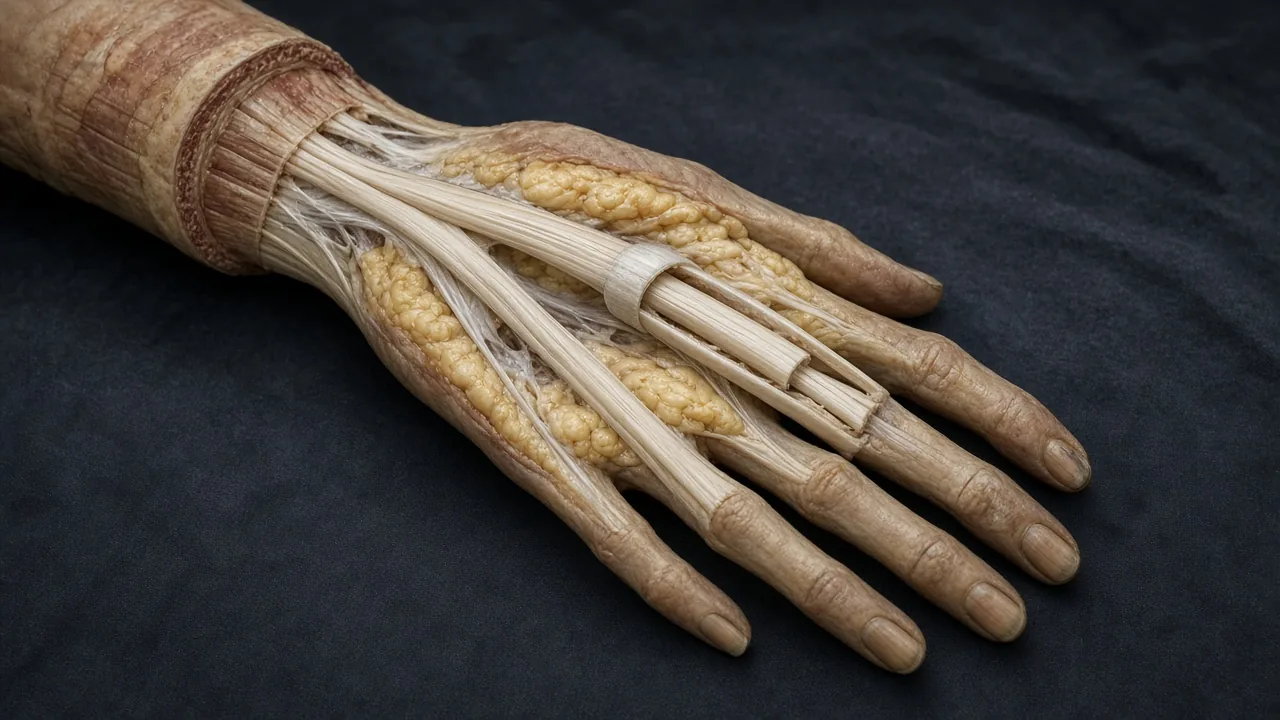
Hand and wrist
Common examples include flexor tendon injuries, extensor tendon injuries, thumb tendon injuries, wrist tendon injuries, lacerations following cuts, and ruptures following trauma.
Hand tendon surgery is particularly dependent on precise repair and carefully controlled rehabilitation. The location of the injury and involvement of nerves, blood vessels, bones and tendon sheaths can significantly affect treatment. Combined tendon-nerve trauma may sit on hand reconstruction rather than a simple suture sheet.
Shoulder
Some tendon injuries around the shoulder involve the rotator cuff, including supraspinatus, infraspinatus, subscapularis and teres minor.
Depending on the tear, symptoms, tissue quality and patient factors, treatment may involve physiotherapy, injections in selected situations, arthroscopic repair, or other procedures. Named cuff work belongs on the rotator cuff repair sheet and on Shoulder Arthroscopy Surgery in India.
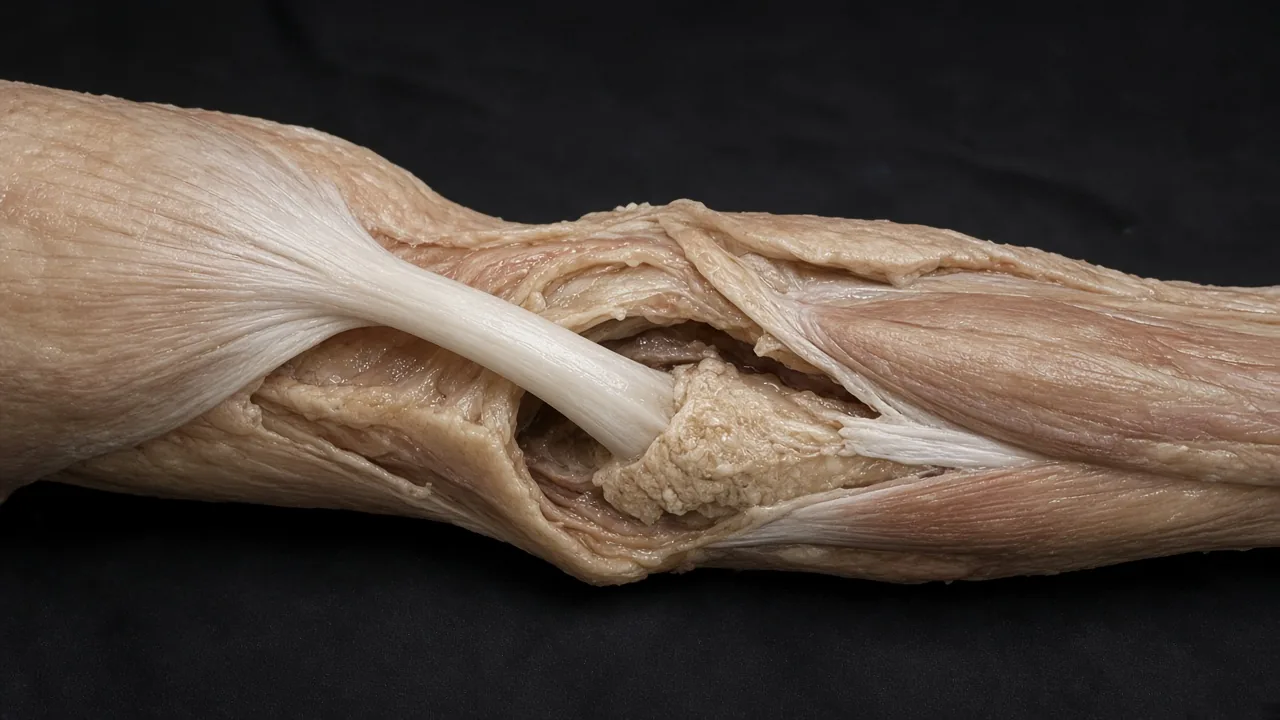
Elbow
Tendon surgery may be considered for selected injuries involving the distal biceps tendon, triceps tendon, common extensor tendons and common flexor tendons.
Hip and thigh
Possible procedures include repair of selected hamstring tendon injuries, gluteal tendon tears and adductor tendon injuries.
Knee
Tendon injuries around the knee can include patellar tendon rupture, quadriceps tendon rupture and hamstring tendon injuries. Ligament reconstruction is a different product on ACL Surgery in India.
Ankle and foot
Common tendon injuries include Achilles tendon rupture, peroneal tendon injuries, tibialis posterior tendon injuries and other foot and ankle tendon tears.
The Achilles tendon transfers the force of the calf muscles to the heel and plays a major role in walking, running and jumping. Named Achilles work sits on Achilles repair, not on the generic tendon-repair sheet.
When Is Tendon Repair Surgery Necessary?
Not every tendon injury requires surgery.
Treatment depends on the tendon, location and severity of the injury, as well as the patient's functional requirements.
Surgery may be considered when there is a complete tendon rupture, a significant traumatic tendon laceration, tendon separation from bone, significant loss of function, persistent symptoms despite appropriate non-surgical treatment, a tendon injury associated with another injury requiring surgery, a chronic injury that cannot be managed effectively with conservative treatment, a displaced or retracted tendon, or significant functional impairment in an active patient.
A complete tendon tear does not automatically mean surgery is the only treatment. Achilles tendon rupture is one example where selected patients may receive non-operative treatment with functional rehabilitation.
When Can Tendon Injuries Be Treated Without Surgery?
Depending on the tendon and injury, non-surgical management may include rest and activity modification, immobilisation, splinting, bracing, pain management, physiotherapy, progressive strengthening, functional rehabilitation, and treatment of an underlying inflammatory or degenerative condition.
For certain Achilles tendon ruptures, functional rehabilitation can be an alternative to surgery in appropriately selected patients.
Some degenerative tendon conditions are not primarily surgical problems. Surgery may only be considered after appropriate conservative treatment has failed or where there is a significant structural injury.
Share MRI or ultrasound for a tendon opinion
Causes of Tendon Injuries
Sports injuries. Sudden acceleration, jumping, falling or forceful contraction can cause tendon rupture. Common examples include Achilles, hamstring and patellar tendon injuries.
Accidental cuts. A deep cut to the hand, wrist or foot can directly sever a tendon. These injuries may also damage nerves, arteries, joints or bones.
Falls and trauma. A sudden force applied to a limb can stretch or rupture a tendon.
Degenerative changes. Tendons may become weaker with age or chronic overuse, making them more vulnerable to tearing.
Repetitive activity. Repeated loading can contribute to tendon degeneration and, in some cases, eventual tearing.
Tendon avulsion. A tendon can pull away from its attachment to bone. Some avulsion injuries require surgical reattachment depending on the tendon and the patient's functional requirements.
Symptoms of a Torn or Severely Injured Tendon
Symptoms vary according to the tendon involved.
Common symptoms include sudden or persistent pain, swelling, bruising, weakness, difficulty moving the affected joint, loss of normal movement, a snapping or popping sensation at the time of injury, visible deformity in some injuries, difficulty walking or using the hand, reduced strength and tenderness over the tendon.
A complete tendon injury may cause a noticeable loss of function. A person with a significant Achilles rupture may have difficulty pushing off with the affected foot. A flexor tendon injury in the finger can prevent normal finger flexion.
Is a Tendon Injury an Emergency?
Some tendon injuries require prompt medical assessment, particularly open injuries.
A deep cut to the hand accompanied by loss of finger movement, numbness, pale or cold fingers, severe bleeding, or suspected damage to nerves or blood vessels should be assessed in a local emergency department, not by WhatsApp.
Flexor tendon injuries require assessment of the skin, bones, tendon, nerves and blood supply before the definitive repair plan is established.
Do not repeatedly test a suspected tendon injury or force the joint through movement.
Diagnosis of Tendon Injuries
Diagnosis usually begins with a detailed history and physical examination.
The orthopaedic or hand surgeon will want to understand how the injury occurred, when it happened, whether there was a cut or blunt trauma, which movement became difficult, whether there was a popping sensation, whether numbness is present, whether the patient can actively move the affected joint, and whether there are associated injuries.
Ultrasound can help identify tendon tears and assess tendon continuity dynamically. It can be particularly useful for selected superficial tendon injuries.
MRI provides detailed information about tendon structure, the extent of tearing, retraction and surrounding soft tissues.
X-ray generally does not show the tendon itself but can identify fractures or certain avulsion injuries and help evaluate the bones.
For suspected Achilles rupture, ultrasound and MRI can help establish the diagnosis and assess the extent of injury when clinically appropriate.
Types of Tendon Repair Surgery
The operation is selected according to the anatomy and condition of the injured tendon.
Primary tendon repair
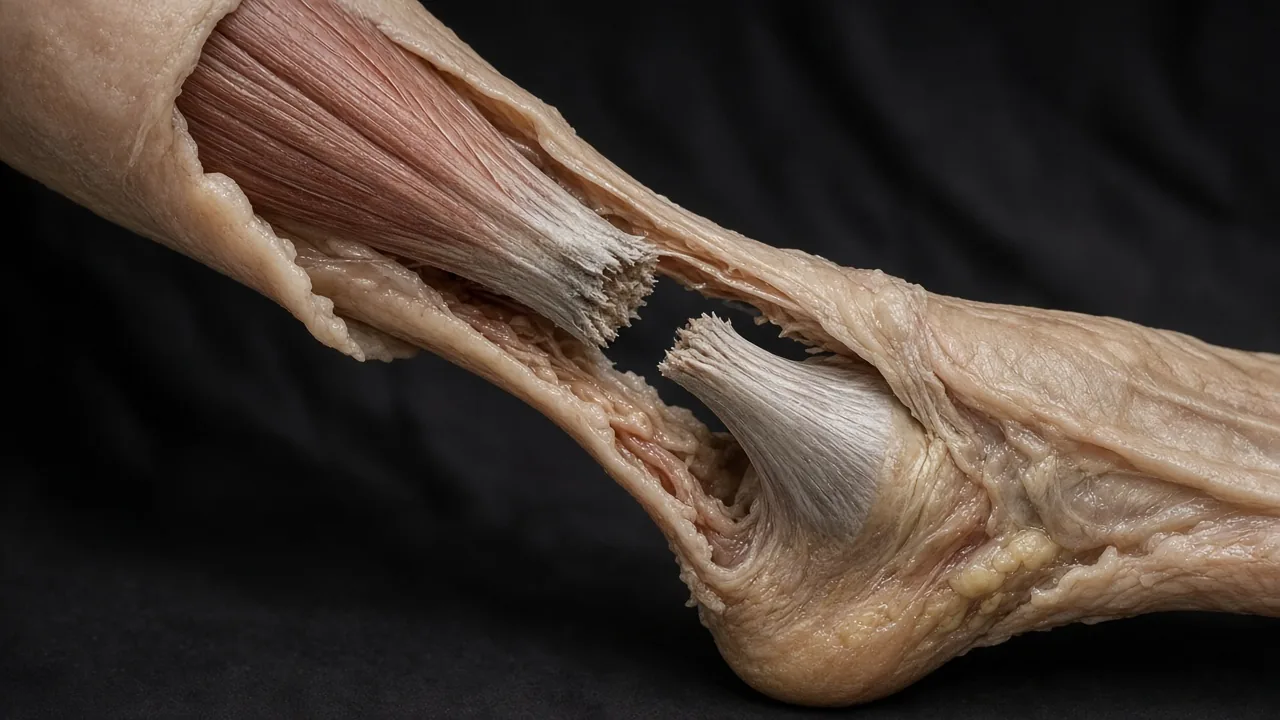
The torn tendon ends are brought together and secured using specialised sutures. This is commonly used when the injury is relatively fresh and the tendon ends can be appropriately approximated.
In hand flexor tendon injuries, the strength and smoothness of the repair are particularly important because the repaired tendon must eventually glide through a confined anatomical space.
Tendon reattachment to bone
When a tendon has pulled away from its normal attachment, the surgeon may reattach it to bone using suture anchors, bone tunnels, sutures or other fixation methods.
Minimally invasive tendon repair
Selected tendon injuries can be treated using smaller incisions or percutaneous techniques. Suitability depends on tendon location, injury pattern, tissue quality, surgeon experience, associated injuries and patient-specific factors.
Tendon grafting
If the original tendon cannot be repaired directly because there is a significant gap, tissue loss or chronic damage, a tendon graft may be necessary. A graft can provide a new tendon segment to bridge the damaged area. That product often sits closer to hand reconstruction than to a simple suture.
Tendon reconstruction
Chronic injuries may require reconstruction rather than simple repair because prolonged injury may lead to retraction, scar formation, muscle shortening, adhesions, joint stiffness and poor tendon tissue quality.
Tendon transfer
When the original tendon is no longer capable of performing its function, a functioning tendon may sometimes be redirected to perform another movement. Tendon transfer is different from tendon repair and is generally considered in selected severe or longstanding tendon dysfunction.
Request a repair versus reconstruction plan
Tendon Repair Surgery: Step-by-Step
Although the exact procedure varies, a typical surgical pathway includes preoperative assessment, anaesthesia (local, regional, spinal or general), surgical exposure, assessment of the tendon and associated injuries, repair or reconstruction, testing the repair for tension and movement, closure and protection in a splint, cast, brace or boot, and a structured rehabilitation programme.
How Long Does Tendon Repair Surgery Take?
A relatively straightforward tendon repair may take around one to two hours, while complex injuries involving multiple tendons, nerves, vessels, bone injuries or reconstruction may take considerably longer. The exact operating time should be confirmed by the treating surgeon after reviewing imaging and clinical findings.
Recovery After Tendon Repair Surgery
Recovery is not simply the time required for the surgical wound to close. A tendon needs time to biologically heal and then gradually tolerate increasing loads.
The rehabilitation programme has to balance two competing objectives: protect the repair from excessive force while providing enough controlled movement to reduce stiffness and adhesions.
This is particularly important for hand flexor tendon repairs, where excessive movement can risk rupture while insufficient movement can contribute to adhesions and loss of motion.
Typical Tendon Repair Recovery Timeline
The following is a general framework rather than a universal schedule.
| Recovery stage | What may happen |
|---|---|
| First few days | Pain and swelling management; wound protection; immobilisation or splinting |
| First few weeks | Controlled rehabilitation according to the tendon-specific protocol |
| 4–8 weeks | Gradual increase in movement and functional activity in selected repairs |
| 8–12 weeks | Progressive strengthening may be introduced depending on healing |
| 3–6 months | Increasing functional activity; many patients continue rehabilitation |
| 6+ months | Some complex tendon injuries continue to improve beyond this point |
Some hand tendon repairs may take approximately 6–12 weeks to heal, although functional recovery can continue beyond that period.
For sports-related tendon injuries, return to sport should not be determined only by the calendar. Strength, range of motion, tendon function and sport-specific testing may also be relevant.
Plan an international tendon repair stay
Physiotherapy After Tendon Repair
Rehabilitation is one of the most important parts of tendon repair treatment.
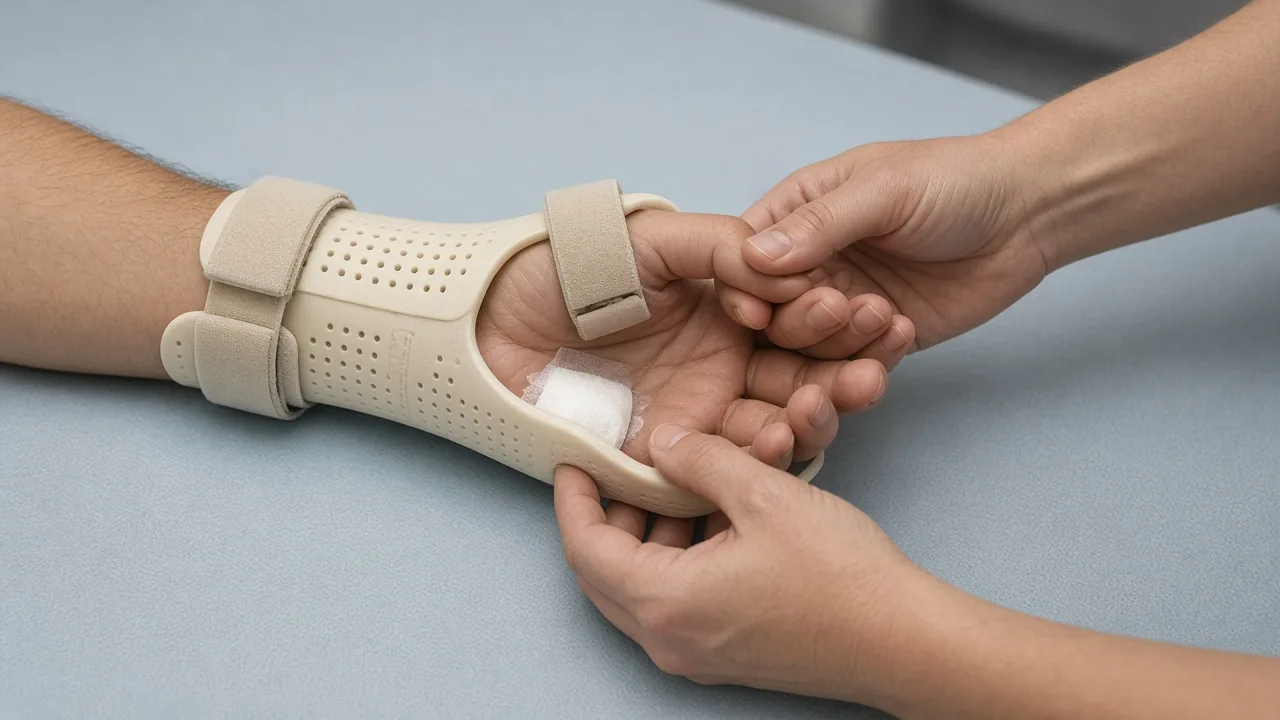
Depending on the tendon, therapy may include controlled range-of-motion exercises, splint management, progressive strengthening, scar management, tendon-gliding exercises, joint mobility exercises, functional retraining, balance and proprioception work, and sport-specific rehabilitation.
For flexor tendon repairs, rehabilitation protocols have evolved considerably, with controlled early movement used in appropriately selected patients to balance tendon healing and prevention of adhesions.
The rehabilitation programme should be prescribed by the operating surgeon and appropriate therapist rather than copied from another patient's protocol.
What Can Affect Tendon Repair Recovery?
Recovery can be influenced by location of the tendon injury, complete versus partial tear, acute versus chronic injury, degree of tendon retraction, tissue quality, associated nerve or vascular injury, bone injury, infection, smoking, diabetes and other medical conditions, patient age, rehabilitation adherence, occupation, athletic demands and timing of treatment.
A simple tendon repair and a complex chronic tendon reconstruction should not be expected to follow the same recovery pathway.
Risks and Complications of Tendon Repair Surgery
Potential risks include infection, bleeding, anaesthetic complications, nerve injury, blood-vessel injury, scar formation, adhesions, joint stiffness, weakness, persistent pain, tendon re-rupture, failure of the repair, delayed healing, reduced range of movement and the need for additional surgery.
Achilles tendon repair can be associated with wound complications, infection, sural nerve injury and venous thromboembolism. Sudden chest pain, breathlessness or a swollen painful calf after lower-limb tendon surgery belongs in a local emergency department, not on WhatsApp.
Hand tendon repair can be complicated by adhesions or rupture of the repair, making postoperative therapy particularly important. Pale or cold fingers, rapidly increasing pain, or wound drainage with fever also belong in an emergency department.
What Happens If Tendon Repair Is Delayed?
A delay can sometimes allow tendon retraction, scar formation, muscle shortening, adhesion formation, joint stiffness and reduced tissue quality. This can make a later repair more technically difficult.
For some traumatic hand tendon injuries, early repair is preferred when clinically appropriate. In flexor tendon injuries, delayed presentation can change the surgical strategy and may ultimately require grafting or reconstruction rather than simple primary repair.
Not every tendon injury needs immediate surgery, so timing should be decided by the appropriate specialist.
Tendon Repair Surgery Cost in India
The cost of tendon repair surgery in India varies significantly because tendon repair includes a wide range of procedures.
The final estimate can depend on the tendon involved, location of injury, primary repair versus reconstruction, open versus minimally invasive surgery, need for a tendon graft, associated nerve or vascular repair, hospital, surgeon, anaesthesia, implants or anchors, operating-room charges, length of hospital stay, physiotherapy and follow-up.
Do not treat a single headline rupee package as a universal price. GAF adult tendon repair planning is $1,500–$5,000. Named Achilles repair is $2,000–$6,000. Named rotator cuff repair is $2,800–$7,000. Hand reconstruction is $3,500–$10,000. Complex multi-structure trauma is quoted after case review.
Request an itemized estimate covering surgeon fee, hospital charges, operating-room charges, anaesthesia, implants or suture anchors, diagnostic tests, medicines, room charges, physiotherapy, follow-up consultation and possible additional procedures.
Request a tendon repair cost estimate
WhatsApp +91 90443 46292 for an itemised tendon estimate
Factors That Determine Tendon Repair Cost in India
Type of tendon. A finger flexor tendon repair is fundamentally different from a complex Achilles reconstruction or rotator cuff repair.
Severity of injury. A clean isolated tear is generally less complex than a contaminated wound involving nerves, vessels and bone.
Acute versus chronic injury. Chronic injuries may require grafting or reconstruction.
Surgical technique. Open, minimally invasive and arthroscopic procedures can have different cost structures.
Implants. Some repairs require anchors or specialised fixation devices.
Rehabilitation. A prolonged rehabilitation programme can add significantly to the overall treatment cost.
Tendon Repair Surgery in India for International Patients
A practical pathway is: medical records, imaging review, video consultation, treatment plan, hospital estimate, medical visa and travel planning, surgery, initial rehabilitation, follow-up, then return home.
Before travelling, send MRI or ultrasound reports, imaging files where available, previous surgical records, medication list, relevant blood reports, injury history, previous treatment details, current symptoms and functional limitations.
This allows the orthopaedic team to determine whether the injury appears suitable for direct repair, reconstruction, grafting or non-operative management.
Find a tendon repair surgeon in India
How Long Should an International Patient Stay in India?
There is no single recommended duration for every tendon injury.
The required stay depends on type of tendon, surgery performed, wound condition, need for immobilisation, rehabilitation requirements, medical fitness to travel and availability of rehabilitation near the patient's home.
GAF planning distinguishes hospital stay from total stay in India. Adult tendon repair is typically outpatient or 1–2 nights. Achilles repair is typically 1–3 nights. Even when the operation is short-stay, follow-up and early rehabilitation may require additional time.
How to Choose a Hospital for Tendon Repair Surgery in India
Rather than choosing a hospital only because it advertises "tendon repair," consider whether it has the relevant specialist team for the particular injury: hand and microsurgery, sports medicine, foot and ankle surgery, shoulder and elbow surgery, knee surgery or reconstructive orthopaedics, plus rehabilitation, MRI and ultrasound, and international-patient coordination.
Catalog hospitals currently affiliated with tagged tendon or Achilles lists include Max Smart Super Speciality Hospital in Saket, Artemis Hospital and Apollo Delhi in Delhi NCR, Gleneagles Hospital in Mumbai, Apollo Hospitals on Bannerghatta Road in Bengaluru, Apollo Hospital and MGM Healthcare in Chennai, Gleneagles HealthCity Chennai, and KIMS Hospitals in Secunderabad. A catalog tag is not a volume, outcome or ranking claim.
Named clinicians currently tagged to tendon repair include Dr. Kamal Dureja, Dr. Harshavardhan Hegde and Dr. Nitiraj Singh Oberoi in Delhi NCR; Dr. Anup Khatri and Dr. Kushal Shah in Mumbai; Dr. Sanjay Pai in Bengaluru; Dr. Gopala Krishnan, Dr. Ram Chidambaram and Dr. Kesavan A R in Chennai; and Dr. K. Krishnaiah and Dr. Srinivas Kasha in Hyderabad.
WhatsApp +91 90443 46292 to match a tendon surgeon
Questions to Ask Your Tendon Surgeon
Before agreeing to surgery, ask which tendon is injured, whether the tear is partial or complete, whether the injury can heal without surgery, why surgery is recommended, whether direct repair is possible, whether a graft or bone reattachment is needed, what anaesthesia will be used, how long immobilisation will last, when physiotherapy will begin, when walking or hand use can resume, when work and sport can resume, what the major risks are in this case, whether another operation could be needed, how many follow-up visits are required, and what rehabilitation will be needed after returning home.
Tendon Repair vs Tendon Reconstruction vs Tendon Transfer
These terms describe different approaches.
| Procedure | Basic concept | Typical situation |
|---|---|---|
| Tendon repair | Reconnects the patient's damaged tendon | Repairable acute tear |
| Tendon reattachment | Reconnects tendon to bone | Tendon avulsion |
| Tendon graft | Uses graft tissue to bridge a damaged segment | Significant tendon loss or chronic injury |
| Tendon reconstruction | Rebuilds tendon function using one or more techniques | Complex or longstanding injury |
| Tendon transfer | Redirects another functioning tendon | Original tendon cannot adequately restore function |
In complex hand injuries, tendon grafting or staged reconstruction may be necessary when direct repair is no longer feasible.
Open vs Minimally Invasive Tendon Repair
There is no single approach that is appropriate for every tendon injury.
Open repair allows direct visualisation and the ability to address associated injuries, and is useful in complex trauma, at the cost of a larger incision and selected wound complications.
Minimally invasive repair uses smaller incisions and may reduce some wound complications in selected procedures, but it is not suitable for every injury and associated injuries may require a more extensive approach.
The choice should be based on anatomy and evidence for the specific tendon rather than the assumption that minimally invasive surgery is automatically better.
Can Tendon Repair Restore Normal Function?
The goal is to restore useful function, strength and movement, but a successful repair does not guarantee completely normal function.
Outcome depends on type of tendon, severity, timing, associated injuries, tissue quality, surgical technique, rehabilitation and patient factors. In hand tendon injuries, even technically successful surgery can leave stiffness or adhesions.
Returning to Work and Sports After Tendon Repair
Desk-based work may resume relatively early if the affected limb can be protected. Manual work involving lifting, gripping, climbing or repetitive physical activity usually requires a longer recovery. Athletes require sport-specific rehabilitation.
A rehabilitation programme may progress through protection, mobility, strength, endurance, functional training, sport-specific drills and return to competition.
For Achilles tendon repair, research has found substantial variation in how return-to-sport readiness is assessed, highlighting the importance of functional measures rather than relying solely on a predetermined number of months.
Request a tendon repair treatment plan
Tendon Repair Surgery: Advantages and Limitations
Potential benefits include restoring tendon continuity, improving movement and strength, preventing progressive functional loss, and facilitating return to work or sport.
Important limitations include prolonged recovery, essential rehabilitation, re-rupture, stiffness and adhesions, incomplete return of function after complex injuries, and the possible need for reconstruction in chronic cases.
Frequently Asked Questions About Tendon Repair Surgery
Is tendon repair surgery always necessary?
No. Some tendon injuries can be treated with immobilisation, physiotherapy and functional rehabilitation. The decision depends on the tendon, injury pattern, symptoms, functional impairment and patient-specific factors.
How much does tendon repair surgery cost in India?
GAF adult tendon-repair planning is $1,500–$5,000. Named Achilles repair is $2,000–$6,000. Named rotator cuff repair is $2,800–$7,000. Hand reconstruction is $3,500–$10,000. The final price depends on the tendon, technique, hospital, implants, rehabilitation and complexity.
How long does tendon repair take to heal?
Many tendon repairs require several weeks for initial healing, while functional recovery can take several months. Hand tendon repairs, for example, may take approximately 6–12 weeks to heal, with function continuing to improve afterward.
When can I walk after Achilles tendon repair?
The timing depends on the surgical technique and rehabilitation protocol. Some modern protocols introduce protected weight-bearing relatively early, but the exact progression must come from the treating surgeon and physiotherapist. GAF Achilles planning is typically 1–3 nights in hospital.
Can a tendon heal without surgery?
Some tendon injuries can heal with non-operative treatment. This depends on the tendon, severity, location and functional consequences of the injury.
Can a completely torn tendon be repaired?
Often, yes, but not always with a simple primary repair. A chronic or severely damaged tendon may require grafting or reconstruction.
Is tendon repair surgery painful?
Pain is expected after surgery and is generally managed using an individualised pain-control plan. Pain usually changes as the wound heals and rehabilitation progresses.
Will I need physiotherapy after tendon repair?
In many tendon repairs, yes. Rehabilitation is a major component of restoring movement, strength and function.
How soon can I drive after tendon repair?
There is no universal timeline. You should be able to control the vehicle safely, perform emergency manoeuvres, and no longer be impaired by medication. Your surgeon should confirm that driving is appropriate.
Can a tendon rupture again after surgery?
Yes. Re-rupture is a recognised complication. Following rehabilitation restrictions is important because the repaired tendon is vulnerable during healing.
Is tendon grafting the same as tendon repair?
No. Repair reconnects the damaged tendon when possible. Grafting uses additional tendon tissue to bridge a defect when direct repair is not adequate.
Can an old tendon injury still be treated?
Yes, but chronic injuries can be more complicated. Tendon retraction, scarring and muscle shortening may mean that reconstruction or grafting is required instead of straightforward repair.
Which doctor performs tendon repair surgery?
Depending on the location, tendon repair may be performed by an orthopaedic surgeon, hand surgeon, sports-medicine surgeon, foot-and-ankle surgeon, or another appropriately trained specialist.
Why Choose India for Tendon Repair Surgery?
India has a large network of tertiary-care hospitals with orthopaedic, sports-medicine, hand-surgery and rehabilitation services.
For an international patient, the most important consideration should not simply be finding a hospital advertising tendon surgery. It should be finding the right subspecialist and rehabilitation pathway for the particular tendon injury.
Live GAF catalog cities are Delhi NCR, Mumbai, Bengaluru, Chennai and Hyderabad. Pune, Kolkata and Ahmedabad may have tertiary orthopaedic services, but they are not live catalog filters on this site.
Key Takeaway
Tendon repair surgery in India is not a single standardised procedure.
The right treatment depends on the tendon involved, whether the injury is partial or complete, how recently it occurred, the amount of tendon retraction or tissue loss, associated injuries, and the patient's functional goals.
A fresh, repairable tendon injury may be treated with primary repair. A tendon that has separated from bone may require reattachment. Chronic or severely damaged tendons may require grafting or reconstruction, while some longstanding problems are better addressed with tendon transfer.
Surgery is only one part of tendon treatment. Protection, controlled movement and progressive rehabilitation are fundamental to recovery.
For patients considering treatment in India, the most useful first step is to have the MRI or ultrasound and previous medical records reviewed by an appropriately trained orthopaedic, hand or sports-medicine specialist before making travel or surgical decisions.
Share imaging for a tendon review
Message a coordinator on WhatsApp
Request a cost review on WhatsApp
Top 10 Medical Sources
- ASSH Handcare — Flexor tendon injuries — patient education on flexor tendon laceration, repair and rehabilitation.
- NCBI Bookshelf / StatPearls — Flexor Tendon Lacerations — diagnosis, zones of injury and repair principles.
- NCBI Bookshelf / StatPearls — Extensor Tendon Injuries — extensor mechanism injuries of the hand.
- AAOS OrthoInfo — Achilles Tendon Rupture — non-operative care, open and minimally invasive repair, and recovery.
- AAOS OrthoInfo — Rotator Cuff Tears — when physiotherapy, repair or other procedures are considered.
- NHS — Hand tendon repair — recovery, splints and physiotherapy after hand tendon surgery.
- ASSH — Flexor tendon repair overview — why controlled rehabilitation is part of the operation's result.
- PubMed — Return to sport after Achilles tendon rupture — variation in how readiness is assessed after repair.
- CDC — Surgical Site Infection Basics — wound infection prevention after surgery.
- GAF Healthcare tendon repair, Achilles repair and rotator cuff repair cost sheets — indicative USD planning ranges; costs vary by hospital, city and the exact tendon treated.
Last reviewed against the cited sources: September 2026.
Medical Disclaimer
This article is intended for general educational purposes and should not replace an examination or personalised advice from a qualified orthopaedic, hand or sports-medicine surgeon. Tendon repair is not one standardised operation, and the appropriate technique, risks, rehabilitation and cost can only be determined after reviewing the patient's individual clinical and imaging information. Pale or cold fingers, severe bleeding, fever with wound drainage, sudden chest pain, breathlessness or a swollen painful calf should be assessed in a local emergency department.
Treatment Process
- 1
Share medical records
The patient provides MRI or ultrasound, wound photographs if relevant, date of injury and current splint or boot use.
- 2
Subspecialist review
A surgeon reviews whether the target is a repairable laceration, Achilles rupture, cuff tear, avulsion, or a chronic gap that needs graft or transfer.
- 3
Procedure selection
The team names the tendon, primary repair versus reconstruction, and whether nerve or bone work is in the same sitting.
- 4
Medical optimisation
Open wounds, smoking, diabetes and delayed presentation are addressed before an elective reconstruction.
- 5
Itemized estimate
The hospital quotes the named sheet — tendon repair, Achilles repair, rotator cuff repair or hand reconstruction — plus splint or boot and therapy.
- 6
Travel to India
The patient allows time for in-person examination, surgery, splint fitting and early protected-motion teaching.
- 7
Surgery
The tendon is repaired, reattached, grafted or reconstructed according to the written plan.
- 8
Protection
A splint, cast, brace or boot protects the suture. Premature loading can rupture a repair even if pain has eased.
- 9
Rehabilitation
Controlled motion and later strengthening follow a tendon-specific protocol written by the operating team.
- 10
Return home
The patient leaves with a written summary covering protection, physiotherapy, lifting limits and warning signs.