
Treatment Overview
ACL surgery in India is commonly performed as minimally invasive arthroscopic ACL reconstruction to restore stability after a torn anterior cruciate ligament. India has established orthopaedic and sports-medicine centres that treat isolated ACL tears as well as complex injuries involving the meniscus, cartilage, MCL, PCL and other knee structures.
For patients considering treatment in India, the decision involves more than the operation itself. The type of ACL tear, knee stability, activity level, associated injuries, graft choice, surgeon experience and rehabilitation programme all influence the treatment plan.
ACL reconstruction is also not a treatment where surgery alone determines the outcome. Structured rehabilitation, restoration of knee movement and strength, neuromuscular training and objective testing before returning to demanding sports are important parts of recovery.
GAF Healthcare planning for ACL reconstruction is $2,500–$6,500 (typically 1–3 nights). Neighbouring meniscus repair is $1,800–$4,500 (outpatient or 1 night). PCL reconstruction is $3,000–$7,500 (1–3 nights). These are planning ranges from partner hospital cost sheets, not hospital quotations.
International patients comparing orthopaedic surgeons commonly start with Delhi NCR, Mumbai, Bengaluru, Chennai and Hyderabad. Partner orthopaedic hospitals in Delhi NCR, Mumbai and Bengaluru are a typical first filter. City cost sheets for the same procedure include Delhi NCR, Mumbai, Bengaluru, Chennai and Hyderabad.
When the problem is end-stage arthritis rather than a sports injury, the honest pathway is Knee Replacement Surgery in India, not ACL reconstruction. Diagnostic and therapeutic keyhole work that is not a named ACL graft sits on Knee Arthroscopy Surgery in India. Neighbouring hip arthroplasty sits on Hip Replacement Surgery in India. Limb reconstruction and stature lengthening sit on Limb Lengthening Surgery in India. Named tendon laceration, Achilles or cuff repair sits on Tendon Repair Surgery in India.
Medical note: ACL reconstruction is a specialised sports-orthopaedic procedure. The decision to undergo surgery should be made after assessment by an orthopaedic or sports-medicine surgeon. This page is intended for educational purposes and does not replace individual medical advice.
What Is the ACL?
The anterior cruciate ligament (ACL) is one of the four major ligaments that stabilise the knee.
It connects the femur, or thigh bone, to the tibia, or shin bone. The ACL helps control forward movement of the tibia and rotational stability of the knee.
The ACL is particularly important during activities that involve running, sudden stopping, jumping, landing, pivoting, cutting or changing direction — including football, cricket, basketball, tennis, badminton, skiing and other high-demand sports.
An ACL injury may occur without direct contact. A sudden change in direction, awkward landing or twisting movement can generate enough force to tear the ligament. Direct trauma can also cause an ACL tear.
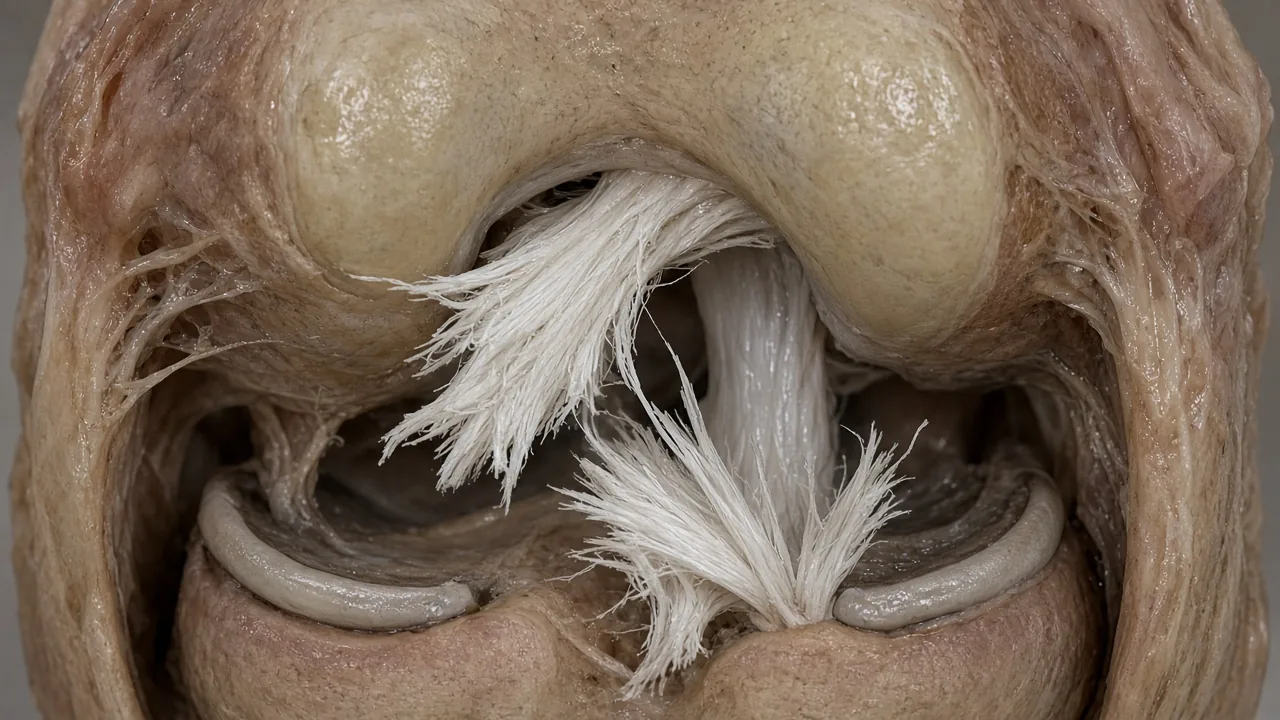
What Is an ACL Tear?
An ACL tear occurs when the ligament is stretched beyond its normal capacity and becomes partially or completely damaged.
ACL injuries are commonly described as:
Grade 1 ACL injury
The ligament is stretched but remains structurally intact. The knee may remain relatively stable.
Grade 2 ACL injury
The ligament is partially torn. Some instability may be present, particularly during demanding activities.
Grade 3 ACL injury
The ACL is completely torn or functionally incompetent. The knee may become unstable, particularly during pivoting, cutting or sports.
A complete ACL rupture does not automatically mean every patient needs immediate surgery. Treatment depends on the individual's symptoms, knee stability, associated injuries, age, activity level and goals.
What Causes an ACL Tear?
ACL injuries can occur during both contact and non-contact situations.
Common mechanisms include sudden change of direction, rapid deceleration, landing awkwardly from a jump, twisting the knee while the foot is planted, hyperextension of the knee, collision during sport, road-traffic accidents, falls and high-energy trauma.
Sports involving repeated pivoting, cutting and rapid changes in direction are particularly associated with ACL injuries.
ACL Tear Symptoms
An ACL tear does not always produce identical symptoms.
Common symptoms include a popping sensation at the time of injury, sudden knee pain, rapid swelling, difficulty continuing the activity, reduced knee movement, feeling that the knee is unstable, difficulty putting weight on the leg, recurrent episodes of the knee giving way, reduced confidence while changing direction and difficulty returning to sports.
Some people experience significant swelling within hours of the injury. Others may initially have relatively little pain but develop instability later.
Persistent episodes of the knee giving way are particularly important because repeated instability can place additional stress on other structures of the knee, including the meniscus.
What Happens If an ACL Tear Is Left Untreated?
Not every ACL tear requires reconstruction.
However, an unstable knee can create problems for some patients, particularly those who participate in pivoting sports or physically demanding activities.
Repeated episodes of instability may be associated with additional meniscal or cartilage injury. The AAOS ACL clinical practice guideline notes that ACL reconstruction can be considered to reduce the risk of future meniscal pathology or procedures, particularly in younger or more active patients.
Long-term joint health also matters. An ACL injury can increase the risk of post-traumatic osteoarthritis, even after reconstruction. ACL surgery therefore should not be presented as a guarantee against future arthritis. If the joint later develops end-stage arthritis, that is a knee replacement discussion, not a second ACL graft.
How Is an ACL Tear Diagnosed?
An orthopaedic or sports-medicine specialist usually begins with a detailed history and physical examination.
Medical history. How did the injury happen? Was there a twisting movement? Did you hear or feel a pop? Did the knee swell? Can you walk? Does the knee give way? What sports or activities do you want to return to? Have you previously injured the same knee?
Physical examination. The knee may be assessed for range of motion, swelling, tenderness, stability, ACL laxity, meniscal signs and other ligament injuries. Tests such as the Lachman test, anterior drawer test and pivot-shift test may be used as part of the clinical assessment.
X-ray. An X-ray does not normally show the ACL itself. However, X-rays can help identify fractures, bone abnormalities and other causes of knee symptoms.
MRI. MRI is commonly used when an ACL injury is suspected or when associated injuries need to be evaluated. MRI can help identify ACL tears, meniscus injuries, cartilage damage, bone bruising, MCL/PCL injuries and other soft-tissue abnormalities.
AAOS notes that physical examination may be sufficient to diagnose an ACL injury in some cases, while X-rays and MRI are commonly used to assess associated injuries.
Ask whether ACL reconstruction is appropriate
WhatsApp +91 90443 46292 with knee MRI
Does Every ACL Tear Need Surgery?
No.
This is one of the most important points patients should understand.
Some people with ACL injuries can function well without reconstruction when they have a stable knee, appropriate activity goals and a structured rehabilitation programme.
Non-operative management may be considered in selected patients who do not participate in high-demand pivoting sports, have relatively stable knees, do not experience recurrent giving-way episodes, are willing to follow structured rehabilitation, and have no associated injury requiring surgery.
International consensus also recognises structured non-operative treatment as an option for some patients who primarily want to return to straight-line activities. However, persistent instability or recurrent giving-way episodes may favour reconstruction.
Who May Need ACL Reconstruction?
ACL reconstruction may be considered when the patient has persistent knee instability, recurrent giving-way episodes, a complete ACL rupture with functional instability, a desire to return to pivoting or cutting sports, high physical or occupational demands, associated meniscus or cartilage injury, multiple ligament injuries, or failed structured non-operative treatment.
Young and highly active patients often require careful discussion because their activity demands can place substantial stress on an ACL-deficient knee. The decision should be individualised rather than based on age alone.
ACL Surgery vs ACL Reconstruction
The terms ACL surgery and ACL reconstruction are often used interchangeably by patients. Technically, there is a difference.
ACL reconstruction. The damaged ACL is replaced with a graft. The graft may come from the patient's own body (autograft) or from donor tissue (allograft). This is the GAF catalog procedure: $2,500–$6,500, typically 1–3 nights.
ACL repair. The surgeon attempts to preserve and repair the patient's native ACL. Modern ACL repair is being investigated and may have a role in carefully selected tear patterns, particularly certain proximal tears. There is no separate GAF ACL-repair sheet; planning starts from the reconstruction range and repair is quoted after case review.
For ACL tears requiring surgery, current AAOS guidance strongly favours reconstruction over repair because of a lower risk of revision surgery.
ACL Reconstruction Graft Options
Choosing the graft is one of the most important decisions during ACL reconstruction.
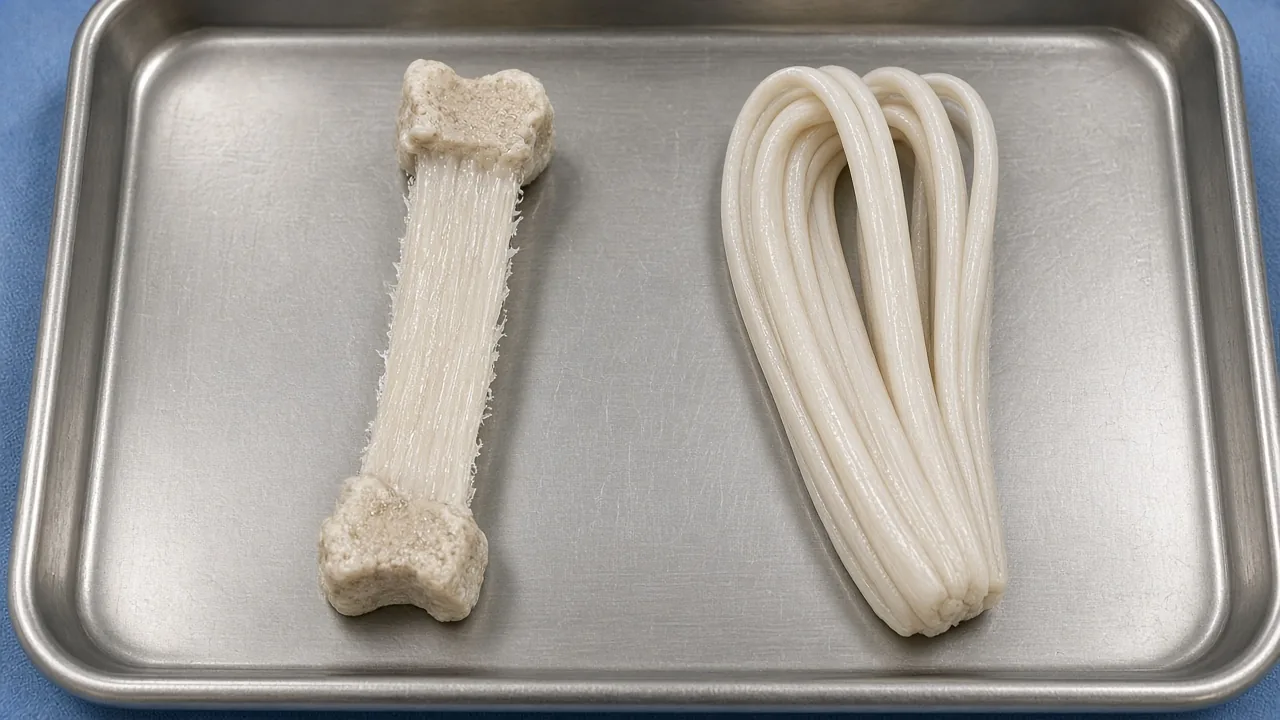
The main options include:
- Patellar tendon autograft
- Hamstring tendon autograft
- Quadriceps tendon autograft
- Allograft
- Selected graft-augmentation techniques in specific cases
There is no single graft that is automatically best for every patient. The decision depends on age, sport, activity level, previous surgery, occupation, knee anatomy, associated injuries, surgeon experience, graft availability and patient preference.
Patellar tendon autograft
The bone–patellar tendon–bone graft uses a section of the patient's patellar tendon together with small bone plugs.
Potential advantages include strong fixation and extensive clinical experience. Potential disadvantages include anterior knee pain, discomfort while kneeling, donor-site symptoms and patellar tendon-related complications.
AAOS notes that patellar tendon autograft may reduce the risk of graft failure or infection in certain mature patients, while hamstring grafts may reduce anterior or kneeling pain.
Hamstring tendon autograft
Hamstring tendons can be harvested and prepared as an ACL graft.
Potential advantages include a smaller harvest incision, less kneeling discomfort for some patients, and extensive use in ACL reconstruction. Potential considerations include temporary hamstring weakness, graft size, fixation considerations and sport-specific demands.
Quadriceps tendon autograft
The quadriceps tendon can also be used to reconstruct the ACL. It has become increasingly used in sports-medicine practice.
Potential advantages include large graft diameter, strong tissue availability, and an alternative when other graft sources are unsuitable. The surgeon will decide whether it is appropriate based on the individual case.
Allograft
An allograft uses donor tissue rather than tissue harvested from the patient's own body. It can be useful in selected circumstances, including certain revision or complex cases.
Graft choice is particularly important in younger and highly active patients. The AAOS guideline recommends autograft rather than allograft to improve outcomes and reduce graft rupture or revision risk, particularly in young or active patients.
Compare graft options for ACL reconstruction
Single-Bundle vs Double-Bundle ACL Reconstruction
Single-bundle reconstruction. A single graft construct is used to recreate the functional ACL. It is widely used and can provide excellent functional restoration.
Double-bundle reconstruction. Two graft bundles are used to more closely reproduce the functional anatomy of the ACL.
The choice depends on knee anatomy, injury pattern, surgeon expertise and clinical circumstances. AAOS reports that both single-bundle and double-bundle techniques can be safe and effective, with the surgeon selecting the technique based on the clinical situation and experience. There is no separate GAF double-bundle sheet: planning starts from the ACL reconstruction range of $2,500–$6,500.
What Is Arthroscopic ACL Surgery?
Most ACL reconstructions are performed using arthroscopy.
Arthroscopy is a minimally invasive surgical technique in which a small camera is introduced into the knee through a small incision. Additional small portals allow the surgeon to insert specialised instruments.
The surgeon can inspect the ACL and other structures inside the knee and then reconstruct the ligament using the selected graft. Neighbouring arthroscopic surgery on the GAF sheet is $2,000–$5,500 (outpatient or 1–2 nights) when the episode is diagnostic or limited rather than a full ACL reconstruction.
The NHS describes ACL surgery as usually being performed arthroscopically through small incisions, with the graft secured in the appropriate position using fixation devices.
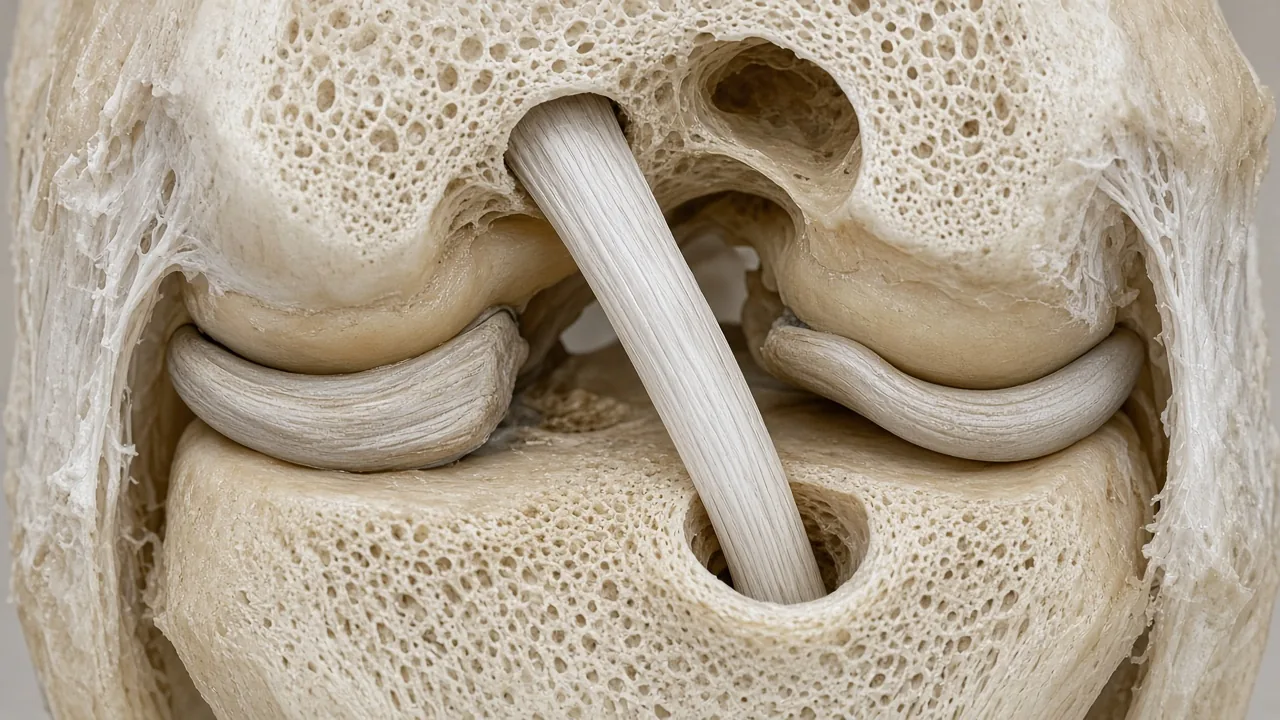
Step-by-Step ACL Reconstruction Procedure
Although the exact technique varies, the procedure generally involves the following stages.
- Anaesthesia — general or regional/spinal anaesthesia, decided by the anaesthetist.
- Knee examination — the surgeon confirms the injury pattern.
- Arthroscopy — a camera is inserted; the surgeon examines the ACL, PCL, menisci, articular cartilage and other structures.
- Treatment of associated injuries — meniscal tear or other injury may be addressed during the same procedure.
- Graft preparation — the selected graft is harvested, prepared and sized.
- Tunnel preparation — bone tunnels are created in the femur and tibia at the anatomical attachment points of the ACL.
- Graft placement — the graft is passed through the tunnels.
- Graft fixation — the graft is secured using appropriate fixation devices.
- Stability assessment — the surgeon checks the knee's stability and range of motion.
- Closure — the arthroscopic portals are closed and the knee is dressed.
The procedure itself commonly takes approximately 1–3 hours, although the total time depends on the complexity of surgery and whether additional procedures are required. GAF partner-hospital planning for ACL reconstruction notes typically 1–3 nights. Some uncomplicated reconstructions are day-case or a single night.
ACL Surgery and Meniscus Repair
ACL injuries frequently occur together with injuries to other structures in the knee. A meniscal tear is particularly important.
If the meniscus is injured, the surgeon may perform meniscus repair, partial meniscectomy, or other meniscus-preserving procedures. The exact treatment depends on the location and type of tear.
GAF planning for meniscus repair is $1,800–$4,500 (outpatient or 1 night). Combined ACL-plus-meniscus surgery is quoted after case review from the ACL sheet; two procedures are not automatically the sum of two packages.
When other ligament, meniscus or cartilage injuries are present, they may be treated during the same surgical episode when clinically appropriate. Neighbouring PCL reconstruction is a different graft and a different sheet ($3,000–$7,500).
ACL Surgery Cost in India
The cost of ACL surgery in India varies considerably depending on the hospital, city, surgeon, procedure, graft, implants, associated injuries and rehabilitation requirements. GAF Healthcare planning ranges from partner hospital cost sheets are the figures used on this site — not rupee brochure quotes.
| Treatment | GAF planning range in India | Typical stay |
|---|---|---|
| ACL reconstruction | $2,500–$6,500 | 1–3 nights |
| Meniscus repair (often combined) | $1,800–$4,500 | Outpatient or 1 night |
| PCL reconstruction | $3,000–$7,500 | 1–3 nights |
| Arthroscopic surgery (limited/diagnostic) | $2,000–$5,500 | Outpatient or 1–2 nights |
| Combined ACL + meniscus | Quoted after case review from the ACL sheet | Depends on the meniscus protocol |
| Revision ACL reconstruction | Quoted after case review from the ACL sheet | Often longer than a primary |
| Total knee replacement (if the problem is arthritis, not an ACL tear) | $5,500–$12,000 | 4–7 nights |
| Additional rehabilitation | Depends on duration and facility | — |
| International travel, visa, hotel | Not normally included in the surgical sheet | — |
These figures are indicative planning ranges, not fixed package prices. City sheets for the same ACL procedure include Delhi NCR, Mumbai, Bengaluru, Chennai and Hyderabad.
GAF partner-hospital comparison for ACL reconstruction lists a typical US range of $15,000–$40,000 against the India planning range of $2,500–$6,500. International patients should not compare prices alone.
Request an ACL reconstruction cost estimate
WhatsApp +91 90443 46292 for an itemised ACL estimate
What Determines the Cost of ACL Surgery in India?
Several variables can change the final price:
- Type of ACL procedure — primary reconstruction, selected repair and revision can have different costs.
- Graft choice — patellar tendon, hamstring, quadriceps tendon and allograft options may have different associated costs.
- Implant selection — fixation devices influence the package.
- Associated meniscus injury — meniscus repair can increase operating-room and implant costs.
- Cartilage damage — additional cartilage treatment can change both the surgical plan and total cost.
- Revision surgery — generally more complex than primary reconstruction. There is no separate GAF revision-ACL sheet; planning starts from the ACL range.
- Hospital and city — costs vary between hospitals and between Delhi NCR, Mumbai, Bengaluru, Chennai and Hyderabad.
- Room category — general ward, twin sharing, private room or deluxe.
- Length of stay — GAF planning is typically 1–3 nights; additional days add to the bill.
- Rehabilitation — physiotherapy and functional testing should be included in the overall budget.
Compare partner orthopaedic hospitals in Chennai and Hyderabad as well as Delhi NCR, Mumbai and Bengaluru.
What Is Usually Included in an ACL Surgery Package?
A hospital package may include some or all of orthopaedic consultation, pre-operative evaluation, surgeon fees, anaesthesia, operating-theatre charges, ACL graft, fixation implants, hospitalisation, nursing, routine medicines and immediate postoperative care. Packages differ.
Before accepting a quotation, ask for a written breakdown covering MRI, additional meniscus surgery, special implants, physiotherapy, follow-up visits, additional hospital days, complication management, blood investigations and medical consumables.
ACL Surgery in India for International Patients
International patients considering ACL surgery in India generally need to plan several stages.
Before travelling. Provide MRI reports and images, X-rays if available, previous medical and surgical records, medication list, relevant medical history and previous physiotherapy records. The treating orthopaedic surgeon can then determine whether an in-person evaluation is appropriate.
During the visit. Orthopaedic consultation, clinical examination, MRI review, additional investigations if required, treatment planning, surgery, early physiotherapy and follow-up assessment.
After surgery. Plan sufficient time in India for early postoperative review, wound assessment, physiotherapy instruction, mobility assessment, medication planning and travel clearance. The exact length of stay should be decided with the treating hospital rather than using a generic medical-tourism itinerary.
Plan an international ACL surgery journey
Best Cities in India for ACL Surgery
Patients commonly consider the five GAF catalog cities:
- Delhi NCR — a large concentration of tertiary hospitals and sports-orthopaedic specialists. Filter Delhi NCR hospitals.
- Mumbai — multiple joint and sports-medicine centres.
- Bengaluru — tertiary hospitals with arthroscopy programmes.
- Chennai — established international-patient infrastructure.
- Hyderabad — advanced orthopaedic and sports-medicine centres.
Other Indian cities also run ACL programmes. The right city should be selected based on the surgeon, hospital, injury pattern and complete rehabilitation plan rather than city name alone. GAF catalog pages cover Delhi NCR, Mumbai, Bengaluru, Chennai and Hyderabad.
How to Choose an ACL Surgeon in India
When comparing orthopaedic surgeons, ask:
- Do you regularly perform primary and revision ACL reconstruction?
- Do you treat sports injuries, not only joint replacement?
- Do you treat associated meniscus injuries during the same sitting?
- Which graft do you recommend, and why is it appropriate for my age, activity and sport?
- What rehabilitation programme is used?
- How is return to sport assessed — objective tests, not only a calendar date?
Experience with ACL reconstruction is more relevant than a generic orthopaedic title.
Questions to Ask Your ACL Surgeon Before Surgery
- Is my ACL partially or completely torn?
- Is my knee clinically unstable?
- Do I need surgery?
- Could physiotherapy alone be appropriate?
- Is my meniscus injured?
- Is my cartilage damaged?
- Which graft do you recommend, and why?
- Will you use a single-bundle or double-bundle technique?
- What implants will be used?
- Will my meniscus be repaired during surgery?
- How long will I use crutches?
- When can I drive, return to work, start running and return to sport?
- What functional tests will be used before sports clearance?
- What are the risks, and what happens if the graft fails?
- What will my total treatment cost be, itemised?
Preparing for ACL Surgery
Preoperative rehabilitation, often called prehabilitation, can be an important part of the treatment pathway. The objective is not simply to wait for surgery.
Depending on the injury, preoperative physiotherapy may focus on reducing swelling, restoring knee extension, improving knee flexion, activating the quadriceps, maintaining strength, improving walking and understanding postoperative exercises.
Evidence-based rehabilitation guidance recommends preoperative rehabilitation and emphasises restoring motion and muscle activation before surgery when appropriate.
ACL Surgery Recovery Timeline
There is no single recovery timetable that applies to every patient. Recovery depends on graft choice, associated meniscus surgery, cartilage injury, other ligament injuries, age, preoperative strength, rehabilitation adherence, sport, work requirements and individual healing.
First 1–2 weeks. Pain control, swelling management, knee extension, controlled flexion, quadriceps activation, safe walking and beginning prescribed rehabilitation.
Weeks 2–6. Improved range of motion, progressive weight bearing where appropriate, strengthening, improved walking pattern, better muscle control and reduced swelling.
Weeks 6–12. Progressive strengthening, balance, neuromuscular control, functional exercises and improving single-leg control.
Months 3–6. Running preparation, plyometric work, agility, sport-specific movement and strength development, depending on progress.
Months 6–12+. High-demand sports require more advanced testing and sport-specific preparation. Return to unrestricted sport should not be based only on the number of months since surgery.
Evidence-based rehabilitation recommendations emphasise objective criteria such as strength, hopping performance, movement quality, knee function and psychological readiness.
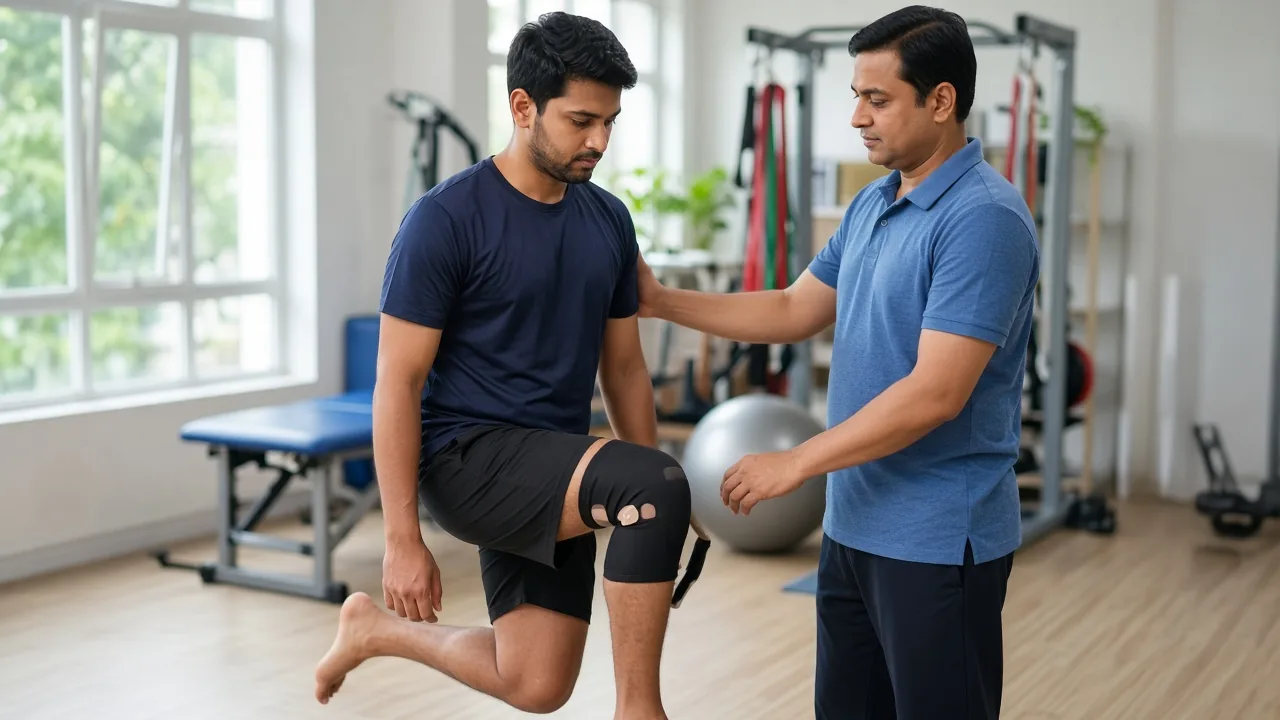
When Can I Walk After ACL Surgery?
Many patients are encouraged to begin moving soon after surgery, but the amount of weight they can place on the operated leg depends on the surgical procedure.
An uncomplicated isolated ACL reconstruction may allow relatively early weight bearing. Restrictions may be different if the patient has meniscus repair, a cartilage procedure, multiple ligament reconstruction or complex revision surgery.
Your surgeon and physiotherapist should provide the specific weight-bearing instructions.
When Can I Drive After ACL Surgery?
Driving depends on which knee was operated on, automatic versus manual transmission, pain, reaction time, strength and the ability to perform an emergency brake.
The Aspetar rehabilitation guideline suggests that driving may commonly become possible around 2–3 weeks after left-sided ACL reconstruction and 4–6 weeks after right-sided ACL reconstruction, but these are general estimates rather than clearance rules. The patient must be able to safely control the vehicle.
When Can I Return to Work After ACL Surgery?
Desk-based work. Some patients can return relatively early if pain and mobility are manageable.
Light physical work. A longer period may be required.
Heavy physical work. Jobs involving climbing, squatting, carrying, kneeling, repeated pivoting, construction or manual labour may require substantially longer rehabilitation.
The treating surgeon should determine work restrictions based on the patient's progress.
When Can I Run After ACL Surgery?
Running should not be started simply because a particular number of weeks have passed.
The knee should demonstrate appropriate range of motion, strength, swelling control, movement quality, single-leg control and functional capacity. The Aspetar guideline proposes criteria including near-full knee flexion, full extension, minimal or no effusion and adequate quadriceps symmetry before progressing toward running.
When Can I Return to Sports After ACL Surgery?
Six months does not automatically mean that an athlete is ready to play competitive sport. Nine months alone does not guarantee readiness either.
Return-to-sport decisions can consider knee stability, full range of motion, absence of significant swelling, quadriceps and hamstring strength, hop testing, jumping and running mechanics, sport-specific performance, psychological readiness and training progression.
Consensus-based rehabilitation guidance recommends a criteria-based progression rather than relying solely on time.
ACL Rehabilitation: Why Physiotherapy Matters
ACL reconstruction does not end when the patient leaves the operating room. Rehabilitation is a major part of the treatment.
Phase 1 — protect and restore movement. Control swelling, restore extension, improve flexion, activate the quadriceps, improve walking.
Phase 2 — build strength. Quadriceps, hamstring, hip, calf and core control.
Phase 3 — neuromuscular training. Balance, landing, coordination, single-leg control, movement mechanics.
Phase 4 — running and agility. Jogging, running progression, direction changes, plyometrics, agility drills.
Phase 5 — sport-specific rehabilitation. Movements that replicate the demands of the sport.
Phase 6 — return to sport. Objective testing and clinical assessment.
Rehabilitation recommendations support a criterion-based approach and commonly describe a rehabilitation period of approximately 9–12 months, depending on the patient's goals and recovery.
Risks and Complications of ACL Surgery
ACL reconstruction is a commonly performed procedure, but like any surgery it has potential risks.
Possible complications include infection, bleeding, blood clots, persistent pain, knee stiffness, loss of movement, weakness, numbness around the incision, graft failure, recurrent instability, meniscus problems, cartilage damage, donor-site pain and the need for revision surgery.
The risk profile differs from one patient to another. Patients should discuss their individual risk factors with the orthopaedic surgeon and anaesthetist.
Emergency symptoms are not a WhatsApp question. Sudden chest pain, shortness of breath, a swollen painful calf, fever with wound drainage, or sudden inability to walk should be assessed in a local emergency department.
ACL Graft Failure
An ACL graft can fail because of a new injury, premature return to sport, inadequate rehabilitation, technical factors, associated instability, high-risk sporting exposure or biological factors.
Graft failure does not necessarily mean that the original surgery was performed incorrectly. A new twisting injury can rupture a previously successful reconstruction. This is why progressive rehabilitation and appropriate return-to-sport testing matter.
ACL Revision Surgery
Revision ACL reconstruction is surgery performed after a previous ACL reconstruction has failed or become insufficient. It can be more complex than primary reconstruction.
The surgeon may need to evaluate previous tunnel position, bone loss, graft choice, meniscus, cartilage, limb alignment, other ligament injuries and rotational instability. Some revision cases require staged surgery.
There is no separate GAF revision-ACL sheet: planning starts from the ACL reconstruction range of $2,500–$6,500 and the hospital quotes after case review.
Patients considering revision ACL surgery should seek assessment from a surgeon experienced in complex knee reconstruction.
ACL Surgery in Children and Teenagers
ACL treatment in children and adolescents requires special consideration because their bones may still be growing. Treatment planning may take into account skeletal maturity, growth plates, activity level, sports participation and associated injuries.
AAOS guidance specifically addresses both skeletally mature and skeletally immature patients and emphasises that treatment should be individualised. Parents should seek evaluation from an orthopaedic surgeon experienced in paediatric or adolescent sports injuries when appropriate.
ACL Surgery for Women
ACL injuries are common in athletes of all sexes. AAOS notes that non-contact ACL injuries occur more frequently in female athletes, with multiple factors potentially contributing to injury risk.
ACL prevention programmes may focus on landing mechanics, strength, balance, neuromuscular control, hip and trunk control and sport-specific movement. Prevention programmes can reduce the risk of primary ACL injuries in athletes participating in high-risk sports.
ACL Injury Prevention
Although not every ACL injury can be prevented, structured injury-prevention programmes can reduce risk.
Important elements include proper warm-up, strength training, neuromuscular training, balance exercises, landing technique, deceleration technique, appropriate training load and sport-specific conditioning. Athletes should also pay attention to fatigue, footwear and playing-surface conditions.
ACL Surgery: Hospital Stay
GAF planning for ACL reconstruction is typically 1–3 nights. Many uncomplicated reconstructions can be performed with a short stay, and some centres may manage selected patients as day-care or a single night.
The length of stay can increase when additional procedures are performed, multiple ligaments are reconstructed, pain requires closer monitoring, medical conditions require observation, or complications occur.
ACL Surgery Anaesthesia
ACL reconstruction can be performed under general anaesthesia, spinal or regional anaesthesia, and nerve blocks as part of pain management.
The anaesthesia plan is determined by the anaesthetist based on the procedure, medical history and patient factors. AAOS notes that general and spinal anaesthesia are commonly used for knee surgery and have similar patient-reported outcomes in this context.
ACL Surgery: What to Carry to India
International patients travelling to India for ACL treatment should ideally carry passport, medical records, MRI images and report, X-ray images, previous operation reports, previous physiotherapy records, medication list, allergy information, previous hospital discharge summaries and insurance documents if applicable.
MRI images are particularly useful because the surgeon may want to personally review the scans rather than rely only on the written report.
ACL Surgery vs Physiotherapy
| Factor | ACL reconstruction | Structured rehabilitation |
|---|---|---|
| Knee stability | Can restore mechanical stability | Depends on neuromuscular control and remaining structures |
| High-pivot sports | Often considered for patients wanting to return | May be unsuitable if instability persists |
| Surgery | Required | Avoided |
| Rehabilitation | Essential | Essential |
| Recovery | Surgical recovery plus rehabilitation | Rehabilitation-focused |
| Meniscus injury | Can be addressed surgically | May require separate assessment |
| Recurrent giving way | Often a reason to consider reconstruction | May indicate failure of non-operative approach |
| GAF planning | $2,500–$6,500 | Physiotherapy quoted separately |
The decision should be made after clinical assessment rather than based solely on MRI findings.
ACL Reconstruction: Important Facts for Patients
ACL surgery is not simply about replacing a ligament. The goal is to restore a stable, functional knee while addressing associated injuries and helping the patient return safely to desired activities.
Several factors influence the result: correct diagnosis, appropriate patient selection, surgical technique, graft selection, management of associated injuries, rehabilitation, strength recovery, neuromuscular control and gradual return to activity.
A technically successful reconstruction still requires a disciplined rehabilitation programme.
Frequently Asked Questions About ACL Surgery in India
The FAQs below summarise the questions international patients ask most often. The same answers are stored as structured FAQ data for this page.
Is ACL surgery necessary for everyone? No. Some patients can function well with structured rehabilitation, particularly if the knee remains stable and their activities do not require frequent pivoting.
Is ACL reconstruction better than ACL repair? For ACL tears requiring surgery, current AAOS guidance strongly recommends reconstruction rather than repair because reconstruction has a lower risk of revision surgery. Selected proximal ACL tears may be considered for repair by appropriately experienced surgeons.
Is ACL surgery painful? Pain is expected after surgery but is generally managed using medication, local or regional techniques where appropriate, ice and rehabilitation strategies.
How long does ACL surgery take? The procedure commonly takes approximately 1–3 hours, although the duration varies with the surgical plan and associated injuries.
How soon can I walk after ACL surgery? Many patients begin walking early, often with crutches. Exact weight-bearing instructions depend on the reconstruction and any additional procedures.
How long does ACL reconstruction take to heal? The recovery process takes months. Graft healing, muscle recovery and neuromuscular rehabilitation occur over time.
Can I return to football after ACL surgery? Many athletes return to football after ACL reconstruction, but clearance should depend on knee stability, strength, movement quality, sport-specific testing and psychological readiness rather than time alone.
Can I return to the gym after ACL surgery? Yes, but exercises must be introduced progressively according to the rehabilitation programme.
Can an ACL tear heal without surgery? Some ACL injuries can be managed without reconstruction, particularly in appropriately selected patients. However, a completely torn ACL may not restore normal mechanical stability on its own.
What is the success rate of ACL surgery? There is no single success rate that applies to every patient. Outcomes depend on age, activity level, graft, surgical technique, associated injuries, rehabilitation and subsequent injury exposure.
Does ACL surgery prevent arthritis? No. ACL reconstruction restores stability but does not eliminate the possibility of post-traumatic osteoarthritis.
Can the ACL tear again after reconstruction? Yes. Both the reconstructed knee and the opposite knee can sustain future ACL injury.
Is ACL surgery safe? ACL reconstruction is a commonly performed orthopaedic procedure, but it carries surgical and anaesthetic risks. The individual risk should be discussed with the treating team.
How much does ACL surgery cost in India? GAF planning for ACL reconstruction is approximately $2,500–$6,500. Combined meniscus work, revision tunnels and extra-articular procedures are quoted after case review. Actual quotations vary by hospital, surgeon, graft, implants and associated injuries.
How much does ACL surgery cost for international patients? International patients should request an itemised quotation because their total expenditure can include consultation, MRI, surgery, implants, hospitalisation, accommodation, rehabilitation and travel-related expenses.
Which graft is best for ACL reconstruction? There is no universally best graft. Patellar tendon, hamstring and quadriceps tendon autografts all have established roles. The appropriate graft depends on the patient's age, activity, sport, anatomy and clinical circumstances.
When Should You Seek Medical Attention After an ACL Injury?
Seek prompt medical evaluation after a significant knee injury, especially if you experience sudden swelling, inability to bear weight, severe pain, a popping sensation, knee deformity, repeated giving way, inability to fully straighten the knee, numbness or severe swelling after trauma.
A specialist assessment can determine whether the problem involves the ACL, meniscus, cartilage, fracture or another ligament.
Chest pain, sudden shortness of breath or a swollen painful calf after surgery or travel is an emergency-department problem, not a WhatsApp question.
Key Takeaways
- Not every ACL tear requires surgery.
- Diagnosis should combine clinical examination with appropriate imaging.
- MRI can help identify associated meniscus and cartilage injuries.
- ACL reconstruction is generally preferred over repair when surgery is indicated.
- Autograft options include patellar tendon, hamstring and quadriceps tendon.
- Graft selection should be individualised.
- Meniscus and cartilage injuries may be treated during the same operation.
- Arthroscopic ACL reconstruction is commonly performed through small incisions.
- GAF planning for ACL reconstruction in India is $2,500–$6,500; hospital quotations vary.
- Rehabilitation is an essential part of treatment.
- Return to running and sport should be criteria-based.
- ACL reconstruction does not eliminate the long-term risk of osteoarthritis.
- Patients travelling to India should plan both the operation and the rehabilitation journey.
How GAF Healthcare Can Help International Patients
GAF Healthcare coordinates international patients who need an ACL reconstruction, combined meniscus or revision plan in India. Share MRI images and reports, injury date, sport or work goals, previous physiotherapy and whether the knee gives way. A coordinator can introduce an orthopaedic surgeon in Delhi NCR or Mumbai, then help collect an itemised quotation covering the graft, fixation, stay, physiotherapy and planned duration.
A complete ACL treatment plan should answer six questions: is surgery actually required; what else is injured; which graft is appropriate; what technique is appropriate; what is the rehabilitation plan; and how will return to activity be assessed.
Share MRI for a surgery review
WhatsApp +91 90443 46292 with MRI and sport goals
Message a coordinator on WhatsApp
Request a cost review on WhatsApp
Medical Disclaimer
This page is intended for educational and medical-tourism information purposes only. ACL treatment is highly individualised. The choice of non-operative care, reconstruction, graft, combined meniscus work and duration of stay depends on examination, MRI, activity goals, previous treatment, overall health and other clinical factors. The information on this page should not replace consultation with a qualified orthopaedic surgeon. Emergency symptoms belong in a local emergency department.
Sources used for this guide
- AAOS — Management of Anterior Cruciate Ligament Injuries (Clinical Practice Guideline) — indications, reconstruction versus repair, graft choice and associated injuries.
- AAOS — Anterior Cruciate Ligament Injuries Quality Program — quality programme and related resources.
- AAOS OrthoInfo — Plain Language Summary: Management of ACL Injuries — patient-facing summary of the CPG.
- AAOS OrthoInfo — ACL Injuries CPG Patient Summary — patient guideline summary.
- BJSM — Evidence-based ACL rehabilitation guidelines — criterion-based rehabilitation principles.
- BJSM — Aspetar clinical practice guideline on ACL rehabilitation — driving, running criteria and phased rehabilitation.
- BJSM — Panther Symposium ACL treatment consensus — operative versus non-operative treatment consensus.
- NHS — ACL surgery: what it is — arthroscopic reconstruction and patient-facing procedure information.
- CDC — Surgical Site Infection Basics — surgical-site infections and infection prevention.
- GAF Healthcare ACL reconstruction cost sheet — indicative USD planning ranges; costs vary by hospital, city and surgical plan.
Last reviewed against the cited sources: September 2026.
Treatment Process
- 1
Share medical records
The patient provides knee MRI images and reports, injury date, sport or work goals, and any previous physiotherapy or surgical notes.
- 2
Sports-orthopaedic review
A surgeon reviews Lachman/pivot findings, associated meniscus or cartilage injury, and whether reconstruction is actually indicated.
- 3
Procedure and graft selection
The team decides reconstruction versus structured rehab, autograft versus allograft, and whether meniscus repair is needed in the same sitting.
- 4
Medical optimisation and prehab
Swelling control, extension, quadriceps activation and clearance for anaesthesia are completed before an elective graft.
- 5
Itemized estimate
The hospital quotes graft, fixation, stay, meniscus implants and physiotherapy from GAF cost sheets — not a brochure package.
- 6
Travel to India
The patient allows time for in-person examination, surgery, early physiotherapy instruction and travel clearance.
- 7
Surgery
Arthroscopic ACL reconstruction is performed, with associated meniscus or cartilage work when indicated.
- 8
Early mobilisation
Walking, extension and quadriceps activation begin under physiotherapy, with weight-bearing rules written if a meniscus was repaired.
- 9
Criteria-based rehabilitation
Strength, hop testing and sport-specific work continue for months. Return to pivoting sport is not a calendar date.
- 10
Return home
The patient leaves with a written summary covering the graft, fixation, physiotherapy protocol and how follow-up should continue at home.