Medical treatment in India for Kazakhstani patients
Medical Treatment in India for Kazakhstani Patients
For a patient travelling from Kazakhstan, the process can begin before a flight is booked. GAF Healthcare helps Kazakhstani patients share records from Almaty, Astana and other cities with an appropriate Indian specialist, then plan the e-Medical Visa, travel and follow-up around that medical requirement.
Quick Answer: Medical Treatment in India for Kazakhstani Patients
Can Kazakhstani patients travel to India for medical treatment?
Yes. Kazakhstan is currently included in India's official e-Visa eligible-country list, and the Indian e-Visa system includes e-Medical and e-Medical Attendant categories. Kazakhstani patients can also explore the regular Medical Visa route where applicable.
What treatments can Kazakhstani patients seek in India?
Depending on the diagnosis, patients may explore cancer treatment, cardiology and cardiac surgery, neurosurgery, orthopaedic surgery, knee replacement, hip replacement, spine surgery, urology, gastroenterology and GI surgery, liver and pancreatic surgery, kidney treatment, organ transplantation, IVF and fertility treatment, paediatric treatment, robotic surgery, minimally invasive surgery, radiation oncology, chemotherapy, immunotherapy, targeted therapy, precision oncology and complex second opinions.
How much does treatment in India cost for Kazakhstani patients?
There is no single price for a treatment. The final estimate depends on the diagnosis, disease stage, hospital, specialist, procedure, medicines, implants, investigations, ICU requirements, hospital stay and possible complications. A meaningful estimate should be requested from the hospital after reviewing the patient's medical records.
Can Kazakhstani patients obtain an Indian medical opinion before travelling?
Yes. Medical reports, scans, pathology, laboratory results and previous treatment records can be shared with an Indian specialist for an initial review. This can help determine whether treatment in India is appropriate and which specialist or hospital may be relevant.
Why Do Kazakhstani Patients Consider Medical Treatment in India?
Travelling from Kazakhstan to India for healthcare is a significant decision for the patient and family. The best starting point is not the hospital. It is the medical problem, and which specialist should review it.
A practical pathway is diagnosis, specialty, treatment, doctor, hospital, cost, visa and then travel
India has tertiary and quaternary hospitals covering cancer, cardiac care, neurosurgery, orthopaedics, urology, gastroenterology, fertility, paediatrics and selected transplantation
Official MEA records describe India–Kazakhstan healthcare and pharmaceutical cooperation, including a decision to set up Joint Working Groups on Pharmaceuticals and Healthcare and a Pharmexcil visit to Almaty
Multidisciplinary assessment can be useful when surgery, oncology, diagnostics and rehabilitation need to be coordinated
A second medical opinion can be requested from existing records before a flight is booked
The appropriate hospital still depends on the individual patient's medical requirements. India should not automatically be considered appropriate for every patient.
India–Kazakhstan Healthcare Cooperation
India was among the first countries to recognise Kazakhstan’s independence. Diplomatic relations were established on 22 February 1992. The Embassy of India opened in Almaty in May 1992 and later moved to Astana in November 2007, with a Representative Office remaining in Almaty. Bilateral relations were raised to a strategic partnership in 2009.
The official MEA bilateral brief, updated in October 2023, records that the 14th India–Kazakhstan Inter-Governmental Commission met in New Delhi on 3 June 2022 and decided to set up three new Joint Working Groups, including groups on Pharmaceuticals and Healthcare.
Pharmaceuticals and healthcare also appear in the published regional record. At the first India–Central Asia Summit on 27 January 2022, President Kassym-Jomart Tokayev identified healthcare and the pharmaceutical sector among areas for deeper trade, investment and cooperation. Pharmexcil and PHDCCI visited Almaty on 28–29 2022 for a conference and B2B meetings.
India’s Health Minister attended the Global Conference on Primary Health Care in Nur-Sultan on 25–28 October 2018. An India–Central Asia High Impact Community Development framework signed in November 2020 includes health-related community infrastructure among eligible sectors. In April 2020, India provided 30,000 hydroxychloroquine tablets to Kazakhstan.
The same official brief states that India extended e-Visa facility to Kazakh citizens in February 2018. The facility was suspended during COVID-19 and has been operational again since 6 December 2022. There are published direct flights between Delhi and Almaty. These facts provide an India–Kazakhstan healthcare context. They do not determine which treatment is appropriate for an individual patient.
Kazakhstan has public and private healthcare services. Some patients still travel when they want a particular subspecialist, a second opinion, an advanced procedure or a multidisciplinary pathway they have chosen to access in India.
WHO country data for Kazakhstan identify noncommunicable diseases, including cardiovascular disease and cancer, as an important part of the national health profile. These country-level indicators do not determine an individual patient's treatment pathway.
Kazakh and Russian are widely used in Kazakhstan. Indian hospitals generally use English for medical records and specialist consultations. Kazakh- or Russian-language support can be arranged when needed, and important records may need English translation for specialist review.
Many international medical journeys begin at Almaty International Airport. Patients may also travel from Astana, Shymkent, Karaganda, Aktobe, Atyrau, Pavlodar, Taraz or Oskemen.
For some patients, appropriate treatment is already available in Kazakhstan. International treatment may become relevant when a particular specialist, technology, multidisciplinary service or second opinion is required.
Patients should always provide their current medication list to the treating Indian specialist and should not independently change medicines because an equivalent-looking product is available.
Country-level health indicators do not determine an individual's medical needs. The relevant question is: what is the patient's diagnosis, what treatment is appropriate, and can the patient safely travel for that treatment?
What Medical Treatments Can Kazakhstani Patients Get in India?
Indian hospitals provide specialist care across a wide range of medical disciplines. The appropriate treatment depends on the patient's diagnosis, stage of disease, previous treatment and overall clinical condition.
Cancer treatment
Cardiology and cardiac surgery
Neurosurgery and spine surgery
Orthopaedics and joint replacement
Urology and kidney treatment
Gastroenterology and hepatobiliary surgery
IVF and fertility treatment
Paediatric specialist care
Selected transplant procedures
Complex diagnostic evaluation and second opinions
Popular Medical Treatments for Kazakhstani Patients in India
Each card links only to a live GAF specialty or treatment page. Where GAF does not yet publish a dedicated page, the category is explained without an invented URL.
Cancer Treatment
Medical, surgical and radiation oncology, including breast, colorectal, cervical, ovarian and prostate pathways that already have GAF guides. Stomach-cancer, lung-cancer and liver-cancer cases are coordinated after records review because dedicated pages are not yet published.
Paediatric cardiology and cardiac surgery, oncology, neurosurgery and related children’s services. A specialist should assess whether international travel is medically appropriate before the family makes arrangements.
Kidney and bone-marrow programmes are highly regulated. Donor eligibility, relationship requirements, documentation and legal approvals must be confirmed before travel. A quotation alone does not establish transplant eligibility.
Kazakhstani patients may explore IVF, ICSI, IUI and related fertility evaluation in India. GAF does not yet publish a dedicated IVF page. Eligibility, laboratory procedures and applicable Indian regulations should be confirmed with the treating fertility centre before travel.
Bariatric Surgery
Sleeve gastrectomy and gastric bypass for selected patients after nutritional and medical review.
Breast cancer treatment in India is planned from pathology — surgery, chemotherapy, radiation, hormone therapy, targeted therapy or immunotherapy — not from a single package price.
Colon cancer treatment in India is planned from stage, pathology and molecular profile — colectomy, chemotherapy, targeted therapy or immunotherapy — not from a single package price.
Cervical cancer treatment in India is planned from FIGO stage, fertility goals and whether surgery or chemoradiation with brachytherapy is the right path — not a single package price.
Ovarian cancer treatment in India is planned from FIGO stage, resectability and BRCA/HRD status — cytoreductive surgery plus platinum chemotherapy and selected targeted maintenance, not a single package price.
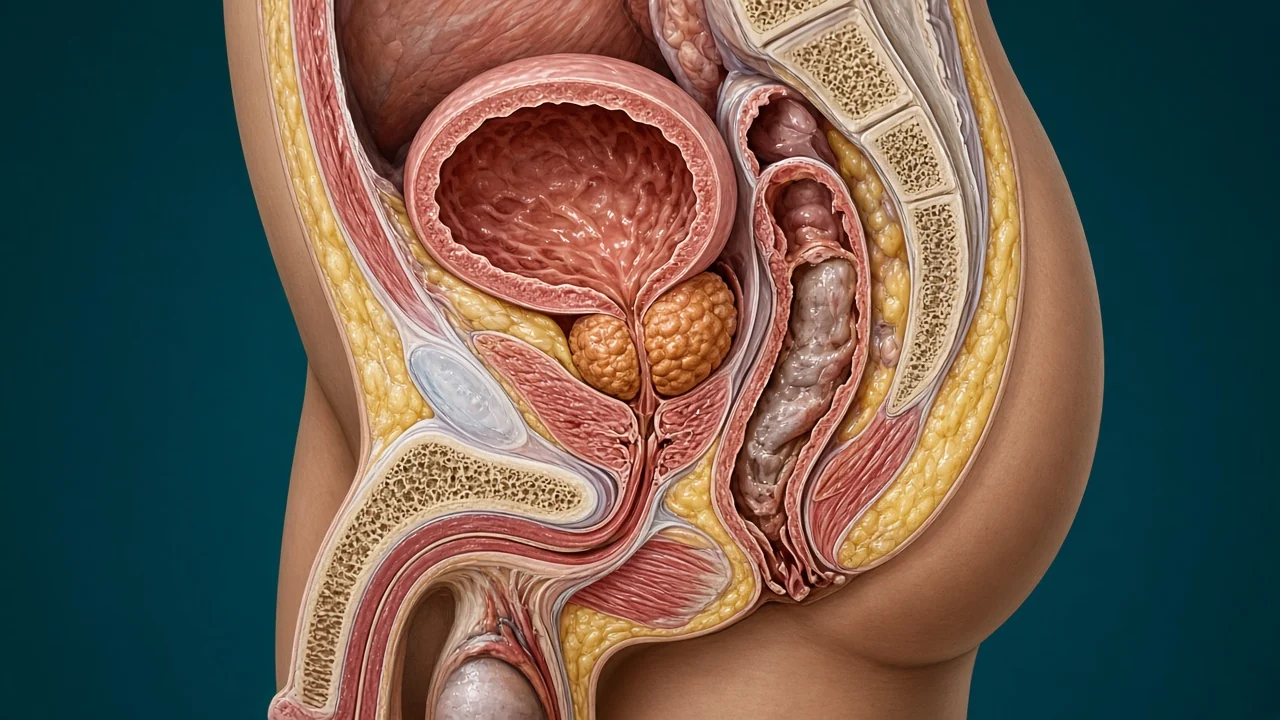
Prostate cancer treatment in India is planned from stage, Grade Group, PSA and imaging — active surveillance, radical prostatectomy, radiation, hormone therapy or systemic care — not from a single package price.
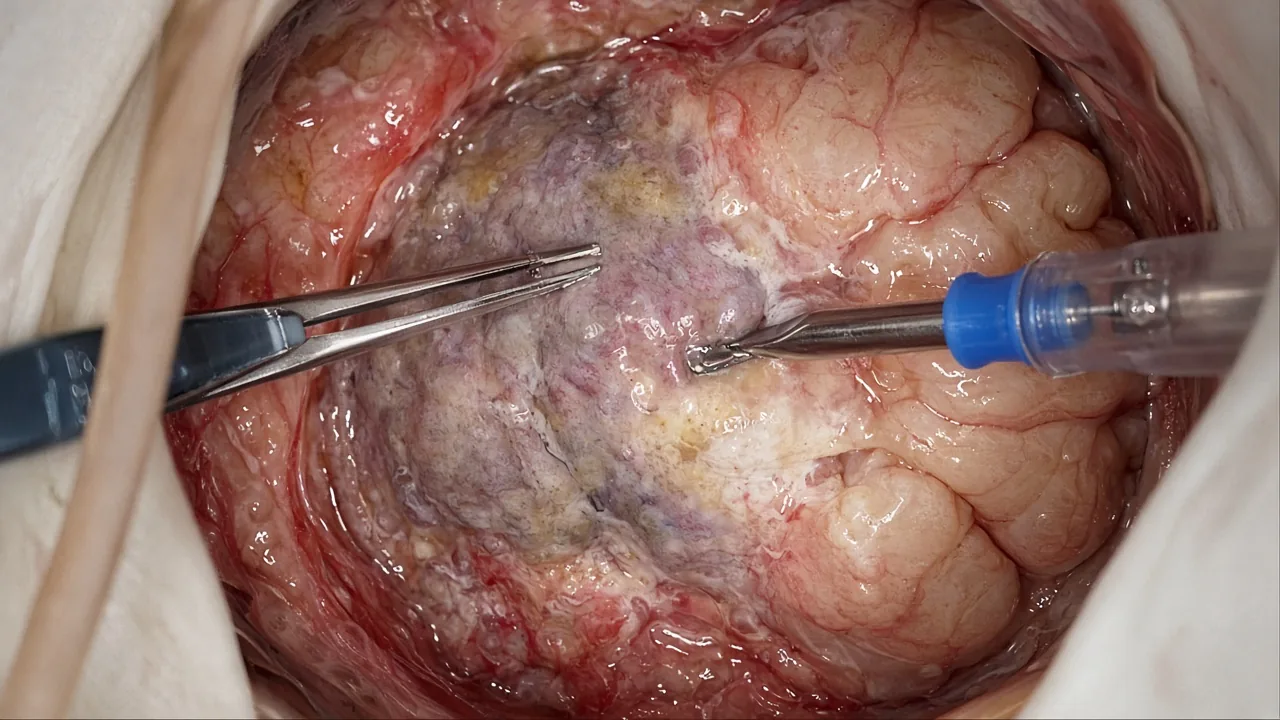
Brain tumor surgery in India is planned from the named tumour — glioma, meningioma, pituitary, metastasis or biopsy — as maximal safe resection, not a generic brain-surgery package.
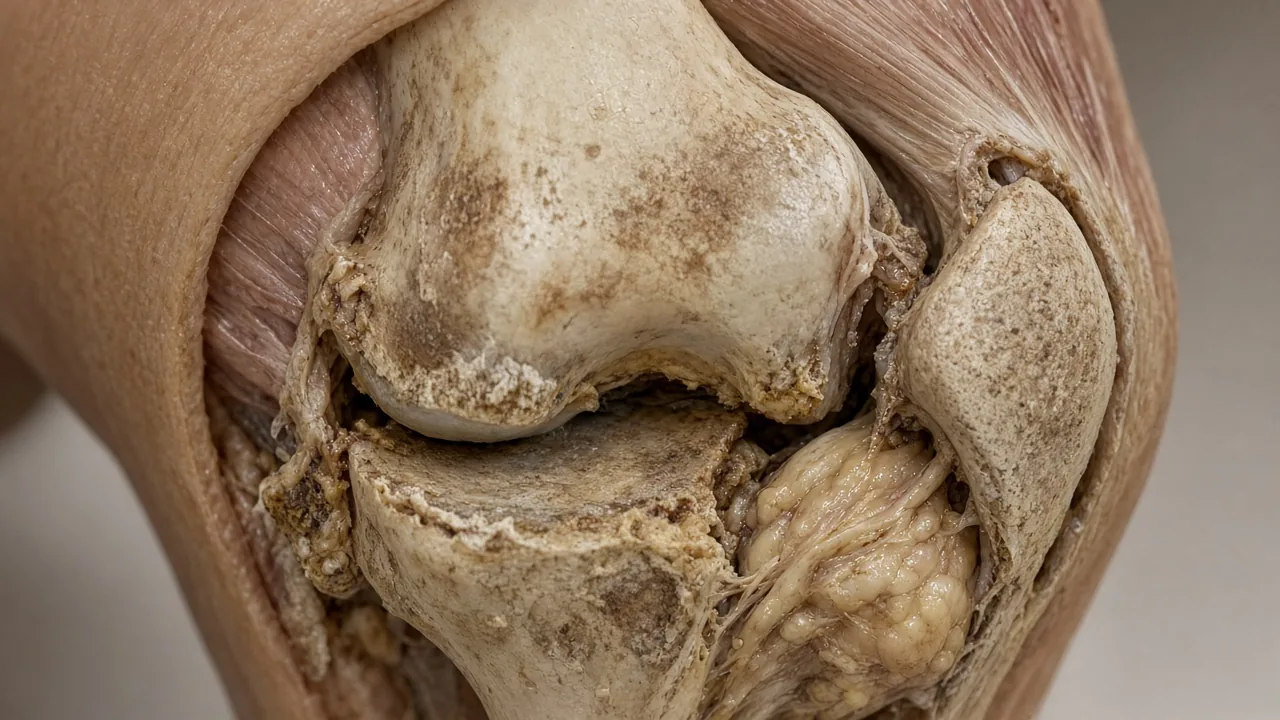
Knee replacement in India is planned from X-rays, ligaments and activity goals — total, partial, revision or robotic-assisted arthroplasty — not from a single package price.
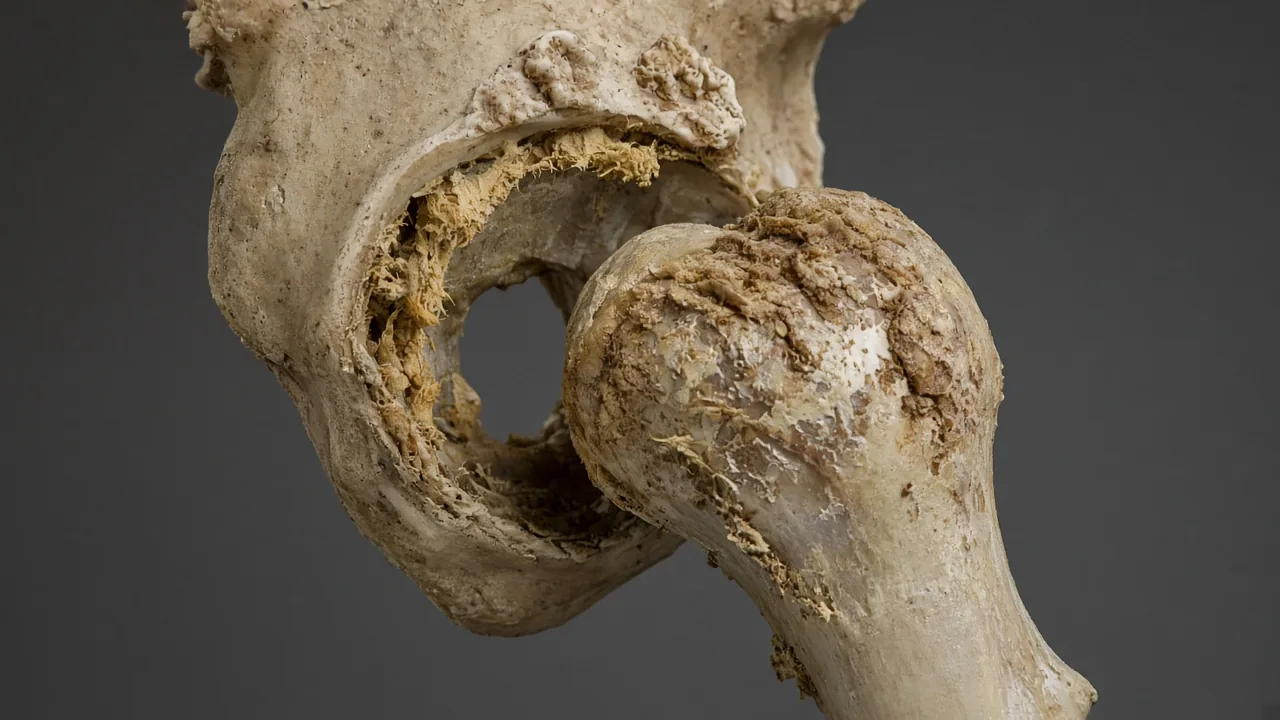
Hip replacement in India is planned from pelvis X-rays, bone stock and activity goals — total hip replacement, resurfacing or revision — not from a single package price.
ACL reconstruction in India is planned from MRI, knee stability and sport goals — graft choice, meniscus work and criteria-based rehab — not from a single package price.
Whipple surgery in India is planned from resectability and imaging — pancreaticoduodenectomy, reconstruction, ICU stay and any chemotherapy — not from a single package price.
Use this directory to move from this country page into GAF’s live treatment, specialty and cost guides. Items without a dedicated page are listed for planning only.
Cancer Treatment in India for Kazakhstani Patients
Cancer is one of the most important treatment areas for Kazakhstani patients seeking specialised healthcare. According to the IARC GLOBOCAN 2024 Kazakhstan fact sheet, the country had an estimated 29,851 new cancer cases, 16,355 cancer deaths and 79,521 five-year prevalent cases. These are GLOBOCAN 2024 estimates, not current 2026 case counts, and they should not be interpreted as an individual's diagnosis or prognosis.
The same official fact sheet ranks breast first among estimated new cases in both sexes (4,489; 15.0%), followed by colorectum (3,598; 12.1%), stomach (2,951; 9.9%), lung (2,798; 9.4%) and prostate (1,706; 5.7%). Among Kazakhstani women, breast cancer was the leading site (4,489; 29.0%), followed by colorectum and cervix. Among Kazakhstani men, lung cancer was the leading site (2,232; 15.6%), followed by colorectum and stomach. GAF does not yet publish dedicated stomach-cancer, lung-cancer or liver-cancer pages; those cases are coordinated through the relevant oncology team after records review.
How Much Does Medical Treatment in India Cost for Kazakhstani Patients?
There is no universal treatment price for Kazakhstani patients. Two patients undergoing the same named procedure can have very different clinical requirements. GAF Healthcare presents costs as USD planning estimates from the live catalogue, not hospital quotations.
Diagnosis, disease stage and treatment plan
Hospital, specialist, room category and ICU charges
Medicines, implants and diagnostic investigations
Hospitalisation, rehabilitation and complications
Follow-up and additional procedures
The ranges below are GAF Healthcare planning figures from the live cost catalogue. They are not hospital quotations. Ask the hospital which items are included.
How Much Does Medical Treatment in India Cost for Kazakhstani Patients?
An estimate obtained before travel should be considered a planning figure unless it is explicitly issued as a final quotation by the hospital. The final amount may change after physical examination, additional investigations, changes in treatment plan, medicines, implants, ICU care, complications or longer hospitalization.
Why Do Medical Costs Differ Between Indian Hospitals?
Two hospitals can provide different quotations for the same procedure. A lower headline quotation does not necessarily mean a lower total expenditure. Patients should compare the complete treatment plan, doctor, hospital, inclusions and exclusions.
Hospital infrastructure, doctor fees, room category and ICU charges
Implant selection, medicines and diagnostic testing
Flights, visa fees, accommodation, food and local transportation
Additional investigations, blood products and extended hospitalisation
Complication-related treatment and follow-up consultations
Ask the hospital or coordinator which items are included in the treatment estimate. Comparing the scope of the quotation is more meaningful than comparing only the headline number.
Which Indian Cities Can Kazakhstani Patients Consider?
The appropriate city depends on the medical condition and treatment. There is no single Indian city that is appropriate for every Kazakhstani patient.
India
Delhi NCR
Delhi, Gurugram and the wider National Capital Region offer extensive tertiary and super-specialty healthcare across oncology, cardiology, cardiac surgery, neurosurgery, orthopaedics, urology, gastroenterology and transplantation.
Pune has a significant multispecialty healthcare ecosystem and can be considered for selected treatments. GAF’s live city catalogue does not yet include Pune, so this page does not link to a Pune directory.
How Should Kazakhstani Patients Choose an Indian Hospital?
Start with the diagnosis. Ask whether the hospital treats the specific disease, whether the required specialty and surgeon or oncologist are available, whether ICU and advanced diagnostics are in place, whether international-patient services exist, whether the quotation is transparent, and what follow-up arrangements are available. The campuses below are drawn from GAF’s live India catalogue, one from each published city.
Apollo Athenaa Women’s Cancer Centre is a small, purpose-built floor in Delhi NCR — about fifty beds, opened in 2025, sitting inside the Apollo system’s JCI and NABH frame. It is not a general hospital. Radiation here is planned around breast and gynaecological work, with IMRT, SBRT, SRS and brachytherapy when those techniques spare what surgery would take. A travelling patient should only land here if the tumour actually belongs on a women’s-cancer list.
Apollo Hospitals, Navi Mumbai opened in 2016: 500 beds, JCI and NABH, a radiation list that already includes IMRT, IGRT, SRS and SBRT. Navi Mumbai is the Mumbai tab for a reason — same city cluster, a campus used to international second opinions. Consultants here will not invent a stereotactic indication to shorten a hotel stay. Video first; a date if the plan is theirs.
Apollo Hospital, Chennai is a Haematology campus in Chennai, India on GAF Healthcare's list. It opened in 1983. 745 beds. JCI · NABH accreditation is current. Named haematologists write transplant, CAR-T and marrow-diagnostic protocols here; medical, radiation and surgical oncology sit on the same map when the case needs them. Records on camera first; a date if Chennai is the right city.
Apollo Hospital, Jubilee Hills has been a Hyderabad landmark since 1988: 550 beds, JCI and NABH, a radiation department directed by a consultant whose name is asked for across Telangana. IMRT, IGRT, SRS and SBRT are everyday. Brachytherapy fellowship sits on the same floor. Fly to Hyderabad for that named list, not for a city you have never seen. Peer review before the ticket.
Apollo Hospitals, Bannerghatta Road is a 250-bed JCI campus in Bengaluru, open since 2007. Radiation oncology here is a consultant bench: IMRT, IGRT, SRS, SBRT, CyberKnife and brachytherapy depending on who you are matched to. South India Today prizes do not book a course; a peer-reviewed plan does. English-first coordinators, Kannada and Hindi on the ward, a date after records.
How Should Kazakhstani Patients Choose the Right Doctor?
The doctor should be matched to the patient's diagnosis and procedure. A useful structure is specialty, subspecialty, procedure, city, hospital and then doctor. The specialists below are taken from GAF’s live doctor catalogue.
Dr. Ajay Sharma is Senior Director & Unit Head - Medical Oncology at BLK-Max Super Speciality Hospital in Delhi NCR, India. He has practised medical oncology in India for 18+ years experience. The systemic list covers C…
Dr. Anil K D'Cruz is Senior Consultant in Surgical Oncology at Apollo Athenaa Women's Cancer Centre in the Delhi NCR, with more than 33 years of experience. He has also practised within Apollo Hospitals in Mumbai, Chenn…
Dr. Anil Kumar Anand is Principal Director and Head of the Department of Radiation Oncology at Fortis Memorial Research Institute in Delhi NCR, with more than 33 years of experience. His practice spans both the external…
Dr. Aparna Jaswal is Director of Cardiology at Fortis Escorts Heart Institute in Delhi NCR, India. She has practised interventional and clinical cardiology in India for 19+ years experience. The cardiology list covers C…
Dr. Ajay Kaul is Chairman of Cardiac Sciences at Fortis Hospital, Noida, in Delhi NCR, with more than 38 years of experience. His profile records cardiac surgery together with paediatric cardiac surgery. His list covers…
Dr. Sandeep Vaishya is Executive Director & Head of Department, Neurosurgery at Fortis Memorial Research Institute in Delhi NCR, India. He has practised neurosurgery in India for 32+ years experience. GAF Healthcare lis…
Dr. Yash Gulati is Senior Joint Replacement, Sports & Spine Orthopedic Surgeon at Indraprastha Apollo Hospital in Delhi NCR, India. He has practised adult orthopaedics in India for 37+ years experience. GAF Healthcare l…
Dr. Sanjay Gogoi is Chairman of Urology, Renal Care at Medanta - The Medicity in Delhi NCR, India. He has practised urology in India for 27+ years experience. Stone clearance, prostate resection or enucleation, and livi…
Dr. Ajay Kumar is Chairman of Gastroenterology & Hepatology — Pan Max and Head of Department at BLK-Max Super Speciality Hospital in Delhi NCR, India. He has practised gastroenterology in India for 38+ years experience.…
Dr. Ashutosh Marwah is Director of Paediatric and Adult Congenital Heart Disease at Fortis Escorts Heart Institute in Delhi NCR, with more than 28 years of experience. He is listed in pediatric cardiac surgery and cardi…
Kazakhstan is currently listed among the countries eligible for India's e-Visa system. Medical treatment is an eligible purpose. The official portal provides e-Medical and e-Medical Attendant categories. The Embassy of India in Astana currently states that e-Visa facility, including e-Medical and e-Medical Attendant, has been restored for Kazakh nationals, and that other visa categories can be submitted at the Embassy in Astana or the Representative Office in Almaty.
Eligible applicants can apply online. The current official portal states that e-Medical and e-Medical Attendant applications may be submitted at least four days before arrival, with an arrival-date selection window of up to 120 days.
A category-wise official e-Visa fee table currently lists Kazakhstan at US$00 for e-Medical and e-Medical Attendant visas. The single-column official fee list shows Kazakhstan at US$80. Confirm the live amount for the chosen category before payment. A bank charge is stated on the official portal.
The current official guidance states that up to two e-Medical Attendant Visas can be issued against one e-Medical Visa.
The current official portal lists e-Medical and e-Medical Attendant visas with one-year validity from the date of arrival and multiple entries. Confirm the live category notes before applying.
An e-Medical Visa application requires the documents specified by the Government of India, including a passport bio page, a recent photograph, sufficient funds, a return or onward ticket, and an Indian hospital letter on letterhead that identifies the patient's name, nationality, passport number and the tentative admission or treatment date.
Some patients may still need India's regular Medical Visa through the Embassy of India in Astana, especially if they hold a travel document other than an ordinary Kazakhstani passport or if the e-Visa route does not apply. Confirm the live Mission instructions before submitting documents.
Do not use a third-party e-Visa website. The Embassy of India in Astana cautions applicants to use only the official Government of India e-Visa portal. The official e-Visa fee list is the eligibility gate.
Visa rules, fees, documents and entry regulations can change. Verify the current official Indian e-Visa portal and the Embassy of India in Astana immediately before applying or travelling.
Documents for an Indian e-Medical Visa or regular Medical Visa from Kazakhstan
Passport with at least six months’ validity and two blank pages
Recent photograph and passport bio page
Indian hospital letter with tentative admission or treatment date for an e-Medical Visa
Return or onward ticket and proof of sufficient funds
Yellow-fever vaccination certificate if the traveller has recently been in, or transited landside through, a listed endemic country
Attendant passports and documents where a family member will travel
Patients should determine which visa route applies to their circumstances rather than submitting documents based on an outdated third-party checklist. e-Visa enquiries should be made on the official Government of India portal.
Yellow Fever and Health-Entry Requirements for Kazakhstani Travellers
Kazakhstan is not listed among yellow-fever endemic countries on India's IHR points-of-entry guidance. A yellow-fever certificate can still be required if the traveller has recently been in, or transited landside through, a listed endemic country.
India's IHR guidance states that a yellow-fever certificate becomes valid 10 days after vaccination where one is required.
Carry the original certificate when a certificate is required. Photocopies or digital copies can be treated as insufficient at the border.
The Embassy of India in Astana currently publishes e-Visa and regular visa-service information for Kazakhstani nationals. Confirm any additional Mission-specific health-entry documents before departure.
Requirements can change according to connecting airports and current public-health regulations.
Confirm the current requirement on the official Indian visa portal, the Bureau of Immigration, India's IHR yellow-fever list and the Embassy of India in Astana before travel.
Travelling from Kazakhstan to India for Medical Treatment
Many Kazakhstani patients begin their international journey from Almaty or Astana. Direct flights between Delhi and Almaty are recorded in the official MEA brief. Patients may also travel from Shymkent, Karaganda, Aktobe, Atyrau, Pavlodar, Taraz or Oskemen.
The hospital city should be selected according to the patient's treatment requirement. The flight should then be planned around the confirmed hospital appointment.
Patients with significant medical conditions should ask their treating doctor whether they are medically fit for commercial air travel.
It is generally better to confirm the medical opinion, specialist, hospital, proposed treatment, hospital invitation and visa before booking a fixed return ticket.
Likely arrival airports
Treatment destination
Likely arrival airport
Delhi NCR
Indira Gandhi International Airport
Mumbai
Chhatrapati Shivaji Maharaj International Airport
Chennai
Chennai International Airport
Hyderabad
Rajiv Gandhi International Airport
Bengaluru
Kempegowda International Airport
Pune
Pune International Airport
Confirm the current itinerary with the airline or travel provider. Flight options from Almaty International Airport, Nursultan Nazarbayev International Airport in Astana and connecting hubs change by season.
How Long Will a Kazakhstani Patient Need to Stay in India?
There is no standard treatment duration. A consultation may require a short stay. Major surgery, cancer treatment, transplantation and rehabilitation may require several weeks or longer. Ask the hospital for an estimated treatment timeline before booking the return flight.
How Long Will a Kazakhstani Patient Need to Stay in India?
Treatment
Possible stay
Specialist consultation
2–5 days
Diagnostic evaluation
2–7 days
Major surgery
1–4 weeks or longer
Joint replacement
Around 1–3 weeks
Cancer surgery
Often 2–4 weeks
Radiation or chemotherapy
Depends on protocol
IVF
Often several weeks
Complex transplant
Several weeks to months
Documents Kazakhstani Patients Should Prepare
A complete medical file can make the initial specialist review more useful. Not every patient needs every document. The treating hospital can advise which records are essential.
General records
Passport copy, medical summary, diagnosis and blood-test reports
Imaging reports, previous prescriptions, discharge summaries and operation reports
Current medication list
Cancer
Biopsy, histopathology, immunohistochemistry and molecular testing where available
CT, MRI and PET-CT images as well as reports
Previous chemotherapy, radiation and surgical notes
If pathology slides or tissue blocks are available, the receiving cancer centre can advise whether they should be brought for review.
Cardiac
ECG, echocardiography and coronary angiography
CT coronary angiography and stress-test reports where available
Previous cardiac procedures and current medicines
Orthopaedics
X-rays, MRI and CT
Previous surgery reports and physiotherapy records
Accommodation, Food and Language for Kazakhstani Patients
International patients may need accommodation close to the treating hospital. For patients receiving repeated chemotherapy or radiation therapy, staying close to the hospital can be particularly practical. For patients recovering from major surgery, accessibility and proximity to medical care may be more important than the accommodation's tourist location.
Accommodation
Hotels, serviced apartments, long-stay apartments or hospital guest accommodation
Distance from the hospital, lift access and wheelchair accessibility
Attendant accommodation, kitchen facilities, pharmacy and grocery access
For patients undergoing repeated chemotherapy or radiation therapy, staying near the hospital may reduce daily travel.
Food and daily living
Before travelling, discuss low-salt, diabetic, high-protein, post-operative, vegetarian, religious or allergy-related dietary needs with the treating hospital. Patients undergoing cancer treatment or recovering from surgery should follow the dietary plan provided by their treating team.
Language and communication
Kazakh and Russian are widely used in Kazakhstan. Indian hospitals generally use English for medical documentation and specialist consultations. Kazakh- or Russian-language support can be arranged where needed. Patients should never sign medical consent documentation they do not understand.
Step-by-Step Medical Treatment Journey
If you are considering treatment in India, begin with your medical records rather than your flight booking. A records-first sequence allows many questions to be addressed before leaving Almaty or Astana.
1
Share medical records
Send the relevant reports and a concise medical history.
2
Get an Indian specialist opinion
The appropriate specialist reviews the available records. A remote opinion does not replace an in-person examination.
3
Understand treatment options
Discuss the proposed treatment, alternatives and expected timeline.
4
Select the hospital and doctor
Choose according to the medical requirement.
5
Receive hospital confirmation
The hospital confirms the consultation or treatment pathway.
6
Obtain a cost estimate
Request a written estimate showing major inclusions and exclusions.
7
Apply for the Indian Medical Visa
Use the current official e-Medical Visa process, or the regular Medical Visa through the Embassy of India in Astana if that route applies.
8
Arrange travel
Plan flights, accommodation and local transportation around the confirmed hospital schedule after the visa is issued.
9
Arrive in India
Proceed to the hospital for consultation and evaluation.
10
Complete investigations and begin treatment
The treating team may repeat or update diagnostic tests before confirming the final plan.
11
Recovery and discharge
The hospital provides medication and follow-up instructions.
12
Return to Kazakhstan and continue follow-up
Travel home when medically fit and maintain follow-up with the Indian treating team and local healthcare professionals.
How GAF Healthcare Can Support Kazakhstani Patients
GAF Healthcare can coordinate the medical journey between Kazakhstan and India. The exact services available should be confirmed before travel. Medical decisions remain with the patient and treating medical professionals.
Before travel
Medical-record collection and specialist matching
Hospital coordination and second-opinion coordination
Treatment-cost requests and appointment coordination
Medical Visa guidance and travel planning
During treatment
Airport and hospital coordination
Communication support during consultations and discharge where available
Patient and family communication during treatment
After treatment
Discharge coordination and medical-document collection
Follow-up communication with the treating hospital
Return-travel planning when the doctor clears travel
GAF Healthcare's role is to help patients understand and coordinate their options rather than make the clinical decision for them. Visa approval remains subject to the Government of India's rules and decision.
Can Kazakhstani Patients Get a Second Medical Opinion from India?
Yes. Patients can often share their medical records with an Indian specialist before deciding to travel. A second opinion can be useful before major cancer, cardiac, brain or spine surgery, joint replacement, organ transplantation, long-term chemotherapy, radiation therapy or complex fertility treatment.
What is the diagnosis, and what treatment is recommended?
Why is this treatment recommended, and are there alternatives?
Who will perform the procedure, and how long should the patient remain in India?
What does the quotation include and exclude, including medicines, implants and ICU charges?
What happens if complications occur, and what follow-up is required?
How will consent and discharge instructions be explained, and what documents are required for the Indian Medical Visa?
A second opinion should not unnecessarily delay urgent treatment. International treatment is not automatically appropriate when the patient is medically unstable, cannot safely fly, or when appropriate treatment is already available locally.
How to Choose a Hospital and Doctor in India
The hospital should be selected around the patient's condition. Complex cases may require a subspecialist. Patients should understand the proposed treatment and its purpose.
How to choose a hospital
Does the hospital treat this condition regularly, and is the right specialist available?
Does the hospital have the required ICU, diagnostic and international-patient infrastructure?
What does the quotation include, and what happens if additional treatment is required?
What happens after returning to Kazakhstan?
How to choose the right specialist
Breast cancer → breast or surgical oncologist, medical oncologist, radiation oncologist
Colorectal cancer → colorectal surgeon, medical oncologist, radiation oncologist
Lung cancer → thoracic surgeon, medical oncologist, radiation oncologist where required
Heart disease → cardiologist, interventional cardiologist, cardiac surgeon where required
Frequently Asked Questions
Can Kazakhstani citizens get medical treatment in India?
Yes. Kazakhstani citizens can travel to India for medical treatment using the applicable e-Medical Visa or regular Medical Visa route, subject to current Indian immigration requirements.
Is Kazakhstan eligible for India's e-Medical Visa?
Yes. Kazakhstan is included in India's official e-Visa eligible-country list, and the e-Visa system includes e-Medical and e-Medical Attendant categories. A category-wise official fee table currently lists those medical categories at US$00. Confirm the live amount before payment.
Can a family member accompany a Kazakhstani patient?
Yes. Eligible attendants can use the Medical Attendant or e-Medical Attendant route. The current e-Visa rules allow up to two e-Medical Attendant Visas against one e-Medical Visa.
What cancers are common in Kazakhstan?
GLOBOCAN 2024 estimates 29,851 new cancer cases and 16,355 cancer deaths in Kazakhstan. The leading sites by estimated new cases among both sexes were breast, colorectum, stomach, lung and prostate. These are population-level estimates, not an individual diagnosis.
Can Kazakhstani patients get cancer treatment in India?
Yes. Indian oncology centres treat a wide range of cancers using surgery, chemotherapy, radiation therapy, immunotherapy, targeted therapy and other approaches where clinically appropriate.
How much does cancer treatment cost in India?
There is no single price. Cost depends on cancer type, stage, treatment plan, medicines, hospital, specialist, investigations and treatment duration.
Can I obtain a treatment estimate before travelling?
Yes. A hospital can usually provide a preliminary estimate after reviewing relevant medical records.
Can I obtain a second opinion from an Indian specialist?
Yes. Medical records can be shared with an Indian specialist for an independent medical opinion before travelling.
Which Indian city is best for Kazakhstani patients?
There is no universal best city. Delhi NCR, Mumbai, Chennai, Hyderabad and Bengaluru are live GAF catalogue cities. Pune can also be considered, but this page does not link to a Pune directory because that city is not yet in the live catalogue. The appropriate destination depends on the patient's diagnosis and required specialty.
How long do Kazakhstani patients need to stay in India?
It depends on the treatment. A consultation may require a short visit, while surgery, radiation therapy, chemotherapy or transplantation can require a substantially longer stay.
Can GAF Healthcare help Kazakhstani patients?
GAF Healthcare can coordinate specialist opinions, hospital selection, treatment estimates, medical visa documentation, travel arrangements and other medical-tourism logistics.
How early can a Kazakhstani patient apply for an e-Medical Visa?
The current Government of India guidance says eligible applicants for e-Medical and e-Medical Attendant visas can apply online at least four days before arrival, with a 120-day window.
How long is India's e-Medical Visa valid?
The current official e-Visa portal lists the e-Medical Visa as one year from arrival with multiple entries. Patients should verify the live portal at the time of application.
Do Kazakhstani patients need a yellow-fever certificate?
Kazakhstan is not listed among yellow-fever endemic countries on India's IHR points-of-entry guidance. A certificate can still be required if the traveller has recently been in, or transited landside through, a listed endemic country.
Can patients apply through the Embassy of India in Astana?
Yes. The Embassy of India in Astana publishes e-Visa notes for Kazakh nationals and receives regular visa applications at the Embassy in Astana or the Representative Office in Almaty. The Embassy fee schedule effective 5 June 2026 lists regular Medical and Medical Attendant visas. Patients who are unsure about e-Visa eligibility should confirm the live Mission instructions.
Can I send my medical reports from Almaty or Astana?
Yes. Patients from Almaty, Astana and other parts of Kazakhstan can share records before travel. Indian hospitals may request English translations of important Kazakh- or Russian-language records.
Does India have healthcare cooperation with Kazakhstan?
Yes. Official MEA records describe a June 2022 decision to set up Joint Working Groups on Pharmaceuticals and Healthcare, a Pharmexcil visit to Almaty, High Impact Community Development projects that can include health infrastructure, and 30,000 hydroxychloroquine tablets provided in April 2020.
Can Kazakhstani medical records be submitted in Kazakh or Russian?
They can be submitted for preliminary coordination, but Indian hospitals may request English translations of important records. Pathology, imaging and treatment summaries are particularly important.
Can Kazakhstani patients receive communication support in Kazakh or Russian?
Communication support can be coordinated where required. Indian hospitals generally use English for clinical communication, so Kazakh- or Russian-language assistance can be useful for complex treatment.
Can Kazakhstani patients get heart surgery in India?
Yes. Indian cardiac centres provide procedures including angioplasty, CABG, valve surgery, electrophysiology and other cardiac treatments, subject to specialist assessment.
Can Kazakhstani patients get IVF treatment in India?
Yes. Indian fertility centres provide IVF, ICSI, IUI, embryo-transfer procedures and other fertility services subject to medical and applicable legal requirements. GAF does not yet publish a dedicated IVF page.
Is India right for every Kazakhstani patient?
No. International treatment is not automatically appropriate when the patient is medically unstable, cannot safely fly, needs immediate local treatment, or when the expected benefit does not justify the burden of travel.
Does insurance cover treatment in India?
Coverage depends on the patient's policy. Confirm whether planned treatment abroad, India, surgery, cancer treatment, medicines, emergency care and medical evacuation are covered, and obtain written confirmation where possible.
Is the hospital estimate final?
Not necessarily. A preliminary estimate is based on the information available before treatment. The final plan and cost can change after examination and investigation in India.
Should I book flights before the Medical Visa is issued?
It is generally better to wait until the hospital invitation has been issued and the applicable visa has been granted before making non-refundable travel arrangements.
Start Your Medical Treatment Journey from Kazakhstan to India
If you or a family member in Kazakhstan is considering treatment in India, the most useful first step is to share the patient's medical information. Send the diagnosis, medical reports, scans and previous treatment records to GAF Healthcare.
Share your medical records → Get a specialist opinion → Review hospital and treatment options → Plan your journey to India
This page is intended for general education and medical-travel planning. It does not replace advice from a qualified healthcare professional. Cancer statistics are population-level estimates and cannot determine an individual's diagnosis or prognosis. Treatment costs are indicative and can change. Visa requirements, fees, documentation and immigration regulations can change. Kazakhstani patients should verify the latest medical, immigration and travel requirements before travelling.
Embassy of India, AstanaOfficial Mission website for visa, consular and bilateral information covering Kazakhstan, with a Representative Office in Almaty.
IARC / WHO — GLOBOCAN 2024 Kazakhstan fact sheetEstimated 29,851 new cases, 16,355 deaths and 79,521 five-year prevalent cases, with breast, colorectum, stomach, lung and prostate as leading sites.