Treatment Overview
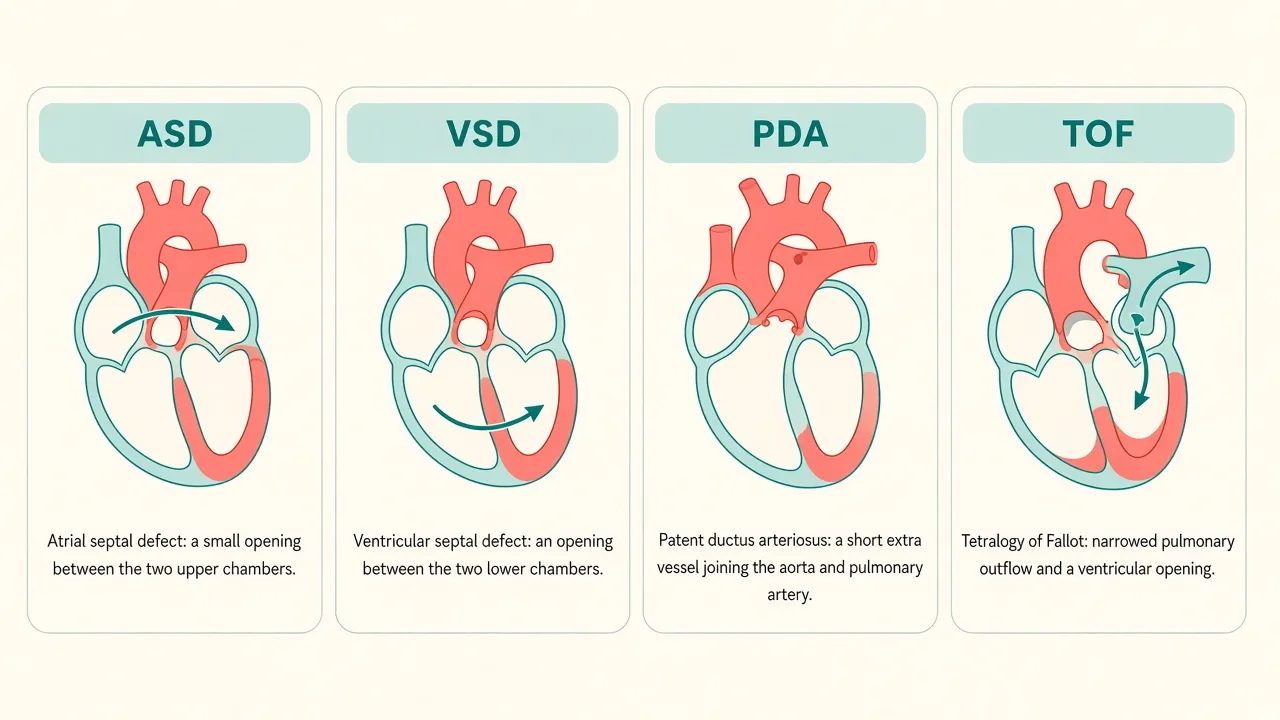
Pediatric heart surgery in India is surgical and catheter-based treatment for structural heart problems in newborns, infants, children and adolescents. Many of these problems are congenital heart defects: an opening between chambers, a valve that is too narrow, a blood vessel connected incorrectly, or an abnormal pathway for blood flow.
The purpose of treatment is to improve circulation, protect the heart and lungs, relieve symptoms, support growth and reduce the risk of complications. Not every child with a congenital heart defect needs an operation. Some defects close naturally, and others are managed with monitoring or medication. Certain conditions need treatment soon after birth because delay can damage the heart or lungs.
The appropriate plan depends on the diagnosis, age, weight, oxygen levels, heart anatomy, overall health and urgency. A pediatric cardiologist and a congenital heart surgeon make that decision after reviewing the echocardiogram and examining the child. This page is a planning guide, not a diagnosis or a quotation.
Named procedures already have their own pages. An atrial hole sits on ASD Closure Surgery in India. A ventricular hole sits on Ventricular Septal Defect (VSD) Surgery in India. A persistent duct sits on PDA Closure Surgery in India. Tetralogy repair sits on TOF Repair Surgery in India. d-TGA anatomical repair sits on Arterial Switch Operation in India. Aortic narrowing sits on Coarctation Repair Surgery in India. Staged single-ventricle lists sit on Glenn Procedure Surgery in India and Fontan Procedure Surgery in India. Later valve work sits on Heart Valve Replacement Surgery in India. Pacing after heart block sits on Pacemaker Implantation in India. There is no live GAF AVSD-only, TAPVC-only, Norwood-only, BT-shunt-only or pediatric heart transplant treatment page. Those products are quoted from the named cost sheets below.
Families comparing pediatric cardiac surgeons commonly start with Delhi NCR, Mumbai, Bengaluru, Chennai and Hyderabad. Partner pediatric cardiac surgery hospitals in Delhi NCR, Mumbai, Bengaluru, Chennai and Hyderabad are a typical first filter because the child needs a pediatric cardiac ICU, echocardiography and emergency backup. Broader congenital lists still sit with cardiac surgeons in Delhi NCR, Mumbai, Bengaluru, Chennai and Hyderabad, and with cardiac surgery hospitals in Delhi NCR, Mumbai, Bengaluru, Chennai and Hyderabad.
Important: Severe breathing difficulty, sudden blue or grey lips or tongue, collapse, unresponsiveness or other serious deterioration belongs in a local emergency department first. Do not delay emergency care to arrange an overseas consultation. WhatsApp at +91 90443 46292 is for planned record review, not an acute infant emergency.
Message +91 90443 46292 to request a medical opinion before anyone books travel.
What is pediatric heart surgery?
Pediatric heart surgery refers to operations performed to correct structural or functional problems of the heart and major blood vessels in children. These conditions are often present at birth and are therefore known as congenital heart defects.
A child's heart may have an opening between its chambers, a valve that is too narrow, a blood vessel connected incorrectly, or an abnormal pathway for blood flow. Some defects place extra strain on the heart and lungs. Others reduce the amount of oxygen reaching the body.
Pediatric cardiac care is a team effort. It may involve pediatric cardiologists, congenital heart surgeons, cardiac anesthesiologists, intensivists, nurses, perfusionists, nutritionists and rehabilitation specialists. The clinical assessment, diagnosis, treatment recommendation and surgical decision remain with the treating hospital and its qualified team. GAF Healthcare coordinates records, estimates and travel. It does not perform surgery.
Why do children need heart surgery?
Congenital heart defects develop when the heart or its major blood vessels do not form normally during pregnancy. They range from relatively small abnormalities to complex conditions that need several procedures.
The decision to operate depends on how the defect affects circulation and whether the expected benefits outweigh the risks.
An opening in the heart. An ASD or VSD may allow blood to flow between chambers in a way that strains the heart or lungs. Those named repairs sit on the ASD and VSD pages linked above.
Abnormal blood vessels. A PDA or another vascular connection may send excessive blood flow to the lungs or interfere with normal circulation.
Insufficient oxygen in the blood. Some defects, including certain forms of Tetralogy of Fallot, can cause cyanosis, commonly described as a bluish colour of the lips, tongue or skin.
Narrowed valves or blood vessels. Obstruction can make it harder for the heart to pump blood. Coarctation of the aorta is one example and has its own treatment page.
Incorrect connections of major arteries. Transposition of the great arteries can seriously affect oxygen delivery and may require urgent specialist care. The arterial switch page covers that operation.
Complex heart anatomy. Some children need staged operations to establish a circulation their heart can sustain. Glenn and Fontan pages cover two of those stages. There is no live Norwood-only treatment page.
Children may also need surgery for selected acquired valve problems or complications of previous cardiac treatment. Adult coronary bypass is a different product and sits on CABG Surgery in India. It is not a substitute for a pediatric congenital list.
Warning signs of a heart problem in a child
Congenital heart defects do not always cause obvious symptoms. Some are identified during pregnancy or newborn screening. Others are discovered later during a routine examination or an investigation of unexplained symptoms.
Possible warning signs include:
- Bluish lips, tongue or skin, particularly around the mouth.
- Rapid or difficult breathing, including during feeding.
- Excessive sweating while feeding or drinking milk.
- Poor weight gain or difficulty feeding.
- Unusual tiredness during normal activity.
- Frequent respiratory infections in some children.
- Fainting, dizziness or reduced exercise tolerance in older children.
- A heart murmur detected during a medical examination.
These symptoms do not necessarily mean that a child needs surgery. They do warrant medical assessment, particularly when they are persistent or occur together.
Seek emergency medical care if a child develops severe breathing difficulty, sudden blue or grey lips or tongue, collapse, unresponsiveness, or other signs of serious deterioration. Do not delay emergency treatment to arrange an overseas consultation.
Types of congenital heart defects treated in India
Pediatric cardiac centres in India treat a range of congenital heart conditions. The procedure depends on the exact anatomy and the severity of the defect. The names below are educational. They do not establish whether a particular child needs surgery.
Atrial septal defect (ASD)
An atrial septal defect is an opening in the wall separating the heart's two upper chambers. Small ASDs may be monitored. Larger defects may increase blood flow to the lungs. Suitable secundum defects may be closed with a catheter device. Other anatomy needs surgical closure. Details sit on ASD Closure Surgery in India. GAF planning for ASD closure is $4,000–$9,500 (typically 5–10 nights; parent stay expected). US comparison is $30,000–$80,000.
Ventricular septal defect (VSD)
A ventricular septal defect is an opening between the heart's two lower chambers. Some small VSDs close naturally. Larger defects can cause rapid breathing, feeding difficulty, poor growth or excessive blood flow to the lungs. Details sit on Ventricular Septal Defect (VSD) Surgery in India. GAF planning for VSD closure is $4,500–$11,000 (typically 6–12 nights; parent stay expected). US comparison is $35,000–$90,000.
Patent ductus arteriosus (PDA)
The ductus arteriosus is a normal connection before birth. When it stays open, it is a patent ductus arteriosus. A small PDA may need only monitoring. A significant PDA can increase blood flow to the lungs. Medication, catheter closure or surgical ligation may be used, depending on age, size and anatomy. Details sit on PDA Closure Surgery in India. GAF planning for PDA closure is $3,500–$8,500 (typically 3–8 nights; parent stay expected). US comparison is $20,000–$60,000.
Tetralogy of Fallot (TOF)
Tetralogy of Fallot is a combination of four heart abnormalities that can restrict blood flow to the lungs and reduce oxygen levels. Treatment may be a complete repair, a temporary or staged procedure in selected infants, or a later procedure if residual obstruction develops. Details sit on TOF Repair Surgery in India. GAF planning for TOF repair is $6,500–$16,000 (typically 8–16 nights; parent stay expected). US comparison is $50,000–$140,000.
Transposition of the great arteries (TGA)
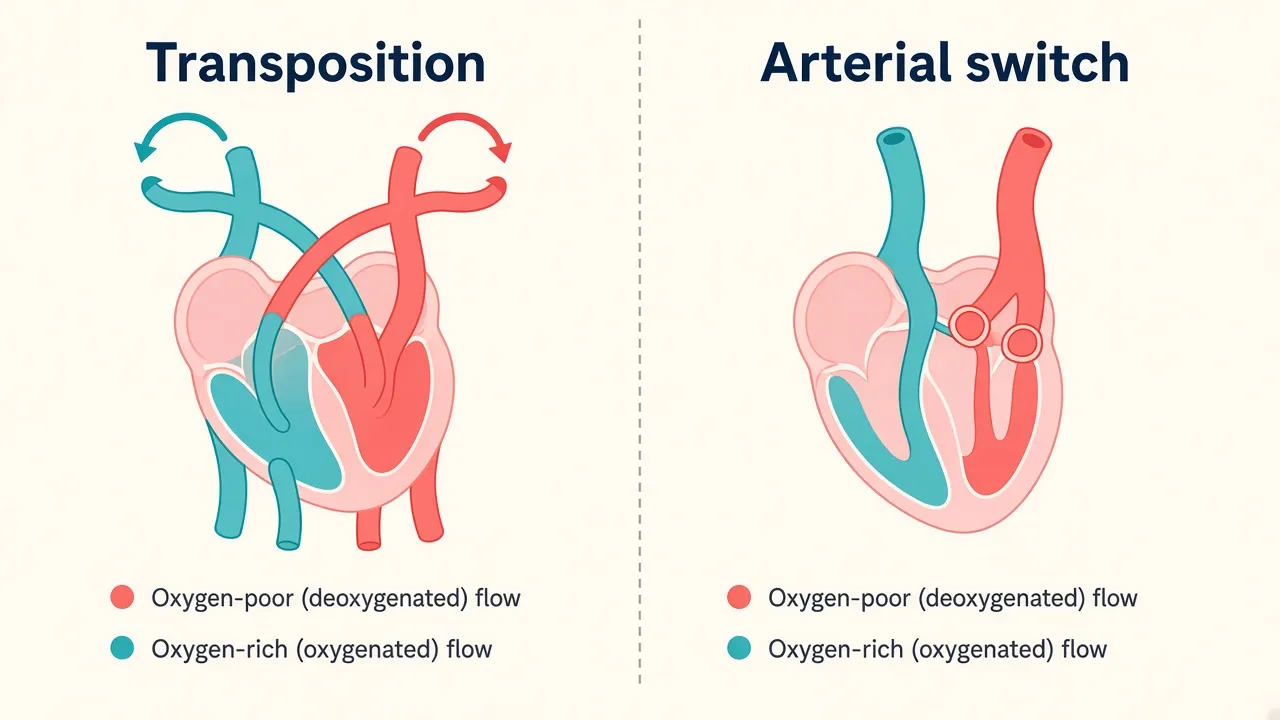
In transposition of the great arteries, the aorta and pulmonary artery are connected to the wrong pumping chambers. Newborns may become severely cyanotic and need urgent specialist assessment. The arterial switch operation is the standard corrective operation for many infants with the common form of this condition. Details sit on Arterial Switch Operation in India. GAF planning for an arterial switch is $12,000–$26,000 (typically 10–21 nights; parent stay expected). US comparison is $80,000–$200,000.
Atrioventricular septal defect (AVSD)
An atrioventricular septal defect involves the central part of the heart, including the walls between chambers and the atrioventricular valves. Treatment often involves surgical repair. Timing depends on the type of defect, valve function, symptoms and the child's condition. There is no live GAF AVSD-only treatment page. GAF planning for AVSD repair is $8,000–$18,500 (typically 8–16 nights; parent stay expected). US comparison is $55,000–$150,000.
Coarctation of the aorta
Coarctation is a narrowing of the aorta. The narrowing can raise blood pressure before the affected segment and reduce blood flow beyond it. Severe newborn cases may be urgent. Treatment can involve surgical repair, balloon dilation or stenting in selected patients. Details sit on Coarctation Repair Surgery in India. GAF planning for coarctation repair is $6,000–$15,000 (typically 6–14 nights; parent stay expected). US comparison is $40,000–$110,000.
Total anomalous pulmonary venous connection (TAPVC)
In TAPVC, the pulmonary veins do not connect normally to the left atrium. Some forms, particularly those with obstruction, cause serious illness in newborns and need urgent surgery. The operation redirects the pulmonary veins to the left atrium. Postoperative monitoring matters because pulmonary venous obstruction may need further treatment. There is no live GAF TAPVC-only treatment page. GAF planning for TAPVC repair is $10,000–$24,000 (typically 10–21 nights; parent stay expected). US comparison is $70,000–$180,000.
Other complex congenital heart defects
Specialist congenital heart teams may also treat tricuspid atresia, pulmonary atresia, truncus arteriosus, double-outlet right ventricle, hypoplastic left heart syndrome, interrupted aortic arch, anomalous coronary artery connections and selected congenital valve abnormalities.
Some complex defects cannot be corrected in a single operation. A staged pathway may include a systemic-to-pulmonary artery shunt, a bidirectional Glenn procedure and a Fontan procedure. There is no live GAF Norwood-only or BT-shunt-only treatment page. GAF planning for a Norwood procedure is $18,000–$40,000, typically 3–8 weeks in a paediatric cardiac ICU. US comparison is $120,000–$280,000. GAF planning for a Glenn procedure is $8,000–$18,000 (typically 8–16 nights; parent stay expected). US comparison is $60,000–$160,000. GAF planning for a Fontan procedure is $9,000–$22,000 (typically 10–18 nights; parent stay expected). US comparison is $70,000–$180,000.
Pediatric heart transplantation is a separate product. There is no live transplant-only treatment page on this site. GAF planning for pediatric heart transplantation is $50,000–$120,000, with 6–12 weeks nearby after listing and a parent stay required. US comparison is $800,000–$1,800,000. A broader congenital heart surgery sheet is $8,000–$28,000 (typically 7–21 nights; parent stay expected) when the honest product is a wider congenital list rather than one named operation. US comparison for that broader sheet is $80,000–$250,000.
Types of pediatric heart surgery and interventions
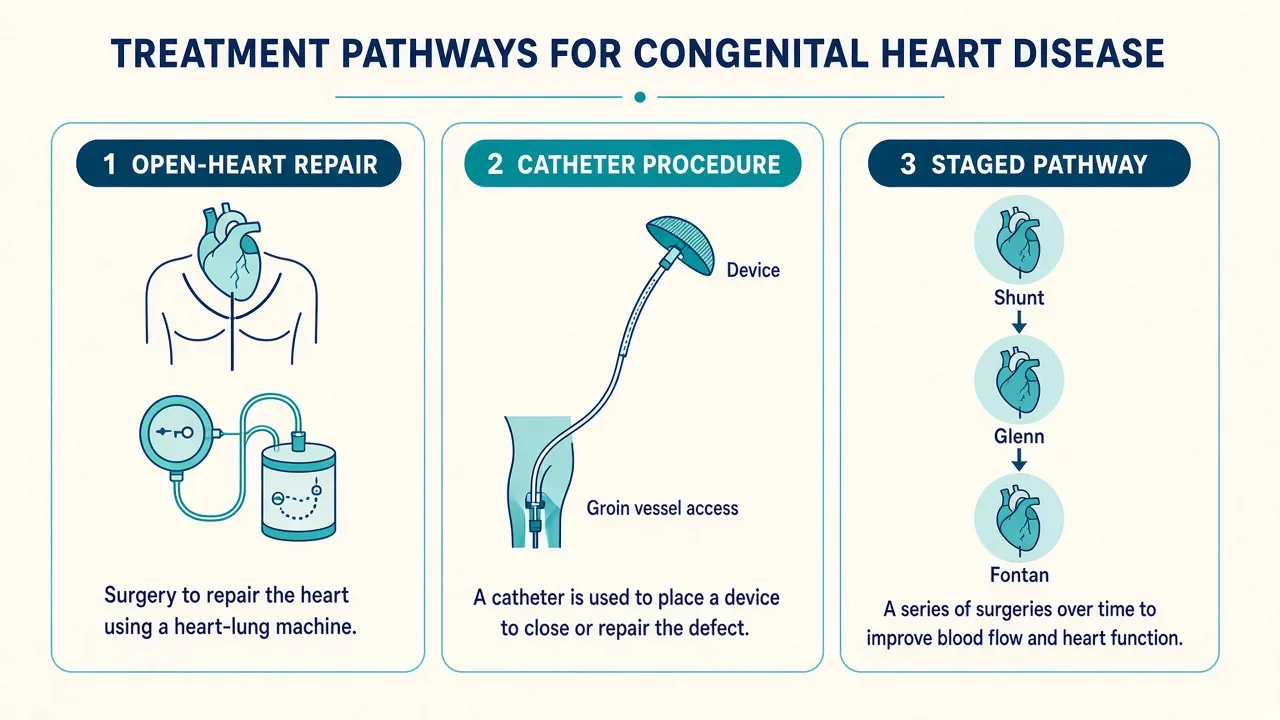
The term heart surgery covers several approaches. Not every procedure opens the chest, and not every child needs open-heart surgery.
Open-heart surgery
Open-heart surgery is used for many structural defects that need direct repair inside the heart. Depending on the operation, the surgeon may use a heart-lung machine to maintain circulation while the heart is temporarily stopped or isolated from normal blood flow. Examples include VSD closure, repair of Tetralogy of Fallot, an arterial switch, AVSD repair, and selected complex valve and vessel reconstructions. The incision, the use of cardiopulmonary bypass and the expected recovery vary by operation.
Closed-heart surgery
Some procedures can be performed without opening the heart chambers or using a heart-lung machine. Examples include selected operations on blood vessels outside the heart and certain palliative procedures. Closed-heart surgery does not automatically mean a small incision or a low-risk operation.
Catheter-based procedures
Catheter-based treatment uses thin tubes inserted through blood vessels, usually in the groin, to reach the heart or major vessels. Depending on the diagnosis, procedures may include ASD or PDA device closure, balloon dilation of selected narrowed valves, stenting of selected narrowed vessels, and other congenital cardiac interventions. These approaches may avoid a large incision. They are not suitable for every defect, and they carry procedure-specific risks.
Minimally invasive surgery
Selected pediatric cardiac procedures may be performed through smaller incisions. Suitability depends on the defect, the child's size, the surgical team's experience and the available equipment. Minimally invasive surgery is not automatically safer for every child. Neighbouring minimally invasive cardiac surgery planning is $8,000–$20,000 (typically 5–12 nights) when a mini approach can honestly complete isolated work. US comparison is $75,000–$210,000. There is no live robotic pediatric-heart-only treatment page.
Staged surgery for complex heart conditions
Some children need more than one procedure because the anatomy cannot be fully corrected in a single operation, or because the safer approach is staged. Families should ask the cardiac team to explain the purpose of each stage, its expected timing, potential complications and the long-term follow-up plan. Glenn and Fontan details sit on those treatment pages. Norwood and BT-shunt planning uses the cost sheets above because those treatment pages are not live.
How is a child evaluated before heart surgery?
A treatment recommendation should be based on the child's clinical condition and the diagnostic evidence, not on the name of the defect alone.
Medical history and examination. The pediatric cardiologist reviews symptoms, feeding, growth, oxygen levels, previous admissions, medications and other health conditions. The examination may include heart sounds, pulses, breathing, blood pressure and oxygen saturation.
Echocardiography. An echocardiogram uses ultrasound to show chambers, valves, blood flow and many structural abnormalities. It is central to the assessment of most congenital heart defects. Send images or video as well as the written report.
Electrocardiogram. An ECG records electrical activity and can help identify rhythm abnormalities.
Chest X-ray. A chest X-ray may help assess heart size and the appearance of the lungs. It does not replace an echocardiogram.
CT or cardiac MRI. Advanced imaging may be required for blood vessels, complex anatomy, heart function or previous repairs.
Cardiac catheterisation. In selected children, catheterisation provides pressure and oxygen measurements or detailed anatomy. It may also be used to perform a therapeutic intervention.
Blood tests and anaesthesia assessment. The team may request blood counts, blood grouping, kidney function, coagulation tests or other investigations. Before surgery, the family should receive an explanation of the proposed operation, alternatives, material risks, expected recovery and the likely need for further treatment.
When should pediatric heart surgery be performed?
There is no single correct age for all pediatric heart operations. Some defects can be monitored for years. Some need repair during infancy. Others need treatment shortly after birth.
Timing depends on the type and severity of the defect, oxygen levels and symptoms, pressure and blood flow in the heart and lungs, the child's age, weight and growth, heart function and other medical conditions, whether delay could cause irreversible complications, and the expertise available at the treating centre.
A small, uncomplicated VSD may not need immediate surgery. A newborn with a critical heart defect and poor oxygen delivery may need urgent specialist treatment. Parents should not delay a recommended procedure, and they should not arrange an elective international journey, without discussing the risks of travel and waiting with the treating team.
Pediatric heart surgery cost in India
The cost of pediatric heart surgery in India varies considerably. The diagnosis alone is not enough to calculate a reliable estimate. Two children with the same condition may need different operations, devices, intensive-care durations and follow-up.
GAF Healthcare publishes planning bands from partner hospital cost sheets. They are not guaranteed package prices and they are not a price list for international patients. A written, itemised estimate from the treating hospital is required before financial or travel commitments.
Indicative costs of selected procedures
| Procedure | GAF India planning | US comparison | Typical stay |
|---|---|---|---|
| PDA closure | $3,500–$8,500 | $20,000–$60,000 | 3–8 nights; parent stay expected |
| ASD closure | $4,000–$9,500 | $30,000–$80,000 | 5–10 nights; parent stay expected |
| VSD closure | $4,500–$11,000 | $35,000–$90,000 | 6–12 nights; parent stay expected |
| Coarctation repair | $6,000–$15,000 | $40,000–$110,000 | 6–14 nights; parent stay expected |
| TOF repair | $6,500–$16,000 | $50,000–$140,000 | 8–16 nights; parent stay expected |
| AVSD repair | $8,000–$18,500 | $55,000–$150,000 | 8–16 nights; parent stay expected |
| Glenn procedure | $8,000–$18,000 | $60,000–$160,000 | 8–16 nights; parent stay expected |
| Congenital heart surgery | $8,000–$28,000 | $80,000–$250,000 | 7–21 nights; parent stay expected |
| Fontan procedure | $9,000–$22,000 | $70,000–$180,000 | 10–18 nights; parent stay expected |
| TAPVC repair | $10,000–$24,000 | $70,000–$180,000 | 10–21 nights; parent stay expected |
| Arterial switch | $12,000–$26,000 | $80,000–$200,000 | 10–21 nights; parent stay expected |
| Norwood procedure | $18,000–$40,000 | $120,000–$280,000 | 3–8 weeks in a paediatric cardiac ICU |
| Pediatric heart transplantation | $50,000–$120,000 | $800,000–$1,800,000 | 6–12 weeks nearby after listing |
| Heart valve replacement | $7,000–$18,000 | $80,000–$220,000 | 8–16 nights |
| Pacemaker implantation | $3,500–$9,000 | $20,000–$50,000 | 1–3 nights |
City congenital sheets include Delhi NCR, Mumbai, Bengaluru, Chennai and Hyderabad. A city ASD sheet, as one example of a named pediatric list, includes Delhi NCR, Mumbai, Bengaluru, Chennai and Hyderabad. The India specialty sheet is pediatric cardiac surgery cost.
Neonatal surgery, emergency admission, complex repairs, associated procedures, prolonged ventilation or intensive care, complications and reoperations may increase the total substantially. Confirm a current written estimate with the hospital before making financial or travel commitments.
Message +91 90443 46292 to request a treatment cost estimate after the echo is shared.
What is usually included in a surgical package?
A hospital estimate may include some or all of the following:
- Preoperative investigations.
- Surgeon and anaesthesia fees.
- Operating theatre charges.
- Heart-lung machine and perfusion services, when needed.
- Standard consumables and specified implants or devices.
- Intensive care for a defined number of days.
- Ward or room accommodation for a specified duration.
- Routine medicines and postoperative tests.
- Standard inpatient monitoring.
Inclusions differ from one hospital to another. A package may exclude blood products, additional devices, extended ICU stay, complications, emergency reoperation, specialist consultations or discharge medicines. Ask for those exclusions in writing.
What factors affect the cost?
Complexity of the heart defect. A straightforward closure uses a different level of resources from a complex reconstruction or a staged operation.
Age and weight. Newborns and very small infants may need specialised equipment, neonatal intensive care and longer monitoring.
Hospital type. Government, charitable and private hospitals have different pricing and funding arrangements. The bands on this page are GAF partner-hospital planning ranges, not a government tariff.
Length of intensive care. Ventilation, additional monitoring or treatment of complications can increase the bill.
Devices and implants. The procedure may require a catheter device, stent, conduit, valve or other material. The device is quoted after it is selected.
Previous procedures. Children who have already had surgery may need more complex investigations or a reoperation.
Length of admission. The total depends on how quickly the child stabilises and recovers.
Travel and accommodation. International families also budget for flights, visas, lodging, food, local transport and a possible extended stay. Those costs are outside the hospital band.
How to request an accurate cost estimate
Share the child's recent echocardiogram report and images, diagnosis, age, weight, oxygen saturation if available, medical history and details of any previous cardiac surgery.
Ask the hospital to specify:
- The proposed procedure and its clinical rationale.
- The estimated total in the currency the hospital will bill, with the GAF planning band used only as a comparison.
- What is included in the package.
- The expected ICU and ward duration.
- Additional charges if the child needs longer intensive care.
- The cost of devices, blood products and other exclusions.
- Whether follow-up consultations are included.
- What happens financially if the surgeon identifies a need for an additional procedure.
A preliminary estimate may change after the specialist reviews the records or examines the child in person.
Choosing a city for pediatric heart surgery in India
India has pediatric cardiac services in several major cities. A city should not be selected on reputation or price alone. The priority is a hospital with an appropriate congenital cardiac program for the child's specific condition.
| City | What to verify |
|---|---|
| Delhi NCR | Congenital cardiac surgery, pediatric cardiac intensive care, and support for international families. Faridabad sits in this travel area; it is not a separate GAF catalog city. |
| Mumbai | Relevant surgical expertise, expected admission and a written treatment estimate. |
| Bengaluru | Pediatric cardiology, congenital surgery and specialist intensive care. |
| Chennai | Experience with the proposed operation, neonatal care and postoperative follow-up. |
| Hyderabad | Experience with the child's specific defect and any associated medical needs. |
This is a city-level planning guide, not a ranking of hospitals. Availability, outcomes, waiting times and costs must be verified with the individual centre. Pune, Kolkata, Ahmedabad, Chandigarh and Kochi may have congenital theatres. They are not live GAF catalog cities on this site, so this page does not link doctor, hospital or cost routes for them.
How to choose a pediatric cardiac hospital in India
The hospital's experience with the specific defect matters more than a broad claim that it performs heart surgery.
Experience with the proposed operation. Ask how frequently the centre treats children with the same diagnosis and whether it routinely performs the recommended procedure in patients of a similar age and weight.
Pediatric cardiac intensive care. Ask whether pediatric cardiac intensive care is available around the clock and whether neonatal care is available when relevant.
Multidisciplinary expertise. The team may need pediatric cardiologists, congenital heart surgeons, cardiac anesthesiologists, intensivists, perfusionists and specialist nurses.
Emergency and complication management. Ask how the hospital manages bleeding, rhythm problems, respiratory complications, infection, residual defects and unexpected reoperation.
Outcome transparency. Where available, request information about outcomes for the relevant operation and patient group. Understand how outcomes are measured, over what period, and whether the figures apply to children with similar complexity. This page does not publish unverified survival rates or surgeon volume claims.
Financial clarity. Obtain an itemised estimate with inclusions, exclusions and rules for extended ICU care. Ask about financial assistance or charitable programmes if affordability is a concern.
Follow-up after discharge. A reliable plan explains medication, wound care, warning signs, follow-up imaging and how to communicate with the treating team after returning home.
Doctor and hospital cards on this page come from verified GAF listings that are currently attached to pediatric cardiac care. Confirm the current team with the hospital before travel. Do not treat a directory card as a promise that a named surgeon will perform the operation.
Message +91 90443 46292 to speak to a patient coordinator about hospital matching.
How GAF Healthcare can help
Families seeking pediatric heart surgery in India may need help understanding the diagnosis, comparing treatment proposals, coordinating appointments and obtaining cost estimates.
GAF Healthcare facilitates medical travel and helps international patients navigate treatment arrangements in India. Support may include:
- Collecting and organising medical reports for specialist review.
- Coordinating a second opinion where appropriate.
- Helping families request written treatment estimates.
- Clarifying proposed procedures and expected hospital admission.
- Coordinating appointment schedules and medical travel logistics.
- Assisting with accommodation and local transport arrangements.
- Helping families understand discharge planning and follow-up coordination.
The clinical assessment, diagnosis, treatment recommendation and surgical decision remain the responsibility of the treating hospital and its qualified medical team.
What happens before, during and after surgery?
Before surgery
The team reviews the diagnosis, investigations, medication, nutrition, infection risks and any associated medical conditions. Parents receive instructions about fasting, medicines and admission.
The surgeon and anesthesiologist explain the proposed procedure, its expected benefits, material risks and alternatives. The team should also explain whether further treatment may be needed later.
For international patients, medical records should be reviewed before travel whenever possible. The hospital may need additional imaging, examination or tests after arrival.
During surgery
The child receives general anaesthesia and continuous monitoring. The surgeon performs the planned repair or reconstruction. Some operations require cardiopulmonary bypass. Others do not. The operating team monitors circulation, oxygenation and other vital functions. Duration varies considerably, so a single expected operating time should not be applied to all pediatric heart surgeries.
Immediately after surgery
Many children are transferred to a pediatric cardiac intensive care unit. Some need temporary breathing support, intravenous medicines, drainage tubes or specialised monitoring. The team watches heart function, blood pressure, oxygen levels, rhythm, bleeding, kidney function and signs of infection. Not every child needs the same level or duration of support.
Hospital recovery
As the child stabilises, the team reduces intensive support, manages pain, reviews feeding and mobility, and confirms that the repair is functioning as expected. Before discharge, parents should receive instructions on medication, wound care, feeding, activity, warning signs and follow-up appointments.
Recovery after pediatric heart surgery
Recovery depends on the child's age, the complexity of the operation, preoperative health and whether complications occur. Some children recover relatively quickly after a straightforward procedure. Infants undergoing complex surgery may need a much longer admission and a gradual recovery at home.
The first few weeks. Parents may need to monitor the wound, temperature, breathing, feeding, sleep, activity and prescribed medicines. The hospital should explain which activities are permitted while the chest or incision heals.
Feeding and growth. Some children with significant congenital heart defects have feeding difficulty or poor weight gain before treatment. Follow the care team's recommendations for feeding, hydration and nutrition.
Returning to school and play. The timing of a return to school, sports and physical activity depends on the operation and the child's recovery. Follow the surgeon's instructions rather than a universal timeline.
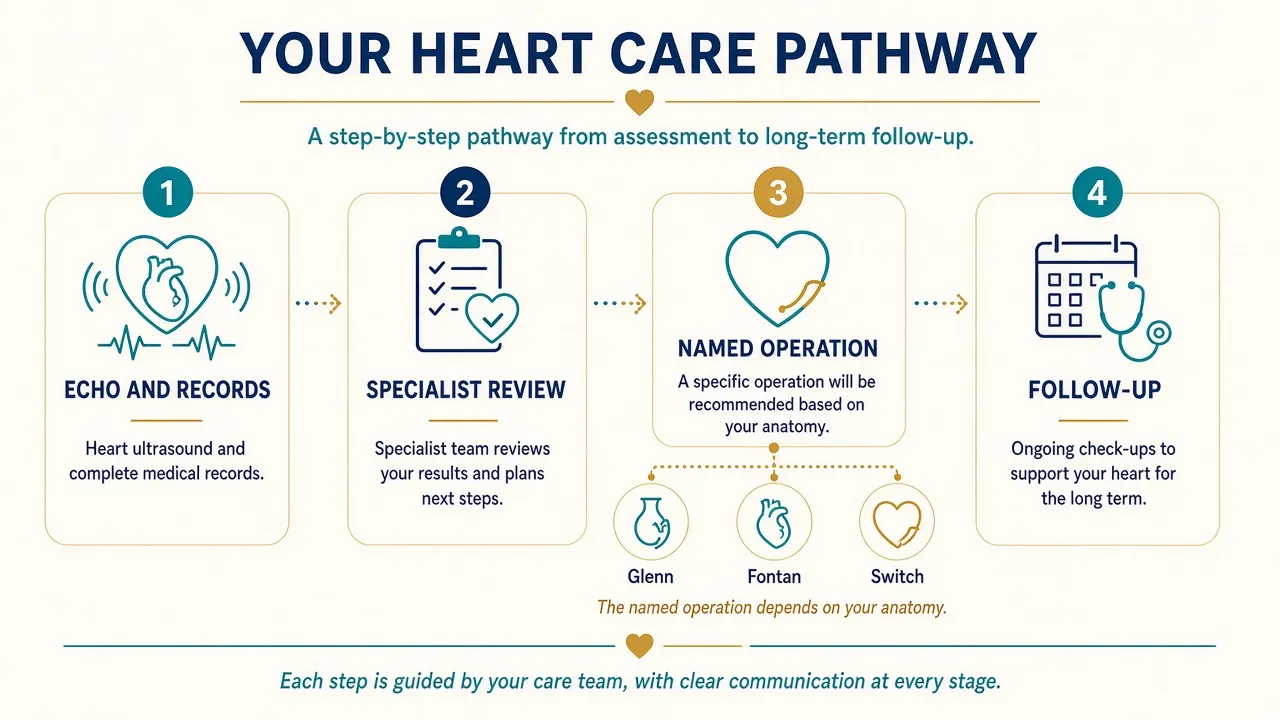
Long-term follow-up. Successful surgery does not always mean that follow-up can stop. Some children need repeat echocardiograms, rhythm monitoring, medication or additional procedures as they grow. Children with complex congenital heart disease may need lifelong specialist follow-up, including the transition from pediatric to adult congenital cardiology.
Warning signs after discharge. Contact the treating team promptly for increasing redness or discharge from the wound, persistent fever, worsening feeding, unusual fatigue or breathing changes. Seek emergency care for severe breathing difficulty, sudden cyanosis, collapse, unresponsiveness or rapid deterioration.
Risks and possible complications
Pediatric cardiac surgery can substantially improve circulation and quality of life for appropriately selected children, but it carries risks. The level of risk differs widely between procedures and patients.
Possible complications include bleeding or the need for a blood transfusion, infection, abnormal heart rhythms, respiratory complications, kidney injury or other organ complications, residual defects or incomplete correction, problems involving valves, blood vessels or implanted materials, neurological complications including stroke in some circumstances, the need for another catheter procedure or operation, and, in severe cases, disability or death.
These risks should be discussed in relation to the child's diagnosis and the proposed operation. General statistics cannot reliably predict an individual child's outcome. Parents should ask which complications are most relevant, how the centre manages them, and what measures are taken to reduce risk.
Pediatric heart surgery in India for international patients
For a child with congenital heart disease, international treatment needs careful planning. The child may need urgent care, specialised monitoring and follow-up after returning home. GAF Healthcare can help coordinate the administrative and travel-related aspects. The hospital remains responsible for clinical decisions.
Step 1: Share the child's medical records. Provide the most recent echocardiogram report and images, diagnosis, age, weight, oxygen saturation if available, medication list, previous surgery records and discharge summaries. Use secure channels for sensitive medical information.
Step 2: Request specialist review. The receiving pediatric cardiologist or congenital heart surgeon reviews the available information and decides whether more tests or an in-person assessment are required. A remote review cannot replace emergency assessment or guarantee that surgery will be suitable.
Step 3: Obtain a written treatment plan and estimate. Request the proposed procedure, its purpose, the expected admission, estimated cost, possible additional charges and anticipated follow-up. For complex conditions, ask whether the proposal is a complete repair or one stage of a longer pathway.
Step 4: Confirm travel fitness and timing. The treating team should advise whether the child is stable enough to travel, whether treatment is urgent and what precautions are necessary. Do not fly with a medically unstable child. Seek local emergency or specialist care when immediate treatment may be required.
Step 5: Arrange visa and travel documentation. Confirm the current visa requirements with the relevant Indian government or embassy sources. Where applicable, check the requirements for a medical visa and the accompanying parent or guardian. Carry the child's passport, medical records, previous prescriptions, hospital correspondence and contact information for the receiving team.
Step 6: Attend the hospital assessment. The child may need repeat investigations or an in-person examination. The final procedure, timing and estimate can change if new clinical information becomes available.
Step 7: Plan accommodation and caregiver support. Parents should understand how long the child may remain in hospital and how long the family should plan to stay nearby after discharge. Avoid booking a non-refundable return journey before the medical team has discussed the likely discharge and travel timeline. Parent stay is expected on the planning bands above.
Step 8: Arrange discharge and follow-up. Before leaving India, obtain the discharge summary, operation report, medication list, latest investigation results, wound-care instructions, emergency contact details and a written follow-up plan. Ask when the child may travel, whether a medical escort is needed, and how ongoing care should be coordinated with a cardiologist in the home country.
Message +91 90443 46292 to coordinate records, appointments and travel.
Financial assistance for pediatric heart surgery
The cost of pediatric heart surgery can be a significant burden. Before choosing a hospital, ask about funding options that may apply.
Potential avenues include government-funded healthcare schemes for eligible beneficiaries, state-specific programs for congenital heart disease, charitable hospitals or subsidised treatment programs, non-governmental organisations that support pediatric cardiac care, hospital social-work departments and patient-assistance funds, and employer or insurance coverage where applicable.
Eligibility, covered procedures and application deadlines vary. Assistance is not guaranteed. International patients may not qualify for schemes intended for Indian residents. Ask the hospital's financial counselling or social-work team what documentation is required and whether approval must be obtained before admission. The GAF bands on this page are planning ranges for partner hospitals. They are not a subsidy.
Questions parents should ask the cardiac surgeon
- What is my child's exact heart diagnosis?
- How severe is the defect, and how does it affect the heart and lungs?
- Is surgery necessary now, or are monitoring and other options reasonable?
- What operation or catheter procedure do you recommend, and why?
- Is the procedure intended to correct the defect completely or improve circulation in stages?
- What are the most important risks for a child of this age and weight?
- How experienced is the centre with this specific operation in children of similar size?
- What are the expected ICU and hospital stays, and what could extend them?
- What is included in the cost estimate, and what might incur additional charges?
- Could my child need another operation or catheter intervention later?
- What follow-up will be required after we return home?
- Who should we contact if our child develops symptoms after discharge?
A second opinion may be useful when the diagnosis is complex, the proposed operation is not clearly understood, or the family wishes to compare approaches. How to prepare reports and questions is in Second Opinion for Congenital Heart Surgery in India. It should not delay emergency treatment.
Frequently asked questions
Is pediatric heart surgery available in India? Yes. Pediatric cardiac centres in India perform operations and catheter-based interventions for a range of congenital heart defects. The availability of a specific procedure, and whether a centre is suitable, should be confirmed for the child's diagnosis, age, weight and clinical condition. Start with the live pediatric cardiac surgery doctor and hospital directories linked on this page.
How much does pediatric heart surgery cost in India? Costs vary by procedure, hospital, age, clinical complexity and ICU requirements. GAF Healthcare planning is $3,500–$8,500 for PDA closure, $4,000–$9,500 for ASD closure, $4,500–$11,000 for VSD closure, $6,500–$16,000 for TOF repair and $12,000–$26,000 for an arterial switch. A Norwood procedure is $18,000–$40,000. Pediatric heart transplantation is $50,000–$120,000. These are partner-hospital planning bands, not current quotations. Obtain an itemised estimate from the treating hospital.
Which congenital heart defects can be treated in India? Treatment is available for many conditions, including ASD, VSD, PDA, Tetralogy of Fallot, transposition of the great arteries, AVSD, coarctation of the aorta, TAPVC and selected complex congenital defects. The treatment plan depends on the exact anatomy and clinical condition. Dedicated treatment pages exist for ASD, VSD, PDA, TOF, arterial switch, coarctation, Glenn and Fontan. AVSD, TAPVC, Norwood and pediatric heart transplant are quoted from cost sheets because those treatment pages are not live.
Is open-heart surgery necessary for every child with a heart defect? No. Some children need only regular monitoring, and selected defects can be treated with catheter-based procedures. Open-heart surgery is recommended when the anatomy and clinical circumstances make surgical repair the appropriate option.
Can a newborn undergo heart surgery in India? Yes. Selected newborns undergo cardiac surgery when it is clinically necessary. The decision depends on the defect, urgency, the newborn's stability and the capabilities of the treating centre. Some conditions, including obstructed TAPVC and many arterial-switch cases, require urgent specialist care. Do not fly an unstable newborn in order to reach a planned international admission.
How long does a child stay in hospital after heart surgery? The length of stay varies by procedure and recovery. PDA planning is typically 3–8 nights. ASD planning is 5–10 nights. VSD planning is 6–12 nights. TOF, Glenn and AVSD planning is often 8–16 nights. Arterial switch and TAPVC planning is 10–21 nights. A Norwood stay is planned as 3–8 weeks in a paediatric cardiac ICU. Complications can make any of these longer. Parent stay is expected.
How long does recovery take after pediatric heart surgery? Recovery depends on the operation, age, overall health and complications. The treating team will advise when feeding, school, play and sports can resume. Some children need longer rehabilitation and ongoing specialist monitoring. A universal number of weeks should not be applied to every operation.
Is pediatric heart surgery safe? Heart surgery carries risks, and no responsible provider can guarantee an outcome. The risk depends on the defect, the child's health, the proposed operation and the centre's experience with that operation. Ask the cardiac team for an individualised explanation of risks and how complications would be managed.
Can children with congenital heart defects live normal lives after surgery? Many children benefit significantly from treatment and take part in school and age-appropriate activities. The long-term outlook depends on the original defect, the completeness of repair, heart function and any residual problems. Some children require lifelong follow-up, including adult congenital cardiology as they grow.
Which city in India is best for pediatric heart surgery? There is no single best city for every child. Compare hospitals by experience with the specific defect, pediatric cardiac ICU facilities, team expertise, outcome information the centre is willing to explain, cost transparency and follow-up arrangements. Live GAF catalog cities on this page are Delhi NCR, Mumbai, Bengaluru, Chennai and Hyderabad.
Can international patients obtain a treatment estimate before travelling to India? Yes. Hospitals may provide a preliminary estimate after reviewing medical records. The final plan and cost can change after examination, additional investigations or a change in the child's condition. Share the echocardiogram images, not only the written report.
What medical records should parents send for a second opinion? Useful records include the latest echocardiogram report and images, diagnosis, age, weight, oxygen saturation if available, medication list, previous operation notes, discharge summaries and relevant test results. The receiving specialist may request cardiac catheter, CT or MRI studies as well.
Can pediatric heart surgery be performed without a large incision? Some congenital defects can be treated through catheter-based procedures or selected minimally invasive operations. These methods are not suitable for every child. The safest option depends on the anatomy and the clinical objective, not on incision size alone.
Will my child need another operation in the future? Some children need only one repair. Others need further procedures because of residual defects, growth, valve or vessel problems, or a planned staged pathway such as Glenn followed by Fontan. The surgeon should explain the likely long-term plan before travel.
Can GAF Healthcare help arrange pediatric heart treatment in India? GAF Healthcare can help families coordinate medical-record review, appointments, treatment estimates and travel arrangements. The diagnosis, clinical recommendations, surgery and medical care are provided by the treating hospital and its qualified team. Message +91 90443 46292 for planned coordination. Emergency symptoms still belong in a local emergency department.
What if my child becomes suddenly blue or struggles to breathe? Seek emergency care locally. Severe breathing difficulty, sudden cyanosis, collapse or unresponsiveness should not wait for an international opinion or a WhatsApp reply.
Planning pediatric heart surgery in India
A diagnosis of congenital heart disease can be frightening for parents, particularly when a newborn or young child may need surgery. Clear information, an appropriate specialist assessment and a realistic treatment plan help families understand the options.
India offers pediatric cardiac treatment across a range of conditions. The right choice depends on the child's individual needs, the centre's relevant expertise, the expected risks, the full cost and the availability of follow-up care.
Before making a decision, obtain a specialist review, ask for a written treatment plan and an itemised estimate, and understand whether the proposed procedure is a complete repair or part of a staged approach.
To begin, prepare the child's age and current weight, the diagnosis and latest echocardiogram report and images, previous operation notes or discharge summaries if applicable, current symptoms and prescribed medicines, and your preferred treatment timeline and contact details.
The treating cardiac team will determine whether further assessment, surgery or another approach is appropriate. Any preliminary estimate is subject to clinical review and confirmation by the hospital.
Message +91 90443 46292 to request a pediatric heart surgery review.
Related GAF Healthcare pages
- ASD Closure Surgery in India
- Ventricular Septal Defect (VSD) Surgery in India
- PDA Closure Surgery in India
- TOF Repair Surgery in India
- Arterial Switch Operation in India
- Coarctation Repair Surgery in India
- Glenn Procedure Surgery in India
- Fontan Procedure Surgery in India
- Heart Valve Replacement Surgery in India
- Pacemaker Implantation in India
- CABG Surgery in India
- Pediatric cardiac surgery cost
- Congenital heart surgery cost
- Pediatric cardiac surgeons in India
- Pediatric cardiac surgery hospitals in India
AVSD-only, TAPVC-only, Norwood-only, BT-shunt-only and pediatric-heart-transplant treatment pages are not live on this site. Use the named cost sheets on this page.
Sources
- American Heart Association — Care and Treatment for Congenital Heart Defects.
- American Heart Association — d-Transposition of the Great Arteries.
- Children's Heart Foundation — Types of Congenital Heart Defects.
- Indian consensus statement — Guidelines for the management of common congenital heart diseases in India: indications and timing of intervention.
- Centers for Disease Control and Prevention — Congenital Heart Defects.
- National Heart, Lung, and Blood Institute — Congenital Heart Defects.
- GAF Healthcare pediatric cardiac surgery cost sheets for ASD, VSD, PDA, TOF, arterial switch, Glenn, Fontan, coarctation, AVSD, TAPVC, Norwood and pediatric heart transplantation.
- GAF Healthcare congenital heart surgery, heart valve replacement and pacemaker implantation cost sheets.
The cost table uses GAF partner-hospital planning bands. It is not a current guaranteed price list. Confirm hospital and doctor details, and the written estimate, with the treating centre before travel.
Medical disclaimer
This article is for educational and medical-travel planning. It does not replace consultation with a qualified pediatric cardiologist or congenital heart surgeon.
Pediatric heart treatment is highly individual. The need for surgery, the choice between monitoring, a catheter procedure and open repair, the expected risks and the cost can only be determined after evaluating the child's history, echocardiogram, anatomy, oxygen levels and overall health.
If a child has severe breathing difficulty, bluish or grey lips or tongue, collapse, unresponsiveness or other signs of acute illness, urgent assessment in a local emergency department is required.
Treatment Process
- 1
Share the echocardiogram
The family sends echo images, the written report, age, weight, oxygen saturation and previous operation notes before anyone books travel.
- 2
Specialist review
A pediatric cardiologist and congenital heart surgeon decide whether the child needs monitoring, a catheter procedure, a complete repair or a staged operation.
- 3
Name the procedure
The team writes the proposed operation, whether it is a complete repair or one stage, and which investigations are still required.
- 4
Itemised estimate
GAF planning bands run from $3,500–$8,500 for PDA closure to $12,000–$26,000 for an arterial switch. The hospital confirms inclusions, devices and extra ICU charges in writing.
- 5
Travel only if fit
Stable planned cases travel after the treating team confirms fitness. Severe breathing difficulty or sudden cyanosis is a local emergency.
- 6
Repeat essential tests
After arrival the unit repeats echocardiography, blood tests and an in-person examination. The plan and estimate can change.
- 7
Operation and cardiac ICU
The named repair proceeds with pediatric cardiac intensive care. Not every child needs the same duration of ventilation or ICU support.
- 8
Discharge and home follow-up
The family leaves with the operation report, medicines, wound care, travel clearance and a written plan for the cardiologist at home.