
A major heart recommendation is easier to live with when a second qualified doctor has looked at the same evidence. That review can agree with the first plan. It can also show another reasonable option, or show that a test is still missing.
The point is not to collect a different answer. It is to understand the options, the benefits, the risks, and which plan fits this person.
Cardiologists in India is a directory, not a ranking. Cardiac surgeons in India is the surgical list. The American Heart Association’s page on getting a second medical opinion is a useful general note: bring the records, and bring specific questions.
1. What a Second Opinion Is
Another qualified doctor reviews the diagnosis, the tests, and the plan. In cardiology that often means the ECG, the echocardiogram, the coronary angiogram, a cardiac CT or MRI, rhythm recordings, discharge summaries, and the written recommendation.
The second cardiologist may agree, suggest a different approach, ask for another test, or say the file is not enough for a decision yet. Agreement is useful when it explains why the first plan fits. A different view is useful when it is tied to the same evidence.
One person may have been advised to have angioplasty. The second doctor looks at the angiogram images, the symptoms, and the rest of the history, and says whether that plan is appropriate and what else should be discussed. Another person may have been advised to have a valve replaced. The review can clarify how severe the valve problem is, which approaches exist, and what drives the choice. It is not a contest between doctors.

2. Why People Ask
Heart news is hard to absorb. Families want time to understand the condition, the treatment, and what daily life might look like. The American Heart Association encourages another opinion when there are questions about a recommended cardiovascular treatment, especially a major operation, and it recommends preparing records and questions first. Finding the right doctor is the companion page.
Heart surgery. An operation means a hospital stay, recovery, possible complications, and follow-up. Another specialist can explain why surgery was proposed, what else exists, and how the expected benefit compares with the risk, when there is time to ask. If the team says the operation is urgent, ask whether there is time for another review. Do not delay necessary treatment without that guidance.
Angioplasty or a stent. Whether a catheter treatment fits depends on symptoms, where the narrowings are, how severe they are, the angiogram, heart function, and other illnesses. For some people, medicines or bypass surgery also belong in the conversation. Those options are not interchangeable, and some situations need prompt treatment. If the angioplasty advice is unclear, an appropriately qualified cardiologist, including an interventional cardiologist when the question is the procedure itself, can sort the choices. The comparison on this site is angioplasty vs bypass surgery in India.
Bypass surgery. CABG uses grafts to carry blood around narrowed coronary arteries. Suitability depends on the pattern of disease, symptoms, heart function, other illnesses, and what each option is likely to achieve. A second opinion helps when you want to know why bypass was chosen rather than angioplasty or medicines. Do not treat surgery as always better, or always worse, than a catheter.

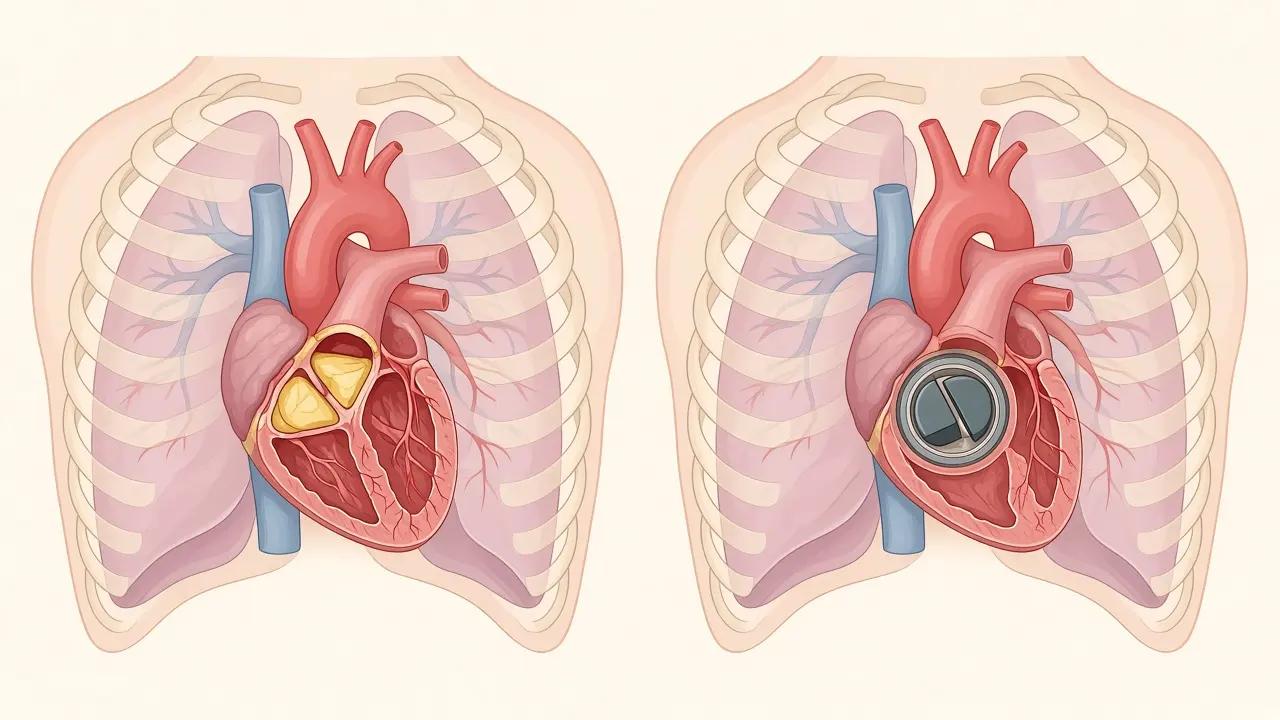
Valve surgery. Valve disease may be watched, treated with medicines for related symptoms, repaired, or replaced. Some people are suitable for a catheter procedure such as TAVR/TAVI. The valve, the severity, symptoms, heart function, other illnesses, and overall risk decide. A second opinion can clarify the diagnosis, how soon treatment is needed, and which options fit.
A rhythm problem. If ablation, a pacemaker, or another rhythm procedure has been advised, an independent review can explain the reason, the alternatives, and what result is realistic. For a complex arrhythmia, a cardiac electrophysiologist who treats that rhythm is the relevant person. A pacemaker, an ICD, and ablation are not substitutes for one another.
An unclear diagnosis. Chest discomfort with muddy first tests, or an ECG change nobody has explained, is a fair reason to ask someone else to look. The second doctor may say the first diagnosis is reasonable. That agreement still helps.
A plan you cannot follow. You should be able to ask what the procedure is for, what benefit is expected, and what else exists. Ask the first doctor again. If it is still unclear, another assessment can help. The aim is an informed decision, not a different label.
Cost and travel. Cardiac care can include the visit, tests, the hospital stay, devices, medicines, rehabilitation, and follow-up. If the plan is expensive or means travel, ask for a clear account of the plan and the likely costs. A second opinion can show whether another medically suitable approach exists. It is a poor tool for hunting a cheaper treatment that does not fit the disease.
3. When It Helps, and When Waiting Is Unsafe
A second opinion is especially useful when a major operation has been recommended and there is time, when an invasive procedure has been advised and the reason is unclear, when more than one suitable treatment exists, when benefits and risks have not been explained, when the diagnosis is uncertain, when several other illnesses affect the choice, when the plan would change work or long-term care, or when you want the investigations reviewed before you travel. It is not required for every routine visit.
Do not wait if there is severe or persistent chest pain or pressure, serious difficulty breathing, fainting with worrying symptoms, sudden facial drooping, weakness on one side, or trouble speaking, or any symptom that could be a heart attack, a stroke, or another emergency. Do not wait for an online visit, an overseas appointment, or a written second-opinion report in that situation.
If the doctor says a procedure is urgent, ask what makes it time-sensitive and whether another opinion can be obtained without raising the risk. The treating team decides whether it is safe to wait. The NHS page on consent to treatment describes informed consent in general. It is not a reason to postpone emergency care. Your choices in the NHS is the same kind of general note.
4. Which Specialist Should Review the Case
| Your situation | Who to consider |
|---|---|
| A general heart question, or an uncertain diagnosis | A clinical cardiologist |
| Coronary disease, or a proposed angioplasty | A cardiologist, or an interventional cardiologist, with relevant experience |
| Proposed bypass surgery | A cardiologist and, when the question is the operation, a cardiac surgeon |
| Valve disease or valve replacement | A cardiologist with valve experience, and a cardiac surgeon or structural heart team when that is the question |
| Atrial fibrillation or a complex rhythm | A cardiologist or a cardiac electrophysiologist |
| A possible pacemaker or ICD | A cardiologist or an electrophysiologist who follows devices |
| Congenital heart disease in a child | A paediatric cardiologist, and a paediatric cardiac surgeon if an operation is the question |
| Advanced heart failure | A cardiologist or a heart failure specialist |
Complex cases sometimes need a team: clinical cardiologists, interventional cardiologists, surgeons, and imaging doctors. The reviewer should actually work on the condition being questioned. Check registration on the National Medical Register. City starting points include Delhi NCR, Mumbai, Bengaluru, Chennai and Hyderabad, and the same cities for surgeons: Delhi NCR, Mumbai, Bengaluru, Chennai and Hyderabad.
5. How to Arrange the Review
Write the question first. Examples: Is the diagnosis right? Is angioplasty appropriate? Should bypass be considered instead? Is valve replacement needed now? Is ablation appropriate? What else is medically reasonable? How urgent is this?
Then choose someone who regularly manages that condition or does that procedure. For complex coronary disease, that is often a cardiologist or an interventional cardiologist. For a rhythm procedure, an electrophysiologist may be the better reviewer.
Gather reports and images before the visit. A verbal summary of what the first doctor said is not enough, especially when the decision rests on an angiogram. If a document is missing, ask which files are essential for a first look. The records guide on this site is what to bring to a cardiologist appointment.
Ask whether the appointment is in person or a review of existing records, what the hospital charges for the visit, which documents they want, how long the slot is, and whether reading a large file costs extra. If the case is time-sensitive, say so when you book. Do not use a routine pathway for an emergency.
Give the second doctor the diagnosis, the proposed treatment, and the reason you were given. Be open about your worries. Do not hide information because you hope for a different recommendation.
Prepare questions and take notes. Ask for plain language. If a recommendation is unclear, ask what supports it and what would happen with another approach. A longer question list is in questions to ask before heart surgery. Shared decision-making, in general, is discussed by the American College of Cardiology and by the American Heart Association. Coronary decisions are also the subject of the ACC/AHA/SCAI revascularisation guideline and the AHA chronic coronary disease guideline. Those documents do not set a price and they do not choose for you.
Afterward, compare the diagnosis, the treatment, the expected benefit, the risks, the alternatives, and the urgency. If the two plans differ, ask each doctor why, where you can. They may have different information, or they may weigh the same facts differently. A newer opinion is not automatically the right one.
6. Records to Prepare
Bring what you have. Do not delay emergency care to finish the folder.
- Recent cardiology consultation notes and the diagnosis
- ECG reports and tracings
- Echocardiogram reports and images, if available
- The coronary angiography report and the original images, if an angiogram was done
- Cardiac CT or MRI reports and images, if relevant
- Stress-test or rhythm-monitoring reports, if performed
- Blood-test results that relate to the condition
- Previous hospital discharge summaries
- Details of previous cardiac procedures or surgeries
- The current medicine list, including doses
- Known allergies and previous reactions
- The written treatment recommendation or the proposed procedure
- Relevant reports about other medical conditions
Original images, or a link the next hospital can open, matter more than a paragraph that summarises them. In an emergency, the team decides which information is needed immediately.
7. Questions to Take In
About the diagnosis: what it is, how certain it is, which findings matter, whether more tests are needed, and whether anything in the history changes the reading.
About treatment: why this plan, what benefit is realistic, the main risks and limits, what else is medically appropriate, whether medicines alone are reasonable, what happens if you do not proceed, and how urgent the decision is.
About a procedure: who would do it, what experience that team has with a case like this, what the hospital must be able to provide, how long the stay and recovery might be, whether more treatment could be needed later, and what follow-up looks like.
About money and logistics: what a written estimate includes, which costs can be extra, whether rehabilitation or long-term medicines are required, and how follow-up works if you live in another city or country.
You will not ask all of these. Start with the diagnosis, the options, the risks, the benefits, and the urgency.
8. If the Two Doctors Disagree
A difference is unsettling, especially when one doctor recommends a procedure and the other recommends medicines or more tests. It does not by itself mean one of them is wrong. They may have different information, or they may weigh symptoms, anatomy, other illnesses, and preferences differently.
Ask each one to explain the reasoning, which findings support it, and what would change the decision. Check that both saw the same material. One may have watched the angiogram. The other may have read only the report. One may have a newer test.
Compare what each plan is meant to achieve, the effect on symptoms and later health, the major risks, and the chance of more treatment. Ask where the evidence does not point to a single reasonable option.
For complex coronary disease, valve disease, or another major decision, a team review can put those views in one discussion. Do not pick the most reassuring answer, the least invasive one, or the cheapest one, unless that option is medically appropriate. A more aggressive plan is not automatically better either. Judge the explanation, the evidence, the individual risks and benefits, and whether the plan fits the clinical need.
9. Before Angioplasty or Bypass
Angioplasty, bypass, and medicines have different jobs. The pattern of disease, symptoms, heart function, other illnesses, and the whole clinical picture decide. A second opinion helps when a major coronary procedure has been advised and there is time, when you do not understand why angioplasty or bypass was chosen, when you want to know if medicines are still reasonable, when the anatomy is complex, when other illnesses change the risk, or when you need recovery, long-term medicines, and later treatment explained.
The reviewer should see symptoms, previous heart history, risk factors, heart function, the angiogram images, and the proposed plan. One test result, without the rest of the story, is not a decision.
The review may confirm the first plan, suggest another suitable approach, or ask for more assessment. It does not guarantee a different treatment. In an acute coronary emergency, the treating team decides promptly.
The procedure pages are coronary angioplasty in India and CABG surgery in India. The cost guides are angioplasty cost in India and bypass surgery cost in India.
10. Before Valve Replacement or TAVR
Valve disease can mean watching, medicines for related symptoms, repair, or replacement. TAVR/TAVI replaces the aortic valve through a catheter in selected people. Surgical replacement is the better fit in other circumstances.
A second opinion can clarify how severe the valve disease is, whether an intervention is needed now, whether watching is still appropriate, which procedures fit, the expected benefits and risks, and what follow-up is required. The choice between a catheter and surgery depends on the valve, the anatomy, age, overall health, procedural risk, and the team that does that work. The reviewer should have experience with that valve problem and with the options on the table.
11. Before Ablation or a Device
People ask for another opinion when medicines have not controlled atrial fibrillation or another rhythm, when ablation has been recommended, or when the need for a device is unclear. The reviewer looks at ECGs, rhythm recordings, the echocardiogram, the medicine history, and previous procedure reports.
Questions include whether the diagnosis is right, which treatments fit, what benefit ablation might offer, and whether medicines or monitoring remain appropriate. For a complex rhythm, an electrophysiologist is the relevant specialist.

The guides are cardiac ablation cost in India, pacemaker cost in India, and ICD implantation cost in India.
12. Online Review, and Review Before Travel
An online second opinion can start from records you already have. That helps if you live far from the specialist or you are thinking about treatment in another city. The doctor may not be able to examine you, order a new test on the spot, or judge some symptoms through a screen. It can still explain a diagnosis, discuss the reports, say which tests are missing, and show whether you need to be seen in person before you travel.
If the condition is unstable, or the symptoms are an emergency, get local emergency care. Do not wait for a video appointment.
International patients often want specialist review in India before they fly. Start with the records and a clear question. Say which files you could not get. Confirm that the reviewer works on this condition. Ask whether the file is enough for a first opinion and whether an examination is likely. Ask for a written note of the proposed treatment, the alternatives, the major risks, the expected stay, and the follow-up. If the second doctor agrees with the first, ask them to say why. Agreement can be a reason to proceed with a clearer head.
If treatment in India is being considered, ask for an itemised estimate that separates the visit from investigations, the hospital stay, the procedure, and follow-up. Do not book travel until the treating team has said the schedule is reasonable. Some people can plan an elective visit. Others need urgent care where they are. Before you go home, take the notes, the medicine instructions, and a follow-up plan, and name a doctor at home who can continue the care. Recovery after a procedure is discussed in heart surgery recovery in India.
GAF Healthcare can help send records and request appointments on WhatsApp at +91 90443 46292. That is practical coordination. It does not replace the doctor’s judgement, and it does not guarantee a diagnosis or a particular recommendation.
13. What a Second Opinion Costs, and What a Procedure Costs
This site does not publish a single fee for a cardiology second opinion in India. The visit depends on the specialist, the hospital, whether it is online or in person, and how much material has to be read. Some hospitals charge extra to review a large imaging file, for a video visit, or for language support. Ask, before you book, what the consultation fee is, whether reading existing records is included, whether imaging is charged separately, whether more tests might be advised, whether a follow-up visit is included, and whether you will receive a written summary.
A second opinion is not a method for cutting the cost of care. The aim is a plan that fits the benefits, the risks, the cost, and what you need.
If the question is a named procedure, the planning ranges already on the cost pages are separate from the consultation fee. They are indicative ranges, not a quotation.
| If the review is about this | India planning range | Typical stay on the cost page |
|---|---|---|
| Coronary angiography | US$400–US$1,200 | Day-care or overnight |
| Coronary angioplasty and stenting | US$3,200–US$8,500 | 1–3 nights typical |
| CABG | US$5,500–US$14,000 | 7–14 nights, then nearby recovery |
| Heart valve replacement | US$7,000–US$18,000 | 8–16 nights |
| TAVR/TAVI | US$18,000–US$42,000 | 3–7 nights typical |
| Pacemaker implantation | US$3,500–US$9,000 | 1–3 nights |
| Atrial fibrillation ablation | US$6,500–US$16,000 | 1–3 nights |
The angioplasty page lists a US comparison of US$25,000–US$70,000. The CABG page lists US$70,000–US$200,000. The heart valve replacement page lists US$80,000–US$220,000. The TAVR page lists US$50,000–US$150,000. Each of those figures is not an India price. A city filter is the same listing, for example angioplasty in Delhi NCR and Mumbai. Hospital lists: cardiology and cardiac surgery.
14. How to Choose the Reviewer
Look for someone who regularly assesses the condition you want reviewed. Check qualifications and registration. Give them the whole file and ask them to say whether they agree, and why. Prefer a doctor who can explain uncertainty in plain language. Confirm the consultation fee and the report-review policy before you book. Ask how you will receive the written opinion, whether more tests are likely, and how follow-up works if you live far away. A second opinion should leave you with a clearer decision, not a longer list of unanswered questions. The American Heart Association’s page on working with your doctor is a general communication note.
15. Frequently Asked Questions About a Cardiology Second Opinion
Is it acceptable to ask for a second opinion from a cardiologist?
Yes. You can ask another qualified specialist when you have questions about a diagnosis or a treatment, especially before a significant procedure and when there is time. It is part of an informed decision. It should not delay emergency care.
Should I get a second opinion before heart surgery?
It can help before elective heart surgery if you have questions about the diagnosis, the operation, the risks, or the alternatives. Whether it is safe to wait depends on urgency. Ask the treating team before you delay a recommended procedure.
Can a second opinion prevent unnecessary angioplasty?
It can clarify whether angioplasty is appropriate and whether medicines or bypass should also be discussed. It cannot promise that a procedure will be avoided. The decision follows the condition and the evidence, including the angiogram images.
What if the second cardiologist agrees with the first doctor?
Agreement helps when the second doctor has reviewed the relevant records independently and can explain the reasoning. It can make the benefits and risks clearer. A newer opinion is not required to be different.
What if two cardiologists disagree?
Ask each one to explain the reasoning, confirm that both saw the same records, and compare benefits, risks, and alternatives. A team review can help in a complex case. Do not choose only because one option is less expensive or less invasive.
Do I need new tests for a second opinion?
Not always. Existing tests may be enough. The second cardiologist may ask for another test, or a repeat, if the file is incomplete, out of date, or not the right test for the decision.
Can I get a second opinion online in India?
A video review can discuss records and preliminary options. Some cases need an examination or new tests. Confirm the doctor’s process. Do not use an online visit for emergency symptoms.
How long does it take to get a cardiology second opinion?
It depends on the doctor’s diary, how complete the records are, and how complex the case is. Ask about the appointment and about how long a written review takes. An urgent condition needs prompt local care, not a wait for a routine opinion.
Should I tell my first cardiologist that I am seeking another opinion?
You can say so. Sharing records improves continuity. If you would rather not discuss it, you can still ask the hospital for copies of your records through its usual process.
Is a second opinion useful before travelling to India for heart treatment?
It can clarify the diagnosis, the proposed treatment, and whether more assessment is needed before you fly. Send complete records, and ask what a remote review cannot decide. The treating team should say whether travel is reasonable.
Can a second opinion change the recommended treatment?
It may confirm the first plan, recommend another medically appropriate option, or show that more tests are needed. The purpose is a clearer decision. It does not guarantee a different answer.
When should I not wait for a second opinion?
Do not delay emergency care for severe chest pain, serious breathing difficulty, fainting with worrying symptoms, or signs of a possible stroke. If the team says a procedure is urgent, ask whether there is time for another opinion without raising the risk.
Does this website publish a fee for a cardiology second opinion?
No. This site does not publish a single fee for a cardiology second opinion. Ask the hospital what the visit costs, and whether reading images is included. Procedure planning ranges, such as angioplasty at US$3,200–US$8,500 or CABG at US$5,500–US$14,000, are not the consultation fee.
What planning range applies if the question is angioplasty or bypass?
On the current cost pages, coronary angioplasty and stenting is an indicative range of US$3,200–US$8,500, with a typical stay of 1–3 nights typical. CABG is US$5,500–US$14,000, with 7–14 nights, then nearby recovery. A US comparison on those pages is not an India price. The second opinion should look at the angiogram before anyone treats those ranges as your bill.
What planning range applies if the question is a valve or TAVR?
Heart valve replacement is listed at US$7,000–US$18,000, typically 8–16 nights. TAVR/TAVI is listed at US$18,000–US$42,000, typically 3–7 nights typical. Those are planning ranges for different procedures, not a second-opinion fee, and the US comparisons on the pages are not India prices. The echo images and the valve report are what the reviewer needs.
What should I bring if the question is ablation or a pacemaker?
Bring the ECGs, the rhythm recordings, the echocardiogram, the medicine list, and any previous procedure or device report. Atrial fibrillation ablation is listed at US$6,500–US$16,000, typically 1–3 nights. Pacemaker implantation is listed at US$3,500–US$9,000, typically 1–3 nights. An ICD is a different device. Ask which one is actually being proposed.
Conclusion: Use the Second Opinion to Understand the Plan
A second opinion can clarify a heart diagnosis, a recommended procedure, and the other options, when there is time to ask. Prepare the records, choose a reviewer who works on that problem, and ask about benefits, risks, alternatives, and urgency.
If two doctors disagree, compare the reasoning. Do not automatically prefer the newer opinion, the smaller operation, or the lower price. The better decision is one that is medically appropriate, explained clearly, and fitted to your situation.
For people considering treatment in India, send the file early and settle travel only after a clinician has said the trip is reasonable.
These pages are live:
- [Cardiologists in India](/doctors/India/Cardiology)
- [What to bring to a cardiologist appointment](/blogs/what-to-bring-to-a-cardiologist-appointment)
- [Questions to ask before heart surgery](/blogs/questions-to-ask-before-heart-surgery)
- [Angioplasty vs bypass surgery in India](/blogs/angioplasty-vs-bypass-surgery-in-india)
- [Heart valve replacement cost in India](/blogs/heart-valve-replacement-cost-in-india)
Sources
- American Heart Association — [Getting a second medical opinion](https://www.heart.org/en/health-topics/consumer-healthcare/doctor-appointments-questions-to-ask-your-doctor/getting-a-second-medical-opinion)
- American Heart Association — [Finding the right doctor](https://www.heart.org/en/health-topics/consumer-healthcare/doctor-appointments-questions-to-ask-your-doctor/finding-the-right-doctor)
- American Heart Association — [Questions to ask your doctor](https://www.heart.org/en/health-topics/consumer-healthcare/doctor-appointments-questions-to-ask-your-doctor)
- American College of Cardiology — [Shared decision-making](https://cvquality.acc.org/clinical-toolkits/shared-decision-making)
- American Heart Association — [Shared decision-making and cardiovascular health](https://professional.heart.org/en/science-news/shared-decision-making-and-cardiovascular-health)
- Circulation — [ACC/AHA/SCAI coronary revascularisation guideline](https://www.ahajournals.org/doi/abs/10.1161/CIR.0000000000001038)
- Circulation — [AHA chronic coronary disease guideline](https://www.ahajournals.org/doi/10.1161/CIR.0000000000001168)
- National Medical Commission — [National Medical Register](https://nmr.nmc.org.in/)
- NHS — [Consent to treatment](https://www.nhs.uk/tests-and-treatments/consent-to-treatment/)
- NHS — [Your choices in the NHS](https://www.nhs.uk/using-the-nhs/about-the-nhs/your-choices-in-the-nhs/)
This article is for general education. It has not been signed by a named cardiologist. Whether a second opinion is appropriate, and whether it is safe to wait, depends on the condition and how urgent the care is. A second opinion does not promise a different diagnosis or a different treatment. Seek emergency care for severe chest pain, serious difficulty breathing, fainting with worrying symptoms, or signs of a possible stroke.