
When someone is diagnosed with breast cancer, one of the first questions is usually: What stage is my cancer?
The stage helps doctors understand how much cancer is present, whether nearby lymph nodes are involved, and whether distant organs are affected. Stages are not simply measurements of tumour size.
A relatively small tumour can involve nearby nodes, while a larger tumour may still be confined to the breast. Biology — ER/PR/HER2, grade and subtype — also shapes the plan.
This guide covers Stages 0–4, the TNM system, clinical versus pathological staging, anatomical versus prognostic staging, treatment by stage, survival caveats, and care in India. Companions: symptoms, diagnosis, treatment options, stages 0–4 explainer, treatment by stage, cost in India.
GAF planning for lumpectomy is $3,500–$8,000 (1–3 nights) and mastectomy $4,500–$10,000 (3–6 nights). These are partner ranges, not hospital quotations.
International patients comparing surgical oncologists and medical oncologists often start with hospitals in Delhi NCR, Mumbai and Bengaluru — see international patients.
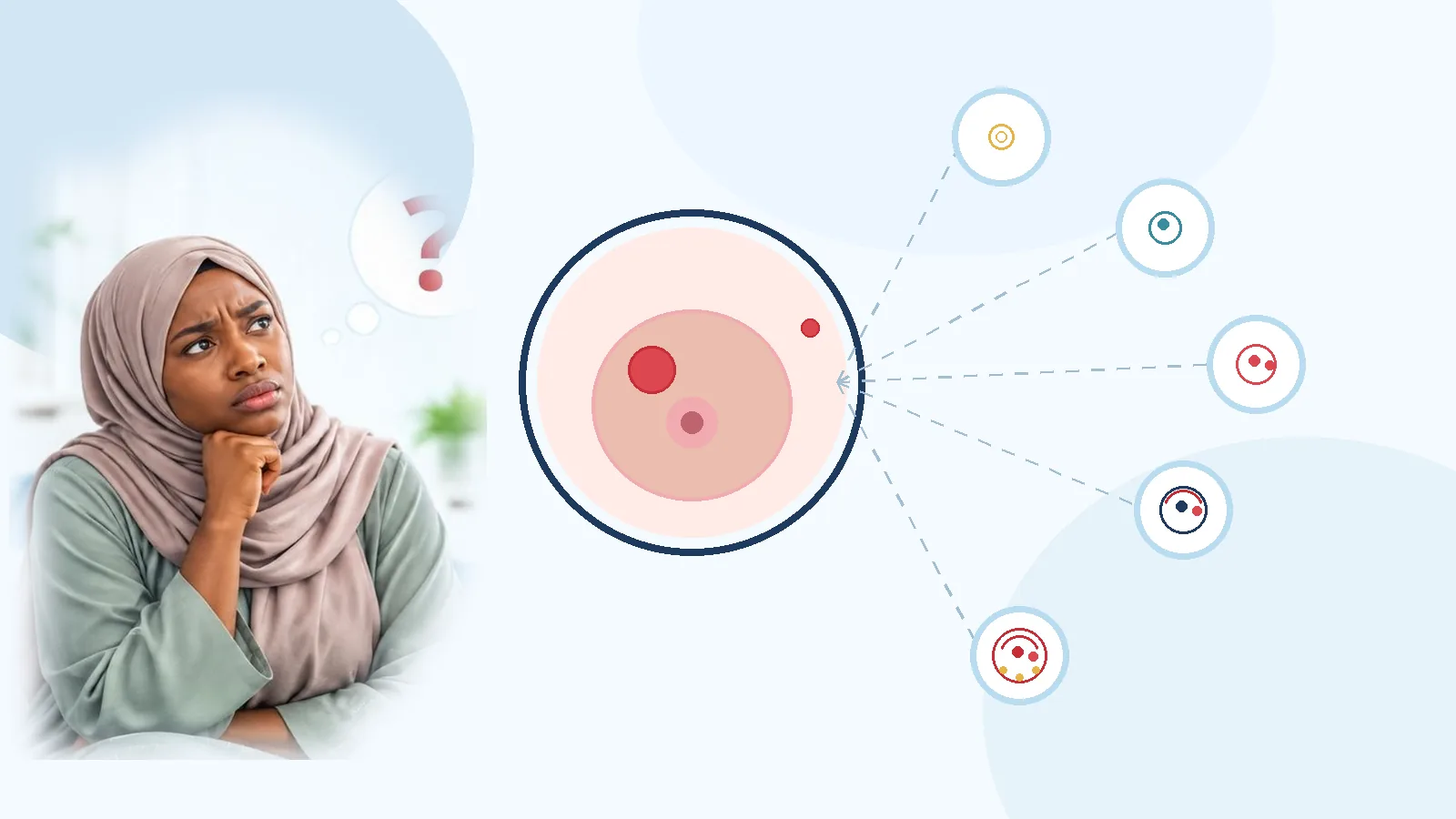
What Are the Five Stages of Breast Cancer?
| Stage | What it generally means |
|---|---|
| Stage 0 | Non-invasive cancer, such as ductal carcinoma in situ (DCIS) |
| Stage 1 | Early invasive cancer, generally limited to the breast or involving only very small amounts of nearby lymph node tissue |
| Stage 2 | Cancer may be larger or may have spread to a limited number of nearby lymph nodes |
| Stage 3 | Locally advanced cancer involving more extensive nearby tissues or lymph nodes |
| Stage 4 | Cancer has spread to distant organs, such as bones, liver, lungs or brain |
The key distinction: Stage 4 means distant metastasis. Stages 0–3 generally describe disease that has not spread to distant organs. Exact stage still depends on tumour size, nodes, metastasis, grade and biomarkers.
What Does Breast Cancer Staging Mean?
Staging determines how far cancer has developed and spread. Doctors use it to understand tumour size, regional nodes, surrounding structures, distant organs and tumour biology.
It helps decide whether to start with surgery, neoadjuvant chemotherapy, targeted therapy or another approach, and gives teams a shared language for the disease.
Why is breast cancer staging important?
- Select the appropriate treatment strategy
- Determine whether breast surgery is possible
- Assess the need for chemotherapy before surgery
- Evaluate whether lymph node surgery is required
- Decide whether radiation therapy is recommended
- Discuss prognosis and treatment goals with patients
Two patients at the same anatomical stage may still receive different treatments because biology differs — for example HER2-positive versus hormone receptor-positive disease. See ER/PR/HER2 biomarkers and pathology report explained.
Understanding the TNM Staging System
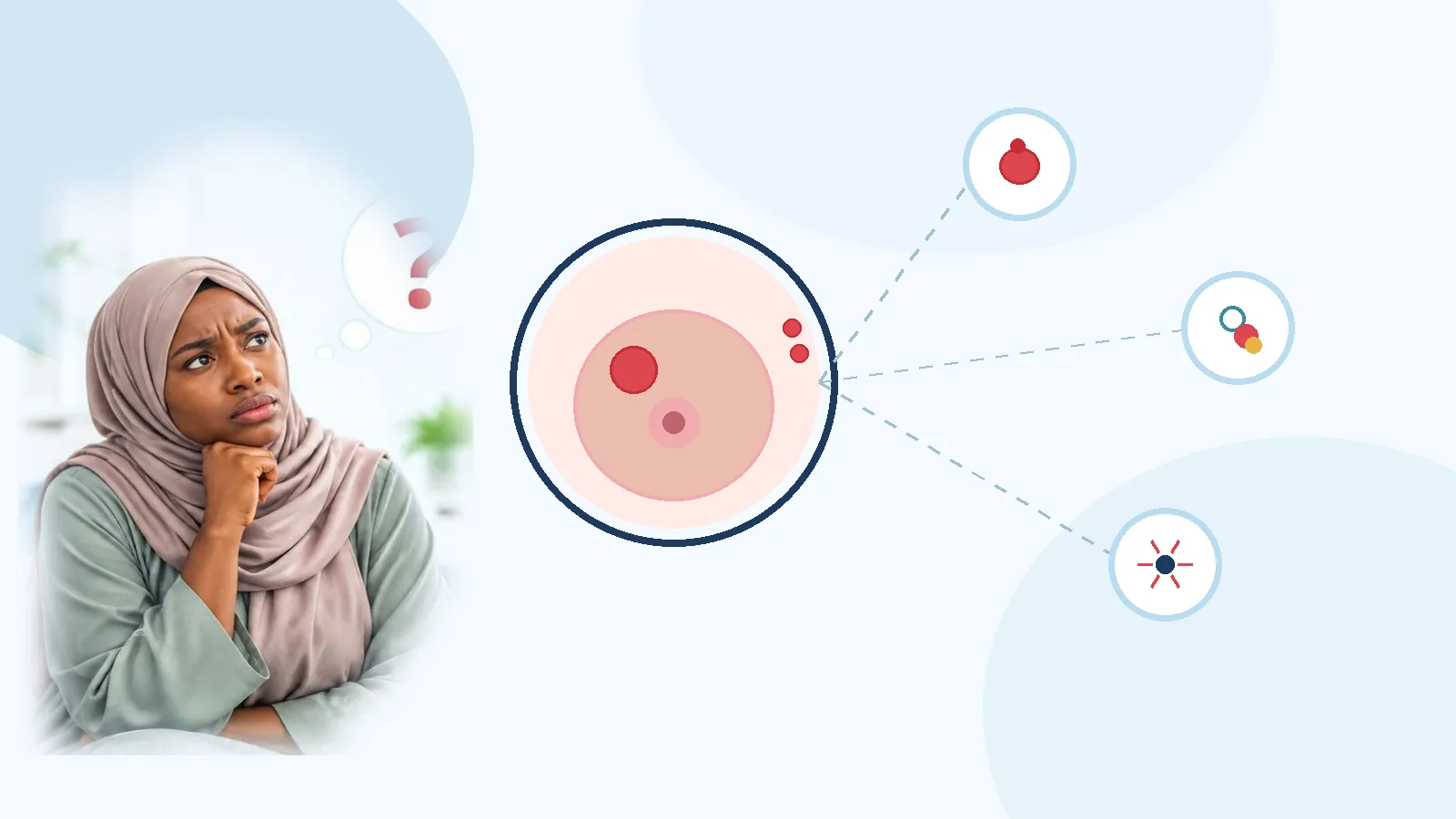
Breast cancer staging commonly uses the TNM system (AJCC): T — primary tumour; N — regional lymph nodes; M — distant metastasis.
T: Primary tumour
| Category | General meaning |
|---|---|
| TX | Primary tumour cannot be assessed |
| T0 | No evidence of a primary tumour |
| Tis | Carcinoma in situ |
| T1 | Tumour measuring 2 cm or less |
| T2 | Tumour measuring more than 2 cm but not more than 5 cm |
| T3 | Tumour measuring more than 5 cm |
| T4 | Tumour of any size with extension to the chest wall or skin (subject to specific definitions) |
N: Regional lymph nodes
Main groups include axillary (armpit), internal mammary, infraclavicular and supraclavicular nodes. Precise N category depends on number, location, extent and how involvement is identified.
| Category | General meaning |
|---|---|
| NX | Regional lymph nodes cannot be assessed |
| N0 | No regional lymph node metastasis identified |
| N1 | Limited regional lymph node involvement |
| N2 | More extensive regional lymph node involvement |
| N3 | Advanced regional lymph node involvement |
M: Distant metastasis
| Category | Meaning |
|---|---|
| M0 | No clinical or radiological evidence of distant metastasis |
| M1 | Distant metastasis is present |
Common distant sites: bones, liver, lungs and brain. M1 disease is Stage IV.
What Is Stage 0 Breast Cancer?
Stage 0 is generally non-invasive. The most common example is ductal carcinoma in situ (DCIS) — abnormal cells inside milk ducts that have not invaded surrounding breast tissue. It is sometimes called pre-invasive breast cancer.
- Abnormal cells inside ducts; no invasion of surrounding tissue
- No established distant spread
- Often found on screening mammography (microcalcifications)
- Many patients have no noticeable symptoms — see symptoms
Diagnosis may include mammography, ultrasound, MRI when indicated, core needle biopsy, histopathology and hormone receptor testing — see diagnosis and diagnosis tests.
Treatment may include breast-conserving surgery, mastectomy for extensive disease, radiation after conservation, and hormone therapy for receptor-positive DCIS. DCIS has an excellent prognosis; the goal is preventing progression and reducing future risk.
What Is Stage 1 Breast Cancer?
Stage 1 is early invasive breast cancer — cells have grown beyond ducts or lobules into surrounding breast tissue, but disease is still limited. It is divided into 1A and 1B.
- **Stage 1A** — tumour ≤2 cm, no regional node involvement
- **Stage 1B** — no identifiable primary or a small tumour, plus micrometastases in nearby nodes
Some patients have no symptoms; others notice a small lump, texture change, mild thickening or nipple/skin changes.
| Treatment | Purpose |
|---|---|
| Breast-conserving surgery | Remove the tumour while preserving the breast |
| Mastectomy | Remove breast tissue when appropriate |
| Sentinel lymph node biopsy | Assess nearby lymph node involvement |
| Radiation therapy | Reduce the risk of local recurrence |
| Hormone therapy | Treat hormone receptor-positive disease |
| Chemotherapy | Reduce recurrence risk in selected patients |
| HER2-targeted therapy | Treat eligible HER2-positive cancers |
Not every patient needs chemotherapy. Some small hormone receptor-positive cancers may be treated with surgery, hormone therapy and radiation. Guides: surgery, hormone therapy, radiation.
Prognosis is generally favourable versus more advanced stages, but still depends on grade, ER/PR/HER2, age, health and treatment response.
What Is Stage 2 Breast Cancer?
Stage 2 is still often considered early breast cancer, though the tumour or node involvement is more extensive than Stage 1. It includes 2A and 2B.
- **2A** — no detectable primary with cancer in 1–3 axillary nodes; or tumour ≤2 cm with limited nodes; or tumour >2–5 cm without nodes
- **2B** — tumour >2–5 cm with limited nodes; or tumour >5 cm without regional nodes
Symptoms may include a noticeable lump, thickening, shape change, nipple changes, dimpling or an armpit lump — or none at all.
Treatment may combine surgery (conservation or mastectomy), chemotherapy before or after surgery, radiation, hormone therapy, HER2-targeted therapy, and immunotherapy for selected triple-negative cases. See treatment options and treatment by stage.
Many patients with Stage 2 disease are treated with curative intent. Limited node involvement does not mean distant metastasis.
What Is Stage 3 Breast Cancer?
Stage 3 is locally advanced breast cancer — more extensive nearby nodes, breast skin or chest wall involvement, without established distant metastasis. Substages: 3A, 3B, 3C.
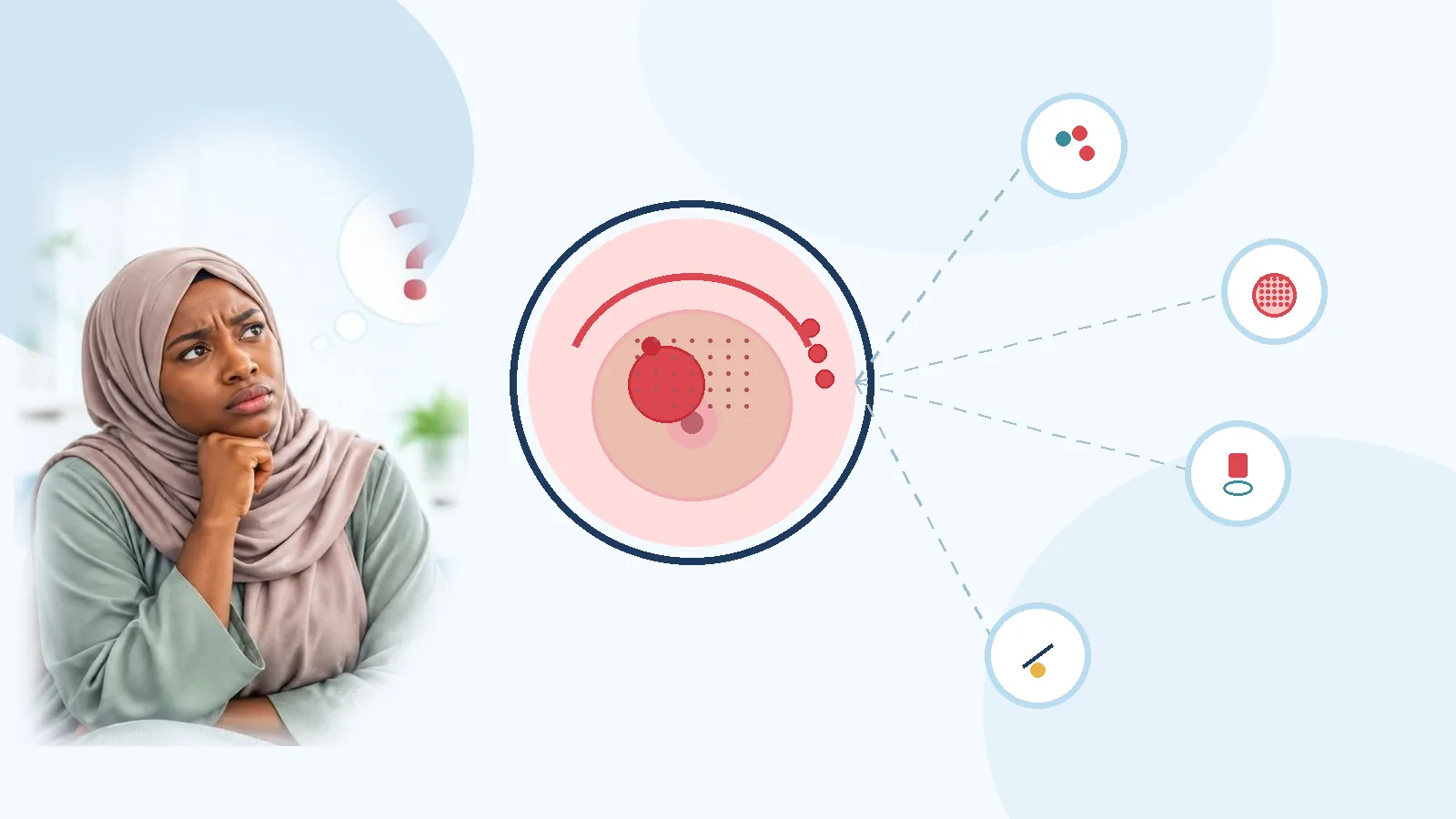
- **3A** — four to nine axillary nodes; certain internal mammary combinations; or tumour >5 cm with limited nodes
- **3B** — tumour of any size involving chest wall or qualifying skin changes; inflammatory breast cancer is often 3B or higher
- **3C** — ten or more axillary nodes, infraclavicular/supraclavicular nodes, or certain axillary–internal mammary combinations
Symptoms may include a large lump, swelling, redness, peau d'orange, nipple retraction, ulceration or enlarged nodes near the armpit or collarbone.
Treatment usually combines systemic therapy, surgery and radiation. Many patients start with neoadjuvant medicines (neoadjuvant chemotherapy, neoadjuvant therapy guide) to shrink disease, treat microscopic cells and assess response. Surgery may be mastectomy or, in selected cases, conservation. Radiation is commonly recommended afterward.
Some patients with Stage 3 disease achieve long-term remission. Outcomes depend on biology, nodes, response and other clinical factors.
What Is Stage 4 Breast Cancer?
Stage 4 is metastatic breast cancer — spread beyond the breast and regional nodes to distant sites such as bones, liver, lungs or brain. It may appear after earlier treatment or be metastatic at first diagnosis.
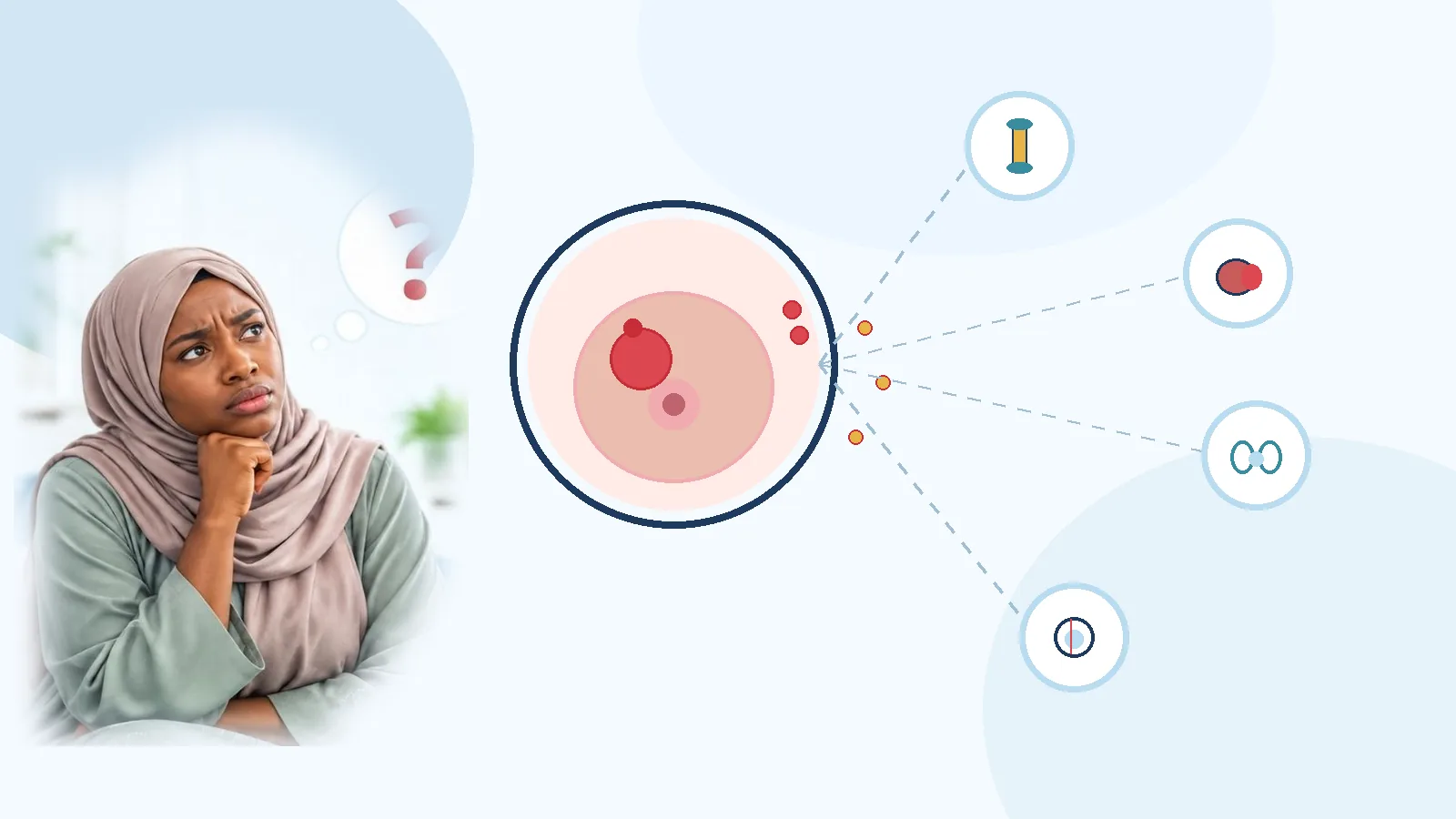
| Site of spread | Possible symptoms |
|---|---|
| Bones | Persistent bone pain or fractures |
| Liver | Abdominal discomfort, jaundice or swelling |
| Lungs | Persistent cough or breathlessness |
| Brain | Headaches, seizures, weakness or neurological changes |
| Breast | Lump, skin changes or nipple changes may remain present |
Treatment generally focuses on controlling cancer, slowing progression, reducing symptoms and maintaining quality of life. Options may include hormone therapy, CDK4/6 inhibitors, HER2-targeted therapy, chemotherapy, immunotherapy, antibody-drug conjugates, bone-strengthening medicines, and selected radiation or surgery.
Stage 4 is generally not considered curable with current standard approaches, but many patients live for years with carefully selected therapies. Duration and quality of life vary widely.
Breast Cancer Stages Compared
| Feature | Stage 0 | Stage 1 | Stage 2 | Stage 3 | Stage 4 |
|---|---|---|---|---|---|
| Disease type | Non-invasive | Early invasive | Early invasive | Locally advanced | Metastatic |
| Distant spread | No | No | No | No | Yes |
| Surgery | Often | Commonly | Commonly | Often after initial treatment | Selected cases |
| Chemotherapy | Usually not | Selected cases | Frequently considered | Commonly considered | Depending on tumour biology |
| Treatment objective | Prevent invasive disease | Cure | Cure | Cure when feasible | Disease control and quality of life |
This overview cannot determine individual treatment. Stage alone is never enough — see treatment by stage.
Does Tumour Size Determine Breast Cancer Stage?
Size matters, but it does not set the entire stage. Nodes and distant metastasis also count. A small tumour can involve nodes; a tumour >5 cm may still be Stage 2B when other criteria fit; any-size tumour with distant metastasis is Stage 4; skin or chest-wall involvement may classify as locally advanced.
Clinical Stage Versus Pathological Stage
Clinical stage (cTNM) is set before surgery from exam, mammography, ultrasound, MRI, biopsy and staging scans. Pathological stage (pTNM) is set after surgery when tissue and nodes are examined under the microscope.
| Feature | Clinical stage | Pathological stage |
|---|---|---|
| Timing | Before surgery | After surgery |
| Main information | Examination, imaging and biopsy | Surgical tissue examination |
| Tumour measurement | Imaging and clinical assessment | Direct pathological measurement |
| Lymph node assessment | Imaging and needle biopsy where indicated | Examined surgical lymph nodes |
| Main purpose | Plan initial treatment | Assess the disease after surgery |
After neoadjuvant therapy, post-treatment pathological stage often uses the yp prefix — showing how much cancer remains after treatment.
Anatomical Versus Prognostic Staging
Anatomical staging uses tumour extent, regional nodes and distant metastasis (classic TNM). Prognostic staging also incorporates grade, ER/PR/HER2, other pathology features and, in selected cases, genomic results.
Two patients with identical size and nodes may have different plans and outlooks because biology differs. Always read the stage alongside the pathology report and biomarkers.
How Does Breast Cancer Stage Affect Treatment?
| Breast cancer stage | Common treatment approach |
|---|---|
| Stage 0 | Breast-conserving surgery or mastectomy, with radiation and/or hormone therapy in selected cases |
| Stage 1 | Surgery, with radiation and systemic treatment according to risk and biomarkers |
| Stage 2 | Surgery or neoadjuvant treatment, followed by additional therapy as indicated |
| Stage 3 | Usually systemic treatment before surgery, followed by surgery, radiation and further systemic treatment |
| Stage 4 | Systemic treatment tailored to tumour biology, with local treatment for selected needs |
Neoadjuvant treatment
Therapy given before surgery — chemotherapy, targeted therapy or immunotherapy depending on type. Especially important for larger tumours, HER2-positive disease, triple-negative breast cancer and locally advanced disease. Goals: shrink the tumour, improve surgical options and evaluate response. See neoadjuvant therapy and neoadjuvant chemotherapy.
Adjuvant treatment
Therapy given after surgery to reduce recurrence risk — chemotherapy, radiation, hormone therapy, HER2-targeted therapy or other systemic treatments. Not every patient needs all modalities. See adjuvant chemotherapy and treatment options.
Does Breast Cancer Stage Determine Survival?
Stage is one of the most important prognostic factors. Earlier diagnosis generally has a more favourable outlook than distant spread. Survival cannot be predicted by stage alone.
- Age and general health
- Tumour grade; ER/PR/HER2; triple-negative status
- Response to treatment and access to appropriate care
- Whether cancer returns after treatment
Five-year relative survival compares people with cancer with similar people in the general population. Figures below are from the American Cancer Society's SEER-based statistics for women in the United States — population estimates, not individual predictions, and not survival rates for Indian patients.
| Extent of breast cancer | Approximate 5-year relative survival |
|---|---|
| Localised | 100% |
| Regional | 87% |
| Distant | 33% |
Important: ACS SEER categories (localised / regional / distant) are not identical to AJCC Stages 1–4. Modern treatment has changed outlooks for many subtypes. Discuss individual prognosis with the treating oncologist.
What Is Recurrent Breast Cancer?
Recurrence means cancer returns after treatment — in the breast or chest wall (local), nearby nodes (regional), or distant organs (distant / metastatic). Microscopic cells may remain after apparently successful treatment.
Treatment depends on where cancer returned and its biology. A fresh biopsy is often useful because receptor status can change over time.
Can Stage 4 Breast Cancer Spread to the Brain, Liver and Bones?
Yes. Breast cancer can spread via blood or lymphatics. Common sites: bones, liver, lungs and brain.
- **Bone** — pain, weakness, fractures; systemic medicines, radiation and bone-strengthening drugs may help
- **Liver** — discomfort, fatigue, appetite loss, jaundice or swelling in advanced disease
- **Lung** — cough, breathlessness, chest discomfort, pleural fluid
- **Brain** — headaches, seizures, weakness, vision or balance changes — new neurological symptoms need urgent evaluation
Can Breast Cancer Be Diagnosed Early Without Symptoms?
Yes. Screening mammography can find small abnormalities, microcalcifications and some early non-invasive cancers before anything is felt. Screening schedules vary by country and risk. A new lump still needs evaluation even after a recent normal mammogram — see symptoms and diagnosis.
What Is the Cost of Breast Cancer Treatment in India at Different Stages?
Cost varies with stage, biology, plan, hospital, medicines and duration. Early disease may need surgery plus selected therapy; Stage 3 often needs neoadjuvant systemic therapy, surgery and radiation; Stage 4 may need longer-term systemic care. Full context: breast cancer treatment cost in India.
| Stage | Possible treatment components |
|---|---|
| Stage 0 | Surgery, selected radiation and hormone therapy |
| Stage 1 | Surgery, radiation and selected systemic therapy |
| Stage 2 | Surgery, chemotherapy where indicated, radiation and targeted or hormone therapy |
| Stage 3 | Neoadjuvant treatment, surgery, radiation and further systemic treatment |
| Stage 4 | Systemic therapy, supportive care and selected local treatments |
There is no reliable universal price per stage — two patients at the same stage can need very different pathways. Do not add every line into one total.
| Named pathway | GAF planning range in India | Typical pattern |
|---|---|---|
| Lumpectomy / breast-conserving surgery | $3,500–$8,000 | 1–3 nights |
| Mastectomy | $4,500–$10,000 | 3–6 nights |
| Systemic chemotherapy | $1,500–$8,000+ | Outpatient cycles |
| External beam radiotherapy (EBRT) | $1,000–$6,000+ | Outpatient course |
| Hormone therapy | $1,000–$4,500 | Long-term |
| Targeted therapy | $8,000–$30,000 | Medicine/duration dependent |
| Immunotherapy | $15,000–$45,000 | Repeated outpatient |
GAF figures are partner planning ranges in USD, not hospital quotations. Targeted and immunotherapy apply only when clinically indicated (targeted therapy, immunotherapy).
Breast Cancer Treatment in India for International Patients
India has oncology centres offering diagnosis, surgery, chemotherapy, radiation and advanced systemic treatments. Patients from Tanzania, Kenya, Ethiopia, Uganda, Zambia, Iraq, Oman and other countries often seek second opinions and treatment here.
| Hospital capability | Why it matters |
|---|---|
| Breast surgical oncology | Appropriate breast cancer operations |
| Medical oncology | Chemotherapy and systemic treatment |
| Radiation oncology | Postoperative and other radiation treatment |
| Advanced pathology | Accurate tumour classification |
| HER2 testing | Selection of appropriate targeted treatment |
| Breast reconstruction | Reconstructive options after surgery |
| Multidisciplinary tumour board | Coordinated treatment decisions |
| International patient services | Travel and treatment coordination |
GAF Healthcare can help identify hospitals, coordinate specialist consultations, arrange pathology and imaging review, obtain estimates, organise appointments and support medical travel — see breast cancer treatment in India, reconstruction / reconstruction treatment, and international patients.
- Biopsy, histopathology and IHC reports
- Mammography, ultrasound, MRI or PET-CT with DICOM where available
- Previous surgery and systemic therapy records
- Current medications and recent blood tests
Share records before travelling when possible so teams can decide whether existing investigations suffice.
Frequently Asked Questions About Breast Cancer Stages
How many stages of breast cancer are there?
Breast cancer is generally classified into five main stages: Stage 0, Stage 1, Stage 2, Stage 3 and Stage 4. Stage 0 is non-invasive disease, while Stage 4 indicates distant metastasis.
Which is the earliest stage of breast cancer?
Stage 0 is the earliest category and commonly refers to ductal carcinoma in situ, in which abnormal cells remain within the milk ducts. Stage 1 is the earliest category of invasive breast cancer.
Is Stage 1 breast cancer serious?
Stage 1 is early invasive breast cancer. It requires appropriate treatment, but it generally has a favourable prognosis compared with more advanced disease.
Is Stage 2 breast cancer curable?
Many patients with Stage 2 breast cancer are treated with curative intent. Treatment may involve surgery, chemotherapy, radiation therapy, hormone therapy or targeted treatment depending on the tumour.
Is Stage 3 breast cancer considered advanced?
Stage 3 is generally described as locally advanced breast cancer. It involves more extensive local or regional disease but does not have established distant metastasis. Many patients can receive comprehensive treatment with curative intent.
Is Stage 4 breast cancer curable?
Stage 4 breast cancer is generally not considered curable with current standard treatment. However, it can often be controlled with systemic medicines, and some patients live for several years with treatment.
Does breast cancer stage depend only on tumour size?
No. Staging considers tumour size and local extent, lymph node involvement and distant metastasis. Modern prognostic staging also incorporates tumour grade and biomarkers.
What does T2N1M0 mean in breast cancer?
T2 generally indicates a tumour larger than 2 cm but not larger than 5 cm. N1 indicates a specific category of limited regional lymph node involvement. M0 indicates no evidence of distant metastasis. The overall stage depends on the complete staging system and tumour biology.
Can a small breast tumour be Stage 3?
Yes, in certain circumstances. Extensive regional lymph node involvement or qualifying skin and chest wall involvement can lead to Stage 3 classification even when the primary tumour is small.
What is the difference between Stage 3 and Stage 4 breast cancer?
Stage 3 describes locally advanced or regionally extensive breast cancer without distant metastasis. Stage 4 means cancer has spread to distant organs.
Can Stage 4 breast cancer spread to the brain?
Yes. Breast cancer can spread to the brain, particularly in certain tumour subtypes. Symptoms may include headaches, seizures, weakness or visual changes.
Can breast cancer return after treatment?
Yes. Breast cancer can recur locally, regionally or in distant organs. The risk depends on tumour characteristics, stage and response to treatment.
What is the difference between clinical and pathological staging?
Clinical staging is determined before surgery using examination, imaging and biopsy. Pathological staging is determined after surgery through examination of removed tissue and lymph nodes.
Does HER2-positive breast cancer have a different stage?
HER2 status does not change the anatomical TNM categories directly, but it can influence prognostic stage and treatment decisions. HER2-targeted medicines are available for eligible patients — see HER2-positive treatment.
Can breast cancer stage change after chemotherapy?
The original clinical stage is retained as a record of the disease before treatment. After neoadjuvant therapy and surgery, doctors may assign a post-treatment pathological stage, identified by the prefix yp.
Which scan is best for breast cancer staging?
There is no single best scan for every patient. Mammography, ultrasound, MRI, CT, PET-CT and bone scans have different roles. The appropriate tests depend on symptoms, disease extent and clinical findings — see diagnosis tests.
Is breast cancer treatment available in India for Stage 4 patients?
Yes. Indian oncology centres offer systemic treatment and supportive care for metastatic breast cancer. Treatment depends on receptor status, previous medicines, disease distribution and the patient's overall health.
Can international patients receive breast cancer treatment in India?
Yes. International patients can seek consultations, second opinions, diagnostic services and treatment at Indian hospitals. Existing pathology and imaging reports should be shared before travel whenever possible.
Key Takeaways
- Breast cancer has five main stages (0–4); Stage 4 means distant metastasis.
- TNM describes tumour extent, regional nodes and distant spread.
- Clinical stage is pre-surgery; pathological stage is post-surgery; yp marks post-neoadjuvant pathology.
- Prognostic staging adds grade and biomarkers — stage alone does not set the whole plan.
- Treatment sequencing differs by stage; biology still drives systemic choices.
- SEER survival figures are population estimates, not personal predictions.
- GAF lumpectomy planning is $3,500–$8,000; mastectomy $4,500–$10,000 — request a written hospital estimate for your pathway.
Top Medical Sources and References
Related Reading on GAF Healthcare
Explore Breast Cancer Care in India
Understanding your stage is an important step — but biology, overall health and treatment response matter just as much. Modern care is increasingly personalised.
GAF Healthcare assists international patients exploring breast cancer care in India by coordinating records, consultations and estimates. Website: https://gaf.healthcare/.
Medical Disclaimer
This article is for educational purposes and does not replace medical advice. Breast cancer staging and treatment decisions must be made by qualified specialists after reviewing individual clinical, imaging and pathology findings. Cost figures are indicative GAF partner planning ranges in USD, not hospital quotations. Emergency symptoms belong in a local emergency department.