
A breast cancer diagnosis raises practical questions: Will surgery be needed? Can the breast be preserved? Is chemotherapy always required? What if disease has spread?
Treatment has advanced. Plans may include surgery, radiation, chemotherapy, hormone therapy, targeted medicines or immunotherapy — alone or in combination. There is no single right plan for every patient. Decisions follow biopsy results, ER/PR/HER2 status, stage, health and preferences.
The coordinated pathway sits on breast cancer treatment in India. Companions cover stages, treatment by stage, diagnosis tests and cost in India.
GAF planning for lumpectomy is $3,500–$8,000 (typically 1–3 nights) and for mastectomy is $4,500–$10,000 (typically 3–6 nights). Neighbouring chemotherapy is $1,500–$8,000+; EBRT $1,000–$6,000+. These are partner planning ranges, not quotations.
International patients comparing surgical oncologists often start with lumpectomy and mastectomy lists, plus medical oncology. Partner hospitals in Delhi NCR, Mumbai and Bengaluru are a typical first filter — see international patients.
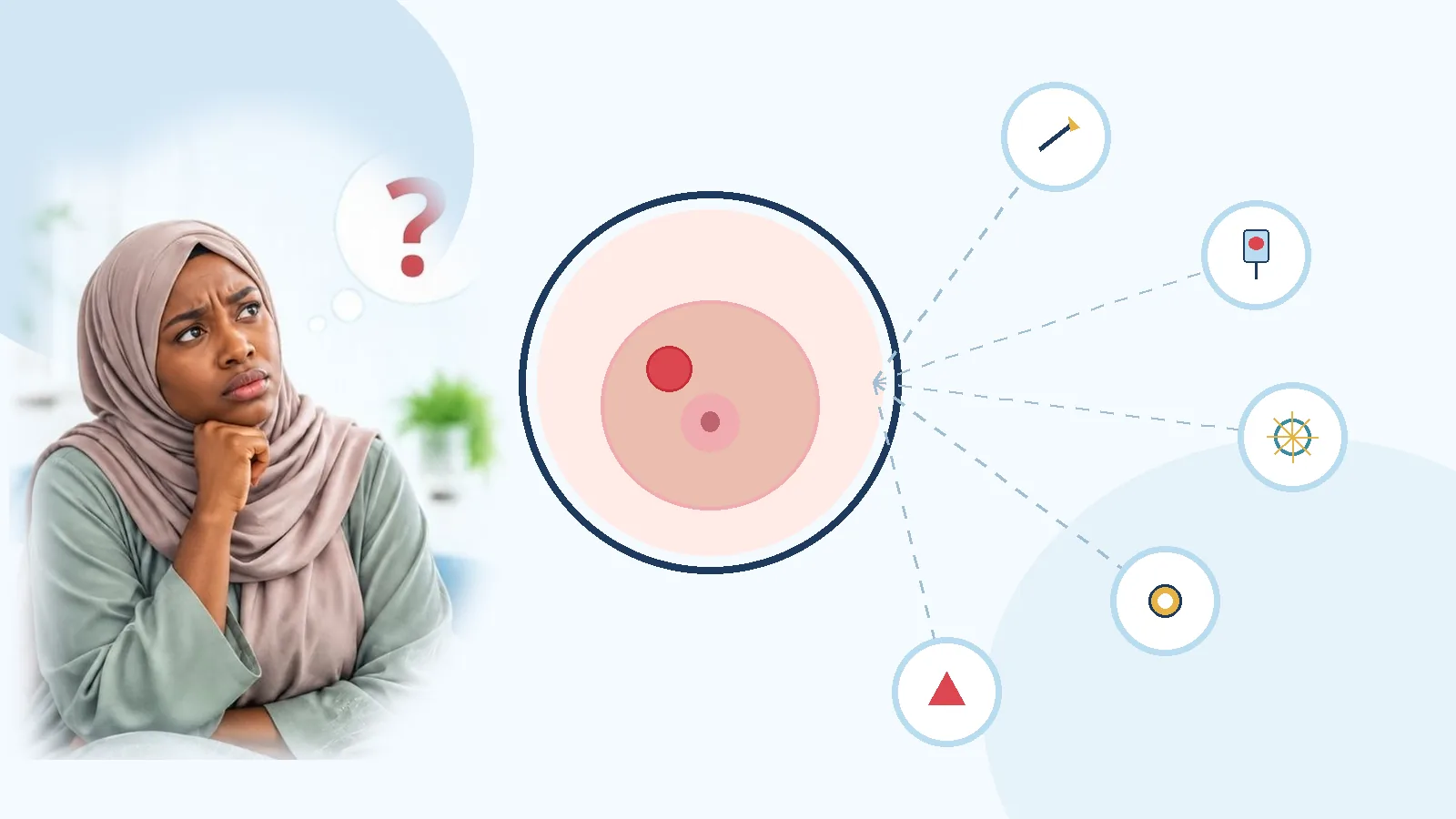
| Treatment | What it does | When it may be used |
|---|---|---|
| Breast-conserving surgery | Removes the tumour while preserving most of the breast | Selected early-stage cancers |
| Mastectomy | Removes breast tissue | When conservation is unsuitable or not preferred |
| Chemotherapy | Destroys or stops cancer cells systemically | Selected early and advanced cancers |
| Radiation therapy | Local high-energy treatment | Commonly after conservation; selected post-mastectomy cases |
| Hormone therapy | Blocks hormone-driven growth | ER/PR-positive cancers |
| Targeted therapy | Acts on molecular features (e.g. HER2) | HER2-positive and selected subtypes |
| Immunotherapy | Helps immune attack on cancer | Selected triple-negative cases |
| Supportive / palliative care | Symptom control and quality of life | Any stage when needed |
How Do Doctors Decide Which Treatment Is Best?
- Stage — from DCIS (0) to metastatic (4); see stages
- **Hormone receptors (ER/PR)** — guide endocrine therapy
- HER2 status — guides targeted medicines — HER2 guide
- **Triple-negative status** — chemo ± immunotherapy in eligible cases
- **Tumour size and nodes** — surgery-first vs neoadjuvant sequencing
- **General health and menopausal status**
- **Patient preferences** — conservation vs mastectomy when both are suitable
Biomarker detail: ER/PR/HER2 treatment and pathology report explained.
Breast Cancer Surgery Options
Breast-conserving surgery (lumpectomy)
Removes the tumour with a margin while preserving most of the breast. Often followed by radiation. Suitable when the tumour is relatively small, margins can be clear and radiation is feasible. Survival can match mastectomy in appropriately selected early disease.
GAF lumpectomy planning: $3,500–$8,000, typically 1–3 nights. Neighbouring oncoplastic surgery: $4,500–$11,000.
Mastectomy
Removes breast tissue when conservation is unsuitable, disease is extensive, radiation cannot be given when required for conservation, or after informed preference. Inflammatory breast cancer often needs a different sequence.
| Type | What is removed |
|---|---|
| Total / simple mastectomy | Breast tissue, generally including nipple and areola |
| Modified radical mastectomy | Breast tissue and axillary nodes as indicated |
| Skin-sparing mastectomy | Breast tissue with most skin preserved |
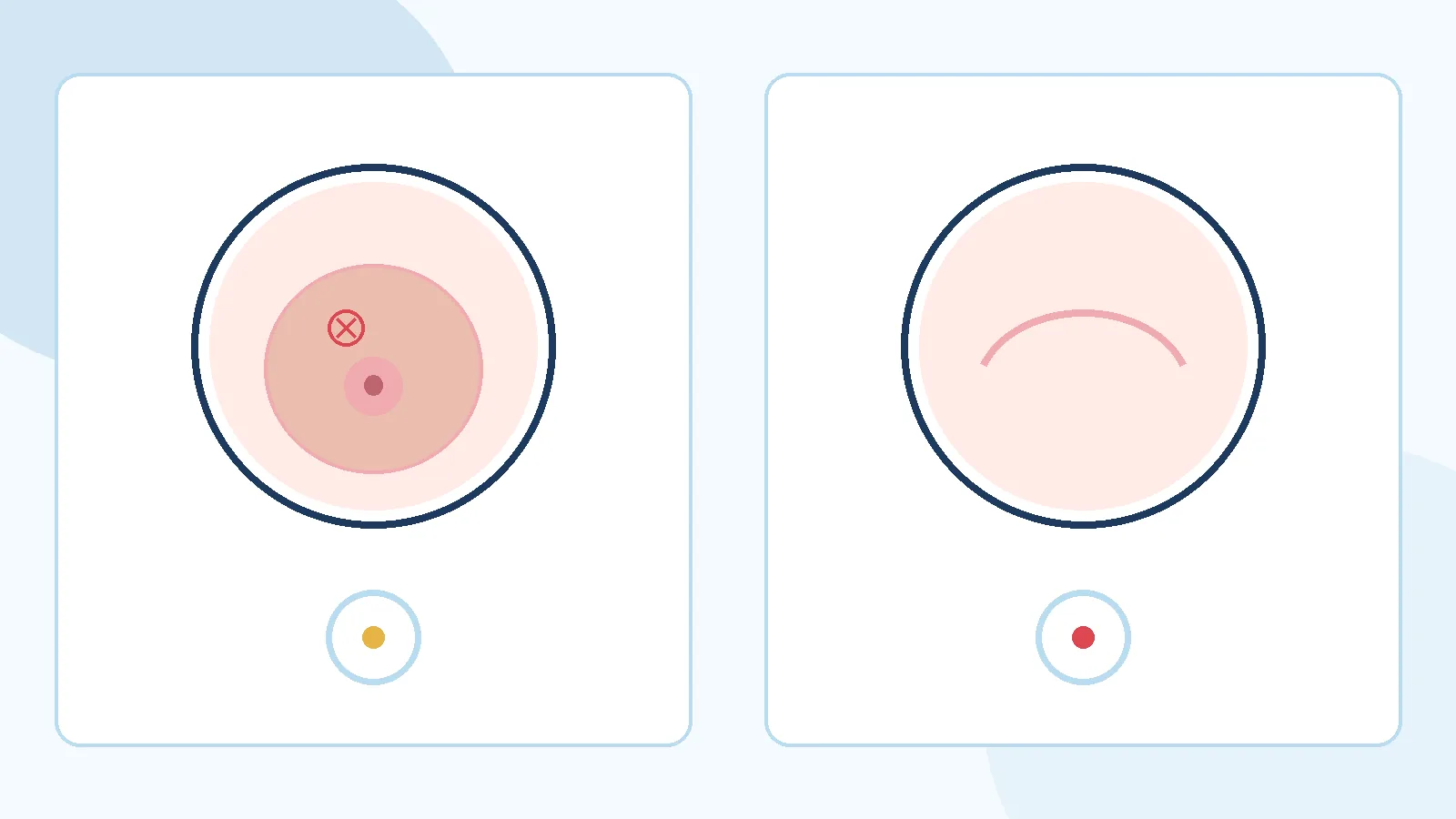
| Nipple-sparing mastectomy | Breast tissue with nipple/areola preserved in selected patients |
GAF mastectomy: $4,500–$10,000 (3–6 nights). Nipple-sparing mastectomy: $5,500–$12,000 when indicated. Details: breast cancer surgery in India.
Breast Reconstruction After Mastectomy
Reconstruction may use implants, autologous tissue (e.g. DIEP/TRAM/latissimus) or a combination — immediate or delayed.
| Feature | Immediate reconstruction | Delayed reconstruction |
|---|---|---|
| Timing | During mastectomy | Months or longer after |
| Main benefit | Rebuilds shape during initial surgery | Allows cancer treatment to take priority |
| Radiation | Needs careful planning | May follow radiation |
GAF breast reconstruction: $6,000–$18,000 (typically 4–8 nights), often billed separately from mastectomy. See reconstruction after mastectomy and reconstruction treatment.
Lymph Node Surgery
| Feature | Sentinel lymph node biopsy | Axillary dissection |
|---|---|---|
| Nodes removed | Usually a small number | A larger group |
| Purpose | Assess initial nodal spread | Remove more involved nodes |
| Lymphoedema risk | Generally lower | Generally higher |
GAF sentinel lymph node biopsy: $2,000–$5,500 (1–2 nights). Modern care individualises axillary surgery to reduce lymphoedema risk.
Chemotherapy
Systemic medicines destroy or stop cancer cells. Not every patient needs chemotherapy. It may be used for larger tumours, node-positive disease, triple-negative or HER2-positive disease, selected higher-risk hormone-positive cancers, locally advanced disease or metastatic settings.
Neoadjuvant chemo is given before surgery; adjuvant after. Pathways: chemotherapy in India, neoadjuvant, adjuvant, breast chemo blog, neoadjuvant therapy.
GAF chemotherapy planning: $1,500–$8,000+ for typical outpatient cycles.
| Side effect | What patients may experience |
|---|---|
| Hair loss | Temporary or persistent thinning with some drugs |
| Nausea | Feeling sick or vomiting |
| Fatigue | Tiredness and reduced energy |
| Low blood counts | Infection, anaemia or bleeding risk |
| Neuropathy | Tingling or numbness in hands/feet |
Fever or infection signs during chemo need urgent local care.
Radiation Therapy
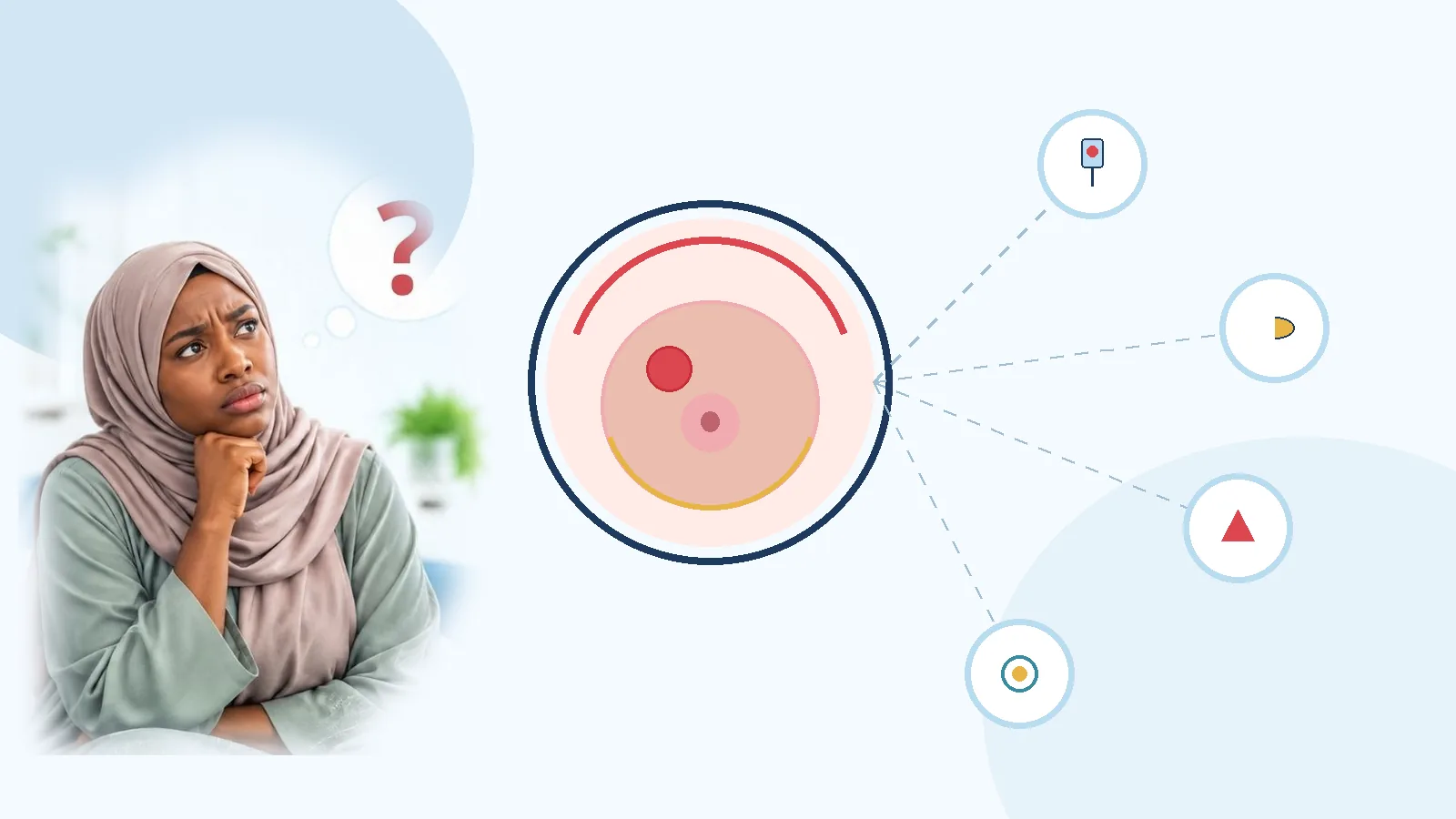
Local high-energy treatment reduces local recurrence after conservation and is used after mastectomy in selected higher-risk cases. Techniques include whole-breast, partial-breast, chest-wall and nodal irradiation; hypofractionation is common when suitable.
GAF EBRT: $1,000–$6,000+. Guide: radiation therapy for breast cancer. Side effects may include skin irritation, swelling and fatigue.
Hormone Therapy
For ER/PR-positive disease: tamoxifen, aromatase inhibitors (anastrozole, letrozole, exemestane), fulvestrant in selected advanced settings, and ovarian suppression for some premenopausal patients. Often continued for at least five years.
GAF hormone therapy: $1,000–$4,500. Detail: hormone therapy for breast cancer.
Targeted Therapy and Immunotherapy
HER2-directed options may include trastuzumab, pertuzumab, T-DM1, trastuzumab deruxtecan and selected oral agents. Hormone-positive HER2-negative disease may use CDK4/6 inhibitors. Selected BRCA-associated cancers may use PARP inhibitors.
GAF targeted therapy: $8,000–$30,000 (medicine and duration dependent). Immunotherapy: $15,000–$45,000 for eligible regimens — often with chemo in selected triple-negative disease.
Treatment by Biological Type and Stage
| Breast cancer type | Common approaches |
|---|---|
| ER/PR-positive, HER2-negative | Surgery, radiation, endocrine therapy ± chemo |
| HER2-positive | Surgery or neoadjuvant systemic therapy + HER2 drugs |
| Triple-negative | Chemo, surgery, radiation ± immunotherapy |
| DCIS | Conservation or mastectomy ± radiation/endocrine |
| Inflammatory | Systemic first, then surgery and radiation if non-metastatic |
| Metastatic | Systemic therapy tailored to biology |
| Feature | Neoadjuvant | Adjuvant |
|---|---|---|
| Timing | Before surgery | After surgery |
| Purpose | Shrink tumour; treat micrometastases early | Reduce recurrence risk |
| Examples | Chemo, HER2 drugs, selected immunotherapy | Chemo, radiation, hormone, targeted therapy |
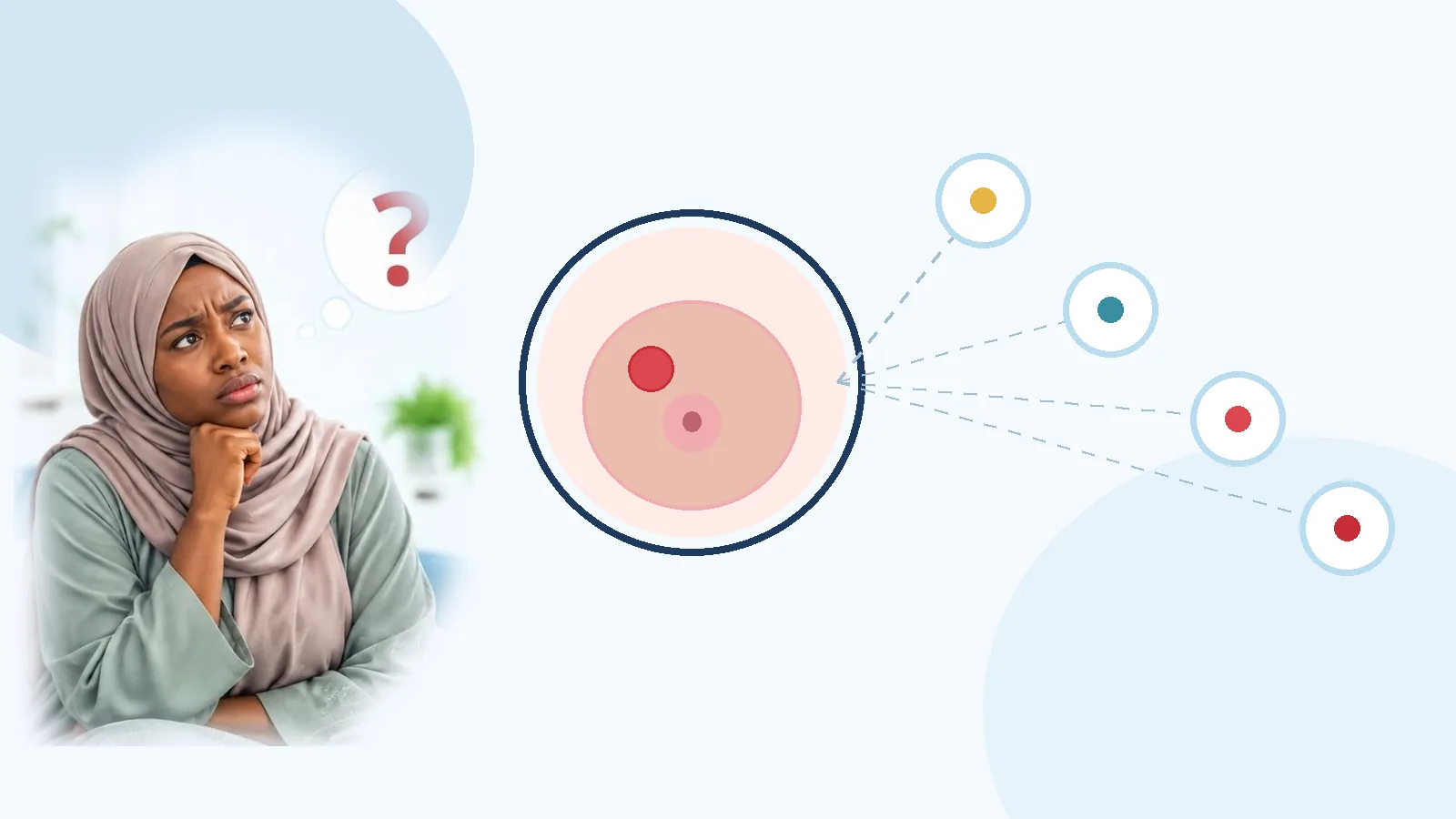
Stage-by-stage detail: treatment by stage. Metastatic care focuses on control and quality of life with biology-matched systemic therapy; surgery is selective for local problems.
Side Effects, Recovery and Supportive Care
| Treatment | Possible side effects |
|---|---|
| Lumpectomy | Pain, swelling, shape change |
| Mastectomy | Pain, numbness, tightness |
| Chemotherapy | Hair loss, nausea, fatigue, low counts |
| Radiation | Skin irritation, fatigue, swelling |
| Hormone therapy | Hot flashes, joint pain, bone density change |
| HER2 therapy | Infusion reactions; heart monitoring may be needed |
| Immunotherapy | Immune-related organ inflammation |
Supportive care — anti-emetics, physiotherapy, nutrition, skin care, cardiac monitoring, lymphoedema rehab and counselling — runs alongside active treatment. Palliative care can start at any stage.
Do not stop prescribed therapy without your oncology team. Sudden severe symptoms belong in a local emergency department.
Breast Cancer Treatment Cost in India
Totals vary with stage, biology, surgery, medicines, radiation, reconstruction, hospital and city. Full explainer: cost guide.
| Named pathway | GAF planning range in India | Typical stay |
|---|---|---|
| Lumpectomy / breast-conserving surgery | $3,500–$8,000 | 1–3 nights |
| Mastectomy | $4,500–$10,000 | 3–6 nights |
| Oncoplastic breast surgery | $4,500–$11,000 | 2–5 nights |
| Nipple-sparing mastectomy | $5,500–$12,000 | 3–6 nights |
| Breast reconstruction | $6,000–$18,000 | 4–8 nights |
| Sentinel lymph node biopsy | $2,000–$5,500 | 1–2 nights |
| Systemic chemotherapy | $1,500–$8,000+ | Outpatient cycles |
| External beam radiotherapy | $1,000–$6,000+ | Outpatient course |
| Hormone therapy | $1,000–$4,500 | Long-term |
| Targeted therapy | $8,000–$30,000 | Depends on medicine/duration |
| Immunotherapy | $15,000–$45,000 | Repeated outpatient |
| City | Lumpectomy sheet | Mastectomy planning |
|---|---|---|
| Delhi NCR | $3,500–$8,000 | $4,500–$10,000 |
| Mumbai | $3,500–$8,000 | $4,500–$10,000 |
| Bengaluru | $3,500–$8,000 | $4,500–$10,000 |
Do not add every line into one quote — request an itemised estimate after record review.
Treatment in India for International Patients
| Hospital capability | Why it matters |
|---|---|
| Breast surgical oncology | Conservation and mastectomy expertise |
| Medical oncology | Chemo and systemic treatment |
| Radiation oncology | Modern planning and delivery |
| Pathology / biomarkers | ER, PR, HER2 accuracy |
| Reconstructive surgery | Reconstruction options |
| Multidisciplinary board | Coordinated decisions |
GAF can identify hospitals, share records, arrange opinions and estimates, and support travel — see international patients. Bring biopsy/IHC, imaging (DICOM), prior treatment records and medication lists. Do not delay urgent local care solely to arrange travel.
Questions to Ask Before Starting Treatment
- What is the exact type and clinical stage?
- What are my ER, PR and HER2 results?
- Surgery first or neoadjuvant systemic therapy?
- Am I suitable for breast-conserving surgery?
- Will I need radiation, chemo, hormone or targeted drugs?
- What side effects and fertility implications should I expect?
- What is the estimated cost and follow-up plan?
Frequently Asked Questions About Breast Cancer Treatment
What is the best treatment for breast cancer?
There is no single best treatment. Stage, tumour biology (ER/PR/HER2), health and preferences guide the plan — see breast cancer treatment in India.
Can breast cancer be treated without surgery?
Metastatic disease may be managed with systemic therapy without breast surgery. Early and locally advanced disease often include surgery.
Is mastectomy better than lumpectomy?
Not always. For selected early cancers, conservation plus radiation can match mastectomy survival. Choice depends on oncologic suitability and preference.
Is chemotherapy necessary for every patient?
No. Use depends on subtype, stage, grade, nodes and recurrence risk. See chemotherapy for breast cancer.
How many chemotherapy cycles are needed?
It varies by regimen — often several cycles over months. There is no universal schedule.
Is radiation necessary after mastectomy?
Not for everyone. It may be advised for certain tumour sizes, nodal involvement or other high-risk features.
What is the difference between chemotherapy and targeted therapy?
Chemotherapy affects many rapidly dividing cells. Targeted drugs act on specific molecular features such as HER2.
Can HER2-positive breast cancer be treated?
Yes. HER2-directed medicines expand options for eligible patients — see HER2-positive treatment.
Can triple-negative breast cancer use immunotherapy?
Selected patients may receive immunotherapy with chemotherapy. Eligibility depends on stage and clinical factors.
How long does breast cancer treatment take?
Weeks to many months for active therapy. Endocrine therapy may continue for at least five years; metastatic care may be ongoing.
Can breast cancer return after treatment?
Yes. Risk varies with biology, stage and response. Regular follow-up matters.
Can treatment affect fertility?
Some chemo and hormone therapies can affect ovarian function. Discuss fertility preservation before starting treatment.
Is breast reconstruction possible after mastectomy?
Yes — implants, own tissue or combination; immediate or delayed. See reconstruction guides.
Is Stage 4 breast cancer treatable?
Yes. It is generally not considered curable, but systemic therapy can control disease and support quality of life.
Is breast cancer treatment available in India?
Yes. Specialist centres offer surgery, systemic therapy, radiation and reconstruction. See the international-patient guide.
Can international patients get a second opinion in India?
Yes. Share pathology, IHC and DICOM imaging before travel for review.
What is neoadjuvant treatment?
Therapy given before surgery to shrink disease and assess response — see neoadjuvant therapy guide.
What documents should I prepare?
Biopsy/IHC, mammography/ultrasound/MRI or PET reports (DICOM), prior surgery and systemic records, medications and recent blood tests.
Key Takeaways
- Treatment is personalised by stage and biology — not one protocol for all.
- Local therapy (surgery ± radiation) and systemic therapy are often combined.
- GAF lumpectomy planning is $3,500–$8,000; mastectomy $4,500–$10,000.
- HER2, endocrine and immunotherapy options depend on biomarkers and eligibility.
- Share pathology and DICOM imaging before travelling for care in India.
Top Medical Sources and References
Related Reading on GAF Healthcare
Explore Breast Cancer Treatment in India
Understanding stage and biomarkers is the foundation for choosing surgery, medicines and radiation. GAF Healthcare coordinates specialist consultations and estimates for international patients. Website: https://gaf.healthcare/.
Medical Disclaimer
This article is for general education only and does not replace professional advice, diagnosis or treatment. Decisions must be made with a qualified oncology team after reviewing individual findings. Cost figures are indicative planning ranges. Emergency symptoms belong in a local emergency department.