
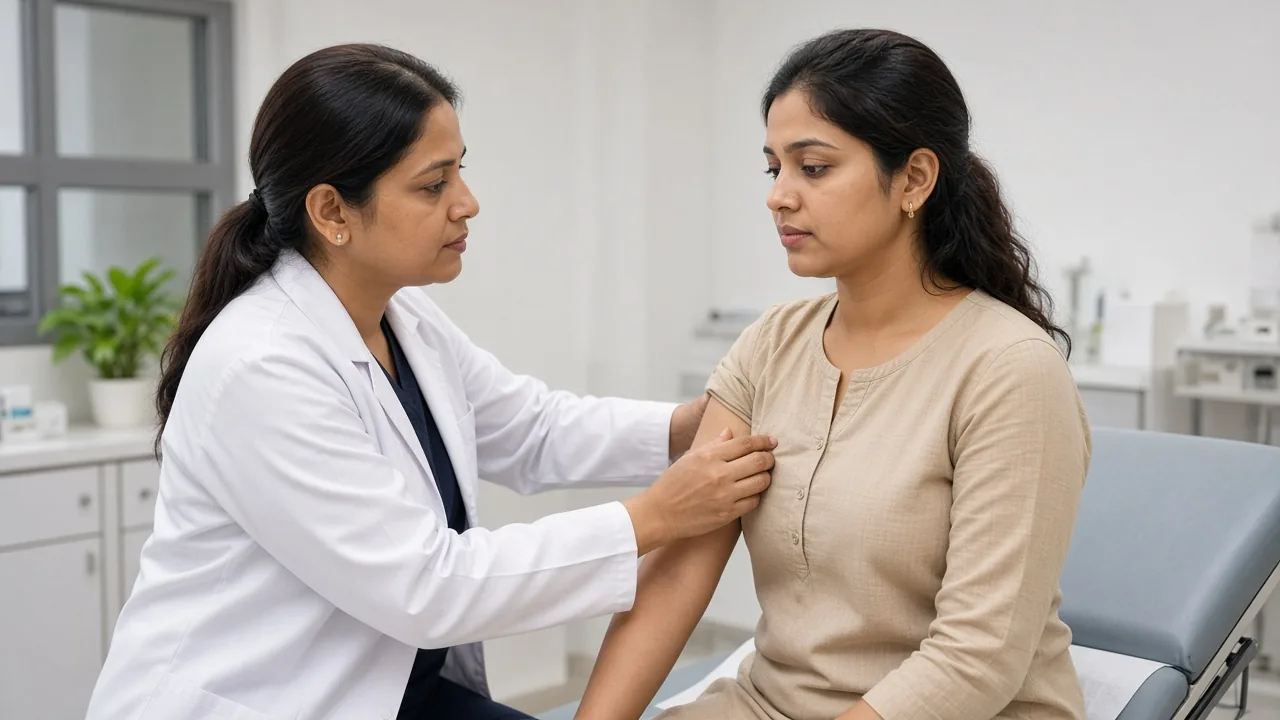
Breast cancer is often associated with older women. That can make a breast lump in a woman in her 20s or 30s easy to dismiss as a hormonal change, cyst or fibroadenoma. Most breast changes in younger women are not cancer. But breast cancer can occur at a young age, and a persistent or unusual change should not be ignored. The National Cancer Institute notes that breast cancer can occur at any age, while the American Cancer Society reports that about 1 in 10 women diagnosed with breast cancer in the United States are younger than 45. This guide supports the Breast Cancer Treatment in India pathway.
What Age Is Considered "Young" for Breast Cancer?
There is no single international definition of a young breast cancer patient. In everyday clinical discussions, the term is often used for women diagnosed before the age of 40 or 45. Breast cancer becomes less common as age decreases. The NCI notes that it is rare in children and adolescents, with less than 5% of breast cancers occurring in females younger than 40 in its referenced information. Age changes the likelihood. It does not eliminate the possibility.
Why Is Breast Cancer Different for a Young Woman?
The cancer is still classified using the same principles: type, size, lymph-node involvement, stage, grade, ER, PR, HER2 and other biomarkers. A young patient may also need to consider fertility, future pregnancy, menstrual function, early menopause, reconstruction, long-term hormone therapy, career and childcare, sexual health, emotional well-being and genetic risk. These concerns should be part of the treatment conversation rather than addressed only after treatment has started.
What Are the Symptoms of Breast Cancer in Young Women?
The symptoms are broadly similar to those seen at other ages: a new lump, a firm or thickened area, a change in breast size or shape, skin dimpling, nipple inversion, nipple discharge that is not breast milk, persistent swelling, redness or skin changes, or a lump under the arm. Breast cancer does not always cause pain. The NCI notes that most breast changes are not cancer, but unusual changes should still be assessed.
What If a Young Woman Finds a Breast Lump?
The first reaction should not be panic. Many breast lumps in young women are benign. Fibroadenomas are common, and fibrocystic changes can cause lumpiness or discomfort. It is equally important not to assume you are too young for breast cancer. If a lump is new, persistent, growing or otherwise concerning, it should be examined. The doctor will decide whether imaging or biopsy is needed.
Can Breast Pain Mean Breast Cancer?
Breast pain by itself is not usually a sign of breast cancer. Hormonal changes around the menstrual cycle, cysts and other benign conditions can cause pain. Persistent pain or pain associated with a new breast change should still be evaluated. A symptom that needs assessment is not the same as a symptom that proves cancer.
Why Can Breast Cancer Be Missed in Younger Women?
Breast cancer is less common in younger women. Many younger women have dense breast tissue, which can make some abnormalities harder to identify on mammography. A new lump may initially be assumed to be a fibroadenoma. Routine screening recommendations for average-risk younger women are also different. The American Cancer Society does not recommend routine mammography screening for all women in their 30s and younger who are at average risk. Symptom-based diagnostic evaluation is different from routine screening. A young woman with a concerning change may need diagnostic imaging even if she is not in the usual screening age range.
How Is Breast Cancer Diagnosed in Young Women?
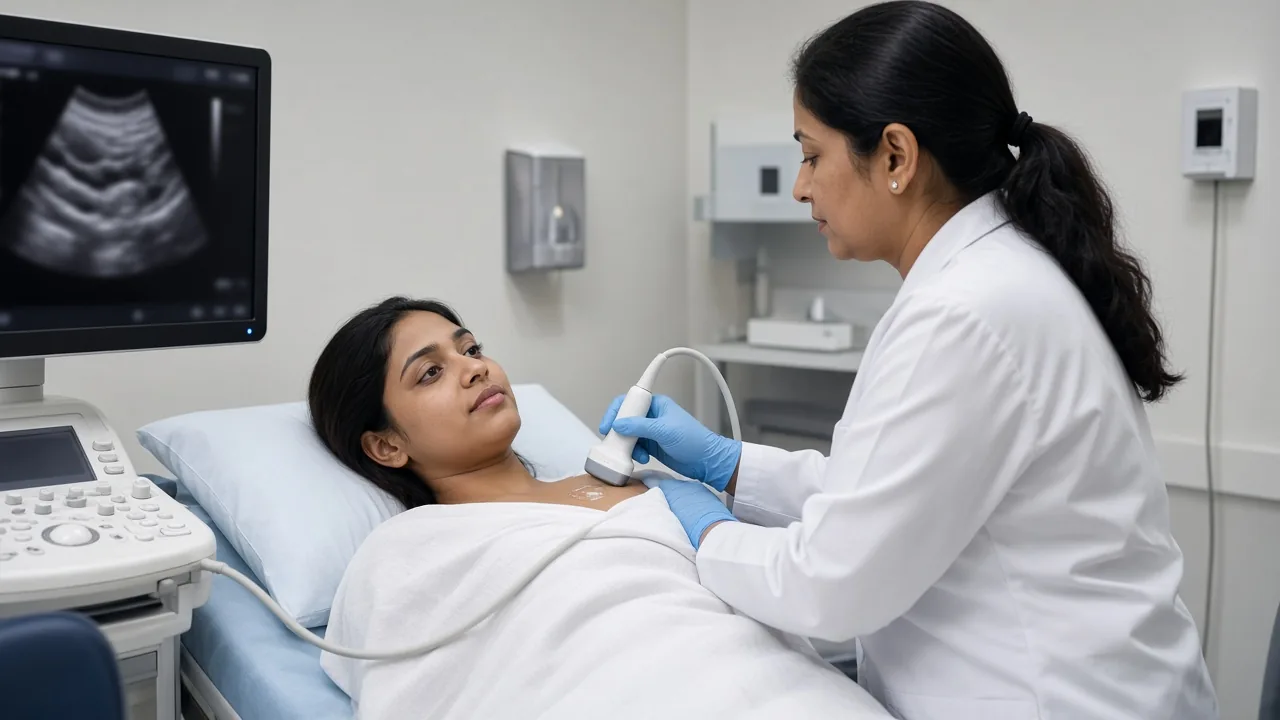
A doctor may begin with a clinical breast examination. Imaging may then include ultrasound, diagnostic mammography and MRI in selected circumstances. If imaging shows a suspicious abnormality, a biopsy may be recommended. The biopsy provides tissue for pathological examination.
Is Ultrasound the First Test for a Young Woman With a Lump?
Often, yes. Ultrasound is particularly useful in younger women because it can distinguish many solid masses from fluid-filled cysts and does not use ionising radiation. It is not a substitute for every other investigation. The appropriate imaging approach depends on age, symptoms, breast characteristics and what the radiologist sees.
Can a Young Woman Have a Mammogram?
Yes, when medically indicated. Being younger than the usual screening age does not mean mammography can never be performed. Screening mammography is performed in people without symptoms according to age and risk-based recommendations. Diagnostic mammography is performed because a breast change needs investigation. A young woman with a suspicious finding may therefore undergo mammography even though routine screening is not recommended for her age group.
When Is Breast MRI Used?
MRI can provide additional information when conventional imaging does not adequately define the problem. It may also be used for selected women with a high inherited risk. MRI can help show the extent of a known cancer, whether more than one area is involved, the opposite breast, and the relationship between the tumor and surrounding tissue. It is not automatically necessary for every young woman with a lump.
Why Is a Biopsy Important?
Imaging can show that an area is suspicious. A biopsy determines what the tissue actually contains. If breast cancer is diagnosed, the pathology report can identify histological type, grade, ER, PR, HER2 and other features that guide treatment. Treatment should not be selected based solely on the patient's age.
Does Breast Cancer in Young Women Tend to Be More Aggressive?
Some younger women are diagnosed with cancers that have aggressive biological characteristics. It would be misleading to assume that every breast cancer in a young woman is aggressive. The tumor's biology and stage matter much more than age alone. Two women of the same age can have completely different cancers — a small hormone receptor-positive tumor, HER2-positive disease, or triple-negative breast cancer — and very different treatment plans.
What Are the Risk Factors for Breast Cancer in Young Women?
Risk is influenced by many factors. Some cannot be changed: age, inherited gene changes, family history, previous radiation to the chest, certain benign breast conditions, and reproductive and hormonal factors. Others are potentially modifiable: physical inactivity, alcohol, excess body weight particularly after menopause, and smoking. The American Cancer Society emphasises that having a risk factor does not mean that a person will develop breast cancer.
Does Family History Mean a Young Woman Has Breast Cancer?
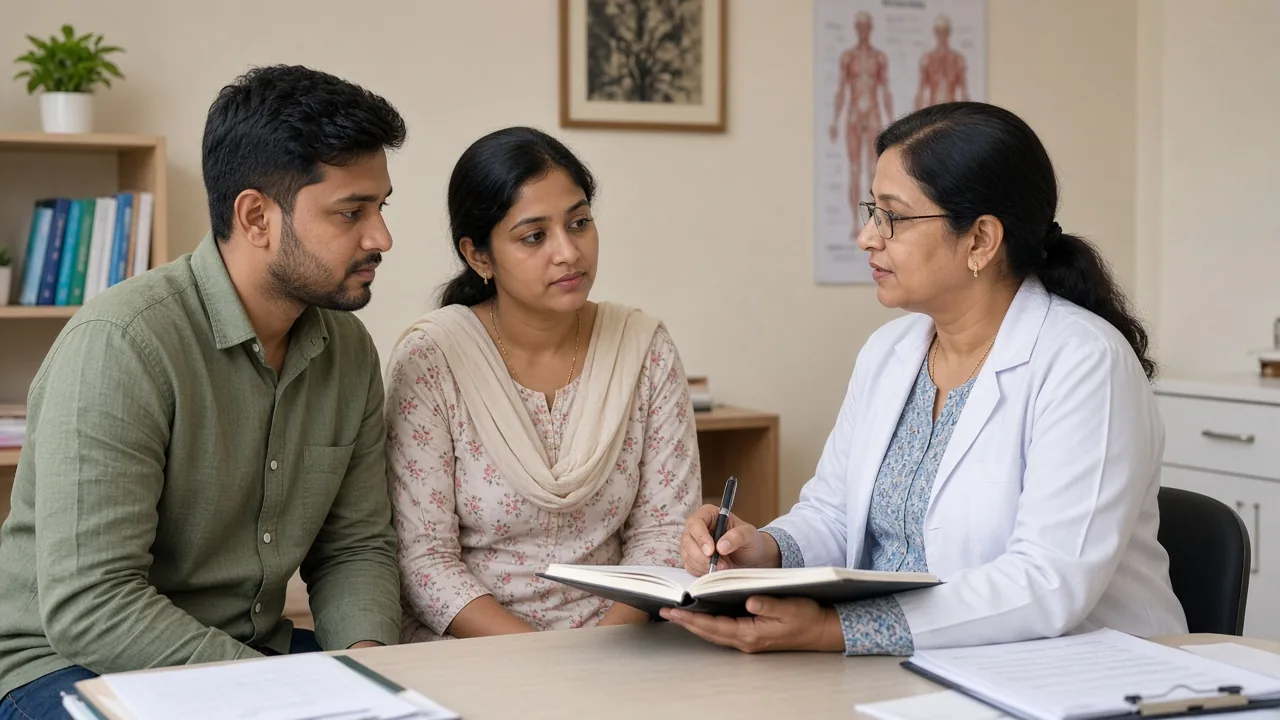
No. Family history is a risk factor, not a diagnosis. It becomes particularly important when a close relative developed breast cancer at a young age, several relatives have breast or ovarian cancer, there is male breast cancer in the family, multiple generations are affected, or there is a known inherited mutation. In these circumstances, genetic counselling may be appropriate.
Should Young Women With Breast Cancer Have Genetic Testing?
Not every young woman will have an inherited mutation. Age at diagnosis can be one of the factors considered when deciding whether hereditary cancer testing is appropriate. Depending on personal and family history, testing may evaluate BRCA1, BRCA2, PALB2, TP53, CHEK2, ATM and other hereditary cancer genes. Testing can have implications for the patient and for close relatives, which is why counselling is useful before and after testing.
How Does a Genetic Mutation Affect Treatment?
A hereditary mutation can influence the choice of surgery, the risk of cancer in the opposite breast, eligibility for certain targeted treatments, screening recommendations and risk assessment for relatives. It does not mean that every woman with a mutation needs the same operation or medicine. The result needs to be interpreted alongside the cancer's stage and pathology.
How Is Early-Stage Breast Cancer Treated in Young Women?
The main options are similar to those used for other adults: lumpectomy or mastectomy, sentinel lymph-node surgery, chemotherapy, radiation, hormone therapy, HER2-targeted therapy, immunotherapy and other targeted treatments. Some patients have surgery first. Others receive systemic treatment before surgery. The sequence depends on the cancer, not on age alone.
Can a Young Woman Have a Lumpectomy or Choose Mastectomy?
Yes. Age alone does not require a mastectomy. If the tumor can be removed while preserving the breast with acceptable margins and the patient can receive the necessary follow-up treatment, breast-conserving surgery may be an option. Radiation is commonly part of treatment after lumpectomy for invasive breast cancer. Mastectomy may be appropriate when the tumor is extensive, there are multiple areas of cancer, satisfactory margins cannot be achieved, radiation is not appropriate, there are certain hereditary considerations, or the patient has carefully considered the options. Reconstruction can be discussed as part of the surgical plan.
Is Chemotherapy More Common in Young Women?
Chemotherapy decisions are based on the cancer's characteristics rather than age alone. Younger women may have cancers for which chemotherapy is recommended. Before starting chemotherapy, a young patient should ask about potential effects on ovarian function and fertility. Some fertility-preservation options need to be arranged in advance.
Breast Cancer and Fertility
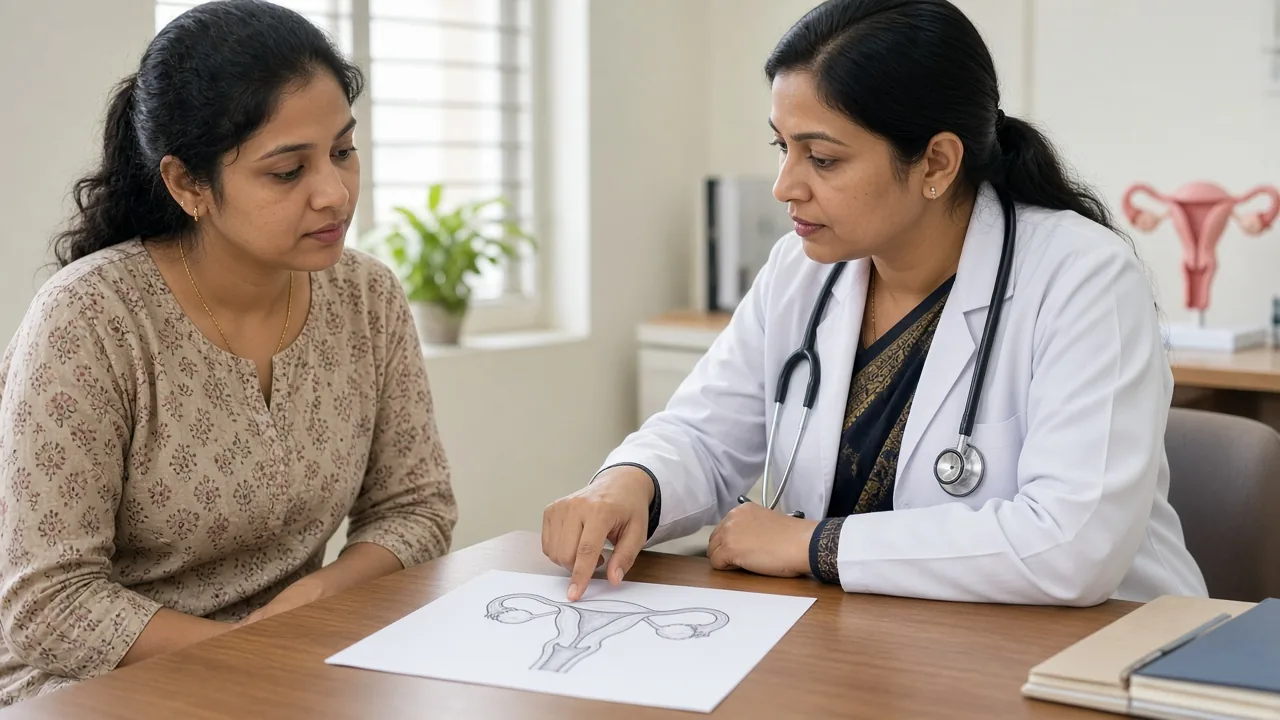
Some breast cancer treatments can affect fertility. Chemotherapy can damage ovarian function and may cause temporary or permanent infertility. The risk depends on age and the specific treatment. Hormonal treatments can also affect reproductive planning because they may need to be taken for several years. If having biological children in the future matters, do not wait until treatment is finished to raise the subject.
What Fertility Preservation Options Are Available?
Depending on the situation, fertility preservation may include egg freezing, embryo freezing, ovarian tissue cryopreservation and other approaches. The appropriate option depends on age, relationship status, treatment urgency, ovarian reserve and personal preferences. A fertility specialist can explain the available choices. Fertility preservation is time-sensitive.
Can Cancer Treatment Cause Early Menopause?
Yes. Chemotherapy can damage the ovaries and cause menstrual periods to become irregular or stop. Some women recover ovarian function after treatment. Others experience permanent ovarian failure or early menopause. The likelihood depends on age and the type and intensity of treatment. This can affect fertility, bone health, hot flashes, vaginal health, sexual health and emotional well-being.
Can a Young Woman Become Pregnant After Breast Cancer?
Many women can become pregnant after treatment. Fertility may be reduced, and timing can be complicated when long-term hormone therapy is required. The American Cancer Society notes that studies have not shown pregnancy to increase breast cancer recurrence risk after successful treatment, although pregnancy planning should still be discussed with the oncology team. A patient should not stop cancer medication independently to try to become pregnant. See breast cancer during pregnancy if you are already pregnant.
Can a Young Woman Breastfeed After Breast Cancer?
It depends on the treatment. A woman who has undergone surgery on one breast may still be able to breastfeed from the other breast in some circumstances. Radiation, surgery and certain medicines can affect breastfeeding ability. If long-term systemic treatment is being taken, some medicines may make breastfeeding unsafe. Discuss this with the oncology team before breastfeeding begins.
Does Breast Cancer Affect Sexual Health?
It can. Young women may experience changes because of hormonal shifts, early menopause, vaginal dryness, fatigue, pain, body-image changes, breast surgery, anxiety about recurrence or relationship changes. These problems are medical issues, not something a patient simply has to tolerate. A gynaecologist, oncologist or sexual-health specialist can help identify options.
What About Breast Reconstruction?
Reconstruction can be considered after mastectomy. Options include implant-based and tissue-based reconstruction. Timing can be immediate or delayed. Radiation can affect reconstruction decisions, so the breast surgeon, reconstructive surgeon and radiation oncologist should ideally discuss the plan before surgery. For a young patient, reconstruction may also be part of a broader discussion about long-term appearance, symmetry and future pregnancies. See reconstruction after mastectomy.
Young Women and Long-Term Hormone Therapy
If the cancer is hormone receptor-positive, endocrine therapy may be recommended for several years. For younger women, treatment may include tamoxifen, ovarian suppression, or an aromatase inhibitor combined with ovarian suppression in selected patients. These treatments can affect menstruation, fertility, sexual health and bone health. See hormone therapy and side effects.
What If the Cancer Is HER2-Positive or Triple-Negative?
HER2-positive breast cancer can occur in younger women. Treatment may include HER2-targeted medicines such as trastuzumab and pertuzumab, often combined with chemotherapy. See HER2-positive treatment and ER, PR and HER2. Triple-negative breast cancer does not express estrogen receptors, progesterone receptors or HER2, so it does not respond to hormone therapy or HER2-targeted treatment. Depending on stage, treatment may include chemotherapy and immunotherapy.
Why Does Psychological Support Matter?
A cancer diagnosis in your 20s, 30s or early 40s can affect marriage, pregnancy, children, career, finances, body image, relationships, sexual health and long-term health. Psychological counselling or a cancer-support programme can be useful when anxiety, depression, relationship difficulties or fear of recurrence begin interfering with everyday life.
Breast Cancer Treatment in Young Women in India
India has multidisciplinary cancer centres capable of treating younger patients. Look beyond the availability of cancer surgery alone. The team may need breast surgical oncology, medical oncology, radiation oncology, breast imaging, pathology, genetic counselling, fertility preservation, reconstructive surgery, physiotherapy and psychological support. This is particularly important when fertility preservation needs to happen before chemotherapy. Teams in Delhi NCR, Mumbai, Bengaluru, Chennai and Hyderabad can coordinate oncology and fertility consultations.
What Should International Patients Do Before Coming to India?
Send medical records for review before travelling when possible: biopsy and pathology, ER/PR/HER2, mammogram, ultrasound, MRI, CT or PET-CT if performed, genetic testing, blood reports, current medicines and previous treatment recommendations. If fertility is important, mention this clearly before treatment planning. See the international-patient guide. Hospitals in Delhi NCR and Mumbai can arrange oncology and fertility visits before the first cycle.
How Much Does Breast Cancer Treatment Cost for Young Women in India?
There is no separate standard price based on age. Cost depends on diagnostic imaging, biopsy and pathology, surgery, lymph-node surgery, chemotherapy, radiation, hormone therapy, targeted therapy, immunotherapy, reconstruction, fertility preservation and follow-up. A young woman requiring egg or embryo preservation before chemotherapy will have additional expenses. A personalised quotation is more meaningful than a general online estimate. See the cost guide.
Breast-conserving surgery doctors · cost · mastectomy doctors · cost · reconstruction · cost · chemotherapy · cost · hormone therapy · cost · targeted therapy · cost · immunotherapy · cost.
Questions a Young Woman Should Ask Before Starting Treatment
- What type, stage and grade of breast cancer do I have, and what are the ER, PR and HER2 results?
- Are my lymph nodes involved?
- Will this treatment affect my fertility, and should I see a fertility specialist before it starts?
- Do I have time to freeze eggs or embryos, and could treatment cause early menopause?
- Can I have a lumpectomy, or would mastectomy offer a specific benefit? Should I consider reconstruction?
- Do I need chemotherapy, hormone therapy, HER2-targeted treatment or immunotherapy?
- How long might I need hormone therapy, and can it be interrupted later if pregnancy is planned?
How GAF Healthcare Can Help
GAF Healthcare can help a young international patient send records, coordinate oncology and fertility consultations in India, and obtain a case-specific treatment and cost estimate. The pathway depends on the cancer's biology and whether fertility preservation needs to happen before the first treatment.
Frequently Asked Questions
Can breast cancer happen at age 25 or 30?
Yes. Breast cancer is less common at these ages, but it can occur. A persistent or suspicious breast change should be evaluated rather than dismissed because of age.
Is every breast lump in a young woman cancer?
No. Fibroadenomas, cysts and other benign breast conditions are common in younger women.
What is the most common symptom of breast cancer in a young woman?
A new breast lump or thickened area is a common warning sign, but breast cancer can also cause changes in breast shape, skin or nipple, or swelling without a distinct lump.
Is breast cancer in young women more aggressive?
Some young women develop aggressive breast cancer subtypes, but age alone cannot determine how an individual cancer will behave. Stage, grade and tumor biomarkers are important.
Should a young woman with breast cancer have genetic testing?
Genetic testing may be appropriate depending on age, personal history, family history and other risk factors. A genetic counselor can help determine whether testing is appropriate.
Can chemotherapy make a young woman infertile?
It can. Some chemotherapy treatments can damage ovarian function and cause temporary or permanent fertility problems.
Should fertility preservation be done before chemotherapy?
If future biological children are important, fertility preservation should be discussed before treatment starts whenever possible because some options need to be completed before chemotherapy.
Can I become pregnant after breast cancer treatment?
Many women can. However, treatment may affect fertility, and pregnancy planning may need to be coordinated with the oncology team, particularly when long-term hormone therapy is involved.
Can breast cancer treatment cause early menopause?
Yes. Chemotherapy and some hormone-related treatments can affect ovarian function and may lead to early or premature menopause.
Can young women have breast-conserving surgery?
Yes. Age alone is not a reason to choose mastectomy. The surgical approach depends on the extent and characteristics of the cancer.
Is breast reconstruction possible after mastectomy?
Yes. Implant-based and tissue-based reconstruction are available, and reconstruction may be immediate or delayed depending on the treatment plan.
Can breast cancer in young women be treated in India?
Yes. Treatment can be provided through multidisciplinary cancer centres, with medical oncology, surgical oncology, radiation oncology, pathology and other specialists involved as required.
How much does breast cancer treatment cost in India for young women?
There is no fixed age-based cost. The total depends on the cancer stage, treatment type, hospital, medicines, surgery, radiation and whether fertility preservation or reconstruction is required.
Young Women: Key Takeaways
Breast cancer in a young woman is uncommon, but young age does not rule it out. Most breast changes in younger women are not cancer. Investigate a new or persistent abnormality rather than making assumptions. Treatment is guided by type, stage, ER, PR, HER2 and lymph-node status. There is another question that deserves attention before treatment: could this affect my ability to have children? For women considering treatment in India, a multidisciplinary plan can manage the cancer while a fertility specialist addresses reproductive options.