
For many people with hormone receptor-positive breast cancer, treatment does not end when surgery, chemotherapy or radiation is finished. A tablet or injection may become part of everyday life for several years. This treatment is called hormone therapy, or more accurately, endocrine therapy. This guide supports the Breast Cancer Treatment in India pathway and the hormone therapy explainer.

What Is Hormone Therapy for Breast Cancer?
Hormone therapy is used when breast cancer cells have receptors for hormones such as estrogen or progesterone. These are called hormone receptor-positive breast cancers. The treatment either blocks the hormone receptor or reduces the amount of estrogen available to stimulate cancer cells. See what ER, PR and HER2 results mean.
It is different from hormone replacement therapy used for menopausal symptoms. That distinction is important. Breast cancer hormone therapy is cancer treatment. Its purpose is to reduce the ability of hormone-sensitive cancer cells to grow.
Who Needs Hormone Therapy?
Hormone therapy is generally used for ER-positive and/or PR-positive breast cancer. If the tumour does not have hormone receptors, endocrine therapy generally does not provide the same benefit because there is no hormone receptor pathway for the treatment to target.
The treatment can be used after surgery, after chemotherapy, alongside certain targeted treatments, before surgery in selected situations, for recurrent breast cancer and for metastatic hormone receptor-positive disease. The exact plan depends on the cancer, stage and menopausal status.
Why Can Hormone Therapy Cause Side Effects?
Hormones influence many normal functions. When endocrine therapy reduces estrogen activity, the effects are not limited to cancer cells. Lower estrogen activity can affect temperature regulation, bones, joints, vaginal tissues, sexual function, menstrual cycles, mood and sleep. That is why some hormone therapy side effects resemble symptoms of menopause. The exact experience depends on the treatment.
Tamoxifen vs Aromatase Inhibitors
| Feature | Tamoxifen | Aromatase inhibitors |
|---|---|---|
| Main examples | Tamoxifen | Letrozole, anastrozole, exemestane |
| Main action | Blocks estrogen receptors | Lowers estrogen production |
| Commonly used | Before or after menopause | Mainly after menopause |
| Premenopausal use | Yes | Usually with ovarian suppression |
| Common concern | Hot flashes, menstrual changes | Joint and muscle pain |
| Bone effect | Different before vs after menopause | Can reduce bone density |
| Blood-clot risk | Increased | Much lower |
| Uterine cancer risk | Increased | Not associated in the same way |
The choice is not simply about which drug has fewer side effects. Oncology teams in Delhi NCR, Mumbai, Bengaluru, Chennai and Hyderabad consider age, menopausal status, cancer characteristics, recurrence risk, other medical conditions and previous treatment.
1. Hot Flashes and Night Sweats
Hot flashes are among the most common complaints during endocrine therapy. You may suddenly feel warm, sweaty, flushed, uncomfortable or restless at night. Night sweats can interrupt sleep. These symptoms can be particularly noticeable when endocrine treatment causes an abrupt reduction in estrogen.
Depending on your health and medication, your doctor may discuss keeping the bedroom cool, wearing lightweight clothing, regular physical activity, reducing triggers such as very hot drinks, non-hormonal medicines and other symptom-management approaches. Do not automatically use estrogen-containing treatment for menopausal symptoms after hormone receptor-positive breast cancer. Discuss any menopause treatment with your oncology team first.
2. Joint Pain and Stiffness

Joint pain is one of the side effects most commonly associated with aromatase inhibitors. Patients may describe morning stiffness, aching fingers, wrist, knee, hip or shoulder pain, or general muscle aches. The symptoms can sometimes feel similar to arthritis. For some people they are mild; for others they interfere with walking, exercise, work or sleep.
Your doctor may consider regular physical activity, strength training, stretching, weight management when appropriate, pain-relieving medicines, changing from one aromatase inhibitor to another, or switching to tamoxifen in selected patients. Do not make the switch yourself.
3. Bone Loss and Osteoporosis
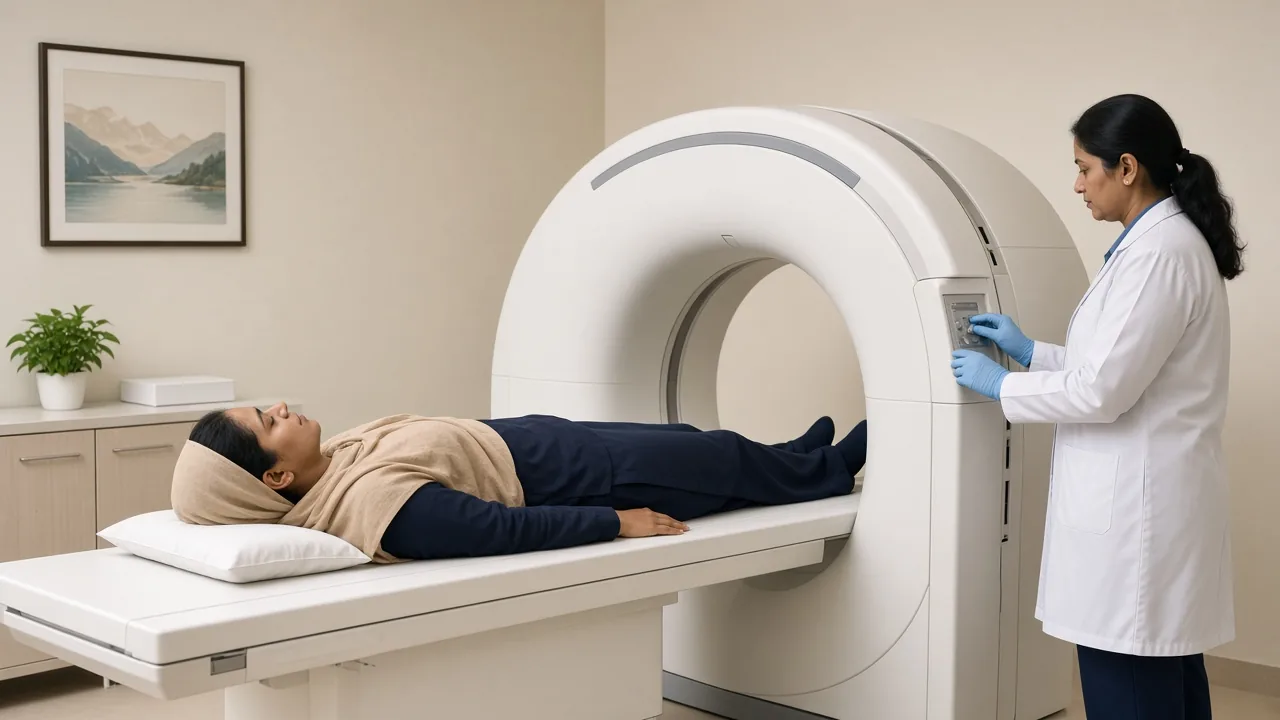
Estrogen helps maintain bone strength. When aromatase inhibitors substantially lower estrogen levels, bone density can decrease. Over time, this can increase the risk of osteoporosis and fractures. That does not mean everyone taking an aromatase inhibitor will develop osteoporosis. It means bone health needs to be considered.
Your doctor may recommend a DEXA scan depending on age, baseline bone density, menopausal status, fracture history, other osteoporosis risk factors and duration of treatment. Depending on your situation, they may discuss weight-bearing exercise, resistance exercise, adequate calcium intake, vitamin D, avoiding smoking, limiting excessive alcohol, bone-density monitoring and medicines to protect bone health when indicated. Do not start high-dose calcium or vitamin D supplements without discussing them with your doctor.
4. Vaginal Dryness, Sexual Desire and Menstrual Changes
Reduced estrogen activity can cause vaginal tissues to become drier and more sensitive. This may lead to dryness, burning, irritation or discomfort during sex. There is no reason to be embarrassed about bringing this up with your oncology team. Patients with hormone receptor-positive breast cancer should discuss hormonal products with their doctors before using them.
Hormone therapy can affect sexual desire. Changes in estrogen, vaginal discomfort, fatigue, body-image concerns, menopause symptoms and anxiety can all contribute. Premenopausal patients taking tamoxifen may notice irregular, lighter, heavier, less frequent or temporarily absent periods. A change in menstruation does not necessarily mean that ovarian function has permanently stopped.
5. Ovarian Suppression, Mood Changes, Fatigue and Weight
Some premenopausal patients receive ovarian suppression with medicines such as goserelin or leuprolide. The resulting reduction in estrogen can cause hot flashes, night sweats, vaginal dryness, mood changes, reduced sexual desire, menstrual changes and bone loss. Medication-based suppression may be temporary. Surgical removal of the ovaries is permanent.
Some patients report irritability, mood swings, anxiety, low mood or difficulty concentrating. Fatigue can be subtle at first. If fatigue is severe, your doctor may check for anemia, thyroid abnormalities or sleep difficulties rather than automatically blaming the hormone medicine. Weight changes after breast cancer treatment can have several causes. There is no evidence that simply stopping hormone therapy is an appropriate way to manage weight.
6. Tamoxifen: Blood Clots, Uterine Cancer and Vision
Tamoxifen can increase the risk of blood clots. Most people taking tamoxifen do not develop a serious clot, but the complication can be dangerous when it occurs. Seek urgent medical attention for sudden swelling in one leg, calf pain, leg redness or warmth, sudden shortness of breath or chest pain.
In postmenopausal women, tamoxifen is associated with an increased risk of endometrial cancer and uterine sarcoma, although these cancers remain uncommon. The important symptom is unexpected vaginal bleeding. Most bleeding is not cancer, but it should not be ignored. Tamoxifen can also affect the eyes, including an increased risk of cataracts. Tell your doctor about new blurred vision or difficulty seeing clearly.
7. Aromatase Inhibitors and Cholesterol
Aromatase inhibitors can affect cholesterol levels in some patients. If you already have cardiovascular risk factors, your doctor may pay closer attention to cholesterol, blood pressure, weight, blood sugar and overall cardiovascular health.
Should I Stop Hormone Therapy If Side Effects Are Difficult?
Usually, the first step is to talk to your oncologist rather than stopping it yourself. If side effects interfere with daily life, doctors may consider switching therapies or adjusting treatment. For some patients, another endocrine medicine may be easier to tolerate. For others, symptom management may make the existing treatment acceptable.
If aromatase inhibitors cause severe joint pain, your doctor may consider changing from letrozole to anastrozole, changing to exemestane, exercise and physiotherapy, pain-management medicines, other supportive approaches, or switching to tamoxifen when medically appropriate. A side effect from one aromatase inhibitor does not necessarily mean that all endocrine therapy will be intolerable.
How Long Do Side Effects Last, and How Long Is Treatment Taken?
Some symptoms may improve after the body adjusts. Others can continue for as long as the medicine is being taken. Some effects, such as bone loss, may require ongoing monitoring. Many patients receive endocrine therapy for around 5 years. Some receive treatment for longer depending on recurrence risk. Tamoxifen and aromatase inhibitors may also be used sequentially.
Before Surgery, Recurrence and Male Breast Cancer
In selected situations, endocrine therapy can be used as neoadjuvant treatment before surgery, more commonly in certain postmenopausal patients. Endocrine therapy is also important for many patients whose recurrent or metastatic breast cancer remains hormone receptor-positive. Male breast cancer can also be hormone receptor-positive; tamoxifen is commonly used, and hot flashes, sexual problems and fatigue can occur.
Menopause Hormone Replacement and Supplements
Menopausal hormone replacement therapy introduces hormones into the body and may not be appropriate after hormone receptor-positive breast cancer. Do not start estrogen or combined hormone replacement therapy without discussing it with your oncologist. "Natural" does not automatically mean safe. Some supplements can interact with prescription medicines or have estrogen-like effects.

What Should International Patients Know About Hormone Therapy in India?
Hormone therapy is often a long-term treatment rather than a short series of hospital visits. Many endocrine medicines are taken at home. An international patient may have an initial oncology consultation in India, receive the treatment plan and then continue medication in their home country with appropriate follow-up. See the international-patient guide and the cost guide.
Bring the original biopsy report, surgical pathology, ER, PR and HER2 results, Ki-67, lymph-node status, genomic tests if performed, previous chemotherapy and radiation records, and the current medication list. If you are already taking tamoxifen or an aromatase inhibitor, include the medicine name, dose, start date, previous endocrine medicines, side effects and any bone-density reports.
Hospitals in Delhi NCR, Mumbai, Bengaluru, Chennai and Hyderabad can confirm follow-up and laboratory schedules.
How Much Does Hormone Therapy Cost in India?
The cost depends on the specific medicine, duration and whether other treatments such as chemotherapy or targeted therapy are being given. Unlike chemotherapy, endocrine therapy is often taken over a long period. Total expenditure can therefore depend more on the duration of treatment than on a single hospital visit. See Hormone Therapy Cost in India.
Questions to Ask Your Oncologist
- Is my cancer ER-positive, PR-positive or both?
- Why are you recommending this particular hormone therapy, and how long will I need to take it?
- Could I need ovarian suppression?
- What side effects are most likely, and how can we manage them?
- When should I call the hospital, and what symptoms should be treated urgently?
- Do I need a bone-density test, cholesterol monitoring, vitamin D or calcium?
- Should I see a gynecologist while taking tamoxifen?
- What should I do if I cannot tolerate this medicine? Can I switch?
- What happens if I miss doses?
Frequently Asked Questions
Which is better, tamoxifen or an aromatase inhibitor?
There is no single answer for every patient. The appropriate medicine depends on menopausal status, cancer characteristics, recurrence risk, previous treatment and other health factors.
Are aromatase inhibitors stronger than tamoxifen?
They work differently, and their effectiveness varies according to the clinical setting. The choice should not be made based solely on the idea that one medicine is "stronger."
Why do aromatase inhibitors cause joint pain?
They substantially reduce estrogen levels, and low estrogen can contribute to joint and muscle symptoms.
Does tamoxifen cause menopause?
Tamoxifen does not intentionally shut down the ovaries in the same way as ovarian suppression. However, it can cause menopausal symptoms and menstrual changes.
Can I stop tamoxifen if I feel fine?
Feeling well does not mean the medicine is no longer needed. If your oncologist has prescribed it, continue as directed unless they advise otherwise.
Can I stop an aromatase inhibitor because of joint pain?
Do not stop it without discussing the problem with your oncologist. There may be ways to manage the pain or change the endocrine treatment.
Does hormone therapy cause hair loss?
Some endocrine therapies can contribute to hair thinning or other hair changes, although this is generally different from the rapid and extensive hair loss associated with some chemotherapy regimens.
Can hormone therapy cause weight gain?
Weight changes can occur during breast cancer treatment, but they have multiple possible causes. Hormone therapy should not automatically be assumed to be the only reason.
Does hormone therapy affect fertility?
It can affect reproductive function, particularly when ovarian suppression is used. Patients who may want children should discuss fertility planning with their oncology and fertility teams.
Can I become pregnant while taking tamoxifen?
Tamoxifen is not considered safe during pregnancy. If pregnancy is possible or planned, discuss contraception and pregnancy planning with your oncologist.
Can hormone therapy be taken for 10 years?
Some patients may be prescribed endocrine therapy for longer than five years depending on their recurrence risk and treatment history.
Can hormone therapy prevent breast cancer recurrence?
For appropriate hormone receptor-positive breast cancer, endocrine therapy is used to reduce the risk of recurrence and can improve outcomes.
Hormone Therapy Side Effects: Key Takeaways
Hormone therapy is often a long-term part of treatment for hormone receptor-positive breast cancer. Unlike chemotherapy, you may not have to visit a hospital every few weeks for an infusion. Instead, treatment can become part of everyday life for several years. That makes tolerability and adherence particularly important.
Tamoxifen and aromatase inhibitors work differently and have different side-effect profiles. Tamoxifen is more commonly associated with hot flashes, menstrual changes and an uncommon risk of blood clots and uterine cancer. Aromatase inhibitors are particularly associated with joint and muscle symptoms and loss of bone density.
Difficult side effects do not automatically mean that endocrine treatment has to stop. There may be another medicine that you can tolerate better, ways to manage the symptoms, or a change in treatment sequence. Talk to your oncology team before stopping treatment on your own.