
Atrial fibrillation is a rhythm problem, a stroke-risk question, and sometimes a procedure question. Those are not the same appointment. A cardiologist who manages medicines may be the right person for years. An electrophysiologist becomes the relevant person when the question is ablation or a complex rhythm.
Cardiologists in India is a directory, not a ranking of atrial fibrillation doctors. City lists include Delhi NCR, Mumbai, Chennai, Bengaluru, and Hyderabad. Cardiology hospitals in India is the hospital list. How to judge a hospital, rather than a name, is in how to choose a hospital for heart treatment in India.
1. What Atrial Fibrillation Is
Atrial fibrillation, also called AFib or AF, is a rhythm in which the upper chambers beat in a disorganised way. The pulse can be irregular. It may come and go, last for long stretches, or continue. Some people feel a racing or fluttering heartbeat. Others find it on an ECG done for another reason.
It should not be ignored. It can raise the chance of clots and stroke, and in some people it contributes to heart failure or a smaller daily life. An assessment sorts the pattern, the contributors, and the plan. The American Heart Association’s pages on understanding AFib, treatment and prevention, and treatment options are general background. They are not a list of doctors in India.
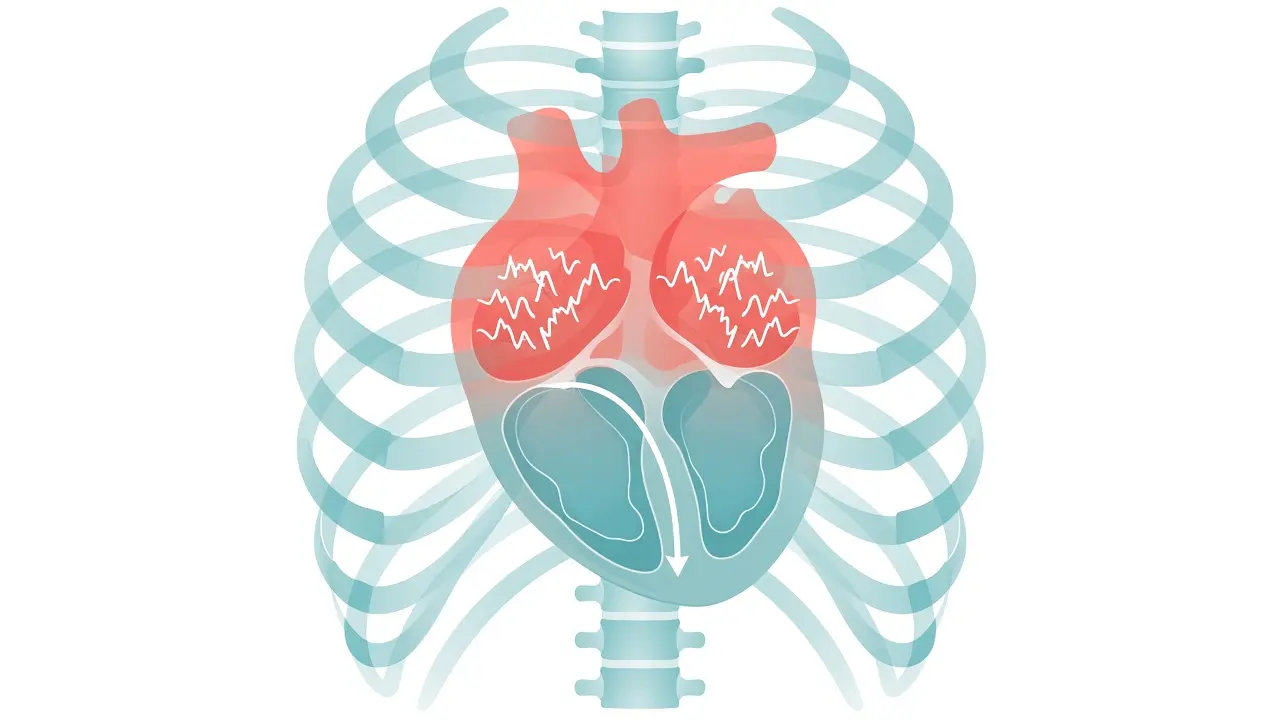
Symptoms can include a racing, fluttering, or irregular heartbeat, palpitations that start and stop suddenly, breathlessness, fatigue, less exercise tolerance, dizziness, or chest discomfort. A normal day without palpitations does not by itself settle stroke risk.
Seek emergency care for chest pain, severe difficulty breathing, fainting, or stroke symptoms such as sudden facial drooping, weakness on one side, or trouble speaking. Do not wait for a specialist appointment. Atrial fibrillation and a heart attack are different problems. A person can have both. Chest pain is not something to label as “only AFib” without an urgent assessment.
2. Which Doctor Treats It
A clinical cardiologist diagnoses and manages a wide range of heart conditions, including many cases of atrial fibrillation: symptoms, tests, medicines, risk factors, and whether a referral is needed. Newly found or relatively uncomplicated AFib often starts there.
A cardiac electrophysiologist is a cardiologist with further training in the heart’s electrical system. That is the person to look for when AFib keeps returning, symptoms are heavy, or catheter ablation is being discussed. The title “cardiologist” alone does not show electrophysiology training. If the search is for an atrial fibrillation ablation specialist, ask about training and experience in AFib ablation specifically.
A heart failure specialist may join when pumping function is reduced. A cardiac surgeon is involved only in selected cases, sometimes at the same time as another heart operation. Most people with AFib do not need surgery.
| Your situation | Specialist to consider |
|---|---|
| Newly detected irregular heartbeat | Clinical cardiologist or an appropriate cardiac service |
| A general cardiovascular review | Clinical cardiologist |
| AFib that returns despite medicine | A cardiologist with arrhythmia experience, or an electrophysiologist |
| Catheter ablation is being considered | An electrophysiologist experienced in AFib |
| A complex rhythm problem | An electrophysiologist, with the relevant team |
| AFib with heart failure | Cardiology or heart failure care, with electrophysiology when it helps |
| AFib with important valve disease | Coordinated care for the valve and the rhythm |
A clinical cardiologist may manage AFib for years. An electrophysiologist may be consulted for one decision. The American Heart Association’s note on an AFib care team makes the same practical point.
3. How to Compare Specialists in India
This site does not rank cardiologists and does not name a best atrial fibrillation doctor. A large online profile is not a substitute for the questions below.
Check recognised qualifications, specialist training, and registration on the National Medical Register. If ablation is on the table, ask about cardiac electrophysiology training, not only a general cardiology qualification.
Ask whether the doctor regularly sees people with AFib like yours. Experience with other heart procedures does not establish experience with AFib ablation. For medicines and long-term care, look for someone used to arrhythmia assessment. For ablation, the electrophysiologist should be able to explain the intended procedure, the realistic benefit, the limits, the risks, and the follow-up. No one procedure fits every person.
If a procedure is proposed, ask whether the hospital has an electrophysiology service, rhythm monitoring, cardiac imaging, an equipped laboratory, a way to manage complications, critical care, anaesthesia and nursing support, emergency cardiac care, and a follow-up path. The hospital guide is about those checks.
A useful visit covers the pattern of AFib, likely contributors, stroke risk, whether the aim is rate control or rhythm control, whether medicine, cardioversion, or ablation belongs in the conversation, how success will be judged, and what monitoring follows. You should be able to ask questions in plain language.
AFib is usually ongoing care, not one visit. Ask how you reach the team, how medicine changes are explained, and who reads later tests if you live in another country.
4. Tests That May Come First
The tests follow the symptoms and the records you already have. This site does not publish a price for an ECG, a Holter recording, an echocardiogram, or a blood panel. Ask the hospital what each one costs and whether it is included in the visit. Cardiologist consultation fees in India explains that the visit itself is a separate tariff.
An ECG records electrical activity. It can show AFib if the rhythm is present during the tracing. A normal ECG does not exclude a rhythm that comes and goes.
A Holter monitor or another wearable recorder covers a longer stretch. The device and the duration depend on how often symptoms appear.
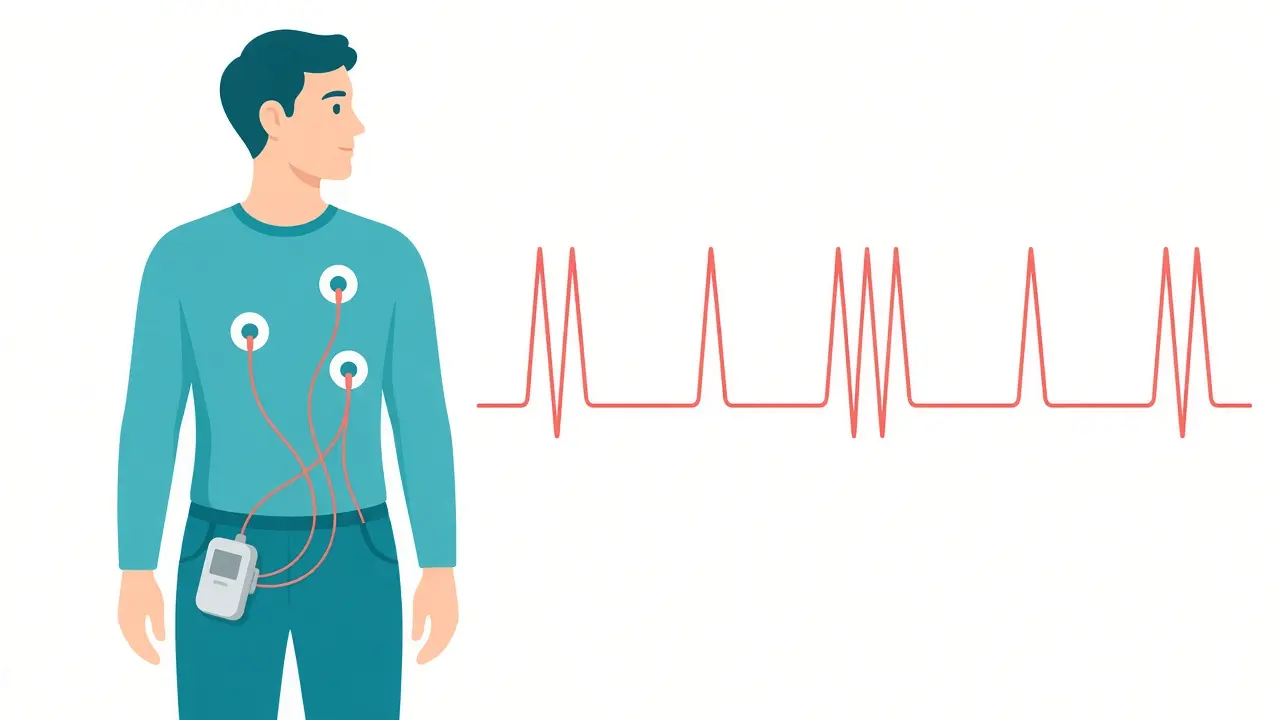
An echocardiogram looks at structure and pumping, including some valve problems. Blood tests may look at thyroid function, kidney function, electrolytes, or blood counts when those questions matter. Extra imaging is added only when the history or a proposed procedure needs it. Bring what you already have. The checklist is in what to bring to a cardiologist appointment.
5. Treatment Options
The plan is individual. It can mix medicines, a procedure, stroke prevention, and treatment of other illnesses.
Rate control uses medicines to slow a heart that is beating too fast. The choice depends on blood pressure, pumping function, other illnesses, and current treatment.
Rhythm-control medicines are considered in selected people to restore or hold a normal rhythm. They have different risks. Some need monitoring.
Stroke prevention is central. Blood can pool and form clots. A clinician weighs stroke risk and bleeding risk before an anticoagulant. The decision is not based only on whether you feel palpitations today. Do not start, stop, or change an anticoagulant without medical advice. Aspirin is not an automatic substitute when an anticoagulant is indicated.
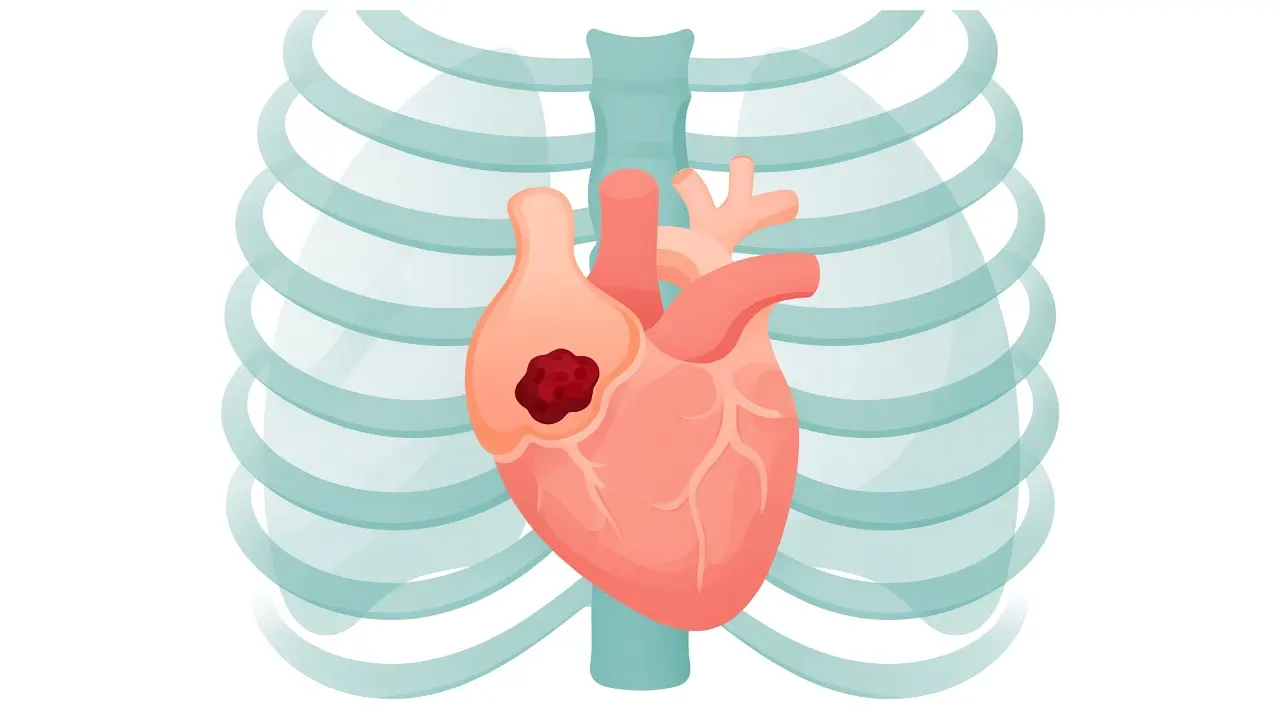
Electrical cardioversion is a controlled shock to restore a normal rhythm in selected people. The team looks at how long AFib has been present, stroke risk, and anticoagulation before deciding whether and when to do it.
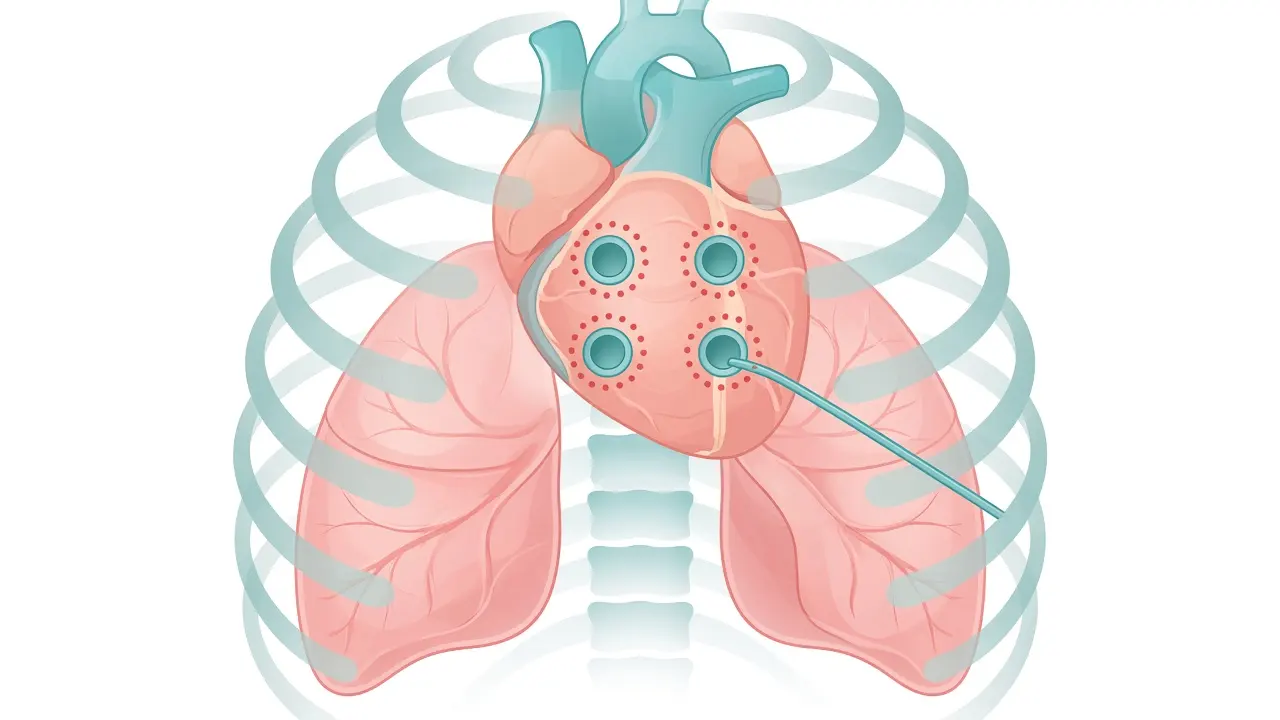
Catheter ablation guides catheters to tissue involved in the abnormal signals. For AFib, pulmonary vein isolation is a common strategy: electrically isolating the areas around the pulmonary veins that can trigger the rhythm. It can reduce symptoms and recurrences in selected people. It is not a guaranteed permanent cure. Some people need another procedure or continued medicine. Ask about the expected benefit in a case like yours, complications, alternatives, and follow-up. The cost guide is cardiac ablation cost in India.
Risk factors still matter: blood pressure, diabetes, weight where it is relevant, sleep apnoea when it is suspected, activity, smoking, alcohol, and sleep. These steps sit beside medical treatment. They do not replace stroke prevention.
A successful-looking ablation does not by itself mean anticoagulants stop. That decision follows stroke risk and a clinical assessment.
6. Ablation Is One Option, Not a Default
Ablation can help selected people. It is not automatically the best treatment. The decision depends on symptoms, the pattern and duration of AFib, earlier treatment, heart function, other illnesses, procedural risk, and what you prefer. For some people, medicines and risk-factor care are the plan. For others, rhythm-control medicine or an ablation assessment belongs in the discussion.
Ask what result is realistic for a profile like yours. Before an elective procedure, a second opinion from a cardiologist can be reasonable when there is time. Do not delay emergency care for that review.
7. Published Planning Ranges Are Not a Ranking
This site does not publish a single price for atrial fibrillation treatment, and it does not publish a single fee for an electrophysiologist consultation. A medicine review and a hospital procedure are different bills. The figures below are indicative planning ranges from the current cost pages. They are not a hospital quotation and they do not name a doctor.
| If the plan includes this | India planning range | Typical stay on the cost page |
|---|---|---|
| Atrial fibrillation ablation | US$6,500–US$16,000 | 1–3 nights |
| Radiofrequency ablation | US$5,000–US$13,000 | 1–3 nights |
| Pacemaker implantation | US$3,500–US$9,000 | 1–3 nights |
| ICD implantation | US$8,000–US$18,000 | 1–4 nights |
Radiofrequency ablation and atrial fibrillation ablation share the stay window of 1–3 nights. They are different listings. A pacemaker and an ICD are not substitutes for ablation. Read pacemaker cost in India and ICD implantation cost in India only if a device is actually being discussed.
The atrial fibrillation ablation page lists a US comparison of US$40,000–US$90,000. The radiofrequency ablation page lists US$30,000–US$75,000. Each of those figures is not an India price.
Before you compare quotes, ask for a written estimate that names the treatment, the expected stay, the tests included, professional and hospital charges, medicines and monitoring, possible extras, and follow-up. Two low numbers are not comparable until the inclusions match. An ECG, an echocardiogram, and a rhythm recorder are asked for separately. This site does not publish those test prices.
8. Cities Are Places to Look, Not a League Table
Delhi NCR, Mumbai, Chennai, Bengaluru, Hyderabad, and other cities can all contain electrophysiology services. The city does not choose the doctor. Check AFib experience, the laboratory, and follow-up at that site. A hospital in a major city is not automatically the right service. Confirm that the proposed doctor regularly manages this rhythm or this procedure.
9. If You Are Travelling to India
Patients coming from Africa, the Middle East, and elsewhere can message +91 90443 46292 with the reports they already have. Send ECGs, echocardiograms, rhythm recordings, blood tests, discharge summaries, the medicine list, and notes from any earlier cardioversion or ablation. Do not delay emergency care to finish the file.
A remote review can help planning. It does not replace an examination when one is needed. If a procedure is recommended, ask whether that advice is preliminary and what an in-person visit might change. Ask whether travel is appropriate, how soon the appointment is, and how long to stay nearby. Unstable symptoms or a recent serious cardiac event are not a routine trip.
Before you go home, confirm who reviews you, whether a remote follow-up exists, and which tests your local doctor will need. Take the discharge summary, the medicine list, and the instructions.
GAF Healthcare helps international patients explore cardiologists and hospitals, share records, arrange appointments, and understand the planning steps. The treating doctor decides the treatment.
10. Questions and Records
- What type of atrial fibrillation is this?
- What might be contributing?
- What is the stroke risk, and how should it be managed?
- Is the aim rate control, rhythm control, or both?
- Is medicine enough for now?
- Would cardioversion or catheter ablation fit?
- If ablation is recommended, what benefit is realistic?
- What are the main risks and alternatives?
- Will anticoagulant medicine still be needed?
- How is success judged?
- What monitoring follows?
- How is this managed from another country?
- What does the estimate include?
- When is this an emergency?
Bring ECG reports, Holter or other rhythm reports, echocardiograms, relevant blood tests, discharge summaries, earlier cardioversion or ablation notes, the medicine list with doses, allergies, and notes on blood pressure, diabetes, kidney disease, or sleep apnoea. Mention earlier bleeding, stroke, or clotting problems. A short timeline of palpitations helps. Do not stop a prescribed medicine unless the treating clinician says so.
11. Signs to Slow Down
Be wary of a guarantee that AFib will never return, a procedure offered without alternatives, a vague description of what the treatment is for, a claim to be the only or unquestionably best option, silence on stroke prevention when it applies, no account of how complications would be handled, a quote that does not say what is included, or no follow-up plan. Another opinion is reasonable when an elective procedure is still unclear. Questions to ask before heart surgery is the longer list for a procedure.
12. Frequently Asked Questions About Choosing an Atrial Fibrillation Specialist
Who is the best doctor for atrial fibrillation in India?
There is no single best doctor. A clinical cardiologist manages many cases. An electrophysiologist is the relevant person when the question is a specialised rhythm assessment or catheter ablation. Compare qualifications, AFib experience, the hospital laboratory, and follow-up. This site does not rank doctors.
Should I see a cardiologist or an electrophysiologist for AFib?
A clinical cardiologist is often the right start for diagnosis and overall care. An electrophysiologist is the person to add when the rhythm keeps returning, the problem is complex, or ablation is being considered. Your current doctor can say whether a referral fits.
Can atrial fibrillation be cured permanently?
Some people go a long time without detected AFib after treatment, including ablation. Recurrence is still possible, and results differ. No treatment can promise permanent freedom from AFib for every person. Monitoring and stroke-risk care can continue.
Is catheter ablation better than medication for AFib?
Neither is better for everyone. The choice depends on symptoms, the pattern of AFib, heart function, earlier treatment, other illnesses, and preferences. Ablation helps selected people. The specialist should compare it with medicine and with the other options.
Does AFib always require surgery?
No. Many people are treated with medicine, risk-factor care, and monitoring. Catheter ablation uses catheters. It is not conventional open-heart surgery. A surgical approach is for selected situations.
Can I stop blood thinners after successful AFib ablation?
Do not stop an anticoagulant on your own. The decision follows stroke risk and the clinical picture, even if the rhythm looks normal after ablation. The treating clinician guides any change.
How long does AFib treatment take in India?
A consultation and tests take less time than a planned procedure. Ablation can mean a pre-procedure assessment, a hospital stay, recovery, and later monitoring. The cost page lists 1–3 nights as the typical planning stay for atrial fibrillation ablation. That is a planning window, not your discharge date. Confirm the schedule with the hospital before you travel.
Is AFib treatment in India suitable for international patients?
It depends on the condition and on the team and facilities at the centre you choose. Arrange a specialist review, confirm the plan and the estimate, and settle follow-up before you travel.
What is the difference between AFib and a heart attack?
AFib is an abnormal rhythm. A heart attack is a severe reduction in blood flow to heart muscle. They are different, and a person can have both. Chest pain or severe breathlessness needs urgent assessment.
Can AFib occur without symptoms?
Yes. Some people have no palpitations. If AFib is suspected or found, it still needs assessment. Stroke risk is not judged only by how you feel.
What should I look for in a hospital for AFib ablation?
An electrophysiologist with the relevant training, an electrophysiology laboratory, cardiac monitoring, emergency and critical care, and a follow-up path. Ask how complications are handled and what the quote includes.
How can I find cardiologists in India who treat AFib?
Start with the cardiology directory, then check qualifications, arrhythmia experience, and the hospital. If ablation is the question, look for an electrophysiologist who does AFib procedures. The directory is not a ranking.
Does this site name the best atrial fibrillation doctor?
No. It does not publish rankings, case volumes, or success rates. The right specialist is the one whose training matches the decision in front of you.
What planning range is published for atrial fibrillation ablation?
The cost page lists US$6,500–US$16,000, with a typical stay of 1–3 nights. That is an indicative planning range, not a quotation, and it is not a consultation fee. Radiofrequency ablation is a separate listing at US$5,000–US$13,000, also 1–3 nights.
Is a US comparison band an India price?
No. The atrial fibrillation ablation page lists a US comparison of US$40,000–US$90,000. That figure is not an India price.
Does this site publish an electrophysiologist consultation fee?
No. This site does not publish a single fee for a cardiologist or electrophysiologist consultation. Ask the hospital for the current visit fee, and keep it separate from any ablation estimate.
Conclusion: Match the Doctor to the Question
Start with the diagnosis and the decision you need: medicines, stroke prevention, cardioversion, or ablation. Then compare training, the laboratory, how clearly the options are explained, the written costs, and follow-up. Rankings and cure promises are a weak way to choose.
Sources
- American Heart Association — [Diagnosis and treatment of atrial fibrillation](https://www.heart.org/en/health-topics/atrial-fibrillation/treatment-and-prevention-of-atrial-fibrillation)
- American Heart Association — [Working with your AFib care team](https://www.heart.org/en/health-topics/atrial-fibrillation/treatment-and-prevention-of-atrial-fibrillation/afib-care-team)
- American Heart Association — [AFib treatment options](https://www.heart.org/en/health-topics/atrial-fibrillation/treatment-and-prevention-of-atrial-fibrillation/afib-treatment-options)
- American College of Cardiology — [2023 atrial fibrillation guideline](https://www.acc.org/Guidelines/Guidelines/2023/11/30/12/05/Atrial-Fibrillation-2023-Guideline)
- Joglar and colleagues — [2023 ACC/AHA/ACCP/HRS atrial fibrillation guideline in Circulation](https://pmc.ncbi.nlm.nih.gov/articles/PMC11095842/)
- National Medical Commission — [National Medical Register](https://nmr.nmc.org.in/)
- NICE — [Atrial fibrillation: diagnosis and management (NG196)](https://www.nice.org.uk/guidance/NG196)
- American Heart Association — [Understanding AFib](https://www.heart.org/en/health-topics/atrial-fibrillation/understanding-afib-symptoms-treatment-and-living-well)
- American College of Cardiology — [Key points on the 2023 AFib guideline](https://www.acc.org/Latest-in-Cardiology/ten-points-to-remember/2023/11/27/19/46/2023-acc-guideline-for-af-gl-af)
- American Heart Association — [2023 AFib guideline: top things to know](https://professional.heart.org/en/science-news/2023-acc-aha-accp-hrs-guideline-for-the-diagnosis-and-management-of-atrial-fibrillation/top-things-to-know)
This article is for general education. It has not been signed by a named cardiologist or electrophysiologist. It does not rank doctors or quote success rates. Diagnosis, stroke-risk assessment, medicines, and procedures are individual. Do not start, stop, or change a prescribed medicine without medical advice. Seek emergency care for severe chest pain, serious difficulty breathing, fainting, or signs of a possible stroke.