
1. What Is Peritoneal Carcinomatosis?
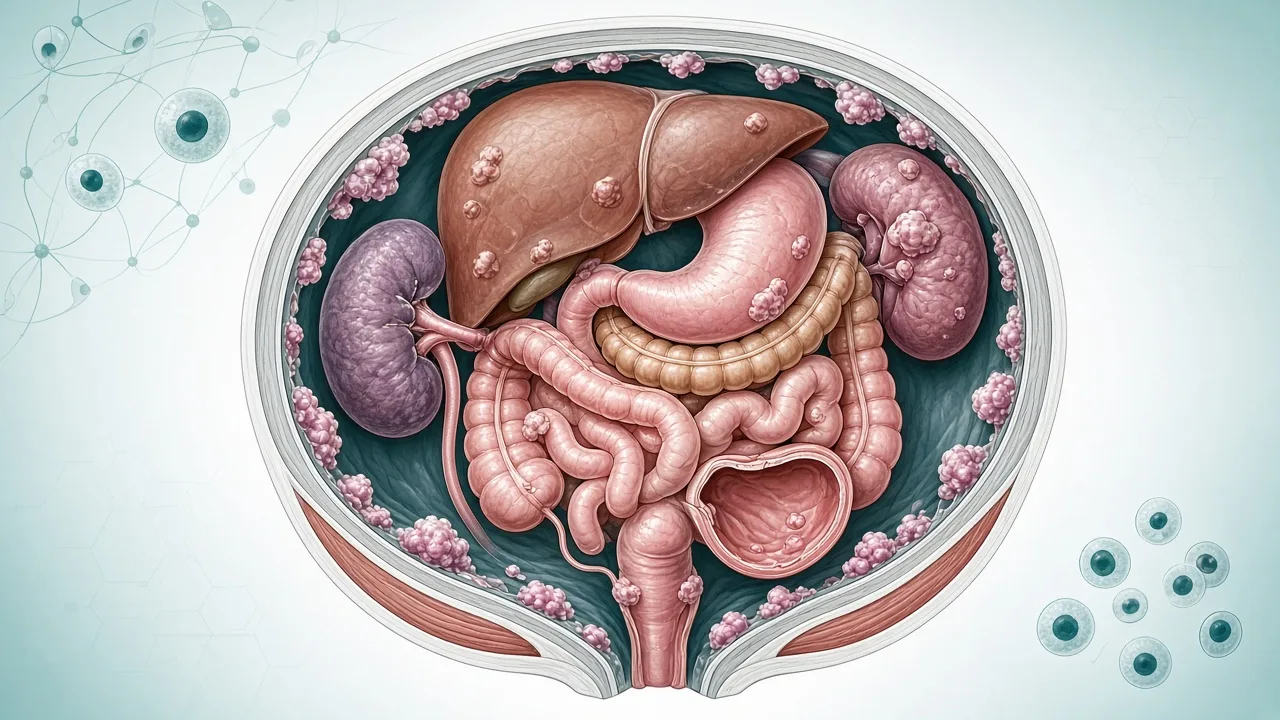
Peritoneal carcinomatosis is the spread of cancer cells to the peritoneum — the thin, delicate membrane that lines the inside of the abdominal cavity and covers many abdominal organs including parts of the stomach, intestines and liver.
When cancer cells reach this membrane, they may attach to its surface and develop into small or large tumour deposits. These deposits can appear in different parts of the abdomen and may affect the normal movement of intestines or circulation of fluid inside the cavity. The term is often used when cancer from another organ has spread to the peritoneum.
2. What Is the Difference Between Peritoneal Cancer and Peritoneal Carcinomatosis?
Peritoneal carcinomatosis generally refers to cancer that has spread to the peritoneum from another primary site such as the colon, stomach, ovary or appendix. Primary peritoneal cancer begins in the cells of the peritoneum itself and is a distinct diagnosis with similarities to epithelial ovarian and fallopian tube cancers.
The distinction matters because the original site and tumour biology influence treatment selection. A specialist team will normally review the original pathology report, imaging and biopsy findings before recommending treatment.
3. Which Cancers Can Cause Peritoneal Carcinomatosis?
Colorectal cancer
Colorectal cancer may spread to the peritoneum through direct extension, lymphatic spread or by releasing cells into the abdominal cavity. Peritoneal metastases may develop at the time of original diagnosis or after treatment. Selected patients may be assessed for cytoreductive surgery.
Ovarian cancer
Ovarian cancer frequently spreads within the abdominal cavity. The peritoneum, omentum and organ surfaces may become involved. In selected patients, cytoreductive surgery and HIPEC may form part of treatment planning under specific clinical circumstances.
Stomach, appendix and other cancers
Gastric cancer can spread to the peritoneum. Some appendiceal tumours produce mucus that accumulates in the abdomen — a condition known as pseudomyxoma peritonei. Selected patients with appendiceal malignancies may be assessed for cytoreductive surgery combined with HIPEC. Peritoneal involvement may also occur in endometrial, gallbladder, bile duct, pancreatic, small bowel and other abdominal cancers.
4. How Does Cancer Spread to the Peritoneum?
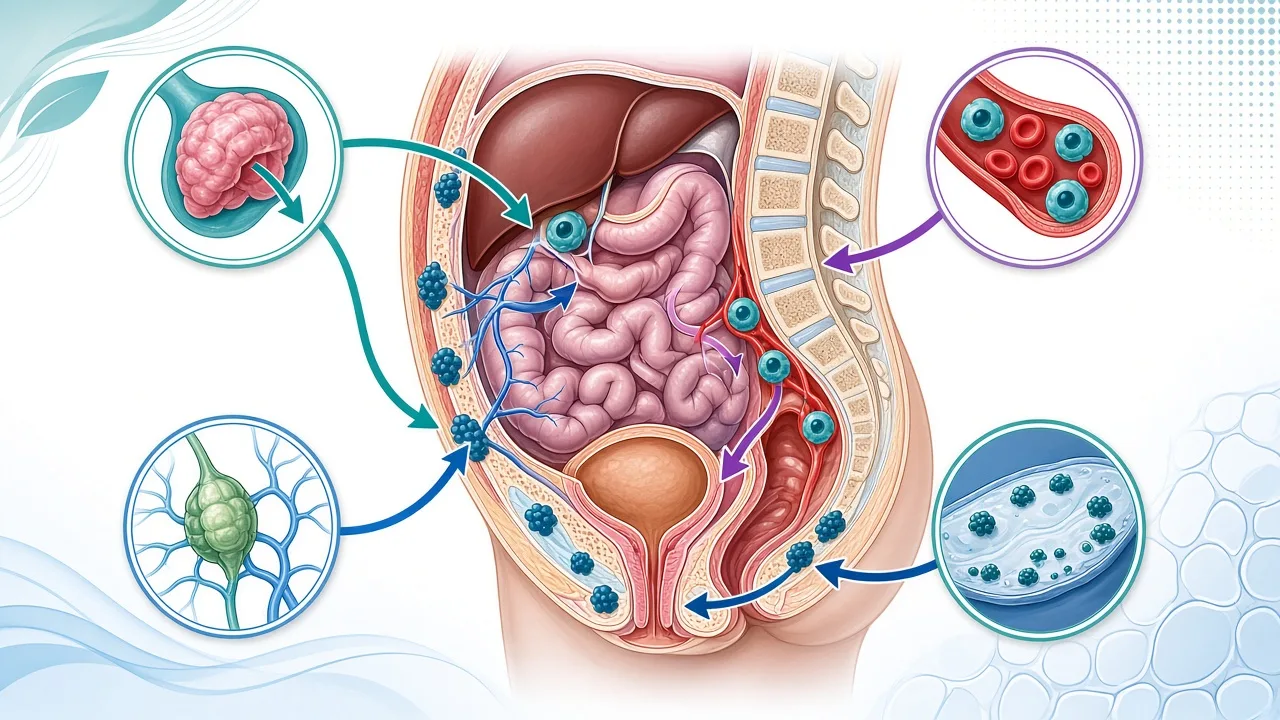
- **Direct extension:** A tumour growing in an abdominal organ may extend into nearby tissues and reach the peritoneal surface.
- **Transcoelomic spread:** Cancer cells detach from the primary tumour, move through fluid in the abdominal cavity and settle on the peritoneum.
- **Lymphatic spread:** Cancer cells travel through lymphatic channels and reach different parts of the abdomen.
- **Bloodstream spread:** In some cancers, cells travel through blood and establish deposits in distant tissues including the peritoneum.
5. What Are the Symptoms of Peritoneal Carcinomatosis?
Symptoms can vary considerably. Some patients have very few symptoms in early stages, while others develop noticeable abdominal problems.
- Persistent abdominal swelling or bloating
- Increasing abdominal girth
- Abdominal discomfort or pain
- Feeling full after eating small quantities
- Loss of appetite and unexplained weight loss
- Nausea or vomiting
- Changes in bowel habits or constipation
- Persistent indigestion
- Fluid accumulation in the abdomen (ascites)
- Fatigue and weakness
6. How Is Peritoneal Carcinomatosis Diagnosed?
Diagnosis requires confirming the presence of cancer, understanding its origin, determining extent and assessing whether treatment can be directed at the peritoneal deposits. Patients seeking a specialist opinion in India should arrange a review of their previous scans and pathology before travelling.
- **CT scan** — evaluates the abdomen and pelvis. Very small peritoneal deposits may not always be visible.
- **MRI** — may provide additional soft tissue information. Diffusion-weighted MRI can be useful in selected cases.
- **PET-CT** — assesses metabolic activity and looks for disease elsewhere. Not all peritoneal tumours show significant uptake.
- **Ultrasound** — can identify ascites, assess organs and guide procedures.
- **Diagnostic laparoscopy** — minimally invasive direct inspection of the abdominal cavity. Useful when imaging does not provide enough information.
- **Biopsy and histopathology** — confirms cancer presence, type, origin and grade.
- **Immunohistochemistry and molecular testing** — clarifies tumour origin; may include MSI/MMR, RAS, BRAF, HER2 and other biomarkers depending on primary cancer.
7. What Is the Peritoneal Cancer Index (PCI)?
The PCI is a scoring system that describes the extent of tumour deposits inside the abdominal cavity. The abdomen and pelvis are divided into 13 regions, each receiving a score based on the largest tumour deposit found. The combined score ranges from 0 to 39. A higher score generally indicates greater disease burden.
PCI helps the specialist team assess disease distribution, whether complete cytoreductive surgery may be achievable, and the potential complexity of surgery. However, PCI should not be interpreted in isolation. Location of deposits, small bowel involvement, tumour biology and overall health all matter. There is no single PCI cut-off for every cancer. Indian expert consensus also emphasises considering both the total PCI and the score for each of the 13 regions.
8. What Are the Treatment Options for Peritoneal Carcinomatosis?
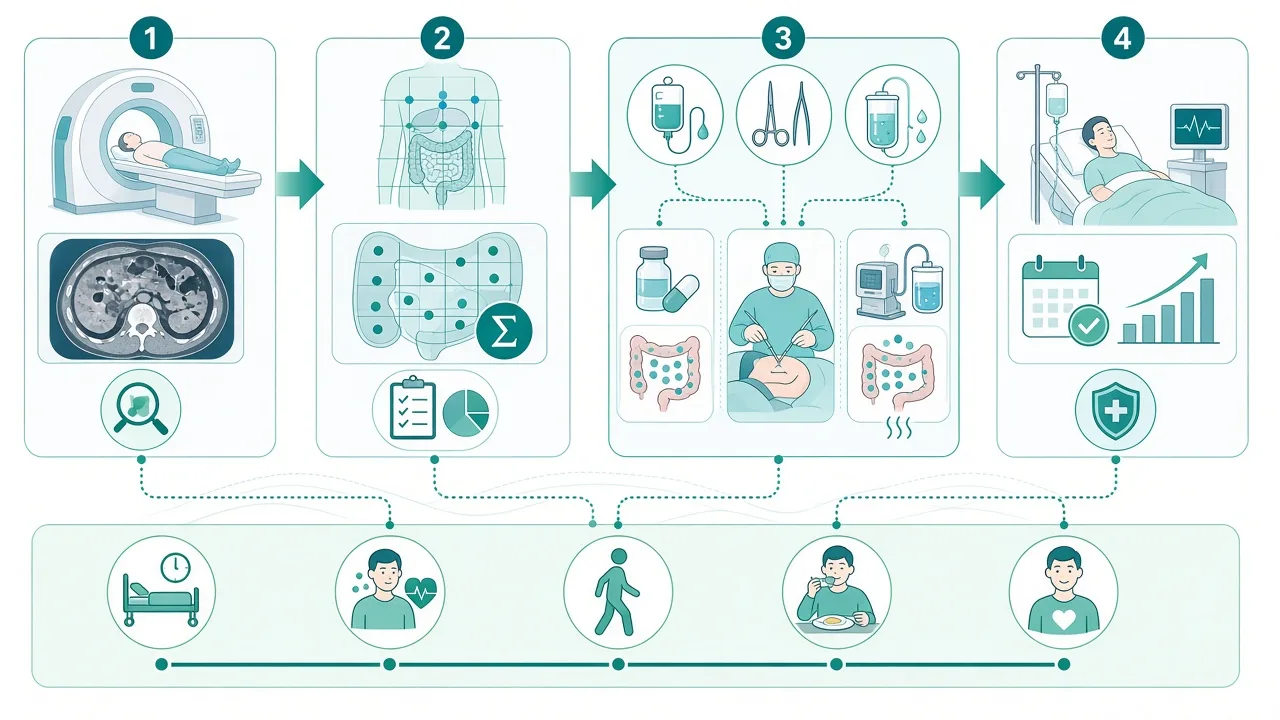
A. Systemic chemotherapy
Systemic chemotherapy uses medicines that travel through the bloodstream. It may be used before surgery (to assess tumour response), after surgery, when surgery is not appropriate, or to control disease and symptoms. The regimen depends on the primary cancer and molecular characteristics.
B. Targeted therapy and immunotherapy
Targeted therapy acts on specific molecular features involved in cancer growth. For colorectal cancer, relevant biomarkers include RAS, BRAF and HER2 status. Some patients with mismatch repair-deficient or microsatellite instability-high colorectal cancer may benefit from immune checkpoint inhibitors. Testing and specialist assessment are essential — these are not universal treatments.
C. Cytoreductive surgery (CRS)
Cytoreductive surgery aims to remove visible tumour deposits from the peritoneal surfaces. It may involve peritonectomy, omentectomy, bowel resection and removal of other involved structures. The objective is complete or near-complete removal of visible disease. CRS is a major operation requiring careful patient selection and an experienced surgical team.
D. HIPEC
HIPEC (Hyperthermic Intraperitoneal Chemotherapy) may be delivered during cytoreductive surgery in selected patients. After visible deposits are removed, heated chemotherapy is circulated inside the abdominal cavity for a defined period to treat microscopic residual cancer cells. CRS-HIPEC is not appropriate for every type of peritoneal carcinomatosis. Its role differs according to the original cancer, available evidence and patient circumstances.
E. PIPAC and palliative care
PIPAC (Pressurised Intraperitoneal Aerosol Chemotherapy) is a minimally invasive technique under investigation for selected specialist settings. When cancer cannot be removed safely, palliative and supportive care manages abdominal pain, ascites, nausea, bowel symptoms, nutrition, fatigue and emotional distress — focusing on quality of life alongside active treatment.
9. Is CRS-HIPEC Suitable for Every Patient With Peritoneal Carcinomatosis?
No. CRS-HIPEC is a major treatment option for carefully selected patients. The treating team considers: primary cancer type (evidence differs for ovarian, colorectal, appendiceal, gastric and other cancers); extent of peritoneal disease; small bowel involvement; disease outside the peritoneum; response to previous treatment; general fitness; and likelihood of complete cytoreduction. The final recommendation should come from a specialist team that regularly manages peritoneal surface malignancies.
10. Is Peritoneal Carcinomatosis Treatable?
In some patients, yes. Some patients with limited peritoneal disease may be considered for cytoreductive surgery, with or without HIPEC, as part of a strategy intended to achieve long-term disease control. Others may benefit more from systemic treatment, targeted therapy or immunotherapy. For patients with extensive disease, treatment may focus on controlling cancer growth, relieving symptoms and maintaining quality of life. It would be misleading to suggest that HIPEC or surgery can cure every patient — an individual assessment is essential.
11. Peritoneal Carcinomatosis Treatment in India
India is an option for patients seeking specialist evaluation and cancer treatment. Indian surgical oncology groups have published consensus recommendations through INDEPSO-ISPSM, addressing patient selection, preoperative work-up, cytoreductive surgery, systemic chemotherapy and intraperitoneal treatment for peritoneal malignancies.
For patients travelling to India, the first objective should be to establish whether the proposed treatment is medically appropriate — not simply to arrange a surgical appointment.
- **Medical record review** — specialist team reviews diagnosis, pathology, previous operations, chemotherapy history and imaging.
- **Specialist consultation** — surgical oncologist and medical oncologist assess the patient's condition and discuss treatment options.
- **Additional investigations** — updated imaging, pathology review, biopsy, molecular testing or diagnostic laparoscopy may be recommended.
- **Multidisciplinary discussion** — the case is reviewed by a multidisciplinary tumour board.
- **Individual treatment plan** — proposed treatment, objective, alternatives, risks and expected recovery are explained clearly.
- **Cost estimate and admission planning** — patient-specific estimate based on planned procedure and expected admission.
12. What Is the Cost of Peritoneal Carcinomatosis Treatment in India?
There is no single price for treating peritoneal carcinomatosis. Costs depend on the primary cancer, disease extent, treatment approach and the hospital's facilities. A patient receiving systemic chemotherapy may have a very different budget from someone undergoing extensive cytoreductive surgery with HIPEC.
13. What Is Recovery Like After CRS-HIPEC?
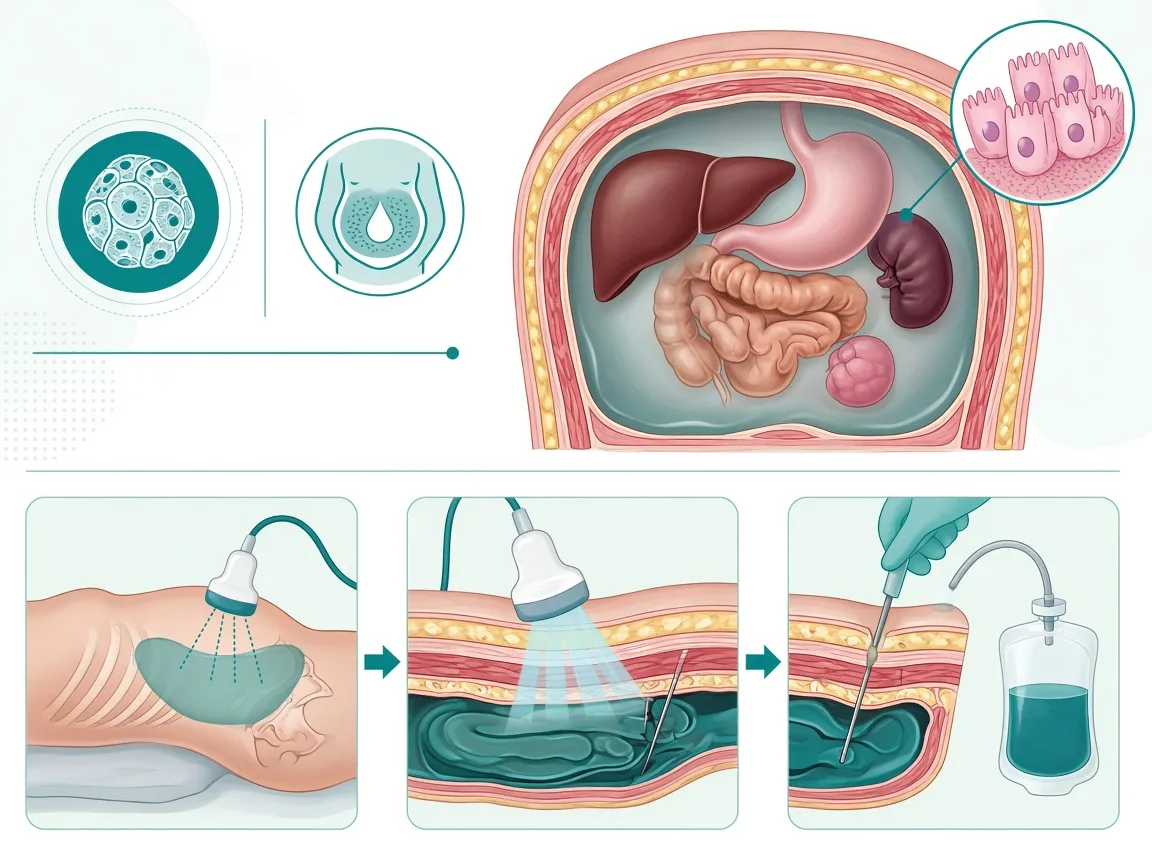
Recovery varies depending on the extent of surgery, general health and whether complications occur. After CRS-HIPEC, patients may require intensive care or high-dependency monitoring, pain management, intravenous fluids, nutritional support, monitoring of kidney function and blood counts, physiotherapy, wound care and gradual return to oral food. Some patients need several weeks to regain strength; complete recovery may take months.
Indian expert consensus has specifically addressed enhanced recovery after CRS with or without HIPEC, emphasising structured postoperative care and multidisciplinary support. International patients should not book a fixed return journey before the treating surgeon confirms fitness to travel.
14. What Are the Risks and Complications of CRS-HIPEC?
- Bleeding and wound complications
- Infection
- Anastomotic leak after bowel surgery
- Bowel obstruction
- Blood clots
- Kidney injury
- Changes in blood counts
- Nutritional difficulties
- Prolonged recovery
- Need for further procedures or surgery
Patients should ask the surgeon about the centre's experience, expected complications, ICU arrangements and the plan for managing emergencies. The potential benefits must be weighed against significant surgical and treatment-related risks.
15. What Is the Role of Nutrition in Peritoneal Carcinomatosis?
Patients with peritoneal disease may experience reduced appetite, abdominal swelling, nausea, early fullness and weight loss. Major surgery and chemotherapy increase nutritional demands. A clinical dietitian can help assess nutritional status, plan adequate protein and calorie intake, manage nausea and appetite changes, adapt food texture after abdominal surgery and monitor hydration. There is no single diet that treats peritoneal carcinomatosis — dietary changes should be discussed with the treating oncology team.
16. Can Peritoneal Carcinomatosis Come Back After Treatment?
Yes. Recurrence is possible even after extensive treatment. Likelihood depends on primary cancer type, tumour biology, extent of disease at diagnosis, completeness of cytoreduction and response to systemic treatment. The treating team will establish a surveillance plan. Patients returning home should receive a written follow-up plan and copies of operative, pathology and treatment records.
17. How Can International Patients Seek Peritoneal Carcinomatosis Treatment in India?
Patients from Tanzania, Kenya, Ethiopia, Uganda, Zambia, Nigeria, Iraq and other countries may consider India for specialist cancer assessment. It is particularly important to share medical records with the specialist team before making travel arrangements.
GAF Healthcare supports international patients coordinating medical treatment in India — including collecting and organising medical records, coordinating specialist consultations, requesting hospital opinions and estimates, appointment coordination, medical visa support, airport transfers, accommodation and interpreter arrangements. Clinical decisions remain with the treating doctors.
18. Frequently Asked Questions About Peritoneal Carcinomatosis
What is peritoneal carcinomatosis in simple terms?
Peritoneal carcinomatosis means that cancer cells have spread to the thin membrane lining the abdominal cavity. The cancer often originates in another organ such as the colon, stomach, ovary or appendix.
Is peritoneal carcinomatosis the same as peritoneal cancer?
Not exactly. Peritoneal carcinomatosis generally describes cancer that has spread to the peritoneum from another site. Primary peritoneal cancer begins in the peritoneal lining itself. The distinction affects treatment planning.
Does peritoneal carcinomatosis mean stage 4 cancer?
It often represents metastatic disease, but staging depends on the original cancer. A specialist should confirm the formal stage and explain the treatment implications.
Which cancers commonly cause peritoneal carcinomatosis?
Common primary cancers include colorectal, ovarian, stomach and appendix cancer. Other abdominal and pelvic cancers including pancreatic, gallbladder and endometrial cancers can also involve the peritoneum.
What are the first symptoms of peritoneal carcinomatosis?
Early symptoms may include persistent bloating, abdominal discomfort, reduced appetite, feeling full quickly and changes in bowel habits. Some patients have no obvious symptoms initially.
Can peritoneal carcinomatosis cause abdominal fluid?
Yes. It can cause ascites — an abnormal accumulation of fluid inside the abdominal cavity. Ascites can also have non-cancer causes, so investigation is necessary to determine its cause.
How is peritoneal carcinomatosis confirmed?
Doctors may use CT, MRI, PET-CT, ultrasound, biopsy and histopathology. Diagnostic laparoscopy may be recommended when the extent of disease needs direct assessment.
What is the Peritoneal Cancer Index?
PCI is a scoring system measuring distribution and extent of tumour deposits across 13 abdominal and pelvic regions. It ranges from 0 to 39 and helps specialists assess surgical feasibility and disease burden.
Is peritoneal carcinomatosis curable?
Some carefully selected patients may receive treatment with curative intent, particularly when disease is limited and complete surgical removal is feasible. However, cure cannot be guaranteed and depends on the original cancer and individual clinical factors.
Is chemotherapy effective for peritoneal carcinomatosis?
Systemic chemotherapy is an important treatment for many patients. Its effectiveness depends on the original cancer, tumour biology, previous treatment and response. It may be used alone or alongside surgery and other therapies.
What is CRS-HIPEC?
CRS-HIPEC combines cytoreductive surgery — which removes visible tumour deposits — with heated chemotherapy circulated inside the abdominal cavity. It is considered only for selected patients after specialist evaluation.
Is HIPEC suitable for all patients with peritoneal carcinomatosis?
No. Its role differs by cancer type and clinical situation. Disease extent, tumour biology, previous treatment, patient fitness and likelihood of complete cytoreduction all influence the decision.
Can colorectal peritoneal carcinomatosis be treated with surgery?
Selected patients may be considered for cytoreductive surgery depending on disease distribution and the possibility of complete removal. The role of HIPEC is more selective and evidence-based. It should not be presented as routine for every colorectal patient.
Is CRS-HIPEC available in India?
Specialist teams in India are involved in the management of selected peritoneal surface malignancies including CRS-HIPEC. However, not every cancer hospital offers this treatment. Patients should verify the treating surgeon's experience and the centre's resources.
How much does peritoneal carcinomatosis treatment cost in India?
There is no fixed cost. Treatment expenses vary depending on the primary cancer, investigations, medicines, surgery, HIPEC requirements, hospital stay and postoperative care. A personalised estimate should be obtained from the treating hospital after medical review.
How long does recovery take after CRS-HIPEC?
Recovery varies substantially. Patients may require a prolonged hospital admission and several weeks or longer to regain strength. The actual timeline depends on the extent of surgery, complications and general health.
Can peritoneal carcinomatosis return after HIPEC?
Yes. Recurrence can occur after CRS-HIPEC. The risk depends on tumour type, disease burden, completeness of surgery and other clinical factors. Regular follow-up is important.
Is PIPAC an alternative to HIPEC?
PIPAC is a different technique that delivers chemotherapy into the abdominal cavity as a pressurised aerosol during laparoscopy. It is being investigated and used in selected specialist settings. It is not a universally established replacement for CRS-HIPEC.
Can patients with ascites undergo CRS-HIPEC?
Ascites does not automatically determine eligibility. Its cause, severity, relationship to the cancer and the patient's overall condition must be assessed. Extensive disease or poor general fitness may affect surgical suitability.
What medical reports are needed for a peritoneal cancer assessment in India?
Useful documents include recent CT or MRI images, PET-CT where available, biopsy and histopathology reports, previous operation notes, chemotherapy records, blood tests and current medication details. The specialist may request additional investigations.
Medical Sources and Further Reading
- INDEPSO-ISPSM Consensus on Colorectal Peritoneal Metastases (2024). pubmed.ncbi.nlm.nih.gov/39637347/
- American Radium Society Appropriate Use Criteria for Peritoneal Carcinomatosis (2025). pmc.ncbi.nlm.nih.gov/articles/PMC12281213/
- ASO Practice Guideline: Management of Colorectal Peritoneal Metastases (2025). pubmed.ncbi.nlm.nih.gov/40587073/
- INDEPSO-ISPSM Consensus on Enhanced Recovery After CRS With or Without HIPEC (2025). pmc.ncbi.nlm.nih.gov/articles/PMC11732209/
- ASCO Guideline: Treatment of Metastatic Colorectal Cancer (2023). pmc.ncbi.nlm.nih.gov/articles/PMC10506310/
Medical Disclaimer: This article is intended for educational purposes only. It does not replace a consultation with a qualified oncologist or surgical oncologist. Treatment eligibility, prognosis and costs must be determined individually by the treating medical team.