Best Neurosurgeons for Brain Tumors (Benign And Malignant) in India
This page lists 89 brain tumors (benign and malignant) doctors in India. Review each doctor's experience, specialty and hospital, then contact our care team for help with the next step.
Quick answer
This page lists 89 brain tumors (benign and malignant) doctors in India. Review each doctor's experience, specialty and hospital, then contact our care team for help with the next step.
About Brain Tumors (Benign and Malignant) doctors in India
This directory is based on doctors currently listed in GAF Healthcare's registry. Clinical suitability varies by patient; a doctor should review your history and investigations before any treatment decision.
About the Condition
What is Brain Tumors (Benign and Malignant)?
A brain tumor is an abnormal growth of cells within or immediately surrounding the brain, and can arise from brain tissue itself (primary tumors) or spread from cancers elsewhere in the body (secondary or metastatic tumors). Even tumors classified as benign can be life-altering if they press on critical brain structures, affect neurological function, or become difficult to access surgically. Malignant brain tumors carry additional risks including rapid growth, invasion of surrounding tissue, and potential spread within the central nervous system. A thorough evaluation—including a detailed medical history, neurological examination, and advanced imaging—is essential before any treatment pathway is considered.
Individual assessmentEvery case is different
Complete evaluationUnderstand the condition first
Specialist reviewChoose the right approach
Medical assessment helps clarify severity and identify appropriate options.
Treatment options for Brain Tumors (Benign and Malignant)
Care may include lifestyle changes, medical treatment, specialist review or a procedure, depending on the diagnosis, associated conditions and individual goals. The options below are associated with this condition in the GAF Healthcare directory.
Brain tumor surgery involves the surgical removal of abnormal tissue growths (benign or malignant) from within the brain to relieve pressure, control symptoms, obtain tissue diagnosis, and improve survival outcomes.
Why it may be consideredThe specific technique chosen depends on tumor location, size, type, and proximity to critical brain structures. India offers advanced neuro-navigation, intraoperative MRI, and awake craniotomy facilities at a fraction of Western costs.
A craniotomy is a neurosurgical procedure in which a section of the skull (bone flap) is temporarily removed to access the brain for the removal of benign or malignant tumors, relief of pressure, or biopsy of abnormal tissue.
Why it may be consideredThe bone flap is repositioned and secured after the procedure. It is one of the most common and effective treatments for brain tumors that are surgically accessible.
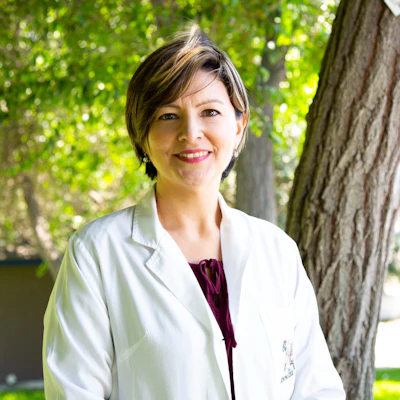
MBBS, MS General Surgery, Senior Resident Neurosurgery, MCH Neurosurgery, Fellowship in Minimal Access Spine Surgery, Fellowship in Brachial Plexus Surgery, Congress of Neurological Surgeons Fellowship Awardee
Senior Consultant – Neuro Surgery · Specialty: Neurosurgeon
Fortis Hospital Manesar Gurugram, India14+ Years experience
Why consider this doctor?
14+ years of experience in Neurosurgeon
Senior Consultant and Unit Head – Fortis Hospital, Manesar, Gurugram (Present)
Senior Consultant and Unit Head – Manipal Hospital, Gurugram
Expertise & Procedures
Keyhole Brain Tumour Surgery (Minimal Incision, No Head Shave)
Deep Skull Base Surgery
Endoscopic Brain Surgery for Hydrocephalus
Deep Brain Stimulation (DBS) for Parkinson's Disease
NABH — National Accreditation Board for Hospitals & Healthcare Providers accreditationNABL — National Accreditation Board for Testing and Calibration Laboratories accreditationJCI — Joint Commission International accreditation
NeurosurgeryCardiac SurgeryOrthopedicsBariatric Surgery
Many international patients consider India for brain tumors (benign and malignant) treatment for several reasons, including:
More affordable estimates
Competitive indicative costs compared with many other countries, for similar clinical standards.
Internationally accredited hospitals
Hospitals experienced in treating international patients.
Experienced specialists
Doctors who regularly manage similar cases.
Care coordination support
A team to help with planning, medical translation and follow-up.
How this directory is built
Doctors are matched using the specialty, location, condition (Brain Tumors (Benign and Malignant)) recorded in their profiles. Inclusion is not an endorsement and does not guarantee a treatment outcome.
Need help with the next step?
Share your needs with our care coordination team for information about doctors and hospitals.
Common questions
FAQs about Brain Tumors (Benign and Malignant) in India
What is Brain Tumors (Benign and Malignant)?
A brain tumor is an abnormal mass of cells that develops in or around the brain; it may be benign (non-cancerous but potentially harmful depending on size and location) or malignant (cancerous, with a tendency to grow aggressively and affect surrounding structures).
What are the symptoms and health risks of Brain Tumors (Benign and Malignant)?
Common symptoms can include persistent or worsening headaches (often worse in the morning), seizures, changes in vision, speech or memory, unexplained nausea or vomiting, weakness or numbness in the limbs, and shifts in personality or cognition. The type, location, and size of the tumor strongly influence which symptoms appear, and some tumors may grow with few noticeable symptoms until they reach a significant size. Experiencing any of these symptoms does not confirm the presence of a brain tumor, and only a qualified clinician can determine the cause through proper evaluation.
How is Brain Tumors (Benign and Malignant) diagnosed?
Diagnosis typically begins with a detailed neurological examination and a review of the patient's personal and family medical history, followed by advanced imaging—most commonly MRI with contrast, which can reveal the tumor's size, location, and relationship to surrounding structures. A CT scan may also be used, particularly in urgent settings. Definitive diagnosis and tumor classification—including grading on the WHO scale from Grade I (slow-growing, typically benign) to Grade IV (highly aggressive, such as glioblastoma)—generally requires a tissue biopsy, which informs prognosis and guides treatment decisions.
How is Brain Tumors (Benign and Malignant) treated?
Treatment depends on the tumor's type, WHO grade, size, location, the patient's overall health, and neurological status, and is best determined through a multidisciplinary team assessment. Surgical removal (resection) via craniotomy is a common primary approach for many tumors, aiming to reduce tumor burden, relieve pressure, and obtain tissue for diagnosis. Depending on the findings, surgery may be combined with or replaced by radiation therapy, chemotherapy, targeted therapy, or active surveillance, particularly for low-grade or inoperable tumors.
Can Brain Tumors (Benign and Malignant) be treated without surgery?
For certain low-grade or slow-growing benign tumors—especially in older patients or those with significant surgical risk—active surveillance with periodic MRI scans may be an appropriate initial strategy. Radiation therapy (including stereotactic radiosurgery such as Gamma Knife or CyberKnife) and chemotherapy are established non-surgical or adjunct options, particularly for malignant tumors, recurrent disease, or tumors in locations that make surgical access difficult. Corticosteroids may be prescribed to manage swelling around the tumor, and anti-epileptic medications are commonly used when seizures are present. All non-surgical plans must be assessed and monitored by a specialist.
When is Brain Tumor Surgery considered for Brain Tumors (Benign and Malignant)?
Brain Tumor Surgery may be considered when conservative or medical options have not achieved enough improvement, or when the severity of the condition warrants it. The decision depends on clinical assessment, expected benefits and individual risks.
Which doctor treats Brain Tumors (Benign and Malignant)?
Brain tumors are primarily evaluated and managed by a neurosurgeon, and most treatment decisions are made within a multidisciplinary team that also includes a neuro-oncologist, a radiation oncologist, and a specialist neuroradiologist. A neurologist may also be involved in ongoing symptom management, particularly for seizure control.
How do I choose a doctor for Brain Tumors (Benign and Malignant)?
When comparing providers, look for a neurosurgeon with documented experience in brain tumor resection and craniotomy, ideally affiliated with a hospital that has a dedicated neuro-oncology program, intraoperative neurophysiological monitoring, and access to adjunct therapies such as radiation and chemotherapy. Confirm that the team offers structured post-operative follow-up, including repeat imaging and rehabilitation support where needed.
What documents do international patients need to share for a medical evaluation?
Share a medical summary, investigation and imaging or biopsy reports where relevant, a current medication list, previous diagnoses and related treatment records. Provide clear copies with translation where needed.
How does GAF Healthcare help international patients plan treatment in India?
Our care coordination team helps review initial medical information, connect you with suitable doctors and hospitals, explain next steps and indicative estimates, and organise a treatment plan before travel.