
This page lists 46 craniotomy doctors in Delhi NCR, India. Review each doctor's experience, specialty and hospital, then contact our care team for help with the next step.
About Craniotomy doctors in Delhi NCR, India
This directory is based on doctors currently listed in GAF Healthcare's registry. Clinical suitability varies by patient; a doctor should review your history and investigations before any treatment decision.
Craniotomy doctors
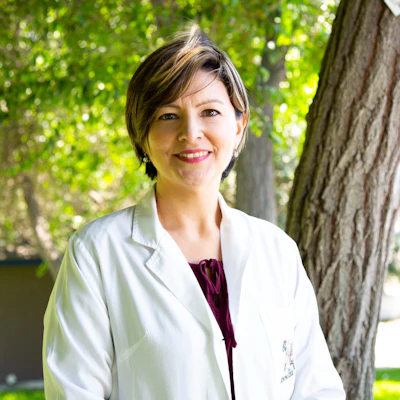 Featured
Dr. Rajiv Anand
- 30+ years of experience in Neurosurgeon
- Senior Consultant & Head of Neurosurgery, Apollo Hospitals New Delhi (2000 – Present)
- Associate Professor of Neurosurgery, AIIMS New Delhi (1994 – 2000)
- Brain Tumour Resection (Glioma, Meningioma, Metastasis)
- Acoustic Neuroma Surgery
- Pituitary Tumour Surgery (Transsphenoidal)
- Cerebral Aneurysm Clipping
- AVM Surgery

Dr. Nishant Yagnick
- 14+ years of experience in Neurosurgeon
- Senior Consultant and Unit Head – Fortis Hospital, Manesar, Gurugram (Present)
- Senior Consultant and Unit Head – Manipal Hospital, Gurugram
- Keyhole Brain Tumour Surgery (Minimal Incision, No Head Shave)
- Deep Skull Base Surgery
- Endoscopic Brain Surgery for Hydrocephalus
- Deep Brain Stimulation (DBS) for Parkinson's Disease
- Minimally Invasive Spine Surgery (MISS)

Dr. Sudhir Dubey
- 27+ years of experience in Neurosurgeon
- Chairman — Neurosurgery, Neurosciences, Medanta – The Medicity, Gurugram (Present)
- Senior Consultant Neurosurgeon, Multiple leading hospitals, India
- Craniotomy for brain tumours
- Endoscopic pituitary surgery (transsphenoidal)
- VP shunt for hydrocephalus
- Deep brain stimulation (DBS) implantation
- Stereotactic radiosurgery (Gamma Knife / Cyberknife)

Dr. Arun Saroha
- 28+ years of experience in Neurosurgeon
- Vice Chairman & Unit Head — Spine & Neurosurgery, Max Hospital, Gurgaon (Present)
- Head — Neurosurgery, Artemis Hospital, Gurgaon
- Brain Tumour Resection (Craniotomy)
- Awake Craniotomy
- Endoscopic Brain Surgery
- Minimally Invasive Spine Surgery (MISS)
- Cervical Disc Replacement

Dr. Virendra Kumar
- 15+ years of experience in Neurosurgeon & Spine Surgeon
- Associate Director — Spine Surgery, Max Super Speciality Hospital, Saket, New Delhi, Present
- Neurosurgeon & Spine Surgeon (15+ years of practice in brain and spinal neurosurgery at leading Indian medical institutions)
- Brain Tumor Resection and Craniotomy
- Deep Brain Stimulation (DBS) Surgery
- Epilepsy Surgery and Seizure Management
- Cervical Spine Fusion and Decompression
- Minimally Invasive Lumbar Spinal Fusion
Dr. Aakanksha Aggarwal
- 11+ years of experience in Neurosurgeon
- Currently serving as Associate Consultant in Neurosurgery at Medanta – The Medicity, Gurugram, a top-ranked multi-specialty hospital in India.
- Completed a specialised Fellowship in Neuro-Oncology Surgery, focusing on complex brain and spinal tumour management.
- Brain Tumour Surgery
- Glioma Surgery
- Meningioma Surgery
- Skull Base Tumour Surgery
- Endoscopic Brain Surgery
Dr. Abhinav Agrahari
- 9+ years of experience in Neurosurgeon
- Currently serving as Associate Consultant, Neuro and Spine Surgery, at Fortis Escorts Heart Institute, Okhla, New Delhi.
- Built over 9 years of clinical experience managing complex neurological and spinal conditions in both adult and pediatric patients.
- Brain Tumor Surgery
- Endoscopic Brain Surgery
- Craniotomy
- Pediatric Brain Tumor Surgery
- Pediatric Hydrocephalus Surgery
Dr. Aditya Gupta
- 40+ years of experience in Neurosurgeon
- Currently serving as Chairman of Neurosurgery, CyberKnife, and Gamma Knife Radiosurgery at Artemis Hospital, Gurgaon.
- Previously held the position of Associate Professor of Neurosurgery, contributing to academic and clinical training in the field.
- Brain Tumor Removal (Craniotomy)
- Skull Base Tumor Surgery
- Spinal Tumor Surgery
- CyberKnife Radiosurgery
- Gamma Knife Radiosurgery
Dr. Aditya Singh Bhati
- 22+ years of experience in Neurosurgeon
- Currently serving as Specialist in Neurosurgery at Indraprastha Apollo Hospital, New Delhi — one of India's leading tertiary care centres.
- Has spent over 22 years building expertise across the full spectrum of neurosurgical and spinal conditions, from routine decompressions to complex skull base and tumor resections.
- Craniotomy for Brain Tumor Resection
- Endoscopic Brain Surgery
- Pituitary Tumor Surgery (Endoscopic Transsphenoidal)
- Skull Base Tumor Surgery
- Meningioma Surgery
Dr. Krishan Kumar Yadav
- 40+ years of experience in Neurosurgeon
- Professor & Clinical Director, Neurosurgery & Neurospine Surgery — Marengo Asia Hospitals, Gurugram (Current)
- Senior Neurosurgeon — Kauvery Hospitals, Bangalore
- Brain Tumor Surgery
- Skull Base Tumor Surgery
- Endoscopic Brain Surgery
- Craniotomy
- Glioma Surgery
Hospitals where these doctors practise
 🇮🇳 Manesar, Gurgaon, India
Fortis Hospital Manesar
 🇮🇳 Gurgaon, India
Max Super Specialty Hospital, Gurgaon
 🇮🇳 New Delhi, India
Max Super Speciality Hospital, Saket
 🇮🇳 Gurgaon, India
Medanta - The Medicity
 🇮🇳 New Delhi, India
Fortis Escorts Heart Institute
 🇮🇳 Gurgaon, India
Artemis Hospital
 🇮🇳 New Delhi, India
Apollo Hospitals
Why consider treatment in India?
Many international patients consider India for brain tumors (benign and malignant) treatment for several reasons, including:
More affordable estimates
Competitive indicative costs compared with many other countries, for similar clinical standards.
Internationally accredited hospitals
Hospitals experienced in treating international patients.
Experienced specialists
Doctors who regularly manage similar cases.
Care coordination support
A team to help with planning, medical translation and follow-up.
What is Craniotomy?
A craniotomy is a neurosurgical procedure in which a section of the skull (bone flap) is temporarily removed to access the brain for the removal of benign or malignant tumors, relief of pressure, or biopsy of abnormal tissue. The bone flap is repositioned and secured after the procedure. It is one of the most common and effective treatments for brain tumors that are surgically accessible.
Who may be considered?
Craniotomy may be considered after a qualified specialist reviews your reports and medical history. Suitability varies from person to person and must be assessed by your treating doctor.
How does it work?
A traditional open approach using a larger bone flap under general anesthesia, suitable for most tumor locations and sizes, often combined with intraoperative navigation for precision.
Standard (Conventional) Craniotomy
Most CommonA traditional open approach using a larger bone flap under general anesthesia, suitable for most tumor locations and sizes, often combined with intraoperative navigation for precision.
Comprehensive Investigations
MRI brain with contrast, CT head, CBC, coagulation profile, ECG, chest X-ray, blood grouping, neurological assessment
Treatment / Procedure Estimate
Stay in India
Usually Included in Hospital Package
- Surgeon and anesthesia fees
- ICU and ward stay
- Operating room and neuro-monitoring
- Standard implants/plates if required
- Post-operative imaging
Usually Not Included
- Pre-arrival travel and visa costs
- Histopathology/biopsy lab fees
- Chemotherapy or radiotherapy if required later
- Long-term rehabilitation
- Companion accommodation
Recovery and follow-up
Most patients spend a few days in the ICU followed by ward monitoring, with sutures/staples removed after 10-14 days; full recovery, including return to normal activities, typically takes 4-8 weeks depending on tumor type and any additional therapy needed. Regular follow-up MRI scans are required to monitor healing and detect recurrence.
Risks
Risks include infection, bleeding, swelling of the brain, seizures, temporary or permanent neurological deficits (speech, motor, or cognitive changes), and rarely, complications from anesthesia. The surgical team takes precautions such as neuronavigation and intraoperative monitoring to minimize these risks.
Alternatives
Depending on tumor type, size, and location, alternatives may include stereotactic radiosurgery (e.g., Gamma Knife), fractionated radiotherapy, chemotherapy, or in some cases, active surveillance for slow-growing benign tumors. These options are considered when surgery carries higher risk or the tumor is not easily accessible.
What we need to prepare a formal estimate
Share whatever you have — the care team will confirm the final checklist after reviewing your case.
Reports required
- Recent MRI brain with and without contrast (within last 4 weeks)
- CT scan of the head, if available
- Histopathology report if a prior biopsy was done
- Detailed neurological examination notes
- Previous surgical or treatment history for the tumor
- Current medication list and allergy history
- Recent blood work including CBC and coagulation profile
- Cardiac clearance/ECG report if patient has heart conditions
Patient information needed
- Patient's age, weight, and general health status
- Symptoms and duration (headaches, seizures, vision or speech changes)
- Exact tumor location and size as per imaging
- History of seizures or anti-seizure medication use
- Any prior brain surgery or radiotherapy
- Existing comorbidities (diabetes, hypertension, cardiac issues)
- Availability of a caregiver/attendant during travel and recovery
- Preferred timeline for surgery
Costs shown are indicative planning estimates based on typical pricing across leading Indian hospitals. They are not a quote — actual pricing depends on your case complexity, hospital choice, and length of stay. Share your reports for a personalized estimate.
How this directory is built
Doctors are matched using the specialty, location, condition (Craniotomy) and procedure (Craniotomy) recorded in their profiles. Inclusion is not an endorsement and does not guarantee a treatment outcome.
Need help with the next step?
Share your needs with our care coordination team for information about doctors and hospitals.