
Modified Radical Mastectomy Cost in India
Get world-class breast cancer surgery in India at a fraction of what you'd pay in the West — without compromising on care, expertise, or outcomes. Thousands of international patients trust India's surgical oncologists every year for exactly this reason.
- 1How much does it cost
- 2Factors influencing cost
- 3What's included
- 4Modified Radical Mastectomy Cost by Variant
- 5Cost of Modified Radical Mastectomy in Major Cities
- 6Modified Radical Mastectomy — India vs the World
- 7About the Modified Radical Mastectomy
- 8Best Doctors for Modified Radical Mastectomy
- 9Best Hospitals for Modified Radical Mastectomy
- 10Process Involved
- 11Frequently Asked Questions
How much does it cost
No two patients are the same, and neither are their surgical bills. The final cost of a modified radical mastectomy in India depends on several moving parts — from the hospital you choose to the complexity of your diagnosis. Here is a plain-language breakdown of what drives the price up or down.

Factors influencing cost
Hospital Tier & Accreditation
JCI- or NABH-accredited hospitals in metro cities charge a premium for their infrastructure and internationally trained teams, while equally capable regional hospitals offer lower rates.
Surgeon's Experience & Reputation
A senior surgical oncologist with 15+ years in breast cancer surgery will cost more than a mid-level specialist — and for good reason. Their expertise directly influences outcomes.
City of Treatment
Metros like Mumbai and Delhi cost more than Tier-2 cities like Jaipur or Nagpur, though the quality gap is often minimal at top centres.
Stage & Extent of Cancer
Advanced-stage cancer requiring more extensive lymph node dissection or intraoperative testing adds time, resources, and cost to the procedure.
Type of Anaesthesia & ICU Stay
General anaesthesia and any post-operative ICU observation — if required — are billed separately and can meaningfully shift the final invoice.
Diagnostic & Pathology Workup
Pre-surgical imaging (MRI, PET-CT), sentinel node biopsy, and histopathology reports are often charged separately and vary by lab and hospital.
What's included
- Surgeon & Anaesthesiologist Fees
Fees for the operating surgical oncologist and the anaesthesia team are bundled into most hospital package quotes.
- Operating Theatre Charges
Use of the OT, surgical instruments, drapes, and all consumables used during the procedure are covered.
- 3–5 Nights Hospital Stay
Standard ward or semi-private room accommodation for the expected post-operative recovery period is included.
- Nursing & Post-Op Care
Round-the-clock nursing supervision, wound dressing, and drain management during your inpatient stay are part of the package.
- Standard Pathology (Tissue Analysis)
Histopathological examination of the removed tissue and lymph nodes to confirm margins and staging is typically included.
- Routine Pre-Op Investigations
Basic blood work, ECG, chest X-ray, and fitness assessments required before surgery are usually covered in packaged pricing.
- Discharge Medications
A short course of antibiotics, pain management, and wound-care supplies prescribed at discharge are generally included.
- Post-Discharge Follow-Up Consultation
One follow-up visit with the surgeon to review pathology reports and recovery progress is included at most hospitals.
Modified Radical Mastectomy Cost by Variant
| Variant | USD | INR |
|---|---|---|
| Unilateral (One Breast) | $2,500–$5,000 | ₹207,500–₹415,000 |
| Bilateral (Both Breasts) | $4,000–$7,500 | ₹332,000–₹622,500 |
| MRM with Sentinel Node Biopsy | $3,000–$5,500 | ₹249,000–₹456,500 |
| MRM with Immediate Reconstruction | $5,000–$9,000 | ₹415,000–₹747,000 |
Cost of Modified Radical Mastectomy in Major Cities
| City | Cost Range | |
|---|---|---|
| Mumbai | USD 3,500–6,000 | Explore More |
| Delhi / NCR | USD 3,200–5,800 | Explore More |
| Chennai | USD 3,000–5,500 | Explore More |
| Bengaluru | USD 3,000–5,500 | Explore More |
| Hyderabad | USD 2,800–5,000 | Explore More |
| Kolkata | USD 2,600–4,800 | Explore More |
| Pune | USD 2,700–4,800 | Explore More |
| Ahmedabad | USD 2,600–4,500 | Explore More |
| Jaipur | USD 2,500–4,200 | Explore More |
| Nagpur | USD 2,500–4,000 | Explore More |
Modified Radical Mastectomy — India vs the World
Find the Right Destination
Best value globally with JCI-accredited hospitals and internationally trained surgeons.
Extremely high cost even with insurance; uninsured patients face the steepest bills.
NHS wait times push many patients to private care, which is costly.
High quality but among the most expensive destinations in Europe.
Excellent outcomes but significantly pricier than India for similar care quality.
Popular medical tourism hub, but still 1.5–2x the cost of India.
Growing medical tourism market; costs higher than India with fewer breast oncology specialists.
Good infrastructure but less competitive pricing compared to India.
Popular for US patients seeking savings; still notably more expensive than India.
World-class facilities but at a premium; many UAE residents choose India for surgery.
About the Modified Radical Mastectomy
What Is a Modified Radical Mastectomy (MRM)?
A modified radical mastectomy (MRM) is a surgical procedure that removes the entire breast — including the nipple, areola, and overlying skin — along with the axillary (underarm) lymph nodes, while preserving the chest wall muscles (pectoralis major and minor).
It is the most commonly performed mastectomy for breast cancer worldwide and strikes a balance between thoroughness and functional preservation. Unlike the older radical mastectomy, MRM leaves the chest muscles intact, making recovery faster and enabling reconstruction if the patient wishes.
You can also explore related procedures such as Lumpectomy (breast-conserving surgery) and Mastectomy to understand which surgical approach may be right for you.
Why Is a Modified Radical Mastectomy Done?
MRM is recommended when breast cancer cannot be safely removed with breast-conserving surgery (lumpectomy), or when the patient or clinical team prefers complete removal of breast tissue. It is typically advised in the following situations:
- Stage II or III breast cancer that is large relative to breast size
- Inflammatory breast cancer (a particularly aggressive form)
- Multiple tumours in different quadrants of the same breast
- BRCA1/BRCA2 gene mutation carriers who opt for risk-reducing surgery
- Cancer recurrence after previous lumpectomy and radiation
- Situations where radiation therapy is not feasible
The simultaneous removal of axillary lymph nodes helps determine how far the cancer has spread, which directly guides further treatment planning — such as chemotherapy or radiation therapy.
When Should You See a Doctor?
If you notice any of the following signs, do not wait — book an appointment with a breast specialist or surgical oncologist as soon as possible:
- A new lump or thickening in the breast or underarm area
- Change in breast shape, size, or skin texture (dimpling or puckering)
- Nipple discharge (especially bloody) or nipple inversion
- Persistent breast pain that does not relate to your menstrual cycle
- Redness, warmth, or swelling of the breast skin
- Axillary (armpit) swelling or tenderness
Early diagnosis dramatically improves treatment outcomes. If you have already been diagnosed and are exploring surgical options, our breast cancer surgical oncology team in India can help you understand whether MRM or an alternative procedure is best for your specific case.
How Should You Prepare for MRM Surgery?
Preparation for a modified radical mastectomy begins several days before surgery and involves both medical and personal planning:
Medical preparation:
- Complete all pre-operative investigations (blood tests, ECG, imaging)
- Discuss and stop blood-thinning medications (aspirin, warfarin) as advised
- Attend a pre-anaesthesia consultation
- If you smoke, aim to quit at least 4 weeks before surgery to improve healing
Personal preparation:
- Arrange for a trusted family member or friend to accompany you
- Pack loose, front-opening clothing for comfort post-surgery
- Prepare your home recovery space with pillows, easy-reach items, and help for at least 2 weeks
- Discuss breast reconstruction options with your surgeon ahead of time if you are considering it — see Breast Reconstruction in India
Mental preparation:
- Speak with a counsellor or support group if you are feeling anxious
- Ask your surgeon every question on your mind — no question is too small
How Is a Modified Radical Mastectomy Performed?
MRM is performed under general anaesthesia, meaning you will be completely asleep throughout. Here is what typically happens:
- Anaesthesia: You are placed under general anaesthesia and monitored continuously.
- Incision: The surgeon makes a carefully planned elliptical incision across the breast.
- Breast tissue removal: All breast tissue, including the nipple-areola complex and overlying skin, is removed.
- Axillary lymph node dissection: Level I and II lymph nodes in the armpit are removed and sent for pathological analysis.
- Drain placement: One or two surgical drains are placed to prevent fluid accumulation.
- Closure: The wound is closed with sutures, and a surgical dressing is applied.
If immediate breast reconstruction has been planned, the plastic surgery team takes over at this stage. Learn more about Breast Reconstruction options in India.
How Long Does the Procedure Take?
A standard modified radical mastectomy without reconstruction typically takes 2 to 4 hours. If immediate reconstruction is planned simultaneously, the combined procedure can extend to 5 to 8 hours, depending on the technique used (implant-based vs. flap-based reconstruction). Your surgeon will give you a more precise estimate based on your individual anatomy and surgical plan.
What Are the Risks of a Modified Radical Mastectomy?
Like all major surgeries, MRM carries certain risks. India's top surgical oncology centres have robust protocols to minimise these, but it is important to be informed:
- Seroma – accumulation of fluid under the skin (most common complication)
- Wound infection – managed with antibiotics; rare in well-equipped hospitals
- Haematoma – blood pooling at the surgical site
- Lymphoedema – chronic arm swelling due to lymph node removal (occurs in 10–20% of patients)
- Numbness or tingling in the arm, chest wall, or armpit
- Restricted shoulder movement (addressed with physiotherapy)
- Anaesthesia-related reactions – rare but possible
- Psychological impact – changes in body image are real and should be addressed with counselling
What Are the Benefits of Choosing MRM?
MRM remains one of the most effective surgical options for appropriate-stage breast cancer, offering several meaningful advantages:
- High local control rate — significantly reduces the risk of local recurrence
- Accurate staging — lymph node analysis provides crucial information for planning further treatment
- Eliminates the need for radiation in many cases (unlike lumpectomy)
- Preserves chest muscles — faster recovery and better cosmetic outcome than older radical mastectomy
- Enables reconstruction — the chest wall is preserved, making breast reconstruction straightforward
- Peace of mind — for many patients, complete removal removes ongoing anxiety about residual cancer
Comparing MRM to Lumpectomy or Mastectomy with your doctor helps you choose the path that fits your cancer type, lifestyle, and personal values.
What Does Post-Operative Recovery Look Like?
Recovery from MRM is a gradual process. Here is a realistic, week-by-week picture:
Days 1–5 (In Hospital): Pain is managed with medication. Drains are monitored and usually removed before discharge. You will be encouraged to do gentle arm exercises.
Week 1–2 (At Home): Rest is essential. Avoid lifting anything heavier than a cup of tea. Keep the wound clean and dry. Most patients manage well with oral pain relief.
Weeks 3–6: Energy gradually returns. Physiotherapy begins to restore full shoulder and arm movement. Most people return to light desk work by week 4.
Months 2–6: Full physical activity resumes. If reconstruction or adjuvant therapy (chemotherapy, radiation, hormone therapy) is planned, it typically begins during this window.
Your care team will provide a personalised recovery plan. International patients are generally advised to remain in India for at least 10–14 days before flying home.
What Is the Success Rate of MRM in India?
The success rate of modified radical mastectomy in India is 92–97% in terms of surgical completion without major complications, at accredited centres. When measured by 5-year survival rates, outcomes in India's top cancer hospitals are broadly comparable to those in Western countries:
- Stage I & II breast cancer: 5-year survival rate of 85–95%
- Stage III breast cancer: 5-year survival rate of 55–75%
These figures are influenced by cancer stage at diagnosis, receptor status (ER/PR/HER2), and access to adjuvant therapies. India's leading oncology hospitals — many with NABH and JCI accreditation — follow NCCN and ESMO guidelines, ensuring internationally benchmarked care. Connect with India's top breast cancer surgical oncologists to discuss your specific prognosis.
Best Doctors for Modified Radical Mastectomy
Dr. Kanchan Kaur
- 22+ years of experience in Surgical Oncologist (Breast)
- Performs Modified Radical Mastectomy
- Senior Director — Breast Cancer, Cancer Care, Medanta – The Medicity, Gurgaon
- Tutor — Government of India SWAYAM online learning platform
- Modified Radical Mastectomy
- Lumpectomy / Wide Local Excision
- Oncoplastic Breast Conservation Surgery
- Skin- & Nipple-Sparing Mastectomy
- Sentinel Lymph Node Biopsy
Dr. Mansi Chowhan
- 14+ years of experience in Oncoplastic Breast Surgeon
- Performs Modified Radical Mastectomy
- Consultant – Surgical Oncology (Breast), Fortis Hospital, Manesar, Gurugram
- Fortis Healthcare
- Modified Radical Mastectomy
- Breast Conservation Surgery (Lumpectomy / Wide Local Excision)
- Breast Oncoplasty Level 1 and Level 2
- Skin-Sparing Mastectomy
- Nipple-Sparing Mastectomy
Dr. Archit Pandit
- 15+ years of experience in Surgical Oncologist
- Performs Breast Conservation & Modified Radical Mastectomy
- Director — Surgical Oncology, Fortis Escorts, Okhla Road, New Delhi
- Director — Surgical Oncology, Shalby Sanar Cancer Centre, Gurugram
- Breast Conservation & Modified Radical Mastectomy
- Robotic Cancer Surgery
- Laparoscopic / Keyhole Cancer Surgery
- Thoracoscopic Lung Cancer Surgery
- Esophagectomy (Minimally Invasive)

Dr. Vedant Kabra
- 25+ years of experience in Surgical Oncologist
- Performs Modified radical mastectomy with reconstruction
- Principal Director — Surgical Oncology, Fortis Memorial Research Institute, Gurugram
- Senior Surgical Oncologist, Tata Memorial Hospital, Mumbai
- Modified radical mastectomy with reconstruction
- Breast conservation surgery and oncoplasty
- Robotic-assisted oncological resections
- Head and neck cancer surgery
- Oral and tongue cancer resections

Dr. Ananya Deori
- 9+ years of experience in Breast Surgeon
- Performs Modified radical mastectomy
- Associate Consultant — Breast Surgery, Medanta - The Medicity, Delhi NCR, Present
- Medanta Mediclinic Defence Colony, Delhi NCR
- Modified radical mastectomy
- Oncoplastic breast surgery
- Nipple-sparing mastectomy
- Skin-sparing mastectomy
- Breast-conserving surgery (lumpectomy)
Dr. B. Niranjan Naik
- 22+ years of experience in Surgical Oncologist
- Performs Modified Radical Mastectomy
- Principal Director of Surgical Oncology & Director of Breast & Gastro-Intestinal Onco-Surgery, Paras Hospitals, Gurugram, Present
- Vice Chairman & Head of Department, Surgical Oncology and Robotic Onco-Surgery, Paras Hospitals, Gurugram
- Modified Radical Mastectomy
- Breast-Conserving Surgery
- Sentinel Lymph Node Biopsy
- Axillary Lymph Node Dissection
- Laparoscopic Gastric Cancer Surgery
Dr. Feroz Pasha
- 18+ years of experience in Surgical Oncologist
- Performs Mastectomy
- Senior Consultant — Surgical Oncology, Indraprastha Apollo Hospital, New Delhi
- Consultant Surgical Oncologist, Batra Hospital, New Delhi
- Mastectomy
- Breast-Conserving Surgery
- Oncoplastic Breast Surgery
- Colorectal Cancer Resection
- Gastrectomy for Gastric Cancer
Dr. Sanket Shah
- 12+ years of experience in Surgical Oncologist
- Performs Modified radical mastectomy and sentinel node biopsy
- Senior Consultant, Surgical Oncology — Gleneagles Hospital, Mumbai, Present
- Surgical Oncologist — Tata Memorial Hospital, Mumbai
- Modified radical mastectomy and sentinel node biopsy
- Breast-conserving surgery and oncoplastic reconstruction
- Head and neck tumor resection with neck dissection
- Thyroidectomy and laryngectomy for cancer
- Laparoscopic ovarian cancer surgery
Dr. Soumya S Holla
- 10+ years of experience in Surgical Oncologist
- Performs Mastectomy and modified radical mastectomy
- Consultant Surgical Oncologist at Apollo Hospitals, Bannerghatta Road, Bengaluru — Present
- Specialized training in breast oncology and oncoplastic surgery across multiple tertiary care centers
- Mastectomy and modified radical mastectomy
- Breast-conserving surgery and wide local excision
- Nipple-sparing mastectomy with reconstruction
- Sentinel lymph node biopsy (SLNB)
- Axillary lymph node dissection
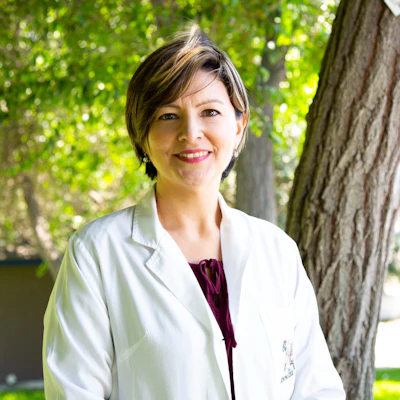
Dr. Shuaib S M Zaidi
- 20+ years of experience in Surgical Oncologist
- Performs Modified radical mastectomy and breast conservation surgery
- Principal Director — Surgical Oncology, Max Super Specialty Hospital, Noida
- Senior Consultant — Surgical Oncology, Indraprastha Apollo Hospital, New Delhi
- Modified radical mastectomy and breast conservation surgery
- Oesophagectomy for oesophageal cancer
- Pulmonary lobectomy and pneumonectomy
- Gastrectomy for gastric cancer
- Colorectal cancer resections
Best Hospitals for Modified Radical Mastectomy
🇮🇳 Nanavati Super Specialty Hospital
🇮🇳 Apollo Hospitals
🇮🇳 Medanta - The Medicity
🇮🇳 Artemis Hospital
🇮🇳 Tata Memorial Hospital
🇮🇳 Yashoda Hospitals, Hi-Tech City
🇮🇳 Apollo Hospitals, Navi Mumbai
🇮🇳 KIMS Hospitals, Secunderabad
🇮🇳 Gleneagles Hospital, Mumbai
🇮🇳 Lilavati Hospital And Research Centre
Process Involved
Share your diagnosis reports and imaging with GAF Healthcare for a free case review
Receive personalised hospital and surgeon recommendations within 48 hours
Get a transparent cost estimate before committing to anything
Our team manages your visa invitation letter, travel, and accommodation
On arrival, a dedicated patient coordinator stays with you throughout your journey
Post-discharge teleconsultation with your surgeon is arranged before you fly home
Our Services
Watch a Patient Story
Frequently Asked Questions
Is India safe for breast cancer surgery for international patients?
Absolutely. India is one of the most trusted medical tourism destinations in the world, and breast cancer surgery — including MRM — is among the most commonly performed oncology procedures for foreign patients. Hospitals like Apollo, Fortis, Tata Memorial, Medanta, and AIIMS follow international clinical protocols (NCCN/ESMO guidelines). Many are JCI- and NABH-accredited. Your surgical outcome depends on the stage of your cancer and the expertise of your team — both of which are world-class at India's top cancer centres.
How do I know if I need a modified radical mastectomy or a lumpectomy?
The choice between MRM and a lumpectomy depends on several factors: tumour size relative to your breast, the number and location of tumours, your genetic risk profile, your preference for radiation therapy, and whether you want to keep your breast. A lumpectomy removes only the tumour and a margin of normal tissue, while MRM removes the entire breast. Both are highly effective in the right candidates. You can compare costs and details of Lumpectomy in India and Mastectomy in India on our site, and our team can help you get a surgeon's opinion based on your reports.
What is the total cost I should budget for, including travel and stay?
The surgery itself costs $2,500–$6,000. On top of that, budget approximately $800–$1,500 for return flights (depending on your origin), $400–$900 for a 12–14 night stay in a comfortable serviced apartment or hotel near the hospital, and $200–$400 for local transport, meals, and incidentals. Total all-in budget for most international patients: $4,000–$9,000 — still a fraction of what the same care costs in the West.
How long do I need to stay in India after a modified radical mastectomy?
Most surgeons recommend staying in India for at least 10 to 14 days after your surgery. This allows time for inpatient recovery (3–5 days), drain removal, wound check, pathology report review, and a final pre-travel clearance consultation. If you are planning immediate breast reconstruction, you may need to stay for 3–4 weeks. Long-haul flights immediately post-surgery are not advisable due to deep vein thrombosis (DVT) risk.
Will I be able to get breast reconstruction after MRM in India?
Yes, and India is actually an excellent destination for combined MRM + breast reconstruction. You can choose immediate reconstruction (done in the same surgery) or delayed reconstruction (months later). Options include implant-based reconstruction or flap-based techniques (TRAM, DIEP, LD flap). India's plastic and reconstructive surgeons are highly skilled in these procedures. You can explore costs and details at Breast Reconstruction in India.
What documents do I need to bring for my treatment in India?
Bring the following: all biopsy and pathology reports, recent imaging (mammogram, ultrasound, MRI, PET-CT if done), blood test results, a list of current medications, your health insurance documents (if applicable), your passport, and a medical visa (our team helps you obtain the visa invitation letter). Having digital copies on your phone or cloud storage is a smart backup.
Can I choose my surgeon, and how do I evaluate them?
Yes, you absolutely can — and you should. When evaluating a breast surgical oncologist in India, look for: MCh or DNB in Surgical Oncology, fellowship training in breast oncology (ideally international), surgical volume (high-volume surgeons have better outcomes), and hospital affiliation (JCI-accredited hospitals maintain stricter standards). You can browse profiles of India's leading breast cancer surgical oncologists on our platform and request a virtual consultation before you travel.
Is there a risk of lymphoedema after MRM, and how is it managed?
Lymphoedema — swelling of the arm due to disrupted lymph drainage after axillary node removal — is the most significant long-term side effect of MRM. It occurs in roughly 10–20% of patients. India's top cancer hospitals have certified lymphoedema physiotherapists who begin rehabilitation even during the inpatient stay. Compression garments, manual lymphatic drainage (MLD), and specific exercises form the core of long-term management. It is a manageable condition, and early intervention makes a significant difference.
Does the cost of MRM in India include chemotherapy or radiation therapy?
No — the quoted cost of $2,500–$6,000 covers the surgery itself. If your oncologist recommends adjuvant chemotherapy, hormone therapy, or radiation therapy, these are separate courses of treatment with their own costs. In India, chemotherapy cycles typically cost $300–$800 per cycle, and a full course of radiation therapy costs $2,000–$5,000, depending on the technology (3D-CRT vs. IMRT vs. VMAT). Many international patients prefer to undergo surgery in India and continue adjuvant treatment closer to home.
How do I get started with planning my MRM in India through GAF Healthcare?
Getting started is straightforward. Share your diagnosis reports and imaging with our team through our website or WhatsApp. Within 48 hours, you will receive a personalised recommendation covering the best-fit hospitals, surgeon profiles, and a transparent cost estimate. We then coordinate your medical visa invitation letter, hospital appointments, airport transfer, accommodation, and a dedicated patient coordinator for your entire stay. There is no upfront fee for our coordination services. Connect with us today and take the first step toward effective, affordable breast cancer care.